
Motorsports
State of NASCAR’s Next Gen car: As big teams dominate, is there any hope for the rest?


It’s a tough road these days for any NASCAR driver not employed by one of the Cup Series’ “Big Three” organizations.
Despite the original promise of parity from NASCAR’s seventh-generation vehicle, better known as the “Next Gen car,” power has once again been consolidated among the elite, following a brief respite after the car’s debut.
It led veteran driver Michael McDowell, who drives for the mid-tier Spire Motorsports team, to joke earlier this month that the only way to catch the dominant organizations was to “steal their people.”
Even that might not be enough.
The numbers this year were dire for anyone racing for a team other than Hendrick Motorsports, Joe Gibbs Racing or Team Penske (along with its alliance partner, Wood Brothers Racing, which has its cars built in the same shop).
Together, those Big Three teams combined to win an astounding 27 of 30 oval races on the Cup Series schedule. The same teams collected 65 percent of all available top-five finishes — up from 53.9 percent in the first year of the Next Gen car, which teased the dawn of a new, parity-filled era in NASCAR.
In that 2022 debut season of the car, the Cup Series saw a record-tying 19 different winners. The races felt wildly unpredictable and wide open as teams struggled to get a handle on how best to set up their new vehicles.
However, seven months into the car’s life cycle, Hendrick driver Chase Elliott sounded the alarm: Teams were quickly figuring out the Next Gen, and they would only grow closer over time. When all cars go relatively the same speed, it’s more difficult to pass; when it’s more challenging to pass, Elliott said, “you’re going to start to put more pressure on the little details to find an advantage.”

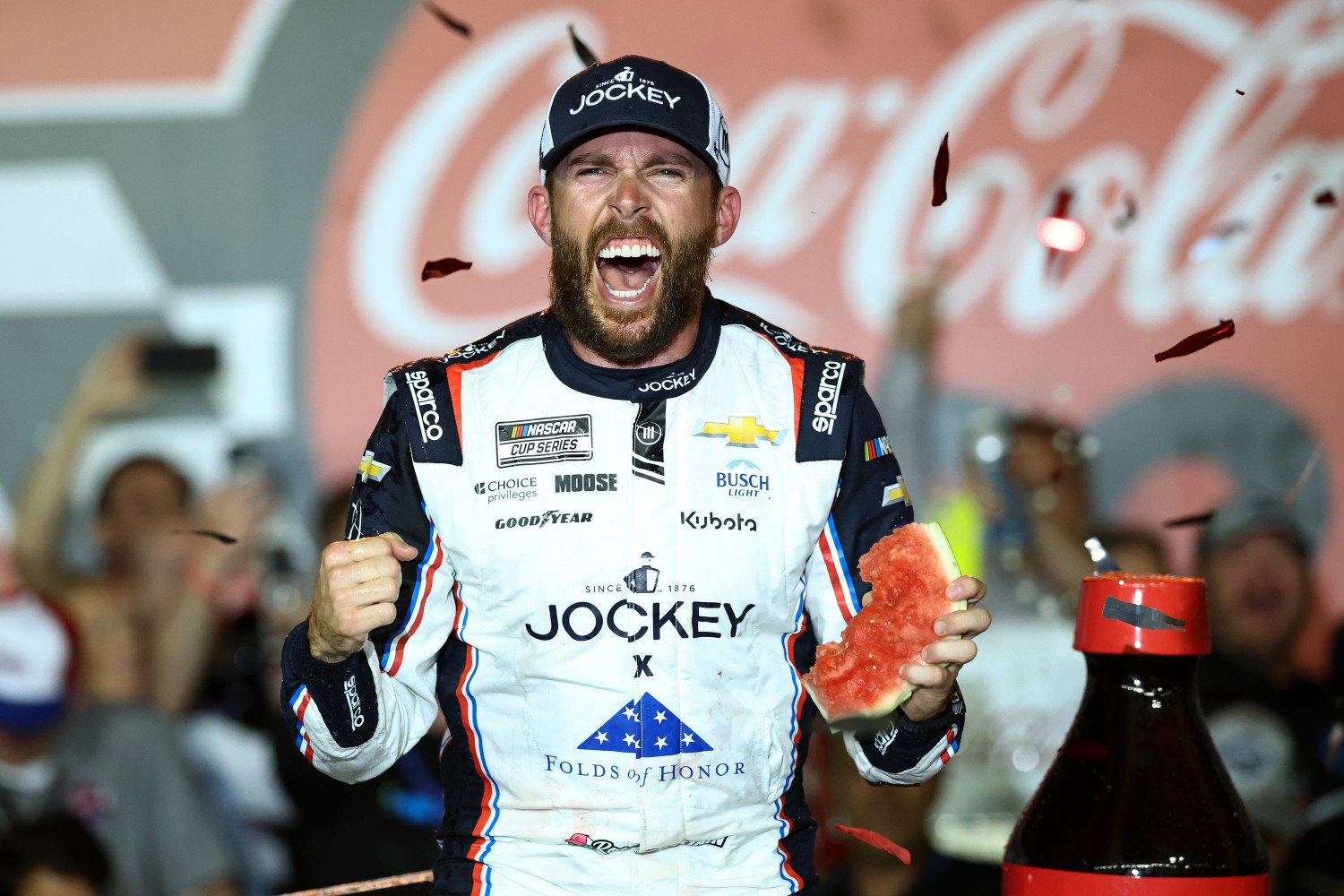
Ross Chastain’s win in the Coca-Cola 600 for Trackhouse Racing was one of just three oval wins this season for a driver outside the Big Three teams. (Logan Riely / Getty Images)
And who is best at finding the little details? It’s the powerhouse teams with the most money and the most resources — whether that’s technology, engineering or manpower. Sure enough, that’s exactly what has unfolded over the last three years.
This season, there were 14 different winners, and 10 of those drivers were linked to the Big Three teams. Only three other organizations — Trackhouse Racing (two drivers), 23XI Racing (one) and Richard Childress Racing (one) — were able to find victory lane.
When it came to the NASCAR championship, the Big Three also claimed all eight of the semifinal round playoff spots. The season’s two winningest organizations (Hendrick and Gibbs, which combined for 21 victories) then swept the Championship 4 berths.
That doesn’t mean other teams can’t catch up. But in the current environment, it’s extremely challenging at best.
“This car still provides a really good platform,” Spire’s McDowell said. “You’ve seen us have speed and run in the top 10 and the top five. Yes, the big teams have separated themselves from an execution and a win standpoint, but the speed is in our cars to do it. We just have to put it all together.”
The Next Gen car requires all teams to purchase their chassis and parts from the same supplier, making them virtually identical, and the larger teams are better at consistently finding an advantage. It does not mean a smaller organization can’t hit on a setup or have a great day and win a race. As Hendrick crew chief Rudy Fugle noted, there were many times this season when a non-Big Three team had “really strong race cars that were as good as ours.”
But he added: “It’s really hard to do it consistently week in and week out, like we can with a bigger team.”
How do the major organizations do it? It’s as small as a count of downforce here, a pound removed from the car there. When those are combined from engineers poring over the minutiae of a spec car, “a very small difference ends up making a big difference, especially if you stack enough of those together,” Fugle said.
It certainly doesn’t hurt that the larger multi-car teams almost always have at least one of their cars hit on something, and that information is shared freely and openly through the organization. Some of that data trickles down to alliance partners, like from Hendrick to Spire, but not all of it.
NASCAR has often said it does not want a top-heavy sport and that it’s essential for the smaller teams to be able to compete for wins. Having so much of the power once again consolidated in NASCAR’s elite, despite a car with the same parts and pieces for everyone, is “definitely a trend we need to be very watchful on,” NASCAR president Steve O’Donnell said.
“Most of the (teams’) spend now is going through simulation, engineering, all these things,” O’Donnell said. “The bigger teams have more resources. Our focus as a competition group really needs to lean into that aspect of it.
“What do the have-nots not have, and what can we do and what rules can we put in place as technology becomes more and more of a factor?”
Some ideas that have been floated include NASCAR allowing teams to work in certain areas of the car that are currently tightly regulated, which would encourage some innovation and create some speed variation in the field. However, NASCAR is concerned about triggering another spending war.
“It’s not lost on us that we do like the storylines of engineers and crew chiefs contributing to making their car go faster and contributing to win,” O’Donnell said. “There’s a lot of discussion going on right now about that.
“But we want to do that in a really smart way so we don’t open up the cost factor, and we go right back to where we were.”

NASCAR is seeking ways to boost parity, but it’s not easy. “We want to do that in a really smart way so we don’t … go right back to where we were,” league president Steve O’Donnell said. (Chris Graythen / Getty Images)
A concept that will likely be implemented at some point is a Formula One-style cost cap, limiting teams’ spending per season and forcing them to allocate resources effectively.
In the meantime, NASCAR is making one notable change for next season: It is increasing horsepower for road courses and short tracks from 670 to 750 (the other tracks will remain the same). Yet there’s skepticism that the move will shake up the field in any meaningful way.
NASCAR is challenged to balance its on-track product with the competition. It wants the races to be as entertaining as possible but also needs to rein in the garage to prevent an F1-type imbalance (only three different teams have won an F1 race this season).
And in terms of the racing itself, the Next Gen made significant gains this season thanks to Goodyear’s more intensive approach to softening the tires at shorter tracks.
Ultimately, though, it’s the Big Three’s world and everyone else is just living in it. Yet even their position is precarious, given how a slight performance gain can make a driver go from zero to hero.
“When we say ‘little changes,’ I mean, the difference between contending for wins and running 15th is small,’ ” Penske crew chief Paul Wolfe said.
Hendrick crew chief Cliff Daniels, who recently won a second Cup Series championship with Kyle Larson, said the dominance exhibited by the big teams has now reached similar levels to the old car. The reason for that was obvious, he said: Just as crews massaged on the previous generation of vehicle and wrung all the speed out of it, there’s now been “enough length of the runway” to allow teams to hone all the significant areas of the Next Gen car.
Part of the reason is that once teams figure out which area to work in, crew members lured by better offers bounce from one organization to another, spreading the word. That’s been a core part of NASCAR for decades, but it’s essential with a spec vehicle.
“It just brings new ideas and thoughts,” Wolfe said. “The next thing you know, everyone’s got the same race car.”
Manufacturers also spend tens of millions of dollars per year to ensure their makes win the most races and championships. Chevrolet, Ford and Toyota race to give their teams the best simulator technology, engine technology and everything data-related in between. It’s no coincidence that the Big Three are each the top recipient of their respective manufacturer’s funding (Hendrick is the top Chevrolet team, Penske the top Ford team and Gibbs the top Toyota team).
On his flight home from the season finale at Phoenix, RFK Racing driver/co-owner Brad Keselowski posed and answered a question on X: “Can someone other than Hendrick, Penske or Gibbs win the cup series championship?” he wrote. “Not realistically with the current (manufacturer) rules.”
Ultimately, teams feel they’ve nearly maximized the Next Gen car to the point they must take chances they might not otherwise try. In the championship race at Phoenix earlier this month, all four title contenders blew tires because they were overly aggressive on their setups.
After all, there aren’t many other places remaining to look for speed.
“Everyone eventually gets in that same area, and then it’s pushing the limits and finding those limits,” Wolfe said. “Unfortunately, we’ve had some issues here in the playoffs with tire failures, but that’s just trying to find that little bit more. That’s what we’re down to.”


Connor Zilisch is preparing for his rookie NASCAR Cup Series campaign, and he’ll have veteran crew chief Randall Burnett on pit road after leaving Kyle Busch and Richard Childress Racing mid-way through 2025. Zilisch, 19, was confirmed by Trackhouse Racing mid-season, long before the Xfinity Series Championship 4 race in Phoenix, where he fell painfully short to Jesse Love despite dominating the competition year-long.
To support the teenager, Trackhouse made immediate moves to provide Zilisch with veteran experience in the Cup Series. And so, they hired Burnett to be Zilisch’s crew chief.
Burnett and Busch parted ways after underwhelming seasons and missed back-to-back playoff appearances. Zilisch is pleased to have Burnett in his corner, with the crew chief bringing a wealth of experience, having joined RCR in 2020. Before that, Burnett had several years of experience as a crew chief in the Xfinity series.
“He’s a great guy. He worked with a lot of younger guys. He was with Tyler and Xfinity and worked with him in Cup as well, and then he’s also worked with guys like, obviously, Kyle Bush, one of the most pronounced guys in our sport, and so he’s got a lot of experience,” Zilisch said.
Burnett isn’t a rookie when it comes to working with first-year drivers, either. “I think that experience is gonna help me, and the fact that he’s worked with a rookie before, he understands the growing pains. That way, I kinda know what to expect. I think that’s gonna be really helpful for me and him in our relationship,” Zilisch added.
Sign up to our NASCAR newsletter here.
Likewise, Burnett is looking forward to his “fresh start” with Zilisch. “I’m excited about my opportunity over there, and you know, obviously, something’s got to change on this 8 car,” Burnett told NASCAR.com. “We haven’t been performing the way we needed to.
“I think everybody needs a fresh start. I got a really good opportunity with where I’m going. Obviously, Connor’s a great young talent. I miss working with the younger guys. So, you know, just kind of all worked out.”
Before Zilisch’s Xfinity championship heartbreak, Burnett identified that the Cup Series won’t be plain sailing for the NASCAR phenom. “I think he’s going to have a lot to learn in the Cup Series,” Burnett said.
“Obviously, the races are longer. These cars definitely race a little different than what he’s used to on the Xfinity side right now, and the talent level over here is incredible, you know what I mean.
“I think he’ll have a pretty steep learning curve when he gets over here, but I want to help guide him with that and try to coach him up. Obviously, the kid’s got an immense amount of talent — there’s no question about that.
“So it’s just going to be taking that and harnessing it and trying to get the wins and the finishes he deserves over here, and we’re going to work hard on that this winter.”

The 2026 NASCAR Cup Series sees relatively few driver swaps compared to prior years, with the lineup largely stable and no open full-time chartered seats (barring any lawsuit outcomes). Key moves include one major driver switch, several crew chief shuffles, and some team alliances/manufacturer changes. Here’s a breakdown by category:
–by Mark Cipolloni–
NASCAR Cup Driver Changes
– Daniel Suárez: Leaves Trackhouse Racing (No. 99 Chevy) after mutual agreement and joins Spire Motorsports (No. 7 Chevy), replacing Justin Haley.
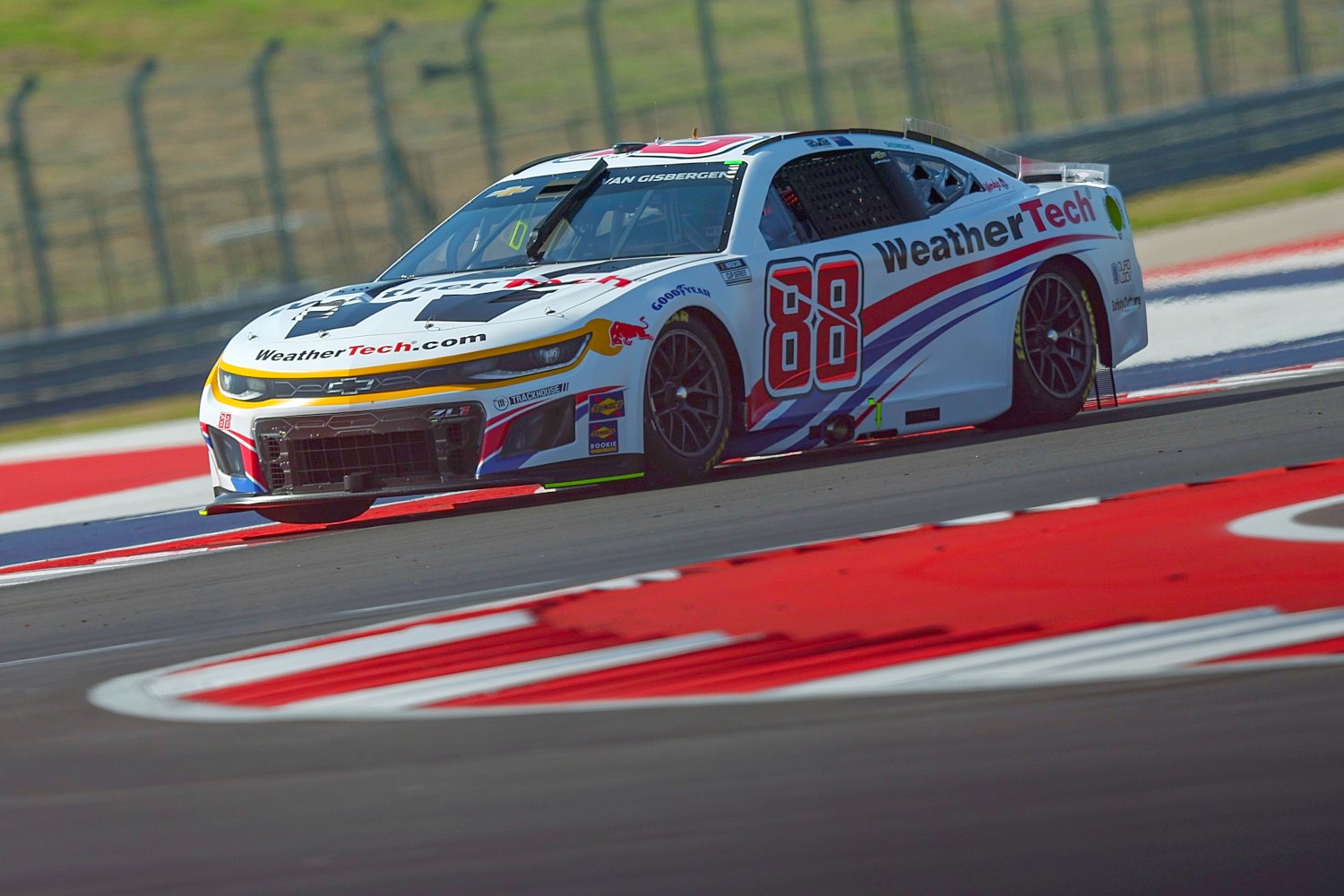
– Connor Zilisch: Promoted from Xfinity (JR Motorsports No. 88) to full-time Cup with Trackhouse Racing (No. 88 Chevy, formerly van Gisbergen’s number).
– Shane van Gisbergen: Stays with Trackhouse but switches car numbers from No. 88 to No. 97 Chevy.
– Cody Ware: Returns full-time to Rick Ware Racing (No. 51 Chevy) for a second season.
– No other full-time driver seats are changing hands; veterans like Kyle Busch, Denny Hamlin, and Chase Elliott are locked in with extensions.
NASCAR Crew Chief and Personnel Changes
– Ross Chastain (Trackhouse No. 1): New crew chief Brandon McSwain (formerly an engineer with Hendrick’s No. 24). Previous chief Phil Surgen moves to another role at Trackhouse.
– Kyle Busch (RCR No. 8): New crew chief Jim Pohlman (from JR Motorsports Xfinity). Randall Burnett shifts to Trackhouse for Zilisch.
– Connor Zilisch (Trackhouse No. 88): Crew chief Randall Burnett (from RCR No. 8).
– Daniel Suárez (Spire No. 7): Retains Ryan Sparks as crew chief; Matt McCall promoted to competition director at Spire.
– Erik Jones (Legacy No. 43): New crew chief Justin Alexander (RCR veteran); Ben Beshore moves to race engineering director.
– Noah Gragson (Front Row No. 4): New crew chief Grant Hutchens; Drew Blickensderfer becomes competition director.
NASCAR Team and Manufacturer Changes
– Trackhouse Racing: Expands effectively with Zilisch’s promotion; car number swap (88 and 97); new Red Bull sponsorship for Zilisch and van Gisbergen (25 races total).
– Haas Factory Team (No. 41): Switches from Ford to Chevrolet with Hendrick alliance; Cole Custer full-time.
– Rick Ware Racing: Switches from Ford to Chevrolet with RCR alliance; ownership shift to T.J. Puchyr; Corey LaJoie runs partial schedule in No. 15.
– Other Stables: Front Row, Hendrick, Joe Gibbs, Penske, Roush Fenway Keselowski, 23XI, Legacy, and Kaulig see no major team expansions or folds, but various sponsorship renewals (e.g., Dollar Tree/Family Dollar through 2028 for Legacy).
– Technical Boost: NASCAR increases horsepower to ~750 on short ovals (<1.5 miles) and road courses (up from 670).
Changes in Other Series (Xfinity/O’Reilly Auto Parts Series and Trucks)
For completeness, here’s a high-level overview of notable shifts mentioned in broader silly season coverage:
– O’Reilly Auto Parts Series (formerly Xfinity): Rebranded with new sponsorship. Key driver moves include Brent Crews to Joe Gibbs No. 19 (29 races), Rajah Caruth splitting JR Motorsports No. 88 and Jordan Anderson No. 32, Corey Day to Hendrick No. 17 full-time, and Harrison Burton to Sam Hunt No. 24. Teams like Viking Motorsports expand to two cars, Kaulig pauses operations, and RSS switches to Chevrolet. Age minimum lowered to 17 for certain tracks.
– Craftsman Truck Series: Michael McDowell heads to Trucks (as noted in your article), Ross Chastain gets a new crew chief in some reports, and Justin Haley joins Kaulig full-time. Other moves: Rajah Caruth leaves Spire No. 71; expansions at Jordan Anderson and Young’s Motorsports. Additionally, RAM returns as a manufacturer for the first time since 2012, partnering with Kaulig Racing and Cummins; they’ve introduced a reality show (“Race for the Seat”) to select a driver for one of their entries.
2026 Schedule Highlights
Several tracks shift dates: Chicagoland returns (July doubleheader), North Wilkesboro hosts first Cup points race in 30 years, All-Star at Dover, In-Season Challenge back with new tracks ending at Indy. Trucks add St. Petersburg and San Diego; finale at Homestead.

Guven joins the already confirmed trio of Thomas Preining, Ricardo Feller and Klaus Bachler in the “Grello” liveried No. 911 entry.
In a post on social media, Manthey wrote: “A new season, a new chapter — and we’re rolling into Daytona with serious intent. Before we hit the High Banks, there’s one more update to our driver line-up for the first 24h race of the year: reigning DTM Champion Ayhancan Güven joins the No. 911 crew at Daytona. The No. 912 is fully prepped as well, ready to take on our IMSA debut season.”
Guven made his IMSA debut in the 2025 Rolex 24 At Daytona, finishing second in Grand Touring Daytona (GTD) with Wright Motorsports.
Meuspath “After the first IMSA test in Daytona in November, we are now looking forward to the official start of the season in January. We are particularly pleased to be able to count on a very strong driver line-up with close ties to Manthey: with Ryan, Riccardo, Morris and Richard as the fourth man for the 24-hour race, we are relying on absolute constants in the Manthey 1st Phorm car – we have gained a lot of experience and celebrated many successes with each of them. Well-known and proven faces will also be at the start for us at the wheel of the starting number 911. Alongside Thomas and Klaus, we are delighted to welcome on board Ricardo, who joins us with valuable IMSA experience. We are excited to see what we can achieve in the coming season,” says Patrick Arkenau, Director Racing at the Manthey Racing GmbH.
Nicolas Raeder, Managing Director of the Manthey Racing GmbH, adds: “With the start of the IMSA season, a new and exciting chapter will begin for us very soon. We can rely on experienced drivers, most of whom already know our team from the DTM, WEC and the Nürburgring, and we are proud that these seven will represent us in America next year. I am looking forward to laying the foundation for a successful season with this team at the first race in Daytona.”
After the official Daytona pre-test, known as ROAR, from 16 to 18 January, the IMSA season opener for Manthey is scheduled for 24 January 2026 with the 24 Hours of Daytona. This event will be followed by four more endurance races in Florida, New York, Wisconsin and Georgia, each lasting between six and twelve hours.

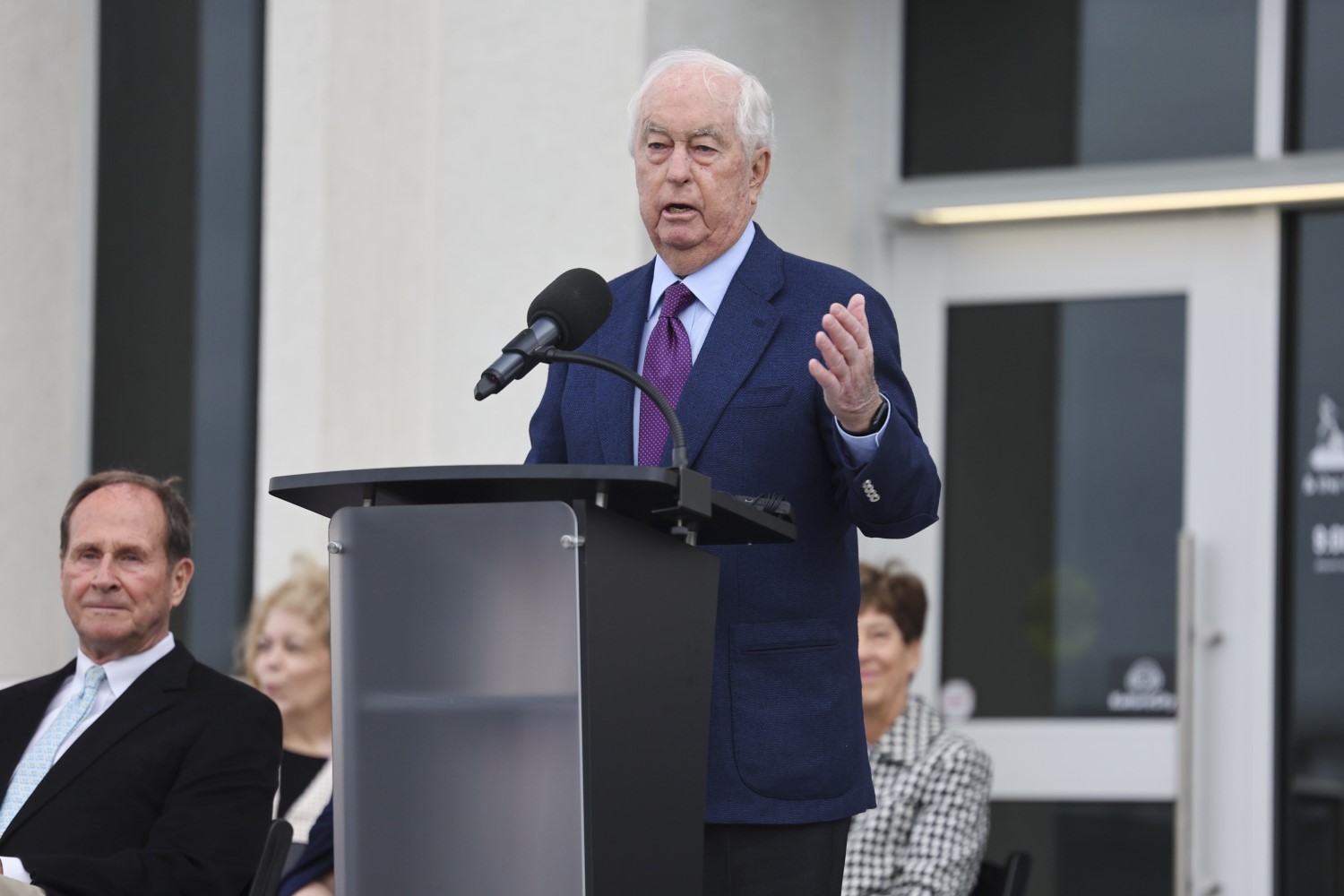
In a major boost for team finances, head of Penske Entertainment, Roger Penske, has committed an additional $11 million to the IndyCar Leaders Circle program over the 2026, 2027, and 2028 seasons. This increase effectively adds $500,000 per qualifying contract annually, providing critical support as teams prepare for the significant costs of introducing the all-new ‘spec’ Dallara IR-28 chassis in 2028.
–by Mark Cipolloni–
The Leaders Circle program, established in the early 2000s, delivers guaranteed prize money to the top 22 finishers in the annual entrants’ championship. These payouts reward full-season participation and help offset the high costs of competing in the NTT IndyCar Series. The program is exclusive to the series’ 25 charter entries, which compete for the 22 available contracts.
In 2025, Penske Entertainment allocated $31.9 million for the Leaders Circle, with each contract valued at approximately $1.145 million. Starting in 2026, the per-contract amount rises to $1.645 million — an increase of $500,000 per team. This marks the largest single-year jump in the program’s history since its inception in 2002 and will apply through 2028.
IndyCar President Doug Boles highlighted the significance of the move, stating: “Roger [Penske] made a pretty big commitment to the charter teams and the Leaders Circle by increasing the Leaders Circle by $11 million in ’26, ’27, and 28 from where it was in ’25. That was just Roger doing the right thing to help IndyCar teams, his partner teams, be more successful and have a little more cash to move forward.”
The timing of this financial enhancement is particularly strategic. Teams currently face annual operating budgets ranging from $8-10 million (and up to $11-12 million for top programs) per entry, driven by factors like engine leases, hybrid technology (introduced in 2024), and general inflation in racing costs. The $500,000 boost represents roughly 17-20% of a typical team’s budget, offering meaningful relief.
More crucially, the increase aligns with preparations for the 2028 chassis transition. The current Dallara DW12 chassis, in service since 2012 (with updates like the aeroscreen and hybrid integration), will be replaced by the new IR-28. Teams are expected to budget upwards of $1 million per car for the switch to the updated Dallara model. The IR-28 promises a lighter overall weight (targeting an 85-100 lb reduction, including a 25-lb lighter gearbox), a more powerful 2.4-liter twin-turbo V6 engine (up from the current 2.2-liter), and continued hybrid evolution — all aimed at enhancing performance, safety, and fan appeal.
On-track testing for the new chassis is slated to begin in early 2026, with prototypes potentially ready by late 2025 and manufacturer testing targeted for mid-2026. The full rollout in 2028 will mark the first clean-sheet chassis redesign in over 16 years, addressing accumulated modifications and setting the stage for future competition.
This Leaders Circle enhancement follows smaller adjustments in recent years, including a $100,000 increase for 2025 (bringing contracts to $1.2 million) and prior fluctuations tied to hybrid upgrades and economic factors. With the series benefiting from a recent 33% stake sale to Fox Corporation and ongoing growth efforts, the commitment underscores Penske Entertainment’s focus on team stability and long-term competitiveness.
As IndyCar continues its upward trajectory—highlighted by competitive ‘spec series’ racing, the iconic Indianapolis 500, and expanding visibility — this financial support positions charter teams to invest more effectively in development, talent, and operations ahead of the exciting 2028 era. Stay tuned to AutoRacing1.com for further updates on the IR-28 rollout, engine developments, and the 2026 season.

Four changes have already been made to the 2026 NASCAR Cup Series playoffs ahead of Monday’s announcement of the championship format. NASCAR is set for a potentially landscape-changing week, with the governing body poised to announce changes to its championship format following sustained discontent from fans, as well as past and present drivers.
Pressure on NASCAR to change its championship format increased following last November’s finale in Phoenix, Arizona, which saw Denny Hamlin fall painfully short of being crowned Cup Series champion to Kyle Larson. The Joe Gibbs Racing star dominated proceedings and was a few laps away from the checkered flag when a caution threw his victory into doubt.
Hamlin’s No. 11 was then undercut by Kyle Larson on pit road, with the Hendrick Motorsports star taking two tires instead of four. Larson finished ahead of Hamlin, therefore being crowned Cup Series champion for a second time. The finish sparked outrage over Hamlin’s heartbreak, as the race was his last chance to be crowned champion before his father, Dennis, passed away. Dennis was seriously ill last year, but died last month on Dec. 28, following a devastating house fire that also left his mom hospitalized.
Hamlin was one of many critics of NASCAR’s playoff format and had long called for changes to be made. It was speculated shortly after that changes would be made to NASCAR’s championship format.
Still, official confirmation won’t come until Monday, which also follows last month’s bitter antitrust lawsuit between Hamlin and Michael Jordan’s 23XI Racing/Front Row Motorsports against the governing body, which was eventually settled.
Sign up to our NASCAR newsletter here.
However, before Monday’s format announcement, four changes have already been made to NASCAR’s playoffs. Homestead-Miami will replace Phoenix as the host of NASCAR’s championship races in 2026. Phoenix will be pushed back to the Round of 8.
Phoenix Raceway is taking over as the opening race of the Round of 8 (Race 33), replacing Las Vegas Motor Speedway. Talladega Superspeedway and Martinsville Speedway remain unchanged and will continue to close out the semifinal round as Races 34 and 35.
Las Vegas is still part of the postseason, but its role has been pushed back to the Round of 12, filling the spot vacated by New Hampshire Motor Speedway.
New Hampshire had long been in a traditional position as the round opener, but Las Vegas will instead host the middle race (Race 31). Kansas Speedway will open the Round of 12 (Race 30), while the Charlotte Motor Speedway Roval will once again serve as the cutoff race (Race 32) in that stage.
The Round of 16 remains untouched, with Darlington Raceway opening the playoffs (Race 27), followed by stops at World Wide Technology Raceway at Gateway (Race 28) and Bristol Motor Speedway (Race 29).
New Hampshire is the lone race on the 2025 playoff schedule that will not carry over into the 2026 postseason.
Motorsports
Nissan Unveils Aura NISMO RS Concept, Signals Future of High-Performance Hybrid Hot Hatches
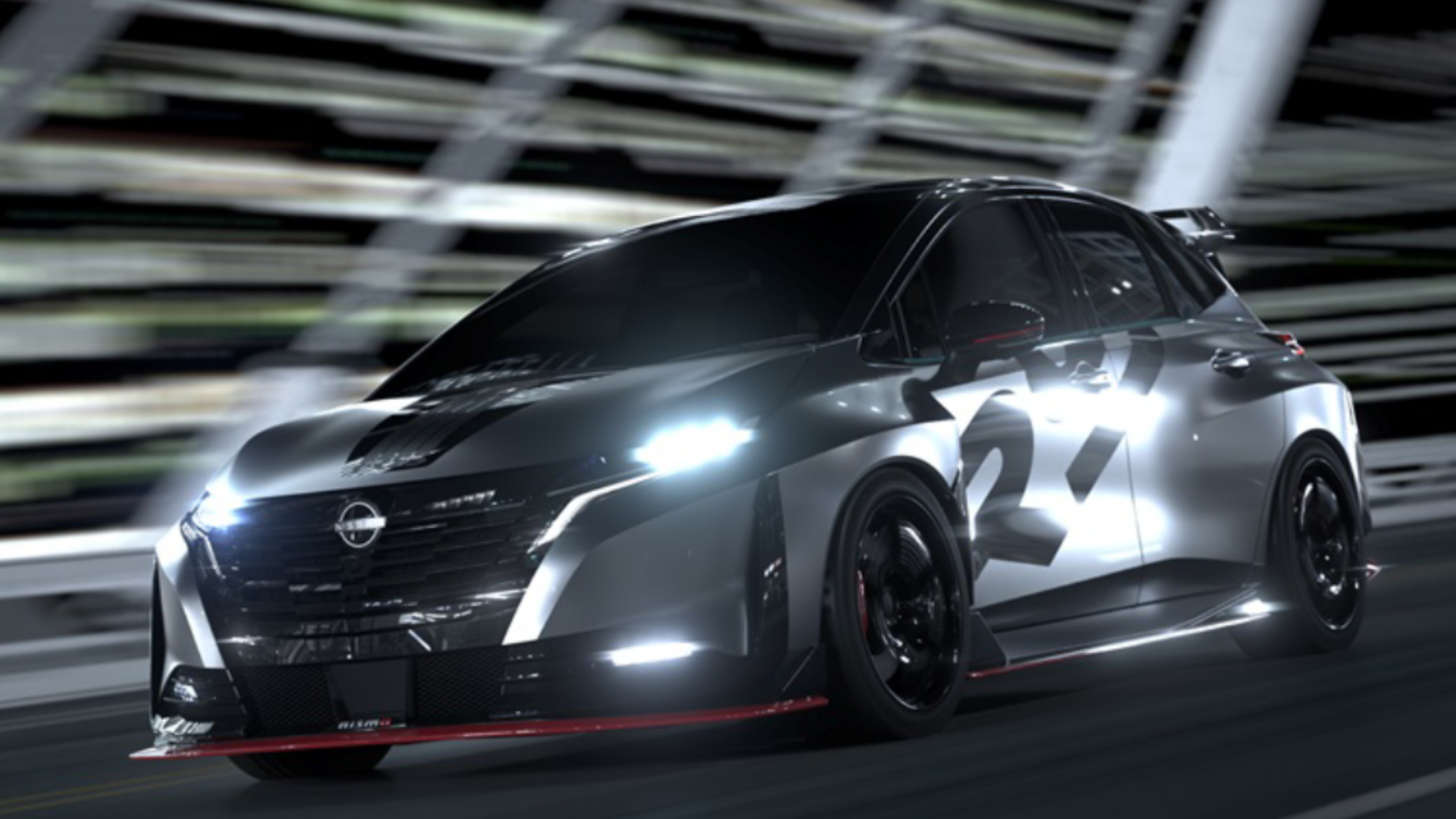


Nissan Motor Co., Ltd., together with Nissan Motorsports & Customizing Co., Ltd. (NMC), has revealed the Aura NISMO RS Concept at the Tokyo Auto Salon 2026, showcasing a bold vision for a next-generation high-performance electrified hot hatch and hinting at potential future production.
Developed as a technical validation model, the concept evolves from the Aura NISMO and integrates the high-output e-POWER system from the X-Trail NISMO, combining motorsports-inspired engineering with mass-production vehicle technologies. Nissan confirmed it is exploring the feasibility of bringing the concept to market.
Aggressive design with functional aerodynamics
The Aura NISMO RS Concept builds on the brand’s “Agile Electric City Racer” philosophy with a more muscular and track-focused design. Wider fenders expanded by 145 mm, a 20 mm lower ride height and a broader stance give the car a low center of gravity and commanding road presence.
A full aerodynamic package — including a front spoiler, side skirts, rear diffuser with signature NISMO red accents, airflow-optimized front fenders, side air splitters and a dedicated rear spoiler — has been developed to increase downforce while minimizing drag. The concept is finished in an exclusive Dark Matte NISMO Stealth Gray, designed to maintain visual consistency under varying light conditions.
Motorsports-driven performance upgrade
At its core, the concept pairs the compact, lightweight Aura NISMO platform with Nissan’s high-output series-hybrid e-POWER drivetrain, delivering a significant increase in power to the wheels and sharper throttle response.
Handling and stability are enhanced through the widened body, high-grip tires and NISMO-tuned e-4ORCE all-wheel control technology, offering improved traction and cornering capability. Braking is reinforced by large opposed-piston calipers — four-pot units at the front and two-pot at the rear — ensuring strong stopping performance despite an approximate 100-kg weight increase over the standard Aura NISMO.
Nissan and NMC stated that the concept will continue to be refined, with possible applications in motorsport as well as future commercialization.
Strategic importance for NISMO
“Under our Re:Nissan strategy, we are committed to introducing heartbeat models at speed that resonate with customers,” said Yutaka Sanada, President and CEO of NMC. “The Aura NISMO RS Concept is our first offering born from the collective expertise of NMC. NISMO has always pushed people and technology to the limit in motorsports, and we will continue delivering that excitement to customers and fans worldwide.”
Key specifications (Aura NISMO RS Concept)
- Length: 4,262 mm
- Width: 1,880 mm
- Height: 1,485 mm
- Kerb weight: 1,490 kg
- Front motor: 150 kW / 330 Nm
- Rear motor: 100 kW / 195 Nm
- Power generation engine: 1.5-litre turbo (106 kW / 250 Nm)
- Drivetrain: e-POWER with e-4ORCE AWD
- Wheels: NISMO LM GT4, 18×9.0J
- Tyres: Michelin Pilot Sport 4 (245/45R18)
With its blend of aggressive styling, electrified performance and motorsports DNA, the Aura NISMO RS Concept highlights Nissan’s intent to redefine the future of performance-oriented hybrid vehicles.

Connor Zilisch feelings on working with ex-Busch crew chief – Motorsport – Sports

USA Today sends Alabama, Georgia, LSU, Florida, and Texas A&M a black-pilled message

NASCAR Driver, team and schedule changes for 2026 summarized

Isaiah Cadengo Posts Pair of Top 10 Marks as Vikings Close Season-Opening Silver & Blue Invitational
Meet The Journal’s high school girls volleyball All-State teams

Guven Completes Manthey GTD PRO Entry at Rolex 24 — PorscheSport

Person who makes a difference: Dubuquer reflects on Special Olympics, father’s legacy | Tri-state News

Calendar 2026: Commonwealth & Asian Games, Chess World Championships, Cricket, Football & Hockey World Cups and more

Virat Kohli Creates History at 38, Smashes Three World Records in First ODI Against New Zealand

IndyCar Leaders Circle Program Expands Funding

Youth hockey brawl at intermission of minor league hockey game goes viral: ‘Getting AFTER it’
Florida football transfer tracker as Jon Sumrall works the portal for 2026 class

The good and bad news in girls’ sports participation

4 changes already made to 2026 NASCAR Cup Series playoffs – Motorsport – Sports

Tennessee safety Boo Carter commits to Colorado out of NCAA transfer portal

Stempien to seek opening for Branch County Circuit Court Judge | WTVB | 1590 AM · 95.5 FM

#11 Volleyball Practices, Then Meets Media Prior to #2 Kentucky Match

Ross Brawn to receive Autosport Gold Medal Award at 2026 Autosport Awards, Honouring a Lifetime Shaping Modern F1

Maine wraps up Fall Semester with a win in Black Bear Invitational

Nascar legal saga ends as 23XI, Front Row secure settlement

Princeton Area Community Foundation awards more than $1.3 million to 40 local nonprofits ⋆ Princeton, NJ local news %

Downtown Athletic Club of Hawaiʻi gives $300K to Boost the ’Bows NIL fund

Sunoco to sponsor No. 8 Ganassi Honda IndyCar in multi-year deal

WNBA’s Caitlin Clark, Angel Reese and Paige Bueckers in NC, making debut for national team at USA camp at Duke

Badgers news: Wisconsin lands 2nd commitment from transfer portal

Nike Signs 10 LSU Athletes to NIL deals

Three Clarkson Volleyball Players Named to CSC Academic All-District List

Five Youth Sports Trends We’re Watching in 2026

Beach Volleyball Unveils 2026 Spring Schedule – University of South Carolina Athletics

Kentucky AD explains NIL, JMI partnership and cap rules





-
 Sports3 weeks ago
Badgers news: Wisconsin lands 2nd commitment from transfer portal
-
 Rec Sports1 week ago
Five Youth Sports Trends We’re Watching in 2026
-
 Sports2 weeks ago
Kentucky VB adds an All-American honorable mention, loses Brooke Bultema to portal
-
 Motorsports3 weeks ago
Dr. Patrick Staropoli Lands Full-Time O’Reilly Ride with Big Machine Racing
-

 Motorsports2 weeks ago
BangShift.com IHRA Acquires Historic Memphis Motorsports Park In Millington Tennessee. Big Race Weekend’s Planned For 2026!
-
NIL2 weeks ago
Fifty years after IU’s undefeated champs … a Rose Bowl
-
 Sports2 weeks ago
2025 Volleyball Player of the Year: Witherow makes big impact on Central program | Nvdaily
-
 Sports2 weeks ago
H.S. INDOOR TRACK & FIELD: GLOW region athletes face off at Nazareth University | Sports
-
 Sports2 weeks ago
Colorado volleyball poised to repeat success
-

 Sports2 weeks ago
Texas A&M volleyball’s sweep of Kentucky attracts record viewership