
NIL
Tennessee Softball's Karlyn Pickens Sets NCAA Record With Fastest Pitch


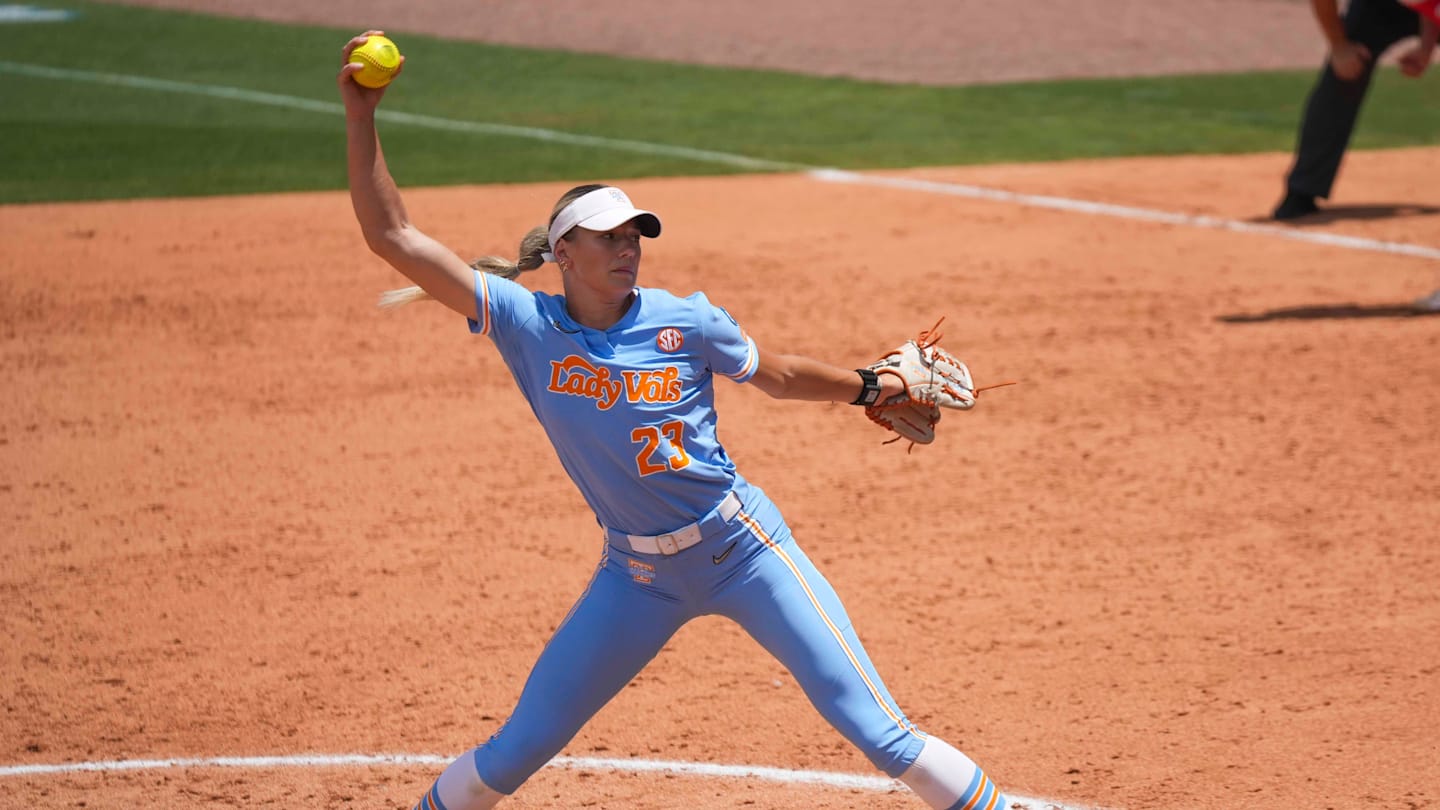
In the second game of the Knoxville Super Regional on Saturday, Tennessee softball ace Karlyn Pickens set the NCAA Record for fastest recorded pitch in history, throwing 79.4 mph. Again.
In Tennessee’s Super Regional battle at home at Sherri Parker Lee Stadium against Nebraska, Pickens threw the extraordinary pitch against rival two-way player, Jordy Bahl.
Pickens, the 2025 SEC and Softball America’s National Pitcher of the Year, broke her own record, as she previously threw the hardest pitch recorded on March 24, in a 3-2 win over Arkansas, as she delivered a 78.2 mph pitch.
Tennessee has a long lineage of flame throwing pitchers as Pickens’ previously recorded speed of 77mph matched Monica Abbott, one of the greatest softball pitchers of all time at the collegiate, professional, and Olympic level.
For Abbott, she set her record of 77 mph in her professional career during a 2012 National Pro Fastpitch game. Needless to say, Pickens is making her mark in the Tennessee and collegiate softball record books alongside legend Abbott.
2025 NCAA Division I Softball Tournament: Bracket, Schedule & Updates
Knoxville Super Regional: Schedule & Updates


Just two weeks away from the transfer portal opening in college football, coaches across the country are trying to maintain a roster while opposing schools look for any possible way to steal a player, no matter if it comes with paying a buyout.
On Monday, we all witnessed multiple starting quarterbacks decide to declare their intentions to enter the portal. This included DJ Lagway, Dylan Raiola, Brendan Sorsby and Sam Leavitt.
All of these guys would have had the opportunity to play next season at their current schools, with maybe Lagway being an outlier because of the new staff in Gainesville. But, we are certainly in a drastically different era of college athletics.
Transfer Portal Carousel: Quarterbacks, NIL Deals And The Rise Of A WILD College Football Free Agency Market
“There’s a warning that the system that we’re in is really sick right now, and college football is sick,” Eli Drinkwitz said. “There’s showing signs of this thing really cracking moving forward, and we need to get something under control.”
Contracts: How ‘Buyouts’ Are Handled, Or Trying To Be
At the moment, there are players deciding that entering the transfer portal is the best route to take when it comes to cashing in, with chances of making it to the NFL not guaranteed. This also means that certain players are deciding to enter the transfer portal while still under contract with a school like Missouri.
In reality, there are no rules at the moment. Some might think the new College Sports Commission is setting guidelines for future enforcement, but there is still no agreement signed that would have them running the show.
After Sherrone Moore Scandal, Michigan Board Orders Investigation Into Athletic Department
We have seen players re-signing with schools, while others are being shopped around to others. So, what happens if an athlete has signed an agreement with one school, but is looking at the opportunity of transferring?
Here’s the best way to explain what we’re seeing right now in college athletics when it comes to a player leaving one school after already being paid through a “front-loaded” deal before new rules were put into place over the summer.
Let Me Try To Summarize It
“Hey, College Player, you’re being paid $4 million. Here’s $3.8 million before the house settlement is passed. Once you hit the portal, we can terminate the deal, but if it’s terminated because you left, you owe us the money. If another collective cuts the check at the new school, the player would then have that taken out of their new school’s contract.
“And, if the player decides to balk at paying their previous school back, this is where lawsuits could continue. The athletes have already taken this money, but they still owe their previous school for the contract that has not been fulfilled. Somebody has to pay back that money, or what they agreed to under the particular contract.”
I hope that explains it, for the folks still trying to grasp all this.
As we’ve reported before, this is where certain contract language will have “buyout” clauses. But, who is enforcing this? This is what Eli Drinkwitz was trying to emphasize on Tuesday.
“I don’t know, some of the players that have entered the portal were under two-year contracts, and their anticipation is that another school will pay their buyout, or they’ll pay it back themselves,” Drinkwitz told reporters. “So, you know, contracts are contracts. I think there’s been an assumption that, not gonna go there. So we’ll see, we’ll see, you know. Right now, there are perceived rules, and then we’ll figure out what are the real rules moving forward.”
As you can tell, there is no clarity, and as much as some of these coaches would have loved the help of Congress, they might end up waiting a while before enforcement can actually take place.
It’s No Longer Tampering. College Athletes Are Being Shopped
Most coaches in this era would rather handle situations behind the scenes, rather than calling out an opposing school during a press conference setting.
Why? Because there is “tampering” going on at every school. Now, it might not be as rampant at some compared to others, but it’s happening. This could come in the form of a grad-assistant reaching out to the high school coach of a player enrolled at another school.
It happens when the player is not directly contacted, but goes through a third party. Agents are so prevalent in college athletics that they are also shopping players around to the highest bidder. And, we’re not talking about well-run companies that have made a name for themselves over the past six years.
The term “street agent” is used a lot in the industry, which is essentially a person who is working on a campus, acting as if they are running the business affairs of a particular athlete. They have zero training, besides being able to operate a social media account.
But, some of these athletes know no better, and will trust their futures with someone who acts as though they have their best interest at heart. I’m sorry, but having your buddy handle your business affairs, and most importantly life decisions, is not the smartest move.
“You know, tampering is at, I mean, the highest level. There is no such thing as tampering. It’s just, because there’s nobody that’s been punished for tampering. And so everybody on my roster is being called,” Drinkwitz said. “I had a dad call me and say that, and I called the head coaches at their schools, that this school and this school, and this school called, they are offering this much money.
“And, you know, you’re putting a lot of pressure on young men. You know, we’re paying them as 1099 employees, a lot of money, not offering any type of retirement, not offering any type of health benefits.”
I think it’s fair to say we have a long way to go, as schools are still trying to navigate this era of college athletics.
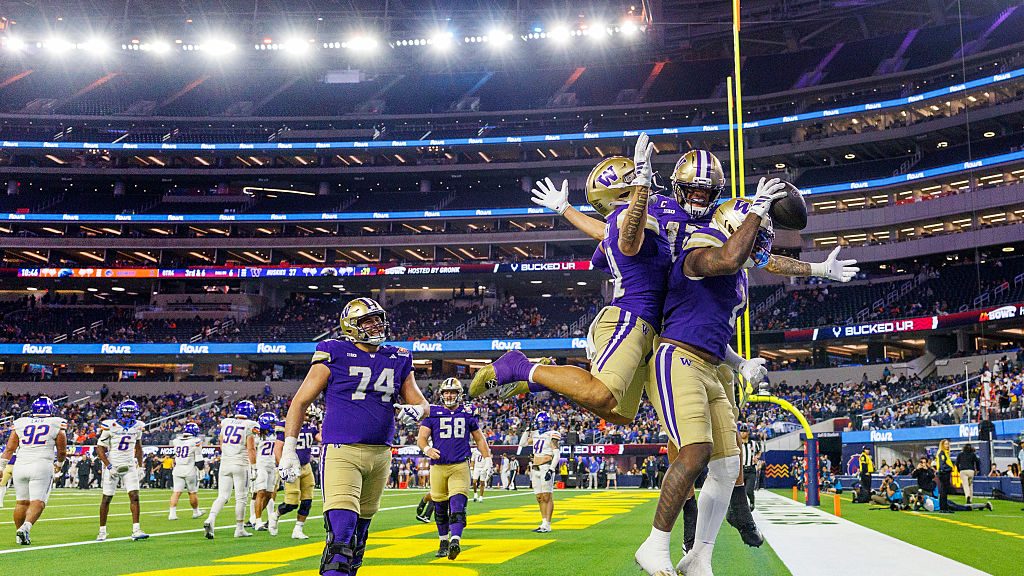
Fighting Irish choose to forgo postseason play after being left out of College Football Playoff, as LA Bowl attendance drops
Remember the good old days of college football bowl season?
Almost every day throughout December, there were good, fun bowl games pitting quality teams against each other. There was no debate over whether star players would be involved, no “opt outs,” no teams turning down invitations. Lesser games still had big attendance figures, as fans built winter vacations around warmer destinations. It built up throughout the month, culminating in the key bowl games around New Year’s Day. The Rose Bowl served as a de facto end of the season, with the biggest and most historic stage.
Now? That’s all a distant relic of a difficult-to-remember past. And it’s only going to get worse.
The start to the 2025 bowl season has been a strong reminder that the old days of college football are never coming back. In some respects, that’s for the better. In some, it’s for the worse. For example, in the days after the end of the conference championship games, discussion focused primarily on the Notre Dame Fighting Irish.
The Irish were left out of the College Football Playoff in favor of the Alabama Crimson Tide and Miami Hurricanes. The committee, as it so often does, simply made up its criteria on the fly, engaged in its usual lack of logical consistency, and predetermined the outcomes it wanted. In short, Notre Dame was treated unfairly. Instead of accepting that, however, the Irish took their ball and went home.
RELATED: Would This Proposal Fix College Football And Broken Playoff Committee?
They announced on social media they would decline any bowl invitation, choosing to forgo important postgame practices and more development time as a team. And while it’s easy to criticize, that type of decision is only going to become more common. Because there’s simply no point to most bowls anymore.
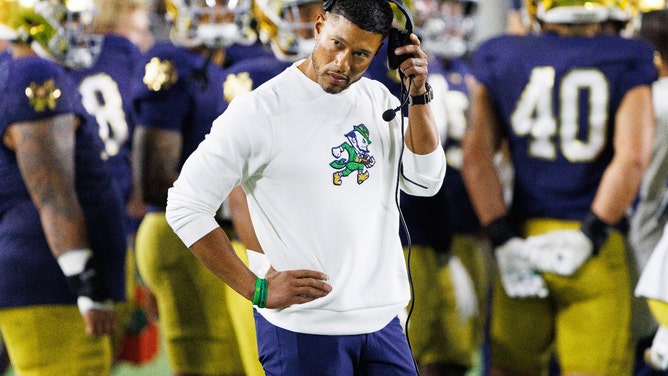
Notre Dame head football coach Marcus Freeman. MICHAEL CLUBB/SOUTH BEND TRIBUNE / USA TODAY NETWORK via Imagn Images
College Football Playoff, NIL, NFL, Ending Bowl Season For Good
It wasn’t just Notre Dame. One of the first higher-profile bowl games of the season was the LA Bowl pitting the Washington Huskies against the Boise State Broncos at SoFi Stadium. Warm weather destination, two schools with large, dedicated fan bases, a gigantic brand-new state-of-the-art venue, and…nobody showed up.
The official announced attendance was just more than 23,000, but it sure seemed like less than that. Crowd shots before kickoff showed dozens of fans sprinkled around the lower bowl, with the middle and upper sections virtually empty.
It filled in more as the game started, but just barely.
Then there’s the Alamo Bowl, with 9-3 USC taking on 8-4 TCU in San Antonio. In prior decades, it wouldn’t be a point of discussion how many big-name players for SC would be available. Yet sure enough, head coach Lincoln Riley announced over the weekend that several starters would not be participating.
Safety Kamari Ramsey is out after declaring for the NFL Draft. So is Biletnikoff Award winner Makai Lemon. And circus catch specialist Ja’kobi Lane. Starting tight end Lake McRee won’t play, neither will starting linebacker Eric Gentry. This isn’t an outlier, it’s become common practice across the sport. Starting players heading for the NFL sitting out instead of playing in a relatively decent bowl game. And the reasons make sense; why jeopardize your health for an exhibition game that isn’t the College Football Playoff?
It’s the same for fans too. Why buy tickets for an exhibition bowl game where half the starters from the regular season aren’t playing? These are valid questions, and it raises the more important overarching one: what is the future of bowl games?
Notre Dame, one of the game’s biggest brand names isn’t going to play in a bowl game at all. Star players left and right won’t be playing. Nobody’s buying tickets to half these games anymore to see backups taking on backups. NIL and the transfer portal makes it so that many players will avoid bowls, since they’re halfway out the door already anyway.
It’s just not sustainable, and with the game trending in the direction it’s going, there’s little to suggest it’s ever going to go back to the way it was.
Expanding the College Football Playoff isn’t a popular choice, for good reason. But it might be the only path forward to allow more teams, players and fanbases to continue after the regular season. Home playoff games in a 16-team or 20-team or whatever it is field would sell out stadiums and keep players engaged. Bowls could be revived in importance. Ratings would be huge. And most importantly, more money would get infused into the sport.
Like it or not, that’s what college football runs on these days. And the current bowl system isn’t printing enough of it.
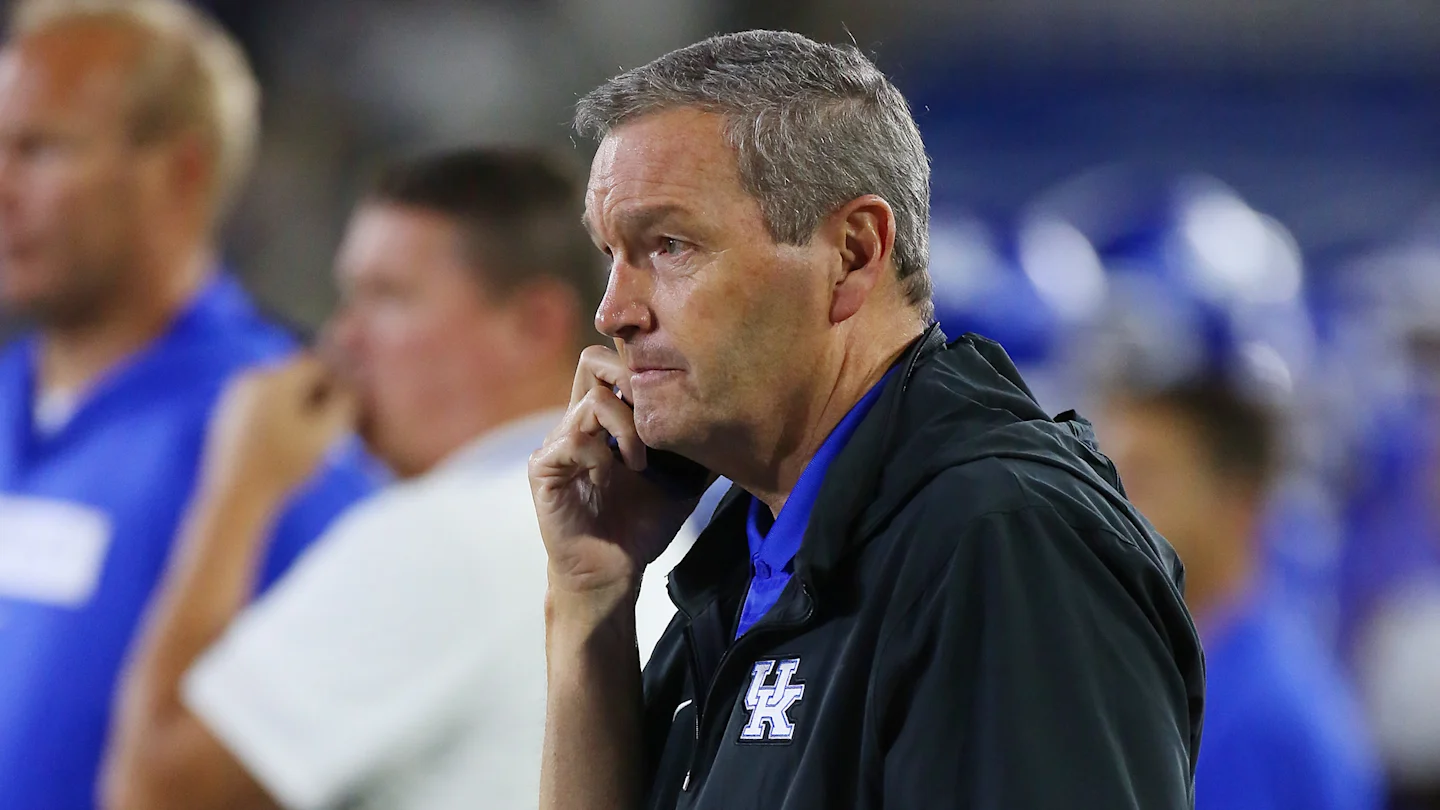
If you’re a Kentucky fan trying to make sense of NIL, revenue sharing and JMI, you’re not alone. The athletic director running the whole thing admits it’s “clunky” right now.
From losing ground with high school basketball recruits like Tyran Stokes and Christian Collins, BBN is at all-time high in recruiting anxiety.
In a long sit-down with the Lexington Herald-Leader, Mitch Barnhart tried to explain how Kentucky is operating in this new College Sports Commission / NILGo world. The message was basically this: yes, it’s confusing; no, Kentucky isn’t freelancing; and he believes the structure he’s put in place is actually a strength, not a handicap.
Convincing the fanbase of that isn’t going to be easy without recruits showing up.
‘Clunky’ rules, moving caps and a promise to stay in the guardrails at Kentucky
Barnhart said the current landscape is really two different eras smashed together: what was done before July 1, and everything that’s been built since the House settlement, the College Sports Commission and NILGo went live.
Different schools had different pre-July 1 spending patterns. That history impacts how much cap space they have now. Some have more room. Some have less. That’s part of why it looks like schools are operating under different rulebooks.
Barnhart’s word for the rollout was “clunky.” There are participation agreements that not every school has signed yet, rules that have to go through courts and attorneys general, and separate 30-day windows for both the House plaintiffs and state AGs before some policies can even be implemented. Some rules are in effect. Others are still in line.
In the middle of all that, Barnhart keeps coming back to the same idea: Kentucky is trying to be “steady,” stay within the “guardrails,” and trust that “progress is being made” as the national framework catches up.
That might not satisfy fans who look around and see other schools clearly pushing those guardrails, but it’s the lane he’s chosen. Pope backed that up by saying they will always “err” on the side of caution when it comes to NIL.
NILGo, averages and a ‘hot market’ in Lexington
On the actual NIL payouts, Barnhart said all deals now flow through NILGo, and Kentucky has already had “several hundred” go through the system. At the Champions Blue meeting in October, he pegged the average deal around $3,000, with the biggest near $50,000. He said those numbers are still “trending in the same way.”
He pointed to Kentucky volleyball as a prime example of what a “hot market” looks like. A Final Four run has made that roster more visible in Lexington, and as their “notoriety” has grown, so has their NIL value. Barnhart sounded genuinely excited talking about watching those opportunities grow for non-revenue athletes.
For fans who worry Kentucky isn’t doing anything, that’s the counter: NIL deals are happening, they’re in seven figures across the department, and not just in football and men’s basketball.
The question, of course, is whether that level of activity is enough to land and keep the kind of top-end basketball talent BBN expects. So far, the answer to that question seems to be no.
Why Mitch Barnhart is all-in on JMI
A huge chunk of the interview was essentially a defense of the JMI model that fans hate.
Barnhart’s pitch goes like this: JMI arrives with more than 200 corporate partners already on board and a seasoned sales force generating $35–40 million a year in advertising and sponsorships. That group is now tasked with not just selling Kentucky athletics, but also matching student-athletes with those brands.
From his perspective, that’s an enormous head start. You’ve got a big, experienced sales staff already embedded on campus, already working with companies that “are very, very interested in your program,” and now they can turn that machine toward NIL.
He also made a key point that’s been blurry for fans: JMI isn’t skimming a cut off those NILGo deals. “There’s no fee,” Barnhart said. “We’re fee-free.”
So what’s the trade-off? Marks and flexibility.
If a student-athlete wants to use Kentucky logos and IP in their deals, that path runs through JMI. If they sign with a company that competes with an existing UK sponsor, Barnhart said they’re “certainly” encouraged to give Kentucky partners first crack, but athletes can still go ahead with outside deals they just can’t use the marks.
That is a huge deal. Being able to use the UK brand, and the notoriety that comes with Kentucky basketball is a huge draw for NIL-minded athletes. Not being able to use those can be a deal breaker.
He pointed to cases like Trent Noah, who has hometown relationships he wants to honor, and players who arrive with pre-existing high school NIL deals. The message there was, “We work through it,” even if it’s messy. Noah decided to not opt-in with JMI and has deals all through the commonwealth, you just won’t see the UK logo anywhere.
The flip side is obvious: if you don’t like or trust JMI, you’re going to see this entire structure as restrictive, even if the AD keeps calling it a “really cool” family.
Barnhart speaks on conflicts of interest and long relationships
Barnhart didn’t dodge the question about perceived conflicts between UK staff and JMI personnel. He just doesn’t see a problem.
To him, the long-standing ties that span from the Jim Host era to IMG to now 11 years with JMI and a new extension through year 25, are a feature, not a bug. He framed it as a tight-knit group of people who love Kentucky and know the market, not as an insider network that needs to be broken up.
A lot of fan angst comes from the Rachel Newman Baker-Brandon Baker relationship. Rachel is an assistant AD at UK while Brandon is Vice President Partnerships at JMI with the title UK Sports & Campus Marketing. According to JMI, “Brandon’s role is focused on aligning key partners’ marketing objectives with the goals and vision of the university. He directs the team that oversees all key partnerships and renewal business, as well as gameday activations, partner hospitality, and stadium/arena signage.”
“If it was a conflict,” Barnhart essentially argued, why have revenues and rights deals grown so aggressively?
That answer is unlikely to quiet any critics of the relationship between UK and JMI. Some fans hear “family” and “long-term relationships” and immediately think of a closed ecosystem that’s hard to challenge. But Barnhart is clearly not backing away from that model. If anything, he’s doubling down on it as a competitive advantage.
Why Barnhart won’t show his revenue-sharing cards at Kentucky
Maybe the most interesting part of the interview was his insistence on keeping revenue-sharing numbers private.
Barnhart pushed back on the idea that it’s about secrecy. He called it “flexibility.”
In his view, there are two separate buckets: revenue sharing and NIL. He thinks fans and some schools have blurred those lines by bragging about a big “NIL” number that’s really a mix of both.
He wants the freedom to slide resources between those buckets depending on the sport, the year and the player. Maybe a high-profile recruit is better served taking more in rev share and less in NIL, or vice versa. Maybe football needs a bigger push one offseason to address a critical position, while basketball doesn’t. Maybe in another year it’s the opposite.
If he puts hard public numbers on what each program gets, he worries he’ll lock himself into boxes that hurt Kentucky competitively and create a circus of fans comparing individual payouts.
He also says there’s a protective piece: he doesn’t want each athlete “pegged” publicly by a dollar figure or constantly compared to teammates.
You can debate whether that explanation is satisfying, or whether transparency would actually help calm the waters, but it’s at least a clear window into his thinking.
For fans it is just Mitch Barnhart saying they have the money, but won’t show a receipt.
Balancing Kentucky football, Kentucky basketball and the rest of the athletics department
Kentucky’s situation is unusual. Both football and men’s basketball are profitable. Most schools can’t say that.
Barnhart admitted that balancing those two in this new world is tricky. Pre-July 1, he says everyone loved the rosters. Post-July 1, the math is just harder across the board, not only at Kentucky.
His bigger picture vision is to use the power of the Kentucky basketball brand to lift everything. If NIL and rev-share decisions are made wisely, he believes success in men’s hoops and football can raise the tide for baseball, women’s basketball, volleyball and everyone else.
That’s the optimistic version. The pessimistic version is what some fans are already feeling: if basketball misses on elite recruits and football falls behind the SEC arms race, nobody gets lifted and everything falls apart.
On general managers, Mark Pope and ‘talent evaluation’
Barnhart also weighed in on the “general manager” debate that’s hovered over Kentucky basketball.
Will Stein came in and immediately wanted a GM for football. Barnhart was fine with that. For a first-time head coach juggling a new staff, a playoff run and a roster rebuild, he called it “probably a pretty smart decision.”
With Mark Pope, he’s not forcing the issue. Barnhart said he’s going to “lean into” Pope’s preference and give him the flexibility to decide whether he wants that role or not down the line.
Then he slipped in a line that will jump out to fans: “Our talent assessment was fine until we lost a couple games, and then everybody started wondering about our talent assessment, correct?” Well, Mitch that is usually how it works.
In other words: he doesn’t think one rough stretch means the eval process is broken, and he doesn’t believe a GM is some magic fix. But he did leave the door open to adjustments later if Pope decides he wants to structure things differently.
Will Mitch Barnhart still be the one steering this or will he retire?
Finally, the obvious question: how much longer does he want to do this?
Barnhart acknowledged the ambassador clause in his contract that would allow him to step aside after December 31 and shift roles. He didn’t commit one way or the other.
He talked instead about loving competition, loving Kentucky and the fact that he and his family came planning to stay 6–8 years and never left. He admitted the job has changed, where it used to be 75% competition and 25% “other stuff,” he thinks those numbers have flipped. Now it’s more about sustaining the enterprise of college sports than just trying to win Saturday.
He also admitted the personal connection piece is harder in an era where 35–40% of the roster turns over every year. Meeting every recruit, knowing every family? That’s tougher now.
But the thrill of competition is still there for him. “The day that changes,” he said, is probably the day someone else should take over.
That’s the backdrop to everything he just laid out: a clunky system, a controversial partnership model, a fanbase demanding top-tier results, and an athletic director who insists Kentucky has “a good plan” for all of it, and says he still wants to be the one fighting to make it work.
Updated Dec. 17, 2025, 12:54 p.m. CT
STILLWATER — The Oklahoma State athletic department has announced the OSU NIL Alliance to provide a unified approach to revenue sharing and endorsement opportunities for the school’s student-athletes.
The Alliance will provide resources and partnerships for athletes as they navigate the era of name, image and likeness in college athletics.
“At Oklahoma State, we have long empowered our student-athletes to achieve success in academics and athletics,” OSU athletic director Chad Weiberg said in a statement Wednesday, Dec. 17. “The launch of The Alliance represents a tremendous opportunity for our student-athletes to become entrepreneurs in commercial activity driven by their brand. By streamlining our efforts and expanding our NIL initiatives, we’re aligning the brands of our student athletes with the strength of the OSU Athletics brand, our business partnerships, and the power of our loyal fan base.”
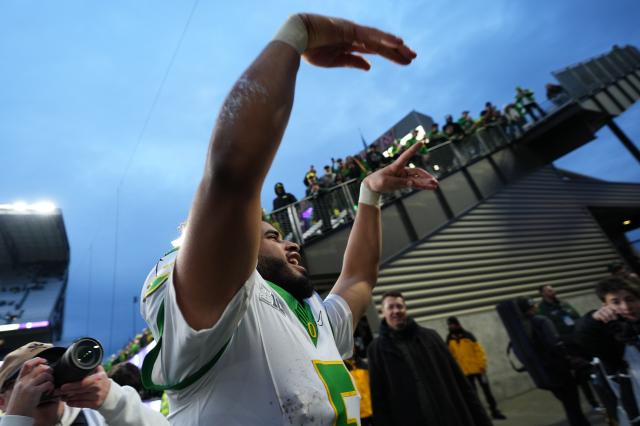
Unlike last year’s debut of the 12-team College Football Playoff, weather should not be a factor in any of the first-round games this weekend.
Southeastern Conference teams Oklahoma, Mississippi and Texas A&M and one of the Big Ten’s four West Coast schools, Oregon, are hosting first-round games.
Last year, Notre Dame, Penn State and Ohio State were hosts along with Texas. Conditions for the games played on the three cold-weather campuses were, ahem, quite seasonal for the week before Christmas. Kickoff temperatures were 27 degrees Fahrenheit for Indiana-Notre Dame, 25 with an 18-mph wind for SMU-Penn State and 25 for Tennessee-Ohio State. It was sunny and 60 for Clemson-Texas.
It was especially nasty in Happy Valley with gusty winds creating a feels-like temperature of 12 degrees.
The forecast for Friday calls for a temperature in the 50s and some wind for Alabama-Oklahoma. On Saturday, it should be in the 70s and sunny for Miami-Texas A&M, mid-60s and clear for Tulane-Mississippi and mid-40s with a chance of rain for James Madison-Oregon.
The picks, with CFP seed and lines from BetMGM Sportsbook:
The Sooners beat Alabama 23-21 on the road five weeks ago despite being out-yarded 406-212. The difference was Eli Bowen’s 87-yard pick-6 and a couple other Oklahoma takeaways. If the Sooners play a clean game offensively and their defense comes close to shutting down Alabama’s run game like Georgia did in the SEC championship game, they will be off to the Rose Bowl to face No. 1 Indiana.
Pick: Oklahoma 19-17.
This matchup could come down to which line wins in the trenches. Miami first-team AP All-America tackle Francis Mauigoa is the star on one of the best offensive lines in the country, one that has allowed just 11 sacks. First-team All-American edge Cashius Howell leads an Aggies front four on a defense that has recorded 41 sacks, most in the nation.
Pick: Texas A&M 24-20.
The Rebels beat Tulane 45-10 at home in September and now will go for a second win over the Green Wave in Oxford. The wild card is how Mississippi’s players and holdover staff respond to Lane Kiffin’s departure three weeks ago. Tulane also is in transition, with Jon Sumrall leaving for Florida once the playoff run ends. One thing is almost certain: Tulane QB Jake Retzlaff will play better than he did in the first meeting.
Pick: Mississippi 31-21.
The Sun Belt Conference champion Dukes got into the playoff after Duke knocked off Virginia in the ACC championship game. For all they’ve accomplished under UCLA-bound Bob Chesney, they are out of their depth in this game. The Ducks were the unbeaten No. 1 CFP seed last year and were blown out by Ohio State in their first game, a quarterfinal at the Rose Bowl. A first-round game at home will be no problem this year.
Pick: Oregon 45-10.
Conference championship week: Straight up — 6-4; Against spread — 6-4.
Season: Straight-up — 192-59; Against spread — 123-127-1.
____
Get poll alerts and updates on the AP Top 25 throughout the season. Sign up here. AP college football: https://apnews.com/hub/ap-top-25-college-football-poll and https://apnews.com/hub/college-football
We are lucky to live in this state. Wyoming has space, community, and a shared identity that is rare in modern America.
Other than our world class-rodeo cowboys, we don’t have professional sports franchises competing for attention.
Instead, we have something better: a common bond in the University of Wyoming. Cowboy athletics — especially football — are not just a game. They are morale, identity, and more than most people realize, economic engines.
When the Cowboys are good and War Memorial Stadium is packed, the impact ripples far beyond Laramie. Ticket sales are only the beginning. Hotels fill from Cheyenne to Rawlins. Restaurants hum. Retailers sell brown-and-gold merchandise across the state.
A winning season doesn’t just lift spirits; it quietly generates millions of dollars in economic activity.
A decent bowl appearance adds direct revenue to the university itself, beyond the shared conference payouts. More importantly, competitive athletics help drive enrollment.
Yes, UW has strong academics and comparatively low tuition, and that matters.
But young people — like it or not — want to attend colleges where football and basketball are visible and successful. Athletics are the spotlight shining on the university. When the bulb is dull, it is hard for the university to shine.
Wyoming has done a lot of things exceptionally well. Through disciplined fundraising, generous private donations, and smart legislative matching, we have built world-class facilities in Laramie.
For decades, that was enough. Facilities, culture, coaching, and grit could overcome harsh climate and a small population college town. Sadly, that era is over.
Name, Image, and Likeness money has fundamentally changed the rules of college athletics.
This is not a moral judgment; it is an observation of fact. Programs willing to commit resources can be transformed almost overnight.
Texas Tech reportedly spent $28 million on NIL and made the College Football Playoff this year.
Indiana, through a coordinated effort involving boosters, the state, and private business, spent roughly $15 million and turned its program around in two years. They are the #1 seed and sitting at 13-0 for the season.
Meanwhile, the University of Wyoming’s NIL budget for all sports combined this year was approximately $1.2 million.
For a more regional perspective, BYU reportedly spent $7 million just to land the top-rated basketball player in the country. The CU Buffs are committed to spending $20.5 million in NIL money next year.
UW officials are candid and realistic about what is needed going forward.
Wyoming does not need to spend $20 million to be competitive in the Mountain West. But, we need to be closer to $10 million or more, to compete consistently.
Here’s the uncomfortable truth: if we don’t adapt, we won’t merely stay mediocre winning 4-5 games per year. We will slide backward. Conference realignment has already shown how quickly programs can be left behind.
A demotion to a lower division would mean loss of television revenue, reduced donor interest, declining recruiting, and — most damaging of all — loss of pride. Once that spiral begins, it is brutally hard to reverse.
And yet, Wyoming is uniquely positioned to meet this challenge.
Few states — if any — have a financial structure like ours. We have roughly $25 billion in permanent trust funds, generating about $1.86 billion in interest income annually.
We have a $1.9 billion rainy-day fund. This is energy wealth, carefully stewarded over generations.
We understand Wyoming’s conservative spending instincts. They are a virtue, not a flaw.
Even though we can easily afford it simply carving $10 million out of the general fund and handing it to an NIL pool, the expenditure would likely raise eyebrows.
But we already have a Wyoming solution successfully used in the past. A partnership between private donations and the State.
For decades, the Legislature has matched private donations for UW facilities, multiplying the impact of philanthropy while maintaining fiscal discipline. Why not apply that same model here?
A 2-1 match — two state dollars for every private dollar raised — would incentivize donors, limit state exposure, and quickly move Wyoming into a competitive NIL position without abandoning our values.
This is not about buying championships. It is about preserving relevance, protecting economic impact, and maintaining a shared institution that binds this state together. Cowboy athletics are not a luxury; they are a strategic asset.
The rules have changed. Standing still is no longer a viable strategy — it is reckless.
The question is not whether NIL money matters for Wyoming, it already does. The question is whether we respond with creativity and partnership, or whether we wait and watch something uniquely Wyoming quickly slip away.
In this state, we pride ourselves on being innovative when addressing problems in the state. Let’s follow that strategy now. Please contact your local legislators and ask them to promote and vote in favor of state partnership on the NIL issues for UW.
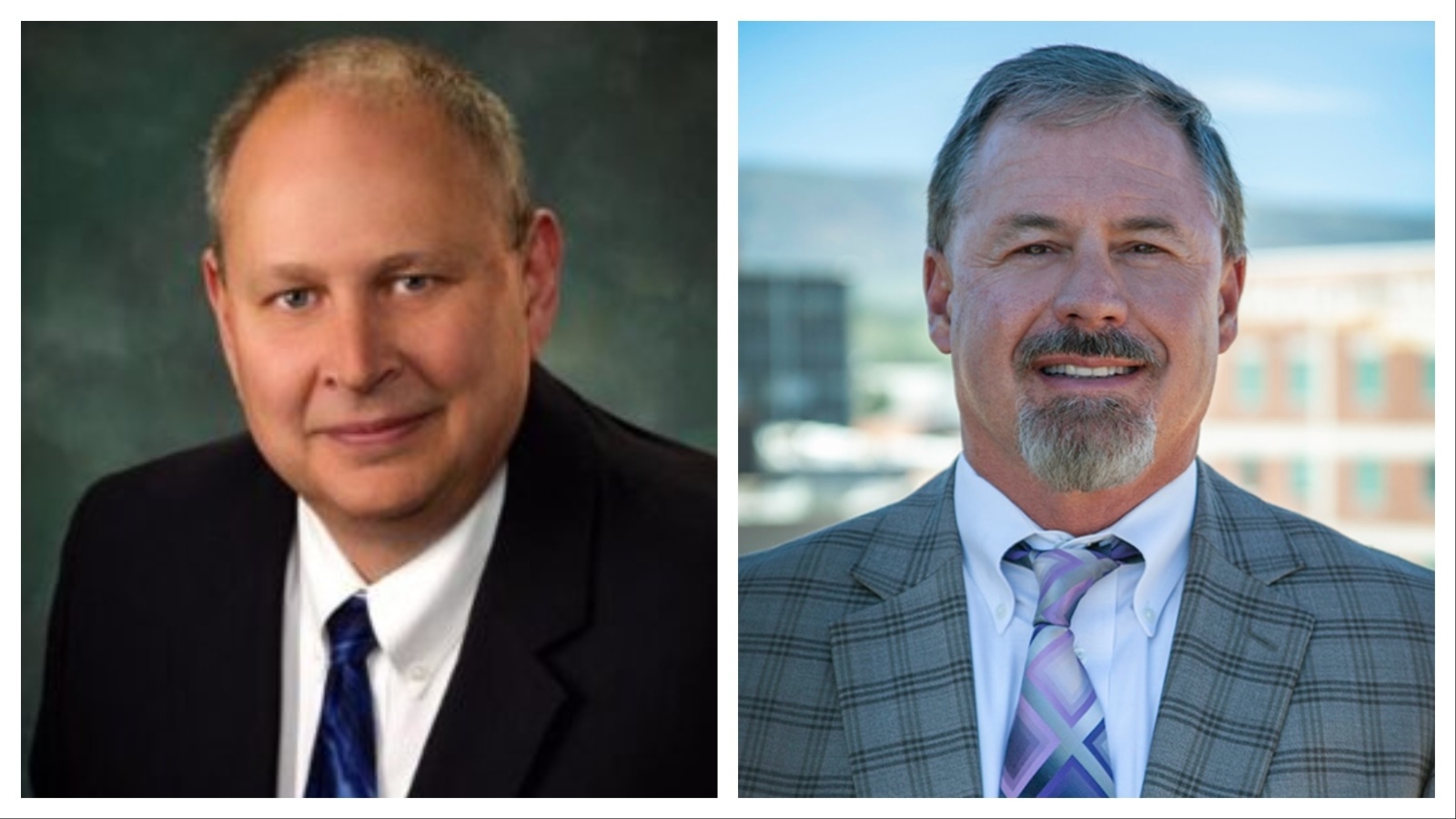
Tom Lubnau served in the Wyoming Legislature from 2004 – 2015 and is a former Speaker of the House. He can be reached at: YourInputAppreciated@gmail.com
Scott Ortiz is a Wyoming native and graduate of the university of Wyoming. He has practiced law in Casper since 1991. He can be reached at Sortiz@wpdn.net

John Ammerman – Bakken Young Funeral Home

Eli Drinkwitz: NIL Buyouts And Tampering Are Making ‘College Football Sick’

Men’s Basketball Hosts Holy Cross Saturday for Youth Day

Bowl Season Attendance Plummets As Star Players Opt Out, Teams Decline Invites

Patrick Emerling Announces GOAT Power Bikes as First Partner for 2025 Season

Mitch Barnhart says the NIL money is there but he refuses to show the receipt
Oklahoma State athletic department forms new OSU NIL Alliance

Denny Hamlin is looking for an apology from NASCAR Channel 90 after lawsuit settlement

Liberty Scales Back Sponsorship of No. 24 for Second Straight Year

How F1-Themed Slots Appeal to Racing Fans

Sooners, Aggies, Rebels and Ducks should advance to quarterfinals :: WRALSportsFan.com

Tom Lubnau, Scott Ortiz: Like It Or Not, NIL Money Is Critical To UW’s Future

Utah State Volleyball Quartet Named to CSC Academic All-District Team

Ptacek, Zelenovic Named AVCA All-Americans

Colorado Volleyball Pin Attacker Ana Burilovic Named AVCA All-American

First Tee Winter Registration is open

Fargo girl, 13, dies after collapsing during school basketball game – Grand Forks Herald

CPG Brands Like Allegra Are Betting on F1 for the First Time

F1 Las Vegas: Verstappen win, Norris and Piastri DQ tighten 2025 title fight

Volleyball Recaps – November 18

Sycamores unveil 2026 track and field schedule

Utah State Announces 2025-26 Indoor Track & Field Schedule

Two Pro Volleyball Leagues Serve Up Plans for Minnesota Teams

Redemption Means First Pro Stock World Championship for Dallas Glenn

Jo Shimoda Undergoes Back Surgery

Texas volleyball vs Kentucky game score: Live SEC tournament updates

SoundGear Named Entitlement Sponsor of Spears CARS Tour Southwest Opener

Bowl Projections: ESPN predicts 12-team College Football Playoff bracket, full bowl slate after Week 14

How this startup (and a KC sports icon) turned young players into card-carrying legends overnight

Robert “Bobby” Lewis Hardin, 56

 NBA Legend Michael Jordan to Join NBC Sports as Special Contributor
 Why a rising mid-major power with an NCAA Tournament team opted out of revenue-sharing — and advertised it
 Falcons mailbag
 Portal Update – Basketball and Gymnastics Take Hits
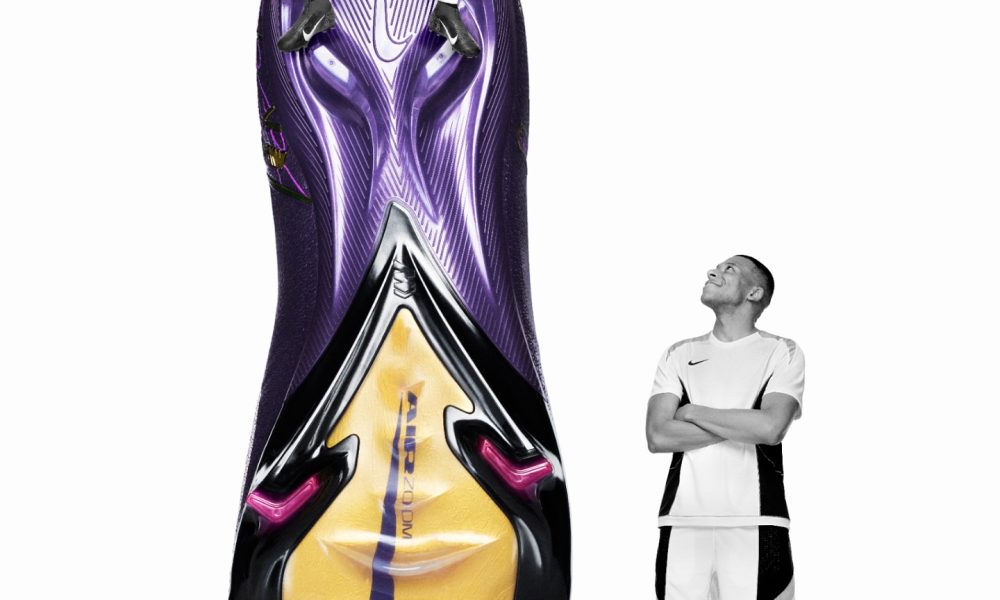 has always dreamed in Mercurial. Now his initials are on the boots.
The new Kyl…
has always dreamed in Mercurial. Now his initials are on the boots.
The new Kyl…
-
 Motorsports3 weeks ago
Jo Shimoda Undergoes Back Surgery
-
 Motorsports1 week ago
SoundGear Named Entitlement Sponsor of Spears CARS Tour Southwest Opener
-
 NIL2 weeks ago
Bowl Projections: ESPN predicts 12-team College Football Playoff bracket, full bowl slate after Week 14
-
 Rec Sports3 weeks ago
How this startup (and a KC sports icon) turned young players into card-carrying legends overnight
-
 Rec Sports3 weeks ago
Robert “Bobby” Lewis Hardin, 56
-

 Motorsports3 weeks ago
Pohlman admits ‘there might be some spats’ as he pushes to get Kyle Busch winning again
-
Sports3 weeks ago
Wisconsin volleyball sweeps Minnesota with ease in ranked rivalry win
-

 Motorsports1 week ago
Donny Schatz finds new home for 2026, inks full-time deal with CJB Motorsports – InForum
-

 Motorsports3 weeks ago
Increased Purses, 19 Different Tracks Highlight 2026 Great Lakes Super Sprints Schedule – Speedway Digest
-
 Rec Sports2 weeks ago
How Donald Trump became FIFA’s ‘soccer president’ long before World Cup draw