(Photo by Luke Hales/Getty Images)

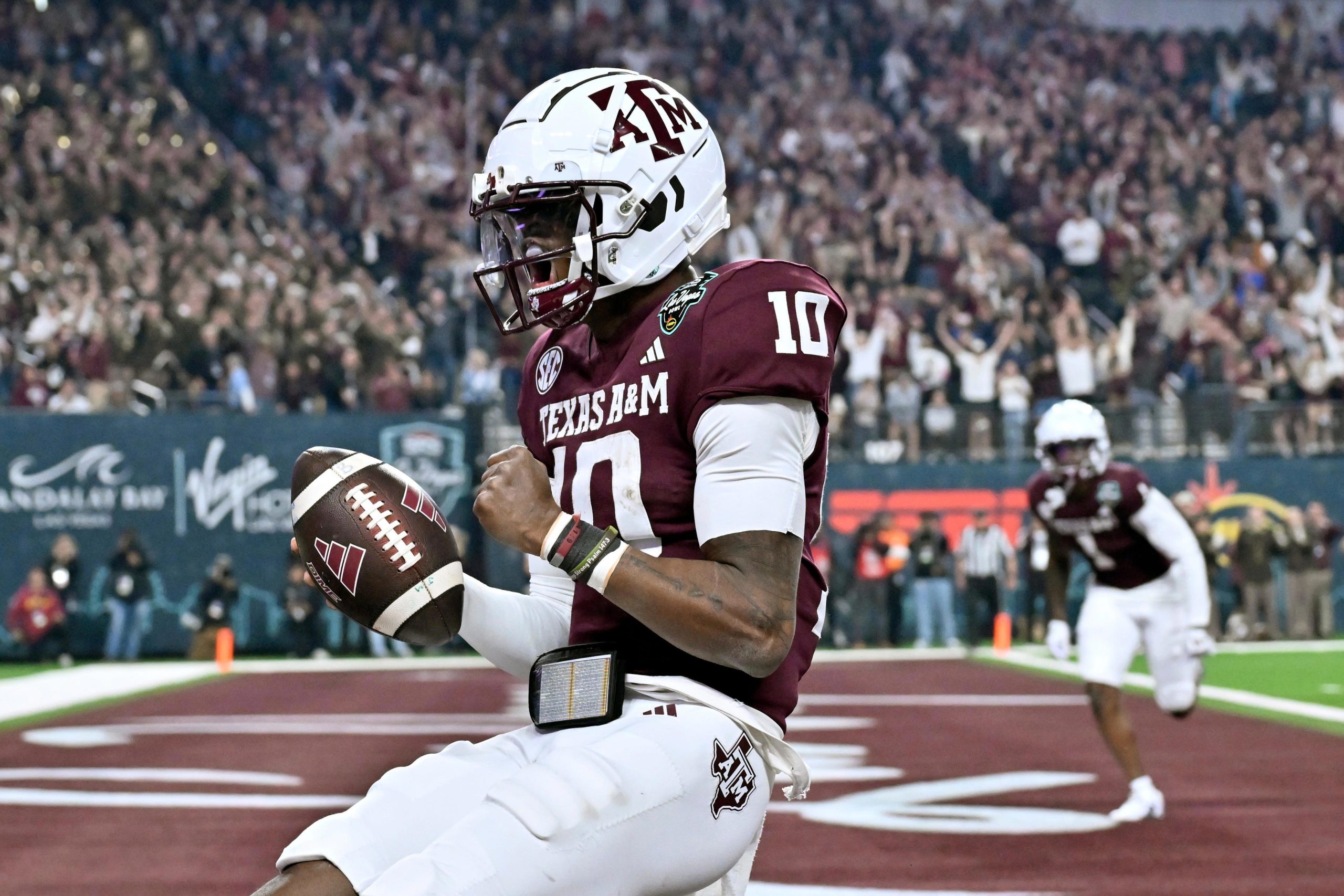

Texas A&M’s 2025 starting quarterback Marcel Reed has been sharpening his skills on the field—and building his brand off it. Over the summer, the redshirt sophomore made headlines with a private jet NIL deal and a generous donation of a significant portion of his earnings to charity. Now, he’s adding apparel to his growing portfolio.
On Wednesday morning, Reed announced a new partnership with clothing brand Rhoback. The company describes itself as one that “craves activity” and sees movement as a vital part of everyday life. According to its creed:
Some of the other notable Rhoback college football athletes are Cade Klubnik (Clemson), Nick Singleton (Penn State), and Caleb Downs (Ohio State). Be sure to be on the lookout for Texas A&M apparel and plenty of content from the Aggie signal caller in the future.
Below you can see the official announcement from Rhoback’s social media page.
Contact/Follow us @AggiesWire on X and like our page on Facebook to follow ongoing coverage of Texas A&M news, notes, and opinions. Follow Jarrett Johnson on X: @whosnextsports1.
This article originally appeared on Aggies Wire: Texas A&M QB Marcel Reed adds Rhoback to NIL portfolio

Michigan hired a winner — literally and figuratively in Kyle Whittingham, with whom the Wolverines reportedly finalized a five-year deal on Friday.
Most importantly, he’s a clean name, with no ties to the Jim Harbaugh regime, who can stabilize the program at a moment of great tumult.
“Someone better tell [Ohio State coach] Ryan Day there’s a real ball coach at Michigan now,” an SEC assistant coach told me.
Whittingham brings more than two decades of coaching experience to one of the biggest brands and best-known programs in the sport. After succeeding Urban Meyer — who is widely regarded as one of the best college football coaches of all-time — at Utah, Whittingham put together an impressive 21-year run as the program’s head coach.
While Whittingham was traveling Friday with the Utes to the Las Vegas Bowl, where Utah plays against Nebraska on Dec. 31., he is expected to join Michigan at the Citrus Bowl, where the Wolverines will take on Texas, also on New Year’s Eve.
[Let’s Debate: 9 Best College Football Players Entering the Transfer Portal]
Last season, Whittingham capped off a 177-88 record in Salt Lake City with a 10-win season and a No. 15 ranking. He’s shown he can win on the biggest stages the sport can offer, too. Alongside two Pac-12 Conference titles and one Mountain West Conference title, he led the Utes to a 2005 Fiesta Bowl win and, in the 2009 Sugar Bowl, a dominant 31-17 win against Nick Saban’s Alabama to cap an undefeated 2008-09 season.
Whittingham is one of the most highly-regarded head coaches in the sport and more than ready for the opportunities and challenges the Wolverines face.
“They fell into a perfect hire for their situation,” an industry source told me.
Now, at 66, Whittingham will bring that experience to a Michigan program in turmoil following the surprising but necessary decision to fire former Wolverines head coach Sherrone Moore. What’s next are the three most important action items on a list of to-dos for the Wolverines and their new head coach.
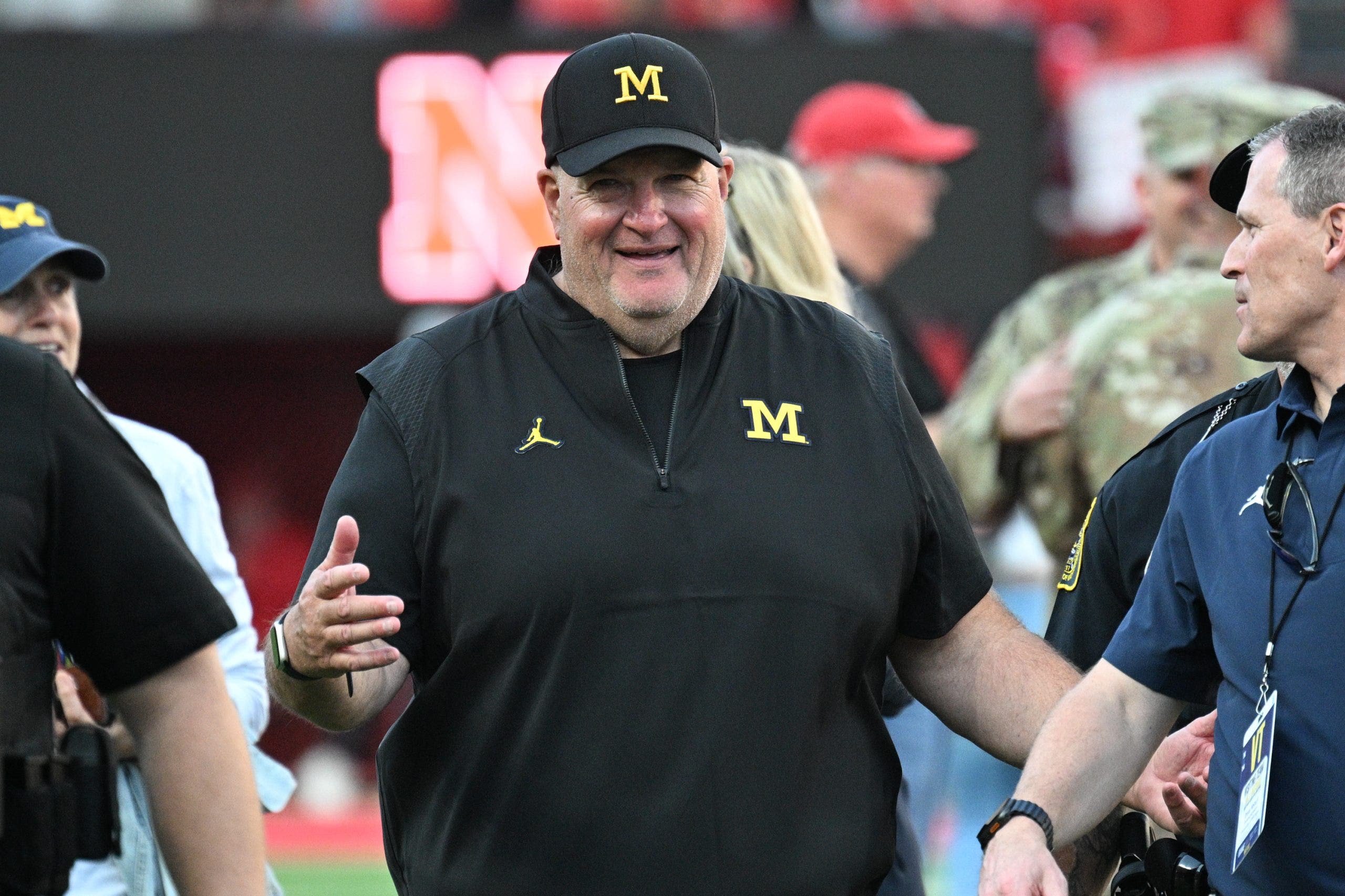
(Photo by Luke Hales/Getty Images)
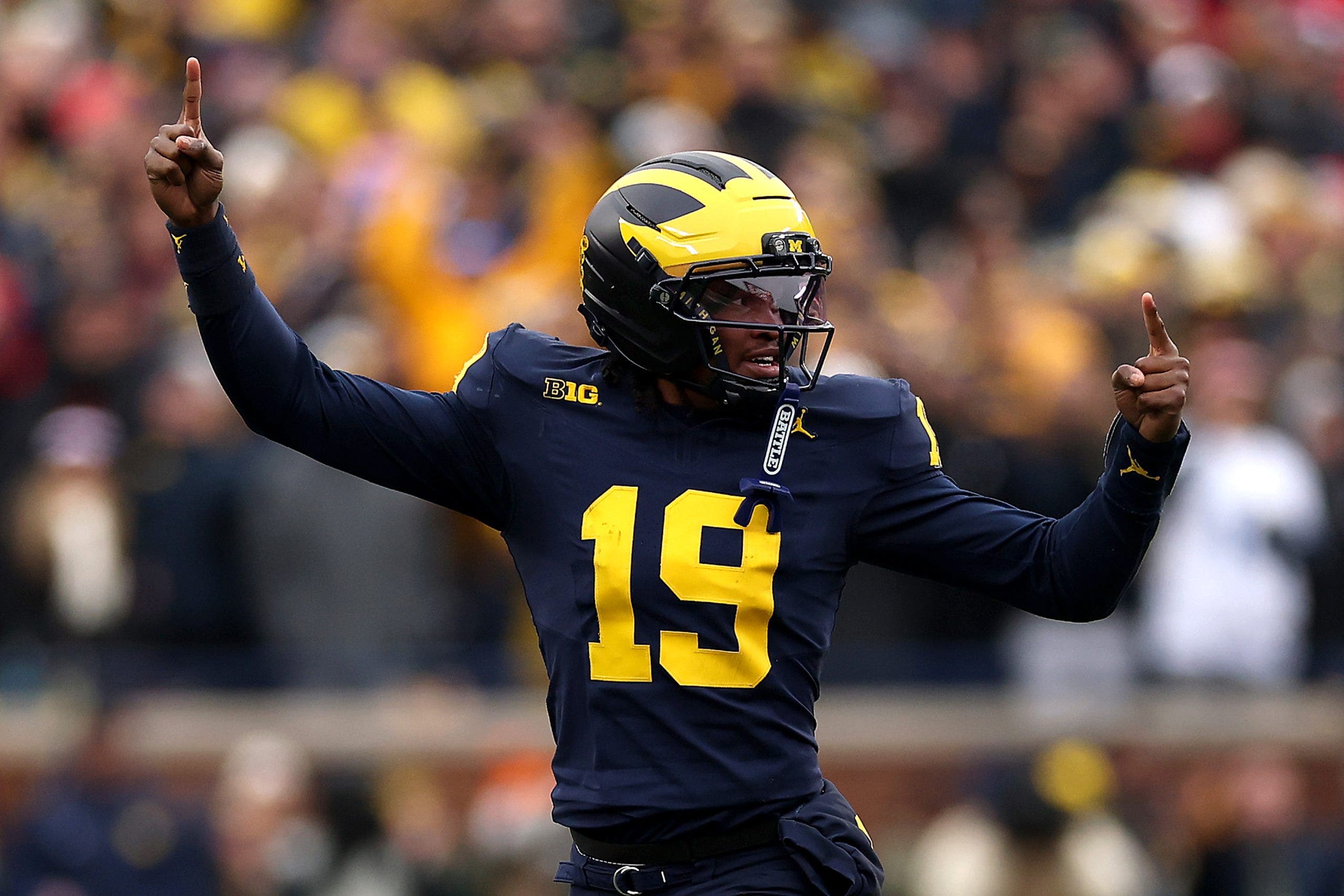
This one hasn’t changed since I wrote about Michigan’s to-do list back on Dec. 11. Since Moore’s firing for cause, Underwood is the most important person to retain in the entire Michigan program.
“If he enters the portal, that could put them back further than losing the head coach,” a Big Ten assistant coach told me.
As a true freshman, Underwood accounted for more than 2,500 total yards, 14 touchdowns and eight giveaways through this season. Retaining QB1 in Ann Arbor, regardless of who the next head coach is, gives the Wolverines the best chance to compete for conference and national championships in 2026.
Along with Underwood, running back Jordan Marshall, wide receiver Andrew Marsh, cornerback Jyaire Hill and offensive tackle Andrew Sprague enjoyed breakout years for the Wolverines and, as core players, are expected to be integral to their success in 2026.
[2025 CFP Odds: Lines, Spreads for Each Quarterfinal Game]
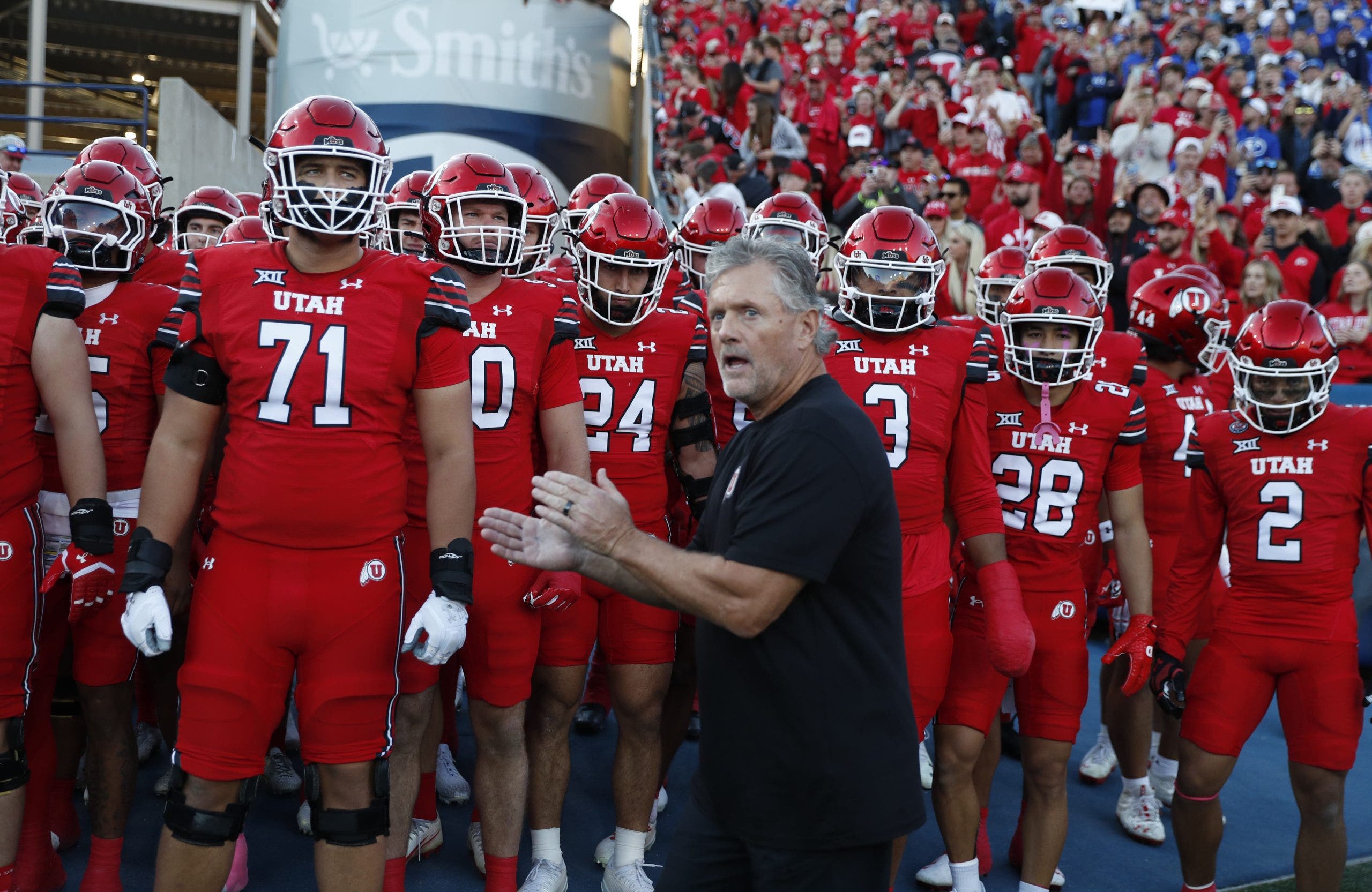
(Photo by Steven Branscombe/Getty Images)
Michigan is in the midst of a trying time for itself, its fans and its alumni.
Michigan athletic director Warde Manuel moved swiftly to install Biff Poggi as interim head coach, and one reason was to give the team the best chance to stay intact while it identified its next permanent head coach. Amid the coaching search, the No. 18 Wolverines are also trying to finish this season with 10 wins and a victory against No. 13 Texas in the Citrus Bowl.
“If they get through the bowl game, beat Texas and hire the right guy, it’s the best save they can hope for,” a Big Ten assistant coach recently told me.
Since then, Poggi has been candid about the dire situation the Wolverines are in just days before the program’s game against the Longhorns.
“We sent them home for Christmas [Monday], and I think there’s a really good chance that we’re going to have many more opt-outs for the game unfortunately,” Poggi told a recent episode of The Stampede, a Texas Longhorns podcast.
“Because we’re in such a state of flux, and when they get to this business of it, they think, ‘We don’t have a coach, we’ve had this situation with our former coach, there’s investigations, all these things. I don’t know who’s going to coach me. Why do I want to play in that game?’ I can see some of that happening.”
Poggi revealed no Michigan players currently are in ongoing negotiations for agreements for the upcoming season.
“We’re not able to give anybody a financial agreement because we don’t have a permanent coach,” he said on The Stampede.
That moratorium will need to come to an end — fast. The Wolverines need to not only hire a general manager to retain the current roster but also to hit the portal hard when it opens from Jan. 2 to 16.
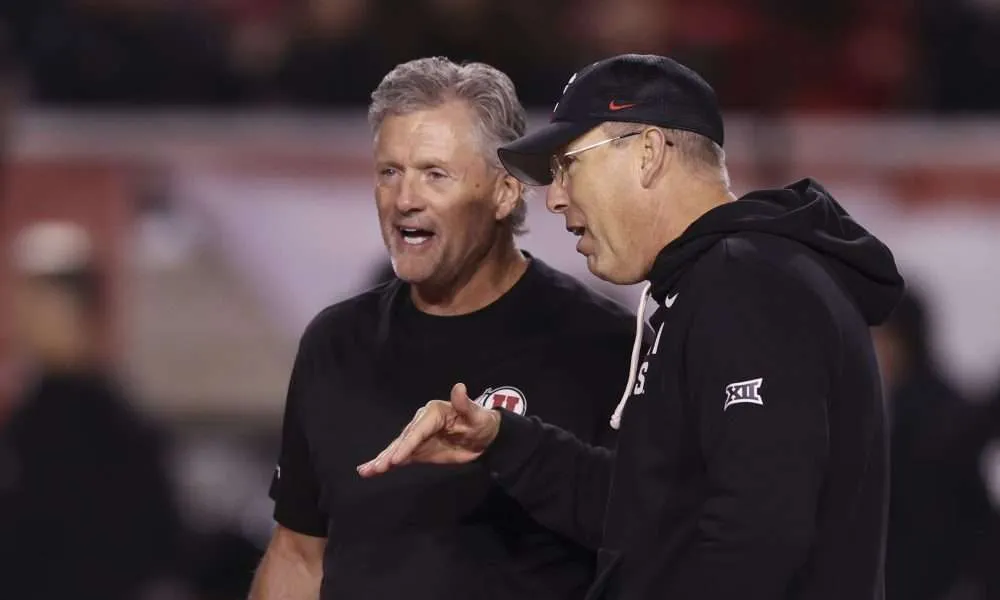
(Photo by Chris Gardner/Getty Images)
The Wolverines rank No. 12 in the 2026 recruiting cycle in the On3 Industry Comparison, a composite of the three major recruiting services. Players like five-star Savion Hiter, a two-time MaxPreps All-American tail back, are signed to the program.
Moving to hire offensive coordinator at Utah Jason Beck will help with that. Beck, who joined Utah last year, vastly improved the Utes offense. Utah averaged the second-most points (41.1) and yards per game (478.6) in 2025, and quarterback Devon Dampier threw for 2,867 total yards, 29 total touchdowns and three just five interceptions last season.
With Underwood at quarterback, Beck would have a passer in Ann Arbor with a comparable skillset to Dampier but who is younger and, arguably, more talented.
The offense, though, won’t be built around the quarterback’s ability to throw the ball, but rather the offense’s ability to run it. Whittingham’s teams have, like Michigan, prided themselves on being dominant in the trenches.
“I can say with confidence we should be the best offensive line since I’ve been at the University of Utah, which has been forever,” Whittingham said last July at Big 12 Media Days.
In 2025, Utah produced the Outland Trophy winner, awarded to the nation’s best interior lineman, in offensive tackle Spencer Fano, who expects to be a first-round selection in the 2026 NFL Draft. Given the resources that will be provided to him at Michigan, there’s no reason to believe he cannot outdo his 2025 offensive line and produce the kind of unit upfront that is capable of winning the national title.
RJ Young is a national college football writer and analyst for FOX Sports. Follow him @RJ_Young.
Want great stories delivered right to your inbox? Create or log in to your FOX Sports account, follow leagues, teams and players to receive a personalized newsletter daily!

For many college football players in Texas, the game has moved off the playing field and to a bargaining table. The transfer portal opens Jan. 2, sparking a bidding war sports analyst Eric Kasimov anticipated.
AUSTIN, Texas – For many Texas college football players, the game has moved off the playing field and to a bargaining table.
The transfer portal opens Jan. 2, sparking a bidding war that sports analyst Eric Kasimov anticipated.
What they’re saying:
“So, what’s going to happen. It’s wide open and the rules are being written as we’re having this conversation right now,” said Eric Kasimov the CEO and founder of SportsEpreneur.
In October, Kasimov wrote about the new NIL rules in Texas.
He predicted compensation would be part of “every serious recruiting conversation.” Direct pay, which is now allowed under a new state law, would be selling points and Texas would be one of the most aggressive NIL markets in 2026. The changes are already paying off.
“Well, I’ll tell you one thing that right now, and it’s close to home for you guys is Texas Tech, right? Texas Tech is a top four team in the playoffs and obviously like a candidate to win it all and they have their mantra of let’s win at all costs,” said Kasimov.
Powerhouse programs like the Longhorns and Aggies are no longer odds-on favorites by recruits. The schools in Austin and College Station have to battle more in-state programs for players who are graduating from high school and must protect those currently on their rosters. Out-of-state programs — with deep pockets — are also making moves.
“You look at an Ohio State University who comes in and they secure one of the best players from Texas, Devin Sanchez last year, five-star recruit and Devin, Sanchez now plays at Ohio State. And I’m sure there’s a lot of schools in the state of Texas that would have said, Hey, why didn’t you stay home? Well, things are different now,” said Kasimov.
A recent $2 billion proposal involving a private equity group by the Big 10 escalated the bidding war. The idea has stalled but still raises a big question.
“If Michigan, Ohio state, Oregon, USC are coming into Texas and taking the top talent because they have the brands and they have extra money that they can give, what is Texas and the SEC going to do,” said Kasimov.
The current NIL situation, according to Kasimov, has no guardrails to it and is just the Wild West. He believes it’s confusing for fans.
FOX 7 Austin asked several fans what they thought. Paul Friedman said he is happy to see student athletes compensated for their services and is not concerned that football has essentially gone pro.
“No, I am not. That’s a direction we’ve been heading for 30 years, and it’s the correct direction. The wrong direction was where they called student-athletes amateurs and paid them under the table illegally,” said Friedman.
Another fan, Kevine Dean, told FOX 7 Austin he doesn’t like what NIL has done to the college game he grew up watching.
Congress may now get involved. Legislation may come up in 2026 with new restrictions.
“And it’s like, you know, you’re in class and you’re, you know you don’t want the teacher giving you too many rules, but you’ve kind of like kind of bent the rules too far. Now, we’re going to get the teachers involved. We’re going to be the bring the principal in here. I don’t think that’s what they want. But they’ve gone so far out of bounds that they need someone to bring it in,” said Kasimov.
There’s talk about a salary cap like in the NFL and a luxury tax like baseball for teams that have big payrolls. Some want modified free agency deals to prevent year-to-year jumps. Some are also calling for a commissioner of college football.
Kasimov doubts the NIL genie will be put back in the bottle.
“If they resolve it, I don’t think it’s resolved forever. I think it gets resolved for that time being,” said Kasimov.
In the meantime, this advice was offered by Kasimov:
“I don’t know if it’ll be the end of kids staying in Texas, I just think it opens it up more,” said Kasimov.
The Texas NIL law was written to automatically adjust to any changes made on the national level.

Dig deeper:
FOX 7 Austin’s Rudy Koski sat down with Eric Kasimov, CEO and founder of SportsEprenuer, to discuss NIL reform and its impact on Texas college football next year.
ERIC KASIMOV: Well, I’ll tell you one thing that right now, and it’s close to home for you guys is Texas Tech, right? Texas Tech is a top four team in the playoffs and obviously a candidate to win it all and they have their mantra of ‘let’s win at all costs’. And I think some of the bigger programs that we’re used to seeing, Texas A&M, University of Texas. They’re like, ‘Hey, what’s going on here? They’ve raised a lot of money.’ And next thing you know, you see a university that wants to go all in with this new way of living. In the college sports world and college football, specifically, a school like Texas Tech can become a big name. So I think in 2026, I think it’s the universities that want to make noise have an opportunity to make noise.
You could look at another university like SMU who joins the ACC, right? And SMU is a program that said when they got to go to the ACC. They didn’t get a TV deal with them. They’re not earning any of the revenue, but what they did is they went out and they earned money on their own. So they’ve already secured $159 million in cash, and then they’ve secured donors down the line of $200 million to cover that gap. So a school like an SMU might be on the forefront of having opportunities to do it. And then you throw everything else that’s going on right now, conversations about private equity deals with the Big 10, $2.4 billion, where each university would get roughly, they’d get different amounts based on which university it is, but roughly $150 million, whether that happens or not, we don’t know. Recruiting is the other one. Recruiting is part of the whole ecosystem, recruiting is a national sport by itself. It always has been to some degree, but now these universities are coming in with more money. You look at an Ohio State University who comes in and secures one of the best players from Texas, Devin Sanchez last year, a five-star recruit and Sanchez now plays at Ohio State. And I’m sure there’s a lot of schools in the state of Texas that would have said, ‘Hey, why didn’t you stay home?’ Well, things are different now. Right. So what’s going to happen, it’s wide open and the rules are being written as we’re having this conversation right now.
RUDY KOSKI: You know, in talking with people, just in general conversation, the average fan, they’re saying, all right, well, yeah, the kids deserve to make some money. And I’ve also heard instead of having the under the table bag men, it’s now out in the open. So what’s the big deal? But you know is it one of those things that no one likes to see the wizard behind the curtain? Is that what this is?
KASIMOV: It could be, you know, sometimes I think we, uh, we know it’s happening, and then you see the video of it, like you work in news, right? Like you hear about the story and then you see the video of it. You’re like, ‘Oh my gosh, I can’t believe that happened.’ It happened anyway, right. It was going on. And yeah, I think that’s, that’s a lot to do with it. Ed Orgeron of LSU said, you know, they used to come in the back door, the bag men, and now they’re just coming through the front door. It’s concerning. It’s been going on. And I think it’s going on now and they are coming through the front door. But there’s still no guardrails to it. So it’s just the Wild West. And so that’s confusing to people. And I think it’s confusing to the fans. Like you said, the average fan.
KOSKI: As you look at what’s coming down the pack, and as you analyze what’s happening, do you think the future is the Big Ten private equity, bringing in big dollar donors like this, getting a cut of the pie, or is it more like what Congress is thinking about doing in regards to just setting caps and turning it into maybe like baseball?
KASIMOV: Yeah, it’s hard to say. I mean, for the big 10, you had 18 universities. Sixteen of them seemed to be OK with the private equity deal, where they would give up 10% of the stake of their media deal. Two universities, University of Southern Cal and Michigan said no. Michigan called it a payday loan. They need all 18 universities to be on the side of that sort of private equity deal. Does that happen? I don’t know. I don’t know if that’s the future of it. I think, and I don’t think the SEC, Greg Sankey, I don’t think they’re on board with it. I don’t think Texas is on board with it, I don’t think Texas A&M is on board with it. At the same time, if the Big 10 were to show up with that, it’s going to force the hand of the SEC to do something. I don’t think the SEC in the state of Texas, which is fertile ground for college football talent right now. I believe there’s for the 2025 NFL season, 199 players in the NFL are from the state of Texas. That’s by far the most; California and Florida follow that up. They do not want to lose that talent. If Michigan, Ohio State, Oregon, USC are coming into Texas and taking the top talent because they have the brands and they have extra money that they can give, what is Texas and the SEC going to do.
At the same time, I don’t know if the Big 10 truly wants this. Obviously some universities do, but they don’t all. And what is, what happens down there? You know, then you have to commit to the Big Ten until 2046 is what they’re saying. That’s a payday that the UC investments, who’s the private equity people behind the deal are going to get. That’s a lot. So I don’t know. I could see if you were to ask me like, ‘Hey, what’s your prediction?’ I think a lot of people might agree with this. Sure, two conferences, the SEC and the Big Ten and more format like the NFL. I don’t know if that’s going to happen, but I guess the other thing to say is Congress is now involved. And it’s like, you know, you’re in class and you don’t want the teacher giving you too many rules, but you’ve kind of like kind of bent the rules too far. Now, we’re going to get the teachers involved. We’re gonna be ‘bring the principal in here.’ I don’t think that’s what they want. But they’ve gone so far out of bounds that they need someone to bring it in.
KOSKI: You touched on this just a moment ago in regards to recruiting. Texas is a big pot for players nationwide. What does this new future mean for recruiting in Texas? Are the days of Texas getting the top running back, A&M, you mentioned Texas Tech, all the kids staying home, that’s not gonna happen anymore?
KASIMOV: These kids grow up, and I think this will always be the case. They want to play for the school that they watched, right? If their parents were fans, if their families were fans and they rooted for A&M, that’s where they want to go. And that’s what they want to play. And that, that letter comes in and that offer comes in. That still holds a lot of value at the same time. I mean, people travel. It’s okay. You know, if you live in Texas and your kid ends up at Oregon or Florida or Florida State, right, you can go and visit and you can travel. I don’t know. If it’ll be the end of kids staying in Texas, I just think it opens it up more. These kids from Texas have been going out of state already. That’s not a new thing. It’s just at what level. So if they’re keeping a certain percentage of the top players to stay in Texas. Does that percentage dwindle down now? And all of a sudden are more of these kids going out there. Like I referenced before, Devin Sanchez, he goes to Ohio State. That’s one of the top corners, one of the top players in the country. People liken him to the Jeremiah Smith of defense. Like that’s the type of impact he could have. With all these universities that we’ve referenced in the state of Texas, how does not one of them kind of keep that kid there? But again, it’s a one-off. Does it happen on a consistent basis where these kids are traveling and go into different places like USC, Oregon, Ohio State?
KOSKI: So is the good thing out of all this as we debate whether or not is the good thing, out of this schools like Texas State, Texas Tech, SMU, UTSA, they now can be players.
KASIMOV: Yes.The problem though is on the other side of it, Houston, who was running a deficit of, of, I believe around $8 to $9 million does not have that sort of money, but that’s the society we live in, right? They have to figure out a way to kind of climb back up in there. But yes, to your point, Texas Tech can compete now because they can play, you know, how do they want to earn money, right? Do they have oil money that they can go out and get and bring this in here and say, ‘Hey, let’s go win at all costs. What do we have to do to bring in the best talent, the best coaches and the best facilities and resources?’ It’s a combination of both. So you’ll have schools that are going to commit to this. They’re going to rise to the challenge. They’re gonna raise the money and they’ll have an opportunity to compete just because you spend a lot of money, doesn’t mean you’ll win. But at the same time, we’re gonna have universities that won’t be able to play, they’ll run a deficit and they’re going to get in trouble, which is like what Trev Albert said, when he says we have a spending problem. So if we just, just because we have the money and we spend it incorrectly, does it mean it’s gonna work out?
KOSKI: And that bodes this next comment, you know, didn’t we see this movie before with Major League Baseball? You know, the Yankees, the Dodgers, they had all the money. Milwaukee didn’t, Cleveland didn’t and something had to be done because you had the haves and the haves not. And where do you go?
KASIMOV: Yeah, it’s frustrating for fans. No doubt. I mean, we had an amazing game seven of the world series, right? If you watch that tune in like amazing baseball top player players, but at the same time in the back end of that, you said, of course the Dodgers want it because they spend the most amount of money. This isn’t a fair system where other teams are out here and they can’t compete at that level, right? A game here, a series there. Yes, they can, but overall it becomes problematic and people tune out. And that’s the big thing, right, TV dollars are going to rule this. The SEC and the Big 10 don’t have the big TV contract. They do now they’re okay. You know, SEC with ESPN, right? All that kind of stuff. Big Ten with FOX. If they lose that down the road, that, that becomes a problem. That’s where they lose the money.
KOSKI: What do you think? What’s your crystal ball say about 26? Do we resolve this? Or does this can keep, do we keep on kicking the can?
KASIMOV: If they resolve it, I don’t think it’s resolved forever. I think it gets resolved for that time being. Unless a commissioner comes in, which I know like Nick Saban has commented, like college ball needs a commissioner. They need a system in place. They need guard rails. I don’t think they can figure that out in time. I think things will change. I think the college ball playoffs will change. I think they’ll continue to adjust that. Uh, it seems though that they’re not running all the different scenarios, right? So they ran the scenarios of like, let’s expand to 12 teams. Okay. So they do that and then Boise state joins the playoff and they get a buy. And it’s like, well, that doesn’t make sense. Why would a group of five team get a bye? Okay. So let’s change it for the second year. Then they change it. For the second. And all of a sudden they’re upset because, uh, Uh, JMU and Tulane are now taking two spots from a team like a Notre Dame or a Texas or a Vanderbilt and that people are upset about that. So what are they going to change it again for the third year? Are they running all the scenarios of what could happen? Right. We don’t know. So I think that becomes a problem is who’s running it and are they thinking through everything. And I just don’t think they are.
KOSKI: That was another question that I want to ask you, please. A lot of people say the bowl system is dead. I don’t think it’s dead. I think it’ going to contract and get back to a core group. What do you think?
KASIMOV: That would be great. I think bowl season, I think what you’re just getting into the nostalgia of it. People are very in, into nostalgia, right? You go to a store today and like the nineties are back and in different times, right, it’d be the seventies and different clothes and different music are coming back. That’s fun. People are excited about that. Let’s go watch some old movies, but in, and in college ball bowl season is so much like that. It’s like, we remember sitting down New Year’s Day and just, well, how much college ball can we watch and right now It’s just not a thing. I mean, there’s bowl games happening and you go ask someone on the street and they’re like, I had no idea there was a game on today. It’s not a, that’s important. Now the playoffs, different people are going to tune in, especially for this round of the playoffs that are coming up and in the future, they’ll continue to do that, but yeah, I think they need to create a system where the bowls matter and a part of that has to do with the fact that these are sponsored, right? They’re spending millions of dollars and I don’t understand how the sponsors are going to want to stay in the game of bowl season. When no one’s watching, no one is going to the games. They’re showing half empty stadiums. So they’re going to have to come up with something to give an advantage. But there’s a lot that goes into it, including the NFL drafts. So a lot of the top players are going to opt out because they want to get ready for the combine and the draft that follows just like soon after. I mean, think about the team that makes a championship game in late January, the combines in late February in the drafts in late April, these players have to get themselves ready to deal with all that comes with that timeline, right. And then that’s. Yeah, it’s serious stuff.
The Source: Information in this report comes from reporting/interviews by FOX 7 Austin’s Rudy Koski.
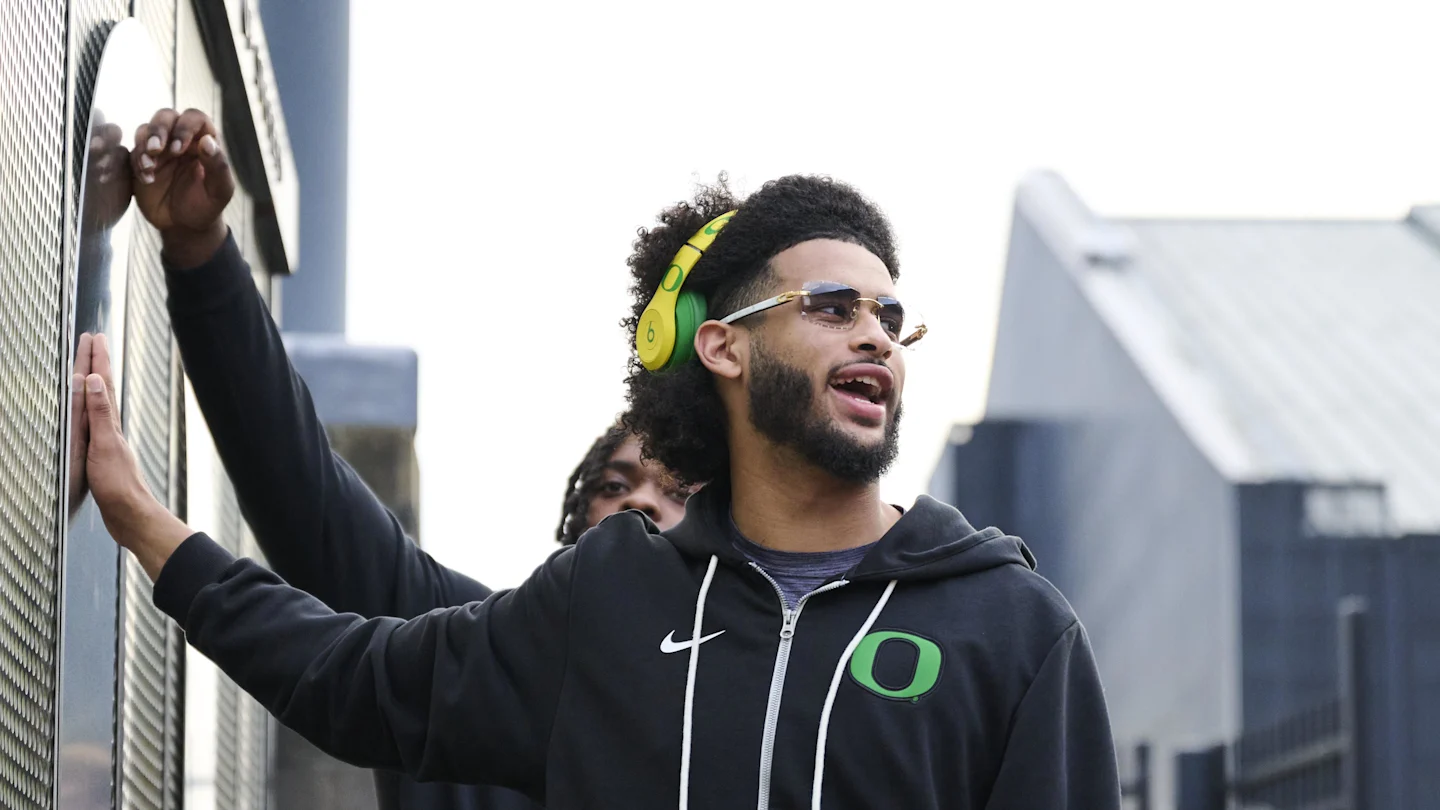
Quarterback Dante Moore is currently leading the No. 5 Oregon Ducks in the College Football Playoff, and faces a major decision while also preparing to face the No. 4 Texas Tech Red Raiders in the Orange Bowl on New Year’s Day. Will Moore declare for the NFL Draft and forgo his final year of college eligibility, or will he return to Eugene, Oregon, for his senior season?
According to On3, Moore has an NIL valuation of $2.3 million, and his roster value is projected to be $2.1 million. His NIL valuation is the 14th-highest in the country, per On3’s rankings, and it’s the highest on Oregon’s roster as well. Other notable quarterbacks like Texas’ Arch Manning, Michigan’s Bryce Underwood, Indiana’s Fernando Mendoza, and Nebraska’s Dylan Raiola all rank above Moore in terms of NIL valuation.

However, Moore is widely considered to be one of the top prospects in the upcoming NFL Draft if he chooses to declare. From a pure football perspective, Moore and Mendoza have seemingly separated themselves as the top quarterbacks in the 2026 NFL Draft class.
From an NIL perspective, Moore lacks the star power of a quarterback like Manning or Mendoza, especially after the Indiana passer’s Heisman Trophy win. Still, Moore has inked NIL deals with Nike, eBay, and Beats by Dre.
MORE: Big Ten Team Emerges as Dark Horse in National Championship Odds
MORE: Oregon Ducks Could Steal Another Transfer Portal Player From USC Trojans
MORE: Oregon Fans Won’t Like ESPN’s Score Prediction For Texas Tech vs. Ducks
SIGN UP FOR OUR NEWSLETTER HERE!

For Moore to turn down the NFL Draft as a projected top-five pick, Oregon would clearly need to make a competitive offer to keep Moore in college. Additionally, Moore and the Ducks could buy draft protection insurance to protect Moore from any injuries that would hurt his earning potential as a professional athlete.
Underclassmen that are not participating in the CFP must declare for the NFL Draft by Jan. 5, but Moore and other players in the postseason have a deadline of Jan. 23. The length of Oregon’s season is to be determined, but Moore could wait until late January to reveal his plans for 2026.
Oregon will face No. 4 Texas Tech on New Year’s Day in the Orange Bowl, and the winner of the Orange Bowl will face the winner of No. 9 Alabama vs. No. 1 Indiana on Jan. 9 in the Chick-Fil-A Peach Bowl in Atlanta, Georgia, in the CFP Semifinals. The National Championship will not be played until Jan. 19, explaining the later NFL Draft deadline for underclassmen participating in the CFP.
However, a few Ducks have already announced their intentions to forgo the NFL Draft and return to Oregon for another season. Ducks center Iapani “Poncho” Laloulu and defensive lineman Bear Alexander will spend another year in Eugene, Oregon.

Will ‘Poncho’s’ decision have any impact on what Moore chooses? The Ducks will have a new offensive coordinator with Will Stein being hired by Kentucky as the Wildcats’ newest head coach. With a lot of factors at play, including NIL, Moore’s decision is the biggest one on Oregon’s roster ahead of the 2026 season.
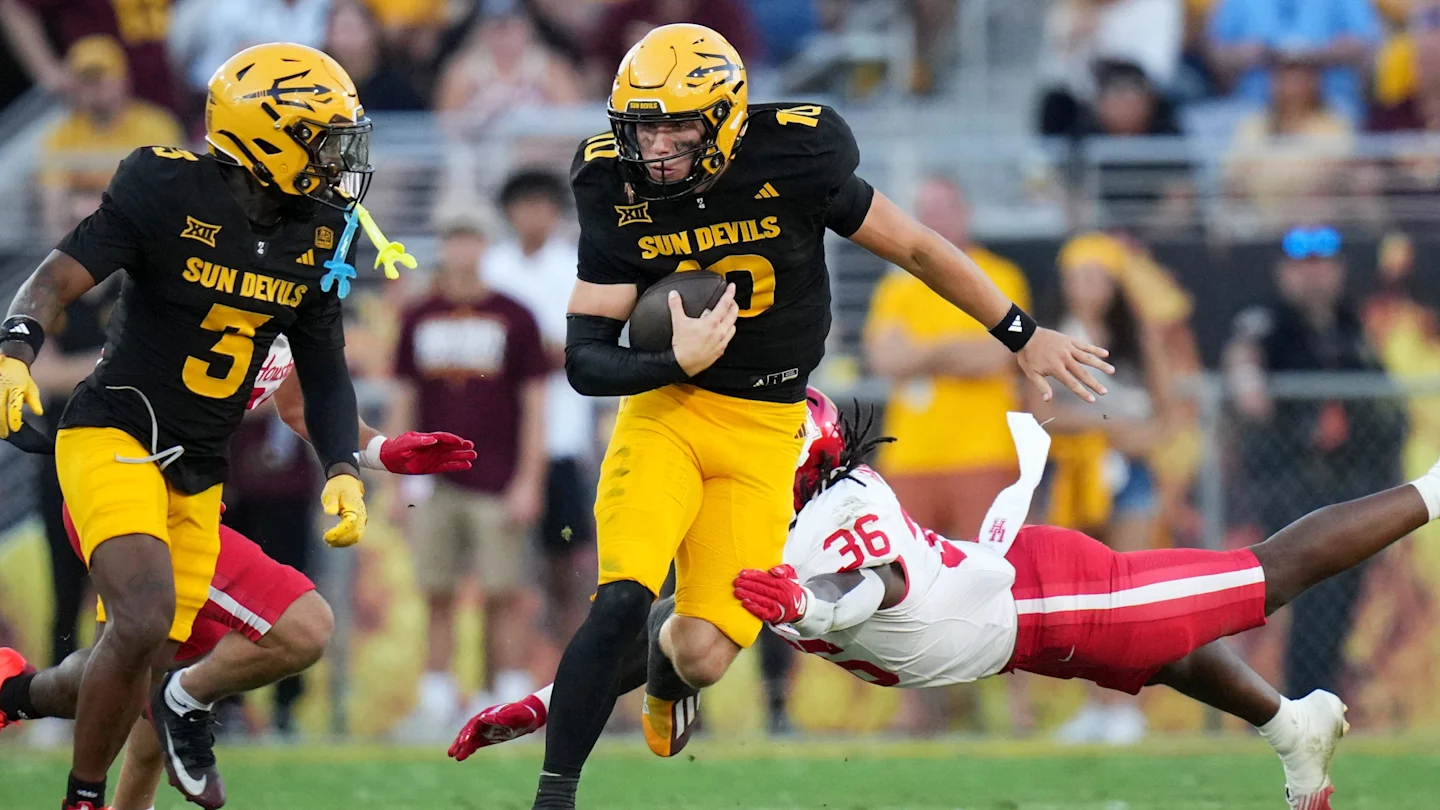
A week out from the transfer portal officially opening, some top college football stars have indicated the intention to move on to a new school. Per On3sports’s rankings, here are the top five portal prospects, and a likely landing spot (or two) for each.
Despite many more QBs entering the portal, Leavitt remains at the top of the list of the top portal passers. Leavitt’s 2025 season was limited to just seven games, in which he threw for 1,628 yards and 10 touchdowns. He showed more in 2024, taking ASU to the College Football Playoff with over 3,300 all-purpose yards and 29 touchdowns.
Leavitt is thought to be focusing in on Indiana and Oregon as potential landing spots. He’ll have two years to play and figures to be one of the top passers in college football, wherever he lands.
In 2024, he helped Arizona State reach the College Football Playoff by passing for 2,885 yards and 24 touchdowns and rushing for 443 yards and five more scores. His 2025 season was cut short by an injury in October, but in the portion of the year he could play, Leavitt passed for 1,628 yards and 10 scores in just seven games.
Colemani is an elite 6’4″ edge rusher who didn’t see a ton of time at Penn State in 2025 as a freshman. Coleman played in nine games, making eight tackles, including three tackles for loss with one QB sack.
Coleman has been projected as likely to end up at Ohio State, where the Buckeyes have done well in developing pass rushers. His position coach at Penn State has now been hired at South Carolina, so the Gamecocks might be a surprise contender on his recruitment.
Mestemaker is one of those players who seemingly emerged from nowhere. A former-walk on, he passed for 4,129 yards and 31 touchdowns as a redshirt freshman at North Texas. The 6’4″ QB has three years of eligibility left.
The likely landing spot for Mestemaker remains Oklahoma State, where his North Texas coach Eric Morris has settled. He has also been linked with Texas Tech as one of several other schools interested in the talented young QB.
Brown has spent four years at South Florida, but did preseve his redshirt year in 2022. Last season, he threw for 3,158 yards and 28 touchdowns while running for another 1,008 yards and 14 scores on the ground. He’s the premier dual-threat QB in this transfer class.
Brown’s most likely landing spot will be Auburn, where his USF coach Alex Golesh has landed. Florida is another school that has been documented as a possibility, as former Tulane boss Jon Sumrall will need a talented passer to lead his offense.
Williams was injured in late September and missed most of the 2025 season, but is a talented defensive back. The 6’2″ defender picked off four passes in 2024 and broke up five more passes. He’ll have two years of eligibility remaining.
Williams hails from Florida and Miami has been notable as a contender for his next landing spot. Of course, Iowa State coach Matt Campbell has moved on to Penn State, so the Nittany Lions should probably be in the conversation as well.
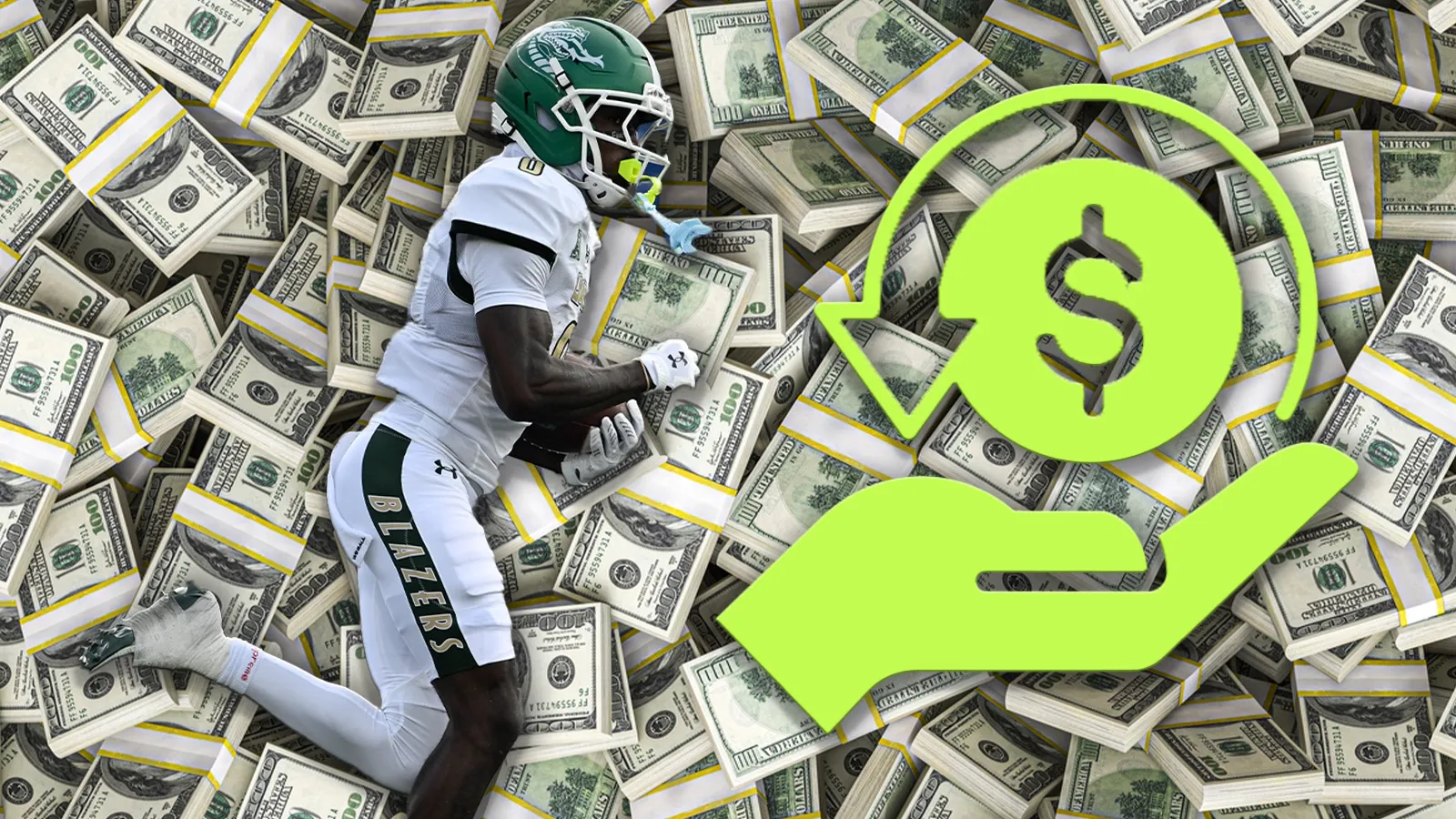
UAB star Iverson Hooks is choosing to enter the transfer portal. His decision not to continue his college football career creates an interesting situation regarding his NIL money.
Does he owe it all back to the Blazers?
I do not know the specific terms of Hooks’ agreement with the university but it appears as though he is on the hook (pun intended) for every single penny he has ever received while in Birmingham. This could get litigious.
Hooks is not a name you would know unless you are a diehard fan of college football. He was one of the best players on the Group of Six level in 2025.
The former three-star recruit committed to UAB in the Class of 2022 over 11 other offers from schools like UCF, Arkansas State, Western Kentucky and Troy. His first three years with the program saw him record 25 catches for ~300 yards and three touchdowns.
This past season was a huge breakout year for the 5-foot-10, 175-pound pass-catcher.
Hooks caught a team-high 72 passes for a team-high 927 yards and seven touchdowns. He has two years of eligibility remaining.
However, the rising redshirt junior does not plan to finish out his career in Birmingham. Hooks is going to enter the transfer portal.
This is where things get murky.
The exact details of Iverson Hooks’ financial agreement at UAB are unknown. Perhaps it had already reached its conclusion after four seasons. I don’t know. Maybe there is no buyout attached to his deal.
However, there is a specific clause for termination attached to a majority of contracts with Blazer Impact, the primary NIL arm in Birmingham.
“If Blazer Impact terminates the Agreement pursuant to Section 13.1.2, 13.1.3, 13.1.4, or 13.1.7, Licensor shall pay Blazer Impact a lump sum payment, as liquidated damages and not a penalty, 100% of all Licensing Fees and Endorsement Activity Fees that were paid to Licensor under the Agreement through the date of termination, or 100% of the total Licensing Fees and Enforcement Activity Fees that were scheduled to be paid to Licensor under the remaining term of the Agreement, whichever amount is more. Licensor shall pay the above liquidated damages within 30 days of termination by Blazer Impact.”
This may not apply to Hooks. He might be exempt based off of the unique language in his unique contract. We don’t know.
If he is not exempt, Hooks will be expected to pay back every last dollar he was paid by Blazer Impact over the last four years. Maybe the bigger school that ultimately receives his commitment will pay the buyout? Maybe this will go to court. We’ll see.
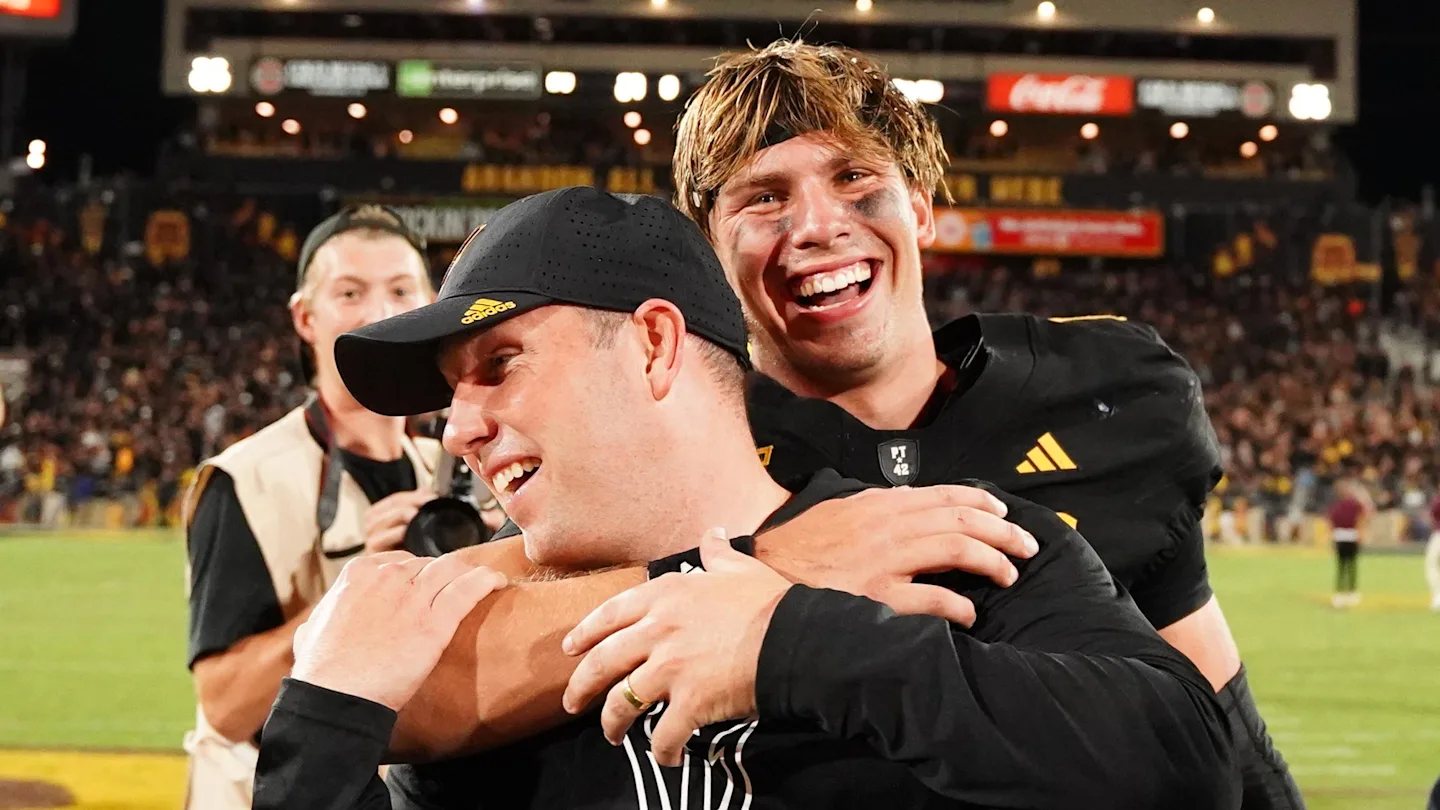
Although he hasn’t made his intentions known, Oregon Ducks’ quarterback Dante Moore has a chance to become one of the top players selected in the 2026 NFL Draft if he chooses to declare. The junior quarterback has thrown for 3,046 yards and 29 touchdowns, leading the Ducks to their second straight College Football Playoff appearance.
If Moore does wind up turning pro, here are three quarterback transfers who the Ducks could wind up targeting this offseason.

One of the top players who will enter the transfer portal is Arizona State’s Sam Leavitt. He helped the Sun Devils to a Big 12 title and a CFP appearence in 2024. This past season, he was plagued by an injury that limited him to just seven games.
Leavitt will have plenty of suitors interested in his services and the Ducks should be among them if Moore ends up declaring for the draft. He is currently ranked as the No. 1 quarterback and No. 2 player in the transfer portal according to 247Sports’ rankings.
Although his NIL price tag will be high, the Washington state native could be the perfect one-year rental for Oregon as they aim to make the CFP for a third straight season in 2026.

Arguably the biggest riser from the entire 2026 season, North Texas’s Drew Mestemaker, a former walk-on, exploded onto the scene and led the country with 4,129 yards and threw for 31 touchdowns in his first season as the Mean Green’s starter.
Mestemaker would be another solid choice as a one-year rental for Oregon. The jump from the American to the Big Ten would be a big one in terms of competition, but the surrounding cast around him will be strong. He ranks as the No. 2 quarterback and No. 3 player in the portal.
MORE: Dan Lanning Reveals Oregon Ducks’ Christmas Plan Ahead Of Texas Tech
MORE: Tickets Surge For Oregon vs. Texas Tech In Historic Orange Bowl
MORE: Oregon Quarterback Dante Moore Becoming Biggest Question of NFL Draft
SIGN UP FOR OUR NEWSLETTER HERE!

The only unproven option on the list, Notre Dame’s Kenny Minchey lost the starting competition to CJ Carr before the start of the year. He only appeared in six games for the Fighting Irish before electing to hit the transfer portal at the end of the regular season. Minchey threw for 196 yards this season.
The potential is there with Minchey, who was a former highly-touted recruit. He was the No. 14 quarterback and No. 169 player in the country during the 2023 recruiting cycle according to 247Sports’ rankings. As a transfer, he checks in as the No. 9 quarterback and No. 23 player in the country.
If Minchey does land with Oregon, he could be a multi-year starter for the Ducks similar to a situaion with Joe Burrow and LSU. Burrow, a talented high school recruit, was beat out at Ohio State and transferred to LSU where he was a two-year starter for the Tigers.



SoundGear Named Entitlement Sponsor of Spears CARS Tour Southwest Opener

Donny Schatz finds new home for 2026, inks full-time deal with CJB Motorsports – InForum
David Blitzer, Harris Blitzer Sports & Entertainment
Elliot and Thuotte Highlight Men’s Indoor Track and Field Season Opener

Rick Ware Racing switching to Chevrolet for 2026

Colleges ponying up in support of football coaches, programs
West Fargo volleyball coach Kelsey Titus resigns after four seasons – InForum

#11 Volleyball Practices, Then Meets Media Prior to #2 Kentucky Match


DeSantis Talks College Football, Calls for Reforms to NIL and Transfer Portal · The Floridian


Wearable Gaming Accessories Market Growth Outlook