
NIL
The House Settlement May End College Sports’ Wild West Era

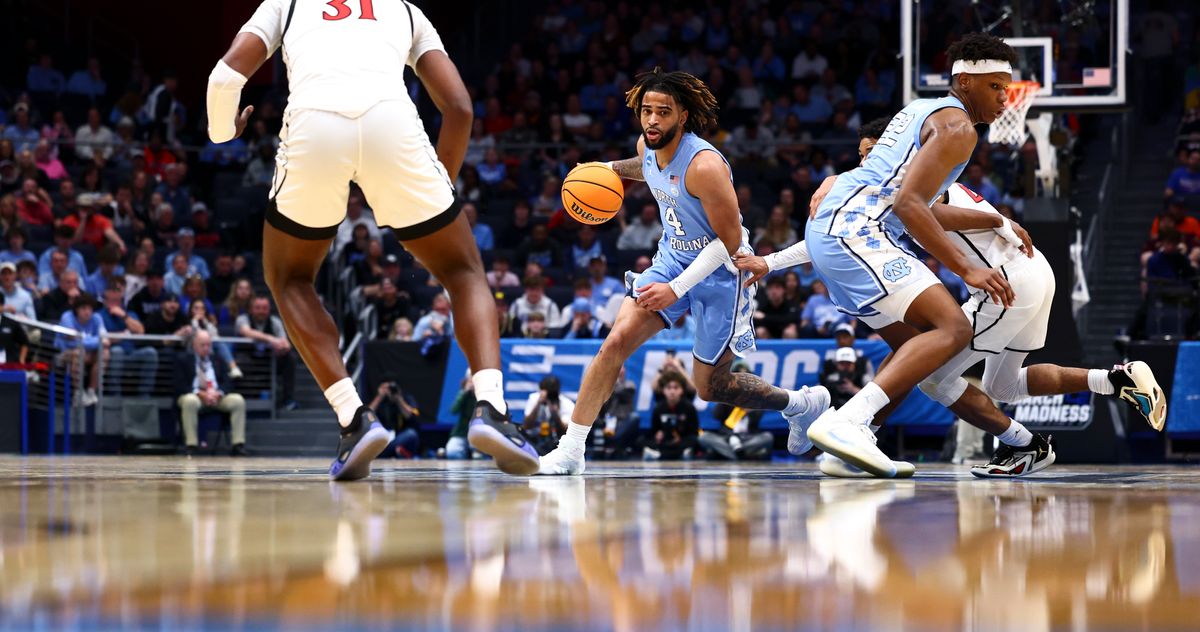

Photo: Tyler Schank/NCAA Photos/Getty Images
A certain strain of thought around college sports goes something like this: While it may be corrupted by big money these days, there was a time — a time long ago, back when Red Grange was playing, or Dick Butkus, or maybe even that Rudy kid — when the whole enterprise was different. It was pure. It was about the joy of competition, about academics, about working hard enough to get a scholarship and a free education. One immediate challenge to this line of thinking is trying to determine when the supposed golden age of college sports ended. Was it during the Jerry Tarkanian UNLV Runnin’ Rebels era, starting in the ’70s, in which the famous head coach was suspended for multiple recruiting violations? Was it during the ’80s, when SMU’s football program was given the “death penalty” for paying players under the table? Was it when the ’90s Miami Hurricanes became dominant? Reggie Bush in the 2000s? The FBI investigation of the late 2010s? Literally any moment in college sports, ever?
The truth, of course, is that this golden age never really existed. Money has always fueled college sports, and the 2021 Supreme Court ruling that essentially struck down the NCAA as a cartel simply made it semi-official. That decision ended amateurism and paved the way for athletes to be paid and the NCAA to essentially cede all controls to schools and conferences (and the network executives who pay them to do their bidding). College sports has turned into a Wild West of almost unfettered free-market capitalism over the last few years — and it’s mostly out in the open. No longer do the NCAA bigwigs pretend this is all about the purity of amateur competition. In other words, they’ve started being honest with us.
Since the Court weighed in, players have been able to maximize their value, earning whatever the market will bear to attend any school, at any time. Network executives have gotten rich, athletic departments have gotten rich, coaches have gotten rich; it is only right that players have too. And, not coincidentally, the quality of the games themselves has increased dramatically: The best young players, particularly in basketball, are staying in college because they’re getting paid handsomely to do so, raising the talent bar to a new level. There are obvious problems, namely with college football’s dangerous slide toward conference consolidation, which could kill this whole golden goose. But on the whole, college sports are peaking right now. There’s a reason people want to watch all these games.
Unfortunately, this actual golden age of transparency and quality may soon come to an end — ironically, under the guise of reform. Last week, a federal judge approved the so-called “House Settlement” (named after an Arizona swimmer, not the House of Representatives), which will resolve ongoing lawsuits against the NCAA, paving the way for another complete overhaul of college sports. The settlement is meant to institute some guidelines and guardrails and to help provide a foundation for the future. But all it will do is take everything that has operated out in the open the last few years and push it underground. That, in turn, will give everyone an incentive to cheat. Which, of course, they will.
The details are complicated, but the gist is that schools that opt into it — which everyone except small Ivies is expected to do — will essentially have a roughly $20 million budget every year to pay athletes among all their sports. But only two of those sports typically make money: football (the lion’s share) and men’s basketball. (There are a few women’s college basketball programs that break even or even finish in the black, as well as hockey and volleyball and others, but collectively, they’re non-revenue sports.) Thus, football and basketball players will get more money, generally at the discretion of the schools’ athletic directors. And almost none will go to athletes in any other sport, which will already be in trouble as schools are pushed to concentrate just on the revenue generators. So, sure: Athletes will, for the first time, get paid by their universities. But not very many athletes. And, considering how much television contracts are, not very much.
But what about those NIL (name, image, and likeness) deals? That’s where athletes have been making much of their money the last few years via rich alumni who are willing to stretch regulatory limits, in effect paying millions directly to prospective stars to come to their schools. This system will still exist, but with a huge and rather complicated catch: All NIL deals over $600 must be reported to a clearinghouse known as NIL Go, run by accounting firm Deloitte, which marks and logs the deals. That entity, independent of the NCAA, will decide what constitutes a “reasonable range of compensation based on multiple factors.” How does one define “reasonable range”? Good question! It seems to come down to the judgment of one man, Bryan Seeley, just hired from Major League Baseball, to determine whether a deal is a legitimate endorsement deal or a bribe from a rich donor who just wants a player to come to their school.
The problems here are obvious, and veer toward the infinite. Multiple college basketball players are currently making more than $5 million this year, all from those collectives that are now supposedly being phased out. A Texas Tech softball player will make $1 million, a figure that does not reflect what she will bring into the program itself. (The NCAA champion Oklahoma softball program ran a $4 million deficit last year.) She’s there because a rich donor wanted her there; that is how college sports has worked in its Wild West era. This new group exists to put a stop to this system, but the genie is out and can’t possibly be put back in the bottle. As CBS Sports’ Gary Parrish put it, “Last month, NIL Go officials told ACC administrators that more than 70 percent of current NIL deals with booster collectives would have been denied according to the new rules. That suggests NIL Go will frequently be in the business of telling student athletes they cannot take what somebody is willing to give them.” This disjunction will lead to two obvious results: a shit ton of lawsuits (who is NIL Go to tell some rich guy from Texas that he can’t fund a softball player?) and a shit ton of under-the-table transactions. We all now know that players are worth this much money on the market. The players know it too. They’ll find a way to get it.
That $20 million figure is absurd as well. North Carolina’s basketball team made headlines just last week for having a $14 million roster. Do you think some arbitrary spending limit — that, again, will just be challenged in court, probably tomorrow — is going to keep them from spending that much again next year? How about their football team, with the Hall of Fame coach and his ubiquitous girlfriend? You think they’re just gonna take $6 million? Of course not. Everyone is going to spend as much money as they always have, just in even less savory ways.
Which speaks to the inherent dishonesty at the center of all of this. What is being painted as “getting control” of college sports — an enterprise that of course rampages wildly out of control if it means getting more money in the hands of network executives, conference commissioners, and coaches — is, in the end, just another way to try to tamp down compensation for athletes themselves. The powers that be are pretending to “settle” with wronged athletes by paying them, but, really, they’re making athletes’ lives worse and as Parrish puts it, “ simply trading in one set of issues for a new set of issues.” College sports’ Wild West era may be about to end. The new era might be a lot wilder — and a lot more corrupt.

NIL
Why Bear Alexander and Poncho Laloulu Pass on NFL Draft is a Quiet Win for Oregon’s NIL Strategy
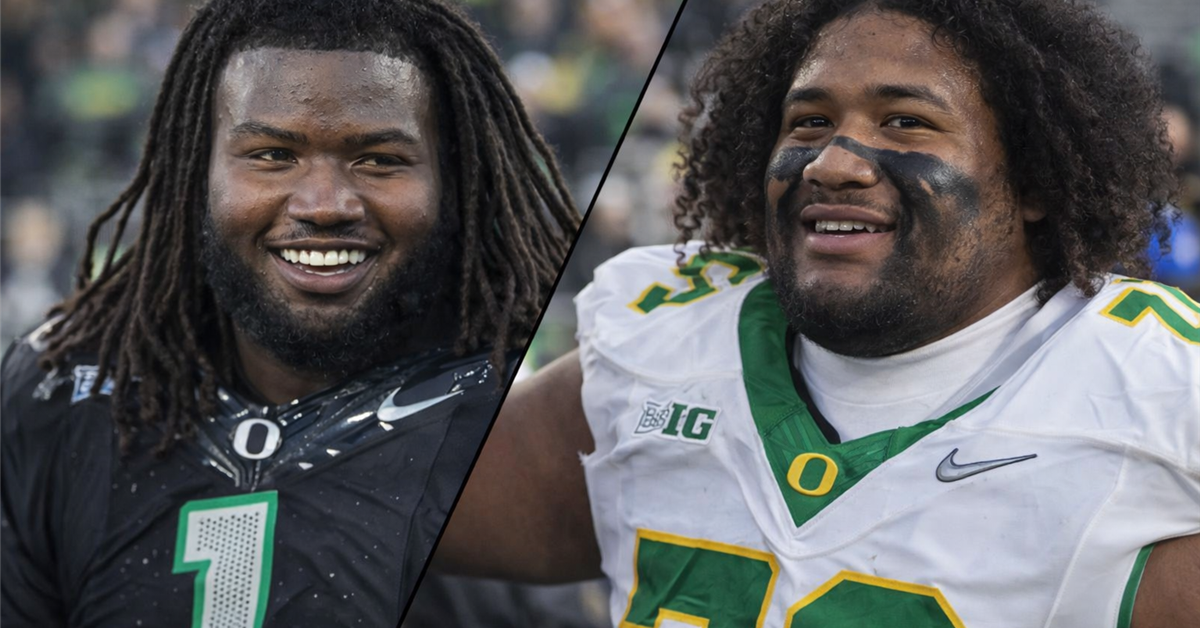
For years, NIL has often been framed as college football’s necessary evil — a chaotic marketplace blamed for roster churn, tampering fears, and short-term thinking. At Oregon, however, NIL is increasingly serving a different purpose. It’s not just reshaping how the Ducks build their roster, it’s reshaping how long they can keep it together.
Since the end of the regular season, two high-profile juniors on the Oregon roster have made decisions that quietly underscore that shift. Defensive lineman Bear Alexander announced first that he would return for the 2026 season. Shortly after, offensive lineman Iapani Laloulu, better known as “Poncho,” followed suit. Both will return to Eugene for their final seasons of eligibility.
Both decisions likely don’t happen four years ago at Oregon. Here’s why.
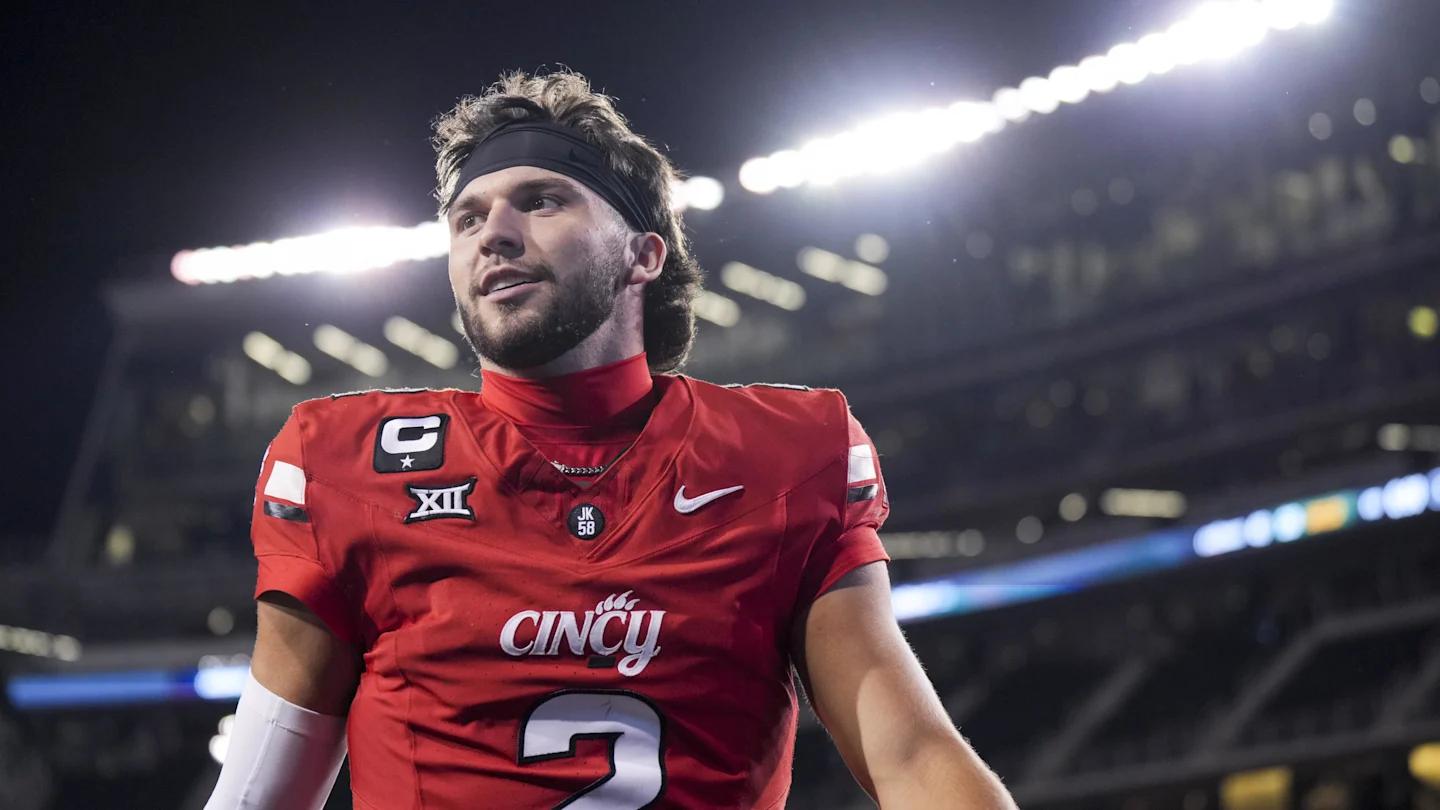
The Cincinnati Bearcats looked like a potential playoff team after a 7–1 start before dropping each of their final four games to close the 2025 season at 7–5 overall and 5–4 in Big 12 play.
Despite the late slide, it was Cincinnati’s highest win total since joining the Big 12 in 2023 and the program’s best season yet under third-year head coach Scott Satterfield.
Much of that success was fueled by junior quarterback Brendan Sorsby, who has since announced his intention to enter the NCAA Transfer Portal.
In 12 appearances during the 2025 season, Sorsby completed 61.6% of his passes for 2,800 yards, 27 touchdowns, and five interceptions, while also rushing for 580 yards and nine scores, establishing himself as one of the portal’s most coveted dual-threat quarterbacks.
On Tuesday, On3’s Pete Nakos reported that Sorsby could command NIL offers approaching $5 million on the open market, a figure that would place him among the highest earners in college sports.

A Lake Dallas, Texas, native, Sorsby was a three-star recruit and the No. 66-ranked quarterback in the 2022 class according to 247Sports.
He received nearly a dozen scholarship offers, including from Indiana, Army, Navy, and Delaware.
Sorsby initially signed with Indiana in February 2022 and emerged as the Hoosiers’ full-time starter in 2023.
He threw for 1,587 yards, 15 touchdowns, and five interceptions while rushing for 276 yards and four scores before entering the transfer portal and transferring to Cincinnati in 2024.
On3’s NIL tracker currently lists Texas quarterback Arch Manning as the nation’s highest-valued college athlete at $5.3 million, while Sorsby is valued at approximately $2.4 million, the 12th-highest overall.
Any deal approaching $5 million would immediately place Sorsby alongside Manning at the top of the NIL market.
Early links and reporting have connected Sorsby to programs including Texas Tech, Tennessee, Oregon, Indiana (return), and other Power-Five schools.
Read More at College Football HQ
- Major college football team reportedly does not have ‘any interest’ in $2.4 million QB
- No. 1 college football team predicted to sign $2.1 million transfer QB
- Major college football program loses 15 players to transfer portal
- College Football Playoff team has ‘significant interest’ in 4,000-yard QB
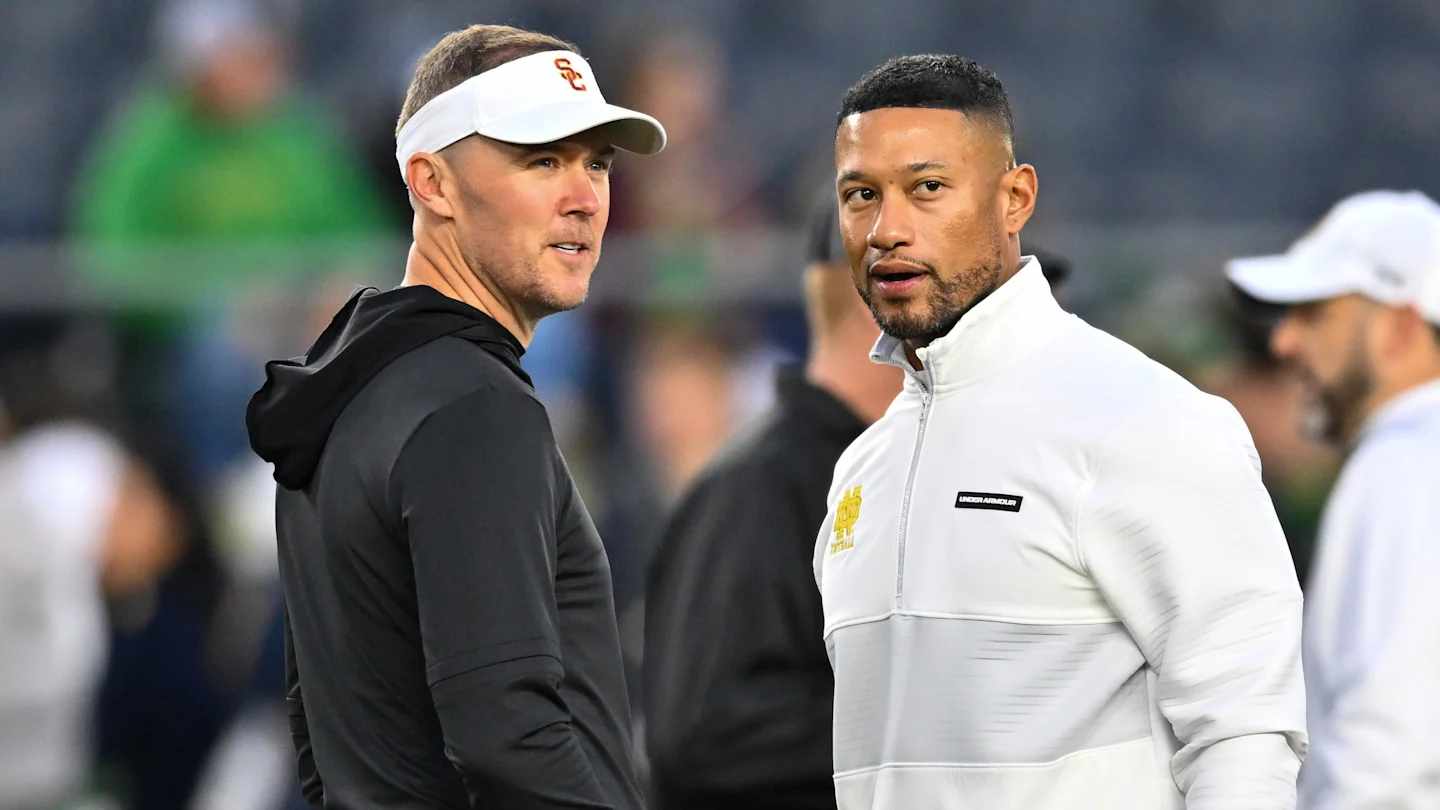
Marcus Freeman to the New York Giants is the latest coaching carousel talking point that just won’t go away, amid rampant speculation that the Notre Dame head coach could have an escape plan ready to jump to the NFL, and that the interest may be mutual.
But where do things actually stand in the most talked-about coaching situation?
Analyst predicts Marcus Freeman’s future
Behind the scenes, the race is on for Notre Dame to come up with contractual terms to keep Freeman on their sideline, and from what it sounds like, the latest trend may be pointing in that direction.
Right now, the current trajectory suggests that Freeman will turn down any interest from the NFL and remain the Notre Dame head football coach into the future, according to On3 Sports analyst Eric Hansen.
“If Freeman does what I believe he will and he and agent Clint Dowdle find common contract ground — and athletic director Pete Bevacqua doesn’t appear to be offering even tactical resistance — the decision to stay in South Bend would be for the long haul,” Hansen said.
That may be what Notre Dame fans want to hear, but until a decision is made official, the lure of New York and the NFL is still out there.
NFL insiders reveal Giants, Freeman interest
The talk connecting Freeman to the Giants is not just random speculation at this point.
Freeman has also emerged as one of the most prominent names on the shortlist being assembled by the Giants franchise itself, according to The Athletic.
That is something to keep an eye on, as the NFL coaching bonanza is only just getting started, and Freeman is considered one of the best young coaching minds in circulation at any level.
What Freeman has done at Notre Dame
Freeman has just completed his fourth season at the helm of the Fighting Irish program and boasts a 43-12 overall record, winning more than 78 percent of his games.
Freeman led Notre Dame to a No. 2 national ranking and an appearance in the national championship game against his alma mater a year ago.
His team went 10-2 this season and seemed poised for another berth in the College Football Playoff, before the committee reversed course on Selection Day and left the Irish out of the field, leading the school to decline playing in a bowl game.
Notre Dame won’t let him go
Cognizant of the talk around his head man, Notre Dame athletic director Pete Bevacqua is not willing to watch from the sidelines if his successful football coach is going to be courted by opportunities in the NFL, or anywhere.
“I would never say we wouldn’t match anything when it comes to Marcus,” Bevacqua said recently.
“I make sure that he knows that he will be where he deserves to be, and that is at the top, top, top tier of college football coaches when it comes to compensation every year.
“I view his contract, although a multiyear contract, as a living, breathing document that we will revise every year as need be to make sure he’s where he deserves to be. He knows he has that commitment from me and more importantly from the university.”
How exactly that commitment is formalized remains the sticking point that will either keep Marcus Freeman at Notre Dame, or have him looking elsewhere.
Read more from College Football HQ
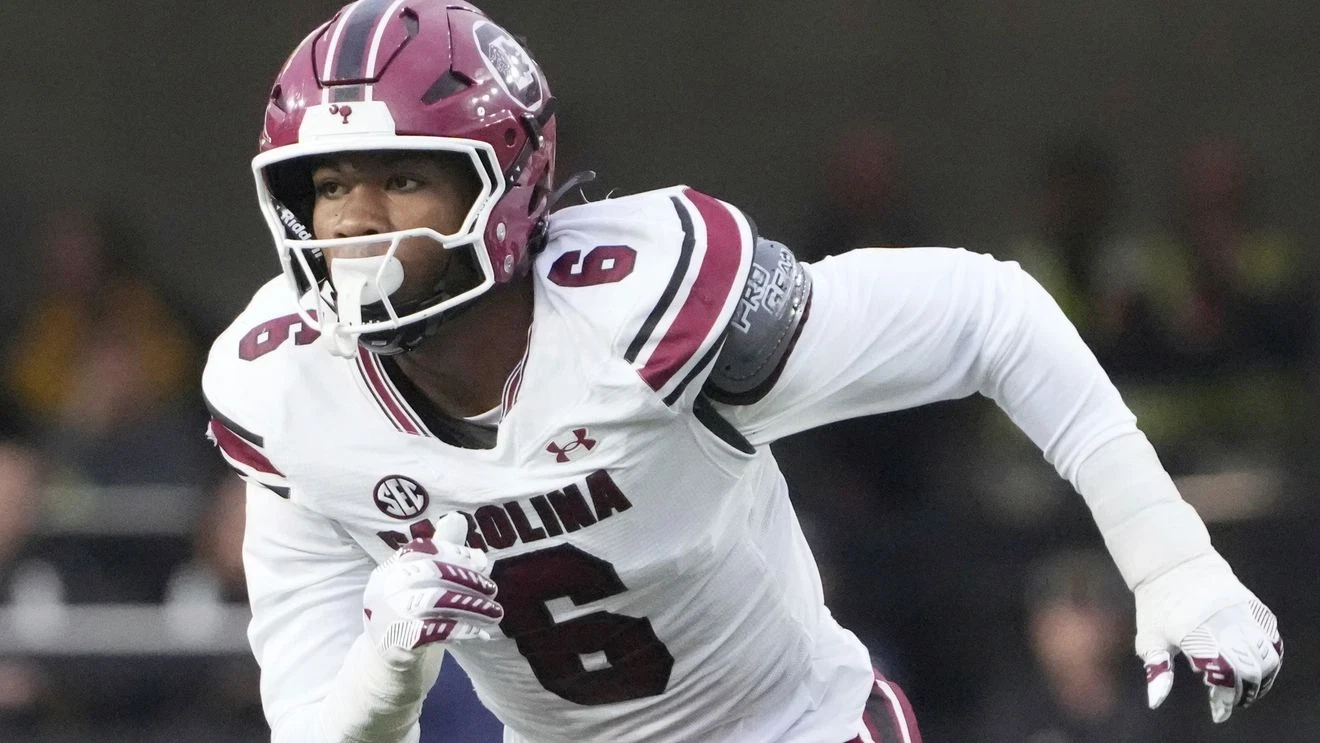
COLUMBIA, S.C. (WCIV) — One day after South Carolina received word that star quarterback LaNorris Sellers was staying in town, another star said he plans to return to the fold.
Dylan Stewart, the Gamecocks’ star edge rusher, announced he is returning for his true junior season in 2026, according to Pete Thamel, ESPN’s college football insider.
Stewart has 11 sacks in his two seasons at South Carolina and has forced 6 fumbles. Among ESPN’s draft projections, he appears to be a top prospect for the 2027 NFL Draft.
READ MORE | “South Carolina QB LaNorris Sellers stays put, vows stronger return for 2026 season.”
The former five-star recruit and rising SEC pass rusher chose continuity over the transfer portal, agreeing to an NIL deal that places him among the highest compensated non-quarterbacks in college football, according to ESPN’s reporting.
South Carolina’s defense is back in reliable hands, as the Gamecocks ready themselves to bounceback from a 4-8 season.
After the pitiful finish, South Carolina head coach Shane Beamer shook up his coaching staff.
South Carolina is also expected to hire Penn State defensive line coach Deion Barnes as the defensive end and outside linebacker coach.
He’s been Penn State’s defensive line coach the past three years and worked with the line there since 2020. He coached Abdul Carter, Chop Robinson and Adisa Isaac.
BE THE FIRST TO COMMENT
READ MORE | “South Carolina to kick off 2026 football season at home against Kent State.”
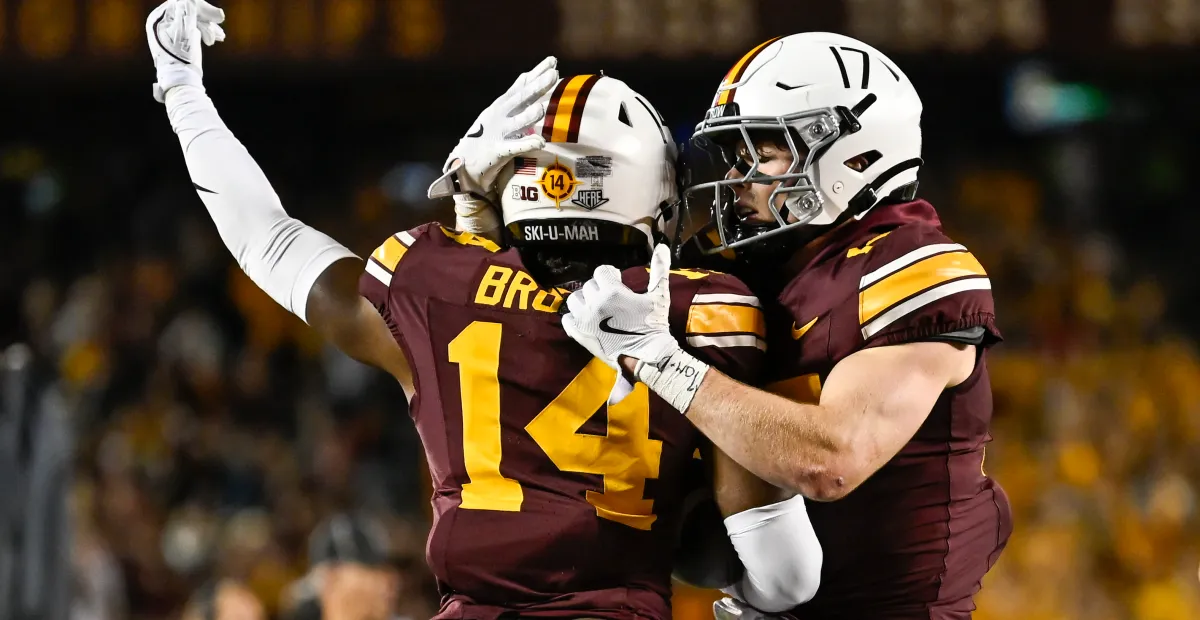
Safety Kerry Brown, cornerback John Nestor, and offensive linemen Greg Johnson and Nathan Roy all announced their return to Minnesota next season through the NIL collective Dinkytown Athletes on Tuesday. All four were starters this season and represent key returnees for the Gophers next season.
The announcements are part of Cub Foods’ contribution to Dinkytown Athletes.
These types of announcements have become commonplace in college football today, driven by the introduction of NIL and revenue-sharing agreements, as well as the transfer portal.
More announcements are expected in the coming days and weeks, so stay tuned.
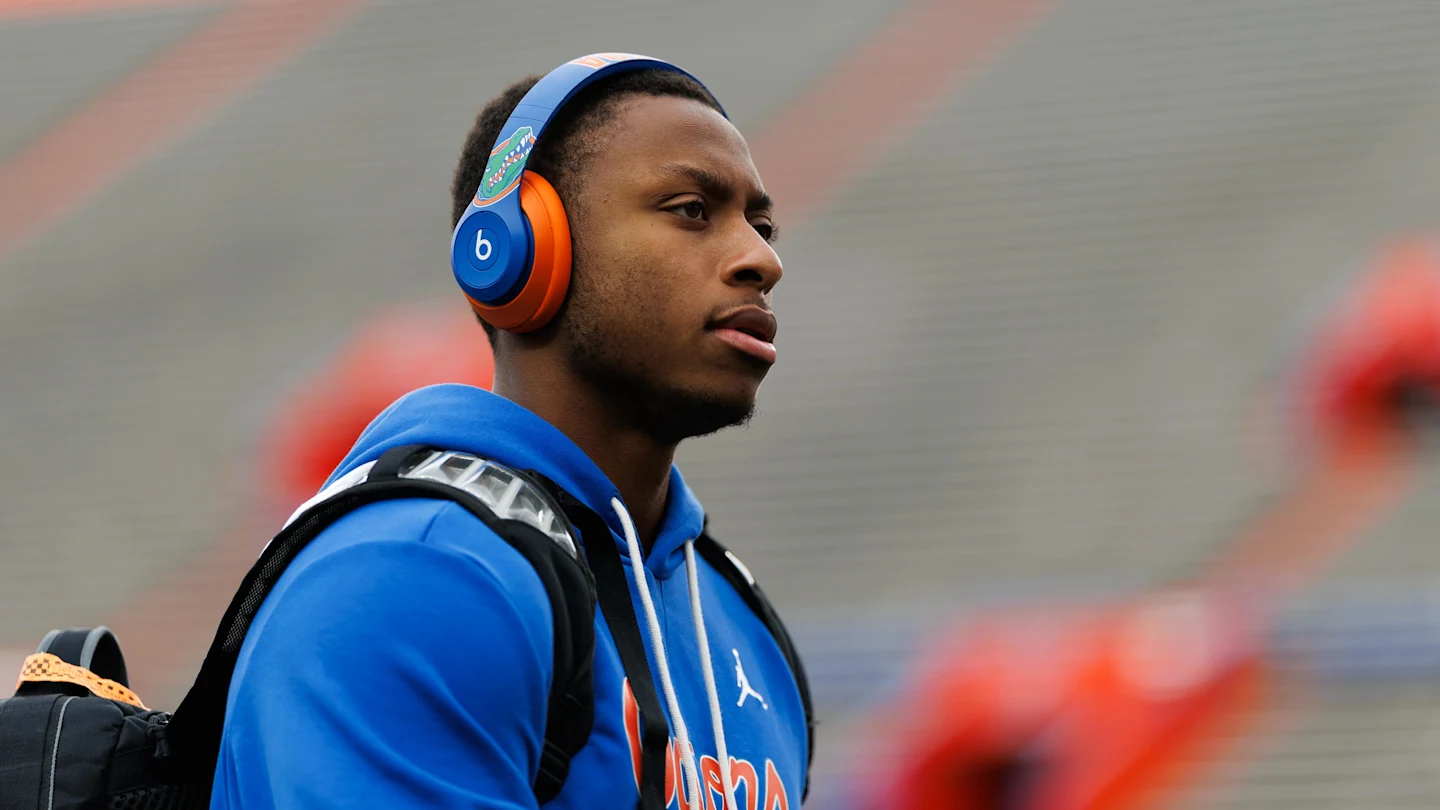
Florida quarterback DJ Lagway, a former five-star recruit and two-year starter, is now in the transfer portal after a 2025 season defined by inconsistency and organizational change in Gainesville.
In 2025, Lagway completed 213 of 337 passes (63.2%) for 2,264 yards, 16 touchdowns, and 14 interceptions, while adding 136 rushing yards and a rushing score.
However, the turnovers and a string of uneven performances contributed to a 4–8 season (2-6 SEC) for Florida and intensified scrutiny on the program’s direction.
Florida dismissed fourth-year head coach Billy Napier on October 19 following a 3–4 start and later hired Tulane’s Jon Sumrall to lead the program forward, a change that has prompted several top players to explore fresh starts.
Several Power Five programs have emerged as early fits for Lagway, with Baylor, LSU, and Miami frequently mentioned by national outlets.
Recently, On3’s Pete Nakos singled out Baylor, noting that home-state proximity and family ties to Waco could make the Bears an appealing landing spot.

A five-star dual-threat quarterback from Willis, Texas, Lagway entered college as one of the top prospects in the 2024 class, ranking as 247Sports’ No. 1 quarterback before signing with Florida in December 2022.
Lagway threw for 4,605 yards and 59 touchdowns as a senior, adding 953 rushing yards and 16 scores on the ground to earn Gatorade National Player of the Year honors.
He drew more than 30 offers from several Power Five programs, including Baylor, Alabama, Georgia, LSU, and Clemson, before committing to the Gators.
From a marketplace standpoint, Lagway arrives in January’s portal with considerable commercial value.
On3’s NIL tracker lists Lagway with an estimated valuation near $2.0 million, and the quarterback already has multiple reported brand partnerships, including Hollister, Red Bull, and Mercedes-Benz of Gainesville.
For Baylor, Lagway would offer a marketable, high-upside option who can start right away, with 2025 starter Sawyer Robertson expected to enter the 2026 NFL Draft.
Read More at College Football HQ
- Major college football team reportedly does not have ‘any interest’ in $2.4 million QB
- No. 1 college football team predicted to sign $2.1 million transfer QB
- Major college football program loses 15 players to transfer portal
- College Football Playoff team has ‘significant interest’ in 4,000-yard QB

Why Bear Alexander and Poncho Laloulu Pass on NFL Draft is a Quiet Win for Oregon’s NIL Strategy

Major college football QB expected to ‘command’ up to $5 million in transfer portal

Northern Tool + Equipment Launches TV Show Highlighting Young Tradespeople

Major football coach predicted to stay in college amid NFL rumors

NASCAR team names 2026 driver after Dale Earnhardt Jr left unhappy – Motorsport – Sports
910Preps Fayetteville’s high school volleyball all-stars 2025

NASCAR veteran enters Daytona 500 for first time since 2019 – Motorsport – Sports

St. Olaf records second-highest fall finish in Learfield Directors’ Cup

Dylan Stewart, top 2027 NFL prospect, stays with Gamecocks, lands major NIL deal

Spencer McLachlin Named Women’s Volleyball Head Coach

Hawaii men’s volleyball ranked No. 2 to start season

Minnesota Football: Kerry Brown and three other Gophers to return for 2026

Wisconsin lands at No. 8 in Fall Learfield Directors’ Cup

Lauren Lee’s Volleyball Journey to 5,000-Assist Milestone Started at the Beach

Texas A&M Volleyball scores big with two transfer portal commitments

First Tee Winter Registration is open

Fargo girl, 13, dies after collapsing during school basketball game – Grand Forks Herald

CPG Brands Like Allegra Are Betting on F1 for the First Time

F1 Las Vegas: Verstappen win, Norris and Piastri DQ tighten 2025 title fight

Sycamores unveil 2026 track and field schedule

Utah State Announces 2025-26 Indoor Track & Field Schedule

Two Pro Volleyball Leagues Serve Up Plans for Minnesota Teams

SoundGear Named Entitlement Sponsor of Spears CARS Tour Southwest Opener

Jo Shimoda Undergoes Back Surgery

Redemption Means First Pro Stock World Championship for Dallas Glenn

Texas volleyball vs Kentucky game score: Live SEC tournament updates

Bowl Projections: ESPN predicts 12-team College Football Playoff bracket, full bowl slate after Week 14

Black Bear Revises Recording Policies After Rulebook Language Surfaces via Lever

How this startup (and a KC sports icon) turned young players into card-carrying legends overnight

Robert “Bobby” Lewis Hardin, 56





-
 Motorsports2 weeks ago
SoundGear Named Entitlement Sponsor of Spears CARS Tour Southwest Opener
-
 Rec Sports3 weeks ago
Black Bear Revises Recording Policies After Rulebook Language Surfaces via Lever
-

 Motorsports2 weeks ago
Donny Schatz finds new home for 2026, inks full-time deal with CJB Motorsports – InForum
-
 Rec Sports3 weeks ago
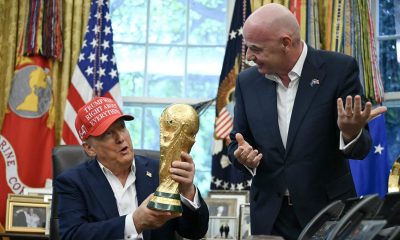
How Donald Trump became FIFA’s ‘soccer president’ long before World Cup draw
-
 Rec Sports2 weeks ago
David Blitzer, Harris Blitzer Sports & Entertainment
-
 Motorsports2 weeks ago
JR Motorsports Confirms Death Of NASCAR Veteran Michael Annett At Age 39
-
Sports2 weeks ago
Elliot and Thuotte Highlight Men’s Indoor Track and Field Season Opener
-
Sports2 weeks ago
West Fargo volleyball coach Kelsey Titus resigns after four seasons – InForum
-
 Motorsports2 weeks ago
Rick Ware Racing switching to Chevrolet for 2026
-
 Sports3 weeks ago
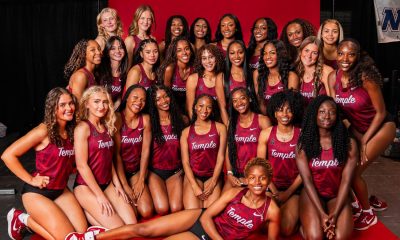
Temple Begins Indoor Track & Field Season at UPenn This Weekend