
Motorsports
Unhinged wigmaker Miriam Yarimi allegedly attacked neighbor with hammer




The unhinged wigmaker charged in a horrific Brooklyn crash that killed a mom and her two daughters allegedly attacked a neighbor’s apartment with a hammer last year, The Post has learned.
Miriam Yarimi went on a deranged tirade last March at her Midwood apartment building — pounding on a neighbor’s door as she screamed at the top of her lungs, according to an eviction petition filed by her landlord in Brooklyn civil court on April 24.
Yarimi, 32 was “verbally abusing, cursing, threatening, yelling, and screaming” and “banging [a] hammer against the door” of her upstairs neighbor’s apartment at 6:51 p.m. on March 24, 2024, according to court documents and the resident who endured the demented outburst.
“It was her,” the still-rattled female neighbor told The Post, referring to Yarimi, who lived on the third floor of the Avenue P building with her then-husband Shneur Kovitz.
The neighbor, who spoke on the condition of anonymity, has “no idea” why Yarimi went on the attack, during which a child was present, according to court papers.
4-year-old Philip Saada was seriously injured, and remains in critical condition at Maimonides Medical Center.
During Yarimi’s arraignment on Thursday, prosecutors claimed she went on a bizarre rant to cops after she was busted in the deadly wreck.
“The devil’s in my eyes,” she allegedly told police, according to a criminal complaint. “I’m haunted inside. I didn’t kill anyone. I don’t hurt anyone. Prove it. Show me proof.”
A former classmate previously told The Post Yarimi came from a “nerdy religious” Jewish family and was “screwed up” from a teen affair with a married NYPD cop.
P and 21 LLC declined to comment.
Additional reporting by Tina Moore.





















https://www.dragracecentral.com:443/DRCStory.asp?ID=414771
The resource you have requested in no longer available.
You have used an outdated link.
If you have followed an outdated link from one
of our other pages, please accept our apologies.
We have logged the error and sent email to the webmaster.
We will do our best to locate and correct the problem as soon as possible.
Motorsports
Larry Larson, Lyle Barnett Secure First Two Invites For 2026 King of The South Invitational

Earlier this year, Larry Larson put the small-tire world on notice, defeating Lyle Barnett in the final round of the $75,000 King of the South invitational, headlining the Ronnie Buff Memorial weekend at Shadyside Dragway in Shelby, North Carolina.
During the opening day of PRI in Indianapolis, KotS promoter Corey Stamper and Shadyside Dragway co-owner Seth Buff officially extended invitations to both Larson and Barnett for the 2026 edition of the event, taking place May 21-24.
Both drivers accepted, filling the first two spots in the 64-car, invite-only field of cars competing on 28×10.5 non-w slicks for another $75k.
Larson has only gained momentum since his KotS victory back in May, most recently winning the $40,000 True 10.5 N/T class at the Snowbird Outlaw Nationals presented by Motion Raceworks at Bradenton Motorsports Park. It’s been a dream season for the chassis-builder out of Oak Grove, Missouri, who originally made it into Kots earlier this year as an alternate.
“I wasn’t even invited last year,” said Larson. “They had some people drop out and Corey gave me an invite. I just went down there to see if I could learn something.”
Barnett, meanwhile, will be looking for a little bit of payback behind the wheel of the Tommy Youmans-owned “Salvage Title” Mustang. After losing to Larson by a miniscule .004 margin of victory in 2025, Barnett is hoping to go one round further in 2026 at what he deems his hometown track.
“Shadyside is home to me,” Barnett said. “I live 35 minutes from the track. I’ve won a bunch of Corey’s Carolina Cash Days in Beer Money, and when King of the South became a reality, I told him no matter what, I wanted in.
“I’ll be honest, when I rolled into the final against Larry, I thought I had him covered,” Barnett continued. “And I did until about 330 ft., and then I watched that Harts Charger just walk away from me. Larry’s a good friend, and if we can manage to stay away from each other in the early rounds at Shadyside, I’d love to see him late in the race and see if we can duplicate that final round – just swap who gets to hold the trophy.”
In addition to the hugely popular Small-Tire invitational, Stamper is adding something new for 2026 – the $10,000 Knight of the South class, featuring a 16-car invitational on even smaller 26×8.5 slicks.
KotS looks to once again be one of the biggest events of the year in 2026, building off their 2025 edition that sold out Shadyside and forced the fire marshal to close the gates on Saturday due to a record crowd. Track owners Seth and Zach Buff continue to build on their family’s legacy, giving racers a local “outlaw” feel that can’t be found at larger facilities.
“It means so much to us to have this caliber of drivers at our small track,” said Seth Buff. “It’s so surreal for us. During that weekend, I woke up and said, ‘This is unreal.’ It’s an amazing show they put on, and we appreciate them.”
Invitations will continue going out in the coming weeks. Fans can stay up to date on whether their favorite drivers will make the cut by following Spoold Media on social media outlets.
This story was originally published on December 13, 2025. 

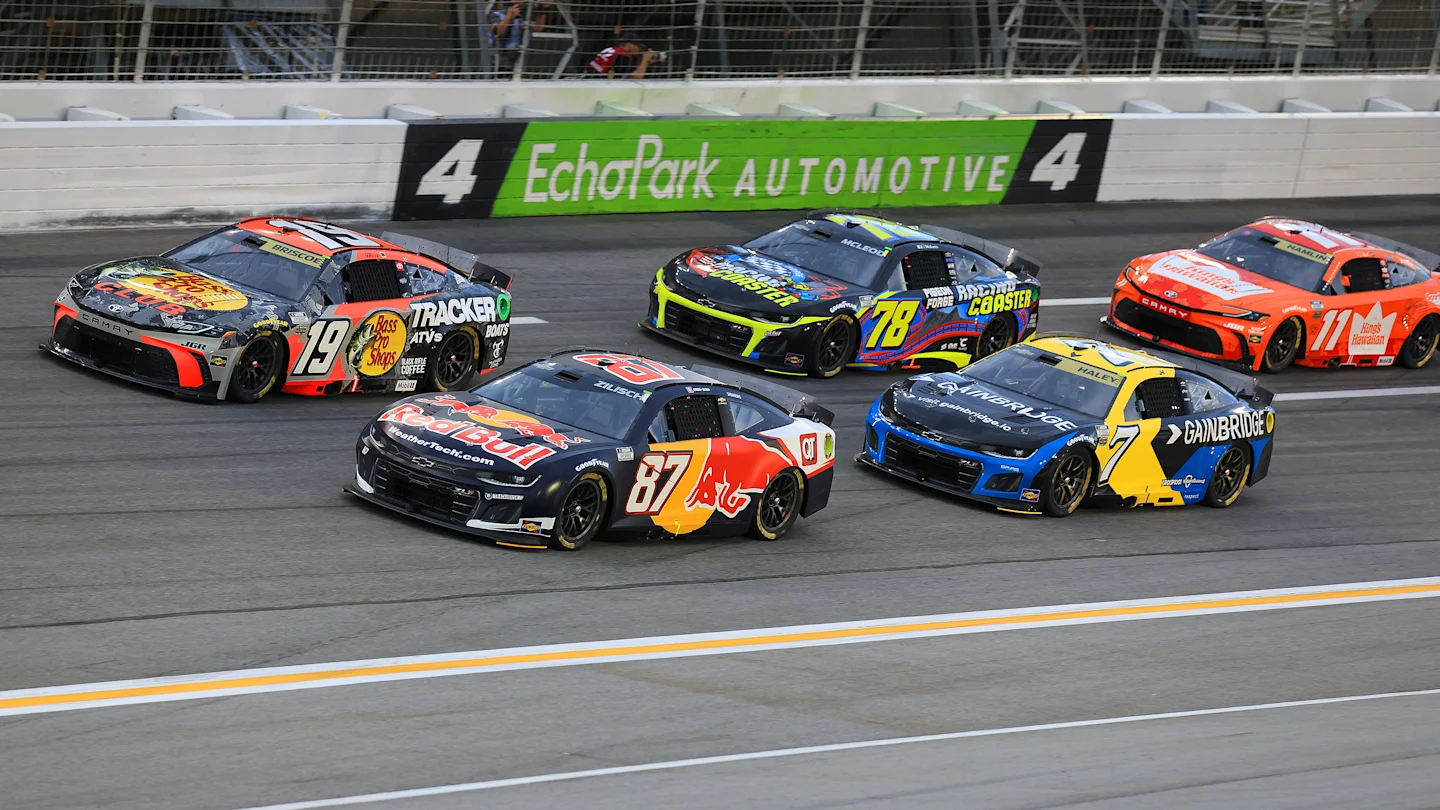
Aside from two backmarker teams in Haas Factory Team and Rick Ware Racing switching back to Chevrolet from Ford, giving the Bowtie twice as many teams as the Blue Oval after a season in which they were both responsible for fielding six organizations, there wasn’t much action in NASCAR Cup Series silly season this year.
The big change was one that many fans saw coming even before the 2025 season actually started, and it revolved around the No. 99 Trackhouse Racing Chevrolet.
Though Daniel Suarez had won a race and qualified for the playoffs in 2024, he was entering a contract year, and his overall performance, specifically relative to teammate Ross Chastain, had left a bit to be desired. Trackhouse Racing development driver Connor Zilisch was rumored to be his replacement.
Amid a dominant season in the Xfinity Series with JR Motorsports during which he won 10 races, Zilisch was indeed confirmed as Suarez’s replacement, albeit in a renumbered No. 88 Chevrolet.
Connor Zilisch the lone NASCAR Cup Series rookie in 2026
Shane van Gisbergen used the No. 88 in 2025 but is set to use the No. 97 in 2026; the No. 99 is not set to be run by the team.
Suarez landed elsewhere fairly quickly, with Spire Motorsports capitalizing on the opportunity to sign him to replace the struggling Justin Haley behind the wheel of the No. 7 Chevrolet.
Haley dropped down to the Truck Series to reunite with Kaulig Racing, the team he was with from 2019 to 2023 across the Xfinity Series and Cup Series, as they prepare to begin their new partnership with Ram Trucks.
Other than that, there were no changes made to the Cup Series driver lineup. It means that in addition to Haley being the only driver to leave the series and Suarez being the only driver to move from Cup team to Cup team from 2025 to 2026, Zilisch is set to be the series’ only new full-time driver in 2026.
It means that he has effectively locked up the Rookie of the Year Award, as long as he simply shows up to the season-opening Daytona 500 at Daytona International Speedway in a couple of months.
Tune in to Fox at 2:30 p.m. ET on Sunday, February 15 for the live broadcast of the 2026 NASCAR Cup Series season-opening 68th annual Daytona 500 from Daytona International Speedway.
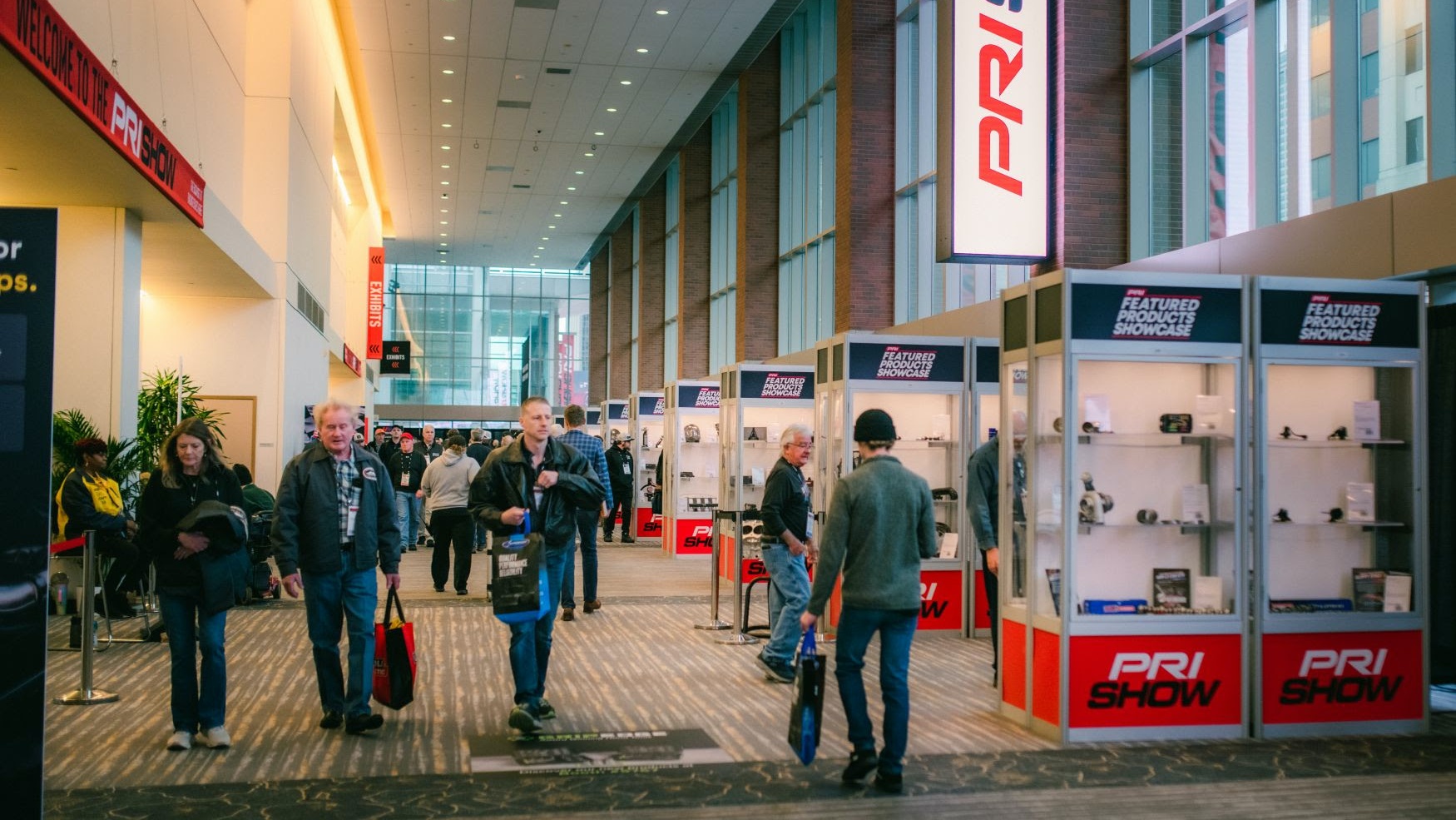
Performance Racing Industry presented 22 manufacturers with a Featured Products Showcase Award during the 2025 PRI Show, recognizing the most innovative and cutting-edge advancements powering the racing industry.
The Featured Products Showcase is the PRI Show’s premier destination for media, buyers, and professionals to discover the latest innovations driving motorsports. More than 400 products vied for top honors from a panel of 12 judges consisting of track operators, sanctioning body representatives, content creators, and media. Each product was evaluated for its breakthrough engineering, influence, and business potential. These standout products represent the technologies and trends that will revolutionize racing performance in 2026.
In addition to voting for their favorite top products, each judge had an opportunity to present one exhibitor with a Judge’s Pick Award, which represented their favorite product displayed in the entire showcase.
PRI Featured Products Showcase Top Product Award Winners
- AFCO Performance Group — New Elite Wireless Load Sticks from Longacre
- Antigravity Batteries — Antigravity Batteries Re-Start Sodium Battery
- ARP — BMW B58 ARP2000 Crank Pulley Bolt Kit
- DYME PSI — DYME Hose and Fittings
- EPIC Racewear — Custom Trailer Curtains
- Flagtronics by Ballenger Motorsports — Flagtronics FT200 / FT-RD / FT-AIO)
- FuelTech ECU — FT700 VCU
- GZERO Additive — GZERO Additive 43 Series 3D Printer
- Harts Turbo — 136mm Hartscharger
- Hoosier Racing Tire — TrackAttack Pro
- HP Race Brands — HPT F5 Dual Entry Turbine Housing
- INTERCOMP — Classic Weigh XBT Scales
- Katech Engineering — Katech TrackFlow LS7 & LS3 Billet High-Capacity Scavenge Oil Pump | KAT-A7936
- King Engine Bearings — King Racing Top Fuel Connecting Rod Bearings Set For Chrysler V8 Big Block 361CI 383CI – CR 806TFC
- Modern Driveline — 94-04 Mustang Stealth In-Dash Hydraulic Clutch Master Cylinder Kit
- MOTEC — MoTeC STW195 Steering Wheel
- NecksGen — NecksGen REVX
- ProCharger Superchargers — LS Air-to-Water intercooled Intake Manifold
- Racing Electronics — RE4000 Bluetooth Racing Scanner
- Redhorse Performance — RHP-HCM-888-2 Portable Crimp Machine Kit
- Sonic Tools USA — Mobile Track Kit
- SRI — Ocean Lagoon
Judge’s Pick Award Winners
- AFCO Performance Group — New Elite Wireless Load Sticks from Longacre
- CSM Performance — Precision Hub Stands–Motorsports
- Flagtronics by Ballenger Motorsports — Flagtronics SB-100 LED Signboards
- FuelTech ECU — FT700 VCU
- HP Race Brands — HPT F5 Dual Entry Turbine Housing
- King Engine Bearings — King Racing Top Fuel Connecting Rod Bearings Set For Chrysler V8 Big Block 361CI 383CI – CR 806TFC
- Lifeline Fire & Safety Systems — Lifeline Zero Formula Car Cockpit
System (selected by two judges) - Modern Driveline — 94-04 Mustang Stealth In-Dash Hydraulic Clutch Master Cylinder Kit
- ProCharger Superchargers — LS Air-to-Water intercooled Intake Manifol
- ProCharger Superchargers — F-4X-140-1
- Race Winning Brands — Chevrolet Gen V LT Billet CCW Crankshaft
The 2025 PRI Show is taking place Dec. 11-13 in Indianapolis with more than 1,060 exhibitors confirmed, including 161 first-time participants. This overwhelming response underscores the industry’s deep commitment to PRI as the central hub for connecting, innovating, and driving business forward. For more information, visit PerformanceRacing.com.
This story was originally published on December 13, 2025.
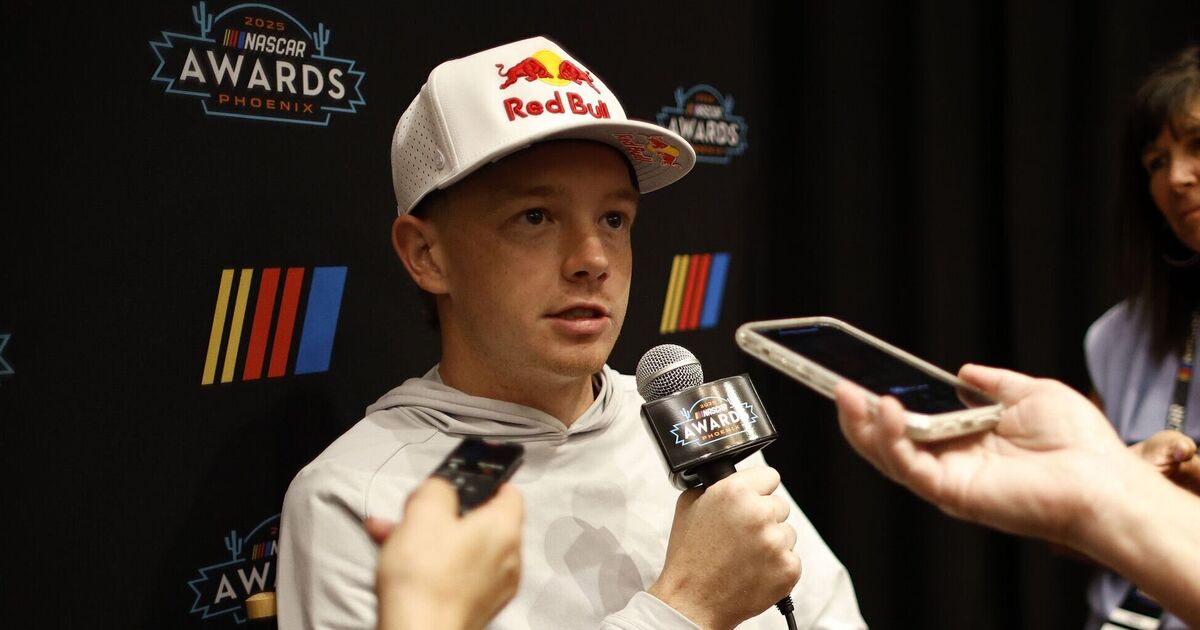
NASCAR’s long-promised evolution toward a louder, faster and more demanding Cup Series continues to brew behind the scenes, with the latest developments taking place under a Trackhouse Racing tent at North Wilkesboro Speedway.
Connor Zilisch, one of the sport’s most highly anticipated young talents, ran an offseason test on Friday that served as both a personal milestone and a glimpse into NASCAR’s 2026 future. Zilisch shared the day on social media, captioning it “First day of school,” a fitting description as he prepares for his first full-time Cup Series season.
Zilisch’s neon yellow No. 88 sat on an all-blackout Chevrolet, stripped of sponsors and branding save for the manufacturer logo and a small Zilisch mark on the fender. The test marked Zilisch’s transition from the Xfinity Series, where he delivered a historic season in 2025 that fell just short of a championship, into NASCAR’s top division.
The North Wilkesboro test centered on NASCAR’s plan to increase horsepower to 750 for select tracks in 2026, a response to years of criticism from drivers, teams, and fans who felt the Next Gen era muted driver skill and throttle control.
Officials have already run limited tests, including a July session at New Hampshire Motor Speedway with three drivers, but the results were mixed.
Subscribe to our NASCAR newsletter here.
Veteran crew chief Tommy Baldwin said afterward the added power did not move the needle the way many expected, calling it surprising given how long horsepower increases had been touted as the solution. Baldwin still maintained that New Hampshire was the correct venue to evaluate the change, even if the outcome was disappointing.
The Cup Series once pushed close to 900 horsepower during the Gen-6 era before dropping to 750 in 2015, then plunging to 550 in 2019 in an effort to tighten racing. The introduction of the Next Gen car in 2022 increased output to 670 horsepower, but many drivers argued that it was still not enough.
Calls for more power came from stars like Kyle Larson, Joey Logano, and Ryan Preece, who floated numbers closer to 900 or even 1000 horsepower as the proper fix. NASCAR’s 750-horsepower plan represents a compromise, just like its settlement with 23XIRacing and Front Row Motorsports after nine days in court.
NASCAR president Steve O’Donnell confirmed that 750 horsepower will be used at a wide range of tracks in 2026. Those venues include road courses like Circuit of The Americas, Watkins Glen, Sonoma, and the Charlotte Roval, as well as short tracks and intermediates such as Martinsville, Bristol, Darlington, Dover, Richmond, Iowa, Gateway, Nashville, and North Wilkesboro.
Officials are also working closely with Goodyear to improve tire falloff, another long-standing demand from drivers, as higher speeds place greater emphasis on managing wear and grip.
Motorsports
2025 USAC Champs & Award Winners Share Spotlight at 70th USAC Night of Champions – Speedway Digest

The United States Auto Club (USAC) honored its champions and special award recipients on Friday evening, December 12, during the 70th Annual USAC Night of Champions at the Indiana Roof Ballroom in downtown Indianapolis.
USAC NATIONAL DRIVER & ENTRANT CHAMPIONS
Silver Crown Driver Champion: Justin Grant
Silver Crown Entrant Champion: Hemelgarn Racing
Despite five broken metatarsals, torn ligaments and three screws, even a broken left foot couldn’t stop Justin Grant on the way to his second career USAC Silver Crown National Championship in 2025. The Ione, California native jumped out to the early point lead by way of back-to-back springtime victories on the pavement of Ohio’s Toledo Speedway and on the dirt of Kansas’ Belleville High Banks, which set a record for the quickest race run in Silver Crown history.
A sprint car crash in late summer put it all in jeopardy. But quick work by crew chief Dennis LaCava saved the season with his unique design that allowed Grant’s brake foot to work again. Post-injury, Grant’s average finish was third throughout the final four races to lock up the series title, his first since 2020. Zero DNFs, along with 13 top-tens in 13 starts spearheaded by Grant, also provided the second entrant title for car owner Ron Hemelgarn.
Every season has its hurdles in some form or fashion, but Grant’s 2025 title may very well have been both his most challenging, and his most rewarding.
AMSOIL National Sprint Car Champion Driver: Kyle Cummins
Richard Hoffman AMSOIL National Sprint Entrant Champion: Petty Performance Racing
Just two years ago, Kyle Cummins was ready to hang up the helmet. But after Jerry Petty made him an offer he couldn’t refuse, the Princeton, Indiana driver’s landscape changed, and ultimately led him to a historical USAC AMSOIL Sprint Car National Championship season in 2025.
By the numbers, Cummins was the most dominant USAC National Sprint Car champion ever. He led the points for all 49 events and his final point margin of 386 was the largest in series history. Cummins’s 38 top-fives and 44 top-tens are both new single season series records. Furthermore, with 10 wins and 13 seconds, Cummins’ 23 top-twos in 2025 surpassed the all-time mark. Cummins’ 13 runner-up results are also a new record.
His 22 top-tens to start the season are, you guessed it, a brand new series record. In his quest, Cummins’ average finish was a staggering 4.5. In just its second year, Petty Performance Racing is a first-time USAC entrant titlist. It’s been a long time coming, and at age 38, and in his 23rd season of sprint car racing, Kyle Cummins is finally a USAC champ.
NOS Energy Drink National Midget Driver Champion: Cannon McIntosh
NOS Energy Drink National Midget Entrant Champion: Keith Kunz/Curb-Agajanian Motorsports
One year after finishing as the runner-up, Cannon McIntosh climbed to the top of USAC’s NOS Energy Drink Midget National Championship in 2025, and resilience was at the forefront. Case in point. The first of the Bixby, Oklahoma racer’s series leading five wins came on Belleville weekend. After a spin on night one, he roared back from 22nd to fifth! One night later, he bounced back with a victory.
At IMS, he flipped wildly in his heat race, then dusted himself off to win the semi. Starting 19th in the feature, he made the biggest charge of the year to become the first multi-time BC39 winner in back-to-back fashion. Down the stretch, McIntosh erased a 106 point deficit by reeling off Mid-America Midget Week victories at Sweet Springs and Jefferson County, while adding another W late in the year at Merced. It all cemented his first USAC crown and provided Keith Kunz his record-extending 13th USAC National Midget entrant title. For Curb-Agajanian, their latest entrant title is their 11th. If there’s anything you could count on in 2025, it was to not count Cannon out.
USAC NATIONAL DRIVER & ENTRANT RUNNERS-UP
Silver Crown Runner-Up Driver: C.J. Leary
Silver Crown Runner-Up Entrant: Team Arizona-Petty-Rossi Racing
C.J. Leary (Greenfield, Indiana) returned to USAC Silver Crown victory lane in 2025, winning on the pavement of IRP for his first series win since 2022. This particular triumph was also the first for a DRC chassis on pavement since 2006! On Labor Day weekend, he and his Team Arizona-Petty-Rossi crew took a dip in the infield lake at the Du Quoin State Fairgrounds after both parties won their first ever race on a dirt mile. Also for driver and crew, it’s their best career USAC Silver Crown points finish in what was this combo’s first year racing together.
AMSOIL National Sprint Car Runner-Up Driver: Mitchel Moles
AMSOIL National Runner-Up Entrant: Reinbold-Underwood Motorsports
Mitchel Moles (Raisin City, California) finished a career best second in points for Reinbold-Underwood Motorsports, winning once by 21 hundredths of a second over Kyle Cummins during September’s Fall Brawl at Indiana’s Paragon Speedway. The photo finish proved to be the closest finish of the USAC season and also erased his 61-race winless streak with the series. Furthermore, Moles led all drivers with 15 fast qualifying times, tying Kevin Thomas Jr.’s 2018 mark for the most quick times in a single season with the series. His 22 top-fives and 41 top-tens were also personal bests.
NOS Energy Drink National Midget Runner-Up Driver: Justin Grant
NOS Energy Drink National Midget Runner-Up Entrant: CB Industries
Justin Grant (Ione, California) led the points longer than any other driver on the circuit, topping the standings for 12 races throughout the first half of the season with the CB Industries team. To go along with his three fast qualifying times, he won three times, including April’s Kokomo Grand Prix, then won again in his next outing at Kansas’ Belleville Short Track. He then scored the opening night of the BC39 at The Dirt Track at IMS en route to a runner-up points finish for the third time in his career after also doing so in 2022 and 2023.
USAC NATIONAL 3RD PLACE DRIVERS & ENTRANTS
Silver Crown 3rd Place Driver: Matt Westfall
Silver Crown 3rd Place Entrant: 4 Kings Racing
Nearly a quarter century after his series debut, veteran wheelman Matt Westfall (Pleasant Hill, Ohio) finished a career best third in the 2025 champ car standings. Starting all 13 feature events for 4 Kings Racing, he compiled a pair of top-five finishes, including a fourth at Salt City and a runner-up result on the Springfield Mile at the Illinois State Fairgrounds, leading the opening eight laps of the grueling 100-miler. He was also the only driver to score a front row starting spot for both of the dirt mile races in 2025 at Springfield and Du Quoin.
AMSOIL National Sprint Car 3rd Place Driver: Logan Seavey
AMSOIL National Sprint Car 3rd Place Entrant: Abacus Racing
With nine triumphs to his credit in 2025, Logan Seavey (Sutter, California) and Abacus Racing captured some of the most lucrative events on the schedule, including $10,000 at Volusia and Red Hill, another $20,000 at Tri-State’s Haubstadt Hustler, $30,000 at Lawrenceburg’s Fall Nationals and more than $52,000 in the season-ending Western World Championships weekend at Central Arizona, in which they swept both nights. They also added scores at Lincoln Park, Lawrenceburg and Bloomington during the summer months as Seavey ranked first among all drivers with 249 feature laps led.
NOS Energy Drink National Midget 3rd Place Driver: Kevin Thomas Jr.
NOS Energy Drink National Midget 3rd Place Entrant: 4 Kings Racing
Kevin Thomas Jr. (Cullman, Alabama) equaled his career best finish in the USAC National Midget standings a full decade after also finishing third in 2015. He tied champion Cannon McIntosh for the series lead with 19 top-ten results and ranked among the top echelon in the series with 10 top-fives. His best performances came via four runner-up finishes at Circle City, Bloomington and twice at Eldora. He also accrued the most heat race victories of the season as well, amassing eight with 4 Kings Racing, a newcomer to USAC which has quickly became an instant contender.
USAC INDIVIDUAL & SPECIAL AWARDS
Roger McCluskey Award: Jerry Petty
This award recognizes an individual who exemplifies the standards of excellence in the sport of auto racing so astutely represented by Roger McCluskey throughout his career as a USAC driver and official. Jerry Petty has gone above and beyond in all facets of the sport. With Avanti Windows & Doors, he’s the title sponsor of both the USAC CRA Sprint Car and USAC Western States Midget series. He sponsors marquee USAC events such as the BC39 and the Corn Belt Clash and has served a pivotal role in revitalizing the Western World Championships. He’s annually supported USAC’s Hall of Fame and has developed a program to assist up-and-coming young drivers in quarter midget racing. Oh yeah, he also fields teams in USAC’s Silver Crown, Sprint Car and Midget divisions. This past season, his team achieved the unprecedented feat of capturing both the USAC National and CRA Sprint Car titles in the same season.
Mike Curb USAC National Drivers Champion: Justin Grant
Although his left foot was shattered, battered and tattered for the second half of the season, Justin Grant (Ione, California) managed to pull through it all to earn the most points across USAC’s three national divisions. Before the end of April, he set a new record by winning in all three series quicker than any driver in series history. Despite leading all drivers with 16 USAC national victories in 2025, this was easily the most challenging. He was the only driver to finish inside the top-five in points for all three divisions, taking 1st in Silver Crown, 2nd in Midgets and 5th in Sprint Cars. He’s now the first five-time titlist of the Mike Curb USAC National Drivers Championship.
Johnny Capels “Golden Greek” USAC Chief Mechanic of the Year: Dennis LaCava
Dennis LaCava has a knack for making racecars quick. A former midget racer himself, he was crucial to Hemelgarn Racing’s success with Buddy Lazier’s 1996 Indianapolis 500 win and the 2000 Indy Racing League championship, as well as Justin Grant’s two USAC Silver Crown titles. This year may very well have been among his finest achievements. In a little over a week after Grant broke his foot, he engineered a device that clamped around Grant’s cast to alleviate the load off his braking foot. In the ensuing four races with the device, Grant didn’t miss a beat and never finished outside the top-four, allowing them to win the USAC Silver Crown championship.
Dick Jordan Award of Excellence: Barb Hellyer
Barb Hellyer has given to the sport of auto racing her entire life. She was a longtime USAC field official, and over the years, served within the club as a schedule coordinator, chief serial scorer and registrar for the sprint car, midget and Silver Crown divisions as well as Indy Car and Mini Indy. In recent years, Hellyer has been instrumental through her work with USAC RaceAid, the Indiana Racing Memorial Association, Indy 500 Oldtimers Club, USAC Hall of Fame and the National Midget Auto Racing Hall of Fame, of which she is the one and only woman inductee. Few people knew Dick Jordan like Barb Hellyer did. Perhaps no one worked alongside USAC’s longtime publicist more often than Barb did for nearly half a century. Throughout it all, her professionalism, drive, values and fairness have been at the forefront of her work, just as Dick Jordan always demonstrated. That makes her a perfect fit as this year’s recipient of the Dick Jordan Award of Excellence.
Jason Leffler Award: Tom & Laurie Sertich
For more than three decades, Tom and Laurie Sertich’s Moose-mobile was a familiar sight up and down the west coast. In recent years, they’ve kept on racing as they made the journey to the Midwest. Determination and perseverance drive them, and racing is in their blood. So much so that even their first date was at a racetrack! With their friendly demeanor, and the best cookies in the pits, they are always among the main attractions at the racetrack. This past July, they realized a dream when Chase Stockon drove their car to its first USAC National Sprint Car victory at Terre Haute. Among their peers, this was undoubtedly the most popular USAC victory in a long, long time. Fittingly, Chase was a recipient of this award in 2019, and tonight, this husband and wife will add their names to the list in recognition of their intense appreciation of the sport’s history, their professionalism and their outstanding representation of USAC.
Lee Kunzman True Grit Award: Justin Grant
Courage. Resolve. Passion and perseverance. These are some of the attributes that define the word “grit.” It’s the strength of a person’s character that shines through when faced with overcoming dire obstacles. Lee Kunzman went face-to-face with many hurdles, but through it all, he determined that none of it was going to stand in his way. In pursuing your passion and goals, you’ve got do whatever it takes and stamp out any naysaying along the way. Lee was, without a doubt, one of the tough guys. And there’s no more deserving recipient of this inaugural award than the man who defied the odds to not only race again so soon, but to keep on winning in the face of pain and adversity.
Race Organizer of the Year: Doug Lockwood
When the chips are down, Doug Lockwood steps up. When faced with a Central Valley monsoon in 2024, he never gave in and got California’s Merced Speedway in shape not only for one USAC National Midget show, but he stepped in and added a second show on the same day. When another track canceled this past November, on short notice, he added a second night to his USAC National Midget program. And despite adverse conditions the night before the event when many would’ve thrown in the towel, he was on the grader getting the track race ready. He doesn’t do it for the glory. He does it to give racers a place to race.
Parallax Group Passing Master: Kale Drake
Kale Drake (Collinsville, Oklahoma) set a brand new record by passing 242 cars in feature events throughout the season across all three USAC national divisions, surpassing the former single season record of 230 set by Justin Grant in 2021. He did his work in 60 feature starts, passing an average of more than four cars per start. In fact, he was the Rod End Supply Hard Charger 10 times! No other driver had more than four! The best of the bunch was a 23rd to 5th run in the sprint car in April at Lincoln Park Speedway. It’s super special to have him here today, and in 2025, he’s the USAC National Parallax Group Passing Master champion.
National Most Improved Driver: Hayden Reinbold
Hayden Reinbold (Gilbert, Arizona) improved by leaps and bounds throughout the 2025 season. In his sixth year of USAC National Midget racing, he surpassed his total combined output from his first five years in a single season! He became a first-time winner in September at Eldora in what was his 101st career series start, which occurred on the very same night he also earned his first career fast qualifying time. On the USAC National Sprint Car front, he clicked off five top-fives with a best finish of second at Lincoln Park. He’s the first Arizonan to be named USAC’s National Most Improved Driver since Jerry Coons Jr. in 2001.
National Sprint Car Rookie of the Year: Gunnar Setser
Gunnar Setser (Columbus, Indiana) prevailed in the closest Rookie of the Year battle in USAC National Sprint Car history! This driver collected a pair of top-five finishes and a best result of fifth at Knoxville and Circle City to finish 10th in the overall standings. At the age of 16, he became the third youngest top Rookie in series history. Over the past calendar year, he’s been the Hoosier Auto Racing Fans, POWRi Midget and Chili Bowl Rookie of the Year. Now, he’s the USAC AMSOIL National Sprint Car Max Papis Innovations Rookie of the Year for 2025 by a mere four point margin over Hayden Reinbold.
Bob Stroud National Midget Rookie of the Year: Steven Snyder Jr.
Throughout the past 70 years of USAC competition, racers from Maryland have been few and far between. In 2025, Steven Snyder Jr. (Rising Sun, Maryland) waved the Maryland flag proudly by ranking eighth in series points after accruing six top-fives in 23 starts, finishing a best of second during the Kokomo Grand Prix and Placerville’s Hangtown 100. Furthermore, he led six laps at Eldora’s 4-Crown Nationals and added a fast qualifying time at Merced. He’s the first driver from the Old Line State to appear in the USAC National Midget standings, and now, he’s the first driver from the state to earn USAC NOS Energy Drink National Midget Max Papis Innovations Rookie of the Year honors.
Silver Crown Rookie of the Year: Jake Trainor
Focusing solely on asphalt, pavement specialist Jake Trainor (Medway, Massachusetts) started six races in 2025 en route to a 19th place finish in the overall series standings. In doing so, he became the first Bay Stater to collect a top Rookie distinction in any of USAC’s three national divisions. He’s also the first pavement only competitor to corral champ car’s Rookie award since Derek Bischak in 2019. His fifth place run during the Hoosier Hundred at IRP was the best among all series Rookies on the trail, and he got it done after climbing 11 spots from his 16th place starting position to earn the USAC Silver Crown Max Papis Innovations Rookie of the Year.
REGIONAL SPRINT & MIDGET SERIES
USAC’s regional sprint car and midget divisions span from coast-to-coast with 8 different states hosting a total of 61 events in 2025 with a pair of first-time titlists and a duo from each of the coasts who return to the stage again tonight.
Avanti Windows & Doors USAC CRA Sprint Car Driver Champion: R.J. Johnson
Avanti Windows & Doors USAC CRA Sprint Car Entrant Champions: Petty Performance Racing
A pair of victories in successive fashion at Perris coupled with six fast qualifying times made R.J. Johnson (Laveen, Arizona) just the third back-to-back champ in USAC CRA’s 22-year history following Mike Spencer and Damion Gardner. Impressively, his consecutive titles have come with two different teams! He was the mark of consistency, bagging nine straight top-fives and 14 top-fives in a 15-race span between April and October to cement the crown. Overall, it’s his seventh career USAC driving championship, and for the first time, Petty Performance Racing is USAC CRA’s entrant titlist.
IMT East Coast Sprint Car Driver Champion: Steven Drevicki
Once again, the top step on the east coast belongs to Steven Drevicki (Reading, Pennsylvania). This year, he won three times at Delaware International, Port Royal and Williams Grove. He led 73 laps while snagging 11 top-fives in 13 starts. Taking over the point lead during the fifth round of the season in June, he raced away to an 81-point margin by season’s end. Behind the scenes, he serves as the Vice President of the series, but on this stage, he stands front and center as a five-time champion of the USAC Innovative Machine Technology East Coast Sprint Car Series Presented by Baer Den Farms.
Avanti Windows & Doors Western States Midget Driver Champion: Caden Sarale
Avanti Windows & Doors Western States Midget Entrant Champion: Six8 Motorsports
Caden Sarale (Stockton, California) never once broke stride in pursuit of his first USAC driving championship. Throughout the 10-race season, he never finished worse than fourth. Along the way, he earned three victories at Santa Maria, Ventura and Plaza Park, plus nine podiums while leading a series high 114 laps in his own No. 32.
Meanwhile, Six8 Motorsports had a record breaking year with its sixth career series championship, surpassing the legendary Zarounian Motorsports! Utilizing drivers T.J. Smith and Kaleb Montgomery, this car amassed the most total points.
Midwest Thunder SpeeD2 Midget Driver Champion: Tyler Nelson
Originally, Tyler Nelson (Olathe, Kansas) assumed his hopes and dreams for a championship were dashed. While holding onto a 14-point lead, a pre-planned family vacation was going to force him to miss the final three races of the season. However, Mother Nature came to the rescue one weekend, and on the following weekend, it turned into a sequel of Planes, Trains & Automobiles to get him from a cruise ship in Florida by morning to Indiana’s Montpelier Speedway by night. With a single victory at Millstream and 11 top-tens in 11 starts, he’s a first time USAC Midwest Thunder SpeeD2 Midget champ in 2025.
SNOWMOBILE RACING
International Snowmobile Racing Driver of the Year: Emil Harr
Emil Harr is anything but ordinary. Raised in rural Sweden, he dreamed of one day racing in the United States against the sport’s best. In time, not only did he get the chance to race against the best. He got to beat the best. He made an immediate impression on the sport upon his arrival, and this year, raised the bar even higher. This season, he successfully defended his Pro Class title on the AMSOIL Championship Snocross National Tour, collecting eight wins and 12 podiums in the 2024–2025 season alone.
NASCAR YOUTH SERIES .25 MIDGET CHAMPIONS
The Petty Performance Edge 2025 champions are Ryker Summer and Leighton Rose.
Nascar Youth Multiple Champions
SENIOR ANIMAL DIRT & FORMULA MOD DIRT CHAMPION: Liam Ballard
SENIOR HONDA PAVEMENT & LIGHT WORLD FORMULA PAVEMENT CHAMPION: Kelby Eilen
JUNIOR HONDA DIRT & JUNIOR HONDA PAVEMENT CHAMPION: Nash Greenfield
HEAVY WORLD FORMULA PAVEMENT & FORMULA MOD PAVEMENT CHAMPION: Kedryn Evenson
HEAVY 160 PAVEMENT & UNRESTRICTED ANIMAL PAVEMENT CHAMPION: Easton Loomis
Nascar Youth Pavement Champions
LIGHT 160 CHAMPION: Edison Carter
JUNIOR ANIMAL CHAMPION: Lucas Coulter
HEAVY HONDA CHAMPION: Trevor Jones
SENIOR ANIMAL CHAMPION: Roo Reaves
JUNIOR 160 CHAMPION: Brody Sullivan
Nascar Youth Dirt Champions
HEAVY WORLD FORMULA CHAMPION: Tristan Bierman
LIGHT 160 CHAMPION: Mila Gregory
SENIOR HONDA CHAMPION: Jaxson Kates
HEAVY 160 CHAMPION: Avery McMellen
JUNIOR ANIMAL CHAMPION: Caleb Mertz
HEAVY HONDA CHAMPION: Jordyn Miller
JUNIOR 160 CHAMPION: Tigh Shaffer
UNRESTRICTED ANIMAL CHAMPION: Owen Steuernagle
LIGHT WORLD FORMULA CHAMPION: Wyatt Zinn
USAC PR

Fernando Mendoza wins the Heisman Trophy as college football’s top player :: WRALSportsFan.com

Here’s how much money Heisman Trophy finalists Mendoza, Pavia and Love made from NIL deals this season

Donald Trump Looks at Federal Government While Hinting at NIL Changes Amid ‘Disastrous’ Run

Track and Field Competes at Art Kadish Elm City Challenge: Zacarolli Sets School Heptathlon Record

Men’s Track & Field Records 35 Top-8 Performances at Dartmouth December Invite

Rising $54 million college football HC linked to major NFL coaching vacancy

Summit Racing Equipment | Error 410: Resource Gone

Meyer takes down Central 60-meter hurdles record

Larry Larson, Lyle Barnett Secure First Two Invites For 2026 King of The South Invitational

Hawks Women’s Track & Field Have Strong Showing at the SCSU Art Kadish Invitational

NASCAR Cup Series lands one new driver for 2026

Saint Joseph’s Men Turn in Record Jumps and Relay Win at USM Alumni Open

PRI Featured Products Showcase Award Winners Announced

Nike Signs 10 LSU Athletes to NIL deals

Monks Women Sweep Relays, Break Three School Records at USM Alumni Open

First Tee Winter Registration is open

Fargo girl, 13, dies after collapsing during school basketball game – Grand Forks Herald

CPG Brands Like Allegra Are Betting on F1 for the First Time

Volleyball Recaps – November 18

F1 Las Vegas: Verstappen win, Norris and Piastri DQ tighten 2025 title fight

Two Pro Volleyball Leagues Serve Up Plans for Minnesota Teams

Sycamores unveil 2026 track and field schedule

Utah State Announces 2025-26 Indoor Track & Field Schedule

Jo Shimoda Undergoes Back Surgery

Redemption Means First Pro Stock World Championship for Dallas Glenn

Texas volleyball vs Kentucky game score: Live SEC tournament updates

Robert “Bobby” Lewis Hardin, 56

How this startup (and a KC sports icon) turned young players into card-carrying legends overnight

Bowl Projections: ESPN predicts 12-team College Football Playoff bracket, full bowl slate after Week 14

Pohlman admits ‘there might be some spats’ as he pushes to get Kyle Busch winning again

 NBA Legend Michael Jordan to Join NBC Sports as Special Contributor
 Why a rising mid-major power with an NCAA Tournament team opted out of revenue-sharing — and advertised it
 Falcons mailbag
 Portal Update – Basketball and Gymnastics Take Hits
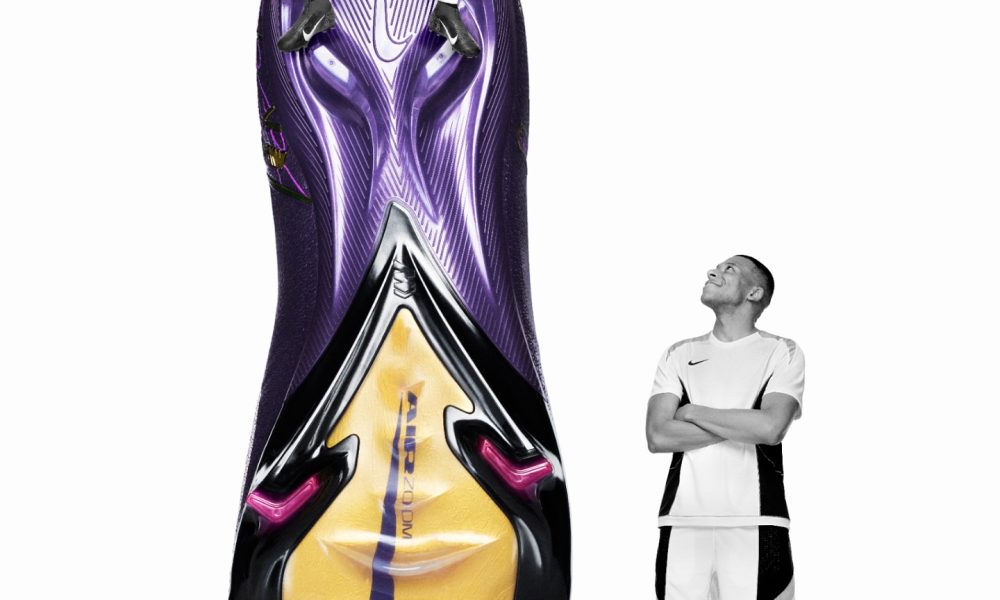 has always dreamed in Mercurial. Now his initials are on the boots.
The new Kyl…
has always dreamed in Mercurial. Now his initials are on the boots.
The new Kyl…
-
 Rec Sports3 weeks ago
First Tee Winter Registration is open
-
 Rec Sports2 weeks ago
Fargo girl, 13, dies after collapsing during school basketball game – Grand Forks Herald
-
 Motorsports3 weeks ago
CPG Brands Like Allegra Are Betting on F1 for the First Time
-
 Motorsports3 weeks ago
F1 Las Vegas: Verstappen win, Norris and Piastri DQ tighten 2025 title fight
-
 Sports3 weeks ago
Two Pro Volleyball Leagues Serve Up Plans for Minnesota Teams
-
 Sports3 weeks ago
Sycamores unveil 2026 track and field schedule
-
 Sports3 weeks ago
Utah State Announces 2025-26 Indoor Track & Field Schedule
-
 Motorsports2 weeks ago
Redemption Means First Pro Stock World Championship for Dallas Glenn
-
 Motorsports2 weeks ago
Jo Shimoda Undergoes Back Surgery
-
 Sports3 weeks ago
Texas volleyball vs Kentucky game score: Live SEC tournament updates