


Connect with us
https://yoursportsnation.com/wp-content/uploads/2025/07/call-to-1.png

NIL

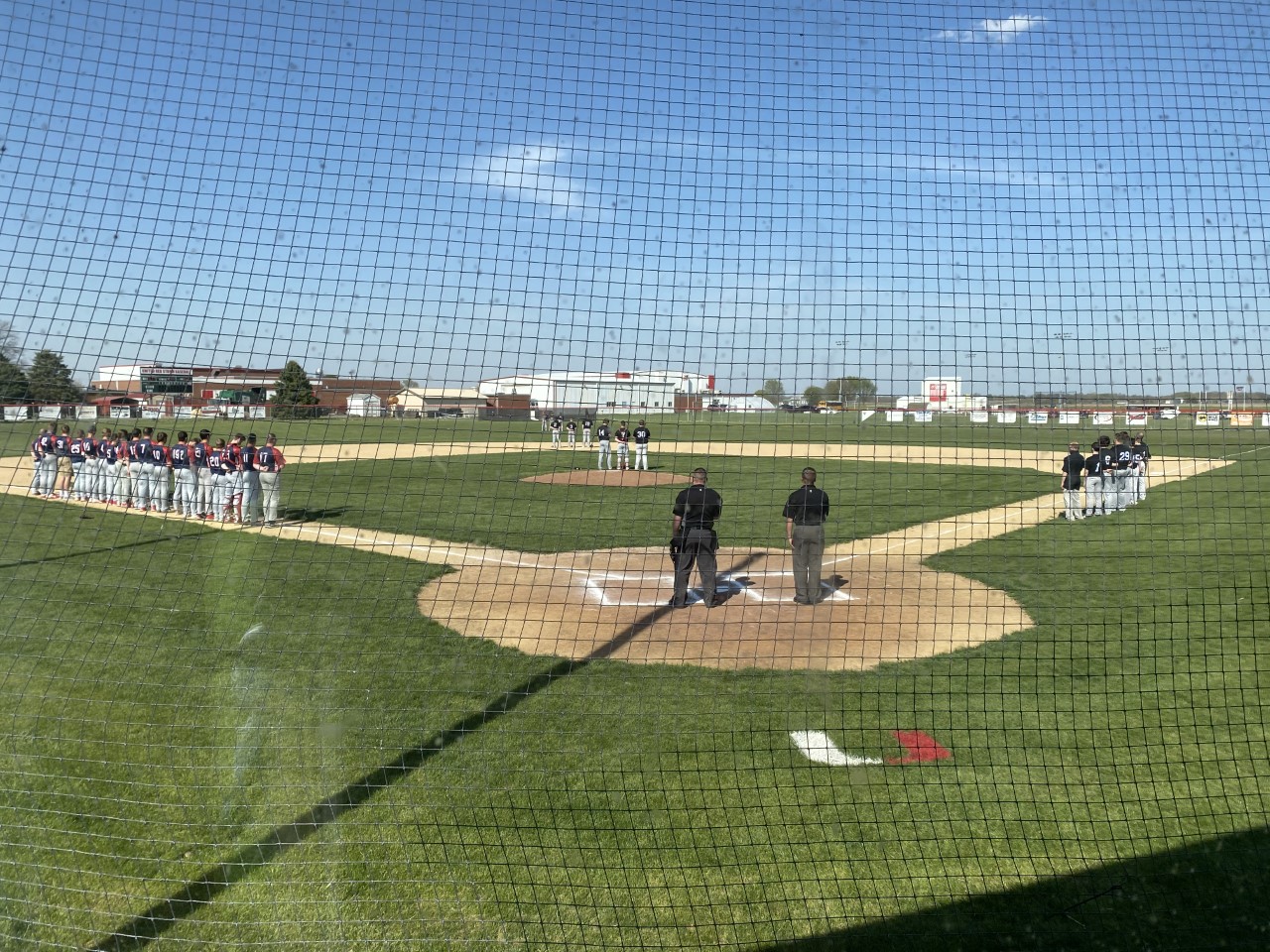
United Baseball Pleasantly Surprised by Offensive Production

Published

on

United Baseball Pleasantly Surprised by Offensive Production

Notice of Non-Discrimination

Prairie Media Communications is committed to the principles of equal opportunity and strictly prohibits discrimination against any person on the basis of age, ancestry, citizenship status, color, creed, ethnicity, gender identity and expression, genetic information, marital status, mental or physical disability, national origin, race, religious affiliation, sex, sexual orientation, or veteran status in its activities, admissions, educational programs, and employment.

NIL

2025 Year in Review: Top 10 biggest NIL, sports business storylines

Published

on


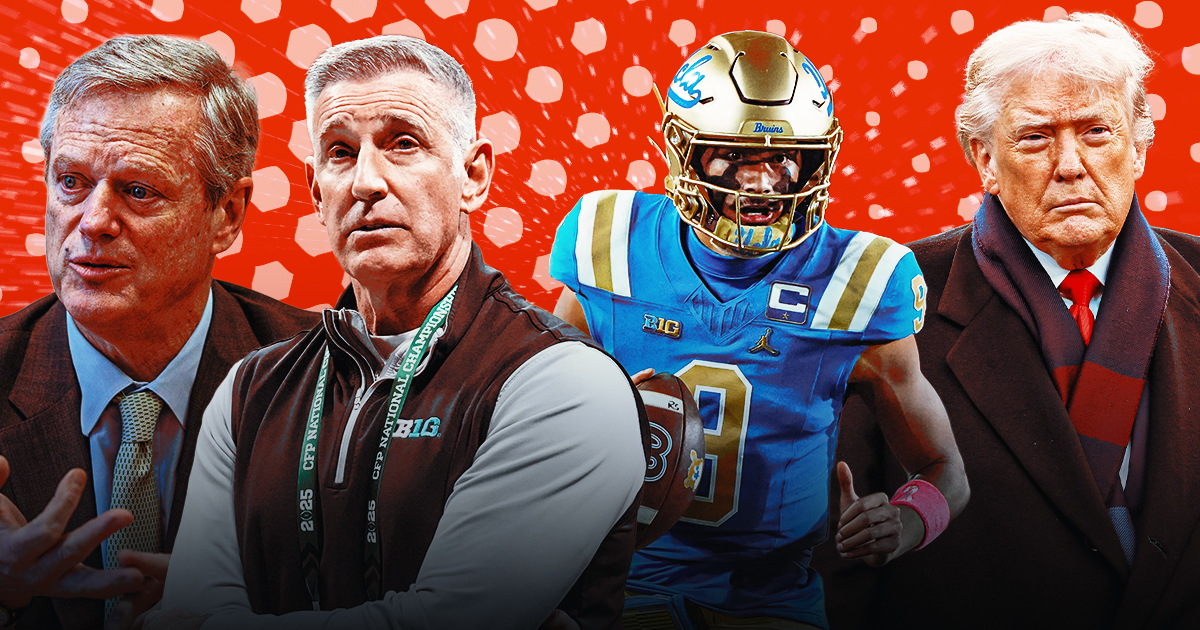
In 2025, college sports underwent another major transformation as revenue-sharing arrived. But that was just one of the top storylines in the NIL and sports business space.

The House v. NCAA settlement became the top story from this calendar year, but private equity is also sure to be part of the conversation into 2026. Those talks took place throughout 2025, with the Big Ten and Big 12 at the forefront.

SUBSCRIBE to the On3 NIL and Sports Business Newsletter

Of course, there was also a high-profile NIL dispute and a major step in the NCAA’s quest for federal legislation to help settle the landscape. Here is On3’s 2025 year in review, breaking down the Top 10 storylines in NIL and sports business.

House settlement ushers in rev-share era

After receiving preliminary approval in 2024, the quest for final approval of the House settlement ended in June 2025. That’s when Judge Claudia Wilken approved the landmark agreement, paving the way for schools to directly share up to $20.5 million with athletes. It also brought about the College Sports Commission as a new enforcement entity, led by CEO Bryan Seeley.

The CSC launched to enforce key terms of the 10-year settlement, including the NIL Go clearinghouse, which received a slew of criticism after its initial debut. NIL Go has cleared $87.5 million in deals as of the last update Nov. 6. However, the CSC’s participation agreements are also generating skepticism as 2025 winds down.

Private equity, capital talks swirl

As schools prepared for rev-share, the idea of private equity and private capital came about in college sports, with the Big Ten and Big 12 front-and-center. The Big Ten has explored a more than $2 billion private capital deal, but it generated pushback from some member schools.

Additionally, Ross Dellenger reported the Big 12 is nearing a private capital deal of its own which would infuse millions to member schools. A Big 12 school also announced a first-of-its-kind equity deal in December. Utah announced a deal with Otro Capital, which would infuse up to nine figures in cash and create a for-profit entity, Utah Brands and Entertainment.

Nico Iamaleava transfers amid NIL dispute

Late in the spring college football transfer portal window in 2025, On3’s Pete Nakos reported Tennessee and quarterback Nico Iamaleava were in active negotiations about a new deal. However, the situation took multiple turns, and Iamaleava later entered the portal.

Iamaleava missed a practice before the Vols’ spring game, Volquest reported, and Tennessee ultimately decided to move on from him. He later committed to UCLA, but the reaction poured in from across the college football world after the NIL dispute.

One of the biggest storylines of the 2025 college football season was the amount of money schools paid in coaching buyouts. Multiple high-profile firings led to more than $228 million in buyout money handed out, flying past the previous record of $132 set in 2023 – fueled by Jimbo Fisher’s $77 million figure.

LSU coach Brian Kelly received the highest buyout of the cycle at $53 million, and James Franklin’s $49 million buyout at Penn State dropped to $9 million after he took the Virginia Tech job and triggered his duty to mitigate clause. Kelly’s buyout is the second-largest in history behind Fisher’s, and Billy Napier received the third-largest from Florida at $21 million.

Wisconsin sues Miami after Xavier Lucas transfer

One of the biggest transfer stories of 2025 didn’t involve the portal at all. Wisconsin DB Xavier Lucas withdrew from the university and enrolled at Miami. The University of Wisconsin then sued the University of Miami and its NIL collective for alleged tortious interference.

The suit marked an unprecedented moment in college athletics as one university sued another over financial damages. Miami later filed a motion to dismiss the suit, On3’s Pete Nakos and Brett McMurphy reported, which is still being worked through.

ACC settles lawsuit with Florida State, Clemson

One of the ACC’s top priorities in 2025 was to settle lawsuits brought by Florida State and Clemson, challenging the conference’s grant of rights. Both boards approved settlement terms in March, ending the legal battles on all fronts.

As part of the agreement, the ACC will have a new exit fee structure and revenue distribution model. It will now be based on a five-year rolling average of TV ratings, with a majority share of the base media rights placed into a viewership pool for distribution.

Former NBA Draftee James Nnaji deemed eligible

Amid multiple eligibility questions the NCAA faced in 2025, one of the biggest decisions came in December. James Nnaji, a former NBA Draft pick, signed with Baylor after receiving four years of eligibility. That decision brought plenty of reaction across college basketball.

Though the Detroit Pistons drafted Nnaji – and his draft rights were part of the Karl-Anthony Towns trade to the New York Knicks – he never played in an NBA or NBA G-League game. Instead, he played professionally in Europe. The NCAA granted Nnaji four years of immediate eligibility, meaning he can join Baylor for the rest of the 2025-26 season.

NCAA’s quest for federal legislation stalls

Since the NIL era began, the NCAA has been searching for federal legislation to help settle the landscape. Those efforts ramped up in 2025, and the SCORE Act was on track for a vote on the floor of the U.S. House of Representatives at one point. However, the vote was removed from the schedule that day, and Senate Democrats criticized the legislation.

The SCORE Act was one of a handful of college sports-focused bills announced. The COACH Act was introduced in October to cap college football coaches’ salaries and buyouts, and the “Restore College Sports Act” was introduced in March. That bill would create an entity to replace the NCAA.

President Donald Trump wants to get involved

Amid the NCAA’s pursuit of a federal bill, President Donald J. Trump also made it clear he was willing to step in to help settle things down. He took multiple steps toward that goal, notably signing an executive order in July to crack down on pay-for-play, third-party NIL deals.

Trump was also putting together a presidential commission with Texas Tech booster Cody Campbell and former Alabama head coach Nick Saban as co-chairs. Plans for the commission were paused, but Trump remained vocal about NIL in college athletics.

Throughout the 2025 college football season, TV ratings surged. Regular-season viewership increased by 9% from a year ago, and ABC emerged as the biggest winner.

ABC aired 17 of the Top 20 most-watched games of the year, led by Texas vs. Texas A&M in their Week 14 rivalry game. FOX, however, had the top two games of the season: Ohio State’s Week 14 win over Michigan (18.4 million) and the Buckeyes’ Week 1 victory over Texas (16.6 million) led the way.

College athletics saw plenty of changes throughout 2025 as the NIL and rev-share eras are officially underway. Heading into 2026, though, there are still plenty more storylines to track in the ever-changing space.


Link

Continue Reading

NIL

Louisiana panel eyes agent changes for high school athletes | Local Politics

Published

on


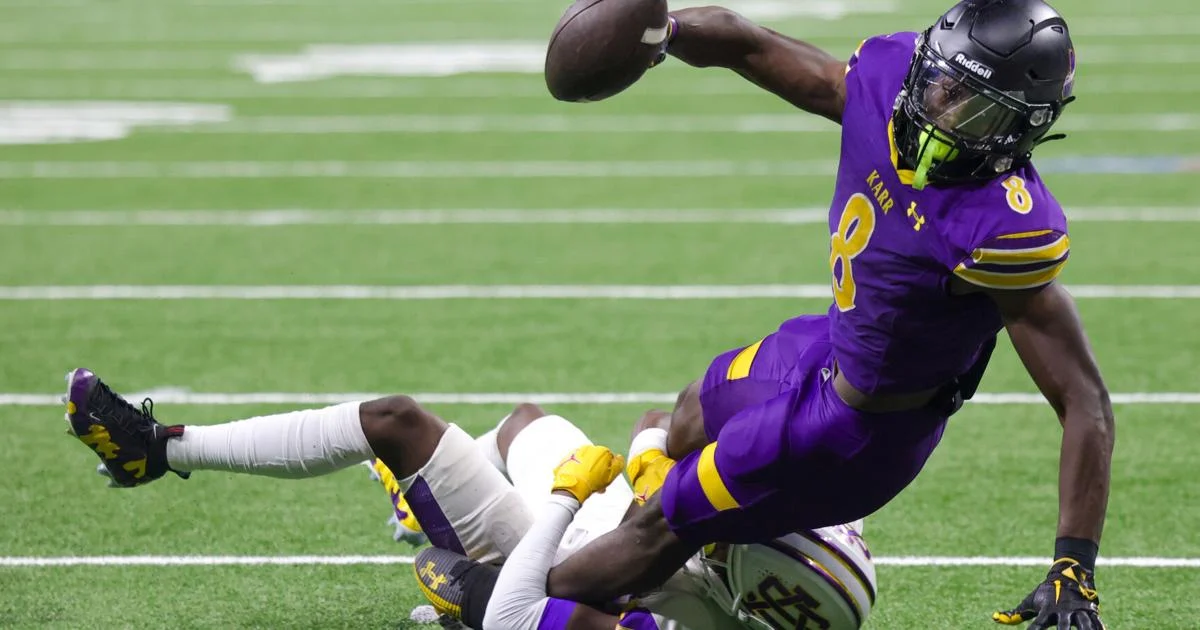
With elite high school football and basketball traditions stretching from Shreveport to New Orleans, the new pay-the-players era that allows kids to profit from paid endorsements has led to big business in Louisiana, and some athletes are bringing home six-figure incomes before they even graduate.

But it’s also spawned a host of concerns around a lack of financial protections for young athletes, and who can claim a stake in the money they’re now allowed to earn.

Those concerns were a key focus this year of a 22-person legislative task force involving Louisiana lawmakers, lawyers, college athletic administrators, coaches and student athletes. The group was empaneled to study the effects of paid endorsements and salaries for the state’s high school and college players.

They began shortly after a landmark NCAA settlement in June, which allowed college athletes to begin collecting salaries directly from their universities this season. For the past four years, college athletes could earn money through outside endorsement deals but not directly from their schools.

Over the course of five meetings, the panel zeroed in on the so-called “NIL” era in high school sports, named for the money that athletes have been allowed to earn since 2021 through endorsements or other use of their name, image and likeness.

Under the task force’s recommendations, which will be forwarded to lawmakers in January, the state would require that anyone other than a parent who helps high schoolers negotiate endorsement contracts must register as an agent with the Louisiana Attorney General’s Office. That requirement is already in place for professional sports agents in Louisiana.

The agents would also be subject to background checks and required to complete training.

Lawmakers could craft the changes to allow high schoolers to recoup any money paid to an unlicensed agent, said Harry J. “Skip” Philips, Jr., assistant Chief Deputy Attorney General.

“You’d try to get back as best you can the ill-gotten gains, as it were, and give it to the student athlete,” Philips said during the task force’s December meeting.

“I’m not sure we’ve fixed this problem altogether,” Philips added, but the changes give authorities a mechanism for pursuing what Phillips called “renegaders,” or people posing as professional agents in order to reap the benefits.

The panel’s chair, Rep. Rashid Young, said in an interview that the recommendations are meant to be a starting point, and lawmakers are welcome to add revisions.

“This is sort of one of those building-a-plane-as-we-fly type of situations,” said Young, a Homer Democrat and former linebacker and strong safety at Grambling State. “We’ll see how it works. If we need to come back and adjust, I think everybody is open to doing that.”

The task force didn’t recommend any specific NIL-related changes to state law regarding college athletics, other than a resolution that would study the “funding structures of athletic departments” and “evaluate the financial implications of NIL activities.”

The panel did recommend a list of best practices for Louisiana college athletic departments, including educating athletes on “available mental health resources” and to “carefully consider Title IX implications” when deciding how to dole out college athlete salaries.

LSU has said 90% of the $18 million it has earmarked in salaries will go to football and men’s basketball players. The university — and all others in the state — have rejected public records requests to turn over salary data per individual athlete.

The task force turned its attention to high school agents after J.T. Curtis, football coach at John Curtis Christian School in River Ridge, told the panel of “rampant” problems among the state’s premier football schools.

Adults with no professional certifications or backgrounds in the law swoop in to secure representation from Louisiana’s top recruits, some as young as 12 or 13 years old, Curtis told the panel.

“Until we find a way to get outside influences out of the lives of our high school athletes, we’re going to continue struggling with this,” Curtis said during an August meeting.

In the task force’s final meeting in December, Curtis called the panel’s recommendations “a good beginning.”

Historically, Louisiana has one of the nation’s largest shares of high school football players who are recruited by Division I colleges.

In the upcoming 2026 class, eight football players from Louisiana high schools are ranked in the Top 200, according to 247 Sports. In 2025, it was nine.

For athletes under the age of 17, the task force recommended legislation requiring them to deposit a portion of their compensation into a trust account, which they’d have access to later as an adult.

The account could be drawn from “under specified conditions, such as educational expenses or milestone events, while maintaining safeguards to prevent misuse,” per the task force’s adopted language.

The task force also recommended the Louisiana High School Athletic Association adopt a formal set of NIL bylaws that it would police among the state’s members.

They include prohibiting athletes from endorsing products associated with alcohol, cannabis, tobacco, adult entertainment and gambling.

The rules would allow schools to prohibit students from NIL activities if they interfere with classes, practices, games or competitions.
Link

Continue Reading

NIL

Joey McGuire addresses narrative that Texas Tech bought its College Football Playoff spot

Published

on


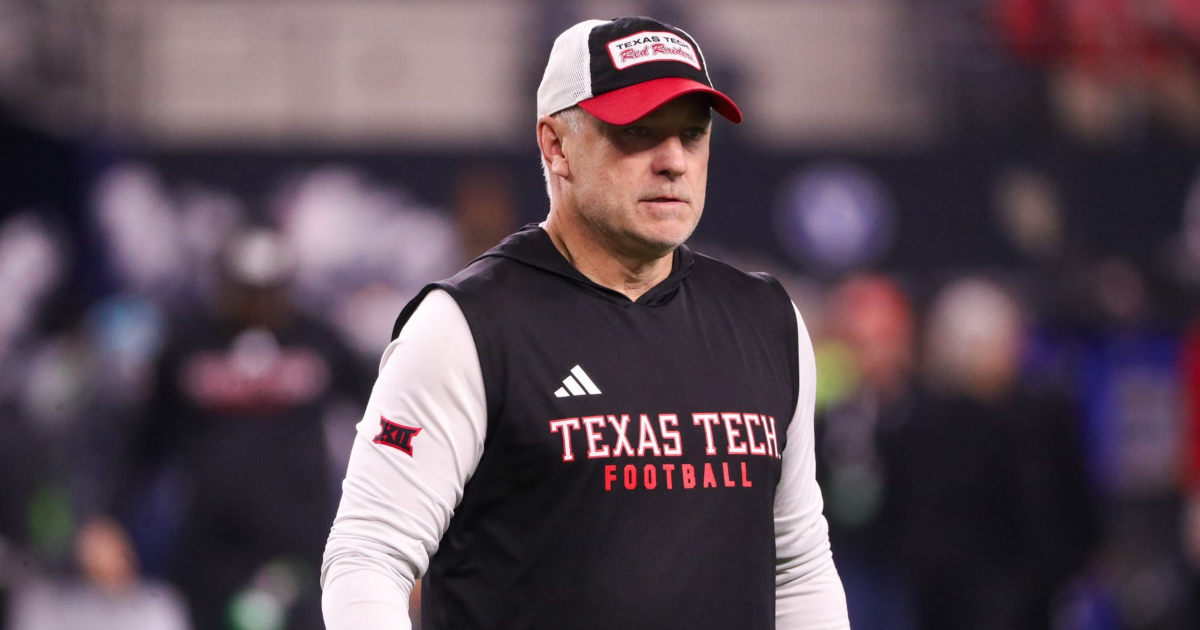
Joey McGuire pushed back on the idea that Texas Tech is in the position it is due to NIL money. The Red Raiders made the College Football Playoff for the first time ever this season after winning the Big 12, but also paid a big price to get here.

According to On3’s Pete Nakos, a survey revealed Texas Tech spent the second-most money of any college football team on their roster this season. That has led to a lot of chatter from fans that the Red Raiders “bought” their success and spot in the CFP.

Although it’s certainly true that Texas Tech spent a lot of money, it isn’t exactly unique in that way with the current era of college sports. McGuire also believes that there was more than just the dollar figures that attracted players to Lubbock, citing the academic success of the team during his tenure.

“Texas Tech has been playing football for 100 years,” the coach said in an appearance on The Triple Option. “Since I’ve been here, we hold every single GPA record in the history of Texas Tech football. With all these guys that we brought in, they just set the all-time GPA record as a team for a fall semester. We have a 3.23 team GPA. So whenever you’re sitting there and taking about, ‘All these guys came in because of money,’ we have 33 graduates who will play in this playoff game and this team set the all-time GPA record.

“So that tells you right there what this building’s all about. How they hold each other accountable, how everything is important. Everything that we do, we do it at the highest standard. So I am really proud of that. I just think that shows that this team’s come here for one reason and one reason only. They came here to be better football players and better men.”

Texas Tech has five players ranked inside On3’s NIL Top 100 for college football. That includes edge rusher David Bailey, who led the Big 12 with 13.5 sacks, and quarterback Behren Morton.

Regardless, they aren’t the only players in this College Football Playoff who are receiving big pay days. Ohio State receiver Jeremiah Smith has an NIL valuation of $4.2 million, while Miami quarterback Carson Beck is making an estimated $3.1 million.

So as much talk as there has been about what Texas Tech players are being paid, it’s not against the rules anymore. This is the kind of team you can build in the NIL era, and at least the Red Raiders are also focusing on more than just the money. They take on Oregon in the Orange Bowl at 12 p.m. ET on New Year’s Day.


Link

Continue Reading

NIL

Frank Wilson reveals he told LSU he would ‘burn this building down’ if he was not allowed to finish the job

Published

on


There has been a tremendous amount of staff turnover around the SEC, but particularly between LSU and Ole Miss in recent weeks. That includes Frank Wilson, who has been the interim head coach for the Tigers since the firing of Brian Kelly and has since taken the running backs coach job at Ole Miss.

Wilson was hired by Ole Miss in the middle of December, during bowl prep. That was notable because LSU had hired Lane Kiffin to be its next head coach away from Ole Miss. Kiffin had publicly made it clear that he wanted to coach Ole Miss through the College Football Playoff, but wasn’t allowed to do so. It was a different situation for Wilson, though, who was allowed to coach LSU through the bowl game.

LSU would end up losing the Texas Bowl 38-35 to Houston. After the game, Wilson spoke passionately about why it mattered to him to be on the sidelines for this game.

“Very proud to get this team to the finish line,” Frank Wilson said. “And when we were in the midst of the transition, and I was asked about coaching in this game, I said to an administrator, ‘Yeah, I’m gonna finish with my boys. I’ll burn this building down if you don’t let me finish. I’m gonna finish with my boys.’”

Obviously, the Wilson and Kiffin situations are unique from one another. Wilson was an interim, and the Texas Bowl is not the College Football Playoff. Kiffin left for a rival, while Wilson may have needed to leave for a new job regardless. Still, in all of that, Wilson had that desire to finish what he started with players he loved.

“Because the love is unconditional,” Wilson said. “So, they go out and they compete today and we finished second against a quality opponent.”

Frank Wilson was in his second stint at LSU. This stint had been since 2022, with him taking on the duties of assistant head coach and running backs coach before his promotion to interim head coach. He finished that run with a record of 2-3.

Frank Wilson addresses decision to leave LSU for Ole Miss

Prior to the bowl, Frank Wilson opened up on his decision to leave LSU for Ole Miss. He also noted the role that Lane Kiffin played in that, helping for him to make it work.

“We talked about it. We talked about ways that it could work out. Coach Kiffin was absolutely awesome the entire time in wanting to try and find a way to work it out. We didn’t come to that resolution, and so there were other opportunities out there,” Wilson said.

Pete Golding is a guy who I’ve known for many years, from the time he concluded playing college football and was a young coach at Delta State Southeastern and then Southern Miss of course. Then, I had an opportunity to hire him back at UTSA. We’ve forged an even closer bond and mutual respect professional for one another, so when the opportunity came, he extended himself to me and I thought it was a great fit for myself and my family.”


Link

Continue Reading

NIL

Major college football program loses six defensive backs to transfer portal

Published

on


A major SEC football powerhouse is undergoing some notable unwelcome change on its roster as it brings on a new coaching regime in time for the 2026 season.

Jon Sumrall is poised to step onto the Florida Gators’ sideline starting next fall, but the transition from Billy Napier to his tenure has already resulted in key personnel losses on the field as players look for an exit via the college football transfer portal.

Exodus from the Swamp

Since the coaching change, the Gators have lost a reported total of 26 players from their roster through the portal, including a stunning six total defensive backs.

The latest was Aaron Gates, the redshirt sophomore secondary defender with plans to depart the Florida program and transfer to another school, according to On3 Sports.

That leaves Sumrall and the Gators without a half-dozen defensive backfield contributors, among the 22 total players who have exited the program already.

Included among that number are two starting safeties in Jordan Castell and Sharif Denson, alongside cornerbacks Teddy Foster, Josiah Davis, and Jameer Grimsley.

Defense is losing a lot

Ten of those outgoing Florida players are on the defensive side of the ball, including defensive linemen Tarvorise Brown and Michai Boireau, linebacker Grayson Howard, and edge rusher Jayden Woods.

High-profile players like quarterback DJ Lagway, a former five-star prospect, and one-time four-star wide receiver hopeful Eugene Wilson are also leaving Florida as transfers.

On the good side, the Gators are set to return corner Dijon Johnson and rising sophomore Lagonza Hayward, who took over Gates’ spot this past season after his injury.

Sumrall will dip into the portal

Sumrall is considered one of the most promising younger head coaches to emerge from the active 2025 coaching carousel, but he will have a tall task ahead of him replacing that outgoing talent.

It doesn’t sound like he’s averse to using the transfer portal to his own advantage.

“We will use the transfer portal. If you’ve studied my rosters the last couple years, I haven’t had the resources to keep very many of my good players. They all end up getting poached,” Sumrall said earlier this month.

“So I’ve had to embrace the transfer portal probably more than most, maybe even more than I’d like to at times, by necessity. But we will use the portal to enhance our team and to supplement where there may be holes or deficiencies.”

Where the Gators ranked defensively

Florida’s defense ranked 10th among the 16 SEC teams this past season against the pass, allowing almost 223 air yards per game on average.

And the Gators were just 12th in the SEC in scoring defense, allowing opponents to score 24 points per game each time out.

Nationally, Florida’s defense ranked 74th among the 136 FBS teams in passing defense, letting opposing quarterbacks complete nearly 64 percent of their pass attempts.

That figure included allowing 8.0 yards per pass attempt on average, although the Gators stiffened when in scoring position, ranking sixth nationally by surrendering just 13 passing touchdowns all year.

And they were top 20 in FBS when defending the red zone, allowing opponents to convert 75 percent of possessions into points.

How the college football transfer portal works

College football’s transfer portal officially opens on Jan. 2, but that hasn’t stopped a flurry of players from entering their names for consideration at a new school right now.

The new 15-day transfer portal window from Jan. 2-16 and the elimination of the spring transfer period has condensed the timeline for players and programs to make their moves.

The NCAA Transfer Portal is a private database that includes the names of student-athletes in every sport at the Division I, II, and III levels. The full list of names is not available to the public.

More college football from SI: Top 25 Rankings | Schedule | Teams

Follow College Football HQ: Bookmark | Rankings | Picks


Link

Continue Reading

NIL

5 college football teams under the most pressure during the transfer portal window

Published

on


The college football transfer portal officially opens just one day after the College Football Playoff Quarterfinal on Jan. 2, and with just one window, is expected to be as wild as ever.

While the transfer portal isn’t officially open, the NCAA is not only drowning in lawsuits, but also has no way to prevent contact from occurring before the window opens. There have already been plenty of reports linking some of the top names in the portal to other programs despite the fact that they aren’t technically allowed to be in contact.

Regardless of the back-channeling, which is most certainly happening, teams across the sport need the portal for a variety of reasons. Some schools will be using it to completely revamp their roster after a down year, while others are looking for the perfect piece or two to help them make a title push.

Although just about every team in the country has portal needs, five programs stand out among the rest in terms of who is under the most pressure.

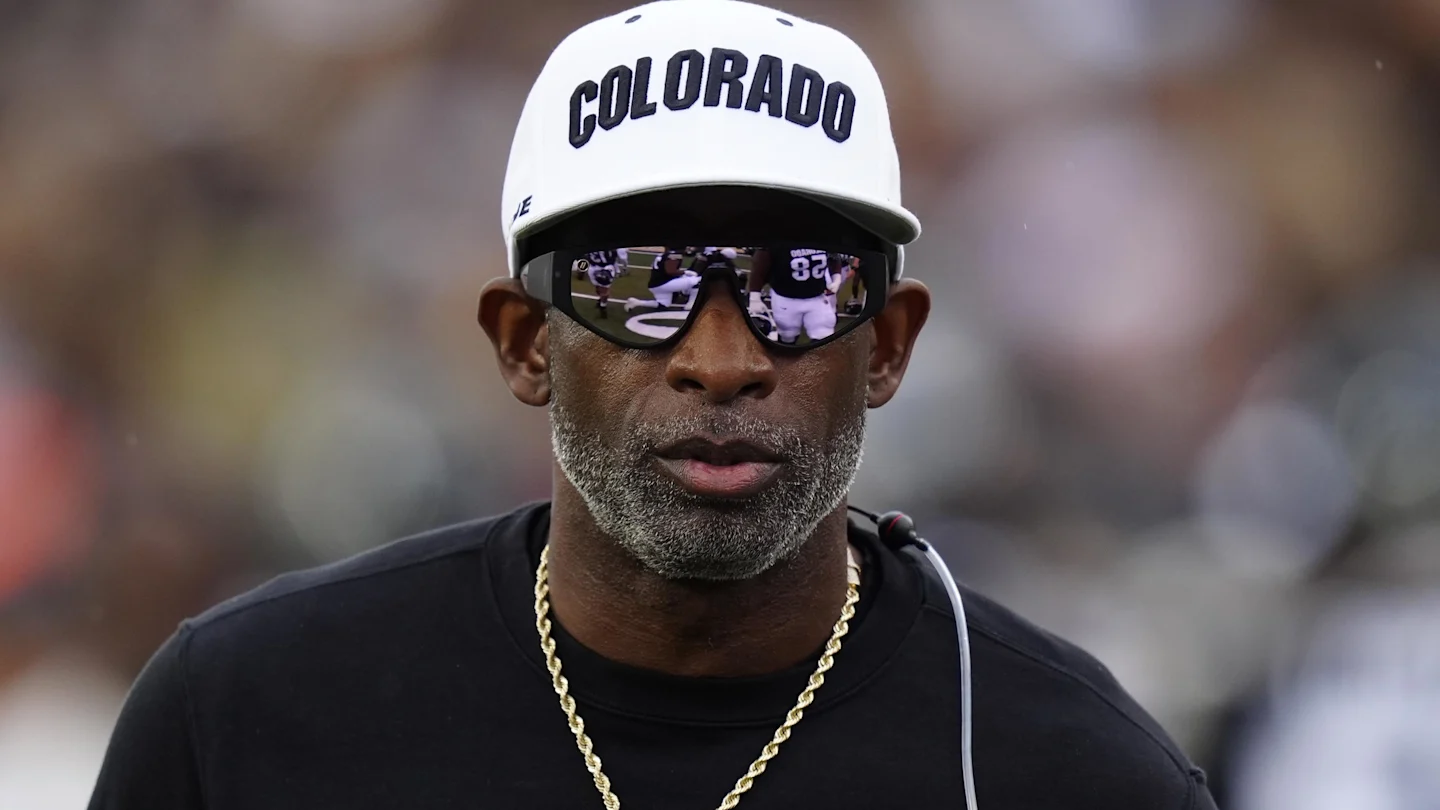
Colorado Buffaloes head coach Deion Sanders.

Colorado Buffaloes head coach Deion Sanders looks on during a time out in the game against the Utah Utes during the second quarter at Rice-Eccles Stadium. | Rob Gray-Imagn Images

Colorado Buffaloes

We are three seasons into the Deion Sanders era at Colorado, and the Pro Football Hall of Fame corner has shown minimal interest in recruiting from the high school ranks. In fact, Sanders has made zero off-campus visits, brought in just 14 recruits in the 2026 class and said he’d be a “fool” to try and recruit 30 freshmen a year since “half” will “probably” leave.

That said, the portal method has drawn mixed reviews, as his first year saw him bring in 52 transfers and go 4-8, just one year after the program’s dreaded 1-11 season.

Year two saw Colorado bring in a 43-man class, go 9-4 and make its first bowl game since 2020, while Travis Hunter won the Heisman. However, this season saw Colorado bring in 33 transfers, but the Buffs took a huge step back, going 3-9.

With Colorado already losing 25 players to the portal in addition to a slew of other upperclassmen, they will need to bring in around 50 transfers. If they miss this group, it very well could mark the beginning of the end for Sanders in Boulder.

Texas Longhorns

As I mentioned earlier, no two programs use the transfer portal in the same manner. While Colorado needs a portal class that can revive the program again, Steve Sarkisian and the Longhorns need a portal class that can be the difference between them being left out of the College Football Playoff by a couple of spots, and getting into the dance for the third time in four years.

The Longhorns have already let All-SEC running back Tre Wisner and former five-star running back CJ Baxter walk, while also seeing their linebacker room take a hit with Liona Lefau (transfer portal) and Anthony Hill (NFL Draft) both leaving as well.

Quarterback Arch Manning turned things around at the end of the year, but it was clear that, based on the fact that he was constantly running for his life, had receivers with drop problems and no run support, the team around him wasn’t necessarily helping his case.

Texas started this season ranked No. 1 and came up short of its goal. While the portal isn’t open yet, they are expected to take some massive swings that could be the difference between them not coming up short next year.

North Carolina Tar Heels

Oh, where to begin with Bill Belichick and the North Carolina Tar Heels. It was already viewed as somewhat of a risk for Belichick to go from being one of the winningest coaches in NFL history to a college game he had never coached in, but this season didn’t instill any confidence in the 73-year-old.

Whether it be behind-the-scenes drama with his 24-year-old girlfriend, or the fact that his team had the No. 110 average scoring margin of -8.9, Belichick found himself on the hot seat after about four games.

It’s truly unclear how long of a leash he has in Chapel Hill, but he does have a guaranteed deal that sees him earn $10 million a year, so a hefty buyout could work out in his favor. However, the best way to ease the tensions and distract fans from his girlfriend’s attempts to trademark everything is to win games.

The Tar Heels have been linked to Bobby Petrino for the offensive coordinator role, and Belichick now knows what he struggled with this season. A good portal class can gain some faith, but another down year filled with shenanigans could mark the end of his legendary career.

LSU Tigers

Much of the pressure here stems solely from Lane Kiffin leaving Ole Miss for the LSU job. The new Tigers head coach led the Rebels to their best regular-season record in program history and their first College Football Playoff appearance, but still couldn’t turn down the opportunity to coach at a blueblood.

Since winning the title in 2019, the Tigers have gone 47-29 and haven’t really come close to making the College Football Playoff. Kiffin won’t be getting very much grace in Baton Rouge from LSU fans, but those around the country are simply waiting for the 50-year-old head coach to fail in order to scold him for leaving Ole Miss.

As we have seen with Kiffin at Ole Miss, the right portal class can get you in the playoff, and that appears to be the immediate expectation. So, anything short of that will already have fans turning on the controversial head coach.

Florida State Seminoles

Whether it was due to money or just how many other programs moved on from their head coach, the Florida State Seminoles opted not to fire Mike Norvell this season. After a 13-1 season in 2023, the Seminoles have gone a combined 7-17 over the past two seasons, and Norvell is on ice that is as thin as it gets.

The Seminoles have relied on the portal for two consecutive years to fill certain positions, but the program’s biggest flaw has been its quarterback evaluations. They whiffed on DJ Uiagalelei (Oregon State) and Tommy Castellanos (Boston College) in the portal, and really haven’t found a steady solution at the position since Jordan Travis’ departure.
To put it bluntly, if Florida State has another down year, or even a slow start because of an underwhelming portal class, Norvell will be in the unemployment line.


Link

Continue Reading
Motorsports3 weeks ago

SoundGear Named Entitlement Sponsor of Spears CARS Tour Southwest Opener

Motorsports3 weeks ago

Donny Schatz finds new home for 2026, inks full-time deal with CJB Motorsports – InForum

Rec Sports4 weeks ago

Black Bear Revises Recording Policies After Rulebook Language Surfaces via Lever

Sports4 weeks ago

Men’s and Women’s Track and Field Release 2026 Indoor Schedule with Opener Slated for December 6 at Home

Rec Sports3 weeks ago

David Blitzer, Harris Blitzer Sports & Entertainment

Rec Sports4 weeks ago

How Donald Trump became FIFA’s ‘soccer president’ long before World Cup draw

NIL3 weeks ago

DeSantis Talks College Football, Calls for Reforms to NIL and Transfer Portal · The Floridian

Motorsports4 weeks ago

JR Motorsports Confirms Death Of NASCAR Veteran Michael Annett At Age 39

Motorsports3 weeks ago

Rick Ware Racing switching to Chevrolet for 2026

Sports3 weeks ago

Elliot and Thuotte Highlight Men’s Indoor Track and Field Season Opener

Sports3 weeks ago

#11 Volleyball Practices, Then Meets Media Prior to #2 Kentucky Match

Technology4 weeks ago

23 عاما من الفضائح السياسية والجنسية منذ انقلاب حمد بن خليفة.. استغلال الفتيات الصغيرات في الدعارة.. ضبط ابنة رئيس وزراء قطر خلال ممارستها لجنس الجماعي.. ملامح الحكم تتخبط بين المنفي وتدخلات النساء

NIL3 weeks ago

Colleges ponying up in support of football coaches, programs

Sports3 weeks ago

West Fargo volleyball coach Kelsey Titus resigns after four seasons – InForum

Technology4 weeks ago

23 عاما من الفضائح السياسية والجنسية منذ انقلاب حمد بن خليفة.. استغلال الفتيات الصغيرات في الدعارة.. ضبط ابنة رئيس وزراء قطر خلال ممارستها لجنس الجماعي.. ملامح الحكم تتخبط بين المنفي وتدخلات النساء

Most Viewed Posts

Trending