










Sports
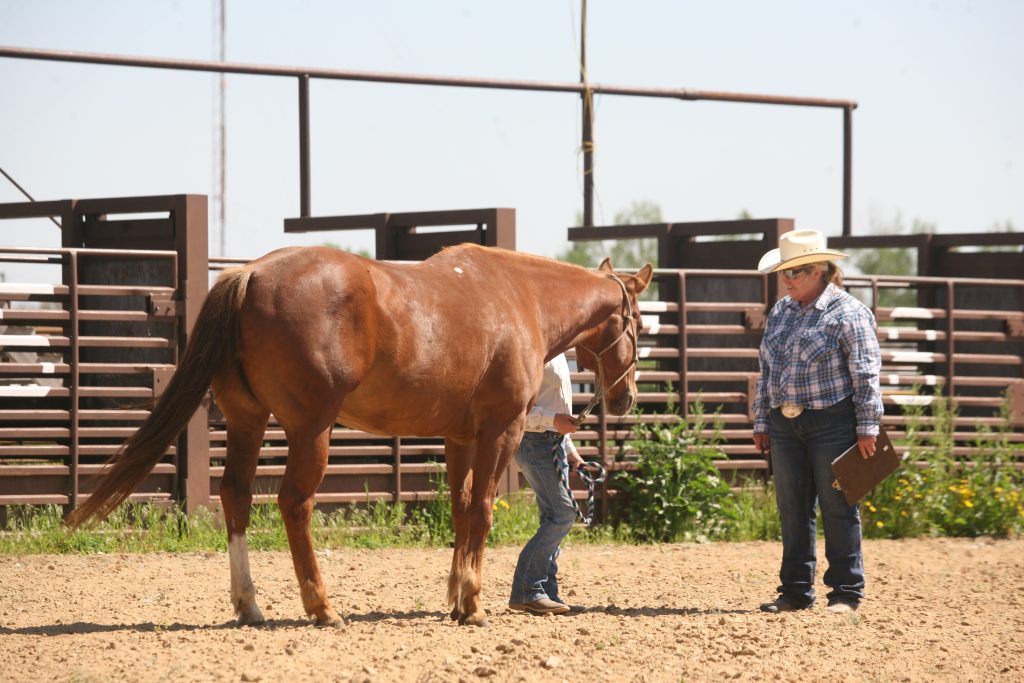
Update & Resources Regarding New USDA Requirements under the Horse Protection Act


HPA questions can be directed to the USDA HPA staff at [email protected]. If your questions are not being adequately addressed, please email USEF at [email protected] and we will do our best to assist you.
3. The Federal Rule for the Act specifically states “soring” is defined as:
5. Under the new HPA amendments, Competition and Event Management of any equine event occurring in the United States that is covered under the Act, must register with and report their competition or event to USDA/APHIS.
Dear USEF Members, Competition Licensees and Managers,
Best Regards,
Since release of the new amendments to the Act, USEF leaders have participated in Zoom meetings and webinars with the American Horse Council (AHC) and with USDA/APHIS to voice our concerns and to gain a better understanding of the upcoming implementation of the HPA changes, effective February 1, 2025. USEF fully supports the HPA’s intent to eliminate the soring of horses. However, there is lingering confusion regarding the changes, including but not limited to, what constitutes a covered event, the scope of the regulation, qualifications and training of inspectors, and clarity on the inspection process.
1. The HPA has existed since 1970, and all horses at equine competitions or events covered by the Act have been, and continue to be, covered by the Act.
Links to Additional Resources
- An irritating or blistering agent applied, internally or externally, by a person to any limb of a horse;
- An irritating or blistering agent applied, internally or externally, by a person to any limb of a horse;
- Any burn, cut, or laceration inflicted by a person on any limb of a horse;
- Any tack, nail, screw, or chemical agent injected by a person into or used by a person on any limb of a horse; or
- Any other substance or device used by a person on any limb of a horse, or a person has engaged in a practice involving a horse and as a result of such application, infliction, injection, use, or practice, such horse suffers, or can reasonably be expected to suffer, physical pain or distress, inflammation, or lameness when walking, trotting, or otherwise moving, except that such term does not include such an application, infliction, injection, use, or practice in connection with the therapeutic treatment of a horse by or under the supervision of a person licensed to practice veterinary medicine in the State in which such treatment is given.
The uncertainty we all feel is compounded by the misinformation being distributed by some groups within the equestrian space. Therefore, as we continue to work to obtain answers to our questions and request a delay in implementation, we are providing you with information we feel to be accurate to the best of our knowledge at this time. This is our effort to ensure our membership is prepared should the new regulations take effect on February 1, 2025.
2. The Act permits USDA/APHIS inspectors to visit any equine competition or event in the United States covered under the Act for the purpose of observing and/or inspecting horses for evidence of intentional soring as defined in the Act. These events include competitions regardless of whether they are licensed, sanctioned by, or affiliated with USEF or any other organization. At the same time, we also recognize that the USDA/APHIS HPA Program has limited resources and has typically visited approximately 50 competitions or events annually.
- As stated in the October email to USEF Competition Licensees and Management, USEF will provide USDA/APHIS with the required information for all USEF licensed competitions on a regular basis including any required updates. Managers of USEF licensed competitions do not have to register their event(s) with USDA as this is being done for you. (click here to view the email). Questions regarding USEF competitions can be directed to Katlynn Wilbers at [email protected].
- Competitions or events in which speed is the predominant factor in determining the outcome—such as horse racing—are not considered covered events under the HPA. Additionally, rodeo events, parades, and trail rides are also not covered under the HPA.
Thomas F. X. O’Mara
President
There are several other amendments to the Act, so we strongly recommend that you review the Horse Protection Act New Rule – Frequently Asked Questions, which provide additional information about the new amendments by clicking here. We will continue to update you as we receive new information and clarity on our concerns and questions. If you are interested in learning more about the HPA and the recent changes to the Act, links to additional resources are available below.
USEF has joined AHC and other equine industry organizations to voice concerns to USDA/APHIS and request that the implementation of the new regulations be delayed for a minimum of sixty days to provide time for clarification of our concerns. In addition to our questions regarding the lack of clarity and guidance, there is uncertainty about whether and how the incoming federal administration may impact the implementation of the new HPA regulations.
4. Historically, inspections usually occur prior to a horse competing, however, they can occur at any time while the horse is on competition grounds. As authorized by the Act, inspectors may collect blood, hair, and swab samples from a horse, use diagnostic testing such as thermography and radiography, and ask for removal of equipment during an inspection. Inspections are conducted by USDA/APHIS trained personnel. You can view a short video of a front limb inspection by clicking here (please note, the video has no audio).
William J. Moroney
Chief Executive Officer

In October 2024 we provided you with information regarding the new amendments to the Horse Protection Act (HPA or Act). This is a follow-up to that communication.

A summary of the Act is included here.

2025 NCAA Women’s Div I Volleyball Tournament Glance All Times EST First Round Thursday, Dec. 4 No. 4 Colorado def.…
2025 NCAA Women’s Div I Volleyball Tournament Glance All Times EST
First Round
Thursday, Dec. 4
No. 4 Colorado def. American, 25-16, 25-19, 25-16
No. 4 Kansas def. High Point, 25-20, 25-15, 25-18
No. 6 Baylor def. Arkansas St., 23-25, 25-20, 30-28, 23-25, 15-10
No. 5 Miami (FL) def. Tulsa, 25-22, 13-25, 25-22, 25-20
No. 4 Indiana def. Toledo, 25-18, 25-15, 25-17
North Carolina def. No. 6 UTEP, 24-26, 25-11, 25-18, 25-21
No. 8 UCLA def. Georgia Tech, 24-26, 25-19, 23-25, 25-18, 25-10
No. 6 N. Iowa def. Utah, 15-25, 21-25, 26-24, 25-20, 15-10
Utah St. def. No. 7 Tennessee, 25-19, 25-15, 20-25, 18-25, 15-11
No. 3 Purdue def. Wright St., 25-13, 25-21, 25-19
No. 1 Kentucky def. Wofford, 25-11, 25-19, 25-12
Cal Poly def. No. 5 BYU, 25-19, 17-25, 20-25, 25-20, 15-10
No. 3 Creighton def. Northern Colorado, 25-12, 23-25, 23-25, 25-17, 15-8
No. 2 Arizona St. def. Coppin St., 25-11, 25-14, 25-12
No. 4 Southern Cal def. Princeton, 25-19, 25-12, 25-13
No. 3 Wisconsin def. Eastern Ill., 25-11, 25-6, 25-19
Friday, Dec. 5
Marquette def. No. 7 W. Kentucky, 25-22, 25-21, 25-16
Michigan def. No. 8 Xavier, 25-19, 25-15, 25-23
Kansas St. def. No. 8 San Diego vs., 21-25, 25-17, 26-28, 25-22, 15-12
No. 6 TCU def. Steven F. Austin St., 25-8, 26-24, 25-20
Florida def. No. 7 Rice, 27-25, 25-23, 25-19
No. 5 Iowa St. def. St. Thomas (Minn.), 21-25, 25-13, 25-16, 21-25, 15-8
No. 8 Penn St. def. South Florida, 25-23, 12-25, 25-21, 25-19
No. 1 Pittsburgh def. UMBC, 25-10, 25-17, 25-13
No. 2 Louisville def. Loyola Chicago, 25-17, 25-9, 25-12
No. 2 SMU def. Cent. Arkansas, 25-13, 25-13, 25-13
No. 3 Texas A&M def. Campbell, 25-17, 25-9, 25-12
Arizona def. No. 7 South Dakota St., 25-21, 22-25, 25-15, 25-15
No. 1 Nebraska def. LIU, 25-11, 25-15, 25-17
No. 1 Texas def. Florida A&M, 25-11, 25-8, 25-14
No. 4 Minnesota def. Fairfield, 25-12, 25-7, 25-13
No. 2 Stanford def. Utah Valley, 21-25, 25-21, 25-13, 25-14
Second Round
Friday, Dec. 5
No. 3 Purdue def. No. 6 Baylor, 25-16, 25-19, 23-25, 25-20
No. 4 Indiana def. No. 5 Colorado, 25-20, 25-17, 25-13
No. 1 Kentucky def. No. 8 UCLA, 30-25, 25-16, 28-30, 25-17
No. 4 Kansas def. No. 5 Miami, 25-17, 25-22, 22-25, 27-25
No. 3 Creighton def. N. Iowa, 25-18, 23-25, 25-22, 25-21
No. 2 Arizona St. def. Utah St., 25-15, 25-18, 22-25, 25-15
No. 3 Wisconsin def. North Carolina, 25-14, 25-21, 27-25
Cal Poly def. No. 4 Southern Cal, 25-19, 25-20, 20-25, 14-25, 15-7
Saturday, Dec. 6
No. 2 Louisville def. Marquette, 21-15, 25-11, 23-25, 25-19, 15-12
No. 1 Pittsburgh def. Michigan, 25-23, 25-23, 25-18
No. 1 Texas def. No. 8 Penn St., 25-16, 25-9, 25-19
No. 1 Nebraska def. Kansas St., 25-17, 25-21, 25-16
No. 2 SMU def. Florida, 25-11, 25-21, 26-24
No. 3 Texas A&M def. TCU, 23-25, 25-22, 25-23, 29-27
No. 4 Minnesota def. No. 5 Iowa St., 25-22, 25-21, 25-14
No. 2 Stanford def. Arizona, 25-16, 25-27, 25-17, 25-20
Third Round
Thursday, Dec. 11
No. 2 Arizona State vs. No. 3 Creighton, 1 p.m.
No. 1 Kentucky vs. Cal Poly, 3:30 p.m.
No. 1 Pittsburgh vs. No. 4 Minnesota, 7 p.m.
No. 2 SMU vs. No. 3 Purdue, 9:30 p.m.
Friday, Dec. 12
No. 1 Texas vs. No. 4 Indiana, noon
No. 2 Stanford vs. No. 3 Wisconsin, 2:30 p.m.
No. 2 Louisville vs. No. 3 Texas A&M, 7 p.m.
No. 1 Nebraska vs. No. 4 Kansas, 9:30 p.m.
Copyright
© 2025 The Associated Press. All rights reserved. This material may not be published, broadcast, written or redistributed.
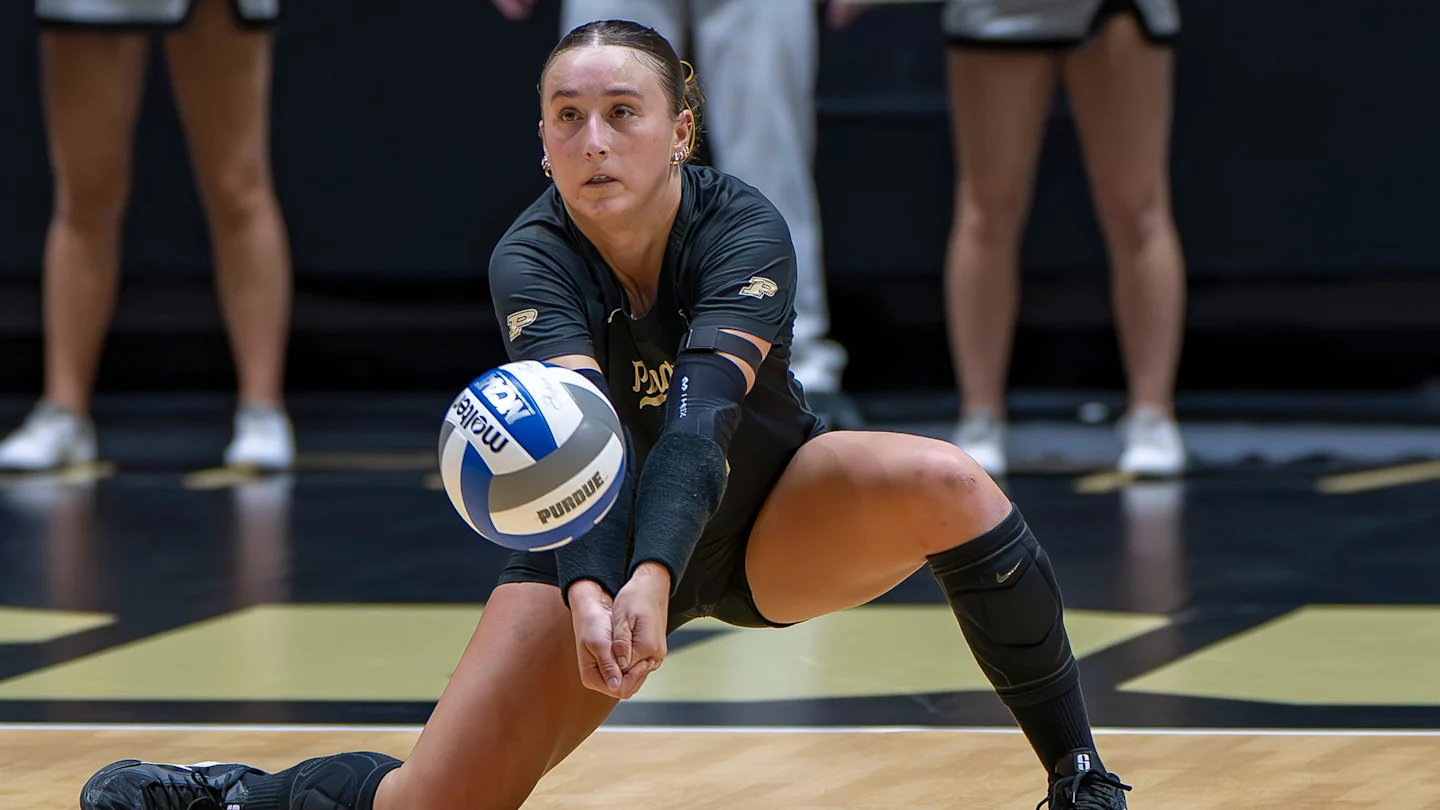
For a third consecutive year, Purdue’s volleyball team is headed to the Regional Semifinals of the NCAA Tournament. The Boilermakers defeated Wright State in the opening round and took down Baylor in the second round to advance to college volleyball’s Sweet 16, where they’ll face a familiar foe.
No. 3 seed Purdue will travel to Pittsburgh to play No. 2 seed SMU on Thursday, Dec. 11. The two teams played earlier this season in Lexington, Ky., with the Boilers pulling out a 3-1 victory over the Mustangs. The winner of the match will play the winner of No. 1 Pitt and No. 4 Minnesota, with a trip to the National Semifinals hanging in the balance.
Purdue’s match against SMU will be the second matchup of the night in Pittsburhg. Host Pitt will play Minnesota at 7 p.m. ET, with the Boilermakers and Mustangs scheduled to play 30 minutes after the conclusion of the first match.
Both matches will air on ESPN2.
Here’s a look at what you need to know for Thursday’s match between Purdue and SMU.

How to watch No. 3 Purdue vs. No. 2 SMU
- What: NCAA Tournament Regional Semifinal Round
- Who: #3 Purdue (26-6) vs. #2 SMU (27-5)
- When: Thursday, Dec. 11, 2025
- Where: Fitzgerald Field House in Pittsburgh, Pa. (4,122 capacity)
- Time: 30 minutes after conclusion of Pitt-Minnesota match (approx. 9 p.m. ET)
- TV: ESPN2
Purdue beats SMU earlier this year
Thursday night’s matchup between No. 3 Purdue and No. 2 SMU will be the second time the two teams have met on the volleyball court this season. The two squads also played in Lexington on Sept. 14, just a few weeks into the 2025 season.
Ranked No. 14 at the time, that was Purdue’s biggest win of the season to that point, taking down an SMU team that was ranked No. 10 nationally. The Boilers had to rally to win that match, too.
The Mustangs took the first set 25-23, but the Boilermakers responded in a big way. The churned out tight victories in the next two sets, defeating SMU 25-22 in the second and 27-25 in the third. Purdue had a convincing 25-18 fourth-set win to close out the match.
While a lot has happened in the three months since they last played, Purdue will carry confidence into this match, knowing it’s capable of beating a team like SMU. The Mustangs, on the other hand, will be looking for revenge against a team that defeated them early in the season.
It should make for a fun postseason matchup on Thursday.
Get top Boilermakers stories, expert analysis, and can’t-miss moments straight to your inbox for free by signing up for the Purdue Boilermakers on SI newsletter!
Related stories on Purdue volleyball
BOILERS BEAT BAYLOR TO ADVANCE: For a third consecutive season, Purdue is headed to the NCAA Regional Semifinal. The Boilermakers punched their ticket with a 3-1 win over Baylor. CLICK HERE
ANDERSON POWERS PURDUE: Senior outside hitter Akasha Anderson had a big night in the first round of the NCAA Tournament, powering Purdue to a win over Wright State. CLICK HERE
Beth Launiere, the longest-tenured volleyball coach in Utah history, has retired, the school announced Monday.
Over 36 years as Utah’s coach, Launiere amassed 689 wins and took Utah to the NCAA tournament 20 times.
With Launiere in charge, the Utes won six Mountain West titles and advanced to the Sweet 16 four times, most recently in 2019.
“After 36 years as the head volleyball coach at the University of Utah, I have made the difficult decision to announce my retirement,” Launiere said in a school press release.
“While it is not easy to walk away from a lifetime’s work, I am ready and excited to begin the next chapter of my life. Thank you to the hundreds of players whom I have had the privilege to coach, and the many assistant coaches, support staff and administrators who were my daily collaborators to build this program into what it is today.
“I will miss the daily interactions, but I know our relationships will last a lifetime. It has been an honor to represent one of the greatest universities in the country. I will forever love Utah and will always be a Ute!”
Utah was ranked in the AVCA Coaches Top 25 poll for 183 weeks under Launiere’s leadership, and the program produced 16 All-Americans.
During her 36-year career at Utah, Launiere was rewarded with three Mountain West Conference Coach of the Year awards and one Pac-12 Coach of the Year award in 2019.
In her final season, Launiere and the Utes made the NCAA Tournament, finishing the season with a 15-15 record with wins over No. 23 BYU and No. 13 Kansas before losing to the University of Northern Iowa in the first round of the NCAAs.
Launiere will leave a lasting legacy as the volleyball program’s greatest coach.
Utah athletic director Mark Harlan wasted no time naming her successor, appointing Alyssa D’Errico as the sixth head coach in program history.
“Alyssa D’Errico is a tremendous identifier of talent and is elite in developing student-athletes and building genuine relationships,” Harlan said. “With her championship pedigree, All-America playing experience, and the three years she has spent at the University of Utah as associate head coach, she is uniquely equipped to take over leadership of our volleyball program.
“I’m thrilled to appoint Alyssa as our new head coach, and excited to see her establish herself as this program’s leader, building on the legacy that Beth Launiere has built.”
D’Errico is a three-year assistant of Launiere’s, joining the program ahead of the 2023 season.
“I want to sincerely thank Mark Harlan, Charmelle Green and Jason Greco for their trust and support in giving me this opportunity to lead Utah volleyball,” said D’Errico in a press release.
“Of course, I also must thank Beth Launiere. I am deeply grateful to Beth for bringing me out here to be a part of this incredible volleyball program and athletic department. Her countless contributions to our sport, her care for the athletes, and the legacy she leaves behind are inspiring — truly leaving the program better than she found it.
“As I step into this role, I am honored and energized to help guide our program into the next era, with new heights in sight and a strong vision for sustained excellence. I look forward to building on our foundation, elevating our competitive standard, and fostering a culture where our student-athletes thrive on and off the court.”
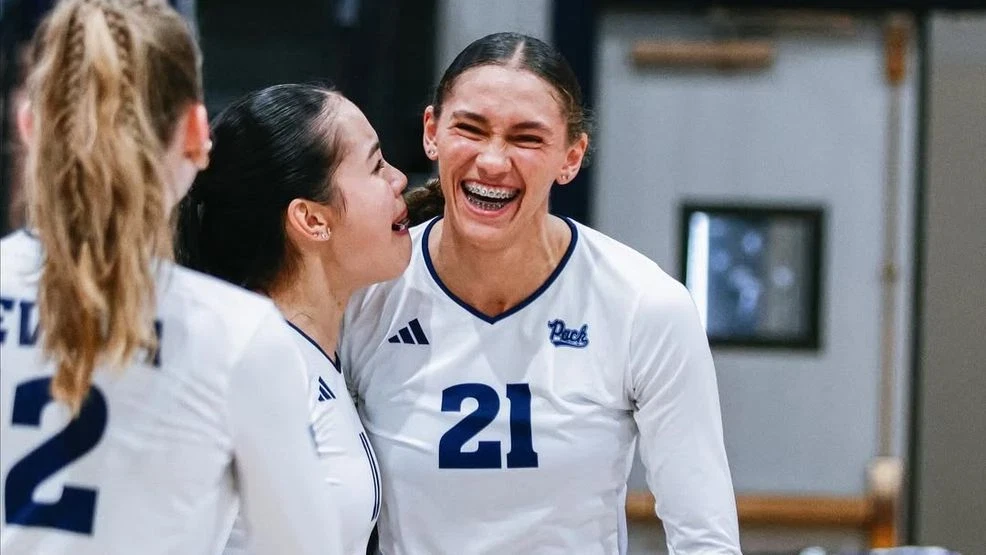
The Nevada volleyball team’s leader in kills (Haylee Brown), assists (Audrey Jensen) and digs (Kinsley Singleton) all entered the transfer portal Monday, as reported by College Volleyball Transfers and shared by those players on Instagram.
Brown was an All-Mountain West honorable mention selection in 2025 after transferring to Nevada following two seasons at Georgia Washington. The 6-foot-2 outside hitter from Maricopa, Ariz., hammered 351 kills, which were 165 more than the team’s second most. She led the Wolf Pack with 374 points and added 36 blocks. Brown will have one season of eligibility remaining at her next school.
Jensen was Nevada’s top freshman and starting setter, racking up a team-best 658 assists (391 more than second place) and adding 63 kills, 49 blocks (third on team), 203 digs (second on team) and 26 services aces (second on team). The 6-footer from Parker, Colo., was one of the Mountain West’s top rookies and started a team-high 27 of 28 matches for Nevada, racking up 116 points. She will have three seasons of eligibility remaining at her next school.
Singleton is a 5-4 libero from Phoenix who led Nevada with 361 digs while adding 104 assists. The defensive specialist also had a team-best 28 service aces and was one of Nevada’s top players each of the last two years. She will have two seasons of eligibility remaining at her next school.
Nevada volleyball has struggled with player retention for several seasons and lost stars Gabby McLaughlin and Tehya Maeva to Syracuse last season with McKenna Dressel also transferred to Mississippi State. The Wolf Pack went 8-20 overall and 4-14 in the MW this season, ranking 11th out of 12 schools under second-year head coach Shannon Wyckoff-McNeal.
With the transfer departures, Nevada would retain just one of its top-five players last season in matches started in sophomore-to-be Kamryn Tifft, whose 20 starts were the fourth most on the team.
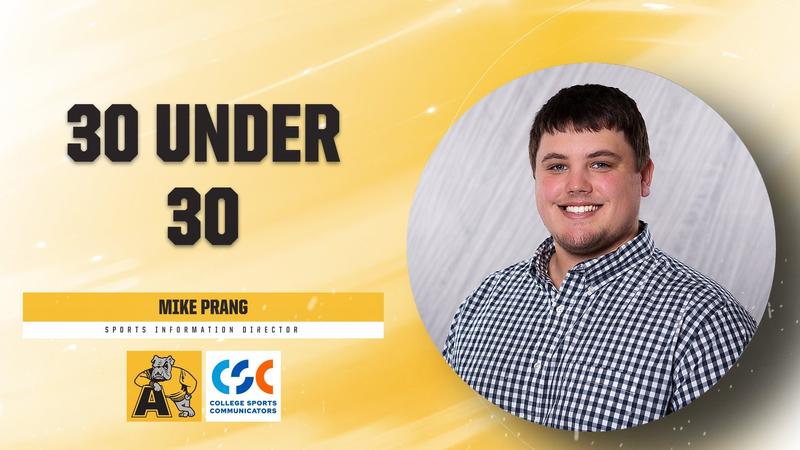
GREENWOOD, Ind. — College Sports Communicators announced its 30 Under 30 Class of 2025 on Monday afternoon, naming 30 of the nation’s top collegiate athletic communicators under the age of 30 to its recipient’s list. Landing his name on the list is Adrian College’s own, Mike Prang, who serves as the Sports Information Director, leading the charge for all 53 athletic programs in the department for the last 5+ years.
The annual honor recognizes emerging athletics communications professionals at all levels of college sports in strategic, creative, and digital spaces.
“We are proud to recognize and honor the rising talent and amazing achievements of so many incredible individuals with the latest 30 Under 30 class,” said 2025-26 CSC President Patrick Crawford. “College Sports Communicators, at its core, is an organization that is driven by the strengths, skills and passions of its members. As new communicators join our ranks and begin to build their careers, we are fortunate to take this opportunity to celebrate the best of CSC’s young professionals. This class is representative of both the diversity of our membership and the breadth of our overall community. Congratulations to this year’s honorees.”
The 28-year old from Carol Stream, Illinois attended Loras College in Iowa, where he studied Sport Management, worked as an Athletic Communications student-worker, and played on the varsity Baseball team. Prang graduated in the Fall of 2019 before relocating up to Michigan where he joined the Bulldogs’ Athletic Communications staff shortly after in December 2019.
Mike first began his tenure at Adrian as the Assistant Sports Information Director, where he assisted in athletic communication operations for just over a year before he was promoted to the head Sports Information Director role in March 2021. Since then, Mike has been stewarding the operations of the largest Athletic Department in the nation, overseeing the everyday tasks of covering 53 athletic programs, from graphic design to social media and statistics among other duties.
During his time as a Bulldog, Mike has traveled to four NCAA Division III Frozen Fours and two National Championship games, as well as the 2021 NCAA DIII College World Series. His experience also includes attending three NCAA DIII Baseball Regionals, hosting one Regional, and traveling to a Super Regional. He has hosted four NCAA Men’s Wrestling Regionals—two at Loras and two at Adrian—along with one Women’s Wrestling Regional and two Women’s Wrestling National Championships. Additionally, he traveled to the NCAA DIII Women’s Golf National Championship and has hosted six NCAA DIII Tournament Hockey games. His work has taken him to a Men’s Rugby National Championship, an NCAA DIII Track & Field Championship, and three NCAA Tournament Men’s Basketball games, including two at Loras and one for Adrian. He also served as the official scorer for the 2019 NCAA DIII Women’s Volleyball National Championship (Final 8) and has covered two Bass Fishing National Championships. Mike has also been around for three ACHA Hockey National Championship victories at Adrian.
Mike handled the redesign of the adrianbulldogs.com website in 2021, reshaping the image of the department online. In addition, he has helped grow the department’s social media following, increasing the Instagram follower count by 6,000+, the Twitter follower count by 4,000+, and the Facebook follower count by roughly 3,500+ in just over five years. As the lead point of media contact for the department, Mike also works with local media outlets to promote Adrian Athletics through television and radio, including the likes of Adrian College TV, BCSN, 96.5 The Cave, and more.
“I’m truly honored to receive the CSC 30 Under 30 Award. This recognition reinforces my commitment to growing within the profession,” said Prang. “Working with 53 athletic teams at Adrian College has been both challenging and incredibly rewarding. The success of our teams and student-athletes, along with the relationships I’ve built with them, continues to motivate me every day. Thank you so much to those who nominated me for the award, and to those who have helped me grow into the SID that I am today. I can’t take all the credit for this honor. I’m incredibly thankful for every member of the Adrian College Sports Information staff, past and present. To our student workers and interns, thank you for all you do. I couldn’t do my job the same without you.”
To bolster his resume, Mike is a two-time D3SIDA Regional SID of the Year nominee and an active member of the College Sports Communicators Young Professionals Committee (YPC), where he also serves on the YPC Programming Subcommittee. In the summer of 2024, he was selected as a speaker for the CSC U-Summit. Additionally, he contributes to institutional recognition efforts as a member of the Adrian College Athletic Hall of Fame Committee.
“I’m excited to keep growing Adrian College Athletics and to continue sharing the stories and promoting the amazing teams and student-athletes who proudly call themselves Bulldogs,” added the newest 30 Under 30 recipient.
Adrian College congratulates Mike Prang on this prestigious honor and extends their gratitude for everything Mike continues to do for the Athletic Department. He will be honored at the 2026 CSC Convention in Las Vegas next summer.
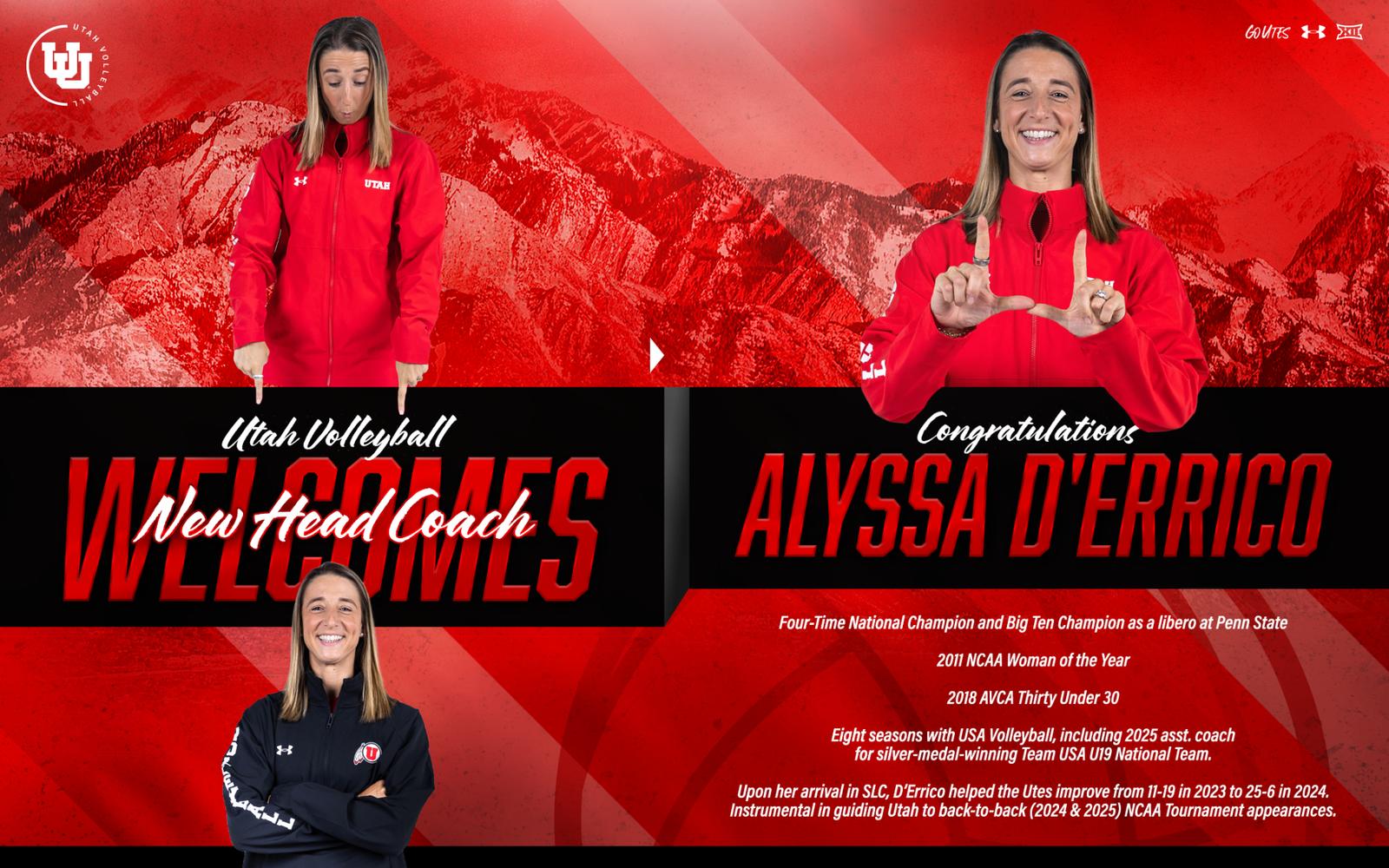
SALT LAKE CITY—Alyssa D’Errico has been named head coach of the Utah volleyball program, Director of Athletics Mark Harlan announced today. D’Errico, who has served as the Utes’ associate head coach for the past three seasons, becomes just the sixth head coach in program history, succeeding 36-year head coach Beth Launiere who announced her retirement earlier today.
A press conference to introduce D’Errico and celebrate Launiere’s career is scheduled for Wednesday, Dec. 10, at 3 p.m., at Crimson Court.
“Alyssa D’Errico is a tremendous identifier of talent and is elite in developing student-athletes and building genuine relationships,” Harlan said. “With her championship pedigree, All-America playing experience, and the three years she has spent at the University of Utah as associate head coach, she is uniquely equipped to take over leadership of our volleyball program. I’m thrilled to appoint Alyssa as our new head coach, and excited to see her establish herself as this programs’ leader, building on the legacy that Beth Launiere has built.”
Through three seasons in Salt Lake City, D’Errico has made her presence known, helping the Utes improve from an 11-19 record in 2023 to 25-6 in 2024, including a return to the NCAA Tournament for the 19th time and a final AVCA ranking of 23rd. She helped guide Utah to its 20th NCAA Tournament appearance in 2025. Primarily responsible for the defense, D’Errico has overseen all scouting and training concerning that side of the net, as well as Utah’s serve/receive strategy.
“I want to sincerely thank Mark Harlan, Charmelle Green and Jason Greco for their trust and support in giving me this opportunity to lead Utah Volleyball,” said D’Errico. “Of course, I also must thank Beth Launiere. I am deeply grateful to Beth for bringing me out here to be a part of this incredible volleyball program and athletic department. Her countless contributions to our sport, her care for the athletes, and the legacy she leaves behind are inspiring—truly leaving the program better than she found it. As I step into this role, I am honored and energized to help guide our program into the next era, with new heights in sight and a strong vision for sustained excellence. I look forward to building on our foundation, elevating our competitive standard, and fostering a culture where our student-athletes thrive on and off the court.”
D’Errico came to Utah after six seasons on the staff at Dayton. Hired in 2017, she was promoted to associate head coach in 2019, and served as the program’s recruiting coordinator. D’Errico specialized in the blocking and defensive efforts for the Flyers, while also being involved in all aspects of recruiting and program-wide decisions. She helped guide Dayton to two A-10 regular season championships (2020, ’21) and four A-10 Tournament championships (2018-21). Additionally, the Flyers saw two athletes earn A-10 Libero of the Year honors under D’Errico’s watch while coaching four All-Americans and leading the Dayton defense to a top-30 ranking in 2020 and ’21. D’Errico’s astounding early efforts as a coach was recognized by the AVCA in 2018 as part of its Thirty Under 30 honorees.
D’Errico began her coaching career at Louisville from 2015-2016, where she was instrumental in helping the Cardinals to their first ACC Championship shortly after her arrival, and coaching 2015 ACC Defensive Player of the Year and Freshman of the Year Molly Sauer.
“I couldn’t be more pleased for Alyssa D’Errico to be named the next head volleyball coach at the University of Utah,” said Beth Launiere. “She has great knowledge of the game, and a work ethic second to none. Alyssa is a leader who invests in her players in both time and care, and is a tremendous role model for young women. Her exceptionalism as a four-time NCAA Women’s Volleyball National Champion was a prelude to her extraordinary attributes as a coach and what she brings to the profession. I have no doubt Alyssa will maintain the culture we have strived to create and continue Utah Volleyball’s winning tradition.”
D’Errico’s competitive spirit became immediately apparent during her impressive college career at Penn State as a member of four Big Ten championship and national championship teams from 2007-2010 where she served as team captain for three of those seasons. She is the only player in NCAA Division I volleyball history to have won four national championships after winning state championships in her last three years of high school.
The 2010 All-Big Ten honorable mention selection was a member of the Nittany Lions’ record-setting 109- match win streak, and won 24-straight NCAA tournament matches through her four seasons in Happy Valley. D’Errico amassed 1,245 career digs, 146 career aces, and was named the 2011 NCAA Woman of the Year to wrap up her illustrious collegiate career.
After graduating, D’Errico placed her sights on Europe, playing three seasons overseas as a libero with stops in Spain, Croatia and France. During her professional career, D’Errico was the MVP of the Princess Cup, a four-time Superliga weekly MVP, and a “Super 7” All-League honoree with the Feel Volley Alcobendas Club in Spain.
D’Errico is not only accomplished as a college coach, but has built an extensive resume with USA Volleyball, having spent eight years with the organization in various roles including serving as an assistant on the 2020 Youth National Team, an assistant coach for the U17-U18 National Team Development Program summer training series in 2023 and 2024, an assistant coach for the U17-U18 NTDP spring training series in 2024, the head coach for the U18-U20 NTDP spring training series in 2025, and the U.S. Women’s National Team Open Program evaluator in 2025. Most recently, D’Errico served as an assistant coach for the 2025 U19 National Team that took home the silver medal at the World Championships this past summer.
WHAT OTHERS ARE SAYING ABOUT ALYSSA D’ERRICO
Penn State Head Coach Katie Schumacher-Cawley:
“I am absolutely thrilled for Alyssa and for Utah Volleyball. She is stepping into a program built on excellence under Beth, and there is no doubt she will honor that foundation while elevating it even further. Alyssa’s energy, passion, and unwavering commitment to doing things the right way will only strengthen the culture and push the program to new heights.
She has always led with heart, humility, and an incredible competitive drive, and Utah is gaining not only a great coach but an even better person. I couldn’t be happier for her and for the bright future ahead.”
Former Penn State Head Coach Russ Rose:
“Alyssa arrived at Penn State with terrific skills, natural leadership and confidence, and she graduated with four Big Ten and four National Championships on her resume. She received numerous academic and athletic awards, and was always committed to the University, the team and its members.
After a brief professional playing career, Alyssa entered the coaching track and experienced great mentoring at Louisville with Anne Kordes, at Dayton with Tim Horsman, and then of course with Beth Launiere at the University of Utah. At each of her stops she gained not only meaningful experience, but the benefits of working with elite coaches.
I’m confident that Alyssa will continue to excel and build on the exceptional tradition established by Beth, and I expect to see great things in the future.”
Dayton Head Coach Tim Horsmon:
“I’m really excited for Alyssa to get this opportunity as the head coach of the Utah program. Utah made a great hire. She’s won as a player, winning four national championships, and she continues to win as a top-25 coach.
I’m not sure I’ve been around someone so passionate about this sport or our profession. Alyssa is smart, hard-working and connects with her players on and off of the court. She is a real pro, and more importantly a great human being who demonstrates great character in all things she does. I couldn’t be happier for one of my favorite people in this world.”
Minnesota Head Coach Keegan Cook:
“Congratulations to the University of Utah on the hiring of Alyssa D’Errico. Simply put, there is no one better prepared or more capable of seizing this opportunity than Alyssa. The Utes have ensured that the legacy of leadership and championship-caliber coaching at the University of Utah will continue.”
Michigan State Head Coach Kristin Kelsay:
“I can’t think of anyone better than Alyssa D’Errico to lead the Utah Women’s Volleyball Program. Alyssa is a champion on and off the court and will lead the Utes with character, integrity, and her competitive fire. Alyssa’s passion to grow the game of volleyball and her relational leadership will mentor, guide, and challenge the student-athletes in her program. I am so excited for this next chapter of Utah Volleyball with Alyssa at the helm”
Oregon Head Coach Trent Kersten:
“Huge congratulations to Alyssa D’Errico on being named the head coach at University of Utah. She’s a phenomenal coach and an even better person. Beth built an incredible foundation there, and Alyssa is the perfect leader to honor that legacy while putting her own stamp on the program. I’m excited to see Utah Volleyball thrive under her leadership.”
GENERAL ADMISSION TICKETS FOR 2026 UTAH VOLLEYBALL AVAILABLE NOW
https://utahutes.evenue.net/events/VBNS
FOLLOW THE UTES
For an inside look at the Utah Volleyball program, including tournament, roster and news updates, fans can follow the Utes on social media (Twitter: @UtahVolleyball | Instagram: @utahvolleyball).
DOWNLOAD THE OFFICIAL MOBILE APP OF THE UNIVERSITY OF UTAH TODAY – UTAH 360

Motorsports4 minutes ago
Economist says NASCAR owes $364.7M to teams in antitrust case

Sports16 minutes ago
NCAA Women’s Div I Volleyball Tournament Glance

NIL19 minutes ago
In a matter of one year, Cal and Stanford went all in on football

Motorsports20 minutes ago
NASCAR Driver Logan Misuraca Set to Return to Daytona for 2026 ARCA Menards Series Opener with City Garage Motorsports

Sports34 minutes ago
Info on Purdue Volleyball’s Regional Semifinal Match vs. SMU Released

Motorsports36 minutes ago
Lavar Scott secures full-time ride with Alpha Prime Racing

Rec Sports37 minutes ago
City in the Community Collaborates with NYU on AI Programming Course for Young Leaders

Rec Sports47 minutes ago
Annual Pitman parade continues with faith – Catholic Star Herald
Sports50 minutes ago
Longtime Utah volleyball coach Beth Launiere retires – Deseret News

Motorsports52 minutes ago
5 Tough Takeaways from Week One of the NASCAR Trial

Rec Sports58 minutes ago
Keathley Dominates as Martin County Rolls to 3-0 Start

Sports1 hour ago
Nevada volleyball’s team leaders in kills, assists and digs enter the transfer portal

Motorsports1 hour ago
Larson shares only hilarious texts he gets from Hendrick – Motorsport – Sports

NIL1 hour ago
ESPN analyst names two college football programs that should replace ‘wasted’ playoff spots

Sports1 hour ago
Adrian College SID, Mike Prang, Earns Distinguished CSC 30 Under 30 Recognition

Rec Sports2 weeks ago
First Tee Winter Registration is open

Rec Sports2 weeks ago
Fargo girl, 13, dies after collapsing during school basketball game – Grand Forks Herald

Motorsports2 weeks ago
CPG Brands Like Allegra Are Betting on F1 for the First Time

Sports3 weeks ago
Volleyball Recaps – November 18

Motorsports2 weeks ago
F1 Las Vegas: Verstappen win, Norris and Piastri DQ tighten 2025 title fight

Sports2 weeks ago
Two Pro Volleyball Leagues Serve Up Plans for Minnesota Teams

Sports2 weeks ago
Sycamores unveil 2026 track and field schedule

Sports2 weeks ago
Utah State Announces 2025-26 Indoor Track & Field Schedule

Motorsports2 weeks ago
Redemption Means First Pro Stock World Championship for Dallas Glenn

NIL1 week ago
Bowl Projections: ESPN predicts 12-team College Football Playoff bracket, full bowl slate after Week 14

Sports2 weeks ago
Texas volleyball vs Kentucky game score: Live SEC tournament updates

NIL2 weeks ago
Indiana’s rapid ascent and its impact across college football

Rec Sports1 week ago
How this startup (and a KC sports icon) turned young players into card-carrying legends overnight

Motorsports1 week ago
Pohlman admits ‘there might be some spats’ as he pushes to get Kyle Busch winning again

Rec Sports1 week ago
Robert “Bobby” Lewis Hardin, 56

 Why a rising mid-major power with an NCAA Tournament team opted out of revenue-sharing — and advertised it
 NBA Legend Michael Jordan to Join NBC Sports as Special Contributor
 Falcons mailbag
 Portal Update – Basketball and Gymnastics Take Hits
 has always dreamed in Mercurial. Now his initials are on the boots.
The new Kyl…
has always dreamed in Mercurial. Now his initials are on the boots.
The new Kyl…
-
 Rec Sports2 weeks ago
First Tee Winter Registration is open
-
 Rec Sports2 weeks ago
Fargo girl, 13, dies after collapsing during school basketball game – Grand Forks Herald
-
 Motorsports2 weeks ago
CPG Brands Like Allegra Are Betting on F1 for the First Time
-
 Sports3 weeks ago
Volleyball Recaps – November 18
-
 Motorsports2 weeks ago
F1 Las Vegas: Verstappen win, Norris and Piastri DQ tighten 2025 title fight
-
 Sports2 weeks ago
Two Pro Volleyball Leagues Serve Up Plans for Minnesota Teams
-
 Sports2 weeks ago
Sycamores unveil 2026 track and field schedule
-
 Sports2 weeks ago
Utah State Announces 2025-26 Indoor Track & Field Schedule
-
 Motorsports2 weeks ago
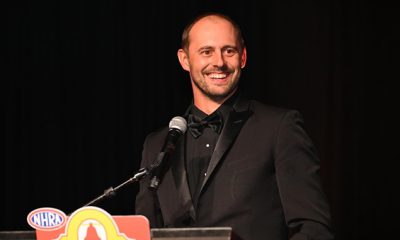
Redemption Means First Pro Stock World Championship for Dallas Glenn
-
 NIL1 week ago
Bowl Projections: ESPN predicts 12-team College Football Playoff bracket, full bowl slate after Week 14