
Sports
UPenn trans women sports ban


On Tuesday, the University of Pennsylvania caved to pressure from President Donald Trump, ending a Department of Education–led civil rights investigation into the school’s rostering of transgender swimmer Lia Thomas on the women’s team back in the 2021–22 season. At the time, Thomas was eligible to compete under NCAA policy, though that body has since banned trans women from the women’s category. As an act of appeasement to the administration, Penn has wiped Thomas’ competitive records and will issue apologies to its athletes “disadvantaged” by her participation.
Given the vanishingly few avenues in which trans athletes can compete, you, like none other than Simone Biles, may be thinking offering them their own third gender category is the best way out of this mess. In June, the gymnastics great called out conservative activist and former collegiate swimmer Riley Gaines—a teammate of Thomas’—on X. To her nearly 2 million followers, Biles wrote, responding to a post from Gaines criticizing a high school champion softball team for its apparent inclusion of a trans player, “You should be uplifting the trans community and perhaps finding a way to make sports inclusive OR creating a new avenue where trans feel safe in sports.” That affirmation was big, and it was heartening to see. The post continued: “Maybe a transgender category IN ALL sports!!” (A few days later, Biles followed up to apologize to Gaines for the personal-attack element of her post and also to seemingly soften some of her wording on trans-athlete inclusion.)
It can indeed sound like an appealing way to end this one front of the anti-trans culture war, to create a separate category for trans athletes in sports. At first glance, the concept of instituting a third box meant for trans and/or intersex athletes—beyond girls’ and women’s or boys’ and men’s sports—may not seem so bad. It offers a clear alternative to banning people altogether from competing in the sports they love. It also sidesteps the question of competitive advantage and other concerns that cisgender athletes, coaches, and fans may have.
But relegating trans athletes to a third category is not the answer to our bad-faith political “debate” over transgender athletes. And it is typically carried out in bad faith: Many people who raise concerns about whether trans athletes belong in mainstream recreation are doing so as part of larger efforts to keep trans people out of other areas of public life, including locker rooms, bathrooms, and even prisons aligned with their gender identities. In the face of escalating attacks on trans people, including in sports, from Trump, along with conservative lawmakers and activists, it’s more important than ever to stand up for trans athletes fully—not with any half measures.
Trans and intersex athletes—and discussions about where they fit in a mostly binary sports landscape—are not new. The writer Michael Waters chronicled as much in his 2024 book The Other Olympians, which focused on the 1930s. Discussion of a third category isn’t new either; Biles is just the latest, most highly visible person to suggest it. In 2020, a year after banning trans athletes from competing in the gender categories they identify with, USA Powerlifting created the group MX to silo off trans and nonbinary athletes the organization had previously banned altogether from male and female categories.
“Forcing trans athletes into a separate, third category is harmful ‘othering’ that only furthers the isolation and discrimination trans athletes face,” said Danne Diamond, then of the LGBTQ+ sports advocacy group Athlete Ally, in response to USAPL’s announcement. “It lumps trans athletes and nonbinary athletes together, when they should have the opportunity to choose the category in which they’d like to compete.”
Diamond’s words, then and now, cut through the inclusive-seeming rhetoric cisgender supporters of third categories tend to espouse. Yet since the USAPL move, the third-category idea has only spread. Thomas’ success in the pool apparently prompted World Aquatics in 2023 to ban trans women from the women’s category in elite events. The international swimming governing body also announced an open category in certain race distances for a World Cup swim meet in Berlin. A couple of months later, the group proceeded to cancel the category shortly before the event. It did not receive any entries for what it had touted as a “pioneering pilot project.”
Related From Slate

Julie Kliegman
Trump’s Trans Sports Ban Is Already Doing Tremendous Damage
Read More
This shouldn’t have come as a surprise. Only a tiny number of transgender athletes compete in K–12, college, Olympic, and professional sports. That’s not exactly a recipe for populating a robust and exciting third category in any one, sport-specific event, like the Berlin swim meet. But the stats are not the point, anyway: Even if, hypothetically, trans athletes were as prevalent as cis ones, the idea of siphoning them off into a trans-only category in the name of fairness would still be wrong in the way “Separate but Equal” is always wrong. It’s a structure designed to dismiss trans athletes who identify as women or men and who feel most at home competing with and against cisgender women and men. (Where nonbinary athletes fit into sex-segregated sports is a whole other worthwhile question.)
That’s not to say that there aren’t some genderqueer athletes who prefer separate categories. In running, for instance, nonbinary activist Jake Fedorowski has in recent years successfully pushed for more race organizers to implement nonbinary divisions. But shirking binary gender categories, for as long as they remain the dominant way of organizing sports, should be an individual choice, not a group mandate.
The limited research is mixed at best on whether trans women in particular—these discussions are almost always focused on trans women in the name of “protecting” cis women—may hold any proven advantages in elite sports. ESPN journalist Katie Barnes’ 2023 book Fair Play outlines what is and isn’t known in painstaking detail, along with how society has gotten to this point with escalating attacks on trans athletes.
And from a fan perspective, what tends to captivate us about watching sports, generally speaking, is not sameness but difference—and how each athlete leverages and showcases what makes them unique. At the risk of overusing a well-worn example, if everyone who dived into a pool was built exactly like Michael Phelps, his efforts never would’ve demanded our attention over the course of five Olympic Games.
Fairness and inclusion are not actually at odds with each other in male and female categories. Athletes, whether cis or trans, and from the Phelpsian level on down, have all sorts of advantages and disadvantages over one another. It’s all part of the game. So what’s fair, therefore, is not to police and isolate a marginalized group of people; rather, it’s to embrace trans athletes by including them wherever they see themselves competing.

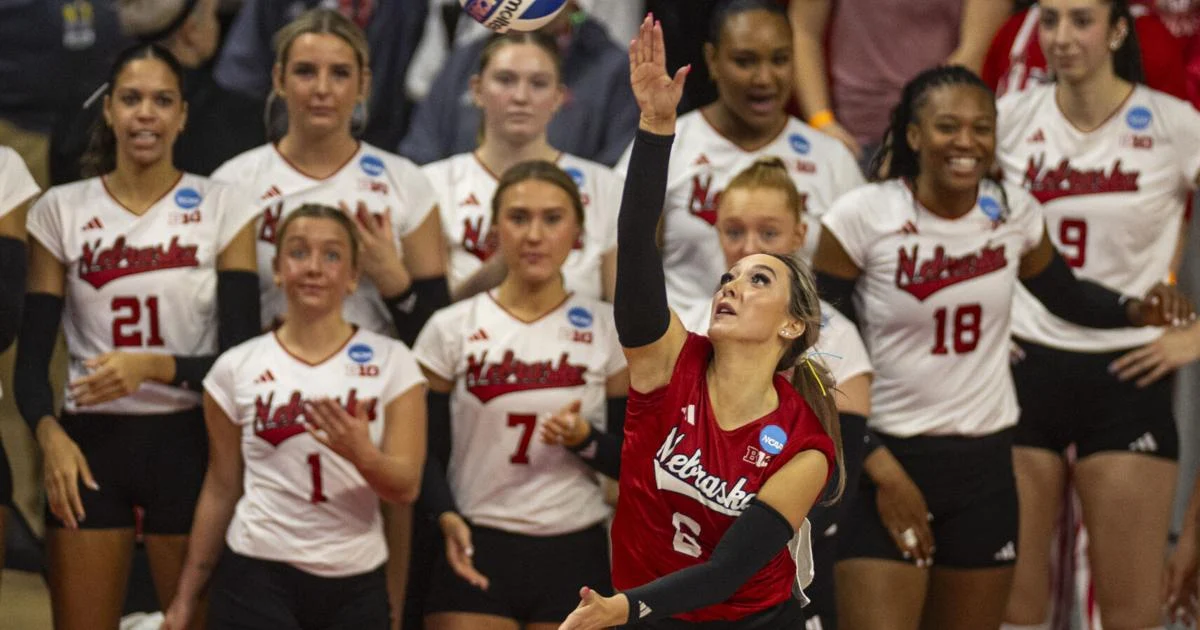

BLOOMINGTON, Ind. – The fourth-seeded Indiana volleyball team (25-7, 14-6 B1G) will play in the Sweet 16 for just the second time in program history. The NCAA announced start times and dates for next week’s regional semifinals on Sunday (Dec. 7) afternoon. The Hoosiers will play top-seeded Texas at Gregory Gymnasium on Friday (Dec. 12) afternoon at Noon ET on ESPN.
Following the greatest regular season in program history, IU was awarded a top-16 national seed and the chance to host the opening two rounds of the NCAA Tournament. The Hoosiers made quick work of their first two matchups, sweeping Toledo and fifth-seeded Colorado in Bloomington to advance to the Sweet 16.
IU is one of five Big Ten programs remaining in the NCAA Tournament. Of the 16 schools left in the big dance, IU is one of two teams (Cal Poly) that didn’t make the big dance last year. The Hoosiers have already set a single-season program record for wins (25) and will attempt to advance to the regional final for the first time in program history.
The other matchup in the Austin Regional will pit second-seeded Stanford and third-seeded Wisconsin against each other. Their match will begin 30 minutes after the conclusion of IU’s. The winners of both regional semifinals will meet on Sunday (Dec. 14) afternoon for a spot in the national semifinals in Kansas City.
Dec. 6, 2025Updated Dec. 7, 2025, 6:08 a.m. ET

After defeating Marquette 3-2 in the second round of the NCAA Volleyball Tournament on Saturday night, No. 2 Louisville will travel to Lincoln, Nebraska, and take on No. 3 Texas A&M in the Sweet 16 at 7 p.m. Friday.
This will be the Cardinals’ seventh consecutive regional appearance but first with Dan Meske as head coach.
Here’s everything you need to know to keep up with the match from home:
No. 2 seed Louisville versus No. 3 seed Texas A&M will be broadcast live on ESPN or ESPN2.
Authenticated subscribers can access ESPN2 via TV-connected devices or by going to WatchESPN.com or the WatchESPN app.
Those without cable can access ESPN2 via streaming services, with Fubo offering a free trial.
Buy Louisville volleyball tickets here
After defeating Marquette, UofL will play Texas A&M in the Lincoln, Nebraska, Regional Friday at 7 pm. Here’s a look at the tournament schedule:
- First and second rounds: Dec. 4-6
- Regionals: Dec. 11-14
- Semifinals: Dec. 18 at T-Mobile Center in Kansas City, Missouri
- Championship: Dec. 21 at T-Mobile Center in Kansas City, Missouri
Click here to view the complete bracket.
- Aug. 29: Louisville 3, Auburn 0
- Aug. 31: Louisville 3, Morehead State 0
- Sept. 1: Louisville 3, St. John’s 0
- Sept. 7: Louisville 3, Illinois 1
- Sept. 10: Texas 3, Louisville 2
- Sept. 12: Louisville 3, Creighton 1
- Sept. 13: Louisville 3, UNI 1
- Sept. 14: Louisville 3, Rice 1
- Sept. 18: Kentucky 3, Louisville 2
- Sept. 22: Louisville 3, Western Kentucky 0
- Sept. 26: Louisville 3, Boston College 0
- Sept. 28: Louisville 3, Syracuse 0
- Oct. 3: Louisville 3, California 0
- Oct. 5: Louisville 3, Stanford 1
- Oct. 10: Louisville 3, Virginia Tech 0
- Oct. 12: Louisville 3, Virginia 1
- Oct. 17: SMU 3, Louisville 2
- Oct. 19: Pitt 3, Louisville 2
- Oct. 24: Louisville 3, Duke 0
- Oct. 26: Louisville 3, North Carolina 1
- Oct. 29: Louisville 3, Notre Dame 0
- Nov. 1: Louisville 3, Notre Dame 0
- Nov. 7: Louisville 3, N.C. State 0
- Nov. 9: Louisville 3, Wake Forest 1
- Nov. 13: Louisville 3, Florida State 1
- Nov. 16: Louisville 3, Miami 2
- Nov. 21: Louisville 3, Georgia Tech 1
- Nov. 23: Louisville 3, Clemson 0
- Nov. 26: Pitt 3, Louisville 0
- Nov. 29: Stanford 3, Louisville 2
- Dec. 5: Louisville 3, Loyola Chicago 0 (NCAA Tournament First Round)
- Dec. 6: Louisville 3, Marquette 2 (NCAA Tournament Second Round)
- Dec. 11: Louisville vs. Texas A&M (NCAA Tournament Regional Round)
Reach college sports enterprise reporter Payton Titus at ptitus@gannett.com and follow her on X @petitus25. Subscribe to her “Full-court Press” newsletter here for a behind-the-scenes look at how college sports’ biggest stories are impacting Louisville and Kentucky athletics.
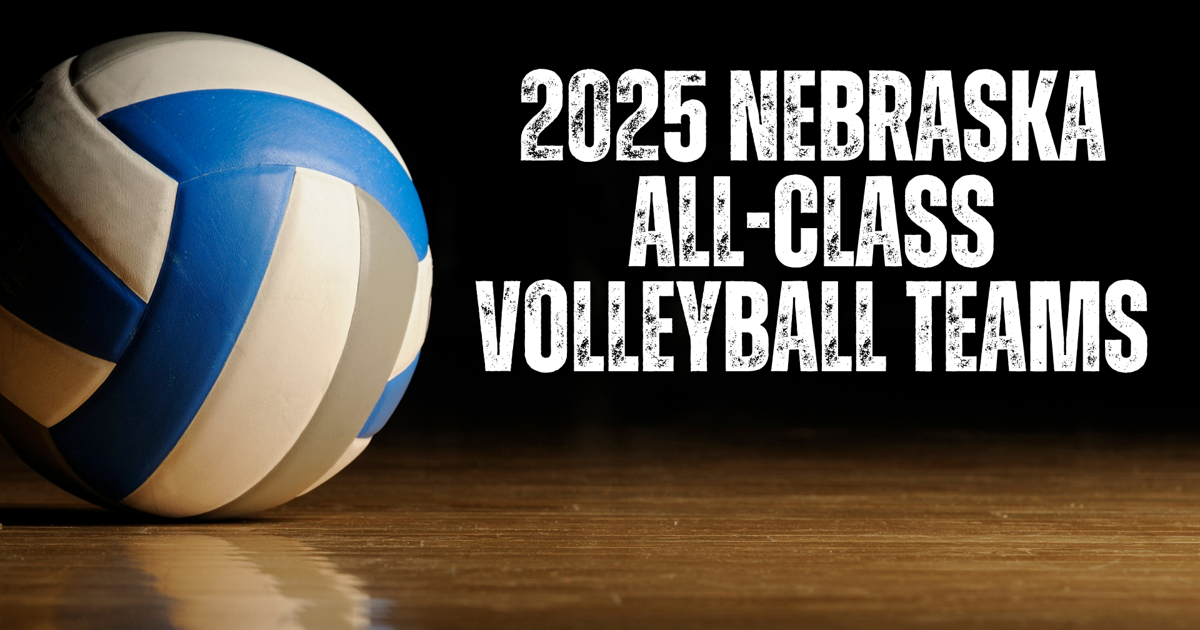
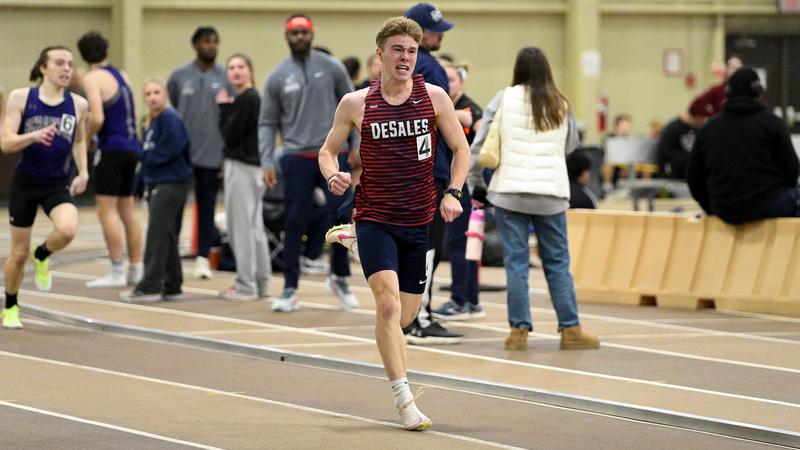
Lancaster, PA (December 6, 2025) – The DeSales University men’s track & field team opened the 2025-26 indoor T&F season competing at the Diplomat Open at Franklin & Marshall College on Friday.
The Bulldogs posted 10 MAC qualfying times/marks in the meet.
Among the qualifying times were junior Bryce Guthier taking second in the 400-meters with a time of 52.08. It is the fifth fastest time in indoor history. Senior Davis Trump also qualified in the 5K with a time of 16:20.32.
In the field events, DSU posted eight qualfying marks. Junior Weston Simak qualified for the MAC Championships in both the long jump (6.52m) and triple jump (13.72m). His triple jump mark was the second best in team history. First-year Luke Heimann also qualfied in the triple jump (11.86m).
Junior Jonathan Castronovo took home first place in the long jump with a mark of 6.58m, the second best long jump in team history.
First-year John Amoretti qualified in the shot put (12.33m), seniors Jonathan Eudja and Giovanni Wellington qualified in the weight throw with marks of 14.85m and 14.23m. First-year Ryan Rodriguez also quallified in the weight throw (11.89m).
The Bulldogs won’t return to action till the New Year at the Blue and Grey Invitational on Jan. 17th.
RESULTS
ITHACA, N.Y. –
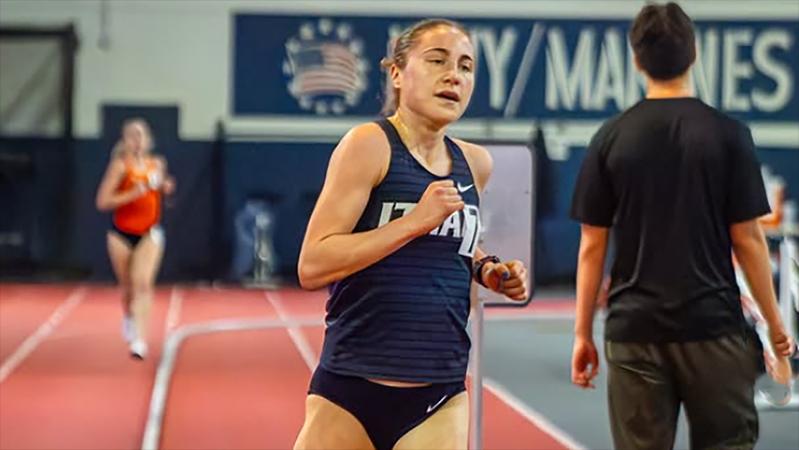
The Ithaca College women’s track & field team opened its 2025-26 season over the weekend as the Bombers made the short trip across town to compete in the Greg Page Relays hosted by Cornell University on December 5-6.
Lola Gitlin posted a time of 10:25.57 in the 3000-meter run to finish third overall.
Rachel Larson was a fourth place finisher with a time of 8.58 seconds in the 60-meter hurdles. That time is currently No. 1 in Division III after the opening weekend of the season.
Aynisha McQuillar took fifth in the 200-meter dash in a time of 26.61 seconds. McQuillar also ran in the 60-meter dash and posted the 11th fastest time in DIII during the prelim with a performance of 7.78 seconds.
Lyla Powers was fifth in the 500-meter dash with a time of 1:21.75.
Lily Seyfert claimed fifth in the shot put with a heave of 12.78 meters, which is currently ninth in the nation.
Bree Boyle and Erin Eastwood each cleared 3.54 meters in the pole vault, which is tied for 11th on the Division III performance list.
Alexis Brown turned in a leap of 11.02 meters in the triple jump for the 17th best mark in the country.
Ithaca is off for the remainder of 2025 and will return to Cornell on January 10 for the Southern Tier Invitational.

How to watch Nebraska volleyball’s Sweet 16 match vs. Kansas

College Football Playoff Rankings Just Shook the National Championship Odds

Steady Droppin Dimes – NIL on National Signing Day: Is it all about the highest bidder now?

Robert Griffin III blasts College Football Playoff committee for not punishing Alabama, references BYU

NCAA Volleyball Regional Schedule Set

Lando Norris wins F1 world championship by just two points – Motorsport – Sports

‘The Nutcracker’ — a place where area youth grow, families thrive

BCS Formula adds to the Final College Football Playoff Rankings controversy
Louisville volleyball NCAA Tournament bracket, Texas A&M vs UofL game

Mitchell Lawrie, 15, described as ‘future of darts’ after 6-3 loss to Jimmy van Schie in WDF World Darts Championship final | Darts News

NASCAR driver loses ride immediately after winning the championship

Dom Amore: What’s in a number? UConn women raise the perfect ’10’ to the rafters at Gampel Pavilion

The Omaha World-Herald’s Nebraska All-Class volleyball teams

Iowa and Vanderbilt head to Tampa for ReliaQuest Bowl

Snowball Derby 2025 postponed to Monday

First Tee Winter Registration is open

Fargo girl, 13, dies after collapsing during school basketball game – Grand Forks Herald

CPG Brands Like Allegra Are Betting on F1 for the First Time

Volleyball Recaps – November 18

F1 Las Vegas: Verstappen win, Norris and Piastri DQ tighten 2025 title fight

Two Pro Volleyball Leagues Serve Up Plans for Minnesota Teams

Utah State Announces 2025-26 Indoor Track & Field Schedule

Sycamores unveil 2026 track and field schedule

Redemption Means First Pro Stock World Championship for Dallas Glenn

Bowl Projections: ESPN predicts 12-team College Football Playoff bracket, full bowl slate after Week 14

Texas volleyball vs Kentucky game score: Live SEC tournament updates

Indiana’s rapid ascent and its impact across college football

How this startup (and a KC sports icon) turned young players into card-carrying legends overnight

Pohlman admits ‘there might be some spats’ as he pushes to get Kyle Busch winning again

Robert “Bobby” Lewis Hardin, 56

 Why a rising mid-major power with an NCAA Tournament team opted out of revenue-sharing — and advertised it
 NBA Legend Michael Jordan to Join NBC Sports as Special Contributor
 Falcons mailbag
 Portal Update – Basketball and Gymnastics Take Hits
 has always dreamed in Mercurial. Now his initials are on the boots.
The new Kyl…
has always dreamed in Mercurial. Now his initials are on the boots.
The new Kyl…
-
 Rec Sports2 weeks ago
First Tee Winter Registration is open
-
 Rec Sports2 weeks ago
Fargo girl, 13, dies after collapsing during school basketball game – Grand Forks Herald
-
 Motorsports2 weeks ago
CPG Brands Like Allegra Are Betting on F1 for the First Time
-
 Sports3 weeks ago
Volleyball Recaps – November 18
-
 Motorsports2 weeks ago
F1 Las Vegas: Verstappen win, Norris and Piastri DQ tighten 2025 title fight
-
 Sports2 weeks ago
Two Pro Volleyball Leagues Serve Up Plans for Minnesota Teams
-
 Sports2 weeks ago
Utah State Announces 2025-26 Indoor Track & Field Schedule
-
 Sports2 weeks ago
Sycamores unveil 2026 track and field schedule
-
 Motorsports2 weeks ago
Redemption Means First Pro Stock World Championship for Dallas Glenn
-
 NIL1 week ago
Bowl Projections: ESPN predicts 12-team College Football Playoff bracket, full bowl slate after Week 14