NIL
What House vs. NCAA settlement approval means for Alabama athletics


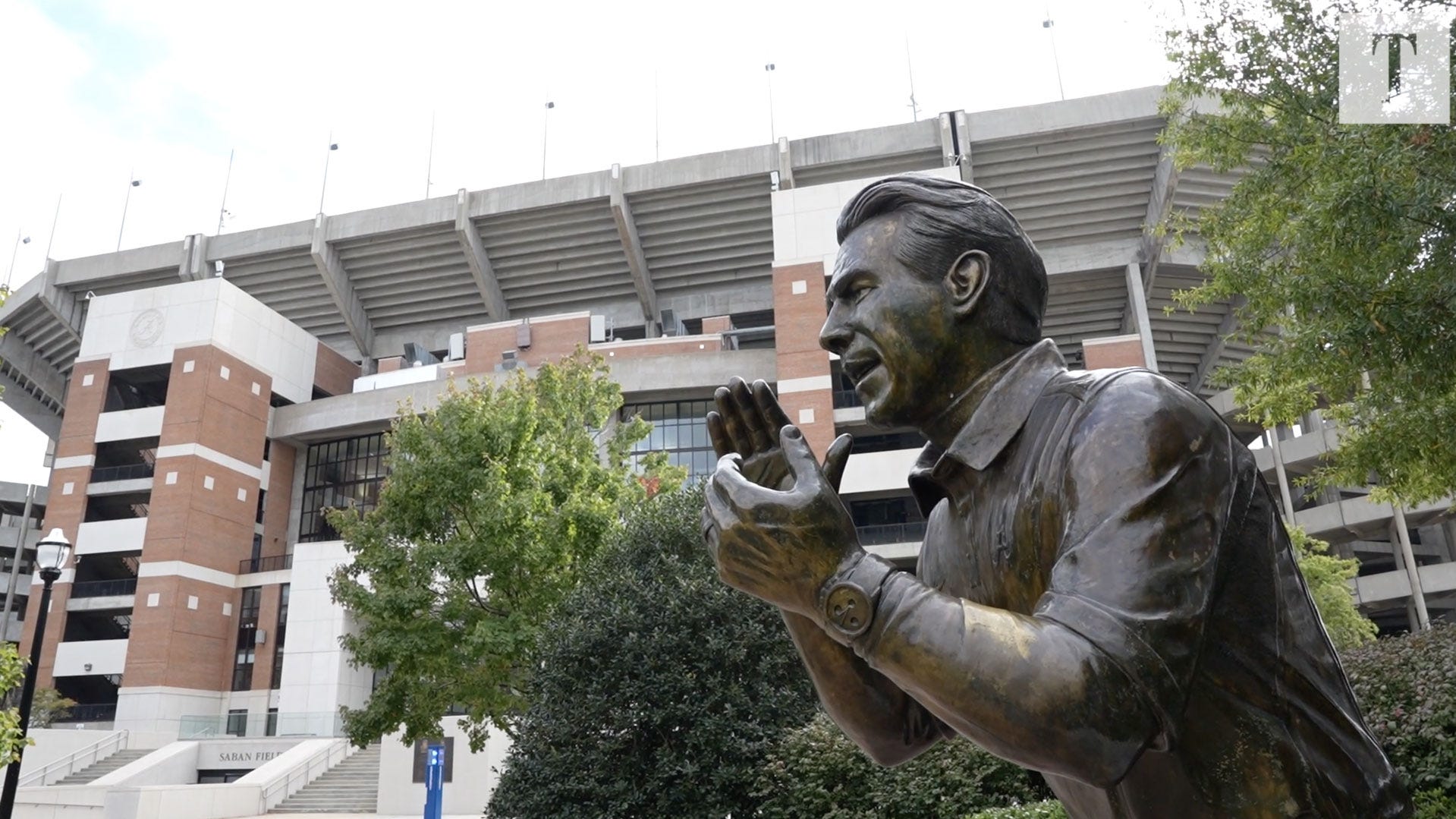


A look at Alabama football’s Walk of Champions at Bryant-Denny Stadium
VIDEO: A brief tour of the Walk of Champions at Alabama football’s Bryant-Denny Stadium: Statues, commemorating championships and more.
- The House vs. NCAA settlement allows schools to share revenue with athletes and provides damages for past NIL inequities.
- Alabama athletics will operate under a salary cap, starting at over $20 million annually, with most going to football and men’s basketball.
- Athletes can still pursue NIL deals, but a new commission will increase oversight and enforcement.
- Roster limits will be implemented, but current athletes won’t be immediately affected.
Change has officially come for collegiate athletics.
After the House vs. NCAA settlement was approved on Friday, June 6, ending three antitrust lawsuits which addressed compensation for collegiate athletes, schools are now permitted to share revenue with their athletes directly while also issuing $2.8 billion in damages for former and current athletes who were not able to capitalize on NIL − name, image and likeness − deals.
Starting July 1, when these changes officially come into effect, Alabama athletics will be forced to navigate immense change, one that includes roster limits, salary caps and a new enforcement agency.
Here’s what the settlement means for Alabama athletics.
What is Alabama athletics salary cap?
According to the settlement, the initial annual allotment is expected to start at more than $20 million per school in 2025-26 and grow to $32.9 million in 2034-35.
The cap sits at 22% of the combined total of certain revenues like ticket sales, television deals and sponsorships.
Most power conferences plan to give 90% of that allotment to football and men’s basketball programs, according to Yahoo Sports. The rest would be shared amongst the other sports like women’s basketball, baseball and softball.
Will Alabama still have third-party NIL deals?
Yes, Alabama athletes will still have the ability to collect income from partnerships with third parties for NIL deals like businesses, boosters and collectives.
But those deals will come under more scrutiny moving forward.
The newly-formed College Sports Commission will oversee, implement and enforce the settlement, making “determinations regarding potential rules violations and penalties, provide notice and opportunity to be heard, participate in the arbitration process and ultimately administer penalties for violations of these rules,” their announcement said.
What roster limits does Alabama face under House vs. NCAA settlement?
The House vs. NCAA settlement will bring roster limits to collegiate athletics. However, that change could come more slowly than instantaneous.
According to a modification in the final settlement, all class members whose roster spots were taken away or would have been taken away will be exempt from roster limits for the duration of their careers.
However, with the settlement, a roster cap for each sport will be imposed with schools permitted to provide scholarships for each member of the roster, but doesn’t have to.
This past November, Alabama athletics director Greg Byrne told The Tuscaloosa News “there will be value that we’re playing on a similar playing field when it comes to scholarships.”
“What I am hopeful for is we can have a model that gives us the opportunity to have strong, broad-based programming and the ability to be competitive from a revenue-sharing standpoint and give as many young people as possible the opportunity to go to school and compete as a college athlete,” Byrne said.
According to Yahoo Sports, the SEC plans to issue 85 football scholarships even with a roster limit of 105 slots, giving teams the ability to keep walk-on athletes.
Colin Gay covers Alabama football for The Tuscaloosa News, part of the USA TODAY Network. Reach him at cgay@gannett.com or follow him @_ColinGay on X, formerly known as Twitter.