
Rec Sports
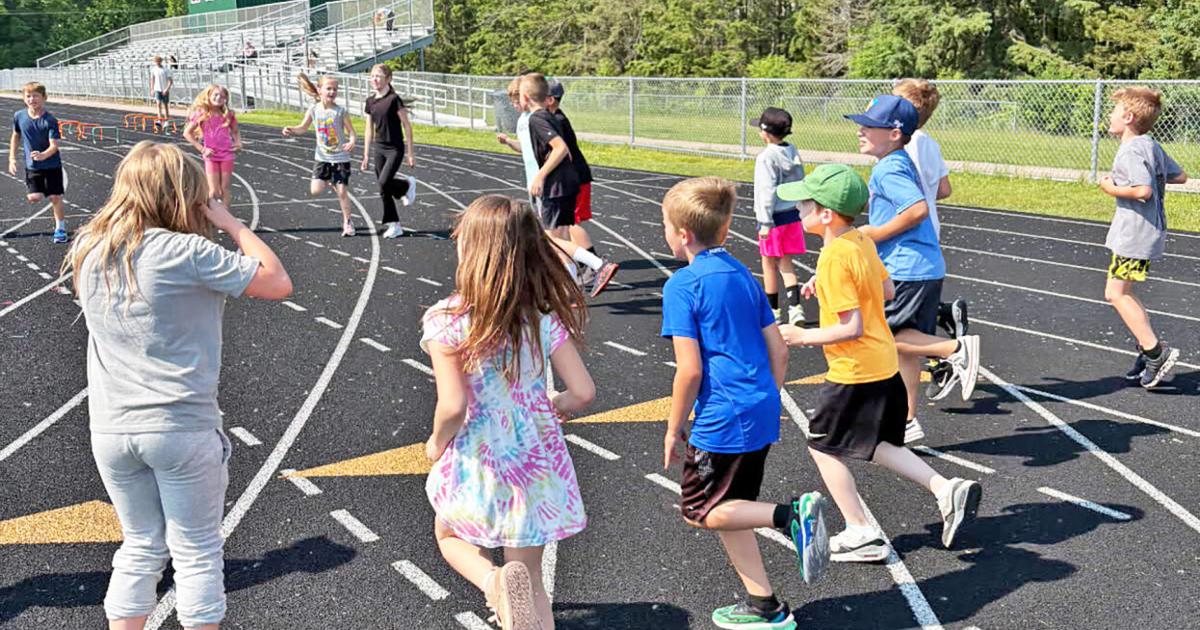
Youth sports activities growing in Pine City | News


Rec Sports
Economic Liberties Senior Fellow Katherine Van Dyck to Testify Before US House Committee on How Private Equity is Gutting Youth Sports

Washington, D.C. — This morning at 10:00am EST, Economic Liberties Senior Legal Fellow Katherine Van Dyck will testify in front of the U.S. House Committee on Education and the Workforce Subcommittee on Early Childhood, Elementary, and Secondary Education at a hearing titled, “Benched: The Crisis in American Youth Sports and Its Cost to Our Future.” The hearing will examine the growing role of private equity and financial consolidation in youth sports; the resulting rise in costs for families; declining access and participation; and the broader consequences for children’s health, safety, and community life.
“Youth sports in our country are beloved traditions and great equalizers, a place where children from all backgrounds can come together, learn teamwork and fair play, and build shared community bonds,” said Katherine Van Dyck, Senior Legal Fellow at the American Economic Liberties Project. “But it is quickly becoming the next victim of a financialized economy that has taken over virtually every aspect of American life. Private equity companies have been quietly and systematically capturing the youth sports industry across the United States, turning what was once an affordable public good into a profit-extraction machine. It is the same playbook that private equity used to consolidate industries as varied as veterinary clinics, nursing homes, hospitals, and firetrucks—stripping assets, raising prices, and degrading quality, and the consequences are devastating.”
Ms. Van Dyck’s testimony details how years of state and local budget cuts, combined with unfunded federal mandates and weak oversight, created a void that private equity firms have filled through serial acquisitions and vertical integration. She explains how dominant firms now control leagues, tournaments, facilities, apparel, technology platforms, travel and streaming services, and even governing bodies, allowing them to eliminate competition and force families into costly, non-negotiable arrangements. As a result, families now spend thousands of dollars per year on youth sports, participation gaps based on income are widening, and children face higher risks of burnout, overuse injuries, and exploitation.
“Private equity has become a predatory force in our society. It harms our children and threatens the stability of American society for profit, and it has turned its sights on youth sports,” Ms. Van Dyck added. “It is exploiting parents’ love for their children and their desire to give them opportunities to learn, grow, and succeed.”
In her testimony, Ms. Van Dyck calls on Congress to take bold action, including increased antitrust scrutiny of consolidation in youth sports, stronger consumer protection rules for families, and clear limits on private equity practices that prioritize financial engineering over children’s wellbeing. She argues that youth sports should not be a luxury good, but a broadly accessible public good essential to healthy childhood development and civic life.
Read Katherine Van Dyck’s full written testimony here.
Watch the full hearing here.
###
The American Economic Liberties Project works to ensure America’s system of commerce is structured to advance, rather than undermine, economic liberty, fair commerce, and a secure, inclusive democracy. Economic Liberties believes true economic liberty means entrepreneurs and businesses large and small succeed on the merits of their ideas and hard work; commerce empowers consumers, workers, farmers, and engineers instead of subjecting them to discrimination and abuse from financiers and monopolists; international trade arrangements that promote promote balanced trade and benefit workers, farmers and small businesses; and wealth is broadly distributed to support equitable political power.


Watsonville Fire Chief Rudy López has announced his retirement after 35 years of service to the community. HIs retirement will be effective Dec. 31.
López began his career in 1990 as a eserve Watsonville firefighter, and advanced through the ranks, serving as firefighter, captain and division chief before stepping up to chief in 2019.
In a press release, city officials said he has been recognized for his commitment to public safety and his pride in serving his hometown.
“It has been the greatest honor of my professional life to serve my hometown of Watsonville,” López said.” I am immensely proud of the dedication, professionalism and courage demonstrated every day by our firefighters and staff.”
Looking ahead, he said he is excited to spend time with his family and pursue personal endeavors.
“Chief López’s many years of service to the Watsonville community are appreciated,” said City Manager Tamara Vides. “He has spent more than three decades with the City, contributing to the work of the fire department and supporting our community’s emergency response efforts. We thank him for his long tenure and wish him the best in his retirement.”
Acting Fire Chief Corey Schaefer will continue to lead the department until a permanent replacement is named.

I recently shared this feedback with the District 97 school board. I would appreciate you contacting them if you agree:
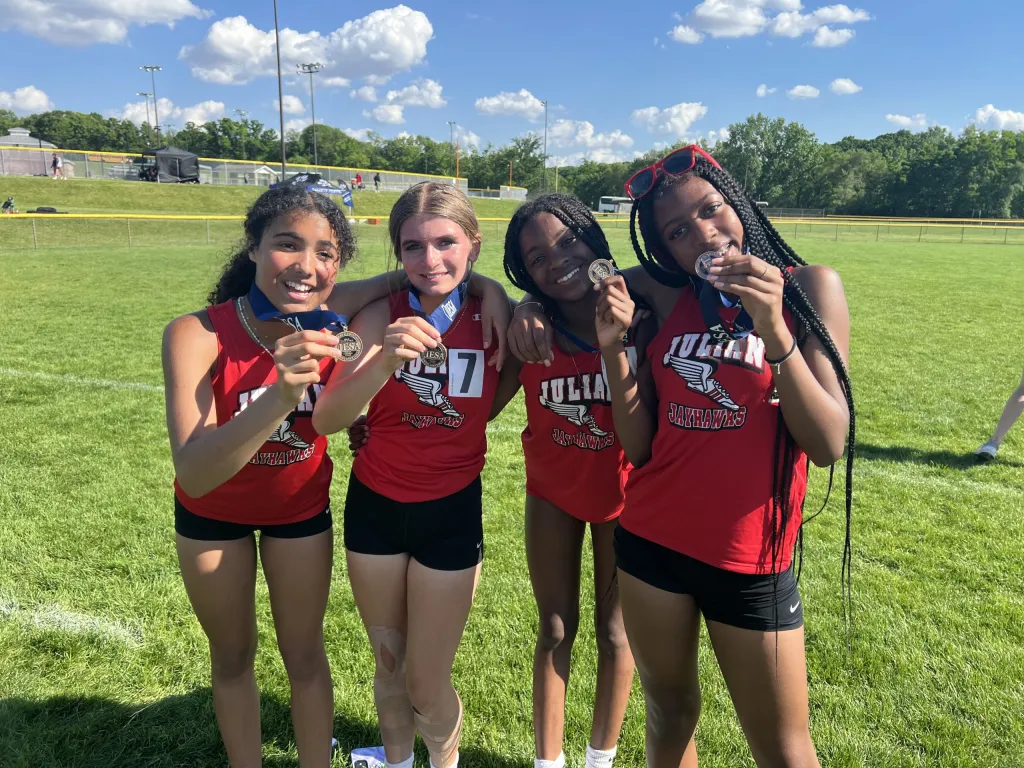
I am writing to share feedback and a proposal for how we approach middle-school athletics in our district. Currently, our middle school fields only junior varsity and varsity teams in sports like basketball and volleyball. Because there are limited roster spots, students must try out, and many who genuinely want to participate — often dozens — are turned away.
I see this as a missed opportunity for our children.
We have roughly 50 students raising their hands and saying clearly: “We want to play.” They want to move their bodies, learn new skills, build friendships, become teammates, and grow — physically, socially, and emotionally. Instead of nurturing that enthusiasm, we currently exclude many students before they’ve had a fair chance to grow into athletes.
This approach sends an inadvertent message: only the top 10–15 students — typically those who have had access to club sports or private training before middle school — are considered “worthy” of school athletics. That isn’t just limiting; it’s inequitable.
Youth sports participation is linked with a host of positive outcomes. Research shows that involvement in school-based athletics contributes to improved physical health, better mental and emotional well-being, and stronger academic performance. Team sports participation has been associated with increased self-esteem, resilience, and social skills, in addition to fostering school connectedness.
We owe it to our students — especially those who are bravely stepping onto a gym floor knowing they might fail — to offer opportunities to grow, not barriers to participate. This isn’t a resource problem — it’s a program design choice. We have the facilities and the staff. What we need is the will to expand access. Here are practical, achievable ways we can change:
Add additional teams: Instead of just a JV and Varsity squad, we could field a sixth-grade team, a seventh-grade team, and even additional JV squads. With participation numbers like ours, we could have internal leagues that give every student meaningful competition and play time.
Rotate practice times: If gym space is limited, practice schedules can be staggered so that multiple teams use the space throughout the week.
Hire or designate more coaches: If coaching capacity is the issue, we can invest in our community. There are plenty of qualified parents, teachers, and assistants eager to help.
This is not a small thing. It is a commitment to inclusivity, equity, and student well-being. If 50 girls show up ready to work — prepared to learn, compete, and grow — we cannot simply send them home to sit around. We need to meet them where they are and support their development. We have the resources. What we need now is leadership and vision.
Let’s rethink our athletic programs so they reflect our values: opportunity, development, community, and care for every child. Our students deserve nothing less.
Rachel Lada is an Oak Park resident.
Related

Rec Sports
Henkel Expands Youth Soccer Access Through Multi-Pronged Partnership with U.S. Soccer Federation
Key Takeaways
- Henkel donated $100,000 through its Dial Clean Sheet program, funding equipment and resources for 339 schools nationwide
- Henkel’s portfolio of well-known brands in North America includes all®, Purex® and Persil® laundry detergents, Snuggle® fabric softeners, Dial® soaps, Schwarzkopf® hair care, as well as Loctite®, Technomelt® and Bonderite® adhesives
- Three AYSO youth clinics hosted in fall 2025 across New Jersey, Connecticut, and Florida provided free coaching and equipment to hundreds of young athletes
- Partnership includes two community equipment drives in Pennsylvania and Florida to collect and distribute soccer gear to underserved youth
- Henkel’s multi-year commitment with U.S. Soccer focuses on increasing access through clinics, equipment distribution, and classroom support extending into 2026
Consumer goods manufacturer Henkel is leveraging its multi-year partnership with the U.S. Soccer Federation to address access barriers in youth soccer through a three-part strategy combining on-field clinics, community equipment drives, and classroom resource funding.
The Rocky Hill, Connecticut-based company, which generates close to $6.5 billion in North American sales annually across brands including Dial soap and Persil laundry detergent, is working with U.S. Soccer and the American Youth Soccer Organization (AYSO) to create what it describes as “moments of community, inclusion and opportunity” for young players.
AYSO Clinic Series Reaches Hundreds of Young Athletes
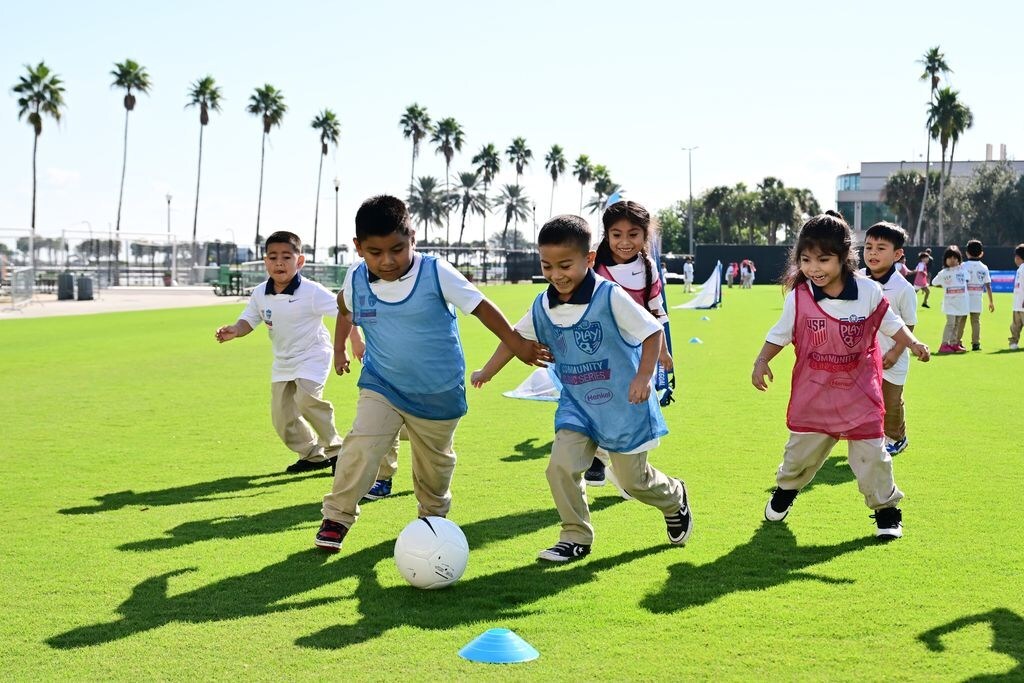
In fall 2025, Henkel hosted three free youth soccer clinics in locations tied to its corporate footprint and strategic markets. Two clinics took place near Henkel offices in Bridgewater, New Jersey, and Stamford, Connecticut, with a third hosted in Tampa, Florida. The events brought together hundreds of young athletes for coach-led drills, team activities, and mentorship sessions run by AYSO coaches and Henkel employee volunteers.
Each participant received a soccer ball, T-shirt, and gift bag containing Henkel household products including Dial soap and Persil laundry detergent for their families. The clinics welcomed children of all skill levels, focusing on building physical confidence, teamwork, and community connection.
“These clinics marked the beginning of our growing collaboration with Henkel, aimed at expanding access to the game and reaching even more children and families,” said Dan Howald, Senior Director at AYSO. The organization is one of 118 member organizations under the U.S. Soccer Federation, which serves as the governing body for soccer in the United States.
AYSO and Henkel plan to continue the clinic partnership in 2026, with the goal of making soccer “more accessible, more connected, and more fun for everyone, everywhere,” according to Howald.
Equipment Drives Target Gear Distribution Gaps
Beyond on-field programming, Henkel organized two community equipment drives to collect and redistribute soccer gear to underserved youth. The first drive took place in Chester, Pennsylvania, in partnership with Leveling the Playing Field, a nonprofit focused on equipment access. The second was held in Orlando, Florida, in collaboration with Sports 4 the Kids.
Both drives invited fans and families to donate gently used soccer equipment, including balls, cleats, and nets. The collected gear is distributed to children who lack access to necessary equipment to participate in organized soccer programs.
The equipment drive model addresses a tangible barrier to youth sports participation by creating a redistribution system for functional gear that might otherwise go unused.
Dial Clean Sheet Program Extends Impact to Classrooms
Henkel’s partnership with U.S. Soccer extends beyond the field through the Dial Clean Sheet program, which ties corporate giving to on-field performance. The program makes a donation for every “clean sheet” (a match where the winning team prevents the opposing team from scoring) recorded by a U.S. Senior National Team.
To date, Dial has donated $100,000 to DonorsChoose, a nonprofit that fulfills teachers’ requests for classroom resources. The funding has supported 339 schools across the country and provided 3,219 pieces of sports and exercise equipment, 555 items of food, clothing, and hygiene essentials, and 488 books.
The program creates a connection between professional soccer performance and youth development resources, while also encouraging fans to contribute to the DonorsChoose platform.
Corporate Strategy Connects Brand Portfolio to Soccer Growth
Jennifer Schiavone, Vice President of Corporate Communications for the Americas at Henkel, framed the partnership as an extension of the company’s community engagement strategy. “Through our partnership with U.S. Soccer, we want to create more opportunities to increase access to the sport for young athletes while providing mentorship and needed equipment and giving back to our communities,” Schiavone said.
Henkel employs approximately 8,000 people across the United States, Canada, and Puerto Rico, with North America representing 28 percent of the company’s global sales. The company’s portfolio spans consumer products (all, Purex, Persil laundry detergents, Snuggle fabric softeners, Dial soaps, Schwarzkopf hair care) and industrial adhesives (Loctite, Technomelt, Bonderite).
The partnership positions Henkel’s consumer brands alongside U.S. Soccer programming, creating visibility opportunities while funding access initiatives that align with the federation’s growth objectives.
Partnership Extends Into 2026
Henkel confirmed it will continue celebrating U.S. Soccer achievements and supporting community impact programs through 2026. The multi-year commitment suggests ongoing clinic programming, equipment drives, and the continuation of the Dial Clean Sheet donation model.
The partnership represents one approach to addressing youth soccer access challenges through a combination of direct programming (clinics), resource redistribution (equipment drives), and adjacent support (classroom funding). The model relies on corporate funding, employee volunteerism, nonprofit partnerships, and the infrastructure of U.S. Soccer’s member organizations to reach young athletes across multiple markets.
via: Henkel
About Henkel in North America
Henkel’s portfolio of well-known brands in North America includes all®, Purex® and Persil® laundry detergents, Snuggle® fabric softeners, Dial® soaps, Schwarzkopf® hair care, as well as Loctite®, Technomelt® and Bonderite® adhesives. With sales close to 6.5 billion US dollars (6 billion euros) in 2024, North America accounts for 28 percent of the company’s global sales. Henkel employs around 8,000 people across the U.S., Canada and Puerto Rico.
YSBR provides this content on an “as is” basis without any warranties, express or implied. We do not assume responsibility for the accuracy, completeness, legality, reliability, or use of the information, including any images, videos, or licenses associated with this article. For any concerns, including copyright issues or complaints, please contact YSBR directly.
About Youth Sports Business Report
Youth Sports Business Report is the largest and most trusted source for youth sports industry news, insights, and analysis covering the $54 billion youth sports market. Trusted by over 50,000 followers including industry executives, investors, youth sports parents and sports business professionals, we are the premier destination for comprehensive youth sports business intelligence.
Our core mission: Make Youth Sports Better. As the leading authority in youth sports business reporting, we deliver unparalleled coverage of sports business trends, youth athletics, and emerging opportunities across the youth sports ecosystem.
Our expert editorial team provides authoritative, in-depth reporting on key youth sports industry verticals including:
- Sports sponsorship and institutional capital (Private Equity, Venture Capital)
- Youth Sports events and tournament management
- NIL (Name, Image, Likeness) developments and compliance
- Youth sports coaching and sports recruitment strategies
- Sports technology and data analytics innovation
- Youth sports facilities development and management
- Sports content creation and digital media monetization
Whether you’re a sports industry executive, institutional investor, youth sports parent, coach, or sports business enthusiast, Youth Sports Business Report is your most reliable source for the actionable sports business insights you need to stay ahead of youth athletics trends and make informed decisions in the rapidly evolving youth sports landscape.
Join our growing community of 50,000+ industry leaders who depend on our trusted youth sports business analysis to drive success in the youth sports industry.
Stay connected with the pulse of the youth sports business – where industry expertise meets actionable intelligence.
Sign up for the biggest newsletter in Youth Sports – Youth Sports HQ – The best youth sports newsletter in the industry
Follow us on LinkedIn
Follow Youth Sports Business Report Founder Cameron Korab on LinkedIn
Are you a brand looking to tap into the world’s most passionate fanbase… youth sports?
Introducing Play Up Partners, a leading youth sports marketing agency connecting brands with the power of youth sports. We specialize in youth sports sponsorships, partnerships, and activations that drive measurable results.
About Play Up Partners
Play Up Partners is a leading youth sports marketing agency connecting brands with the power of youth sports. We specialize in youth sports sponsorships, partnerships, and activations that drive measurable results.
Why Sponsor Youth Sports?
Youth sports represents one of the most engaged and passionate audiences in sports marketing. With over 70 million young athletes and their families participating annually, the youth sports industry offers brands unparalleled access to motivated communities with strong purchasing power and loyalty.
What Does Play Up Partners Do?
We’ve done the heavy lifting to untangle the complex youth sports landscape so our brand partners can engage with clarity, confidence, and impact. Our vetted network of accredited youth sports organizations (from local leagues to national tournaments and operators) allows us to create flexible, scalable programs that evolve with the market.
Our Approach
Every partnership we build is rooted in authenticity and value creation. We don’t just broker deals. We craft youth sports marketing strategies that:
- Deliver measurable ROI for brand partners
- Create meaningful experiences for athletes and families
- Elevate the youth sports ecosystem
Our Vision
We’re positioning youth sports as the most desirable and effective platform in sports marketing. Our mission is simple: MAKE YOUTH SPORTS BETTER for athletes, families, organizations, and brand partners.
Common Questions About Youth Sports Marketing
Where can I sponsor youth sports? How do I activate in youth sports? What is the ROI of youth sports marketing? How much does youth sports sponsorship cost?
We have answers. Reach out to info@playuppartners.com to learn how Play Up Partners can help your brand navigate the youth sports landscape.
Youth sports organizations: Interested in partnership opportunities? Reach out to learn about our accreditation process.


The call for designs, launched in September 2025, attracted submissions from 103 countries, highlighting strong international interest in Dakar 2026, with designers from India, Senegal, Brazil, Mexico and France submitting the highest number of entries. As well as seeing her design awarded to athletes at the YOG, Barbadillo Vicario will be invited to attend Dakar 2026.
The designs were evaluated by a jury featuring International Olympic Committee (IOC) Dakar 2026 Coordination Commission Chair Humphrey Kayange OLY; Gangwon 2024 medal design competition winner Dante Akira Uwai; Olympian artist Annabel Eyres OLY; IOC Young Leaders Peniamina Percival OLY and Pragnya Mohan; IOC Young Reporters Yun Su Park and Yann Durand; and Dakar 2026 ambassador Elzo Jamdong. Coordination Commission Chair Kayange presented the jury’s recommendation to the IOC Executive Board last week.
The runner-up was Agisilaos Kyriazis from Greece, with the design entitled “The Sun of Values”, while third place went to Elizuba Joe Abraham from India for “The Celebration of Triumph”.
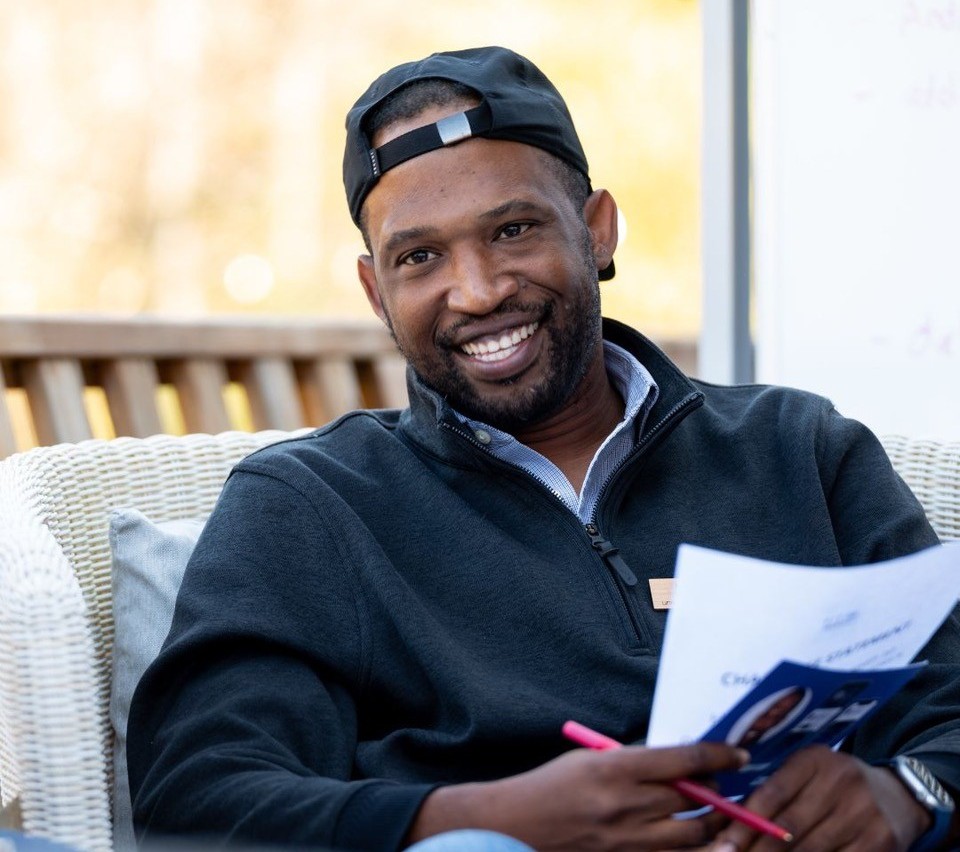
Haniff Brown likes to say that some years feel slow, and others feel like they happen in a week. This has been one of those weeks-that-feel-like-years phases for FIT:MATCH.ai. When sat down for an interview with Refresh Miami, Brown joked about fighting off a cold amidst the Art Week madness, but his energy gave away what was really going on: the company has stepped into a faster phase of growth.
That shift arrived with QuadraScan, a technology Brown described as a clear turning point. With nothing more than four standard photos taken on any device, FIT:MATCH can now generate a hyperrealistic digital twin in seconds. The magic happens inside a giant neural network running on high-powered NVIDIA chips. It’s the kind of leap that once required expensive hardware and controlled environments. Now it works from a kid’s Android phone or a patient’s living room.

It also meant rebuilding FIT:MATCH from the inside out. The team had to rework their full infrastructure so this process could run fast enough for real clients in healthcare, sports, and retail. But the payoff has been immediate. Through computer vision landmarks, the system instantly extracts more than 40 body data points, then layers in estimates on lean mass, fat mass, and bone metrics.
The first time he explained it, Brown paused and summed it up in a single line: “Our goal is to generate what we call the ChatGPT of the human body.”
That idea helps explain why the company’s growth has jumped sharply. Brown said FIT:MATCH has expanded its client base by roughly 300% in the past year, driven almost entirely by this new model. Sports teams now use it to scout kids as young as 13. A baseball scout no longer has to guess whether a young pitcher will top out at five-nine or grow into a six-two frame. The tech gives them a projection backed by data. Major League Soccer is next in line, with Brown traveling to Atlanta and Arizona for upcoming work with youth development programs.

Retail buyers have also leaned in. Instead of asking whether someone should order a medium shirt online, FIT:MATCH helps designers understand what a medium should even be. Brands have long relied on rigid avatar libraries in their 3D design tools. FIT:MATCH now gives them flexible, population-level inputs in minutes, not weeks. Cost drops. Accuracy rises. And shoppers get clothing that actually fits.
Healthcare, though, might be where the biggest shift happens. FIT:MATCH is used by GLP-1 programs, bariatric groups, and plastic surgeons to monitor patients from home. One Miami surgeon, known for a large out-of-state clientele, now has a clear read on patients long after they’ve flown home. Brown pulled up before-and-after images of real cases. With four photos, the model measures changes with precision; every change in fat distribution or muscle tone is quantified.
The health side is also where Brown’s own vision seems to be headed. “I actually think this can help save lives,” he said. One hospital partner is using it to monitor certain neuro conditions from home, where early detection can change outcomes. What began as a tool aimed at improving shopping has turned into a platform with medical value.
All of this has pushed the team to around 30 employees, with a growing South Florida presence. FIT:MATCH also raised an extension to its Series A to support expansion into sports science and digital health. Brown expects another raise within the next year. To date, the company has secured $18 million.
“I like to tell people that the worst version of the model is the one being used today,” Brown asserted. If that’s true, the next versions could open a much bigger window into how our bodies work.

READ MORE IN REFRESH MIAMI:

I am a Miami-based technology researcher and writer with a passion for sharing stories about the South Florida tech ecosystem. I particularly enjoy learning about GovTech startups, cutting-edge applications of artificial intelligence, and innovators that leverage technology to transform society for the better. Always open for pitches via Twitter @rileywk or www.RileyKaminer.com.

Three Clarkson Volleyball Players Named to CSC Academic All-District List

Downtown Athletic Club of Hawaiʻi gives $300K to Boost the ’Bows NIL fund

Economic Liberties Senior Fellow Katherine Van Dyck to Testify Before US House Committee on How Private Equity is Gutting Youth Sports

Watsonville Fire Chief Rudy López to step down | The Pajaronian

A new approach to middle-school athletics

Henkel Expands Youth Soccer Access Through Multi-Pronged Partnership with U.S. Soccer Federation

Three Tennessee Volleyball Players Earn CSC Academic All-District Honors

Winning medal design revealed for Dakar 2026 Youth Olympic Games

New college football program emerges as landing spot for Dylan Raiola

Volleyball Lands Three on CSC Academic All-District List

Hamlin Blasts McReynolds, SiriusXM Over Unfair Pre-Trial Coverage

The Bowerman presentation next stage for Jordan Anthony

Indianapolis volleyball coach in viral video charged after allegedly sexting person posing as 14-year-old boy

Arby’s Doubles Down on NASCAR with JR Motorsports Partnership

What happens when a digital twin grows up? FIT:MATCH’s leap into sports and health

First Tee Winter Registration is open

Fargo girl, 13, dies after collapsing during school basketball game – Grand Forks Herald

CPG Brands Like Allegra Are Betting on F1 for the First Time

F1 Las Vegas: Verstappen win, Norris and Piastri DQ tighten 2025 title fight

Volleyball Recaps – November 18

Two Pro Volleyball Leagues Serve Up Plans for Minnesota Teams

Sycamores unveil 2026 track and field schedule

Utah State Announces 2025-26 Indoor Track & Field Schedule

Redemption Means First Pro Stock World Championship for Dallas Glenn

Jo Shimoda Undergoes Back Surgery

Texas volleyball vs Kentucky game score: Live SEC tournament updates

Bowl Projections: ESPN predicts 12-team College Football Playoff bracket, full bowl slate after Week 14

SoundGear Named Entitlement Sponsor of Spears CARS Tour Southwest Opener

How this startup (and a KC sports icon) turned young players into card-carrying legends overnight

Robert “Bobby” Lewis Hardin, 56

 NBA Legend Michael Jordan to Join NBC Sports as Special Contributor
 Why a rising mid-major power with an NCAA Tournament team opted out of revenue-sharing — and advertised it
 Falcons mailbag
 Portal Update – Basketball and Gymnastics Take Hits
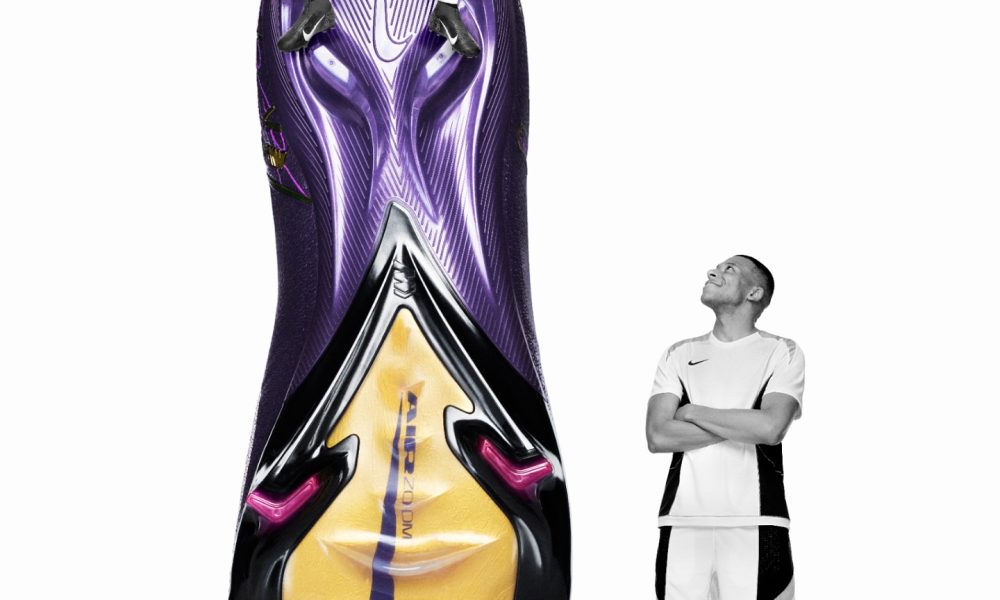 has always dreamed in Mercurial. Now his initials are on the boots.
The new Kyl…
has always dreamed in Mercurial. Now his initials are on the boots.
The new Kyl…
-
 Motorsports3 weeks ago
Redemption Means First Pro Stock World Championship for Dallas Glenn
-
 Motorsports3 weeks ago
Jo Shimoda Undergoes Back Surgery
-
 NIL2 weeks ago
Bowl Projections: ESPN predicts 12-team College Football Playoff bracket, full bowl slate after Week 14
-
 Motorsports6 days ago
SoundGear Named Entitlement Sponsor of Spears CARS Tour Southwest Opener
-
 Rec Sports3 weeks ago
How this startup (and a KC sports icon) turned young players into card-carrying legends overnight
-
 Rec Sports2 weeks ago
Robert “Bobby” Lewis Hardin, 56
-
Sports2 weeks ago
Wisconsin volleyball sweeps Minnesota with ease in ranked rivalry win
-

 NIL3 weeks ago
Indiana’s rapid ascent and its impact across college football
-

 Motorsports3 weeks ago
Pohlman admits ‘there might be some spats’ as he pushes to get Kyle Busch winning again
-

 Motorsports3 weeks ago
Increased Purses, 19 Different Tracks Highlight 2026 Great Lakes Super Sprints Schedule – Speedway Digest