
NIL
Kentucky AD explains NIL, JMI partnership and cap rules

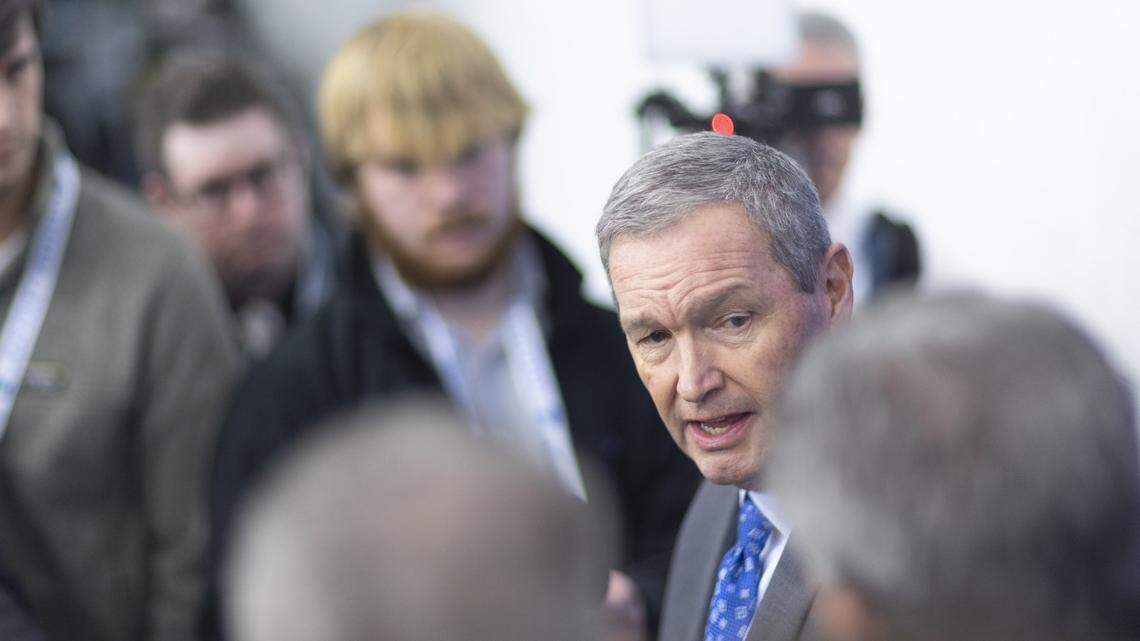
Recent claims that JMI Sports is prohibiting University of Kentucky athletes from entering into NIL deals with competitors to the school’s corporate partners are false, according to athletic director Mitch Barnhart.
Yes, as part of the agreements signed by UK athletes for revenue-sharing payments from the school, athletes are prohibited from using university logos, facilities and other trademarks in any endorsements for businesses that are not affiliated with JMI and UK. However, athletes are still permitted to sign their own endorsement deals with other companies as long as they do not wear UK gear in the advertisements, UK athletic director Mitch Barnhart told the Herald-Leader in a one-on-one interview Tuesday.
JMI’s role in UK’s NIL setup has come under fire in recent weeks, sparked in large part by a story from Kentucky Sports Radio that cited anonymous sources who attributed the men’s basketball program’s failure to sign any 2026 high school recruits so far at least in part to JMI limiting UK athletes to deals with its existing advertising partners.
UK announced in August that JMI, its multimedia marketing rights partner since 2014, was taking over NIL operations previously managed by collectives outside the athletic department in the form of a fan subscription service called BBNUnited as part of an extension to its partnership that would run through 2040.
Comparing JMI’s role to the previous function of the outside collectives is not simple due to a series of rule changes brought about by the NCAA’s House settlement, which went into effect July 1. Now, schools are allowed to distribute up to $20.5 million directly to athletes, but NIL contracts must be approved by a third-party clearinghouse called NIL Go, which ensures the deals are for legitimate business purposes and are for fair market value. Prior to the House settlement, NIL collectives across the country had essentially operated as pay-for-play entities which guaranteed top athletes massive contracts in exchange for little-to-no actual endorsement activities.
Barnhart was on the NCAA committee tasked with implementing the specifics of the House settlement and has insisted that UK will operate within those guidelines, even as other schools have pushed back against the restrictions and some pundits have speculated those restrictions will not stand up to future legal challenges without federal legislation codifying them.
Barnhart appeared on the Wildcat basketball pregame show Saturday to respond to some of the criticism of UK’s NIL setup and the JMI deal. In a 30-minute interview with the Herald-Leader three days later, he addressed JMI’s role in negotiating athlete NIL deals, the department’s secrecy about its revenue-sharing split, whether the men’s basketball program needs a general manager, rumors he is considering retiring next year and more.
You can read an excerpt from the Q&A below. Questions have been slightly edited for clarity and brevity.
HL: Not every conference has agreed to this College Sports Commission’s enforcement agreement, so it feels like people are operating by different sets of rules right now. How do you approach that in this NIL space at the moment?
Barnhart: “I think that there’s about three or four different avenues of things going on, conversations going on, which I think are confusing to people. One, you have the conversation, what was done prior to July 1. Then you have the post-July 1 and the beginning of the College Sports Commission and NIL Go and the cap space. All of those things have come together. Different schools have got more room in their cap space based upon all of those factors. And so I think that’s where the confusion lies on a lot of people’s parts. The participation agreement would ensure that everyone is agreeing to the principles of the College Sports Commission.
“I was on a call today and felt like progress has been made. I think everybody wants to get there. There’s some state laws and some legalese that has slowed that progress. There is, I would say, hope that something will happen after the first of the year, and then we’ll get to bring that all together. Until it does that, there are rules that I think everyone can agree to, and there’s a process for those rules that they have to go through the court, and they also have to go through a couple of attorney generals. And have a 30-day period that they have to go before the plaintiffs (in the House settlement) and the 30-day period before the attorney generals before all those can be implemented. Some of those have been implemented, and we could all agree on those. Others are sort of working their way through the process. The combination of the participation agreement, getting some of those rules vetted and getting them on the books has — probably the word would be clunky — made it a little bit clunky here at the beginning of everything.
“But, I think that progress is being made, and I think people care, and they’re trying to stay within guardrails to move it down the path. But again, when you hear conversations publicly about different people doing different things, it gets confusing, and for many frustrating. That’s where I think it’s hard for a fan to sit here and say, ‘Well, why they get to do that and we don’t?’ or ‘They’re doing something completely different than we’re doing it.’ And so I think we’re trying to be steady in our approach. We think that we’re within the guardrails of what they’ve given us, and we think we’ve got a good plan. We’re just going to keep working at it from that perspective.”
HL: Of the schools who have kept their NIL collectives outside the department, do you feel like there are people still operating in the pre-July 1 landscape?
Barnhart: “No, I think everybody’s trying to get to the spot where everyone’s working through the NILGo system. We’ve all agreed that that’s where we’re going to head. And I mean, deals are going through there, and all schools are putting their deals in there. We’ve had, again, several hundred deals go through, and we’re well into seven figures of deals that have been approved for our student-athletes. Other places are doing the same thing. … Obviously getting the NILGo was very difficult, to get that up and running. That was a major undertaking, and so to get to the rhythm of how that works has not been easy for everybody. I mean, that is a complete transition in how that works. And I think that people are getting into the rhythm of how that works and how they’re able now to activate sponsorships and activate deliverables for people. And is it within the range of compensation, and is there a valid business purpose to it? I think that is the thing that has made it. I would say one of the better parts: Is there valid business purpose to what is being done? And then it gives it some direction. So, I think we’re making progress there. And feel that obviously, as the College Sports Commission gets their staff up and running and they get more people involved in their staffing … that will be certainly helpful.”
HL: Are the numbers you cited at the October Champions Blue meeting ($3,000 average per NILGo-approved deal with a maximum around $50,000) still accurate for UK athletes?
Barnhart: “Yeah, I think we’re trending in the same way. I think that some of our student-athletes are certainly starting to think, ‘Hey, there’s some things that we can do, and there’s value there.’ As you’ve watched our volleyball team play, their visibility and their notoriety in our community has certainly expanded. And that’s expanded their reach, and you’ve seen that. You can call it ‘hot market,’ whatever you want to call it. I think there’s value in that, and we want to help them maximize that. I think we’ve got opportunities to do that at a really high level, and our people are excited about that. It’s pretty cool to watch it all transpire, to be honest with you. I enjoy watching our young people have success at that.”
HL: As we talk about the JMI part of this, what do you view as the advantages of this setup?
Barnhart: “First off, JMI has got over 200 partners, so we come with a ready war chest of people that are ready to access, have never had access before to have our student-athletes work with them. So, we got 200 people that are involved at JMI. They’ve got a sales force that is fully ready to go to help. They are activating dollars that are above our advertising revenues for those young people, and they’re ready to put those in place for those that have a fit. And you have to have the right fit and all of that. … So, it’s got to be right person, right company, and you put those in the right fit. But I think that the beauty of having a qualified, active sales force with 200 partners that are very, very interested in your program, and with student-athletes that have success and that are very marketable — I think the thing that people lose sight of is we’ve got a really wonderful set of student-athletes that you might want to align yourself with. And I think it’s a really cool thing.
“And so, I think that’s where JMI — they’re experts in their field. They have done everything from national deals to hot-market deals to local deals and everything in between. So they’ve shown they can do all those things. For athletes that have been here, they see that a little more clearly than people that are coming in new, especially from people outside the Kentucky market. There’s an education process. We’re working our way through all that, but, I mean, make no mistake about it, there’s no one that can come in with that kind of bandwidth from the outside. Just saying, ‘Hey, we’ve got a group of people that we’re gonna market ourselves to. Who’s gonna sell us, for us?’ (And JMI says), ‘Well, we do. We’re gonna go do that. We’re gonna make the match, and we’re gonna work at it pretty hard.’ And we’ve got, again, a very dedicated sales team, who, by the way, is doing an average of $35 to $40 million a year in revenues for their network in and of itself. So, they’re experts at doing that. It’s not like this is just, ‘Hey, we think that we’re going to try this sales thing for the first time.’ They’re experts at it.”
HL: When an athlete accepts revenue sharing money from UK, do they automatically get tied into the JMI deal, or do they opt into that separately?
Barnhart: “There’s some things that they’re opting into. OK, there’s some things they opt into, and obviously that’s a part of that process. And then there’s some things that we say, ‘Hey, does this fit you? Does this fit you? Do you want us to go out and find you (a deal)? Is there some things that make sense in a marketing piece, a partnership piece, so to speak, or a sponsorship piece?’ And if it doesn’t, you’ve got your own thing; you’re not prohibited from doing your own thing. We’ve shown that on many cases with student-athletes in our program. We’ve got student-athletes in our program that have got deals that are outside our partners, that they’ve gone and had an opportunity to go access and do those themselves. They just can’t use our IP marks in that process. Part of the ability to use the Kentucky marks, which we think is super valuable, is that relationship with JMI. So yes, that is part of that process. But to go do your own thing, you can certainly do that. That happens all the time on the pro sports scene. You see high-, high-level, elite-level professional athletes that go do an ad, and they do not use the marks of the team that they’re with in any way, shape or form. They may use the same colors, and you see that. You go, OK, I get it, the alignment. You know who it is, and the company’s saying, ‘We’re good, but we just don’t need to pay for the marks.’ OK, fine, then you can go do that, and you’re perfectly capable of doing that.”
HL: Say a company who is a competitor of one of your partnerships approaches an athlete, what is the process for them? Does JMI then go to your partner and say, ‘Here’s the deal?’
Barnhart: “The logistics, so generally the student-athlete or the representative is coming to us and saying, ‘Hey, we’ve got this deal we’d like to (do).’ OK, fine, that’s OK. We’d certainly prefer that you give our partners a chance first, and if that’s something that doesn’t work for you and you still want to go do this, then that is OK. You just can’t use the marks.”
HL: How is that different than before July 1, because the original NIL executive order from the governor said you could deny deals that were in competition with your partners? Was that an issue before?
Barnhart: “I don’t know that it was an issue beforehand. I just don’t think it was really clear. I don’t think it was really clear. The goal, clearly, is we’ve got some wonderful people that are aligned with the University of Kentucky. These people have given incredible resources to our program, and our hope — and our goal — would certainly be to align our young people with our partners. That makes all the sense in the world. Sometimes that’s not the way it works. I don’t want to lose sight of the fact that there are friendships. I can use Trent Noah as an example. Trent has got relationships from his hometown, areas that he wants to respect. Got it. Want him to be able to do those things, if that’s important to him, and it is. It’s important to him. We’ve got young people that have come with deals already from their days in high school, that they’ve come to our program with things that are already in place. OK, then we’ve made provisions for that and worked through that. It’s a conversation. JMI has been really good about working through each of those scenarios. It’s not always just super, super easy, ‘Hey, we’ll just sort of work our way through it,’ but we work our way through it and we get there. And they’ve been at the table with our coaches and with our athletic department representatives and the student-athletes and their representatives. So it’s been OK.”
HL: Have you had any athletes that were denied a deal because it was with a competitor?
Barnhart: “Not that I’m aware of.”
HL: Outside collectives were taking a percentage of the money they raised. What percentage does JMI take?
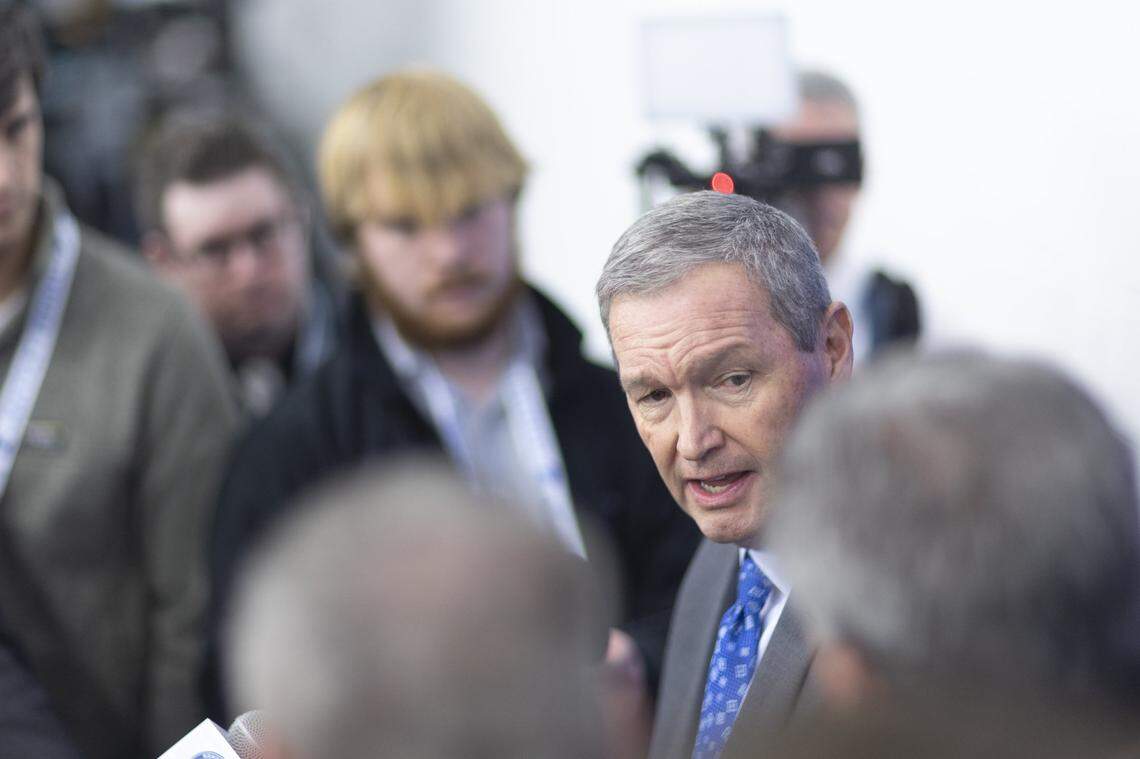
Barnhart: “JMI doesn’t take any percentage. No, there’s no fee. There’s no fee. We’re fee-free.”
HL: In the last week fans have raised concerns about relationships between your staff and the staff at JMI. Do you think those are a conflict of interest?
Barnhart: “It’s never been an issue once. We’ve had long-standing relationships at this university with a lot of people that get really, really close. Jim Host, Tom Stulz, Paul Archey — it’s a really cool family, and I think that’s what makes it special, not a conflict. If it was a conflict, I wonder how our revenues and everything that we’ve worked so hard to grow have grown at such an amazing pace? We got one of the top-five deals in the country, and to have an opportunity to work with that group in a long-standing relationship is really cool. It is really cool.
“Host was with us 30-plus years, and everyone was thankful for that, right? We’ve been with JMI 11 years now. Signed on for another six, which puts it 15 out, which gives you a 25-year deal. So, it’s been a little bit misrepresented as a 25-year deal. It’s not. It’s another 15. So, we get to that spot, we’ve got relationships and people that have got relationships from that sales staff in our community at a high, high level. That makes this thing special. The fact that I’ve got people on my staff and there’s people in this community, somewhere along the way there’s going to be connections, all right? And I do believe that we’ve kept those conversations as apart as we possibly could.
“There’s not one day that we go and say, ‘Hey, if we do this, we can connect dots.’ We haven’t done that. I feel very comfortable that the relationship we’ve got with, initially host, then IMG, then JMI, those relationships have been things that have continued because Kentucky is a special place and people want to work with us. We want to have long-term relationships with people that care about this place.”
HL: What role does JMI play in the facilities plans since they’re giving those briefings at the monthly Champions Blue meetings? Are they making those decisions?
Barnhart: “No, no. Erik Judson, in his previous days he did a lot of work with the Padres and the stadium and the multi-use district down there. He’s done that at other places all across the country. Erik’s got an expertise in that. He’s very well connected to the sports architecture world. So, using the connections that he has — and we’ve got our own, because we’ve done a lot of that with some of the very same people — making sure that we’re trying to find really cool connections and conversations to see what are the possibilities here. We got to find a way to expand our buckets of revenue. We’ve got five buckets. If you look at the five buckets, they’re really well-defined. It’s tickets, it’s fundraising, it’s major contracts. It is our concessions and souvenirs business, which is not massively big. And then our conference revenue sharing. Those are the five, and they haven’t changed for decades. It’s been the same five for decades. So what has to change going forward? We’ve got to find some new revenue streams that are bringing us some steady flows of money, that may be outside the normal of athletics. Maybe it’s an events operation that brings in more events that you might be familiar with, whether it’s another concert or two. Or maybe it’s some other things that we’re bringing to us that we have a chance to access more revenues. Maybe it’s that multi-use district where there’s money that comes off an alignment to our stadiums or to our facilities and those kind of things. There’s a lot of pieces that we’re looking to try and find new ways that doesn’t end up being on the backs of our fans. That it ends up being something that is sort of an add-on to our program. It gives us a chance to say, hey, this is how we grow a little bit without an arms race in the ticket pricing world or having to go raise more money, and those kind of things where it’s very difficult. That has become more difficult as years have gone by.”
HL: So we’ve talked a lot about the NIL part of this, but the revenue sharing is the other half of it. Obviously, you all are not alone in keeping those numbers close to the vest. What is the reason for the secrecy there, and do you think some of this speculation could be ended by just sharing the numbers?
Barnhart: “No, I think, to be honest with you, it’s not so much secrecy. It’s just flexibility. We want the flexibility to be able to work. I think there’s two pieces to it. You want to keep the rev share and the NIL conversation separate, because they are separate. I think people have confused those. ‘Hey, I’ve got a $30 million NIL.’ Really, $30 million in NIL? That’s fascinating to me, how you’re going to pick up 30 million in NIL. So, it’s probably so much in rev share and so much in NIL, because knowing what we know about the marketplace, there’s not a lot of places out there that are putting together $30 million in NIL, in straight NIL. OK, so that’s No. 1.
“No. 2, the ability to be flexible and move that back and forth and say, maybe we’re recruiting a player for a sport that is more marketable publicly, we can go to them and say, ‘Hey, we think you’re better served over (here). We’re going to guarantee this in the rev-share piece, but over here in the NIL space, we’re going to do a different kind over here. That’s going to be different. OK, we’re going to do that differently.’ Or maybe that there’s a year where basketball and football are different in terms of their needs. I’m paraphrasing; maybe you need a certain position in football that requires more assets, so you do that differently. And in basketball, you’re not in that same spot this year.
“If you’re both in the same spot, then we got a conversation we got to have, and we got to make sure that we’re aligned in all that. So to sit here and put us in a box on both sports and say, this is the box, I have both coaches going, ‘OK, I’ve got my box. How do I either get out of my box or how do I get more in my box?’ I want to make sure we’re thoughtful about that. I think it gives us the best flexibility in terms of recruiting and who we’re recruiting, how we’re recruiting, what they bring to the table. And gives us a chance to be super, super thoughtful about what we’re doing. It’s not trying to be cloak and dagger. That’s not the issue. I mean, not a lot of folks are giving their numbers out anyway, but at the end of the day, I think it does give us the best flexibility for our program. And then a little bit, it protects our student-athletes. Everybody wants the big number, what’s the number? What I don’t want to do is get it down where each kid, each of our young people, is going, ‘OK, well, they’ve pegged that person for that.’ I don’t want to do that for those young people.”
HL: So obviously, you all are in a unique situation where you have a profitable men’s basketball program and a profitable football program, which is not the case in a lot of places. But it’s also in this revenue-sharing conversation more difficult, because the perception outside at least is because basketball will get more here than at other places — because they make money here — that football will get less than at other places in the league. How do you handle that?
Barnhart: “Yeah, I think that’s the balancing act that we’ve worked really hard at. I think that prior to July 1, everyone was pleased, happy. Fascinated that we had both rosters, and everybody loved both our rosters. Going forward because of the way, pre-July 1 and post-July 1, look, it’s going to become more difficult for everyone. Not just a Kentucky. It’s going to be difficult for everyone. And if you don’t have a football program and you’ve got rev share that looks a little bit different, maybe the schools that are non-football playing schools, it looks a little different for them. And it can be different for them. So, it’s a dance, and we’re working our way through it. I’m thankful I’ve got two coaches that clearly understand. They’ve been great working with both of them, and so we’re just working our way through it. I think to the fan base, that’s the beauty of Kentucky basketball, is that the name, image, likeness, opportunities for Kentucky basketball are significant. If we’re working very closely, we use the strength of that brand to work for the betterment of our entire department. Not just football, not just basketball, but for our entire department. If we do that well, and we can get football where we want it to be, it builds the brand in total for everybody. And then baseball and women’s basketball and a volleyball program that is deserving, they all win, and we have a chance to raise the tide of all the boats, so to speak.”
HL: Because so much of the current academic year was funded pre-July 1, is this year’s revenue sharing budget mostly going towards funding the next group of transfers or incoming recruits?
Barnhart: “So, the problem you’ve got a little bit is because on one you got a fiscal-year budget, an academic-year budget, whatever you want to call it, and then you’ve got an athletic-year budget. So football sort of runs January to December, and basketball sort of runs July 1 to June 30. And so there are two different sort of years, and we’re trying to match those together. And so, we’ve got more cap space. We’re trying to fill our cap space, trying to make sure we’re maximizing our cap space really, really well. Again, it’s just being flexible and making sure that we’re being thoughtful about how we use our dollars. You’ve got to have a group of young people in football that are going out of your program on December 31, and a new group, some of them will be coming in in January, and some of them won’t come till June or July. We get that, and we have to figure out how that plays out. But a lot depends on how many people you bring in January and how many people are staying from your program, carrying over from this year’s roster. So, the retention, new freshmen, new junior college that come in January, and then that group that would come in July is football. Basketball would start again, sort of July 1 in that zone, and then play out until the next year.”
HL: Will Stein hired a general manager. There’s been a lot of talk about that in basketball. I know two weeks ago you said that we get too hung up on the titles, which I understand, but do you think the basketball program needs someone in that role, whatever you want to call it?
Barnhart: “I think that it’s really important that we’re flexible, again. I like the word flexibility. You’re gonna think ‘Mitch, you’re using that word too much.’ I’m not. I do believe that giving Mark (Pope) the flexibility of how he wants to operate is really, really important. There are both cases on both sides, where I’ve seen people that have said, ‘Hey, if I had to do it over again, I wouldn’t do it. I wouldn’t have a general manager because there’s too much separation.’ Other people want the separation. I think it depends on the personality of the coach, their ability to assess talent and their ability to have those conversations. Do they like that? Is it something comfortable for them? Uncomfortable for them? All of those pieces. Our talent assessment (in basketball) was fine until we lost a couple games, and then everybody started wondering about our talent assessment, correct, right? So that’s amazing to me, how that works.
“All of a sudden, now we win a few games — if we win a few games — the talent assessment was fine. OK, so let’s get real. So if that’s where Mark wants to be, and he thinks that’s something that fits him… it can change. Just because you’re in one spot doesn’t mean you can’t say, ‘Hey, you know what? I think maybe I could use a little help there, or maybe I’d like to change it up a little bit and do something a little bit different.’ OK, then let’s do that. We do have the ability to adjust. I think there’s a couple of really well-known coaches out there right now that are talking about how they built their programs, and they talked about adaptability and adjusting and being able to do something different.
“OK, so what was working today may not work tomorrow. What’s not working today may work tomorrow. So, we’ve got to be able to adjust. I think people get hung up that all of a sudden once you make a decision one time, you can never change again. That’s not what this is about. The beauty of sports is the ability to adapt and to adjust and to change. The one thing I think we’ve hired here are some really, really bright people, really smart people. And they do understand how to adjust to what’s going on and to change. Will (Stein) wanted a general manager when he came in, wanted to do that. I think for a young head coach, probably important too. He’s got a lot on his plate. Hiring a new staff, trying to come in and get a program up and running. Could use some help that area. Probably a pretty smart decision. Mark Pope has been a head coach a while, and how he determines what he wants to do going forward, clearly, that’s his call. I’m going to lean into him, and we’ll have those conversations. But right now, the focus is just trying to find a way to get better every day on the basketball court and win some games and represent Kentucky.”
HL: There’s been a lot of speculation too, about your own future. Obviously, there’s the date in your contract for next summer when you can transition to the ambassador role. You’re approaching the time you’d have to give notice for that. Have you made a decision on that?
Barnhart: “Two things. I love competing. You know that. You know I love this place with all my heart. We came here in 2002 and planned on saying six to eight years and stayed a lot longer. I know there’s people that get frustrated because I’ve been here a long time, and that’s OK. I sense that. An old boss of mine told me one time, every time you make a 50-50 decision, you lose 50% of your friends. He’s probably not wrong, but we love Kentucky. I get up invigorated about what we’re doing at work. I love watching our kids compete. When that day comes — and don’t know — I’ll sit down with my family, and we’ll talk and determine what’s best for our family and for me, but most importantly, what’s best for Kentucky. I’ve got a couple, two-and-a-half years left on my contract. The ambassador clause is out there. It can go anytime after December 31, and if that’s something that’s best for this university, then we’ll have that conversation. If it’s something that we want to continue to work at it, I would like to win some more things. I like winning. The volleyball run has been a blast. I’d like to win at some more things and see what we got. And I love our coaches. We’ve got good people and fun to work with.”
HL: Has navigating the last two years, with everything you’ve had to do, changed your thinking on that one way or the other?
Barnhart: “The focus certainly has changed. I can say when I first started as an AD, you spent 75% of your time worrying about competition, 25% worried about the other stuff. I would argue it’s flipped. It’s flipped. You spend a great majority of your time worrying about the enterprise of sport and how we sustain it. Maybe on percentages I’m wrong, so hear me out. I just say it has changed. So don’t hold me to the percentage, OK, but I’d say it has changed. It has changed a little bit, where you’re spending a great deal of time in the nuances of the day-to-day. One thing I used to love doing was meeting all the recruits. I love to meet the recruits and their families, and you still do that, but, boy, it’s harder. It’s harder to meet a lot of them. The personal touches have changed a little bit — some of the things you used to do — because it’s so transient. When 35%-40% of your student-athletes are brand new to your program every year, all of a sudden, just getting to know everybody has changed a little bit. So it’s changed, but I still love competing. You still get that feeling when you come out and get ready to start a game, whatever that game is. I think the day that … changes a little bit is probably the day that it’s probably time for someone else to do that.”
This story was originally published December 17, 2025 at 5:00 AM.
Jon Hale
Lexington Herald-Leader

In today’s day and age of college football, the landscape of the sport has dramatically changed.
Now, instead of loyalty, coaches are forced to battle against the tampering of their best players in order to keep them from entering the portal for a big pay day.
And, as has been seen with USC and Texas A&M, players are also now announcing contract extensions to simply forgo that portal temptation, and stay with the school they are currently playing for.
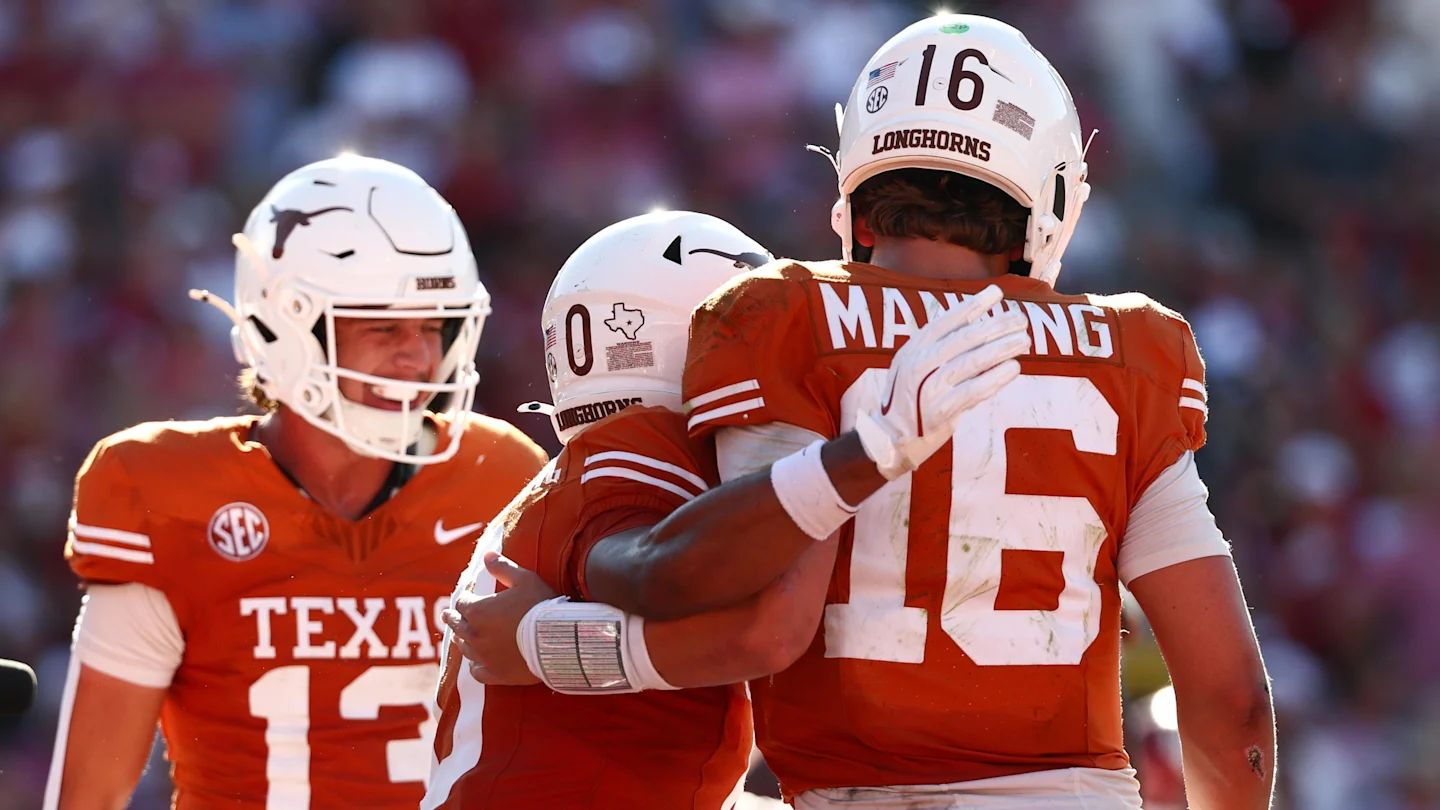
Fortunately – and refreshingly – Texas Longhorns quarterback Arch Manning is taking a different approach.
According to reports from Inside Texas reporter Justin Wells, Manning is set to take a reduced payment from the Longhorns’ 2026 revenue-sharing pool in order to free up money to help his team both retain its own star players, as well as attack the transfer portal to improve the roster for a 2026 championship run.
A Tom Brady-Like Approach From Arch Manning

This move is eerily reminiscent of former NFL superstar Tom Brady, who was famous for taking pay cuts throughout his career in order to help his team acquire players in free agency in hopes of winning a championship.
Dallas Mavericks superstar Dirk Nowitzki also took a similar approach during his time in the NBA, helping Mark Cuban to add firepower to the roster by taking a massive pay cut.
The only difference is that this is college football, and in an era of a ‘look at me and my bank account’ mentality from the vast majority of college football, Manning’s selfless approach is a sight for sore eyes.
Manning Selfless Despite Elite Season
This is especially true considering the fact that Manning deservedly earned a major pay raise in his first season as the starter, completing 227 of 370 passes for 2,942 yards and 24 touchdowns with seven interceptions. He also rushed for 244 yards and led the Longhorns with eight rushing touchdowns, and had a receiving touchdown, accounting for 33 total scores for the season.
And, he was able to do all of that behind a leaky offensive line that ranked 67th in the country in pass blocking grade per PFF, while allowing 159 total pressures and 22 sacks – numbers that could have been much higher if Manning did not have such elite pocket presence and escapability. Not to mention, the offense being encumbered by the worst rushing attack the school had since 1944.
But instead of using that as leverage, like so many other players in the sport, Manning is giving Texas the Brady treatment – allowing them more money to dedicate towards NIL in the transfer portal in hopes of bringing in help to fix the team’s issues up front on the offensive line and in the running game, with potentially multiple additions at the running back spot.
Not to mention, it potentially allows Texas to make some major improvements at wide receiver, linebacker, and defensive back.
His decision also makes it much easier for Texas retain current players on the roster, who have no doubt been receiving tampering-level overtures from other schools and agents.
And it will be made possible in part thanks to a selfless act from Manning, who has now made he desire to win a national championship quite clear.
The college football coaching carousel spins on, but now some of that speculation includes one of the most prestigious positions in the NFL which came open this year, and a rising star in the NCAA is now being connected to the vacancy.
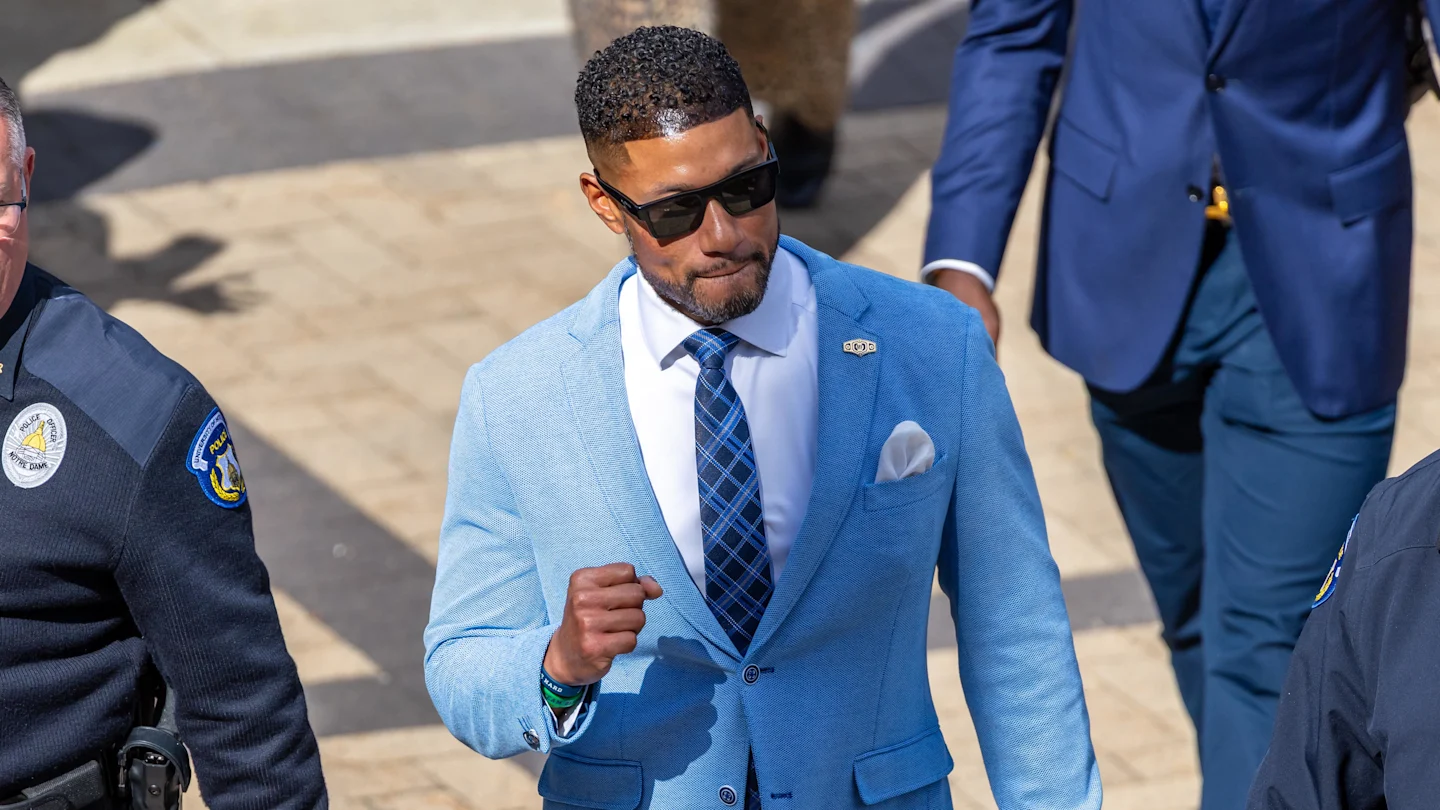
Notre Dame head coach Marcus Freeman is someone who should be considered in contention to become the next coach of the New York Giants franchise, according to college football analyst Josh Pate.
Freeman in play for the Giants?
“I just think Marcus Freeman is gonna be in play for the Giants job,” Pate said during an appearance with Bussin’ With The Boys.
“I think a lot of people in the college football administrative world know that/expect that. The agency world knows that/expects that. Not a done deal. I’m not going Schefter.
“If it’s even a remote possibility, and it certainly is, then that means the Notre Dame job may be open, as well. The coaching cycle is not close to done yet.”
NFL insiders seem to agree
The talk connecting Freeman to the Giants is not just random speculation at this point.
Freeman has also emerged as one of the most prominent names on the shortlist being assembled by the Giants franchise itself, according to The Athletic.
That is something to keep an eye on, as the NFL coaching bonanza is only just getting started, and Freeman is considered one of the best young coaching minds in circulation at any level.
LSU, Penn State, and Florida were all reportedly in communication with Freeman through his representatives when those schools were in the market for a coach, and the Giants could be next.
What Freeman has done at Notre Dame
Freeman has just completed his fourth season at the helm of the Fighting Irish program and boasts a 43-12 overall record, winning more than 78 percent of his games.
Freeman led Notre Dame to a No. 2 national ranking and an appearance in the national championship game against his alma mater a year ago.
His team went 10-2 this season and seemed poised for another berth in the College Football Playoff, before the committee reversed course on Selection Day and left the Irish out of the field, leading the school to decline playing in a bowl game.
What Notre Dame is giving Freeman
Freeman, who will turn 40 next month, signed a contract extension with Notre Dame last year that will lock him in with the school through the 2030 season, but if this carousel has proven anything, it’s that almost any contract can be gotten out of.
Notre Dame is a private school and is not obligated to publish its coaching salaries, but insiders contend his deal pays him $9 million per season and is worth a total of a reported $54 million.
But that raise is already somewhat out of date after Indiana recently inked Curt Cignetti to a new deal that will pay him $11.7 million per season.
The most recent reporting contends that Notre Dame and Freeman have not yet reworked his deal with the school, but that both sides are interested in coming to a new arrangement by the new year.
The faster they do that, the faster they can end talk of his leaving.
Read more from College Football HQ

JACKSON, Miss. (WLBT) – Name, image, and likeness.
It has taken athletics across the amateur level by storm nationally, creating an avenue for players to make money from their NIL, particularly in football.
College football, most notably at the NCAA Division I level, has been forever changed because of it, with one SEC coach calling the state of CFB “sick.”
“We’re trying to sound warning bells. There’s a warning that the system that we are in really is sick right now, and college football is sick,” Missouri head football coach Eli Drinkwitz said about NIL on Monday, December 16, ahead of his team’s appearance in the Gator Bowl. “There’s showing signs of this cracking moving forward… Tampering is at the highest levels – there is no such thing as tampering, because there’s no one that’s been punished for tampering. Everybody on my roster is being called.”
In Mississippi, Ole Miss has benefited from its strong NIL movement, the Grove Collective, which is a large reason why the football program is hosting a College Football playoff game in the school’s first-ever appearance.
But how is NIL affecting high school student-athletes in Mississippi?
Thirty-six states in the country are allowing high school student-athletes to profit from their name, image, and likeness.
Mississippi is not one of them.
“NIL is not for high school students,” Rickey Neaves, the Executive Director of the Mississippi High School Activities Association, said. ”They’re much too young to be taking on that responsibility and handling that large sum of money. So, a high school student and our association need to concentrate on number one, being a young person and enjoying school, enjoying the high school experience, and just being a young man or a young lady. And then the rest of it will take care of itself later on. They’re going to have to work and be responsible later on in life, and long enough. So let them be young while they can.”
According to Yahoo Sports, Fazion Brandon, a five-star recruit playing high school football in North Carolina, is allegedly making $1.2 million in NIL money, who signed several highly publicized contracts since his lawsuit.
Tristen Keys, the highest-rated Mississippi recruit in the class of 2026 and a senior at Hattiesburg High School who signed to play CFB at Tennessee, has an NIL valuation of over $500k, according to On3 Sports.
While not naming the said student-athletes, Neaves confirmed that several Mississippi athletes have been approached every year with a large sum of money with NIL deals since its emergence.
$1.2 and $1.4 million to be exact.
These individuals likely played football in the state, with Mississippi consistently ranking in the top five, and even the best in the country in producing four and five-star talent on the gridiron, multiple reports show.
In fact, 12 high school student-athletes are ranked in ESPN’s Top 300 recruits in the nation, with 5 of them being ranked in the top 100.
That amount of money is hard to turn down for anyone, let alone a high school athlete with the opportunity to achieve dreams at the tip of their finger.
Neaves said turning this opportunity down has impacted a select few of student-athletes in the state.
However, there are ways around signing an NIL contract that can’t be accepted until they graduate and are enrolled in a university.
“They can sign an NIL contract. [But] they or their parents cannot receive any money or any goods that can be escrowed, as we call it, into a bank account for when they do graduate,” Neaves stated. “They cannot use their school logo, their school colors. It does not keep them from using their own name, their own image, and their own likeness, but all of that other belongs either to their school or even to the association, so they can’t use that.”
“We do encourage parents to look into that,” he continued. “I had a deal with a couple of student-athletes last year, and my advice to them was, you can’t tell a young man when they’re 17, 18 years old to turn down $1.2 million. What you can tell them is to be very careful, have that money escrowed and waiting on you once you use your eligibility or once you have graduated, and then build your own name, your own legacy, and build off of that.”
No local student-athletes, according to Neaves, have left the state to pursue NIL deals that are eligible to profit from while in high school.
While the NIL movement hasn’t made its way to high school athletics in the Magnolia State, Neaves suggests another entity is directly affecting high school athletics here.
The transfer portal.
It has changed the landscape of amateur athletics forever, with major colleges able to pay millions in NIL contracts for transfers arguably older and more ready-made for a football program – or any other athletics program, for that matter – to win immediately.
While there are no formal, large-scale academic studies that provide a precise, specific percentage of high schoolers affected, this in turn undoubtedly results in fewer roster spots and scholarship offers for talented high school recruits.
In 2023, an analysis done by Gene’s Page shows that SEC programs’ high school signees dipped nearly 11-percent between 2019 and 2021 as the portal gained prominence.
The FootballScoop stated in an article that in 2021, around 400 fewer players across the country signed FBS scholarships compared to the two cycles prior, and the trend has continued.
Neaves proposes that high school athletes in the state are impacted today.
“We need to look at what that is doing to our high school athletes,“ he warned. ”Right now, we have some outstanding high school athletes, both male and female, who are not getting the opportunity to go on to the next level because these people are still hanging around. They’re gaining some of the six and seven-year college athletes, and that’s not letting today’s seniors in the room. One of these days, NIL money is going to run out, and you have, you have juniors and seniors in college that are staying in college because they’re making more money off their NIL than they would make out of working.”
Is there a future for NIL in Mississippi high school sports?
For the possibility of NIL to maneuver its way into Mississippi high school sports, it would first have to start above the MHSAA.
Neaves doubled down that it is not in the picture within the rules of the association, but that “the legislature could pass a bylaw that says student athletes of high school age can do this.”
“If that ever happened, we would have to stay within the rules ourselves. So, we would have to allow it,“ he said. ”I personally hope that does not happen because I think we have the best option for both worlds here. The student athlete can still have [NIL deals] waiting on them when they get out of school at any time in their life, when they are more adapted to [the] use of it and can benefit from it even more.”
It does remain a possibility, however.
More states are trending towards allowing high schoolers to make NIL money.
On November 25, Ohio became the latest state to join the NIL movement.
While it is technically out of Neaves’ control, he does encourage that high school sports remain the same in Mississippi.
“You never know in today’s world what’s going to be coming down the pipe, but I think you have to always look ahead and see what pitfalls are out there.”
“Let’s be realistic. Is a 16 or 17-year-old mature enough to handle a million dollars? No. I know when I was that age, I would have blown it and probably ruined my whole career while doing it. Now, that’s not what everybody would do, but if that happens to one person, that’s one too many.”
Want more WLBT news in your inbox? Click here to subscribe to our newsletter.
See a spelling or grammar error in our story? Please click here to report it and include the headline of the story in your email.
Copyright 2025 WLBT. All rights reserved.
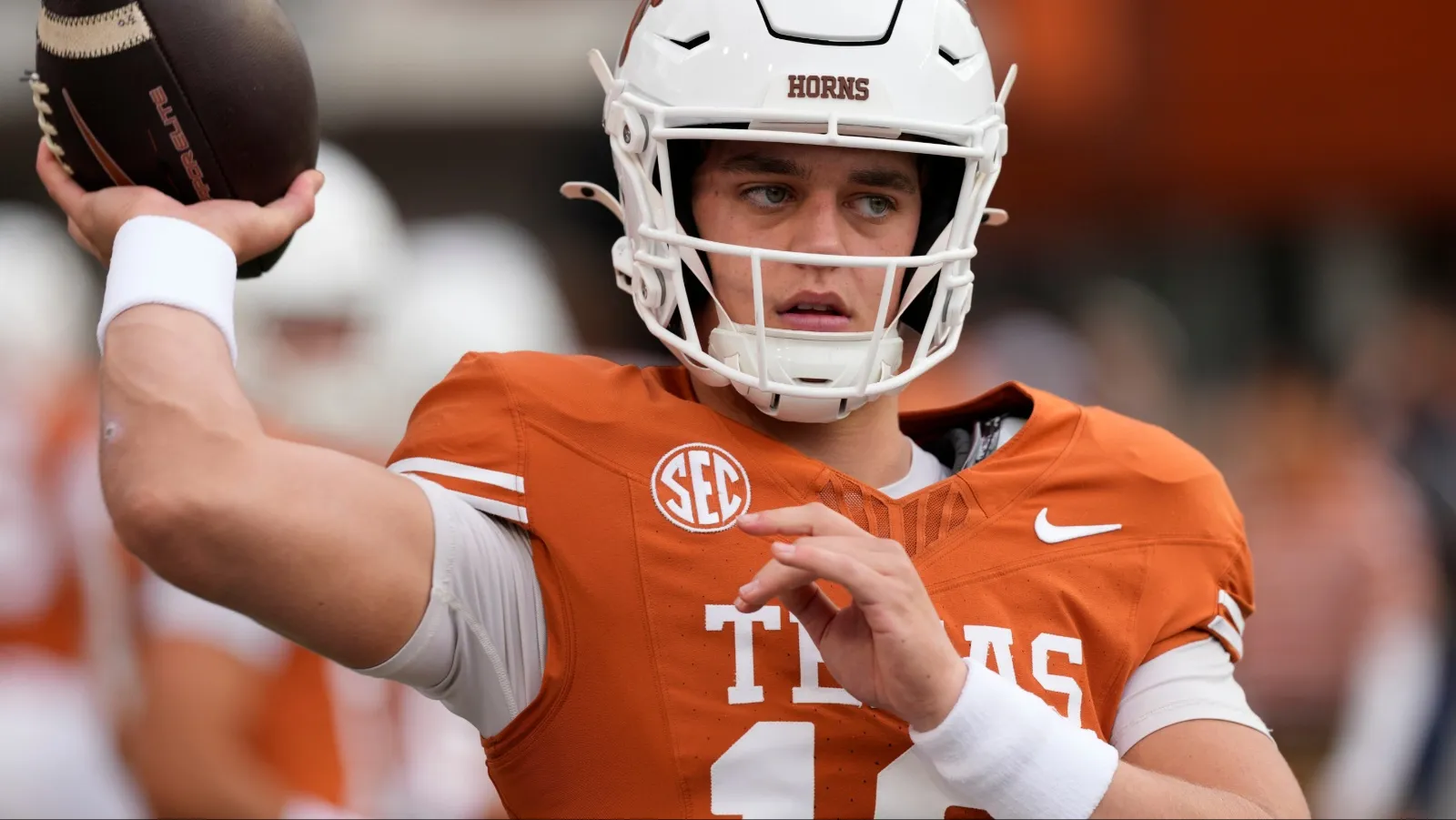
© Scott Wachter-Imagn Images
College football has been skidding down a slippery slope since the start of the NIL Era, and the line between that level and the pros gets blurrier with every year that passes. Now, we’ve been treated to our latest shift on that front courtesy of Arch Manning’s decision to take a pay cut ahead of his second season as the starter for Texas.
Next summer will mark the fifth anniversary of the landmark Supreme Court decision that essentially forced the NCAA to abandon its longstanding efforts to prevent students from cashing in on their name, image, and likeness.
It was a fairly inevitable development and one that was poised to have a dramatic impact on the landscape of college sports. While most fans agreed that student-athletes deserved to make some money, the ways in which they’re now able to do so have slowly but surely eroded the spirit of collegiate athletics as the concept of amateurism becomes a memory of the past.
That evolution has been marked by a number of tangible signposts, and the latest stake has been pounded into the ground courtesy of Arch Manning.
Arch Manning is taking a pay cut to allow Texas to use more of its House settlement funds on other talent
Earlier this week, we were treated to the latest piece of evidence that college football is basically a pro sport when USC went out of its way to announce running back Waymond Jordan had re-signed with the program after deciding to return to the Trojans for a second season.
We’ve reached a point where every player is effectively a free agent when their season comes to an end due to the transfer portal, and schools now have even more money they can use to try to poach and retain talent in the wake of the House settlement that will allow athletic departments to redistribute up to $20.5 million in revenue to athletes during the current academic year.
According to Texas Insider, the University of Texas is setting aside around $14 million for its football program next season. Arch Manning will undoubtedly receive a significant chunk of that sum, but the outlet spoke with sources who say the quarterback will accept “a reduced compensation” from the Longhorns so they can spend more money on other players in pursuit of a national championship.
Manning certainly isn’t hurting for cash, as he reportedly received at least $3.5 million this season thanks to NIL deals with companies including Red Bull, Uber, and Warby Parker.
It’s a commendable move for a QB who will be looking to improve after largely failing to meet the admittedly lofty expectations surrounding him during a campaign where the Longhorns went 9-3, but it’s also one that shows the sport has firmly reached the point of no return.

Updated Dec. 19, 2025, 10:54 a.m. CT
There are plenty of examples of a star in pro sports taking less money in order to help the overall roster. But it isn’t something that’s hit college football yet … until now, thanks to Arch Manning. Manning has asked to take a reduced portion of the Longhorns’ direct payout pool.
Manning’s aim at taking less NIL funds is to help improve the roster around him. Just like Patrick Mahomes, who regularly gives up millions to help the Kansas City Chief’s roster. Tom Brady did it with New England. Dirk Nowitzki, Tim Duncan, LeBron James, Kevin Durant, Jalen Brunson, Aaron Rodgers and Ben Roethlisberger have all helped the rosters around them by taking less.
In the pros, there are salary caps to negotiate. While college has no salary cap (yet), there is a finite amount in the NIL house pool. Texas can only spend what it has available. And while that pool is one of the biggest in the nation, Texas still follows a budget.
No doubt, Manning will be hoping the Texas coaching staff uses some of the freed up football revenue sharing funds on the offensive line. The line struggled in front of Manning all season and certainly inhibited his development early in the season.
Two offensive linemen are gone after the Citrus Bowl and Texas might lose a third. Left tackle Trevor Goosby was named first-team All-SEC is now contemplating going pro. Running back Jadan Baugh from Florida is also on Texas’ radar. The talented RB won’t be cheap.
Of course, it’s not like Manning will starve. The redshirt sophomore has one of the highest NIL valuations in nation. Manning has NIL deals with Red Bull, Panani, Uber and Warby Parker. Manning made north of $3.5 million in NIL deals in 2025, according to the Houston Chronicle.
With a big name that attracts major brands, Manning doesn’t need his big deals supplemented. But most college athletes are paid by the common pool of funds. Manning frees up some of that money for transfers.

Much like the NBA in the 2010s, once the actual season ends for college football, the real drama begins off the field. Since the conclusion of the regular season, many players have already announced whether they’ll enter the transfer portal or re-sign NIL and rev-share deals with their current teams.
There is no real contract system set up for college athletics the way there is in professional sports, where deals can be signed for four or five years, binding both sides. In college football, every player is basically a free agent every offseason and has the power to re-negotiate their deal or enter the transfer portal if they can’t agree to terms with their school. However, perhaps the most famous athlete in all of college sports is now deciding to reduce his salary, not increase it, as he plans to return for 2026.
That would be Texas quarterback Arch Manning. According to Sporting News and On3, Manning entered the 2025 college football season as, reportedly, the highest-paid player in the entire sport. On3’s NIL valuation database had Manning as the highest-valued player in the country heading into the year, and despite some dips in play, Manning still remains No. 1 in On3’s NIL100 rating the top 100 highest-valued college athletes. His current value is listed at $5.3 million.

But according to a report that came out Friday morning, Manning actually will accept less money from Texas’ direct revenue share next season in an attempt to help the team better equip themselves for a 2026 national championship run after disappointing their CFP expectations in 2025. It’s important to note that Manning’s endorsement deals, nor money from any NIL collective, are impacted by this.
“Sources tell Inside Texas that star quarterback has agreed to a reduced compensation amount from Texas’ House settlement revenue sharing pool in 2026,” On3 ‘s Justin Wells published on Friday. “This ostensibly doesn’t affect his compensation from fair market NIL, commonly referred to by Texas administrators as ‘real NIL.’ Manning has partnerships with Warby Parker, Waymo, Vuori, and Red Bull and is one of the most high-profile college athletes regardless of sport.”
This move here is noble by Manning but also makes most sense for the team. As Wells mentioned above, Manning is heavily partnered with national brands and is the unique college athlete who brings his own marketability to the table, outside of his performance. This is a guy that can generate millions of dollars from endorsements and public partnerships — what Texas admins consider “real NIL.”
Essentially, Texas can guarantee Manning less raw money via the rev-share route but still assure him that he’ll get his money through other NIL means. Then, the Longhorns can take that guaranteed rev-share money and use it on high-level players who may not have the same name recognition or personal brand as Manning.
More on College Football HQ

Men’s Volleyball Individual Match Tickets On Sale

Kalei Edson, Kamille Gibson Join Houston Volleyball

Razgatlıoğlu embraces MotoGP learning curve, eyes Marquez in 2027

Forza Motorsport Is No Longer Receiving New Content

Fast Switches, RGB Customization, and Next-Gen Gaming Precision

Arch Manning Channels Inner Tom Brady With Selfless NIL Decision

Pitt’s season once again ends in the Final Four after getting swept by Texas A&M

Kentucky Volleyball beats Wisconsin in thriller, will face Texas A&M in National Championship

Jordan Anthony named The Bowerman winner for 2025

Speedway Motorsports Hands Out Annual Awards

Santa Barbara Volleyball Club to Construct New Youth Training Facility in Goleta

Conway Selected for Philly-SIDA Academic All-Area Men’s Cross Country Team

Questions raised over Trump’s proposed ‘Patriot Games’ youth sports event

How Schools Are Powering the Future of Competitive Gaming Education

$54 million college football HC predicted to be candidate for high-profile NFL job

First Tee Winter Registration is open

Fargo girl, 13, dies after collapsing during school basketball game – Grand Forks Herald

CPG Brands Like Allegra Are Betting on F1 for the First Time

F1 Las Vegas: Verstappen win, Norris and Piastri DQ tighten 2025 title fight

Sycamores unveil 2026 track and field schedule

Two Pro Volleyball Leagues Serve Up Plans for Minnesota Teams

Utah State Announces 2025-26 Indoor Track & Field Schedule

SoundGear Named Entitlement Sponsor of Spears CARS Tour Southwest Opener

Jo Shimoda Undergoes Back Surgery

Redemption Means First Pro Stock World Championship for Dallas Glenn

Texas volleyball vs Kentucky game score: Live SEC tournament updates

Bowl Projections: ESPN predicts 12-team College Football Playoff bracket, full bowl slate after Week 14

How this startup (and a KC sports icon) turned young players into card-carrying legends overnight

Robert “Bobby” Lewis Hardin, 56
Wisconsin volleyball sweeps Minnesota with ease in ranked rivalry win




-
 Motorsports1 week ago
SoundGear Named Entitlement Sponsor of Spears CARS Tour Southwest Opener
-
 NIL3 weeks ago
Bowl Projections: ESPN predicts 12-team College Football Playoff bracket, full bowl slate after Week 14
-
 Rec Sports3 weeks ago
Robert “Bobby” Lewis Hardin, 56
-
Sports3 weeks ago
Wisconsin volleyball sweeps Minnesota with ease in ranked rivalry win
-

 Motorsports2 weeks ago
Donny Schatz finds new home for 2026, inks full-time deal with CJB Motorsports – InForum
-

 Rec Sports2 weeks ago
How Donald Trump became FIFA’s ‘soccer president’ long before World Cup draw
-

 Motorsports3 weeks ago
Michael Jordan’s fight against NASCAR heads to court, could shake up motorsports
-

 Rec Sports2 weeks ago
Black Bear Revises Recording Policies After Rulebook Language Surfaces via Lever
-
 Sports3 weeks ago
Men’s and Women’s Track and Field Release 2026 Indoor Schedule with Opener Slated for December 6 at Home
-
 Rec Sports2 weeks ago
David Blitzer, Harris Blitzer Sports & Entertainment