
Rec Sports
DJS confirms employment programs pays youth offenders $19.29 per hour

BALTIMORE (WBFF) — The recent sentencing of Tristan Jackson, one of five defendants convicted in connection to the Brooklyn Day mass shooting, has led to new information and questions surrounding the Department of Juvenile Services (DJS) and its paid employment programs.
When questioned, DJS confirmed under Secretary Vincent Schiraldi’s leadership he created the ‘Office of Workforce Development.’
ALSO READ | Brooklyn Day defendant on probation, interning at DJS during 2023 shooting, attorney says
This includes the Green Cadet program, Youth Opportunity Learning Occupations (YOLO) program, as well as Summer Youth Employment, according to DJS.
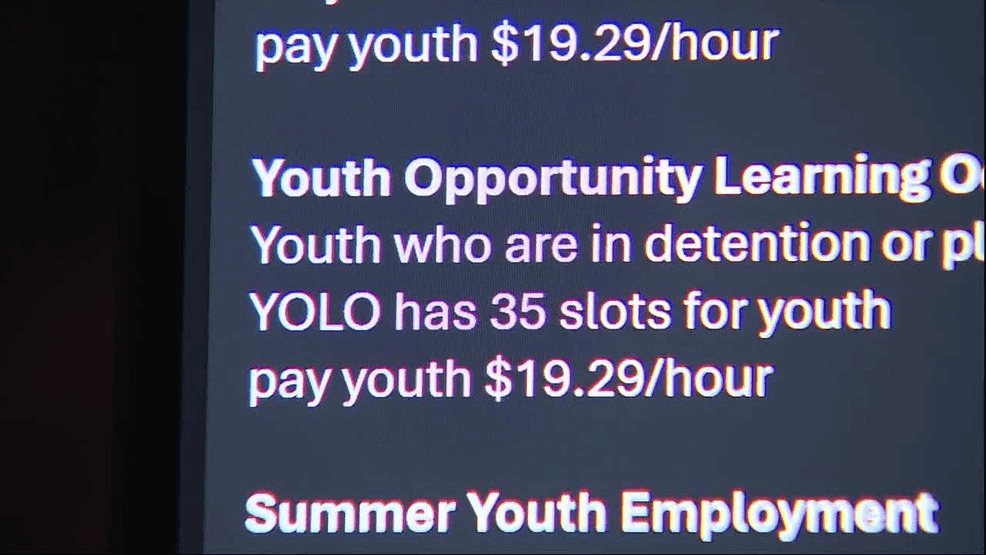
DJS confirmed the first two programs pay enrolled youth offenders $19.29/hour.
That amount translates to a $40,000 annual salary.
According to DJS, the Green Cadet Program is a six-month transitional employment program for young people who are being supervised by DJS in the community. There are 16 slots.
According to DJS, youth in detention or placement programs can take part in the paid working experience program called YOLO. There are 35 slots.
DJS said it also offers Summer Youth Employment which partners with other state agencies such as the Department of Natural Resources, and in 2025 there will be 160 blots, with DJS funding.
“Research shows youth who work jobs and learn to work are much more likely to avoid trouble in the future,” a DJS spokesperson wrote.
But that’s not what happened with Tristan Jackson.
ALSO READ | Calls for change at DJS intensify following fatal crash involving stolen vehicle
While it’s unclear exactly what program the now 20-year-old was enrolled in, Jackson’s attorney revealed in court that, at the time of the mass shooting, Jackson was wearing an ankle monitor and working as a paid intern with DJS.
DJS won’t comment on specific cases or individuals as that information is protected by law.
Legal expert Jeremy Eldridge who is not associated with Jackson’s case weighed in on the revelations.
“Why is somebody who is on supervision and wearing an ankle monitor getting paid by the Department of Juvenile Services for an internship?” Eldridge questioned. “It’s odd that you have an offender working for an agency while they are under supervision while that same agency fails to adequately monitor the youth and then he commits a violent crime.”
Political analyst John Dedie weighed in on the amount these enrolled youth offenders are being paid.
“I think that is exorbitantly high to try to pay someone enough money to make sure they stay on the straight and narrow,” Dedie said.
FOX45 News sent a list of follow up questions to DJS, including asking how DJS justifies paying a juvenile offender this amount. The Department responded:
When Secretary Schiraldi arrived at DJS, one of the main requests coming from youth was for job training and access programs. Unfortunately under prior administrations there was little if any workforce development programming or opportunities provided for youth under DJS care. Research shows youth who work jobs and learn to work are much more likely to avoid trouble in the future. Under Schiraldi, DJS brought onto its team one of the nation’s leaders in workforce development programming for youth in the juvenile justice system, and also created the Office of Workforce Development and programs to support youth who want to work. As a result, over the past two years DJS has substantially increased workforce development opportunities for youth under DJS care. Young people who are being supervised by DJS in the community can take part in the Green Cadet Program, which is a six-month transitional employment program. Under the current administration the Green Cadet program has increased from 8 to 16 youth. Youth who are in detention or placement programs can take part in a newly created program called Youth Opportunity Learning Occupations (known as YOLO), which is a paid working experience program. YOLO has 35 slots for youth. Both programs pay youth $19.29/hour, enabling them to learn trades while also learning their own money management skills. YOLO also involves partnerships with other state agencies, including the Departments of Natural Resources and the Environment. In 2024, 128 slots were made available with DJS funding and 123 were filled/placed. Moving forward, in 2025 we have 160 slots available for Summer Youth Employment, with DJS funding.


Portola Coach Brian Smith leads his team in a game in December. (PHOTO: Tim Burt, OC Sports Zone).
Portola head boys basketball coach Brian Smith has been enjoying the 2025-26 season. His Bulldogs have a 15-5 overall record and are 2-0 in the Pacific Coast League.
In December, Smith celebrated his 300th career victory and after another game, his 100th career victory at Portola. It’s his 10th year running the Portola program, which is in its eighth year of varsity competitiion.
“That just says it’s a long career, I’ve been doing this a long time,” said Smith, who has been coaching for 30 years, 21 years as a head coach. “I’m very blessed to have coaches and players in New Mexico and here who played for me. I’ve opened two schools, there’s been a lot put into this career and I’m really enjoying this group right now, they’re making it more fun for me and my coaches do a great job.
“Those 300 wins, it’s all those other coaches and the players who played for me as well that make me do what I do.”
Portola hosts Woodbridge Tuesday night.
—Tim Burt, OC Sports Zone; timburt@ocsportszone.com



Leader, Customer Delivery
Americas CX SP Canada
I launched my Cisco career in 2012 as a bilingual logistics agent, energetically supporting the LATAM team, within our dynamic supply chain and logistics operations. Motivated by an unwavering commitment to excellence, innovation, and collaboration, I joined the Cisco High Touch Operations team in 2016, where I delivered outstanding support to American and Canadian customers.
Embracing new opportunities for growth, I advanced in 2021 to Service Delivery Manager, further progressing to Team Lead, Expert Care Lead, and now proudly serve as PMO and Expert Care Lead for Service Provider (SP) Canada. I am especially enthusiastic about the integration of artificial intelligence within our organization, recognizing its transformative impact on efficiency, customer experience, and the future of technology. Throughout my journey, I have remained deeply positive and grateful for the teamwork, mentorship, and visionary leadership that have shaped my professional path.
Beyond my fulfilling career, I am a proud mother of two and an active volunteer with the Canadian Red Cross and Saint John Ambulance dog therapy program in Halifax, Nova Scotia. My passion for community engagement extends to youth sports, where I serve as a backup coach for my daughter’s soccer team and actively support my son’s baseball team.
In my spare time, I am dedicated to continuous self-improvement, challenging myself through self-study, pursuing Cisco-recommended learning paths, and advancing my knowledge in AI and IT security. I approach every aspect of life and work with enthusiasm, optimism, and a genuine desire to create a positive and lasting impact.
Articles

Many in the area have their attention in the sports world on the Buffalo Bills after the exciting win over the Jacksonville Jaguars in the wildcard round. But there is reason to be excited when it comes to boys high school basketball in the north county.
Both Fredonia and Dunkirk are off to fantastic starts — and have brought renewed energy to a rivalry that played out more than a week ago. For the first time in eight years, the Marauders were victorious over the Hillbillies.
Sixto Rosario, longtime advocate and youth basketball enthusiast, is the Dunkirk coach. His emotions came out once the buzzer sounded.
“I want to thank all the fans and everybody for believing,” Rosario said. “I love Dunkirk. I love the program. I love the kids. This is a great feeling.”
Both teams play again in February in Fredonia. Based on the current winning ways for both schools, the tilt will be highly anticipated.

ROSEMONT — The Chicago Snowballs, a new team mixing baseball and family-friendly entertainment, are gearing up for their spring debut, with the team hosting a scrimmage in Rosemont last week.
The Snowballs, who brand themselves as pro baseball’s first co-ed “sportstainment” experience, hosted tryouts all last week at the The Dome at the Parkway Bank Sports Complex in suburban Rosemont.
Tryouts culminated Friday with an event called Inside the Snowglobe, a benefit for local youth sports. Fans watched the prospective players sing, dance, perform trick plays and perform with the Jesse White Tumblers and the Bucket Boys. Proceeds from the benefit went to support youth sports organizations in Chicago.


RELATED: Chicago Getting Its Own Savannah Bananas-Inspired Team
The players were spilt into teams that took turns scrimmaging and then would perform
dance and cheer routines for the fans during inning breaks.
CEO and co-founder Cherie Travis said the team will aim to give opportunities
to players who want to continue in baseball or softball and might not otherwise have
the chance to keep playing.
“If you played baseball or softball in college and you don’t make the majors or the
minors, you’re done,” Travis said. It was “the idea of creating another opportunity for
athletes; they don’t have to be the best pitcher. They need to be good ball players, and
they need to have a ton of fun and put that energy on the field.”
The Snowballs plan to play players a salary and profit share — and advertise equal
pay for male and female players.
“I feel like it was a great opportunity to come out and play coach, possibly get involved in management and help show that the women can compete with the men and have just as much fun,” said coach Allie Lacey.
KJ Gaiter, a youth baseball coach at Oz Park, said that his family and fiends encouraged him to try out.
“Playing baseball, I was always energetic, silly, goofy, but there’s a limit to it because you want to win at the same time,” Gaiter said. “To be able to be in a facility like this, an environment like this, where you can come out and play baseball and you can also be silly with it, it’s almost like being a kid playing baseball again. I feel like a kid in a playground.”
The Snowballs will play their first game May 3 at Kerry Wood Field, 3400 N. Rockwell St. in North Center.
The team will be based in Chicago and will tour the Midwest, operating in a similar fashion to the Harlem Globetrotters or the Savannah Bananas.
The Bananas, known for combining baseball with physical stunts, comedy, dancing and other skills, sold out Sox Park this summer and are making their way to Wrigley in July.
See more photos from Friday’s scrimmage:


Listen to the Block Club Chicago podcast:
Rec Sports
The trans youth athletes in the US fighting for their rights: ‘Playing is an act of resistance’ | US news

The US supreme court on Tuesday is considering state laws banning transgender athletes from school sports.
The cases were brought by trans students who challenged bans in West Virginia and Idaho barring trans girls from girls teams. The outcome could have wide-ranging implications for LGBTQ+ rights. A total of 27 states have passed sports bans targeting trans youth while more than 20 states have maintained pro-LGBTQ+ policies.
As the highest court in the US debates their rights to participate in school sports, five trans youth and their families spoke to the Guardian about the role athletics has played in their lives. The students are based in California, a state that has long had trans-inclusive policies.
The youth described the joy sports brings them and how meaningful it has been to play on teams that match their gender identity. They said sports were about community, team-building, socializing and exercising, like they are for so many youth in the US. Some expressed frustration and anxiety about the national debates focused on “fairness” in competition, saying the legal battle was about fighting for their place in society and their fundamental rights to access the same opportunities as their peers.
Here are some excerpts of their reflections.
‘Sports is my escape’
Lina Haaga, a 14-year-old Pasadena student, has played sports since age four, starting with soccer: “My entire family is very athletic,” she says. “I wasn’t particularly good at soccer, but it helped me realize what an asset sports is in my life – as a release and an escape, but also a way to connect with other people and make new friends.” A trans girl who transitioned at a young age, Lina always played on girls’ teams, eventually doing basketball, swimming, water polo, lacrosse, tennis and track.
When she has faced stressors, “sports was always a place where I could find a reprieve and just think about the ball that was ahead of me or the next step in the race,” she says.
The attacks on trans girls in athletics have taken a toll, says Lina: “The political climate has put into question my relationship with sports. Instead of it being something innocent I can just enjoy without fear of being discriminated against, I’ve had to now worry every time I step on the track or the court that somebody might disagree with my participation. That’s been really scary, because it’s started to steal something that’s precious for me – that moment of bliss.”
There are times, she says, when she has avoided games out of fear someone might object.
Her message to the supreme court? “We’re still human. We’re just kids. We’re just trying to have fun … We’re not trying to be monsters or predators or anything malevolent. We’re just trying to find connection and community.”
Lina hopes other trans kids continue to pursue athletics: “Playing sports and loving being out there on the field is in its own beautiful way an act of resistance.”
‘I defied the president’
In May, AB Hernandez, a 17-year-old track and field athlete, won first place in the high jump, first place in the triple jump, and silver in the long jump in the California state finals. It should have been a moment of pure celebration for the high schooler from Jurupa Valley, a city east of Los Angeles, but she and her mom had to worry about something else: Donald Trump’s attacks.
The US president turned AB into a media spectacle, targeting her in a social media post and claiming he was “ordering local authorities, if necessary, to not allow” her to compete, writing her participation was “TOTALLY DEMEANING TO WOMEN”.
Now a senior, AB says she has learned to brush aside her detractors: “People are always gonna have negative thoughts to say about you … I just had to realize I need to be comfortable with who I know I am and be comfortable in my own skin and not let anyone get under it.”
“Victory,” she adds, “meant a lot, especially after all the internet drama. To come out on top and be number one. You can’t say anything besides argue with a wall. I’m still competing … Sports is my everything.”
She was touched that standing up inspired others: “People DM’d me to say: ‘I’m so happy you’re fighting. You’re making a really big impact for our community.’ … I thought I just went out and competed, but to others, it was like a movement. I defied the president, in a way. I was like, oh my god, I did do something.”
Her mom, Neredya Hernandez, says she won’t stop defending her daughter’s rights and hopes other parents will be moved to embrace their trans kids. “My message to other parents is: support your kids and be louder. We’re unaware of how much support we have within this community until you’re actually put in a position like we were. We’re not alone.”
‘We’d have to leave the country’
While anti-trans rhetoric has generally focused on restricting trans girls, the toxic climate has also been distressing for trans boys, some parents said. Several states with bans against trans girls have included restrictions impacting trans boys, too.
One 13-year-old trans boy in the Bay Area, whose name the Guardian is withholding to protect his identity, started playing soccer at age two and now also plays basketball and baseball. “Sports is how I made friends. It’s nice you have people to lean on who have your back,” he says.
Jennifer, his mother, says her son struggled to fit in on girls’ teams before he came out as a boy at age nine, but now is embraced by the boys’ teams and coaches. If he were barred from athletics due to being trans, “we would have to leave the country,” she says. “The message the country is sending deeply and negatively impacts his feeling of belonging in his own country.”
Jennifer, who asked to go by a pseudonym to protect her son’s identity, says the supreme court case “terrifies” her: “The sports issue is so important, because it fundamentally tells us whether people believe trans people exist. Trans girls are girls and belong on girls’ teams. Trans boys are boys and they belong on boys’ teams. Full stop. Once you take the position that trans girls are not girls for the purposes of sports, you have now dehumanized them. It’s a slippery slope to taking away rights after rights after rights.”
Her son says he didn’t understand why some people were so focused on stopping children from playing on teams: “I’m just a kid that wants to play sports with my friends. I’m not special. I just want to be left alone and hopefully be successful in sports. We’re not a threat. We’re not gonna tear down the world … If the Trump administration wouldn’t let me play sports, they would basically be taking away part of me.”
‘I’m used to slurs, but I’ll keep speaking up’
Lily Norcross, a 17-year-old track athlete from California’s central coast, says she has grown accustomed to negative news articles about her participation on the girls’ team, which sometimes lead to death threats and other harassment.
“I know this sounds really sad, but I’ve grown used to people calling me slurs. The news itself doesn’t bother me as much as what it causes. After Trump was inaugurated, people were far more comfortable openly being transphobic and hating minorities,” she says. “For me, it’s important to defend the rights of trans kids … because compared to others, I’m extremely lucky. Practically my entire family is supportive. I live in California, which is very liberal. My school board and most of my teachers support me. Most people aren’t in that situation … I’m speaking up for people in places like Texas, Ohio or Florida who don’t have these opportunities.”
Lily says she also wished Democratic leaders did more to stand up for her rights, noting it felt like their stance was: “Let trans people fight for themselves.” She urges lawmakers to have more empathy: “Put yourself in [our] shoes. Imagine if somebody said your people aren’t allowed to use bathrooms or play sports. How would you feel if you were segregated from everybody else?”
‘I feel hopeless’
Leonard, a 17-year-old swimmer in the Bay Area, says it was hard to be optimistic that his rights would remain protected, even in a state like California.
“I feel hopeless. I don’t like this supreme court and I don’t think they’re going to support trans people’s ability to play sports,” says Leonard, a trans boy who is also a fencer and asked to go by a pseudonym to protect his identity. “I’m scared of the precedent it’s going to set, maybe countrywide. I’m scared of what could happen to me and my friends.”
Leonard wishes people understood how meaningful it can be for trans youth to play on teams where they belong: “It made me really, really, really, really happy to be on the boys team affirming my gender identity, affirming I was as good as any cis boy. I know that I’m a boy, but being on a boys team proves to everyone and myself that I am, in fact, a boy and this is where I’m supposed to be.”

Key Takeaways
- Special Olympics aims to grow its coaching roster from 250,000 to 600,000 globally by 2030, a 140% increase over six years
- The organization lost nearly half of its coaches during the COVID-19 pause in 2020, requiring substantial rebuilding efforts
- A three-year Nike partnership announced in July focuses on coaching certifications, translations, and curriculum development across global markets
- Nike plans to recruit 600 additional Unified sports volunteer coaches in Oregon, Berlin, Johannesburg, and Tokyo with emphasis on young women and girls
- Most Special Olympics coaches are volunteers with high retention rates, as many return after their initial involvement
Rebuilding After Major Pandemic Losses
Special Olympics faced significant challenges following the COVID-19 pandemic, losing approximately 50% of its coaching workforce during the 2020 pause in activities. Since resuming operations, the organization has rebuilt steadily with coaching rosters growing roughly 10% annually.
The current global total stands at 250,000 coaches. However, officials acknowledge that reaching 600,000 by 2030 represents an ambitious target that will require strategic partnership support and sustained recruitment efforts.
Nike Partnership Focuses on Coach Development
In July, Special Olympics announced a three-year partnership with Nike centered on coach identification and training. Financial terms of the agreement were not disclosed.
“Special Olympics places a lot of emphasis and importance on the role of the coach,” Special Olympics CEO David Evangelista said. “With Nike, we will be investing in making sure we have state-of-the-art coaching resources.”
The partnership will address coaching certifications and provide translations to support global expansion. Nike will also contribute to curriculum development to help coaches stay current with sport-specific training methods.
Geographic and Demographic Priorities
Nike’s recruitment efforts will target four specific markets: Oregon, Berlin, Johannesburg, and Tokyo. The company aims to recruit 600 additional Unified sports volunteer coaches in these regions.
The partnership includes a specific focus on expanding opportunities for young women and girls to participate in Unified sports programs. This demographic emphasis reflects broader industry efforts to increase female participation in youth athletics.
Building on a Longstanding Relationship
The partnership extends an existing collaboration between Nike and Special Olympics. Special Olympics Oregon has worked with Nike for nearly 20 years, including 16 years hosting the Special Olympics Oregon Youth Games at Nike World Headquarters.
More than 6,000 Nike employees have participated in Youth Games events, working with 7,600 athletes with intellectual disabilities. The volunteer retention rate remains high, with most coaches continuing their involvement after initial participation.
What This Means for Youth Sports Inclusion
The 600,000 coach target represents more than operational growth. It signals the organization’s commitment to expanding athletic opportunities for athletes with intellectual disabilities at a time when youth sports access remains a priority across multiple stakeholder groups.
The volunteer model presents both advantages and challenges. While high retention rates suggest strong program satisfaction, scaling to 600,000 coaches will require consistent outreach, training infrastructure, and partnership support across diverse international markets.
via: SBJ / Nike
YSBR provides this content on an “as is” basis without any warranties, express or implied. We do not assume responsibility for the accuracy, completeness, legality, reliability, or use of the information, including any images, videos, or licenses associated with this article. For any concerns, including copyright issues or complaints, please contact YSBR directly.
About Youth Sports Business Report
Youth Sports Business Report is the largest and most trusted source for youth sports industry news, insights, and analysis covering the $54 billion youth sports market. Trusted by over 50,000 followers including industry executives, investors, youth sports parents and sports business professionals, we are the premier destination for comprehensive youth sports business intelligence.
Our core mission: Make Youth Sports Better. As the leading authority in youth sports business reporting, we deliver unparalleled coverage of sports business trends, youth athletics, and emerging opportunities across the youth sports ecosystem.
Our expert editorial team provides authoritative, in-depth reporting on key youth sports industry verticals including:
- Sports sponsorship and institutional capital (Private Equity, Venture Capital)
- Youth Sports events and tournament management
- NIL (Name, Image, Likeness) developments and compliance
- Youth sports coaching and sports recruitment strategies
- Sports technology and data analytics innovation
- Youth sports facilities development and management
- Sports content creation and digital media monetization
Whether you’re a sports industry executive, institutional investor, youth sports parent, coach, or sports business enthusiast, Youth Sports Business Report is your most reliable source for the actionable sports business insights you need to stay ahead of youth athletics trends and make informed decisions in the rapidly evolving youth sports landscape.
Join our growing community of 50,000+ industry leaders who depend on our trusted youth sports business analysis to drive success in the youth sports industry.
Stay connected with the pulse of the youth sports business – where industry expertise meets actionable intelligence.
Sign up for the biggest newsletter in Youth Sports – Youth Sports HQ – The best youth sports newsletter in the industry
Follow us on LinkedIn
Follow Youth Sports Business Report Founder Cameron Korab on LinkedIn
Are you a brand looking to tap into the world’s most passionate fanbase… youth sports?
Introducing Play Up Partners, a leading youth sports marketing agency connecting brands with the power of youth sports. We specialize in youth sports sponsorships, partnerships, and activations that drive measurable results.
About Play Up Partners
Play Up Partners is a leading youth sports marketing agency connecting brands with the power of youth sports. We specialize in youth sports sponsorships, partnerships, and activations that drive measurable results.
Why Sponsor Youth Sports?
Youth sports represents one of the most engaged and passionate audiences in sports marketing. With over 70 million young athletes and their families participating annually, the youth sports industry offers brands unparalleled access to motivated communities with strong purchasing power and loyalty.
What Does Play Up Partners Do?
We’ve done the heavy lifting to untangle the complex youth sports landscape so our brand partners can engage with clarity, confidence, and impact. Our vetted network of accredited youth sports organizations (from local leagues to national tournaments and operators) allows us to create flexible, scalable programs that evolve with the market.
Our Approach
Every partnership we build is rooted in authenticity and value creation. We don’t just broker deals. We craft youth sports marketing strategies that:
- Deliver measurable ROI for brand partners
- Create meaningful experiences for athletes and families
- Elevate the youth sports ecosystem
Our Vision
We’re positioning youth sports as the most desirable and effective platform in sports marketing. Our mission is simple: MAKE YOUTH SPORTS BETTER for athletes, families, organizations, and brand partners.
Common Questions About Youth Sports Marketing
Where can I sponsor youth sports? How do I activate in youth sports? What is the ROI of youth sports marketing? How much does youth sports sponsorship cost?
We have answers. Reach out to info@playuppartners.com to learn how Play Up Partners can help your brand navigate the youth sports landscape.
Youth sports organizations: Interested in partnership opportunities? Reach out to learn about our accreditation process.


No. 5 USC Men’s Volleyball Meets Lions and Tigers, Oh My!

Portola boys basketball head coach Brian Smith achieves two milestones in one season –

Natalia Safatli
Major League Volleyball Partners with LTN for Record Broadcast Season and Video Production Innovation

SPORTS: Spotlighting strong hoop starts in area | News, Sports, Jobs

Arizona State football ranks in middle of Big 12 in NIL dollars, agent says

Molly Schotzko appointed WSU’s faculty athletics representative | WSU Insider

Chicago Snowballs Show Off Their Moves During Tryouts For ‘Sportstainment’ Baseball Team

The trans youth athletes in the US fighting for their rights: ‘Playing is an act of resistance’ | US news

Here is the latest Big 12 Conference sports news from The Associated Press

Former college football coach Chris Klieman says lack of guardrails around NIL, portal led to retirement

Liberty League Performers of the Week for January 12, 2026

Area Briefs: SU’s Bellenbaum earns ODAC men’s volleyball weekly award | Winchester Star

Virginia colleges resist disclosing athletic revenue-sharing

Damis, Johnson Awarded Weekly LEC Awards from Weekend Action

Stempien to seek opening for Branch County Circuit Court Judge | WTVB | 1590 AM · 95.5 FM

Ross Brawn to receive Autosport Gold Medal Award at 2026 Autosport Awards, Honouring a Lifetime Shaping Modern F1

Princeton Area Community Foundation awards more than $1.3 million to 40 local nonprofits ⋆ Princeton, NJ local news %

Downtown Athletic Club of Hawaiʻi gives $300K to Boost the ’Bows NIL fund

Badgers news: Wisconsin lands 2nd commitment from transfer portal

Five Youth Sports Trends We’re Watching in 2026

Badgers news: Final Four Game Thread vs. No. 1 Kentucky Wildcats

Beach Volleyball Unveils 2026 Spring Schedule – University of South Carolina Athletics

Three Clarkson Volleyball Players Named to CSC Academic All-District List

Kentucky VB adds an All-American honorable mention, loses Brooke Bultema to portal

Kentucky AD explains NIL, JMI partnership and cap rules

Central’s Meyer earns weekly USTFCCCA national honor

BangShift.com IHRA Acquires Historic Memphis Motorsports Park In Millington Tennessee. Big Race Weekend’s Planned For 2026!

Is women’s volleyball the SEC’s next big sport? How Kentucky, Texas A&M broke through

PRI Show revs through Indy, sets tone for 2026 racing season

 NBA Legend Michael Jordan to Join NBC Sports as Special Contributor
 Why a rising mid-major power with an NCAA Tournament team opted out of revenue-sharing — and advertised it
 Trackhouse to pair Chastain with McSwain
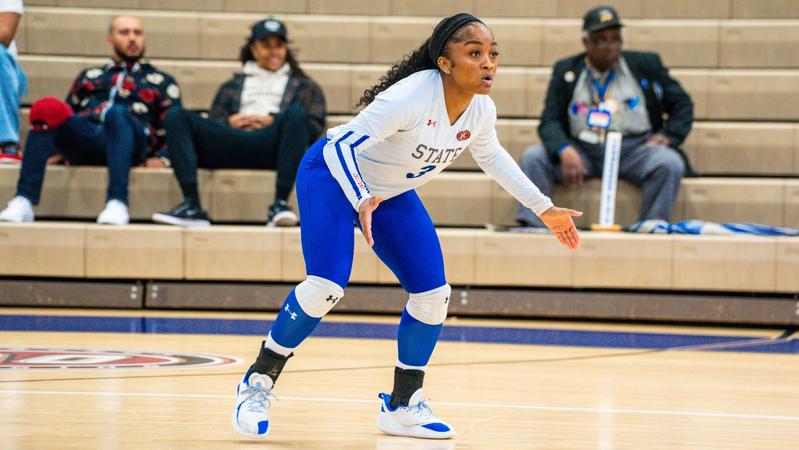 Volleyball Falls to SEMO – Tennessee State University
 Kennewick School Board backs changes to gender inclusion in sports | News
-
 Rec Sports2 weeks ago
Five Youth Sports Trends We’re Watching in 2026
-
 Sports3 weeks ago
Kentucky VB adds an All-American honorable mention, loses Brooke Bultema to portal
-
 Motorsports3 weeks ago
BangShift.com IHRA Acquires Historic Memphis Motorsports Park In Millington Tennessee. Big Race Weekend’s Planned For 2026!
-
 Sports2 weeks ago
H.S. INDOOR TRACK & FIELD: GLOW region athletes face off at Nazareth University | Sports
-
NIL3 weeks ago
Fifty years after IU’s undefeated champs … a Rose Bowl
-
 Sports3 weeks ago
Colorado volleyball poised to repeat success
-
 Sports3 weeks ago
2025 Volleyball Player of the Year: Witherow makes big impact on Central program | Nvdaily
-

 Sports3 weeks ago
Texas A&M volleyball’s sweep of Kentucky attracts record viewership
-

 Motorsports3 weeks ago
Kyle Larson opens door to 24 Hours of Daytona comeback – Motorsport – Sports
-
 NIL3 weeks ago
NIL Funds Are at Top of Arizona State’s Christmas Wishlist