
Technology
A Deep Dive into Nike’s Journey to Global Dominance


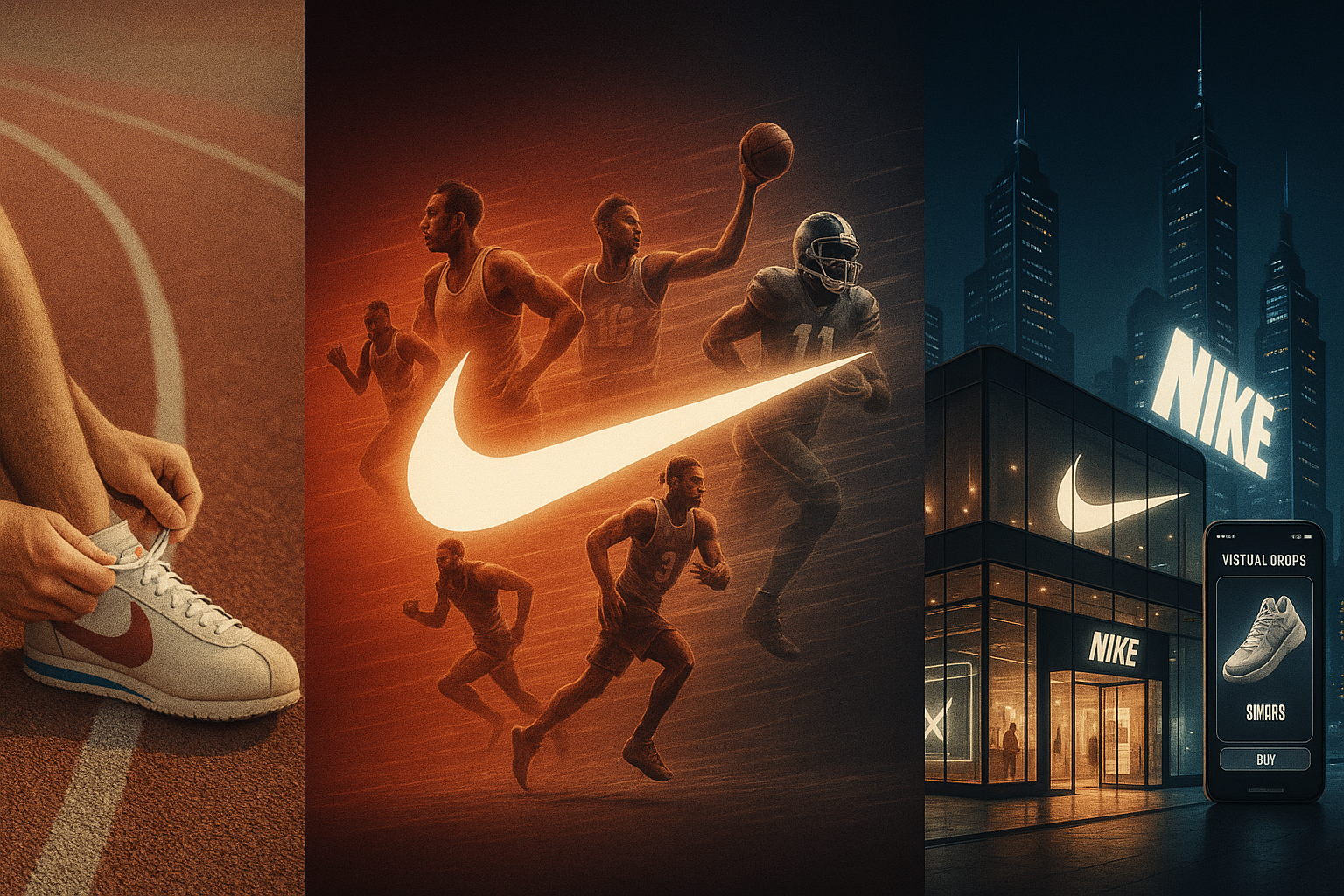
Nike (NYSE: NKE) stands as a titan in the global athletic apparel and footwear industry, a brand synonymous with innovation, performance, and aspirational marketing. From its humble beginnings as a distributor of Japanese running shoes, Nike has evolved into a multinational corporation that designs, develops, manufactures, and markets footwear, apparel, equipment, accessories, and services worldwide. Its iconic “Swoosh” logo and “Just Do It” slogan are recognized across continents, embodying a spirit of athletic achievement and personal empowerment that transcends sports.
Foundation and Early Years
The genesis of Nike can be traced back to January 25, 1964, when it was founded as Blue Ribbon Sports (BRS) by University of Oregon track athlete Phil Knight and his visionary coach, Bill Bowerman. Knight, fresh out of Stanford with an MBA, saw an opportunity in the American market for high-quality, affordable athletic shoes, a niche he believed Japanese manufacturers could fill. During a trip to Japan, he spontaneously created the name “Blue Ribbon Sports” to secure a deal to resell Onitsuka Tiger (now ASICS) shoes in the United States.
Upon receiving the initial shipment, Knight sent two pairs to Bowerman for his expert opinion. This pivotal moment led to Bowerman joining Knight as a 50-50 partner in BRS. The initial business model was straightforward: import and distribute Onitsuka Tiger shoes, offering a compelling alternative to the dominant German brands like Adidas and Puma. Knight initially sold shoes from the trunk of his car at track meets, leveraging Bowerman’s reputation as a coach of Olympic runners to gain credibility and sales. Bowerman’s influential book, “Jogging,” also played a role in popularizing recreational running and, by extension, the nascent brand.
However, the early years were not without their challenges. BRS faced stiff competition from established brands with far greater resources. Their limited budget constrained their ability to distribute widely and sponsor athletes, a common practice in the sports industry. Supply chain issues with Onitsuka Tiger were a persistent problem, with slow shipments and growing friction over distribution rights and new shoe designs. This culminated in a legal dispute and the eventual split between BRS and Onitsuka Tiger in 1971. A judge’s ruling allowed both companies to sell their versions of a particular shoe design, leading to the creation of the Nike Cortez and the Tiger Corsair.
It was on May 30, 1971, that Blue Ribbon Sports officially became Nike, Inc., a name suggested by Jeff Johnson, BRS’s first employee, inspired by the Greek goddess of victory. The now-iconic “Swoosh” logo, designed by graphic design student Carolyn Davidson for a mere $35, was also introduced that year. Despite the initial lack of brand recognition and capital, Bowerman’s innovative spirit, exemplified by his experimental “Moon Shoe” in 1972 and the revolutionary “Waffle Trainer” in 1974 (inspired by a waffle iron), proved instrumental. The company began manufacturing its own Nike-branded shoes and strategically partnered with influential athletes like Steve Prefontaine, laying the groundwork for its future success.
Growth and Development
Nike’s journey from a niche distributor to a global powerhouse is a testament to its relentless pursuit of innovation, strategic market expansion, and evolving product offerings. The 1960s saw Blue Ribbon Sports establish its first retail store in Santa Monica, California, in 1966, followed by an expansion of retail and distribution operations to the East Coast by 1967, driven by increasing sales.
The 1970s were pivotal. The official rebranding to Nike, Inc. in 1971, coupled with the introduction of the iconic “Swoosh” logo, marked a new era. The Nike Cortez, designed by Bowerman, quickly gained popularity after its 1972 launch, signaling Nike’s growing presence in the athletic footwear market. This was further solidified by the 1974 launch of the Waffle Trainer, a shoe that showcased Nike’s commitment to innovative design for improved grip and comfort. A significant technological leap occurred in 1978 with the introduction of Nike’s Air cushioning technology in running shoes, starting with the Nike Air Tailwind, which revolutionized shoe comfort and performance.
The 1980s witnessed Nike’s ascent to global prominence. In 1980, Nike went public with its Initial Public Offering (IPO), raising substantial capital for further expansion. The Nike Air Force 1, introduced in 1982, became the first Nike basketball shoe to feature Air Technology and quickly achieved cultural icon status. However, the most transformative moment came in 1984 when Nike signed Michael Jordan, leading to the legendary Air Jordan line in 1985. This partnership not only redefined sports footwear but also cemented Nike’s brand identity. The 1987 launch of the Air Max 1, the first shoe with visible Air technology, further impacted sneaker design. The decade concluded with the launch of the enduring “Just Do It” campaign in 1988, a slogan that became synonymous with the brand’s aspirational message and marked Nike’s active expansion beyond footwear into apparel and accessories.
The 1990s saw Nike continue its diversification and global reach. The first NikeTown store opened in downtown Portland in 1990, aiming to create a lifestyle brand experience. In 1993, Nike demonstrated an early commitment to sustainability with the introduction of Reuse-A-Shoe, a program that repurposed athletic shoes into sports surfaces. Strategic long-term partnerships with the Brazilian and United States soccer teams were forged in 1995, followed by the signing of Tiger Woods in 1996, expanding Nike’s presence in golf. The creation of Nike ACG (“all conditions gear”) further broadened its reach into extreme sports.
The 2000s brought further technological advancements and strategic acquisitions. The Nike Shox cushioning/support system was introduced in 2000. Nike ventured into sports technology accessories, including heart rate monitors and fitness apps, in the early 2000s. A significant acquisition occurred in 2003 with the purchase of rival Converse for $305 million. In 2006, Nike+ was launched in collaboration with Apple, integrating sportswear with digital technology to track fitness metrics, a precursor to its future digital ecosystem.
The 2010s continued the trend of innovation and digital integration. Flyknit technology, introduced in 2012, revolutionized shoe design with its lightweight, eco-friendly materials and minimal waste. NikeLab, launched in 2014, showcased product innovation at the intersection of sports and fashion. Looking ahead, Nike continues to push boundaries, as evidenced by the planned 2025 introduction of the Hyperboot, a shoe offering heat and air-compressed massages, in collaboration with Hyperice.
Nike’s market expansion has been a multi-faceted approach, combining geographic reach with deeper market penetration. The company leverages an extensive global network of retail stores, strategic partnerships with wholesalers and distributors, and innovative digital marketing tactics. They actively seek growth opportunities in new markets, investing aggressively in countries with high growth potential. A consumer-centric approach drives their strategy, focusing on creating premium experiences through product innovation, brand leadership, and an elevated retail presence, tailoring campaigns and products to regional preferences. Nike has increasingly emphasized its direct-to-consumer (D2C) sales, including inline stores, factory outlets, and e-commerce, for greater brand control and a seamless digital buying experience. Strategic partnerships and sponsorships with world-class athletes and sports teams serve as powerful international marketing channels. Furthermore, Nike has embraced digital transformation, investing heavily in e-commerce, mobile apps, and social media to create engaging experiences and deepen customer connections globally.
The evolution of Nike’s product and service offerings is characterized by continuous innovation and a focus on performance. From its early success with running shoes like the Waffle Trainer and Cortez, Nike expanded into various sports, introducing revolutionary technologies like Air cushioning. The company diversified its product line to include apparel, accessories, and sports equipment. Beyond physical products, Nike has developed a robust ecosystem of service offerings, including Nike+ and a suite of mobile apps that provide personalized content, exclusive products, interactive experiences, and training programs. They offer personalized shopping experiences and aim for a seamless omnichannel experience, leveraging tools like Nike Fit for enhanced online shopping. Nike actively incorporates customer feedback to continuously improve its products and services, while also focusing on elevating the retail experience through its NikeTown stores and collaborations with wholesale partners.
Major Achievements
Nike’s journey to market dominance is punctuated by a series of groundbreaking achievements, from revolutionary product innovations to strategic marketing triumphs and a consistent hold on market leadership.
One of Nike’s earliest and most impactful industry innovations was the Waffle Sole, conceived by co-founder Bill Bowerman in 1971. His ingenious idea, born from experimenting with rubber in a waffle iron, provided superior traction and became a cornerstone of the early success of the Nike Cortez, a best-selling model. This was followed by the introduction of Nike Air Technology in 1979 with the Tailwind shoes. This patented cushioning system, involving injecting gas into a rubber sole, revolutionized comfort and performance in athletic footwear. The Air Max line, launched in 1987 with its visible air cushioning, further cemented Nike’s reputation for innovation and became a significant fashion statement. Nike continues to evolve its Air platform, introducing new shapes and sensations across various sports. In 2012, Flyknit Technology emerged, offering lightweight, form-fitting shoes made with minimal waste, reducing waste by 60% compared to traditional methods and diverting millions of pounds from landfills. Beyond footwear, Nike has also developed adaptive lacing technology, exemplified by the HyperAdapt 1.0, a shoe that laces itself. The company’s commitment to innovation is further underscored by its Sport Research Lab, a premier center for advanced research and development in biomechanics, exercise physiology, engineering, and industrial design.
Nike’s dedication to sustainability is another notable achievement. Its ColorDry technology dyes fabric without water, saving millions of liters. The Reuse-A-Shoe program has recycled nearly 30 million pairs of shoes, and Nike actively incorporates recycled bottles and materials into its products, including its Nike Grind material. The company aims to send zero waste from contracted footwear manufacturing to landfills, showcasing a strong commitment to environmental responsibility.
Beyond product innovation, Nike has garnered significant awards and recognition throughout its history. It has been recognized multiple times as “Advertiser of the Year” by the Cannes Advertising Festival (1994, 2004). Fortune magazine has repeatedly included Nike on its “100 Best Companies To Work For” list (2006, 2007, 2008) for its employee benefits and corporate responsibility efforts. In 2011, Nike received top recognition for sustainability reporting from Ceres and the Association for Chartered Certified Accountants (ACCA), acknowledging its transparent disclosure of environmental and social impact. Nike has also been consistently ranked as the Most Admired Company in America in the Apparel industry for three consecutive years and won the “Best Company Perks & Benefits” award from Comparably in 2019 and 2024. Running USA and YouthRunner.com named the Nike 5K for Kids Series the Youth Program Contributor of the Year. In 2020, Nike was valued at $32 billion, making it the most valuable sports company in the world.
Nike’s market leadership positions are undeniable. It holds a dominant market share in North America’s athletic apparel industry (around 27.4%) and a significant share in the global athletic footwear market (31%). Notably, Nike commands a staggering 96% of the basketball shoe industry market. As the world’s largest supplier of athletic shoes and apparel, Nike’s revenue exceeded $40 billion in 2020, with over 850 retail stores worldwide and offices in 45 countries. Strategic acquisitions, such as Hurley (2002) and Converse (2003), have further solidified its market leadership.
A key driver of Nike’s success is its exceptional branding and marketing. The “Swoosh” logo, created in 1971, is one of the most recognized logos globally. The enduring slogan “Just Do It,” launched in 1988, has become one of the most successful advertising slogans in history, inspiring people to push their limits. Nike has consistently leveraged high-profile athlete endorsements to boost its brand and sales. The partnership with Michael Jordan in 1984, which launched the incredibly successful Air Jordan line, generated billions in revenue and remains a benchmark for sports marketing. Other significant endorsements include Ilie Năstase (1972), Tiger Woods (1996), Kobe Bryant (2003), LeBron James (2003), Derek Jeter (2008), and Cristiano Ronaldo. Furthermore, Nike has secured official supplier status for major sports leagues, including the NFL (2012) and NBA (2015), further cementing its position at the forefront of the athletic industry.
Corporate Culture and Leadership
Nike’s corporate culture is a vibrant tapestry woven with threads of innovation, inclusivity, and an unwavering pursuit of excellence, all geared towards inspiring athletes globally. This culture is a fundamental pillar of Nike’s success, fueling its market leadership and cultivating a fiercely loyal customer base.
At the heart of Nike’s ethos lies its mission statement: “to bring inspiration and innovation to every athlete* in the world.” The asterisk, clarifying “If you have a body, you are an athlete,” underscores an inclusive approach that permeates every facet of Nike’s operations and decision-making. Key values embedded within this mission include a relentless drive for inspiration and innovation, a commitment to inclusivity and empowerment across all demographics, and a growing focus on sustainability. Team collaboration is central, fostering diverse perspectives and shared ownership. Nike also prioritizes continuous learning and development, encouraging employees to take proactive roles in their growth, while upholding high standards of performance and accountability. The company emphasizes making responsible decisions and acting ethically, with teammates encouraged to stand up for what is right. Nike’s vision statement, “to do everything possible to expand human potential” and “to remain the most authentic, connected, and distinctive brand,” reflects its ambition to maintain market dominance and drive business growth through continuous brand development and high-performance products that resonate personally with consumers.
Nike’s organizational philosophy is deeply rooted in creativity and innovation, aiming to deliver products that align with consumer preferences and market trends. The company actively encourages employees to think creatively and push boundaries. Its leadership philosophy emphasizes inspiration and empowerment, with managers trained to foster open communication, recognize employee contributions, and encourage innovation. A distinctive aspect of Nike’s leadership style is its focus on collaborative decision-making, where employees are encouraged to voice ideas and take ownership of projects, fostering a sense of purpose and autonomy. This approach has cultivated a motivated workforce that feels valued and inspired. The company utilizes a matrix structure, where individuals may report to multiple bosses, and leadership development programs like “Elevate” equip managers to guide their teams effectively. This robust culture enables Nike to adapt swiftly to changing consumer trends, embrace new technologies, and uphold its commitment to sustainability, solidifying its position as a global leader.
Throughout its history, Nike has been shaped by notable leaders who have left an indelible mark on its trajectory. Phil Knight, co-founder and former CEO, is a visionary whose leadership was defined by an unwavering commitment to innovation and the belief that a brand should represent a lifestyle and aspiration. He fostered a culture of experimentation and risk-taking, crucial to Nike’s continuous evolution. Knight’s interactive leadership style, characterized by a team management approach, allowed team members to “freely practice their art,” guiding the company for decades as it blossomed into a global giant.
Mark Parker, former CEO and current Executive Chairman, joined Nike in 1979 as one of its first footwear designers and has been central to Nike’s innovation. Serving as Chairman, President & CEO for 14 years (2006-2020), Parker’s leadership, described by Knight as “thoughtful but demanding,” stabilized leadership by returning insider control and focused on product innovation through new technologies like Flyknit. He spearheaded Nike’s dominance in the athletic shoes and apparel industry through strategic athlete sponsorships, viral advertising, and expansion in basketball. Parker describes his own leadership as an “editorial” approach, helping colleagues hone their ideas.
John Donahoe, the current CEO, took the helm in 2020, chosen to lead Nike’s digital transformation. He has focused on shifting Nike towards direct e-commerce sales and digital marketing, particularly during the COVID-19 pandemic, leveraging his extensive experience in technology and e-commerce.
Other key leaders who have contributed significantly include Bill Bowerman, co-founder and the visionary track coach whose philosophy, “If you have a body, you are an athlete,” is a core part of Nike’s mission statement. Elliott Hill, former President & CEO of NIKE, Inc., was an inspiring leader with a strong entrepreneurial drive and deep connection to the consumer and Nike culture, helping grow the business to over $39 billion before retiring in 2020. Phil McCartney, EVP, Chief Innovation, Design & Product Officer, is responsible for the creation of innovative and coveted products across Nike, Jordan, and Converse brands. Craig Williams, EVP, Chief Commercial Officer, leads Nike’s four geographies and marketplace, including supply chain and logistics, and previously led Jordan Brand to become the second-largest footwear brand in the U.S. Amy Montagne, President, Nike, is responsible for serving consumers across all sports and driving future growth for the Nike brand. Andy Campion, Chief Operating Officer, leads Nike’s global technology and digital transformation, demand and supply management, manufacturing, distribution, logistics, sustainability, and procurement. Heidi O’Neill, President of Consumer and Marketplace, is responsible for Nike’s Direct business (stores, e-commerce, apps) and leads the Nike Brand’s four geographic operating regions and Global Sales organization.
While Nike promotes an inclusive and diverse culture, it has faced scrutiny regarding assertions of gender inequality and how it treats women in its corporate culture, despite its public campaigns supporting female athletes. The company states it opposes discrimination and is committed to diversity and inclusion.
Current Status
Nike (NYSE: NKE) remains a formidable force in the global athletic footwear, apparel, and equipment industry, despite navigating a period of recent challenges.
In terms of market position, Nike continues to hold a dominant share in the athletic footwear market. In 2024, Nike, along with Adidas, Puma, Under Armour, New Balance, Reebok, ASICS, and Skechers, collectively commanded a significant portion of the athletic footwear market. Specifically, Nike’s global market share in athletic footwear is projected to be 35.01% in 2024, a notable increase from approximately 17% in 2011. However, in Q2 Fiscal 2025, Nike’s market share based on total revenues was reported at 24.24%. There are indications that competitors like Adidas, New Balance, and Skechers are expected to gain market share in 2025, with some reports suggesting a potential drop in Nike’s apparel industry share due to slower innovation and weaker fashion appeal.
Financially, Fiscal Year 2025 has presented a challenging landscape for Nike. In Q1 Fiscal 2025 (ended August 31, 2024), revenue fell 10% year-over-year to $11.6 billion, with Nike Direct revenues dropping 13% and wholesale revenues decreasing 8%. Net income was down 28% to $1.1 billion. Q2 Fiscal 2025 (ended November 30, 2024) saw revenues of $12.4 billion, down 8% on a reported basis, with Nike Direct revenues down 13% and wholesale revenues down 3%. Gross margin decreased to 43.6%, and net income was $1.2 billion, down 26%. Q3 Fiscal 2025 (ended February 28, 2025) continued this trend, with revenues of $11.3 billion, down 9%, and a further decrease in gross margin to 41.5%. Q4 Fiscal 2025 (ended May 31, 2025) reported revenues of $46.3 billion, down 10%, with Nike Direct revenues down 13% and wholesale revenues down 7%. Net income for the quarter was $0.2 billion, a significant 86% decrease. Nike’s stock performance has reflected these challenges, experiencing significant declines in recent years, losing 29.8% in 2022, 7.21% in 2023, and 30.3% in 2024. As of July 2025, Nike’s market capitalization stands at $115.68 billion USD.
Recent developments at Nike indicate a strategic pivot to regain momentum. Leadership changes include the appointment of Elliott Hill as the new CEO in September 2024, succeeding John Donahoe, and Amy Montagne’s elevation to brand president to revitalize the women’s business. Nike is undergoing a “transition year” in fiscal 2025, implementing a “Win Now” strategy led by CEO Elliott Hill. This plan focuses on five key initiatives: igniting Nike’s corporate culture, shaping the brand through compelling storytelling, accelerating the product portfolio in five “fields of play” (running, basketball, football, training, sportswear), investing in key countries and cities (U.S., China, U.K., New York, Los Angeles, London, Beijing, Shanghai), and elevating the marketplace by balancing Nike Direct with wholesale partnerships.
Innovation and product focus are paramount, with Nike emphasizing a new multi-year innovation cycle and a “speed lane” approach to accelerate time to market. New footwear styles for 2025, including the Nike Air Superfly, updated Air Max 95, Air Max Craze, and Air Diamond Turf, were unveiled at the SNKRS Showcase. Nike is also introducing new Nike Air Zoom shapes and sensations across sports, leveraging computational design and athlete data. The company is shifting resources from performance marketing to brand building, with a renewed focus on sports as its core, and reducing reliance on promotional discounts to maintain its premium, full-price brand positioning. Recent campaigns like “Winning Isn’t for Everyone” and “Winning Isn’t Comfortable” reflect this shift. After a period of emphasizing direct-to-consumer channels, Nike is re-engaging with independent retailers and growing its wholesale partnerships. Significant changes are also underway in its running shoe lineup for 2025, streamlining offerings and introducing “Premium” versions of popular models to compete effectively. Nike’s “Move to Zero” initiative continues to drive its sustainability efforts, aiming for zero carbon emissions and zero waste. The company is also actively managing inventory, particularly for “classic” franchises like Air Force 1 and Jordan, which have seen slower growth.
Looking ahead, Nike anticipates a challenging start to fiscal 2025, with first-quarter revenue projected to be down by about 10%, and low single-digit declines in the first half. However, the company expects an “inflection” in the second half of fiscal 2025, with revenues projected to grow year-over-year for the full fiscal year. Analysts forecast a modest revenue rise of 2.6% in fiscal year 2025 and a 6.5% increase in earnings per share. While some analysts predict a challenging fiscal 2026, a promising rebound is anticipated in fiscal 2027, with EPS projected to rise by 55.1%. Nike plans to invest nearly $1 billion in 2025 to strengthen design, product creation, sports marketing, retail presence, and Olympic campaigns. Despite ongoing market share competition from rivals, long-term optimism for Nike remains, driven by its strong brand, profitability, and share repurchase programs. The company is also targeting $2 billion in annualized cost savings over the next three years.
Summary
Nike (NYSE: NKE) has journeyed from a modest distributor of Japanese running shoes, Blue Ribbon Sports, founded by Phil Knight and Bill Bowerman in 1964, to an undisputed global leader in athletic footwear, apparel, and equipment. Its early years were marked by innovative product development, such as the Waffle Sole and Nike Air Technology, and a strategic shift from distribution to manufacturing its own iconic products. The company’s growth was propelled by key milestones like its IPO in 1980, the groundbreaking partnership with Michael Jordan in 1984, and the launch of the enduring “Just Do It” campaign in 1988, all of which cemented its brand identity and expanded its market reach.
Nike’s major achievements include a relentless commitment to industry innovation, exemplified by technologies like Flyknit and its sustainable initiatives. The company has consistently garnered awards and recognition for its advertising, corporate culture, and sustainability efforts, solidifying its position as the world’s most valuable sports company. Its market leadership is evident in its dominant share across athletic footwear and apparel, fueled by strategic acquisitions, iconic branding, and high-profile athlete endorsements. Nike’s corporate culture, deeply rooted in inspiration, innovation, and inclusivity, has been shaped by visionary leaders like Phil Knight and Mark Parker, fostering a collaborative environment that encourages creativity and performance. While facing recent financial headwinds and increased competition, Nike is strategically pivoting with new leadership, a renewed focus on product innovation, and a balanced approach to its direct-to-consumer and wholesale channels, aiming for a strong rebound and continued market leadership in the years to come.


India’s gaming industry is rapidly evolving into one of the largest and most dynamic markets in the world. Driven by the increasing adoption of smartphones, affordable internet, and a tech-savvy youth population, gaming is becoming a mainstream form of entertainment. With mobile gaming leading the charge, the India gaming market is also witnessing significant growth in esports, cloud gaming, and immersive technologies like augmented reality (AR) and virtual reality (VR).
Unlocking New Realms: The Evolution and Key Opportunities in India’s Gaming Sector
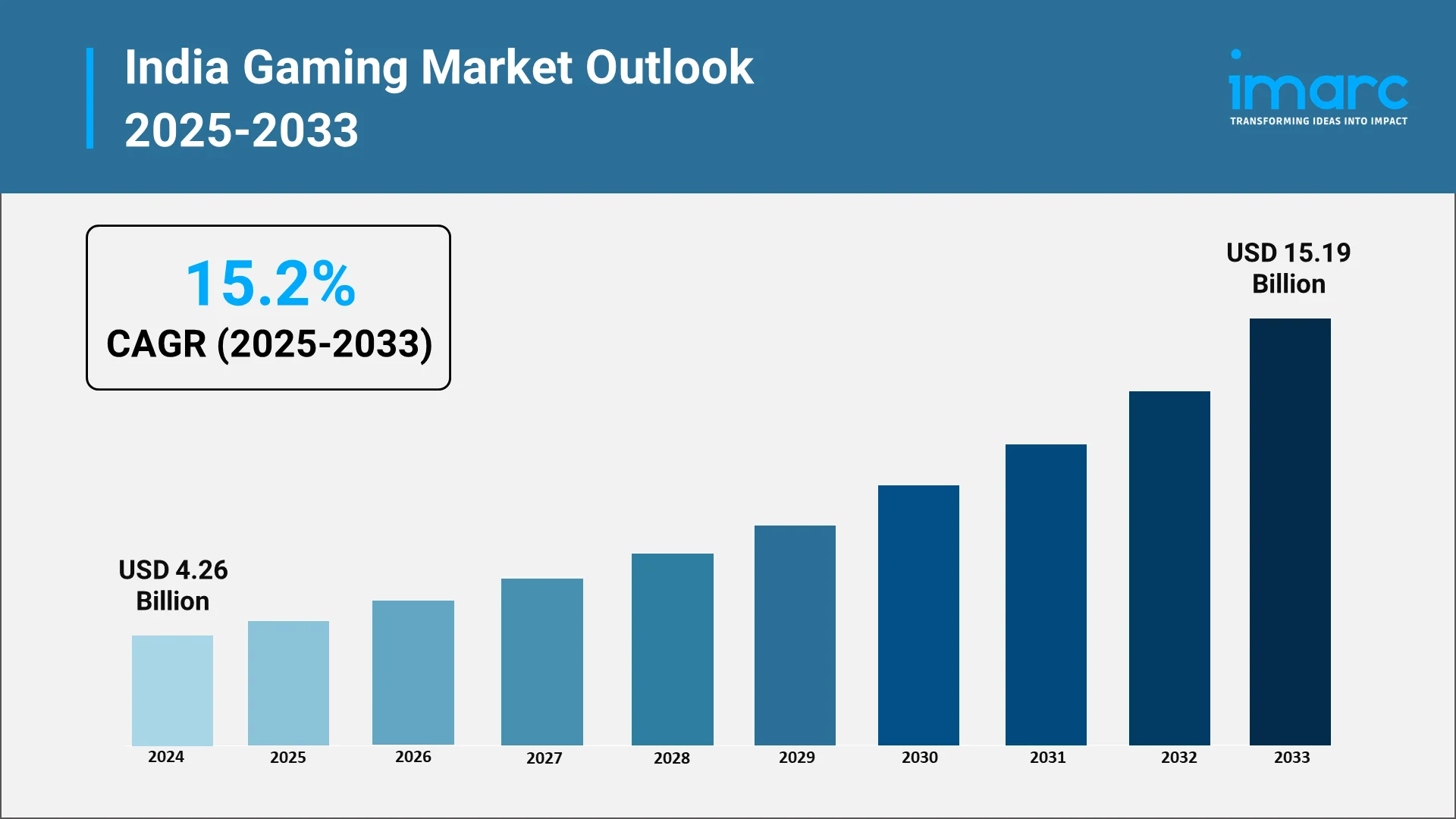
The gaming sector is transitioning from a specialized sector to a dynamic and swiftly growing market, fueled by the rising use of smartphones, accessible internet, and a young, tech-oriented demographic. The rise of mobile gaming is at the heart of this transformation, with millions of people in India engaging in gaming on their smartphones daily. With the nation’s gaming industry growing, a variety of gamers, covering mobile, console, and PC platforms, are shaping the industry. Quantifying this rapid expansion, the IMARC Group reported that the gaming market size in India reached USD 4.26 Billion in 2024.
The primary opportunities ahead are in the rising need for localized content, as developers are concentrating on designing games that connect with Indian cultural and regional tastes. This presents substantial potential to reach a broader audience, especially in tier-2 and tier-3 cities. Moreover, the growth of esports, cloud gaming, AR, and VR technologies offers new opportunities for expansion. With the growing investment and support from both the government and private sectors, there is significant potential to establish India as a worldwide center for gaming development and creativity.
With the market’s maturation, the advancement of monetization strategies, enhanced infrastructure, and stronger regulations will continue to contribute to the increase in India gaming market share, unlocking untapped potential and fostering global competitiveness.
Explore in-depth findings for this market, Request Sample
Game On: Current Trends and Market Drivers Shaping India’s Gaming Future
According to IMARC Group’s projections, the India gaming market is projected to grow at a CAGR of around 15.2% from 2025 to 2033, reaching USD 15.19 Billion by 2033. The growth will be supported by the following factors:
- Smartphone and Internet Penetration
India’s increasing number of affordable smartphones, coupled with the expansion of high-speed internet access, is significantly broadening the market reach. As rural and non-metro areas gain improved connectivity, companies can target new user segments beyond urban centers. This growing accessibility enables casual, on-the-go gaming, contributing to a surge in user numbers and expanding the market. As of March 2024, India had 954.40 million total internet subscribers, with 398.35 million rural subscribers. Furthermore, by April 2024, 95.15% of India’s 644,131 villages were equipped with 3G/4G mobile connectivity, underscoring the increasing digital penetration across the country and creating vast opportunities for gaming expansion in rural areas.
- Monetization Evolution: In–App, Subscription & Cloud
The monetization models in the gaming market in India are evolving beyond basic in-app purchases. Traditional in-app purchases are being complemented by subscription models, cloud streaming, and cross-platform play, providing new revenue streams and catering to players seeking more flexibility and value. This shift allows gaming companies to offer premium experiences while enhancing player lifetime value. A prime example of this trend is Nvidia’s announcement in 2025 that its GeForce NOW cloud gaming service will launch in India, offering high-end gaming experiences on various devices. Premium members can access over 4,500 games, including popular titles like Borderlands 4 and Call of Duty: Black Ops 7, solidifying cloud gaming’s potential in India.
- Esports Partnerships and Innovation
A key factor driving the growth of the market is the increasing investment in esports partnerships and innovation. Realme’s collaboration with Krafton India as the official smartphone partner for the BattleGrounds Mobile Series (BGIS) 2025 and BGMI Pro Series (BMPS) 2025 highlights this trend. By using its GT 7 Pro for the tournaments, Realme is directly supporting both professional and grassroots players. This partnership not only boosts esports visibility but also strengthens the gaming ecosystem in India. As esports continues to gain traction, such collaborations enhance the gaming experience and contribute to market expansion.
- Localized Product Offerings and Market Tailoring
The growing availability of localized products tailored to the needs of Indian gamers is positively influencing the market. Acer’s announcement in 2025 to launch “Make in India” gaming laptops is a prime example. By customizing its Aspire/ALG, Nitro, and Predator series for the Indian market, Acer is addressing the performance, pricing, and usage patterns unique to Indian gamers. This move not only supports the rising demand for gaming PCs across casual, competitive, and creator segments but also taps into the rising interest in AI-ready devices, contributing to the rapid expansion of India’s gaming ecosystem.
The rise of accelerator programs and funding initiatives is helping local developers access advanced technology, mentorship, and global networks. The adoption of AI tools is particularly transformative, enhancing game development, player experiences, and monetization strategies. These AI-driven innovations improve gameplay mechanics, automate processes, and offer personalized content, making Indian games more competitive globally. A prime example is Meta’s India-focused Gaming Accelerator, launched in 2025, which supports 20–30 emerging studios with AI tools like Llama, along with mentorship and investor access to scale their games for global markets.
The Game Plan: Conquering Challenges and Unlocking New Opportunities
The Indian gaming industry encounters challenges like regulatory ambiguity, with many states lacking clear rules for online gaming, creating confusion for developers and players. The country’s vast and diverse population also requires significant investment in localization and culturally relevant content. Additionally, piracy and data security concerns remain persistent threats.
Despite these obstacles, the rapid increase in internet access and smartphone adoption, particularly in tier-2 and tier-3 cities, presents a large untapped market. Mobile gaming is becoming popular because of affordable smartphones and data plans, while localization offers a chance to engage diverse user bases. The growing momentum of the India Mobile Gaming Market further highlights how digital engagement is expanding across demographic groups. Esports and online competitions are also gaining traction, creating new opportunities for competitive gaming and sponsorships.
Masters of the Game: Who’s Leading India’s Gaming Industry
Major figures in the market are progressively concentrating on broadening their reach and enhancing user interaction by utilizing mobile-first approaches and integrating localized content. These firms are focusing on creating games that align with local tastes, providing content in various languages and crafting gameplay that reflects India’s rich cultural diversity. Numerous developers are investigating fresh monetization strategies, such as in-app purchases, subscription models, and live events, while incorporating social and multiplayer elements to promote community engagement. To remain competitive, they are significantly investing in technology like AI and cloud gaming to improve user experiences and provide smooth cross-platform play. Directly illustrating the investment in technology like cloud gaming to improve user experiences and provide smooth cross-platform play, Xbox launched cloud gaming in India for Game Pass subscribers in 2025, allowing high-end games to stream on mobiles, tablets, and PCs.
.webp)
The Game Changers: How Investment and Government Support Are Elevating the Gaming Sector
The gaming market in India is influenced by government-backed initiatives and a clear regulatory framework that foster innovation and growth. These programs support game design, development, and talent, attracting both local and global investments. The regulatory system ensures fair practices and transparency, building market trust and safeguarding user interests.
- Government-backed programs are essential in driving innovation and creating a vibrant gaming ecosystem in India. By supporting game design, development, and talent nurturing, these initiatives provide infrastructure, networking, and industry collaboration that attract both local and global investments. They also focus on cultivating local talent, ensuring the sector’s sustainability and competitiveness. The government’s commitment is evident in major initiatives like the Create in India Challenge and the AVGC-XR Mission, launched in 2025, which aim to foster original creation and collaboration across gaming, animation, VFX, and immersive technologies. These efforts strengthen India’s creative economy and position the country as a global hub for AVGC-XR innovation.
- A coherent regulatory system is vital for driving the gaming market in India. By establishing clear rules and categories for different game types, such as esports and online gaming, the framework ensures transparency and fair practices, fostering trust among investors and participants. This organized approach enhances market security for both developers and users, promoting sustainable growth. In 2025, the Ministry of Electronics and Information Technology (MeitY) addressed the need for such a framework with the release of the Draft Promotion and Regulation of Online Gaming Rules under the PROG Act. This created India’s first unified framework, with the Online Gaming Authority overseeing compliance, classification, and registration.
Leveling Up: IMARC’s Playbook for Navigating India’s Thriving Gaming Market
IMARC Group empowers stakeholders in India’s gaming industry with data-driven insights to succeed in one of the world’s fastest-growing entertainment markets. Our research and consulting services help clients identify untapped opportunities, navigate market uncertainties, and drive innovation in game design, marketing, and retail strategy.
- Market Insights: Track trends shaping India’s gaming market, including the rise in mobile gaming, increasing demand for esports, and the growing popularity of educational and strategy-based games. We also explore the emergence of local developers and the expanding gaming ecosystem.
- Strategic Forecasting: Predict future developments in the integration of digital and physical gaming experiences, the growth of online gaming platforms, evolving user preferences, and the impact of regional content and culturally relevant game narratives.
- Competitive Intelligence: Analyze strategies and offerings from leading game publishers and emerging startups, including how they are redefining gaming experiences with local themes, storytelling, and sustainable production practices.
- Policy and Regulatory Analysis: Understand trade regulations, intellectual property protection, licensing, and safety compliance standards crucial to the production and distribution of games in India.
- Tailored Consulting Solutions: Benefit from customized advice on market entry strategies, distribution models, branding, and game localization. IMARC’s expertise supports businesses in developing scalable, client-centric growth strategies in an expanding gaming ecosystem.

The New Nevada Gaming Board Chairman knows the importance of getting technology OK’d quickly, signaling a clear focus on modernizing how gaming innovations move from development to casino floors. This approach reflects an understanding that technology now plays a central role in the gaming industry and that regulatory systems must evolve to keep Nevada competitive while maintaining its high standards.
New Chairman Knows the Importance of Approving Technology
Gaming technology is advancing at a rapid pace, from new slot machine platforms to cashless systems and enhanced security tools. When approvals take too long, Nevada risks seeing new products debut elsewhere first. The New Nevada Gaming Board Chairman knows the importance of getting technology approved quickly because delays can affect manufacturers, casino operators, and ultimately the state’s position as a leader in regulated gaming.
Industry Experience Shaping Regulatory Priorities
Leadership matters in regulatory agencies, especially in industries as complex as gaming. The new chairman brings experience that bridges regulation and technology, offering insight into how long approval timelines can impact innovation. This background helps explain why the New Nevada Gaming Board Chairman knows the importance of getting technology OK’d quickly, not as a shortcut, but as a way to make processes more efficient and predictable.
How Faster Approvals Benefit Nevada’s Gaming Industry
Timely technology approvals help casinos remain competitive and allow players to experience the latest advancements sooner. When Nevada can approve new gaming systems without unnecessary delays, it strengthens relationships with manufacturers and reinforces the state’s reputation as the global standard for gaming regulation.
Maintaining Integrity While Moving Faster
Speed does not mean sacrificing oversight. Nevada’s gaming regulators are still responsible for ensuring fairness, security, and compliance. The emphasis is on refining internal processes, improving communication, and reducing bottlenecks. This balanced approach explains why the Nevada Gaming Board Chairman knows the importance of getting technology approved quickly while continuing to uphold strict regulatory safeguards.
What This Means for the Future of Gaming Regulation
Looking ahead, a more responsive approval process could encourage greater innovation within Nevada’s gaming sector. Developers may be more inclined to launch new technologies in the state, and operators can adapt more quickly to player expectations.
By aligning regulatory efficiency with technological progress, Nevada positions itself to remain both a trusted regulator and an innovation-friendly environment in an increasingly competitive global gaming market.
Looking for Legal Guidance in Gaming?
If you follow SCCG content and have inquiries about your gaming business, connect with Lazarus Crystal Law Firm—formed by SCCG Management and Lazarus Legal to unite top-tier gaming law with commercialization and market-entry strategy.
Our Areas of Expertise Include:
• Nevada and multi-state gaming licensing
• Regulatory compliance and audit services
• International market entry and cross-border advisory
• Gaming M&A legal due diligence
• Tribal gaming legal and strategic support
• iGaming and sports betting regulatory guidance
Follow us on LinkedIn: Lazarus Crystal Law Firm


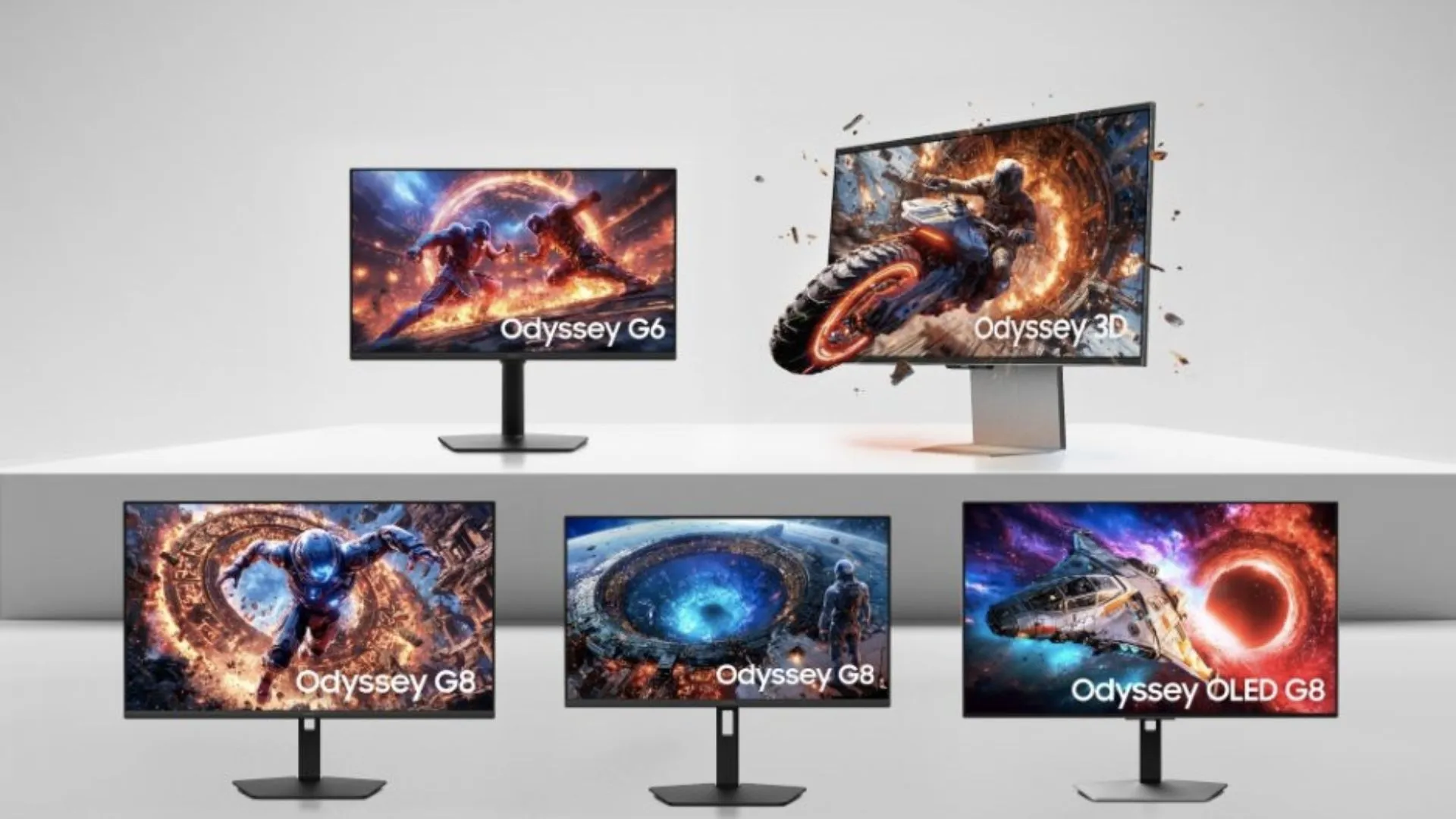
Samsung Electronics has unveiled its new most advanced Odyssey gaming monitor lineup. The lineup includes five new models that push the boundaries of resolution, refresh rates, and immersive visual performance.
Led by Samsung’s first 6K 3D Odyssey G9, the 2026 lineup debuts world-first display technologies for gamers and creators, including the next-generation Odyssey G6 and three new Odyssey G8 models.
First 6K glasses-free 3D monitor
“With this year’s Odyssey lineup, we’re introducing display experiences that simply weren’t possible even a year ago,” said Hun Lee, Executive Vice President of the Visual Display (VD) Business at Samsung Electronics.
“From the industry’s first 6K glasses-free 3D monitor to breakthrough 1,040Hz speed, we designed these monitors to meet the ambitions of today’s gamers and deliver a level of immersion that fundamentally changes how content looks and functions on screen.”
The 32-inch Odyssey 3D (G90XH model) debuts the world’s first 6K display with glasses-free 3D, introducing a new way to experience games on a monitor. Powered by real-time eye tracking, it adjusts depth and perspective in response to the viewer’s position, creating a layered sense of dimension for smooth, uninterrupted gameplay without the need for a headset, according to a press release.
PC gamers can enjoy high-quality expanded lineup
With 6K resolution, a 165Hz refresh rate boosted to 330Hz through Dual Mode, and 1ms response time, fast action stays sharp and smooth, according to Samsung.
The company claims that PC gamers can enjoy a high-quality expanded lineup of supported titles with optimized 3D effects developed in collaboration with game studios. Featured games such as The First Berserker: Khazan, Lies of P: Overture, and Stellar Blade will offer added dimensionality, enhancing terrain, distance, and object separation beyond standard 2D gameplay.
The South Korean company has also highlighted that the 27-inch Odyssey G6 (G60H model) gaming monitor advances competitive gaming with the world’s first 1,040Hz gaming monitor through Dual Mode and native QHD support up to 600Hz, delivering esports-level motion clarity to help players track targets and see fine details during high-speed movement.
When needed, the Odyssey G6 can boost performance in an instant, providing ultra-sharp resolution so viewers can experience breathtaking worlds and ultra-high speeds that fuel competitive adrenaline. With support from both AMD FreeSync Premium and NVIDIA G-Sync Compatible, the Odyssey G6 ensures that every frame is smooth, every color pops, and every moment feels responsive.
The Odyssey G8 series is expanding in 2026 with three distinct models, each offering a different balance of resolution and speed. Leading the lineup, the 32-inch Odyssey G8 (G80HS model), the industry’s first 6K gaming monitor, delivers native 165Hz performance with Dual Mode that supports up to 330Hz in 3K mode.
The 27-inch Odyssey G8 (G80HF model) offers a sharper 5K option with native support up to 180Hz, and Dual Mode boosts to 360Hz in QHD for smoother motion.
For users who want deeper contrast, the 32-inch Odyssey OLED G8 (G80SH model) pairs a 4K QD-OLED panel with a 240Hz refresh rate, Glare Free viewing, 300-nit brightness, and VESA DisplayHDR True Black 500 certification. Its DisplayPort 2.1 (UHBR20) supports up to 80 Gbps of bandwidth for seamless HDR and VRR playback, according to Samsung.
The complete Odyssey 2026 lineup will be on display at CES 2026 in Las Vegas from January 6-9.
Technology
Games of the Future Abu Dhabi 2025 Rewrites the Playbook for Sports with Phygital Innovation
Published on
December 25, 2025
By: Tuhin Sarkar
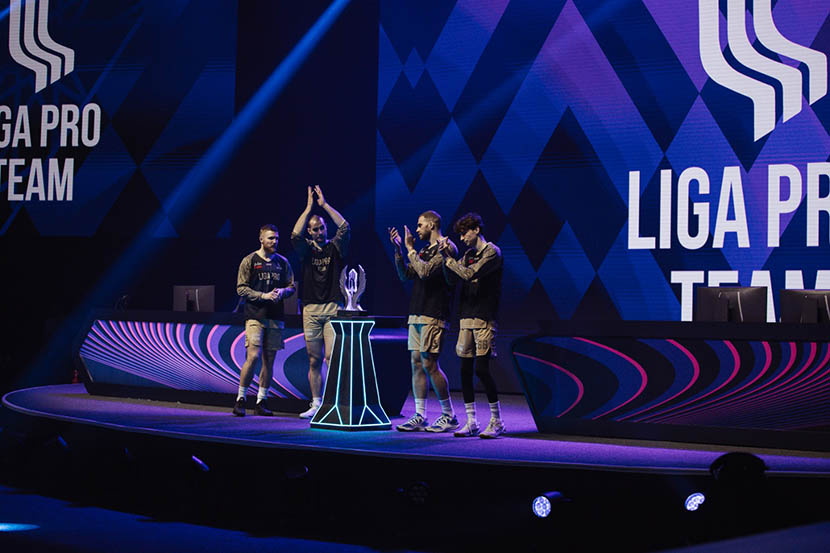
The Games of the Future Abu Dhabi 2025 have closed an unforgettable chapter in the evolution of phygital sports. Hosted under the patronage of His Highness Sheikh Mohamed bin Zayed Al Nahyan, President of the UAE, the event marked an unparalleled fusion of physical and digital competition. Over six action-packed days, Abu Dhabi hosted more than 850 participants from 60+ countries, with fierce battles across 11 disciplines including Phygital Football, Phygital Basketball, esports, Phygital Fighting, drone racing, and VR gaming.
Games of the Future Abu Dhabi 2025 was not just a sporting event; it was a vision of the future. It set a global standard for what sports can look like in the digital age, where technology and human skill come together to create immersive and multi-dimensional experiences. The competition showed the world that the future of sports isn’t confined to a physical arena, but seamlessly integrates both the physical and digital.
The Champions of Tomorrow: Phygital Sports Takes Centre Stage
The Games of the Future Abu Dhabi 2025 featured 11 disciplines that blended traditional sports with futuristic technologies, including Phygital Football, Phygital Basketball, esports, Phygital Fighting, and Phygital Shooter. These unique formats tested competitors in both the physical and digital realms. For example, Phygital Football powered by ADNOC saw the México Quetzales – Armadillos FC clinch the Phygital Football title, defeating Troncos FC 2-4 in a thrilling final that captivated crowds throughout the week. Likewise, in Phygital Basketball, the LIGA PRO TEAM triumphed in a 29-23 victory over Moscowsky.
Other high-stakes competitions included Phygital Fighting.FATAL FURY: City of the Wolves, where Kuznya dominated, winning all four of their matches. Meanwhile, xGoat emerged victorious in the Phygital Shooter.CS 2 final, overcoming Dontsu Esports 2-0 in an intense digital shootout.
In the drone racing category, Drone Racing One wowed spectators by completing 50 laps of a challenging circuit, showcasing the high-tech thrill of phygital racing.
A Digital Revolution: The Rise of VR Gaming and Esports
Beyond traditional sports, Games of the Future Abu Dhabi 2025 brought esports and VR gaming into the spotlight. The esports events featured top teams and intense matches across a variety of games, including MOBA Mobile.MLBB and MOBA PC.Dota 2. In a thrilling final, ONIC defeated Aurora Gaming in the Mobile.MLBB championship, while teamWin overcame Vikings 2-0 in Dota 2.
The Battle Royale tournament, featuring Fortnite, saw Kami + Swizzy crush their opponents ZYRO + RAPID in the final. In VR gaming, the HADO competition proved to be one of the most exciting events, where Team Rock claimed the victory.
The digital revolution didn’t stop there—Phygital Dancing.Just Dance was an engaging crowd favorite, with Ivan “myakekcya” Vlasov taking home the crown. These events proved that esports and VR gaming are no longer just niche interests but are now integral parts of mainstream competition.
The Future is Phygital: Tech and Sport in Perfect Harmony
Games of the Future Abu Dhabi 2025 perfectly illustrated how technology and sports are converging to form an entirely new ecosystem. With events such as Phygital Football, Phygital Basketball, and drone racing, the Games were a showcase of the groundbreaking possibilities that arise when sports embrace digital innovations. Technology was not merely an accessory at this event—it was the cornerstone upon which the competitions were built.
With immersive experiences that brought together digital avatars, VR environments, and physical action, the event revealed a new way of experiencing and consuming sports. It also showcased how athletes and fans alike can now engage with sports in ways that were unimaginable just a decade ago.
Abu Dhabi Leads the Way: A Global Hub for Next-Generation Sports
As the host city, Abu Dhabi solidified its position as a global leader in the future of sports. This landmark event wasn’t just about showcasing phygital sports, but also about demonstrating the UAE’s commitment to innovation and technology. The event was a triumph of vision, execution, and global collaboration, bringing together athletes, clubs, and partners from around the world.
In his remarks, Saif Al Noaimi, CEO of Ethara, remarked on the complexity of delivering an event on such a grand scale: “Delivering an event of this scale and complexity required close coordination across multiple disciplines, venues, and partners. The Games of the Future Abu Dhabi 2025 showcased competitive excellence, but also operational innovation and audience engagement at the highest level.”
Similarly, Nis Hatt, CEO of Phygital International, praised the event’s impact: “What we saw over six days was not just competition, but the emergence of a global ecosystem where sport, esports, technology, and innovation coexist on one stage. Abu Dhabi set a new benchmark for scale, delivery, and ambition.”
A Glimpse into the Future: The Global Impact of Phygital Sports
The success of Games of the Future Abu Dhabi 2025 is not just about the event itself. It signals a transformative shift in how we view and experience sports in the 21st century. By embracing phygital sports, the UAE is not just shaping the future of competition, but also setting the stage for the next generation of athletes, fans, and sports industries.
The Phygital Sports Summit, which took place during the event, provided a platform for discussing the future of sports, technology, and innovation. The summit brought together industry leaders, athletes, and tech visionaries to discuss the convergence of physical and digital realms. The dialogue held here will help define the future trajectory of phygital sports and shape the policies that govern it.
Looking Ahead: The Future of Phygital Sports is Now
The Games of the Future Abu Dhabi 2025 wasn’t just a flash in the pan; it was a statement. The event demonstrated how sports and technology can work in harmony, paving the way for the next generation of competition. As Abu Dhabi continues to innovate and lead the way in phygital sports, the rest of the world is watching closely, eager to follow in the footsteps of this global hub for next-generation sports and entertainment.
As Stephane Timpano, CEO of ASPIRE, pointed out, “The success of this edition shows what is possible when vision, technology, and execution align.” The Games of the Future Abu Dhabi 2025 will undoubtedly serve as a springboard for even bigger, more ambitious events in the years to come, setting a new standard for what’s possible in the world of sports.

Technology
The Games of the Future Abu Dhabi 2025 Closes Landmark Edition, Setting New Benchmark for Phygital Sports


GOTF 1

Concludes GOTF.2

Concludes GOTF .3
ABU DHABI, UNITED ARAB EMIRATES, December 25, 2025 /EINPresswire.com/ — The Games of the Future Abu Dhabi 2025 powered by ADNOC concluded on Tuesday after six days of elite competition, innovation, and global participation, marking a milestone moment in the evolution of phygital sports.
Held under the patronage of His Highness Sheikh Mohamed bin Zayed Al Nahyan, President of the UAE, the landmark event brought together more than 850 participants from over 60 countries and featured 11 disciplines, spanning Phygital Football, Phygital Basketball, esports, Phygital Fighting, Phygital Shooter, Phygital drone racing, and VR Game.HADO. Across arenas, stages, and digital battlegrounds, the event showcased how technology and sport are converging to shape the future of competition.
During the globally-watched event, champions were crowned in each discipline, delivering their own defining moments and reinforcing the unique multi-sport identity of the Games of the Future.
Phygital Football powered by ADNOC and Phygital Basketball.3on3 FreeStyle brought to you by M42 both drew vocal crowds throughout the week, with MÉXICO QUETZALES – ARMADILLOS FC taking the Phygital Football title in a thrilling 2-4 final win over Troncos FC, and LIGA PRO TEAM secured the Phygital Basketball title with a 29-23 victory over Moscowsky. Meanwhile, in Phygital Fighting.FATAL FURY: City of the Wolves, Kuznya finished top of the leaderboard after winning all four of their fights, dominating both on the digital stage and in the octagon, and xGoat won the Phygital Shooter.CS 2 final, beating Dontsu Esports 2-0 in the digital world to avoid the need for a deciding round of physical laser tag.
Tasting glory in the esports-focused disciplines, ONIC won the MOBA Mobile.MLBB final against Aurora Gaming, while the aptly-named teamWin beat Vikings 2-0 in the championship game of MOBA PC.Dota 2, and Kami + Swizzy conquered ZYRO + RAPID in the final of the Battle Royale.Featuring Fortnite. In the Phygital Drone Racing presented by InsuranceMarket.ae, which tasked clubs to complete 50 laps of a testing circuit filled with loops, hoops, and straights, Drone Racing One proved fastest on the final day ahead of Team BDS.
A pair of events taking place in the Atrium at ADNEC Centre drew plenty of attention as Ivan “myakekcya” Vlasov triumphed in the Phygital Dancing.Just Dance final, while Team Rock took the title in VR-game.HADO. Lastly, in Battle of Robots, proving itself one of the most spectacular disciplines of the week, Fierce Roc’s menacing Deep Sea Shark machine annihilated Team Cobalt’s Cobalt in a spectacularly destructive finale.
In parallel with the competitive program, the event week also featured an eye-catching and engaging Opening Ceremony and the inaugural Phygital Sports Summit, reinforcing Abu Dhabi’s position as a global hub for next-generation sport, innovation, and immersive entertainment.
Saif Al Noaimi, CEO of Ethara, reflected on intricacy of the Games: “Delivering an event of this scale and complexity required close coordination across multiple disciplines, venues, and partners. The Games of the Future Abu Dhabi 2025 showcased competitive excellence, but also operational innovation and audience engagement at the highest level. We are proud to have played a role in bringing this landmark event to life and in supporting its growth on the global stage.”
Nis Hatt, CEO of Phygital International, said: “The Games of the Future Abu Dhabi 2025 demonstrated how far this movement has come in a short space of time. What we saw over six days was not just competition, but the emergence of a global ecosystem where sport, esports, technology, and innovation coexist on one stage. Abu Dhabi set a new benchmark for scale, delivery, and ambition, and this edition has reinforced the Games of the Future as a defining platform for next-generation competition worldwide.”
Stephane Timpano, CEO of ASPIRE, added: “Hosting the Games of the Future in Abu Dhabi reflects the UAE’s commitment to shaping the future of sport and innovation. This event brought together athletes, clubs, partners, and audiences from around the world. The success of this edition shows what is possible when vision, technology, and execution align, and it positions Abu Dhabi firmly at the forefront of emerging sport formats.”
The Games of the Future Abu Dhabi 2025 is organized by ASPIRE, the Local Delivery Authority, in collaboration with Ethara, the Event Delivery Partner, and Phygital International, the Global Rights Holder. The event is supported by key partners, including Abu Dhabi Sports Council, ADNOC, EDGE, M42, Solutions+, The Galleria, Abu Dhabi Gaming, du Infra, InsuranceMarket.ae, Ministry of Sports, Advanced Technology Research Council, and ADNEC Group.
Deepra Ahluwalia
Action Global Communications
+971 56 477 0995
email us here
Legal Disclaimer:
EIN Presswire provides this news content “as is” without warranty of any kind. We do not accept any responsibility or liability
for the accuracy, content, images, videos, licenses, completeness, legality, or reliability of the information contained in this
article. If you have any complaints or copyright issues related to this article, kindly contact the author above.


Webster City Christmas tree pickup to be Monday | News, Sports, Jobs

H.S. INDOOR TRACK & FIELD: GLOW region athletes shine in RWTL meet at Nazareth University | Sports

LANE ONE: Projecting the top stories of 2026 (10 to 6), with questions about Russia, Israel, esports, doping, college chaos and, of course, track & field

$2.3 million college football QB heavily linked to struggling NFL team

Inside Joey McGuire’s calculated program build

Texas A&M Volleyball makes USA Today’s Top Women’s Moments list

Stockton students making an impact in community with school Police Explorers

2025 Volleyball Year in Review – UCF Athletics

Oregon’s Dan Lanning calls for college football season to end by Jan 1 every year

The 2025 Your Prep Sports Area Volleyball Team

Dan Shaughnessy: Is college sports broken?

2025-26 College Football Playoff quarterfinal, bowl game predictions, picks, odds

James Nnaji NIL signing with Baylor basketball has Nick Saban up in arms

Joey McGuire plays ol’ high school coach as Texas Tech faces pivotal moment vs. Oregon

Fantin’s Late Goal Lifts No. 4 Nittany Lions over No. 10 Cornell – Penn State

SoundGear Named Entitlement Sponsor of Spears CARS Tour Southwest Opener

Donny Schatz finds new home for 2026, inks full-time deal with CJB Motorsports – InForum

Black Bear Revises Recording Policies After Rulebook Language Surfaces via Lever

How Donald Trump became FIFA’s ‘soccer president’ long before World Cup draw

David Blitzer, Harris Blitzer Sports & Entertainment

DeSantis Talks College Football, Calls for Reforms to NIL and Transfer Portal · The Floridian
Elliot and Thuotte Highlight Men’s Indoor Track and Field Season Opener

JR Motorsports Confirms Death Of NASCAR Veteran Michael Annett At Age 39

Rick Ware Racing switching to Chevrolet for 2026

#11 Volleyball Practices, Then Meets Media Prior to #2 Kentucky Match

23 عاما من الفضائح السياسية والجنسية منذ انقلاب حمد بن خليفة.. استغلال الفتيات الصغيرات في الدعارة.. ضبط ابنة رئيس وزراء قطر خلال ممارستها لجنس الجماعي.. ملامح الحكم تتخبط بين المنفي وتدخلات النساء

Colleges ponying up in support of football coaches, programs

Nascar legal saga ends as 23XI, Front Row secure settlement

23 عاما من الفضائح السياسية والجنسية منذ انقلاب حمد بن خليفة.. استغلال الفتيات الصغيرات في الدعارة.. ضبط ابنة رئيس وزراء قطر خلال ممارستها لجنس الجماعي.. ملامح الحكم تتخبط بين المنفي وتدخلات النساء
West Fargo volleyball coach Kelsey Titus resigns after four seasons – InForum






-
 Sports3 weeks ago
#11 Volleyball Practices, Then Meets Media Prior to #2 Kentucky Match
-
 Motorsports3 weeks ago
Nascar legal saga ends as 23XI, Front Row secure settlement
-

 Sports3 weeks ago
Maine wraps up Fall Semester with a win in Black Bear Invitational
-
 Motorsports3 weeks ago
Sunoco to sponsor No. 8 Ganassi Honda IndyCar in multi-year deal
-

 Motorsports2 weeks ago
Ross Brawn to receive Autosport Gold Medal Award at 2026 Autosport Awards, Honouring a Lifetime Shaping Modern F1
-

 Rec Sports3 weeks ago
WNBA’s Caitlin Clark, Angel Reese and Paige Bueckers in NC, making debut for national team at USA camp at Duke
-

 Motorsports3 weeks ago
Rick Hendrick comments after the NASCAR lawsuit settlement
-

 NIL3 weeks ago
Nike Signs 10 LSU Athletes to NIL deals
-

 Rec Sports2 weeks ago
Stempien to seek opening for Branch County Circuit Court Judge | WTVB | 1590 AM · 95.5 FM
-
Sports3 weeks ago
Wisconsin defeats Stanford in NCAA regional semifinals: Updates, recap