
Technology
A Deep Dive into Nike’s Journey to Global Dominance


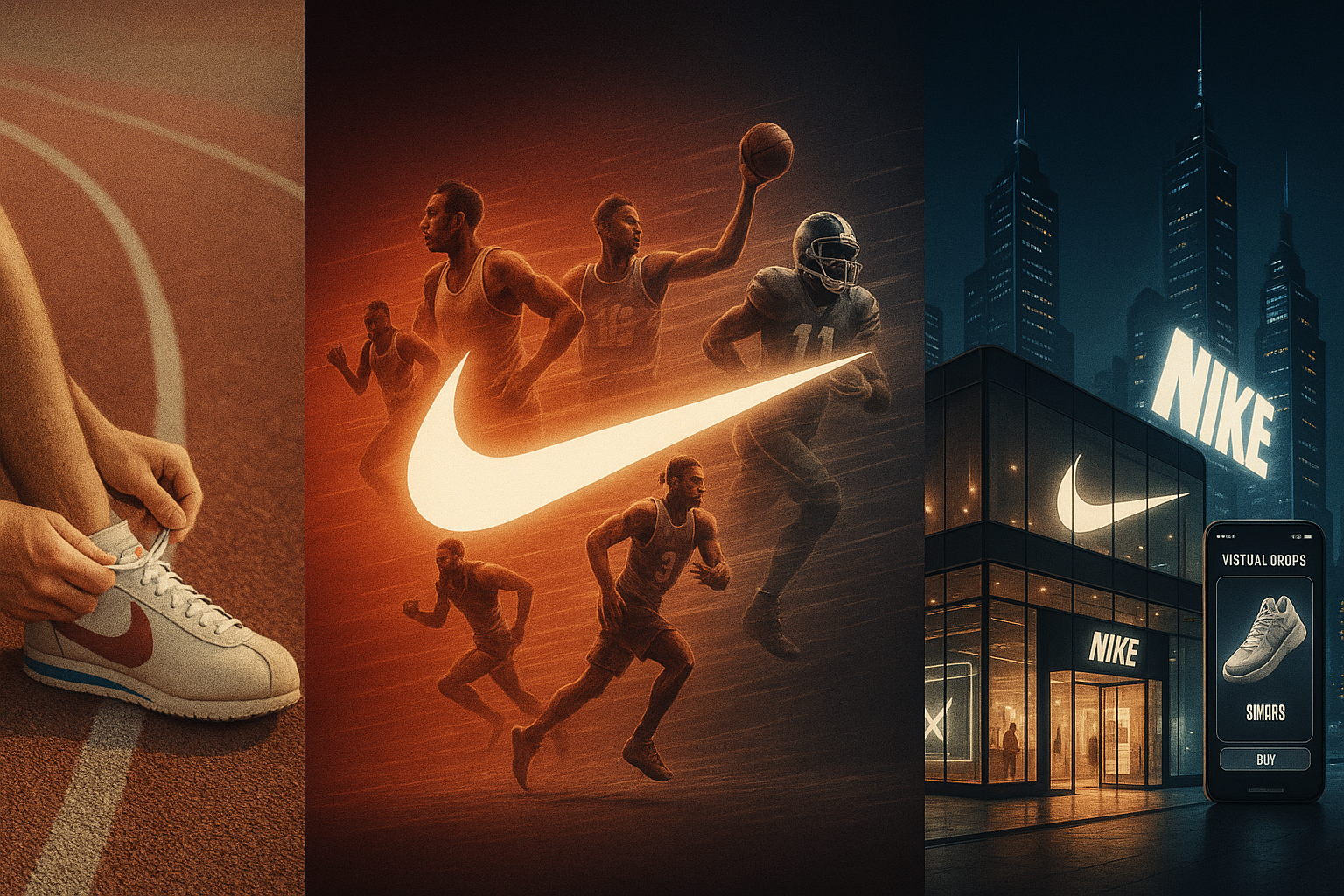
Nike (NYSE: NKE) stands as a titan in the global athletic apparel and footwear industry, a brand synonymous with innovation, performance, and aspirational marketing. From its humble beginnings as a distributor of Japanese running shoes, Nike has evolved into a multinational corporation that designs, develops, manufactures, and markets footwear, apparel, equipment, accessories, and services worldwide. Its iconic “Swoosh” logo and “Just Do It” slogan are recognized across continents, embodying a spirit of athletic achievement and personal empowerment that transcends sports.
Foundation and Early Years
The genesis of Nike can be traced back to January 25, 1964, when it was founded as Blue Ribbon Sports (BRS) by University of Oregon track athlete Phil Knight and his visionary coach, Bill Bowerman. Knight, fresh out of Stanford with an MBA, saw an opportunity in the American market for high-quality, affordable athletic shoes, a niche he believed Japanese manufacturers could fill. During a trip to Japan, he spontaneously created the name “Blue Ribbon Sports” to secure a deal to resell Onitsuka Tiger (now ASICS) shoes in the United States.
Upon receiving the initial shipment, Knight sent two pairs to Bowerman for his expert opinion. This pivotal moment led to Bowerman joining Knight as a 50-50 partner in BRS. The initial business model was straightforward: import and distribute Onitsuka Tiger shoes, offering a compelling alternative to the dominant German brands like Adidas and Puma. Knight initially sold shoes from the trunk of his car at track meets, leveraging Bowerman’s reputation as a coach of Olympic runners to gain credibility and sales. Bowerman’s influential book, “Jogging,” also played a role in popularizing recreational running and, by extension, the nascent brand.
However, the early years were not without their challenges. BRS faced stiff competition from established brands with far greater resources. Their limited budget constrained their ability to distribute widely and sponsor athletes, a common practice in the sports industry. Supply chain issues with Onitsuka Tiger were a persistent problem, with slow shipments and growing friction over distribution rights and new shoe designs. This culminated in a legal dispute and the eventual split between BRS and Onitsuka Tiger in 1971. A judge’s ruling allowed both companies to sell their versions of a particular shoe design, leading to the creation of the Nike Cortez and the Tiger Corsair.
It was on May 30, 1971, that Blue Ribbon Sports officially became Nike, Inc., a name suggested by Jeff Johnson, BRS’s first employee, inspired by the Greek goddess of victory. The now-iconic “Swoosh” logo, designed by graphic design student Carolyn Davidson for a mere $35, was also introduced that year. Despite the initial lack of brand recognition and capital, Bowerman’s innovative spirit, exemplified by his experimental “Moon Shoe” in 1972 and the revolutionary “Waffle Trainer” in 1974 (inspired by a waffle iron), proved instrumental. The company began manufacturing its own Nike-branded shoes and strategically partnered with influential athletes like Steve Prefontaine, laying the groundwork for its future success.
Growth and Development
Nike’s journey from a niche distributor to a global powerhouse is a testament to its relentless pursuit of innovation, strategic market expansion, and evolving product offerings. The 1960s saw Blue Ribbon Sports establish its first retail store in Santa Monica, California, in 1966, followed by an expansion of retail and distribution operations to the East Coast by 1967, driven by increasing sales.
The 1970s were pivotal. The official rebranding to Nike, Inc. in 1971, coupled with the introduction of the iconic “Swoosh” logo, marked a new era. The Nike Cortez, designed by Bowerman, quickly gained popularity after its 1972 launch, signaling Nike’s growing presence in the athletic footwear market. This was further solidified by the 1974 launch of the Waffle Trainer, a shoe that showcased Nike’s commitment to innovative design for improved grip and comfort. A significant technological leap occurred in 1978 with the introduction of Nike’s Air cushioning technology in running shoes, starting with the Nike Air Tailwind, which revolutionized shoe comfort and performance.
The 1980s witnessed Nike’s ascent to global prominence. In 1980, Nike went public with its Initial Public Offering (IPO), raising substantial capital for further expansion. The Nike Air Force 1, introduced in 1982, became the first Nike basketball shoe to feature Air Technology and quickly achieved cultural icon status. However, the most transformative moment came in 1984 when Nike signed Michael Jordan, leading to the legendary Air Jordan line in 1985. This partnership not only redefined sports footwear but also cemented Nike’s brand identity. The 1987 launch of the Air Max 1, the first shoe with visible Air technology, further impacted sneaker design. The decade concluded with the launch of the enduring “Just Do It” campaign in 1988, a slogan that became synonymous with the brand’s aspirational message and marked Nike’s active expansion beyond footwear into apparel and accessories.
The 1990s saw Nike continue its diversification and global reach. The first NikeTown store opened in downtown Portland in 1990, aiming to create a lifestyle brand experience. In 1993, Nike demonstrated an early commitment to sustainability with the introduction of Reuse-A-Shoe, a program that repurposed athletic shoes into sports surfaces. Strategic long-term partnerships with the Brazilian and United States soccer teams were forged in 1995, followed by the signing of Tiger Woods in 1996, expanding Nike’s presence in golf. The creation of Nike ACG (“all conditions gear”) further broadened its reach into extreme sports.
The 2000s brought further technological advancements and strategic acquisitions. The Nike Shox cushioning/support system was introduced in 2000. Nike ventured into sports technology accessories, including heart rate monitors and fitness apps, in the early 2000s. A significant acquisition occurred in 2003 with the purchase of rival Converse for $305 million. In 2006, Nike+ was launched in collaboration with Apple, integrating sportswear with digital technology to track fitness metrics, a precursor to its future digital ecosystem.
The 2010s continued the trend of innovation and digital integration. Flyknit technology, introduced in 2012, revolutionized shoe design with its lightweight, eco-friendly materials and minimal waste. NikeLab, launched in 2014, showcased product innovation at the intersection of sports and fashion. Looking ahead, Nike continues to push boundaries, as evidenced by the planned 2025 introduction of the Hyperboot, a shoe offering heat and air-compressed massages, in collaboration with Hyperice.
Nike’s market expansion has been a multi-faceted approach, combining geographic reach with deeper market penetration. The company leverages an extensive global network of retail stores, strategic partnerships with wholesalers and distributors, and innovative digital marketing tactics. They actively seek growth opportunities in new markets, investing aggressively in countries with high growth potential. A consumer-centric approach drives their strategy, focusing on creating premium experiences through product innovation, brand leadership, and an elevated retail presence, tailoring campaigns and products to regional preferences. Nike has increasingly emphasized its direct-to-consumer (D2C) sales, including inline stores, factory outlets, and e-commerce, for greater brand control and a seamless digital buying experience. Strategic partnerships and sponsorships with world-class athletes and sports teams serve as powerful international marketing channels. Furthermore, Nike has embraced digital transformation, investing heavily in e-commerce, mobile apps, and social media to create engaging experiences and deepen customer connections globally.
The evolution of Nike’s product and service offerings is characterized by continuous innovation and a focus on performance. From its early success with running shoes like the Waffle Trainer and Cortez, Nike expanded into various sports, introducing revolutionary technologies like Air cushioning. The company diversified its product line to include apparel, accessories, and sports equipment. Beyond physical products, Nike has developed a robust ecosystem of service offerings, including Nike+ and a suite of mobile apps that provide personalized content, exclusive products, interactive experiences, and training programs. They offer personalized shopping experiences and aim for a seamless omnichannel experience, leveraging tools like Nike Fit for enhanced online shopping. Nike actively incorporates customer feedback to continuously improve its products and services, while also focusing on elevating the retail experience through its NikeTown stores and collaborations with wholesale partners.
Major Achievements
Nike’s journey to market dominance is punctuated by a series of groundbreaking achievements, from revolutionary product innovations to strategic marketing triumphs and a consistent hold on market leadership.
One of Nike’s earliest and most impactful industry innovations was the Waffle Sole, conceived by co-founder Bill Bowerman in 1971. His ingenious idea, born from experimenting with rubber in a waffle iron, provided superior traction and became a cornerstone of the early success of the Nike Cortez, a best-selling model. This was followed by the introduction of Nike Air Technology in 1979 with the Tailwind shoes. This patented cushioning system, involving injecting gas into a rubber sole, revolutionized comfort and performance in athletic footwear. The Air Max line, launched in 1987 with its visible air cushioning, further cemented Nike’s reputation for innovation and became a significant fashion statement. Nike continues to evolve its Air platform, introducing new shapes and sensations across various sports. In 2012, Flyknit Technology emerged, offering lightweight, form-fitting shoes made with minimal waste, reducing waste by 60% compared to traditional methods and diverting millions of pounds from landfills. Beyond footwear, Nike has also developed adaptive lacing technology, exemplified by the HyperAdapt 1.0, a shoe that laces itself. The company’s commitment to innovation is further underscored by its Sport Research Lab, a premier center for advanced research and development in biomechanics, exercise physiology, engineering, and industrial design.
Nike’s dedication to sustainability is another notable achievement. Its ColorDry technology dyes fabric without water, saving millions of liters. The Reuse-A-Shoe program has recycled nearly 30 million pairs of shoes, and Nike actively incorporates recycled bottles and materials into its products, including its Nike Grind material. The company aims to send zero waste from contracted footwear manufacturing to landfills, showcasing a strong commitment to environmental responsibility.
Beyond product innovation, Nike has garnered significant awards and recognition throughout its history. It has been recognized multiple times as “Advertiser of the Year” by the Cannes Advertising Festival (1994, 2004). Fortune magazine has repeatedly included Nike on its “100 Best Companies To Work For” list (2006, 2007, 2008) for its employee benefits and corporate responsibility efforts. In 2011, Nike received top recognition for sustainability reporting from Ceres and the Association for Chartered Certified Accountants (ACCA), acknowledging its transparent disclosure of environmental and social impact. Nike has also been consistently ranked as the Most Admired Company in America in the Apparel industry for three consecutive years and won the “Best Company Perks & Benefits” award from Comparably in 2019 and 2024. Running USA and YouthRunner.com named the Nike 5K for Kids Series the Youth Program Contributor of the Year. In 2020, Nike was valued at $32 billion, making it the most valuable sports company in the world.
Nike’s market leadership positions are undeniable. It holds a dominant market share in North America’s athletic apparel industry (around 27.4%) and a significant share in the global athletic footwear market (31%). Notably, Nike commands a staggering 96% of the basketball shoe industry market. As the world’s largest supplier of athletic shoes and apparel, Nike’s revenue exceeded $40 billion in 2020, with over 850 retail stores worldwide and offices in 45 countries. Strategic acquisitions, such as Hurley (2002) and Converse (2003), have further solidified its market leadership.
A key driver of Nike’s success is its exceptional branding and marketing. The “Swoosh” logo, created in 1971, is one of the most recognized logos globally. The enduring slogan “Just Do It,” launched in 1988, has become one of the most successful advertising slogans in history, inspiring people to push their limits. Nike has consistently leveraged high-profile athlete endorsements to boost its brand and sales. The partnership with Michael Jordan in 1984, which launched the incredibly successful Air Jordan line, generated billions in revenue and remains a benchmark for sports marketing. Other significant endorsements include Ilie Năstase (1972), Tiger Woods (1996), Kobe Bryant (2003), LeBron James (2003), Derek Jeter (2008), and Cristiano Ronaldo. Furthermore, Nike has secured official supplier status for major sports leagues, including the NFL (2012) and NBA (2015), further cementing its position at the forefront of the athletic industry.
Corporate Culture and Leadership
Nike’s corporate culture is a vibrant tapestry woven with threads of innovation, inclusivity, and an unwavering pursuit of excellence, all geared towards inspiring athletes globally. This culture is a fundamental pillar of Nike’s success, fueling its market leadership and cultivating a fiercely loyal customer base.
At the heart of Nike’s ethos lies its mission statement: “to bring inspiration and innovation to every athlete* in the world.” The asterisk, clarifying “If you have a body, you are an athlete,” underscores an inclusive approach that permeates every facet of Nike’s operations and decision-making. Key values embedded within this mission include a relentless drive for inspiration and innovation, a commitment to inclusivity and empowerment across all demographics, and a growing focus on sustainability. Team collaboration is central, fostering diverse perspectives and shared ownership. Nike also prioritizes continuous learning and development, encouraging employees to take proactive roles in their growth, while upholding high standards of performance and accountability. The company emphasizes making responsible decisions and acting ethically, with teammates encouraged to stand up for what is right. Nike’s vision statement, “to do everything possible to expand human potential” and “to remain the most authentic, connected, and distinctive brand,” reflects its ambition to maintain market dominance and drive business growth through continuous brand development and high-performance products that resonate personally with consumers.
Nike’s organizational philosophy is deeply rooted in creativity and innovation, aiming to deliver products that align with consumer preferences and market trends. The company actively encourages employees to think creatively and push boundaries. Its leadership philosophy emphasizes inspiration and empowerment, with managers trained to foster open communication, recognize employee contributions, and encourage innovation. A distinctive aspect of Nike’s leadership style is its focus on collaborative decision-making, where employees are encouraged to voice ideas and take ownership of projects, fostering a sense of purpose and autonomy. This approach has cultivated a motivated workforce that feels valued and inspired. The company utilizes a matrix structure, where individuals may report to multiple bosses, and leadership development programs like “Elevate” equip managers to guide their teams effectively. This robust culture enables Nike to adapt swiftly to changing consumer trends, embrace new technologies, and uphold its commitment to sustainability, solidifying its position as a global leader.
Throughout its history, Nike has been shaped by notable leaders who have left an indelible mark on its trajectory. Phil Knight, co-founder and former CEO, is a visionary whose leadership was defined by an unwavering commitment to innovation and the belief that a brand should represent a lifestyle and aspiration. He fostered a culture of experimentation and risk-taking, crucial to Nike’s continuous evolution. Knight’s interactive leadership style, characterized by a team management approach, allowed team members to “freely practice their art,” guiding the company for decades as it blossomed into a global giant.
Mark Parker, former CEO and current Executive Chairman, joined Nike in 1979 as one of its first footwear designers and has been central to Nike’s innovation. Serving as Chairman, President & CEO for 14 years (2006-2020), Parker’s leadership, described by Knight as “thoughtful but demanding,” stabilized leadership by returning insider control and focused on product innovation through new technologies like Flyknit. He spearheaded Nike’s dominance in the athletic shoes and apparel industry through strategic athlete sponsorships, viral advertising, and expansion in basketball. Parker describes his own leadership as an “editorial” approach, helping colleagues hone their ideas.
John Donahoe, the current CEO, took the helm in 2020, chosen to lead Nike’s digital transformation. He has focused on shifting Nike towards direct e-commerce sales and digital marketing, particularly during the COVID-19 pandemic, leveraging his extensive experience in technology and e-commerce.
Other key leaders who have contributed significantly include Bill Bowerman, co-founder and the visionary track coach whose philosophy, “If you have a body, you are an athlete,” is a core part of Nike’s mission statement. Elliott Hill, former President & CEO of NIKE, Inc., was an inspiring leader with a strong entrepreneurial drive and deep connection to the consumer and Nike culture, helping grow the business to over $39 billion before retiring in 2020. Phil McCartney, EVP, Chief Innovation, Design & Product Officer, is responsible for the creation of innovative and coveted products across Nike, Jordan, and Converse brands. Craig Williams, EVP, Chief Commercial Officer, leads Nike’s four geographies and marketplace, including supply chain and logistics, and previously led Jordan Brand to become the second-largest footwear brand in the U.S. Amy Montagne, President, Nike, is responsible for serving consumers across all sports and driving future growth for the Nike brand. Andy Campion, Chief Operating Officer, leads Nike’s global technology and digital transformation, demand and supply management, manufacturing, distribution, logistics, sustainability, and procurement. Heidi O’Neill, President of Consumer and Marketplace, is responsible for Nike’s Direct business (stores, e-commerce, apps) and leads the Nike Brand’s four geographic operating regions and Global Sales organization.
While Nike promotes an inclusive and diverse culture, it has faced scrutiny regarding assertions of gender inequality and how it treats women in its corporate culture, despite its public campaigns supporting female athletes. The company states it opposes discrimination and is committed to diversity and inclusion.
Current Status
Nike (NYSE: NKE) remains a formidable force in the global athletic footwear, apparel, and equipment industry, despite navigating a period of recent challenges.
In terms of market position, Nike continues to hold a dominant share in the athletic footwear market. In 2024, Nike, along with Adidas, Puma, Under Armour, New Balance, Reebok, ASICS, and Skechers, collectively commanded a significant portion of the athletic footwear market. Specifically, Nike’s global market share in athletic footwear is projected to be 35.01% in 2024, a notable increase from approximately 17% in 2011. However, in Q2 Fiscal 2025, Nike’s market share based on total revenues was reported at 24.24%. There are indications that competitors like Adidas, New Balance, and Skechers are expected to gain market share in 2025, with some reports suggesting a potential drop in Nike’s apparel industry share due to slower innovation and weaker fashion appeal.
Financially, Fiscal Year 2025 has presented a challenging landscape for Nike. In Q1 Fiscal 2025 (ended August 31, 2024), revenue fell 10% year-over-year to $11.6 billion, with Nike Direct revenues dropping 13% and wholesale revenues decreasing 8%. Net income was down 28% to $1.1 billion. Q2 Fiscal 2025 (ended November 30, 2024) saw revenues of $12.4 billion, down 8% on a reported basis, with Nike Direct revenues down 13% and wholesale revenues down 3%. Gross margin decreased to 43.6%, and net income was $1.2 billion, down 26%. Q3 Fiscal 2025 (ended February 28, 2025) continued this trend, with revenues of $11.3 billion, down 9%, and a further decrease in gross margin to 41.5%. Q4 Fiscal 2025 (ended May 31, 2025) reported revenues of $46.3 billion, down 10%, with Nike Direct revenues down 13% and wholesale revenues down 7%. Net income for the quarter was $0.2 billion, a significant 86% decrease. Nike’s stock performance has reflected these challenges, experiencing significant declines in recent years, losing 29.8% in 2022, 7.21% in 2023, and 30.3% in 2024. As of July 2025, Nike’s market capitalization stands at $115.68 billion USD.
Recent developments at Nike indicate a strategic pivot to regain momentum. Leadership changes include the appointment of Elliott Hill as the new CEO in September 2024, succeeding John Donahoe, and Amy Montagne’s elevation to brand president to revitalize the women’s business. Nike is undergoing a “transition year” in fiscal 2025, implementing a “Win Now” strategy led by CEO Elliott Hill. This plan focuses on five key initiatives: igniting Nike’s corporate culture, shaping the brand through compelling storytelling, accelerating the product portfolio in five “fields of play” (running, basketball, football, training, sportswear), investing in key countries and cities (U.S., China, U.K., New York, Los Angeles, London, Beijing, Shanghai), and elevating the marketplace by balancing Nike Direct with wholesale partnerships.
Innovation and product focus are paramount, with Nike emphasizing a new multi-year innovation cycle and a “speed lane” approach to accelerate time to market. New footwear styles for 2025, including the Nike Air Superfly, updated Air Max 95, Air Max Craze, and Air Diamond Turf, were unveiled at the SNKRS Showcase. Nike is also introducing new Nike Air Zoom shapes and sensations across sports, leveraging computational design and athlete data. The company is shifting resources from performance marketing to brand building, with a renewed focus on sports as its core, and reducing reliance on promotional discounts to maintain its premium, full-price brand positioning. Recent campaigns like “Winning Isn’t for Everyone” and “Winning Isn’t Comfortable” reflect this shift. After a period of emphasizing direct-to-consumer channels, Nike is re-engaging with independent retailers and growing its wholesale partnerships. Significant changes are also underway in its running shoe lineup for 2025, streamlining offerings and introducing “Premium” versions of popular models to compete effectively. Nike’s “Move to Zero” initiative continues to drive its sustainability efforts, aiming for zero carbon emissions and zero waste. The company is also actively managing inventory, particularly for “classic” franchises like Air Force 1 and Jordan, which have seen slower growth.
Looking ahead, Nike anticipates a challenging start to fiscal 2025, with first-quarter revenue projected to be down by about 10%, and low single-digit declines in the first half. However, the company expects an “inflection” in the second half of fiscal 2025, with revenues projected to grow year-over-year for the full fiscal year. Analysts forecast a modest revenue rise of 2.6% in fiscal year 2025 and a 6.5% increase in earnings per share. While some analysts predict a challenging fiscal 2026, a promising rebound is anticipated in fiscal 2027, with EPS projected to rise by 55.1%. Nike plans to invest nearly $1 billion in 2025 to strengthen design, product creation, sports marketing, retail presence, and Olympic campaigns. Despite ongoing market share competition from rivals, long-term optimism for Nike remains, driven by its strong brand, profitability, and share repurchase programs. The company is also targeting $2 billion in annualized cost savings over the next three years.
Summary
Nike (NYSE: NKE) has journeyed from a modest distributor of Japanese running shoes, Blue Ribbon Sports, founded by Phil Knight and Bill Bowerman in 1964, to an undisputed global leader in athletic footwear, apparel, and equipment. Its early years were marked by innovative product development, such as the Waffle Sole and Nike Air Technology, and a strategic shift from distribution to manufacturing its own iconic products. The company’s growth was propelled by key milestones like its IPO in 1980, the groundbreaking partnership with Michael Jordan in 1984, and the launch of the enduring “Just Do It” campaign in 1988, all of which cemented its brand identity and expanded its market reach.
Nike’s major achievements include a relentless commitment to industry innovation, exemplified by technologies like Flyknit and its sustainable initiatives. The company has consistently garnered awards and recognition for its advertising, corporate culture, and sustainability efforts, solidifying its position as the world’s most valuable sports company. Its market leadership is evident in its dominant share across athletic footwear and apparel, fueled by strategic acquisitions, iconic branding, and high-profile athlete endorsements. Nike’s corporate culture, deeply rooted in inspiration, innovation, and inclusivity, has been shaped by visionary leaders like Phil Knight and Mark Parker, fostering a collaborative environment that encourages creativity and performance. While facing recent financial headwinds and increased competition, Nike is strategically pivoting with new leadership, a renewed focus on product innovation, and a balanced approach to its direct-to-consumer and wholesale channels, aiming for a strong rebound and continued market leadership in the years to come.


The gaming controller market is a vital component of the global interactive entertainment ecosystem, supporting console, PC, and mobile gaming platforms. The market was valued at USD 4.23 billion in 2025 and is expected to reach approximately USD 8.66 billion by 2036, expanding at a compound annual growth rate (CAGR) of 6.75% during the forecast period from 2026 to 2036. Market expansion is supported by the steady growth of the global gaming population, rising esports engagement, and continuous innovation in controller design and connectivity.
Gaming Controller Industry Demand
The gaming controller market comprises handheld input devices designed to interact with gaming platforms, allowing players to control in-game actions with precision and responsiveness. These controllers are compatible with consoles, PCs, smartphones, and cloud gaming platforms, and are available in various configurations tailored to different gaming genres and user preferences.
Industry demand is driven by the cost-effectiveness of gaming controllers compared to high-end gaming peripherals, their ease of use and quick setup across multiple platforms, and their long operational life, supported by durable materials and modular component designs. The growing popularity of competitive gaming, casual mobile gaming, and immersive gameplay experiences continues to fuel demand across both consumer and professional segments.
Request Sample@ https://www.researchnester.com/sample-request-8329
Gaming Controller Market: Growth Drivers & Key Restraint
Growth Drivers
• Expansion of the Global Gaming and Esports Ecosystem
The rapid growth of console, PC, and mobile gaming—along with the rise of esports and streaming platforms—has significantly increased demand for high-performance and specialized gaming controllers.
• Technological Advancements in Controller Design
Innovations such as adaptive triggers, haptic feedback, motion sensing, ergonomic layouts, and cross-platform compatibility enhance user experience and drive replacement and upgrade cycles.
• Cost-Effective Manufacturing and Outsourcing Trends
Manufacturers increasingly rely on outsourced production and component sourcing to reduce costs while maintaining quality, enabling competitive pricing and wider market penetration.
Restraint
• Compatibility and Standardization Challenges
Differences in platform ecosystems, operating systems, and device specifications can limit universal compatibility, creating barriers for consumers seeking multi-platform solutions.
Gaming Controller Market: Segment Analysis
Segment Analysis by Type
• GamePad: The most widely adopted controller type, favored for versatility across console, PC, and mobile gaming.
• Joystick: Preferred in simulation and flight-based games, offering precise directional control.
• Trackball: Used in niche gaming and accessibility applications.
• Steering Wheel: Strongly associated with racing and driving simulation games, emphasizing realism.
• Throttle Quadrant: Common in advanced flight simulators and professional setups.
• Others: Include specialized and customizable controllers designed for accessibility and professional esports use.
Each product type contributes to market demand based on gaming genre popularity and user preferences.
Segment Analysis by Connectivity
• Wired Controllers: Valued for low latency, reliability, and competitive gaming performance.
• Wireless Controllers: Experiencing growing adoption due to convenience, mobility, and advancements in wireless technology.
Connectivity options significantly influence consumer choice and product differentiation.
Segment Analysis by Material Component
• Plastic / Polymer-Based Housing: Dominates due to lightweight design, durability, and cost efficiency.
• Metal Components: Enhance structural strength and premium feel in high-end controllers.
• Rubber / Silicon Parts: Improve grip, comfort, and extended usage performance.
• Advanced Materials: Include carbon fiber and specialized coatings used to enhance durability, aesthetics, and heat resistance.
Material selection plays a critical role in product quality, pricing, and user comfort.
Segment Analysis by Distribution Channel
• Offline: Includes specialty electronics retailers and gaming stores that allow hands-on product experience.
• Online: Rapidly expanding channel driven by convenience, broader product availability, and direct-to-consumer sales models.
Distribution strategies significantly influence brand visibility and market reach.
Segment Analysis by End User
• Individual Gamers: Represent the largest consumer base, spanning casual to professional players.
• Console Gamers: Drive demand for platform-specific and officially licensed controllers.
• Mobile Gamers: Increasingly adopt compact and wireless controllers to enhance gameplay experience.
Gaming Controller Market: Regional Insights
North America
North America represents a mature and innovation-driven market, supported by a large gaming population, strong esports culture, and high adoption of premium gaming accessories. Continuous hardware upgrades and content creation further stimulate demand.
Europe
Europe benefits from a diverse gaming community, growing esports events, and strong demand for ergonomic and high-quality peripherals. The region also shows rising interest in sustainable and durable gaming accessories.
Asia-Pacific (APAC)
APAC is the fastest-growing region, driven by massive mobile gaming adoption, expanding esports ecosystems, and a strong manufacturing base. Increasing disposable income and technological innovation further accelerate regional demand.
Top Players in the Gaming Controller Market
The gaming controller market is highly competitive, featuring a mix of global electronics brands and specialized gaming accessory manufacturers. Key players include ACCO Brands Corporation (U.S.), AndGAMER Co., Ltd. (China), Backbone (U.S.), ByoWave Proteus Controller (Ireland), EasySMX Co., Limited (China), Extremerate Limited (China), GameSir (China), Guillemot Corporation S.A. (France), GULI TECH CO., LTD (China), Logitech International S.A. (Switzerland), Mad Catz Global Limited (China), Microsoft Corporation (U.S.), NACON (France), Nintendo Co., Ltd. (Japan), Razer Inc. (U.S.), Sabrent (U.S.), Shenzhen Ipega Electronic Technology Co., Ltd. (China), and Sony Group Corporation (Japan), all of which drive market growth through innovation, brand strength, and global distribution networks.
Access Detailed Report@ https://www.researchnester.com/reports/gaming-controller-market/8329
Contact for more Info:
AJ Daniel
Email: [email protected]
U.S. Phone: +1 646 586 9123
U.K. Phone: +44 203 608 5919
Introduction
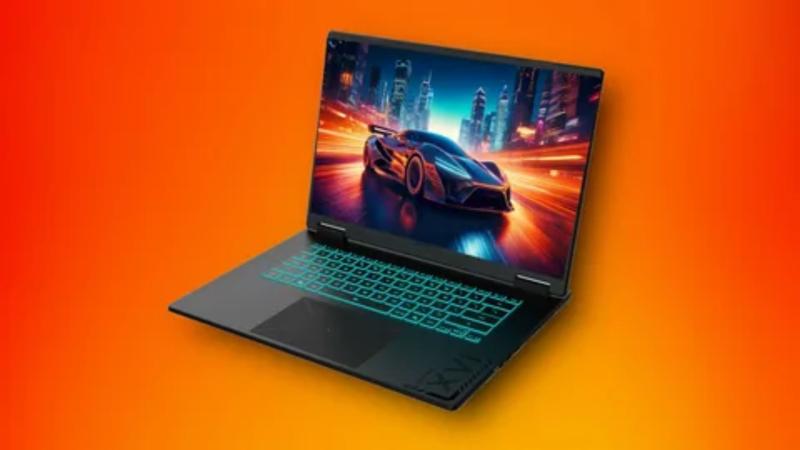
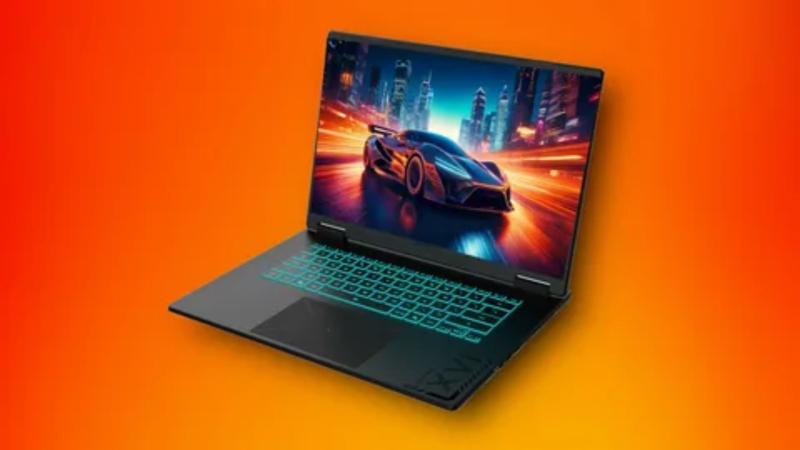
The global gaming laptop market has emerged as a dynamic and fast-evolving segment within the broader consumer electronics and computing industry. Gaming laptops are purpose-built devices engineered to deliver high performance, advanced graphics, superior thermal management, and immersive gaming experiences. Unlike conventional laptops, these systems integrate high-end GPUs, powerful processors, high refresh-rate displays, and advanced cooling technologies to support modern, graphics-intensive games and esports applications.
➤ Download Your Free Sample & Explore Key Insights: https://www.persistencemarketresearch.com/samples/33585
The growing popularity of online gaming, competitive esports, game streaming platforms, and immersive technologies such as virtual reality (VR) has significantly expanded the demand for portable yet powerful gaming devices. Consumers increasingly seek gaming laptops that offer desktop-level performance combined with mobility, making them suitable for gaming, content creation, and professional workloads.
As gaming culture becomes more mainstream across age groups and geographies, manufacturers continue to invest in innovation, design, and performance optimization. This report presents a comprehensive analysis of the global gaming laptop market, highlighting market projections, growth drivers, challenges, emerging trends, segmentation, competitive landscape, and long-term outlook.
➤ Market Projections and Forecast
According to market estimates, the global gaming laptop market size is likely to be valued at US$19.3 billion in 2026 and is projected to reach US$29.4 billion by 2033, expanding at a compound annual growth rate (CAGR) of 6.2% between 2026 and 2033.
This steady growth trajectory reflects rising consumer spending on premium electronics, continuous advancements in gaming hardware, and the increasing adoption of high-performance laptops for both entertainment and productivity. The market is expected to gain momentum as manufacturers introduce more powerful GPUs, AI-enabled processors, improved battery efficiency, and slimmer form factors that appeal to a wider consumer base.
The expansion of esports tournaments, cloud gaming services, and game streaming platforms is also expected to play a crucial role in sustaining long-term market growth, especially among younger demographics and professional gamers.
➤Customize This Report for Your Exact Requirements: https://www.persistencemarketresearch.com/request-customization/33585
➤ Market Dynamics
Drivers of Market Growth
Rising Popularity of Online Gaming and Esports:
The rapid growth of competitive gaming and esports ecosystems has significantly increased demand for high-performance gaming laptops. Professional gamers, streamers, and casual users alike prefer portable gaming systems capable of handling high frame rates and demanding titles.
Advancements in Graphics and Processing Technologies:
Continuous innovation in GPUs, CPUs, and display technologies has enabled gaming laptops to deliver near-desktop performance. Features such as ray tracing, AI-based upscaling, and high refresh-rate displays enhance gameplay quality and drive replacement cycles.
Growing Demand for Portable High-Performance Devices:
Consumers increasingly favor portable devices that offer both gaming and productivity capabilities. Gaming laptops are now widely used for video editing, 3D rendering, programming, and content creation, expanding their appeal beyond gaming enthusiasts.
Expansion of Game Streaming and Content Creation:
The rise of platforms such as live game streaming and video-based content sharing has fueled demand for laptops with superior processing power, graphics performance, and multitasking capabilities.
➤ Challenges in the Market
High Product Costs:
Gaming laptops are typically priced higher than standard laptops due to premium components such as advanced GPUs, high-speed memory, and specialized cooling systems. This can limit adoption in price-sensitive markets.
Thermal Management and Battery Life Constraints:
Despite technological advancements, managing heat dissipation and maintaining long battery life in high-performance gaming laptops remains a challenge for manufacturers.
Rapid Technological Obsolescence:
Frequent hardware upgrades and new product launches can shorten product lifecycles, creating pressure on manufacturers to innovate continuously while managing inventory efficiently.
Supply Chain and Component Availability:
Fluctuations in the supply of semiconductors and graphics components can impact production timelines and pricing strategies.
➤ Market Trends and Technological Innovations
Integration of AI and Smart Performance Optimization:
Manufacturers are incorporating AI-based software to optimize performance, manage power consumption, and improve thermal efficiency during gaming sessions.
Slimmer and Lightweight Designs:
Modern gaming laptops are becoming thinner and more aesthetically refined without compromising performance, making them attractive to both gamers and professionals.
High Refresh-Rate and OLED Displays:
The adoption of high refresh-rate screens, OLED panels, and improved color accuracy is enhancing visual experiences and supporting competitive gaming requirements.
Enhanced Cooling Solutions:
Innovations such as vapor chambers, liquid metal thermal compounds, and multi-fan cooling systems are improving heat dissipation and overall system stability.
Customization and RGB Integration:
Personalization features, including customizable RGB lighting, programmable keys, and performance profiles, are becoming standard offerings across premium models.
➤Secure Your Full Report – Proceed to Checkout: https://www.persistencemarketresearch.com/checkout/33585
➤ Gaming Laptop Market Segmentation
Market Segmentation
By Display Resolution
• Full HD (1080p)
• QHD (1440p)
• 4K (2160p)
• Other
By Display Size
• 13 inch
• 15 inch
• 17 inch
• Other
By Processor
• i5
• i7
• i11
• Other
By RAM
• 8 GB
• 16 GB
• 32 GB
• Other
By Region
• North America
• Europe
• East Asia
• South Asia and Oceania
• Latin America
• Middle East and Africa
Companies Covered in Gaming Laptop Market
• ASUSTeK Computer Inc.
• Dell Technologies Inc.
• Acer Inc.
• Lenovo Group Ltd.
• Samsung Electronics Co., Ltd
• ORIGIN PC Corp.
• AORUS Pte. Ltd.
• Clevo Corporation
• EVGA Corporation
• The Hewlett-Packard Company
• Giga-byte Technology Co., Ltd.
• MSI Inc.
• Razer Inc.
➤ Future Outlook
The global gaming laptop market is expected to maintain steady growth through 2033, supported by rising digital entertainment consumption, expanding esports ecosystems, and continuous hardware innovation. The convergence of gaming, content creation, and professional computing will further strengthen demand for versatile, high-performance laptops.
Manufacturers focusing on energy efficiency, thermal optimization, AI integration, and user customization are likely to gain a competitive edge. Additionally, the growing influence of cloud gaming and subscription-based gaming platforms may reshape future product designs and performance requirements.
While challenges such as pricing pressures and rapid technological change persist, the overall market outlook remains positive. The gaming laptop industry is set to evolve into a more mature, technology-driven ecosystem, offering enhanced user experiences and long-term growth opportunities for stakeholders worldwide.
About Persistence Market Research:
At Persistence Market Research, we specialize in creating research studies that serve as strategic tools for driving business growth. Established as a proprietary firm in 2012, we have evolved into a registered company in England and Wales in 2023 under the name Persistence Research & Consultancy Services Ltd. With a solid foundation, we have completed over 3600 custom and syndicate market research projects, and delivered more than 2700 projects for other leading market research companies’ clients.
Our approach combines traditional market research methods with modern tools to offer comprehensive research solutions. With a decade of experience, we pride ourselves on deriving actionable insights from data to help businesses stay ahead of the competition. Our client base spans multinational corporations, leading consulting firms, investment funds, and government departments. A significant portion of our sales comes from repeat clients, a testament to the value and trust we’ve built over the years.
Contact Us:
Persistence Market Research
Second Floor, 150 Fleet Street,
London, EC4A 2DQ, United Kingdom
USA Phone: +1 646-878-6329
UK Phone: +44 203-837-5656
Email: sales@persistencemarketresearch.com
Web: https://www.persistencemarketresearch.com
This release was published on openPR.
Technology
SIS expands reach of 24/7 live racing and Competitive Gaming content through Midnite launch – Esports

Supplier brings round-the-clock racing coverage and H2H Global Gaming League to next-gen sportsbook brand in the UK.
SIS (Sports Information Services), the leading multi-content provider of 24/7 live betting services, has launched its premium racing and Competitive Gaming offering with Midnite, delivering round-the-clock live events to the ambitious UK operator’s growing customer base.
The double launch follows the successful integration of 24/7 live racing and events-based esports content within Midnite’s modern, tech-driven sportsbook platform, which delivers a next-generation betting experience across sports, esports and slots.
Built with a technology-first approach, the Midnite platform now benefits from over 60,000 additional annual horse and greyhound racing events, from more than 170 racecourses and tracks across six continents.
Midnite’s platform also has access to Competitive Gaming’s complete suite of over 225,000 H2H Global Gaming League eSoccer and eBasketball matches, which are proven to add as much as 10% in value to basketball and soccer verticals on sportsbook platforms.
Competitive Gaming stands at the forefront of high-integrity esports content, having become the first esports betting product to receive the Esports Integrity Commission’s (ESIC) Gold Standard.
The launch further cements SIS as a premium provider of value-adding, high-quality content for operators in regulated markets worldwide.
Matt Smith, customer growth manager at SIS, said: “We are proud to bring our 24/7 live racing and Competitive Gaming content to Midnite, a brand that aligns with our commitment to innovation and quality. This integration is a great example of how our high-margin, always-on portfolio can support the growth of ambitious operators and enhance the overall user experience.”
Zach Amin, vice president of sportsbook at Midnite, said: “SIS live racing and H2H Global Gaming League offer an ideal fit for our platform and our players. We are focused on building a top-tier sportsbook, and the ability to deliver engaging, round-the-clock betting opportunities plays a key role in that.”
The Predator XB273U F6 is, thus, primarily targeted at professional and aspiring esports athletes for whom the minuscule reduction in motion blur and input lag provided by a 1000 Hz refresh rate could confer a tangible competitive edge in fast-paced titles.
The Predator XB273U F6 gaming monitor, along with the other introduced models — the Predator X34 F3 with QD-OLED technology, the Nitro XV270X P with 5K resolution, the ProDesigner PE320QX 6K monitor for creators, and the Vero HL1820 4K laser projector — represent a broad expansion of the company’s visual technology portfolio. With it, Acer targets both competitive gaming and professional content creation.

28
SHENZHEN, China, Jan. 6, 2026 /PRNewswire/ — REDMAGIC, a global leader in gaming technology, today announces the arrival of the REDMAGIC Astra Gaming Tablet in South Korea as part of its global rollout. Built for competitive mobile gamers and creators who want flagship performance in a compact form factor, Astra combines a Snapdragon 8 Elite chipset with a 9.06-inch 2.4K (2400×1504) 165Hz OLED display, ICE-X cooling, and an 8,200mAh battery.

REDMAGIC Astra Gaming Tablet
Compact by Design, Premium in Hand
Powered by Snapdragon 8 Elite with LPDDR5T RAM and UFS 4.1 Pro storage, Astra is tuned for high frame rates, fast app launches, and stable multitasking. The dedicated RedCore R3 Pro gaming co-processor helps optimize rendering, thermal control, battery behavior, and system tuning—supporting consistent performance during extended gameplay. Astra is available in multiple configurations, offering up to 24GB RAM and up to 1TB storage (varies by model).
OLED Clarity, Ultra-Responsive Touch
The 9.06-inch OLED display delivers vivid color, deep blacks, and smooth motion with a 165Hz refresh rate and peak brightness up to 1,600 nits. Co-developed with Synaptics, Astra features next-generation touch technology with up to a 2,000Hz instant touch sampling rate for fast, accurate input—even with sweaty hands. SGS Low Blue Light and Flicker-Free certifications help support eye comfort.
ICE-X Cooling for Sustained Gameplay
Astra integrates a 13-layer ICE-X thermal system featuring Liquid Metal 2.0, dual vapor chambers, and REDMAGIC’s high-speed turbofan (up to 20,000 RPM) to improve heat dissipation and reduce throttling under heavy loads.
All-Day Battery and Fast Charging
The 8,200mAh battery is built for long gaming and entertainment sessions. Astra supports fast charging and charge separation technology to reduce heat while plugged in and help protect long-term battery health.
Productivity and Connectivity
With USB-C (USB 3.2 Gen 2) for up to 10Gbps data transfer, OTG support, and DisplayPort video output, Astra connects easily to external displays, controllers, keyboards, and SSDs. Running REDMAGIC OS 10.5 based on Android 15, it also integrates Google Gemini features for everyday productivity.
Pricing and Availability (Korea)
Astra will be available on the official REDMAGIC online store and Coupang.
- Open Sales: January 6, 2026 (21:00 KST)
Official Store MSRP (Korea)
- 12GB+256GB: ₩799,000
- 16GB+512GB: ₩999,000
- Golden Saga model: ₩1,399,000
Launch Promotion (Jan 6–13, 2026, official store)
- ₩50,000 off all models: ₩749,000 / ₩949,000 / ₩1,349,000
- Free 80W charger (approx. ₩50,000 value)
Online Stores
About REDMAGIC
We established REDMAGIC in 2018 with the dream of making it the world’s brand of choice for mobile gaming. Our motto, Win More Games, is brought to life by our collection of gaming gear that includes gaming phones and accessories, as well as PC equipment and devices to keep you connected to the internet. REDMAGIC has built a solid reputation with gamers worldwide for its performance, and we’ve amassed a global reach of 30 countries and regions to make us one of the best gaming smartphone manufacturers in the market. In Korea, REDMAGIC aims to offer an alternative for gamers who want a device built purely for performance, beyond the mainstream smartphone and tablet brands.
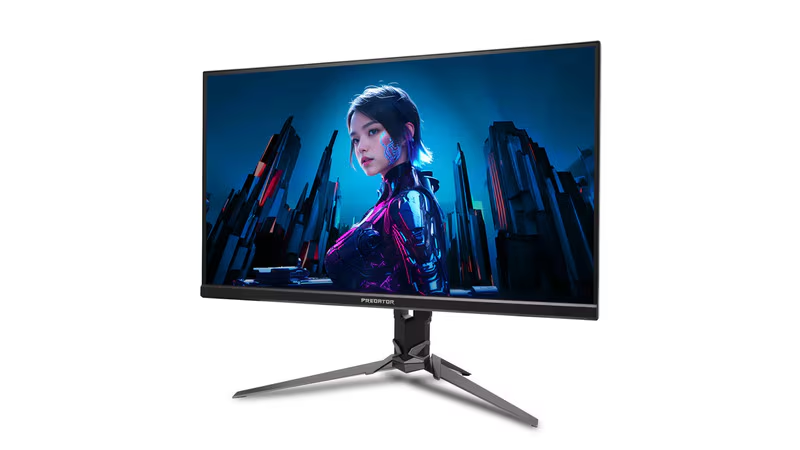
The Predator XB273U F6 is, thus, primarily targeted at professional and aspiring esports athletes for whom the minuscule reduction in motion blur and input lag provided by a 1000 Hz refresh rate could confer a tangible competitive edge in fast-paced titles.
The Predator XB273U F6 gaming monitor, along with the other introduced models — the Predator X34 F3 with QD-OLED technology, the Nitro XV270X P with 5K resolution, the ProDesigner PE320QX 6K monitor for creators, and the Vero HL1820 4K laser projector — represent a broad expansion of the company’s visual technology portfolio. With it, Acer targets both competitive gaming and professional content creation.
Image Credit: Acer

Robert Griffin III reveals why NIL, transfer portal are making college football better

Olivia Babcock Tabbed a Honda Award Finalist for Volleyball

Samford Volleyball Announces 2026 Camp Dates

Mark Martin hails Kaulig Racing and RAM’s partnership with historic engine manufacturer

Track and Field to begin 2026 indoor season at NAU Axe ‘Em Open – Sun Devil Athletics

Mount Carmel hires Ashley Miller to coach volleyball | Prep Sports

College Football TV Ratings: Top 10 most-watched non-CFP bowl games of 2025-26 season

23XI Racing Secures Major Vote of Confidence as Chumba Casino Expands Partnership for 2026

Levittown-Area Municipalities Swear In Officials, Reorganize

Kids’ Winter Programs at Mylan Park

Campus and community invited to Monday’s Bulldog Spirit Day to celebrate football and volleyball teams’ successes

Plans for baseball fields in the works in North Charleston

Maryland Stadium Authority official abruptly exits

Austin Peay Athletics Announces 2026 Hall of Fame Class

Volleyball Adds Five Incoming Transfers for 2026

SoundGear Named Entitlement Sponsor of Spears CARS Tour Southwest Opener

Donny Schatz finds new home for 2026, inks full-time deal with CJB Motorsports – InForum

DeSantis Talks College Football, Calls for Reforms to NIL and Transfer Portal · The Floridian

#11 Volleyball Practices, Then Meets Media Prior to #2 Kentucky Match

Rick Ware Racing switching to Chevrolet for 2026

Maine wraps up Fall Semester with a win in Black Bear Invitational

Stempien to seek opening for Branch County Circuit Court Judge | WTVB | 1590 AM · 95.5 FM

Nascar legal saga ends as 23XI, Front Row secure settlement

Ross Brawn to receive Autosport Gold Medal Award at 2026 Autosport Awards, Honouring a Lifetime Shaping Modern F1

Princeton Area Community Foundation awards more than $1.3 million to 40 local nonprofits ⋆ Princeton, NJ local news %

Sunoco to sponsor No. 8 Ganassi Honda IndyCar in multi-year deal

Downtown Athletic Club of Hawaiʻi gives $300K to Boost the ’Bows NIL fund

WNBA’s Caitlin Clark, Angel Reese and Paige Bueckers in NC, making debut for national team at USA camp at Duke

North Florida Motorsports Park led by Indy 500 Champion and motorsports legend Bobby Rahal Nassau County, FL
NASCAR, 23XI Racing, Front Row Motorsports announce settlement of US monopoly suit | MLex





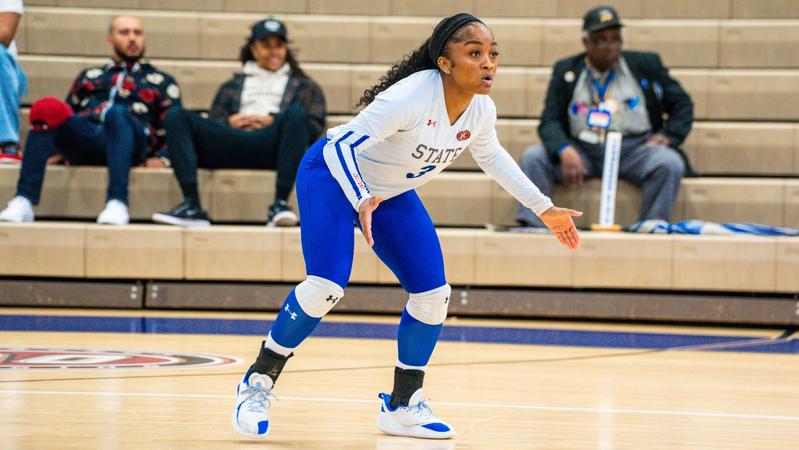
-
 Rec Sports3 weeks ago
Princeton Area Community Foundation awards more than $1.3 million to 40 local nonprofits ⋆ Princeton, NJ local news %
-

 Sports2 weeks ago
Badgers news: Wisconsin lands 2nd commitment from transfer portal
-

 Rec Sports5 days ago
Five Youth Sports Trends We’re Watching in 2026
-

 Sports3 weeks ago
Badgers news: Final Four Game Thread vs. No. 1 Kentucky Wildcats
-

 Sports2 weeks ago
Is women’s volleyball the SEC’s next big sport? How Kentucky, Texas A&M broke through
-

 Rec Sports2 weeks ago
NBA, Global Basketball Community Unite for World Basketball Day Celebration
-

 Rec Sports3 weeks ago
Refugee-Focused Youth Sport Initiatives : Moving for Change
-
 Sports2 weeks ago
Kentucky VB adds an All-American honorable mention, loses Brooke Bultema to portal
-
 Rec Sports3 weeks ago
Youth Sports Business in 2025: The Year the Industry Grew Up
-
Rec Sports3 weeks ago
Inside the NWSL’s first combine: Can the league create a more robust pathway for American talent development?