
Rec Sports
A study of the relationship and drivers between participation in sports program diversity and physical fitness


Volf, K. et al. Evidence of the impact of sport policies on physical activity and sport participation: a systematic mixed studies review. Int. J. Sport Policy Politics. 14, 697–712. https://doi.org/10.1080/19406940.2022.2127835 (2022).
Google Scholar
Agata, K. & Monyeki, M. A. Association between sport participation, body composition, physical fitness, and social correlates among adolescents: the PAHL study. Int. J. Environ. Res. Public. Health 15 (2018).
Bull, F. C. et al. World health organization 2020 guidelines on physical activity and sedentary behaviour. Br. J. Sports Med. 54, 1451–1462. https://doi.org/10.1136/bjsports-2020-102955 (2020).
Google Scholar
Andrade, C. Physical exercise and health, 2: benefits associated with different levels and patterns of activity. J. Clin. Psychiatry. 84 https://doi.org/10.4088/JCP.23f15110 (2023).
Barbry, A., Carton, A., Ovigneur, H. & Coquart, J. Relationships between sports club participation and physical fitness and body mass index in childhood. J. Sports Med. Phys. Fit. 62, 931–937. https://doi.org/10.23736/s0022-4707.21.12643-x (2022).
Google Scholar
Janssen, A. et al. Cardiorespiratory fitness, muscular fitness and mental health in older adolescents: A multi-level cross-sectional analysis. Prev. Med. 132, 105985. https://doi.org/10.1016/j.ypmed.2020.105985 (2020).
Google Scholar
Åvitsland, A. et al. The association between physical fitness and mental health in Norwegian adolescents. BMC Public. Health. 20, 776. https://doi.org/10.1186/s12889-020-08936-7 (2020).
Google Scholar
Bermejo-Cantarero, A. et al. Relationship between both cardiorespiratory and muscular fitness and health-related quality of life in children and adolescents: a systematic review and meta-analysis of observational studies. Health Qual. Life Outcomes. 19, 127. https://doi.org/10.1186/s12955-021-01766-0 (2021).
Google Scholar
Ługowska, K., Kolanowski, W. & Trafialek, J. Increasing physical activity at school improves physical fitness of early adolescents. Int. J. Environ. Res. Public. Health. 20 https://doi.org/10.3390/ijerph20032348 (2023).
Guthold, R., Stevens, G. A., Riley, L. M. & Bull, F. C. Global trends in insufficient physical activity among adolescents: a pooled analysis of 298 population-based surveys with 1·6 million participants. Lancet Child. Adolesc. Health. 4, 23–35. https://doi.org/10.1016/s2352-4642(19)30323-2 (2020).
Google Scholar
Iannotti, R. J. & Wang, J. Trends in physical activity, sedentary behavior, diet, and BMI among US adolescents, 2001–2009. Pediatrics 132, 606–614. https://doi.org/10.1542/peds.2013-1488 (2013).
Google Scholar
Mitchell, J. Physical inactivity in childhood from preschool to adolescence. ACSMs Health Fit. J. 23, 21–25. https://doi.org/10.1249/fit.0000000000000507 (2019).
Google Scholar
Nelson, M. C., Neumark-Stzainer, D., Hannan, P. J., Sirard, J. R. & Story, M. Longitudinal and secular trends in physical activity and sedentary behavior during adolescence. Pediatrics 118, e1627–1634. https://doi.org/10.1542/peds.2006-0926 (2006).
Google Scholar
Lacy, K. E. et al. Screen time and physical activity behaviours are associated with health-related quality of life in Australian adolescents. Qual. Life Res. 21, 1085–1099. https://doi.org/10.1007/s11136-011-0014-5 (2012).
Google Scholar
van Sluijs, E. M. F. et al. Physical activity behaviours in adolescence: current evidence and opportunities for intervention. Lancet 398, 429–442. https://doi.org/10.1016/s0140-6736(21)01259-9 (2021).
Google Scholar
Wilhite, K. et al. Combinations of physical activity, sedentary behavior, and sleep duration and their associations with physical, psychological, and educational outcomes in children and adolescents: A systematic review. Am. J. Epidemiol. 192, 665–679. https://doi.org/10.1093/aje/kwac212 (2023).
Google Scholar
Saunders, T. J. et al. Combinations of physical activity, sedentary behaviour and sleep: relationships with health indicators in school-aged children and youth. Appl. Physiol. Nutr. Metab. 41, 283–293. https://doi.org/10.1139/apnm-2015-0626 (2016).
Google Scholar
Chen, P. et al. Physical activity and health in Chinese children and adolescents: expert consensus statement (2020). Br. J. Sports Med. 54, 1321–1331. https://doi.org/10.1136/bjsports-2020-102261 (2020).
Google Scholar
Hu, D., Zhou, S., Crowley-McHattan, Z. J. & Liu, Z. Factors that influence participation in physical activity in School-Aged children and adolescents: A systematic review from the social ecological model perspective. Int. J. Environ. Res. Public. Health. 18 https://doi.org/10.3390/ijerph18063147 (2021).
Warmath, C. R. et al. Child, family and household characteristics associated with physical activity in Samoan children aged 3–8 years: A cross-sectional study. PLoS Glob Public. Health. 4, e0002886. https://doi.org/10.1371/journal.pgph.0002886 (2024).
Google Scholar
Kiyani, T. et al. Individual, interpersonal, and organizational factors affecting physical activity of school adolescents in Pakistan. Int. J. Environ. Res. Public. Health. 18 https://doi.org/10.3390/ijerph18137011 (2021).
Abdelghaffar, E. A., Hicham, E. K., Siham, B., Samira, E. F. & Youness, E. A. Perspectives of adolescents, parents, and teachers on barriers and facilitators of physical activity among school-age adolescents: a qualitative analysis. Environ. Health Prev. Med. 24, 21. https://doi.org/10.1186/s12199-019-0775-y (2019).
Google Scholar
Sell, L., Brandes, B., Brandes, M., Zeeb, H. & Busse, H. Determinants promoting and hindering physical activity in primary school children in germany: a qualitative study with students, teachers and parents. Front. Public. Health. 12, 1280893. https://doi.org/10.3389/fpubh.2024.1280893 (2024).
Google Scholar
Sheridan, D., Coffee, P. & Lavallee, D. A systematic review of social support in youth sport. Int. Rev. Sport Exerc. Psychol. 7, 198–228. https://doi.org/10.1080/1750984X.2014.931999 (2014).
Google Scholar
Howie, E. K., Daniels, B. T. & Guagliano, J. M. Promoting physical activity through youth sports programs: it’s social. Am. J. Lifestyle Med. 14, 78–88. https://doi.org/10.1177/1559827618754842 (2020).
Google Scholar
Cozett, C., Bassett, S. H. & Leach L. L.
Müller, A. et al. Correlations between physical fitness and body composition among boys aged 14-18-Conclusions of a case study to reverse the worsening secular trend in fitness among urban youth due to sedentary lifestyles. Int. J. Environ. Res. Public. Health. 19 https://doi.org/10.3390/ijerph19148765 (2022).
Schilling, R., Schmidt, S. C. E., Fiedler, J. & Woll, A. Associations between physical activity, physical fitness, and body composition in adults living in germany: A cross-sectional study. PLOS ONE. 18, e0293555. https://doi.org/10.1371/journal.pone.0293555 (2023).
Google Scholar
Spruijtenburg, G. E. et al. Factors related to adolescents’ participation in organized sports. Int. J. Environ. Res. Public. Health. 19 https://doi.org/10.3390/ijerph192315872 (2022).
Knight, C., Dorsch, T., Osai, K., Haderlie, K. & Sellars, P. Influences on parental involvement in youth sport. Sport Exerc. Perform. Psychol. 5 https://doi.org/10.1037/spy0000053 (2016).
Su, D. L. Y. et al. Parental influence on child and adolescent physical activity level: A Meta-Analysis. Int. J. Environ. Res. Public. Health. 19 https://doi.org/10.3390/ijerph192416861 (2022).
Region, S. B. o. t. G. o. t. M. S. A. Report on Physical Fitness Monitoring of Macao SAR Citizens in 2020, (2020). https://www.sport.gov.mo/zh/subsites/citizen_health/nid/119
(CNPFMC). C. N. P. F. M. C. Bulletin of the Survey on the Status of Fitness Activities for All in 2020, https://www.ciss.cn/zhxw/info/2021/32027.html (.
Pan, X. et al. Influence of family environment on the scientific fitness literacy of preschool and school children in china: A National Cross-Sectional study. Int. J. Environ. Res. Public. Health. 19 https://doi.org/10.3390/ijerph19148319 (2022).
Gao, W. et al. Compliance with health-related behaviors guidelines and its relationship with multiple factors in preschool children aged 3–6 years: A National Cross-Sectional survey in China. Int. J. Environ. Res. Public. Health. 19 https://doi.org/10.3390/ijerph19031262 (2022).
Zhang, F. et al. Physical fitness reference standards for Chinese children and adolescents. Sci. Rep. 11, 4991. https://doi.org/10.1038/s41598-021-84634-7 (2021).
Google Scholar
Li, C., Taerken, A. Y., Li, Q., Selimu, A. & Wang, H. Secular trends in physical fitness of rural Chinese children and adolescents aged 7–18 years from 1985 to 2019. Sci. Rep. 13, 4229. https://doi.org/10.1038/s41598-023-31190-x (2023).
Google Scholar
(CNPFMC). C. N. P. F. M. C. National physical fitness measurement standards (Revised 2023), (2023). https://www.ciss.cn/tzgg/info/2023/32672.html
Chen, P. Physical activity, physical fitness, and body mass index in the Chinese child and adolescent populations: an update from the 2016 physical activity and fitness in China-The youth study. J. Sport Health Sci. 6, 381–383. https://doi.org/10.1016/j.jshs.2017.09.011 (2017).
Google Scholar
Chen, W., Hammond-Bennett, A., Hypnar, A. & Mason, S. Health-related physical fitness and physical activity in elementary school students. BMC Public. Health. 18, 195. https://doi.org/10.1186/s12889-018-5107-4 (2018).
Google Scholar
Cahill, S. M., Egan, B. E. & Seber, J. Activity- and Occupation-Based interventions to support mental health, positive behavior, and social participation for children and youth: A systematic review. Am. J. Occup. Ther. 74, 7402180020p7402180021–7402180020p7402180028. https://doi.org/10.5014/ajot.2020.038687 (2020).
Google Scholar
Wang, G. et al. The effect of different physical exercise programs on physical fitness among preschool children: A Cluster-Randomized controlled trial. Int. J. Environ. Res. Public. Health. 20 https://doi.org/10.3390/ijerph20054254 (2023).
Masanovic, B. et al. Trends in physical fitness among School-Aged children and adolescents: A systematic review. Front. Pead. 8 https://doi.org/10.3389/fped.2020.627529 (2020).
Zhang, S., Li, C., Tarken, A. Y. & Li, W. Secular trends in motor abilities of Xinjiang children and adolescents aged 7–18 years from 1985 to 2019. Front. Public. Health. 12 https://doi.org/10.3389/fpubh.2024.1419728 (2024).
Liu, N. & Zhong, Q. The impact of sports participation on individuals’ subjective well-being: the mediating role of class identity and health. Humanit. Social Sci. Commun. 10, 544. https://doi.org/10.1057/s41599-023-02064-4 (2023).
Google Scholar
Ohashi, M. M., Sawaumi, T., Iume, Y. & Togo, E. Factors determining implicit attitudes toward sports and exercise: desirability and enjoyment. Discover Psychol. 3, 10. https://doi.org/10.1007/s44202-023-00073-7 (2023).
Google Scholar
Choi, J., Lee, M., Lee, J., Kang, D. & Choi, J. Y. Correlates associated with participation in physical activity among adults: a systematic review of reviews and update. BMC Public. Health. 17, 356. https://doi.org/10.1186/s12889-017-4255-2 (2017).
Google Scholar
Hopkins, C. S., Hopkins, C., Kanny, S. & Watson, A. A. Systematic review of factors associated with sport participation among adolescent females. Int. J. Environ. Res. Public. Health. 19 https://doi.org/10.3390/ijerph19063353 (2022).
Yu, G. & Song, Y. What affects sports participation and life satisfaction among urban residents?? The role of Self-Efficacy and motivation. Front. Psychol. 13, 884953. https://doi.org/10.3389/fpsyg.2022.884953 (2022).
Google Scholar
Guan, J. & Tena, J. D. Physical activity, leisure-time, cognition and academic grades: connections and causal effects in Chinese students. J. Asian Econ. 78, 101423. https://doi.org/10.1016/j.asieco.2021.101423 (2022).
Google Scholar
Hoffmann, B. et al. High sedentary time in children is not only due to screen media use: a cross-sectional study. BMC Pediatr. 19, 154. https://doi.org/10.1186/s12887-019-1521-8 (2019).
Google Scholar
Dahlgren, A., Sjöblom, L., Eke, H. & Bonn, S. E. Trolle lagerros, Y. Screen time and physical activity in children and adolescents aged 10–15 years. PLoS One. 16, e0254255. https://doi.org/10.1371/journal.pone.0254255 (2021).
Google Scholar
E, Y., Yang, J., Shen, Y., Quan, X. & Physical activity screen time, and academic burden: A cross-sectional analysis of health among Chinese adolescents. Int. J. Environ. Res. Public. Health. 20 https://doi.org/10.3390/ijerph20064917 (2023).
Jain, S., Shrivastava, S., Mathur, A., Pathak, D. & Pathak, A. Prevalence and determinants of excessive screen viewing time in children aged 3–15 years and its effects on physical activity, sleep, eye symptoms and headache. Int. J. Environ. Res. Public. Health. 20 https://doi.org/10.3390/ijerph20043449 (2023).
Stiglic, N. & Viner, R. M. Effects of screentime on the health and well-being of children and adolescents: a systematic review of reviews. BMJ Open. 9, e023191. https://doi.org/10.1136/bmjopen-2018-023191 (2019).
Google Scholar
Lucas, A. R. et al. The role of motivation on physical activity and screen time behaviors among parent-adolescent dyads: the FLASHE study. Prev. Med. 153, 106725. https://doi.org/10.1016/j.ypmed.2021.106725 (2021).
Google Scholar
Visier-Alfonso, M. E. et al. Parents’ perceptions of children’s and adolescents’ use of electronic devices to promote physical activity: systematic review of qualitative evidence. JMIR Mhealth Uhealth. 11, e44753. https://doi.org/10.2196/44753 (2023).
Google Scholar
Morton, K. L., Atkin, A. J., Corder, K., Suhrcke, M. & van Sluijs, E. M. The school environment and adolescent physical activity and sedentary behaviour: a mixed-studies systematic review. Obes. Rev. 17, 142–158. https://doi.org/10.1111/obr.12352 (2016).
Google Scholar
Bertills, K., Granlund, M., Dahlström, Ö. & Augustine, L. Relationships between physical education (PE) teaching and student self-efficacy, aptitude to participate in PE and functional skills: with a special focus on students with disabilities. Phys. Educ. Sport Pedagogy. 23, 387–401. https://doi.org/10.1080/17408989.2018.1441394 (2018).
Google Scholar
Salvy, S. J. et al. Effect of peers and friends on youth physical activity and motivation to be physically active. J. Pediatr. Psychol. 34, 217–225. https://doi.org/10.1093/jpepsy/jsn071 (2009).
Google Scholar
Barkley, J. E. et al. Peer influence and physical activity behavior in young children: an experimental study. J. Phys. Act. Health. 11, 404–409. https://doi.org/10.1123/jpah.2011-0376 (2014).
Google Scholar
Zhou, Z., Li, X. & Zhang, Z. The peer effect in promoting physical activity among adolescents: evidence from the China education panel survey. Int. J. Environ. Res. Public. Health 20 (2023).

Key Takeaways
- NFL teams unanimously voted to invest $1 million each, totaling $32 million, to develop and launch a professional flag football league with both men’s and women’s teams.
- The league intends to sell media rights for the venture and expects to begin play after the 2028 Summer Olympics, where flag football will make its Olympic debut in Los Angeles.
- Two potential operating partners have emerged: TMRW Sports, founded by Tiger Woods and Rory McIlroy, and a group led by former NFL running back Curtis Martin with former Bucks part-owner Marc Lasry.
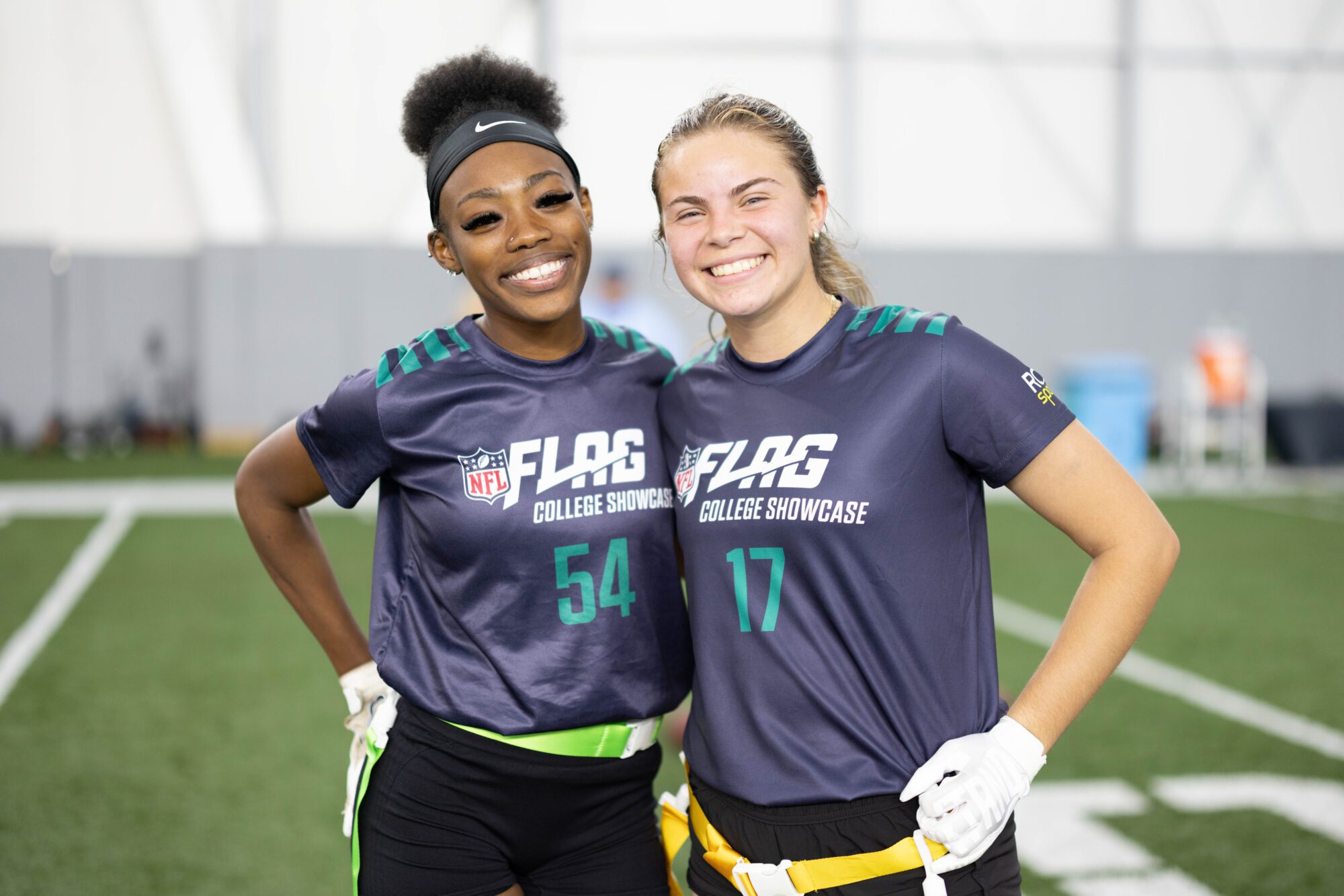
- Flag football participation has reached 20 million players worldwide, with 2.4 million kids under 17 playing organized flag football in the United States.
- The sport is now offered at the high school level in 38 states, with hundreds of colleges and universities also providing flag football programs.
Financial Commitment Marks Strategic Expansion
NFL teams took a definitive step into professional flag football Wednesday, voting unanimously to invest up to $32 million in the development and launch of a new pro league. The virtual vote during a league meeting authorizes 32 Equity, the NFL’s investment arm, to enter into an agreement with an operating partner for the planned league.
Each of the league’s 32 teams is committing $1 million to the venture. A source familiar with the matter confirmed to Front Office Sports that the approval was unanimous, signaling broad support across ownership groups for expanding the NFL’s footprint in flag football.
Troy Vincent Sr., executive vice president of football operations for the NFL, described the vote as “a critical step in establishing flag football as a premier global sport.” Vincent added that the league is “developing the infrastructure to accelerate the game’s growth to new heights by creating a clear pathway for aspiring athletes to progress from youth and high school programs through college and now to the professional level.”
Partnership Landscape Narrows to Two Contenders
The NFL has been fielding inbound interest from potential partners for months. In May, a source familiar with the league’s thinking told Front Office Sports that “more than a dozen parties” were still in consideration. By October, according to Bloomberg, that field had narrowed to two finalists.
The first is TMRW Sports, the company founded by professional golfers Tiger Woods and Rory McIlroy that launched the indoor golf league TGL. The second is a group led by former NFL running back Curtis Martin that includes former Milwaukee Bucks part-owner Marc Lasry.
An NFL representative told Front Office Sports Wednesday that the league is “not commenting on specific partners at this stage, but there has been tremendous interest in the marketplace in developing a professional flag football league.”
The structure under consideration involves an entity that the NFL supports financially but does not directly operate. This approach allows the league to leverage its brand and resources while enabling specialized partners to handle day-to-day operations.
Olympic Timing Shapes Launch Strategy
The NFL’s push into professional flag football aligns with the sport’s debut at the 2028 Summer Olympics in Los Angeles. Flag football will be included in the Olympic program for the first time, creating a global stage and potential inflection point for mainstream adoption.
While the NFL didn’t specify an exact launch date for the new league, the expectation is that play will begin sometime after the 2028 Summer Olympics conclude. This timing positions the league to capitalize on heightened visibility and fan interest generated by Olympic coverage.
In February, NFL commissioner Roger Goodell said the league was exploring both men’s and women’s pro flag leagues. A source familiar with the matter told Front Office Sports Wednesday that there will be one league featuring both men’s and women’s teams. The NFL also intends to sell media rights for the venture, creating additional revenue streams and broadcast exposure.
Earlier this month, the New York Jets committed $1 million to a new women’s college flag football venture from the Eastern College Athletic Conference, which will begin play in February. That commitment was made through a grant from The Betty Wold Johnson Foundation, a philanthropic organization named for the mother of Jets owner Woody Johnson.
Participation Growth Validates Investment
Youth and recreational flag football participation has expanded substantially in recent years. The International Federation of American Football, the global governing body responsible for growing American football worldwide, reported earlier this year that 2.4 million kids under 17 are playing organized flag football in the United States, with millions more participating internationally.
Overall, 20 million flag football players exist worldwide, according to the NFL’s Wednesday statement. The sport has gained traction at the high school level, now offered in 38 states. Hundreds of colleges and universities also provide flag football programs, creating a pipeline of experienced players who could transition to professional competition.
This participation base provides the NFL with both a talent pool and a built-in audience for a professional league. The growth spans demographics, with particular momentum among girls and women. Many state athletic associations have added girls’ flag football as an official high school sport, addressing long-standing gaps in athletic opportunities.
Strategic Implications for Youth Sports Market
The NFL’s commitment to professional flag football represents a calculated expansion into a segment of the sports market with lower barriers to entry than tackle football. Flag football requires less equipment, carries reduced injury concerns, and can be played in smaller venues, making it more accessible to a broader range of participants and communities.
The league’s investment creates a professional endpoint for a participation pyramid that now extends from youth programs through high school, college, and into the Olympics. This pathway could attract athletes who might not pursue tackle football while also appealing to those seeking alternatives to traditional contact sports.
By establishing media rights and partnerships before launch, the NFL is positioning flag football as a viable commercial product rather than a developmental initiative. The inclusion of both men’s and women’s teams in one league structure also reflects evolving approaches to gender equity in professional sports.
The $32 million investment, while substantial, is modest compared to the NFL’s overall financial scale. For context, NFL revenue exceeded $20 billion in 2024. The per-team commitment of $1 million represents a low-risk exploration of whether professional flag football can sustain itself as a business venture with sufficient fan interest and media demand.
via: FOS / YAHOO
photo: RCX Sports
YSBR provides this content on an “as is” basis without any warranties, express or implied. We do not assume responsibility for the accuracy, completeness, legality, reliability, or use of the information, including any images, videos, or licenses associated with this article. For any concerns, including copyright issues or complaints, please contact YSBR directly.


The busiest and most impactful people in our nation’s schools? A strong case could be made that athletic directors are the ones who keep the engines running in our nation’s schools – particularly for the more than 8.2 million participants in high school sports.
Starting Friday, about 2,500 leaders of high school and middle school athletic programs will make their way to the Tampa Convention Center in Florida for the 56th annual National Athletic Directors Conference co-sponsored by the NFHS and the National Interscholastic Athletic Administrators Association (NIAAA).
Their mission? Professional development is at the top of the list for most meeting attendees. High school athletic directors are entrusted with key leadership roles, and continuing their education helps to provide a safe and fun experience for student-athletes in their schools.
Attendees at this year’s conference have signed up for almost 1,900 Leadership Training Institute courses sponsored by the NIAAA. The 59-course topics address legal issues, as well as marketing and promotion, technology, sports medicine, mental health, hiring and mentoring coaches, emergency management, managing athletic fields and equipment, building positive culture and many more.
In addition to leadership training opportunities, 48 workshops will be offered in six sessions during the five-day conference. While there are a few workshops on topics that are making national news headlines, such as NIL Impact on High School Athletics, most of the sessions focus on ways that athletic directors can continue to emphasize the education-based nature of high school sports and other activities.
Our nation’s athletic directors are aligned with state high school associations to keep high school sports educationally focused. Athletic directors in our nation’s schools want to protect opportunities for other students, promote school and team unity, and maintain the community-based nature of high school sports.
In line with this philosophy, following are some of the workshop topics at this year’s conference: Developing and Implementing Effective Emergency Action Plans, Proactive Strategies for Partnering with Parents, Title IX Updates and Best Practices, Aligning Middle and High School Athletic Programs, Mental Health and Wellness, How to Celebrate Success of Student-Athletes/Teams/Coaches, Getting Back to the Basics of Education-based Athletics for Parents, Competing with Character: Sportsmanship in Interscholastic Athletics, among many others.
The NFHS and our member state associations, along with the NIAAA, are focused on keeping high school sports unique, and the nation’s high school athletic directors are the key individuals in our schools to maintain the educational focus. With youth leagues and travel teams geared toward specialization and winning, and college sports now driven by money and success, there is a push by some for high school sports to “be like the others.”
There’s a reason that participation in high school sports continues to rise every year – and for the overwhelming majority it has nothing to do with NIL or transferring to another school to join a winning program. As a result, the National Athletic Directors Conference continues to focus on the educational aspects of sports and other activities in our nation’s schools – because the main reason most students are involved in school activities is to participate with their friends and be part of the school’s team in the community where they live.
High school athletic directors work long hours and are not in the limelight, but they are the heart and soul of education-based programs. We salute these individuals and encourage school administrators and school boards to support athletic directors in their schools.
The success of organized sports in an education-based setting in our nation’s schools for more than 100 years has been due in large part to these individuals. Local schools depend on athletic administrators to lead their programs, our member state high school associations depend on these individuals, and the NFHS and NIAAA look to athletic directors for leadership at the national level.
Collectively and collaboratively, we can meet the challenges ahead to protect and promote education-based sports and activities.
Read all NFHS Voice columns here.
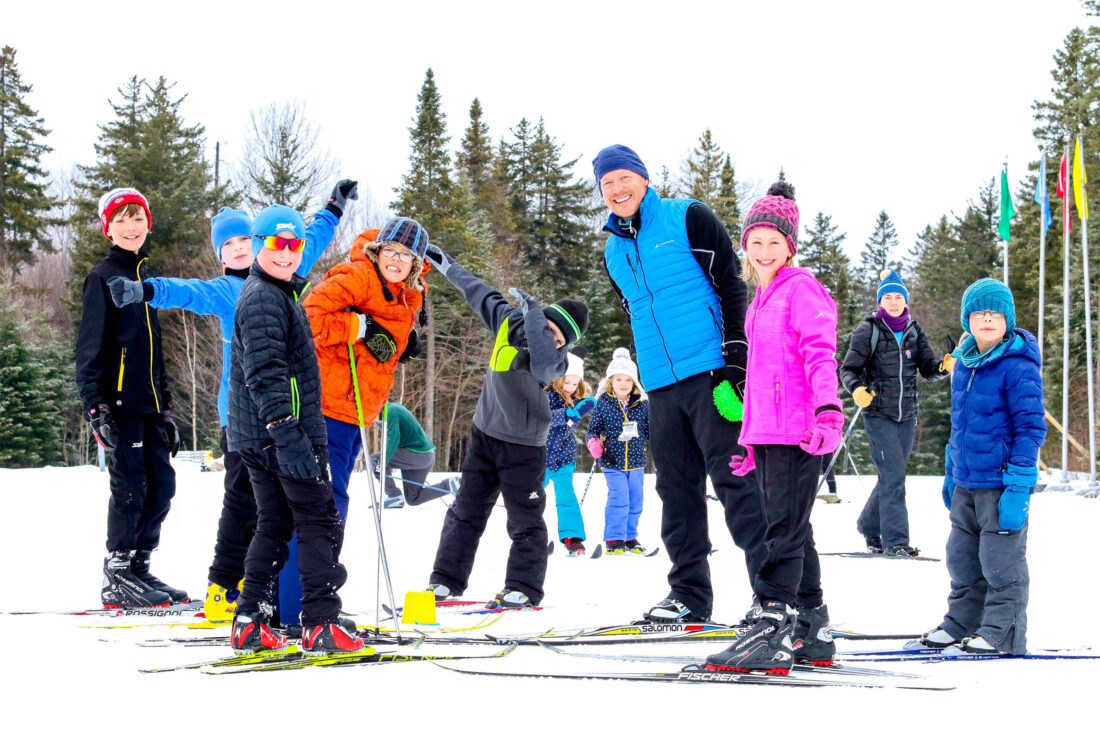
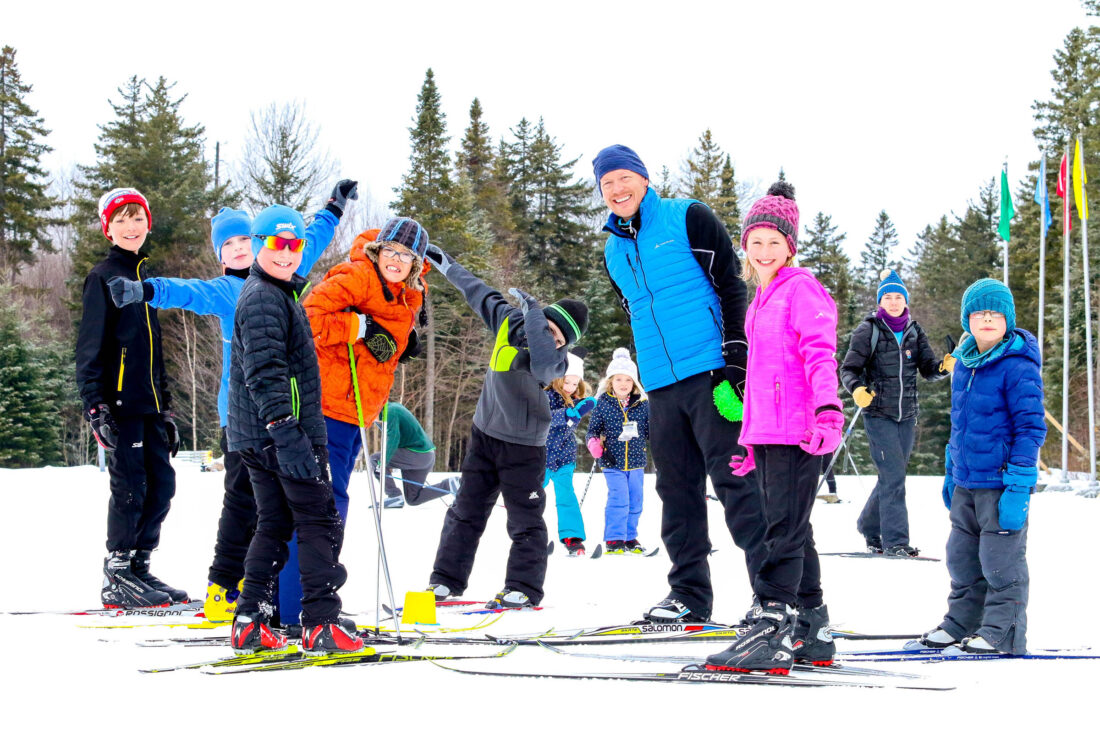
ORDA’s Senior Manager of Sport Strategy and Engagement Kris Cheney-Seymour, middle, smiles with a group of young skiers at Mount Van Hoevenberg.
(Provided photo — ORDA)
LAKE PLACID — The state Olympic Regional Development Authority recently announced an expanded slate of community cross-country skiing programs and events for the 2025-26 winter season at Mount Van Hoevenberg. These feature new offerings and returning favorites; the lineup is designed to make Nordic skiing more accessible for participants of all ages and abilities while complementing the venue’s daily skiing and year-round activities.
These community programs and events are available in addition to daily skiing and other activities available to all visitors:
Youth Skiing Programs are offered for two different age groups to provide area youth with safe opportunities to discover cross-country skiing as a healthy and fun recreational alternative.
¯ Wee Ski — for youth ages 3 to 6 (with an adult), this 11-week program provides a playful setting for youth to take their first strides on cross-country skis. From 10 a.m. to noon on Saturdays from Saturday through Feb. 21. Single-day options are also available.
¯ Pathfinders — for youth ages 7 to 12, this 12-week program offers dynamic opportunities for more independent skiers to develop skills and discover more. From 10 a.m. to noon on Saturday through Feb. 28.
¯ Through a collaboration with the New York Ski Educational Foundation and other partner organizations, MVH also offers additional skiing opportunities.
Snowboomers is a weekly guided ski session that provides camaraderie, coaching and fun for active adults aged 50 and older. From 1 to 3 p.m. each Thursday from Thursday through March 12. Free for season pass holders, while the $28 non-passholder drop-in fee includes a trail pass as well as equipment rental if needed.
ADK Tour De Ski is a citizen race series offering both youth and adults a chance to explore six different cross-country ski venues across the North Country with events of multiple distances throughout the winter months. The series begins on Sunday.
Full Moon Parties are guided group ski adventures for all ages that explore the MVH trails at night while allowing everyone to ski their preferred distance at their own pace. Includes bonfires and an apres ski party with live music inside the Mountain Pass Lodge. Tickets are $6 per person with parties on Saturday, Jan. 3, Jan. 31, Feb. 28 and March 28.
Lake Placid Loppet is a long-standing traditional celebration of Nordic skiing that provides events for all ages and abilities. The event’s signature 50K and 25K races are on challenging courses, while a Citizen’s Series provides three shorter distance events (2, 7.5 and 13K) on relatively flat terrain for those newer to the sport or looking for a simpler experience. All races can be skied using either the classic or skate technique. Start times vary from 9 a.m. to noon on Jan. 25.
In addition to youth-skiing classes, MVH will offer cross-country ski lessons for all ages and abilities through Discover Cross-Country Skiing, as well as a biathlon experience combining Nordic skiing with marksmanship. For visitors interested in the venue’s Olympic heritage, guided Legacy Tours are also available and the Mountain Pass Lodge features an indoor climbing center for year-round adventure.
Cross-country skiing at MVH officially opened for season pass-holders Nov. 15 and for the general public on Nov. 28. Season passes for the 2025-26 winter are available now and can be purchased online through the MVH website or in person at the Mountain Pass Lodge. Daily conditions reports for the Nordic ski trails at MVH are available on the venue’s website.
–
Spectate and Recreate
–
In addition to community skiing and lessons, MVH will host several elite international events this winter.
The venue will welcome the International Biathlon Union Cup from Feb. 26 to March 1 and March 4 to 7, featuring sprint, pursuit, individual and mixed relay races at the recently upgraded biathlon stadium. From March 19 to 22, the Lake Placid Finals, the Coop FIS Cross-Country World Cup, will bring the world’s fastest Nordic skiers to the venue for the season’s culminating cross-country ski event — the first time the U.S. will host the World Cup Finals since 2001. These marquee competitions complement MVH’s full winter calendar of youth programs, recreational skiing, lessons and guided tours, with full event schedules and ticket information available on the venue’s events page.
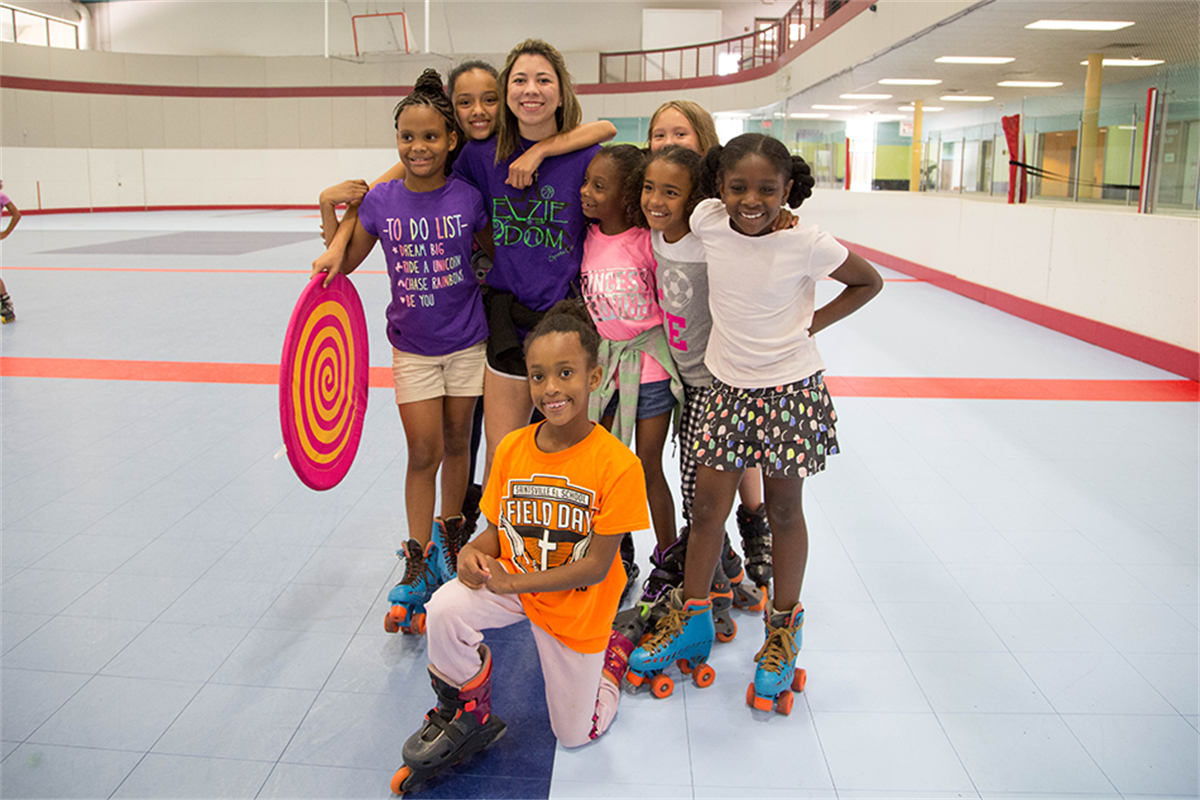
Apply for the Naturally Fun Scholarship
Income verification is due at the time of application approval. To save time, upload your required documents with your online application. Once approved you will receive an award letter with registration details. This scholarship is valid for 12 months from the date of the award letter.
Accepted Documentation to Verify Arlington Residency and Income:
- Current Federal Income Tax Return
- Proof of residency (utility bill or lease agreement)
- If you did not file taxes, submit a brief explanation of your financial situation, including income/support sources (e.g., official verification letters). For questions, call 817-459-5474.
Income Eligibility
Annual incomes are subject to change based on HUD guidelines.
Household Members / Annual Income (Less Than)
- 1 member – annual income less than $22,400; not exceeding $59,750
- 2 members – annual income less than $25,600; not exceeding $68,300
- 3 members – annual income less than $28,800; not exceeding $76,850
- 4 members – annual income less than $32,000; not exceeding $85,350
- 5 members – annual income less than $34,600; not exceeding $92,200
- 6 members – annual income less than $37,150; not exceeding $99,050
- 7 members – annual income less than $39,700; not exceeding $105,850
- 8 members – annual income less than $42,250; not exceeding $112,700
Important Information
Each recipient is responsible for the remaining payment after the scholarship discount is applied. Scholarships cannot be used for rentals, private swim lessons, or activities outside of the listings above. Memberships are non-refundable. Explore our website for details on facility hours, fitness class schedules, aquatic programs, and to register for activities.
For more information, call the Administrative Office at 817-459-5474.
In addition to the scholarship program mentioned above, the Arlington Parks & Recreation Department has multi-child discounts for our camp and after-school childcare programs. For more information, please email us.
Rec Sports
Asunción Paraguay; Bangkok, Thailand; and Santiago, Chile invited into a Targeted Dialogue for the Youth Olympic Games in 2030

The YOG Working Group will continue to study the potential and relevance of future editions of the YOG to benefit young athletes and the entire sports movement, in consultation with stakeholders such as the International Federations (IFs), the NOCs and continental organisations, as part of the Fit for the Future review process.
“The strong interest in the 2030 edition from new regions of the world demonstrates the value that potential hosts see in the Youth Olympic Games,” said Hrbeková. “The YOG have offered tens of thousands of young athletes and volunteers a unique, global, multi-sports experience, helping to form the basis for their future careers. The YOG are also an important laboratory for innovation in Olympic sports events.”
All three projects are aligned with local and national long-term plans for development, sports, education and health, to deliver a wide range of socio-economic community benefits.
They were put forward for Targeted Dialogue based on their unique opportunities:
Rec Sports
Mason Athletics to Host National Girls and Women in Sports Celebration with Carnival on Jan. 31
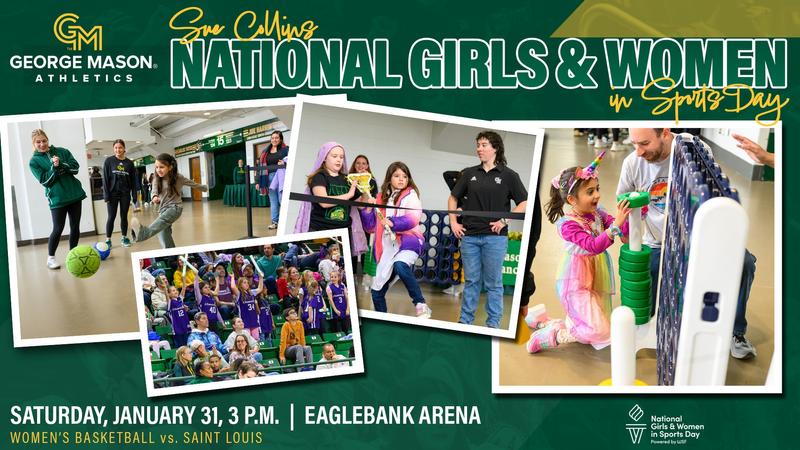
Come early and attend a pre-game sports and games carnival on the concourse, consisting of sports-oriented games like Double Shot Basketball, Softball Toss, Kick & Score Soccer, and Skee Ball! The games will be run in partnership with the George Mason Panhellenic Council and sororities, as well as several Patriots women’s sports teams. The student-athletes will be available to meet and teach each sport to fans, as well as sign autographs!
Doors to EagleBank Arena will open at 2 p.m. for the pre-game festivities held around the concourse for all patrons.
The women’s basketball team will also honor alumni of the program for their contributions and commitment as players, coaches, and alumni with an on-court recognition. Any alumni planning to attend should register HERE.
About National Girls and Women in Sports Day
NGWSD began in 1987 as a special day in our nation’s capital to recognize women’s sports. The day united premiere organizations and elite female athletes to bring national attention to the promise of girls and women in sports. NGWSD is celebrated annually across all 50 states with community-based events, award ceremonies, and other celebratory activities. NGWSD is organized by the members of the National Girls & Women in Sports Day Coalition.

Rowan Men’s Indoor Track and Field starts season at Fasttrack – The Whit

Four ACC Teams Advance to Third Round of 2025 NCAA Volleyball Championship

Viking track and field in Fargo on Thursday.

2025 Big 12 Volleyball National Honors

$2.5 million SEC QB pledges to donate entire NIL money if a G5 team wins National Championship

Volleyball Returns to National Stage, Faces Concordia-St. Paul in NCAA Quarterfinal

Isabella Robusto returns to ARCA Menards Series with Nitro Motorsports

NFL Teams Approve $32 Million Investment in Professional Flag Football League

Brendan Sorsby from Cincy would be interesting

Historic Pairing: Bickley, Sears Collect AVCA All-America Recognition

Tony Kanaan praises FIA for revising IndyCar superlicense points

Jeremiah Harris and Collin Bui-Hayes Earn First Big South Weekly Honors of the Season – University of South Carolina

VB: Tayler Gray named Volleyball Head Coach

Paul Finebaum says historic college football program has ‘lost all credibility’

NASCAR CEO France takes the stand as plaintiffs’ final witness in antitrust case

First Tee Winter Registration is open

Fargo girl, 13, dies after collapsing during school basketball game – Grand Forks Herald

CPG Brands Like Allegra Are Betting on F1 for the First Time

Volleyball Recaps – November 18

F1 Las Vegas: Verstappen win, Norris and Piastri DQ tighten 2025 title fight

Two Pro Volleyball Leagues Serve Up Plans for Minnesota Teams

Utah State Announces 2025-26 Indoor Track & Field Schedule

Sycamores unveil 2026 track and field schedule

Redemption Means First Pro Stock World Championship for Dallas Glenn

Texas volleyball vs Kentucky game score: Live SEC tournament updates

Bowl Projections: ESPN predicts 12-team College Football Playoff bracket, full bowl slate after Week 14

How this startup (and a KC sports icon) turned young players into card-carrying legends overnight

Jo Shimoda Undergoes Back Surgery

Robert “Bobby” Lewis Hardin, 56

Indiana’s rapid ascent and its impact across college football

 Why a rising mid-major power with an NCAA Tournament team opted out of revenue-sharing — and advertised it
 NBA Legend Michael Jordan to Join NBC Sports as Special Contributor
 Falcons mailbag
 Portal Update – Basketball and Gymnastics Take Hits
 has always dreamed in Mercurial. Now his initials are on the boots.
The new Kyl…
has always dreamed in Mercurial. Now his initials are on the boots.
The new Kyl…
-
 Rec Sports2 weeks ago
First Tee Winter Registration is open
-
 Rec Sports2 weeks ago
Fargo girl, 13, dies after collapsing during school basketball game – Grand Forks Herald
-
 Motorsports2 weeks ago
CPG Brands Like Allegra Are Betting on F1 for the First Time
-
 Motorsports2 weeks ago
F1 Las Vegas: Verstappen win, Norris and Piastri DQ tighten 2025 title fight
-
 Sports2 weeks ago
Two Pro Volleyball Leagues Serve Up Plans for Minnesota Teams
-
 Sports2 weeks ago
Utah State Announces 2025-26 Indoor Track & Field Schedule
-
 Sports2 weeks ago
Sycamores unveil 2026 track and field schedule
-
 Motorsports2 weeks ago
Redemption Means First Pro Stock World Championship for Dallas Glenn
-
 Sports2 weeks ago
Texas volleyball vs Kentucky game score: Live SEC tournament updates
-
 NIL1 week ago
Bowl Projections: ESPN predicts 12-team College Football Playoff bracket, full bowl slate after Week 14