
NIL
College football betting


Every Thursday during the college football season, I’ll share who I think are the most undervalued and overvalued teams across that week’s slate.
A great example of a “spot” play is Vanderbilt’s upset over Alabama last season. The Commodores were returning home after two straight road losses, while Alabama was coming off an emotional win over No. 2 Georgia. Vanderbilt won the game outright as a 23-point underdog.
We will see more spots like that once the season gets going, and I’ll debut the article next Thursday for Week 1. With only five games on the slate this Saturday, I’ll take a different approach and look at some teams that are undervalued and overvalued based on the Week 1 odds.
Undervalued
Old Dominion Monarchs
Old Dominion Monarchs is a team I like this season. I bet the Monarchs to win the Sun Belt Conference at +1000, and I also took ODU +23.5 in Week 1 vs. Indiana.
The Monarchs went 5-7 last season but lost just one game by more than eight points (Virginia Tech). They have 13 starters back, led by sophomore quarterback Colton Joseph. The dual-threat quarterback started the team’s final eight games last season and accounted for half of Old Dominion’s 44 touchdowns by throwing for 11 and running for 11 more.
The Monarchs have been bet down to 22.5 in Week 1, although I still believe they are worth a look at that number. This is a team that should be profitable in conference play too, especially as an underdog.
Kansas Jayhawks
Kansas Jayhawks is a team I’m higher on than some entering the season. The Jayhawks are coming off a disappointing 5-7 season where they lost five games by six points or less. I gave out Kansas -12.5 as my favorite play in Week 0 against a Fresno State team with a new coach and retooled roster.
Former North Dakota State head coach Matt Entz was a good hire for the Bulldogs, although I expect his team to struggle early. Fresno State is replacing 70% of its offensive production and eight starters on defense from last season.
The market has gone against the Jayhawks in this matchup. Kansas opened -14 and is down to -12.5 at most books. I disagree with the line move. I make the Jayhawks -14.5 at home. I am also interested in Kansas beyond Week 0. The Jayhawks play four of their first five games at home, giving Kansas the opportunity to get off to a fast start in 2025.
UCLA Bruins
UCLA Bruins was involved in a major storyline this offseason when Tennessee quarterback Nico Iamaleava decided to transfer to the Bruins. Whatever you think of the situation, Iamaleava is a major upgrade at quarterback for UCLA, and his presence makes the Bruins an interesting team in the Big Ten in 2025.
I thought DeShaun Foster did an excellent job last season. The 5-7 record doesn’t jump off the page, but he took over a challenging situation after Chip Kelly left and his team was a tough out most weeks. Foster is getting more talent to UCLA through the transfer portal, and the Bruins could be better than many people are projecting this season.
I’m high on Utah heading into the year. I bet the Utes to win the Big 12. However, we have seen the number in this game jump from Utah -4.5 to -6.5. Now I see value backing the Bruins at home. Keep an eye on UCLA. The Bruins could be a very profitable team against the spread this season.
Overvalued
Ohio State Buckeyes
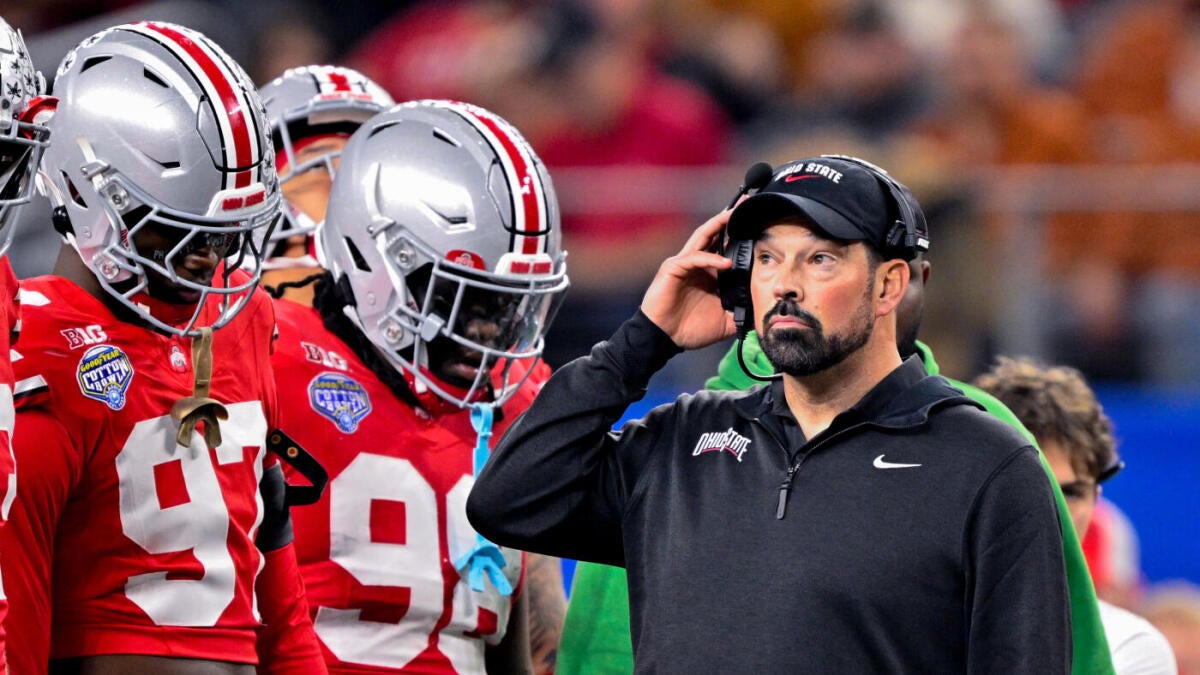
Ohio State Buckeyes makes my overvalued list for one simple reason: I believe the Buckeyes will be better in November than early in the season.
I gave out Texas +3, and the number is now +2.5. I would still take the Longhorns at +2 or higher. I make Texas -3 on a neutral field and think the number versus Ohio State should be closer to a pick ’em. My guess is the +2.5 won’t be around closer to kickoff.
Last season, we saw the Buckeyes peak in the playoffs. I don’t think it will take quite that long this year, but Texas is getting them at the right time in Week 1. If the two teams meet again four months from now in the CFP, I might think differently about the outcome. For now, though, Texas sits atop my power rankings, and I have to back them as a small dog here.
South Florida Bulls
I talk to a lot of bettors throughout the year, and in my opinion, the toughest thing for most people is to differentiate teams they like or don’t like and the word “value.” I’m high on the South Florida Bulls this season in the AAC, but I don’t agree with the big line movement we have seen in Week 1 vs. Boise State.
USF opened +9.5 at home. At that point, my numbers showed value on the Bulls because I made Boise -7.5. However, South Florida is now +6.5, so the value has shifted to the Broncos laying under a touchdown.
South Florida has a nightmare opening three games against Boise State before going to Florida and Miami. My advice is if you missed the good number on the Bulls, be patient. South Florida is a veteran team that returns 13 starters. If the Bulls can fix a defense that allowed 30+ points in its final three games last season, they could win the AAC.
Wait for a better opportunity to back South Florida rather than settling for a bad number against Boise State in Week 1.


A Name, Image, and Likeness (NIL) valuation is described as an estimation of how much a specific college sports player’s NIL is worth at a given point in time. It’s not the actual dollar amount that an athlete is making.
Roster value refers to the value an athlete has by being a member of his or her team at his or her school, which factors into the role of NIL collectives such as the Oregon Ducks’ Division Street. It’s the primary factor influencing most players’ NIL valuation.

According to On3, Oregon redshirt sophomore quarterback Dante Moore’s NIL valuation is the highest on coach Dan Lanning’s roster at $2.3 million, which is ranked No. 14 amongst all the college football programs. He has a roster value of $2.1 million.
Following Moore, the redshirt senior offensive tackle Isaiah World has the second-highest NIL valuation/roster value on the 2025 Oregon roster at $1.2 million (ranked No. 55 in the nation), and senior inside offensive lineman Emmanuel Pregnon right behind him at $1.1 million (ranked No. 58 in the country).
With the announced return of redshirt junior defensive lineman Bear Alexander for next season, his NIL valuation has jumped all the way up to $976K and a roster value of $932K, the fourth-highest on the Oregon’s team. That places Alexander at No. 80 in the sport.

MORE: Big Ten Team Emerges as Dark Horse in National Championship Odds
MORE: Oregon Ducks Could Steal Another Transfer Portal Player From USC Trojans
MORE: Oregon Fans Won’t Like ESPN’s Score Prediction For Texas Tech vs. Ducks
SIGN UP FOR OUR NEWSLETTER HERE!
Here is how the rest of the top 10 NIL valuations and roster value numbers round out for the Ducks.
- Junior safety Dillion Thieneman – $855,000/$829,000 (ranked No. 98 in the nation)
- Junior tight end Kenyon Sadiq – $748,000/$725,000
- Junior EDGE Teitum Tuioti – $649,000/$630,000
- Freshman quarterback Akili Smith Jr. – $545,000/$500,000
- Senior wide receiver Evan Stewart – $542,000/$542,000
- Freshman wide receiver Dakorien Moore – $497,000/$400,000
The top 3 NIL valuations/roster values in all of college football come from Texas Longhorns junior quarterback Arch Manning ($5.3M/$2.8M), Ohio State Buckeyes sophomore wide receiver Jeremiah Smith ($4.2M/$3.2M), and Miami Hurricanes redshirt senior quarterback Carson Beck ($3.1M/$2.8M).

Dante Moore to Come Back for 2026 Season?
Moore’s future in Eugene is up in the air at the moment. He’s being regarded as the potential No. 1 pick in the 2026 NFL Draft. Tennessee Titans quarterback Cam Ward, the No. 1 pick in the 2025 NFL Draft, made $8,865,000 in his rookie season. Moore and the rest of the players remaining in the postseason have until the deadline of Jan. 23 to enter their names into the upcoming draft pool.
His decision to stay in school or turn professional will depend on how Oregon’s season ends. If it’s an abrupt finish, one has to wonder if Moore will have some remaining business to take care of, bringing a national championship to the storied program for the first time in school history.
The No. 5 Ducks (12-1, 8-1 Big Ten) take on the Big 12 Conference champion, the No. 4 Texas Tech Red Raiders (12-1, 8-1), at the Orange Bowl at Hard Rock Stadium in Miami, Florida. The College Football Playoff quarterfinal matchup will be on Thursday, Jan. 1, at 9 a.m. PT on ESPN. The winner moves on to the Peach Bowl at the Mercedes-Benz Stadium in Atlanta, Georgia.
Last summer, following the approval of the House settlement, college administrators celebrated the arrival of a more regulated name, image and likeness (NIL) system that would curtail (in their words) the “false market” for athletes’ services and lead to a “market correction.”
Athletic departments can pay student-athletes up to $20.5 million this school year, and the creation of the College Sports Commission by the Power 4 conferences (not the NCAA) to enforce provisions of the House settlement requires that each deal meet a “valid business purpose” and fall within an approved range of compensation.
The first test of this “market correction” theory is currently underway. While the transfer portal does not officially open until Jan. 2, agents have been quietly shopping their clients all season, and now, college football general managers are negotiating deals for players known to be entering the portal.
The Athletic spoke with agents, GMs and school collectives to get a sense of whether the dawn of revenue sharing, coupled with more oversight of third-party NIL deals through the College Sports Commission, has reined in the so-called “wild, wild West.”
The consensus answer: Absolutely not.
If anything, the numbers are even higher than last year.
“It’s the same people who predicted coaches’ salaries would be suppressed,” said a Power 4 GM.
Last year, the highest-paid quarterbacks in the market, Georgia’s Carson Beck (Miami) and Tulane’s Darian Mensah (Duke), earned deals of more than $3 million (not including incentives). This year, the price for a proven player like Arizona State’s Sam Leavitt, Cincinnati’s Brendan Sorsby or Nebraska’s Dylan Raiola is expected to start at $4 million and could reach $5-$6 million, according to an agent who’s shopping a quarterback, a GM trying to retain one and a collective head who’s losing one.
If prices get that high, schools are either prepared to spend roughly a third of their rev-share budget on one player, or they’ve already lined up other parties to cover the rest.
In other words, the exact kind of arrangement that commissioners and athletic directors pledged would become a thing of the past.
“When you hear these numbers over the cap — no one can put that in writing,” Iowa State AD Jamie Pollard said recently. “So I don’t know what you’re going to (say to) the players. You’re going to tell them, ‘I’m going give you $2 million, and then you might get another $2 million?’”
Pretty much.
The first hint that programs aren’t heeding the so-called “hard cap” of rev-share came during the recent coaching carousel. Most Power 4 schools are allocating $13-$15 million for football. For a program like Iowa State, that’s a welcome step up from what they were spending before.
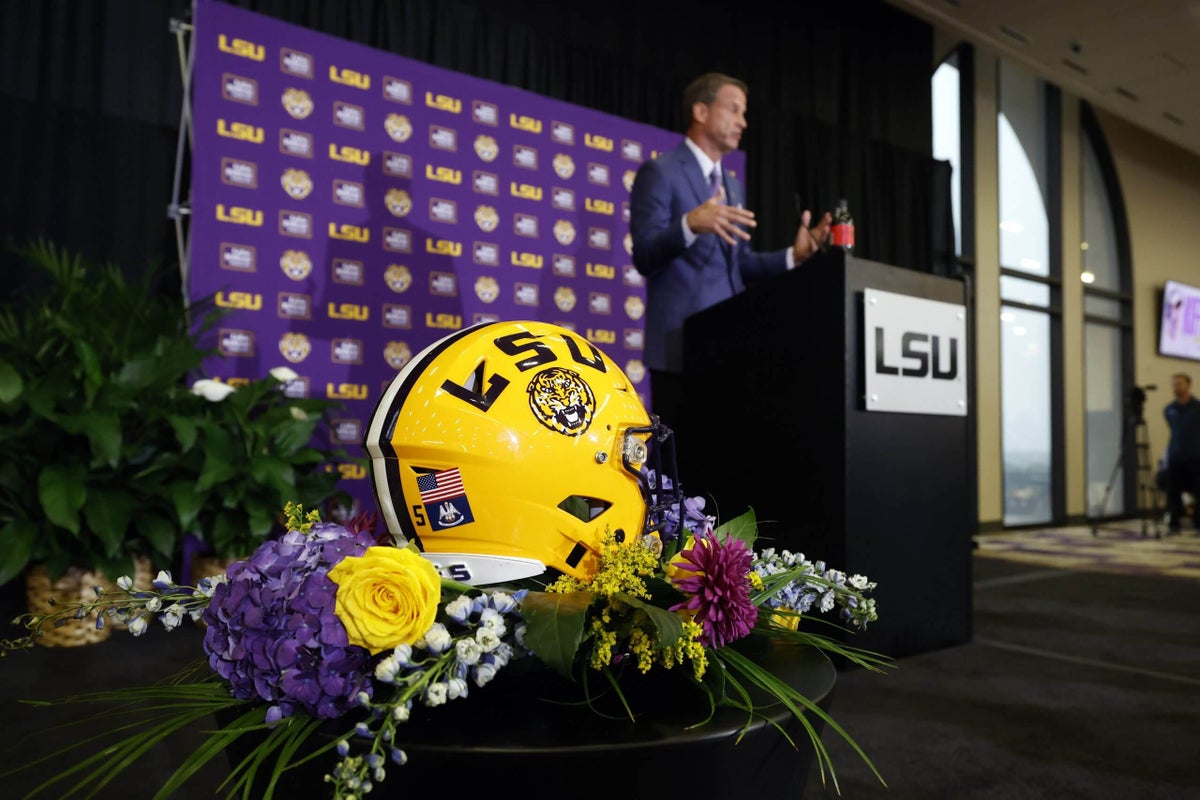
And yet, when LSU hired Lane Kiffin, “The Advocate” reported the school is “prepared to commit $25-$30 million annually for Kiffin’s roster.”
“That’s very clearly an institution saying, we don’t give a f—,” said the head of a Power 4 collective with a smaller budget.
And it’s not just LSU. Auburn, which hired USF’s Alex Golesh, “is positioned to be closer to $30 million next year,” sources told 247Sports. And Penn State “is committing $30 million in NIL money” to Matt Campbell, according to reporter Matt Fortuna.
And those are just the ones we know about.
To get to $30 million, these schools would need to generate at least $15 million in “over-the-cap” third-party NIL deals despite, in theory, having to submit every deal of more than $600 to the CSC’s NIL Go clearinghouse for approval. So programs have already figured out a way around the restrictions, or they don’t believe the CSC is capable of enforcing them.
Before we get to some of the nefarious cap workarounds already circulating, know that most programs are first pursuing above-board methods to stretch their payrolls.
For starters, many athletic departments have beefed up their internal staffs and contracted with multimedia rights (MMR) firms like Learfield, Playfield and Opendorse to pursue legitimate brand deals for their most marketable athletes.
“You have had the rise of the MMR partner taking a huge role, taking the role of the booster,” said a person who leads a Power 4 collective for a top-20 program.
Early indications are that the CSC is clearing most deals with established national companies, as opposed to those from collectives or boosters affiliated with a specific school.
How does that work? Opendorse co-founder Blake Lawrence says his company assesses the brand value of every athlete on a client’s campus and then pays the school a low seven-figure guarantee it can then dole out to its athletes. The onus is on his firm to book enough CSC-compliant deals to fulfill those commitments.
“It’s the fastest-growing solution we have as a company,” he said. “We’ve already signed some blue-chip brands and partners.”
But there are only so many players on a roster with the name recognition and/or social media following to earn a lucrative endorsement deal with Gatorade (Ty Simpson) or Samsung (Jeremiyah Love). A national championship-aspiring program still needs to come up with enough dough to cover the rest of the two-deep.
Some schools are also leaning into their apparel providers, like Nike and Adidas, which have long poured millions into athletic department coffers but never directly to athletes. For example, Tennessee announced a new 10-year agreement with Adidas by which that company will not only provide cleats and jerseys, but “offer unprecedented NIL opportunities … across all 20 of the university’s varsity programs.”
But that does not mean every player on a roster is getting his or her own shoe deal. Nike recently announced a 10-year extension with LSU in which 10 current athletes — and only two football players — received their own deals.
All told, Lawrence believes a school with enough high-profile athletes can secure an additional $3-$5 million in legitimate third-party NIL deals it can stack on top of its rev-share budget.
That may be more than enough for the large majority of Power 4 schools to fund their best-case scenario rosters. But not the ones pledging $30-million plus to build a national championship roster.
Which might necessitate some creativity.
For one, collectives are not totally disappearing. “The best practice is to keep all available options open,” the person with the top-20 program-affiliated collective said.
With the caveat that much of what one hears behind the scenes can be of a gossipy nature, here are a few workarounds sources say they’ve already encountered.
• Say a school agrees to pay a player $200,000. If his agent is taking a 20 percent commission, then in reality, he’s making $160,000. So, the collective pays the agent his fee directly, and the program saves $40,000 in cap space.
• Say a school promises a player $200,000, and wants to split it between rev-share and the collective, but it fears that CSC won’t approve a $100,000 collective deal. The parties agree to the amount verbally, then the collective submits smaller deals throughout the year (for autograph signings, charity appearances, etc.) that eventually add up to the total.
• It’s believed that at least one school’s collective paid their entire incoming freshman class what they would have earned in rev share, so that the payments don’t get counted against the cap.
• And then there’s the simplest, but riskiest, workaround of all: Just don’t report the deals. Which was probably happening already.
The onus is on athletes and their reps, not the schools or collectives, to submit third-party deals for approval. The rules as written say a school may be forced to declare an athlete ineligible if he gets caught, but nobody’s been busted yet. And they probably won’t be anytime soon.
The CSC enforcement of new rev-share and NIL rules has been delayed because all 68 Power 4 schools have yet to officially sign an agreement conference leaders hope will put some teeth into the process. Texas Tech, for one, said last month its general counsel advised against it due to several objections to the language. Texas Attorney General Ken Paxton followed up by sending a letter to all of the state’s Power 4 schools urging them not to sign. Lawyers are still looking at possible tweaks to the agreement.
In the meantime, a transfer may have to finalize their deals and enroll at their new schools without knowing how long it may take for the school to get approval to pay them.
“I suspect the money is going to get paid out (up front),” said one agent, “and in the worst case, the player has to pay it back.”
The NCAA Football Oversight Committee pushed the portal window back from December to January this year in hopes of making the calendar less chaotic for coaches with teams in the postseason. Rev-share and NIL Go were supposed to formalize the process.
But “nothing has changed, except kids aren’t able to take visits,” said an agent. “It’s the dumbest thing in the world.”
— Ralph Russo contributed to this story.
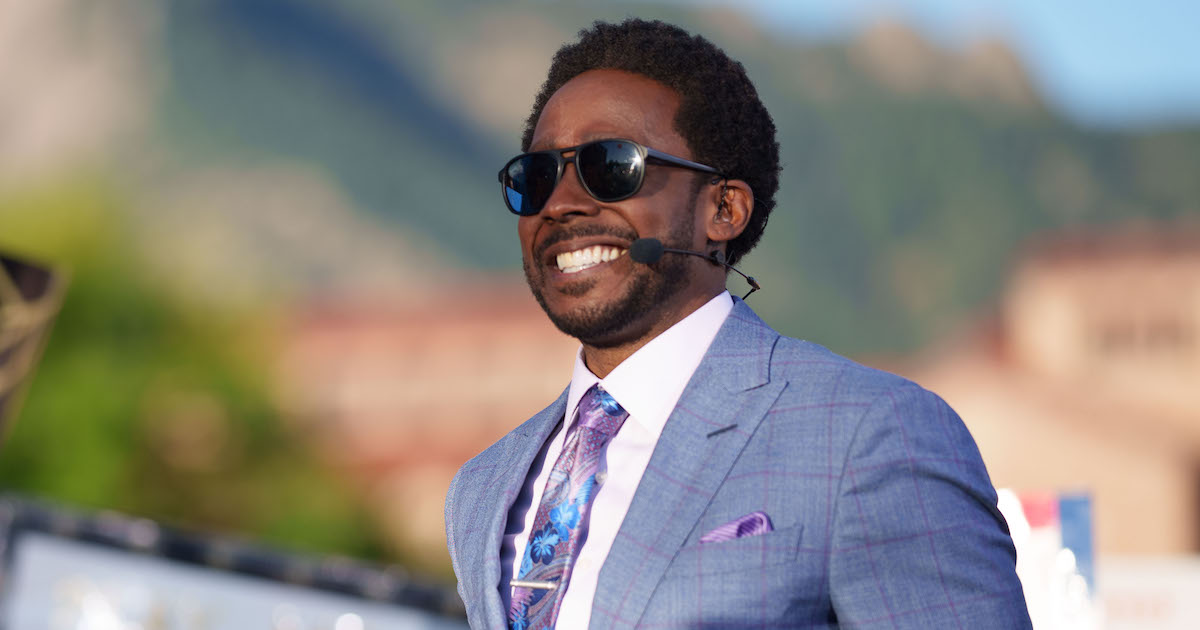
Michigan’s two-week coaching search came to an end Friday as the Wolverines announced Kyle Whittingham would take the role. The reactions are starting to pour in, and UM legend Desmond Howard also spoke about the hire.
Howard has spoken with Whittingham multiple times on ESPN’s College GameDay. The show most recently went to Utah this past year, and Whittingham was part of the festivities ahead of the Utes’ game against Cincinnati.
In a statement Friday night, Howard had high praise for Whittingham and what he can do at Michigan. He also said the Wolverines landed perhaps the top coach in the cycle.
“I want to congratulate the University of Michigan leadership, especially Warde Manuel, for navigating a challenging process and coming away with what I truly believe is the best hire of this coaching cycle,” Howard said. “I’m extremely excited about Coach Whittingham leading Michigan. If you had asked me prior to this to name my favorite head coaches in the sport, his name would’ve been one of the very first I mentioned. He’s exactly what Michigan needs right now.
“Coach Whittingham commands immense admiration across college football, from the media to fellow coaches, and anytime his name comes up among my peers, the sentiment is unanimous: respect. He’s your favorite coach’s favorite coach, and that says everything.”
Whittingham is signing a five-year deal at Michigan, and ESPN reported his salary is at $8.2 million on average. He also will not coach Utah in the Las Vegas Bowl next week. Instead, the expectation is he will head to Orlando to meet with Michigan ahead of the Citrus Bowl.
Kyle Whittingham ‘honored’ to take over at Michigan
Kyle Whittingham replaced Urban Meyer as Utah head coach in 2005 and amassed a 177-88 overall record at the helm – the most wins in Utes history. He initially joined the program in 1994, starting out as defensive line coach ad becoming the Utes’ defensive coordinator in 1995. When Meyer left for Florida in 2005, Whittingham took over as head coach.
Although he announced he’d step down as Utah coach, Whittingham made it clear he wasn’t necessarily done coaching. Now, he’ll prepare to head to Ann Arbor and take over a Michigan team which underwent a major shakeup this month when Sherrone Moore was fired for cause Dec. 10.
“We are honored to lead the outstanding student-athletes, coaches, and staff who represent Michigan Football each day,” Whittingham said in a statement. “Michigan is synonymous with tradition and excellence – both on the field and beyond – and our entire program is committed to upholding those values while striving for greatness together.
“My family and I are thrilled to join the University of Michigan community, and we look forward to helping our players grow, develop, and reach their highest potential – on the gridiron, in the classroom, and as leaders. It’s a privilege to be part of something that inspires pride in every Wolverine fan. Go Blue!”
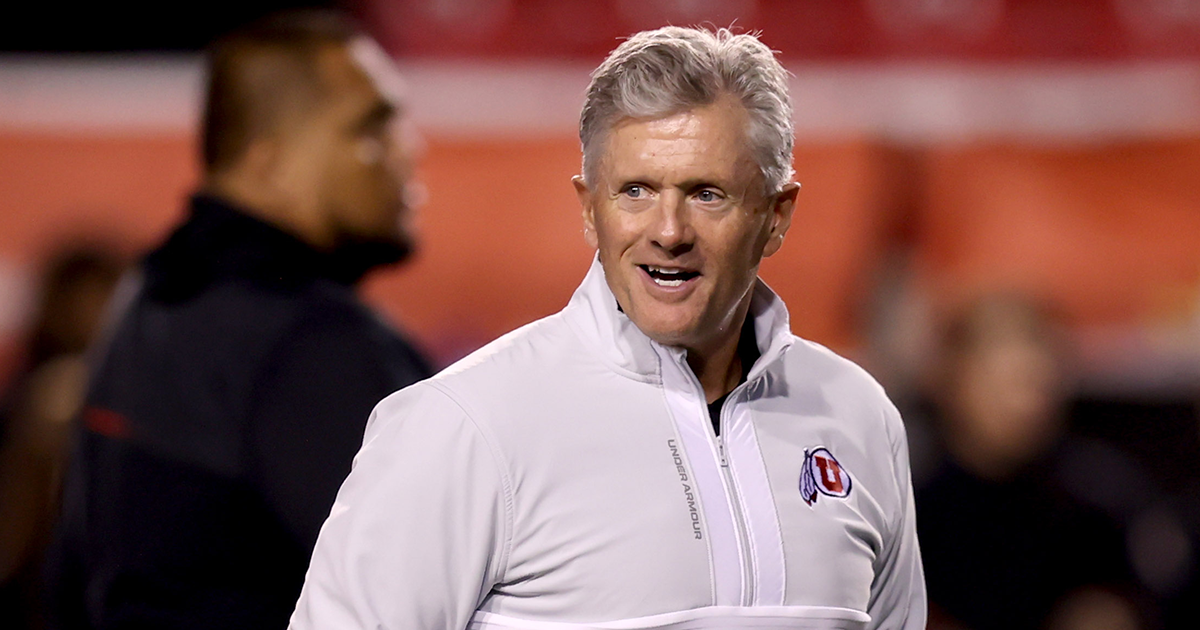
After spending 21 seasons as Utah‘s head coach, Kyle Whittingham will be leading a new program next fall: Michigan. On Friday, the school announced the hire of Whittingham. While the 66-year-old is excited for the next chapter of his career, he won’t forget the memories he made at Utah.
“I am grateful to our administration, staff, players, and coaches for their commitment, trust, and hard work throughout the years,” Whittingham said in a prepared statement. “This university and football program mean a great deal to me, and I am proud of what we have built together. I appreciate the support from the University of Utah allowing me to step away at this time. I also want to thank our fans. Your loyalty, passion, and support have been second to none.
“Whether at Rice-Eccles Stadium or representing Utah across the country, you have made this time special and created memories that will last a lifetime. Utah will always hold a special place in my heart, and I wish Coach Scalley and the program a smooth transition and continued success moving forward. Thank you for everything.”
Whittingham signed a five-year contract with Michigan that will pay him an average of $8.2 million per year. Whittingham’s contract is also 75% guaranteed, which means his 2026 salary is expected to be $8 million.
It’ll be an unfamiliar environment for Whittingham. During his tenure at Utah, he led the program to a 177-88 overall record and three conference titles. He was named the Pac-12 Coach of the Year twice and the Mountain West Coach of the Year once.
Before the Michigan job became available, Whittingham had already announced he was stepping away from Utah at the end of the 2025 campaign. Utah athletic director Mark Harlan expressed his gratitude to Whittingham for all he accomplished at the school.
“The University of Utah is grateful for Coach Whittingham’s incredible contributions over his long tenure at the university, and we wish him and his family all the best with this next step in his career,” Harlan wrote. “After discussions with Coach Whittingham, his representatives and the University of Michigan, we have granted their request to allow him to join the Michigan program immediately.
“Morgan Scalley is fully prepared to take over leadership of the Utah football program, and we join him in keeping our focus on our team, and supporting our student-athletes through this final game of the 2025 season at the Las Vegas Bowl on Dec. 31.”
Utah posted a 10-2 overall record this season and finished 15th in the College Football Playoff rankings. Kyle Whittingham will look to lead the Wolverines to similar success.
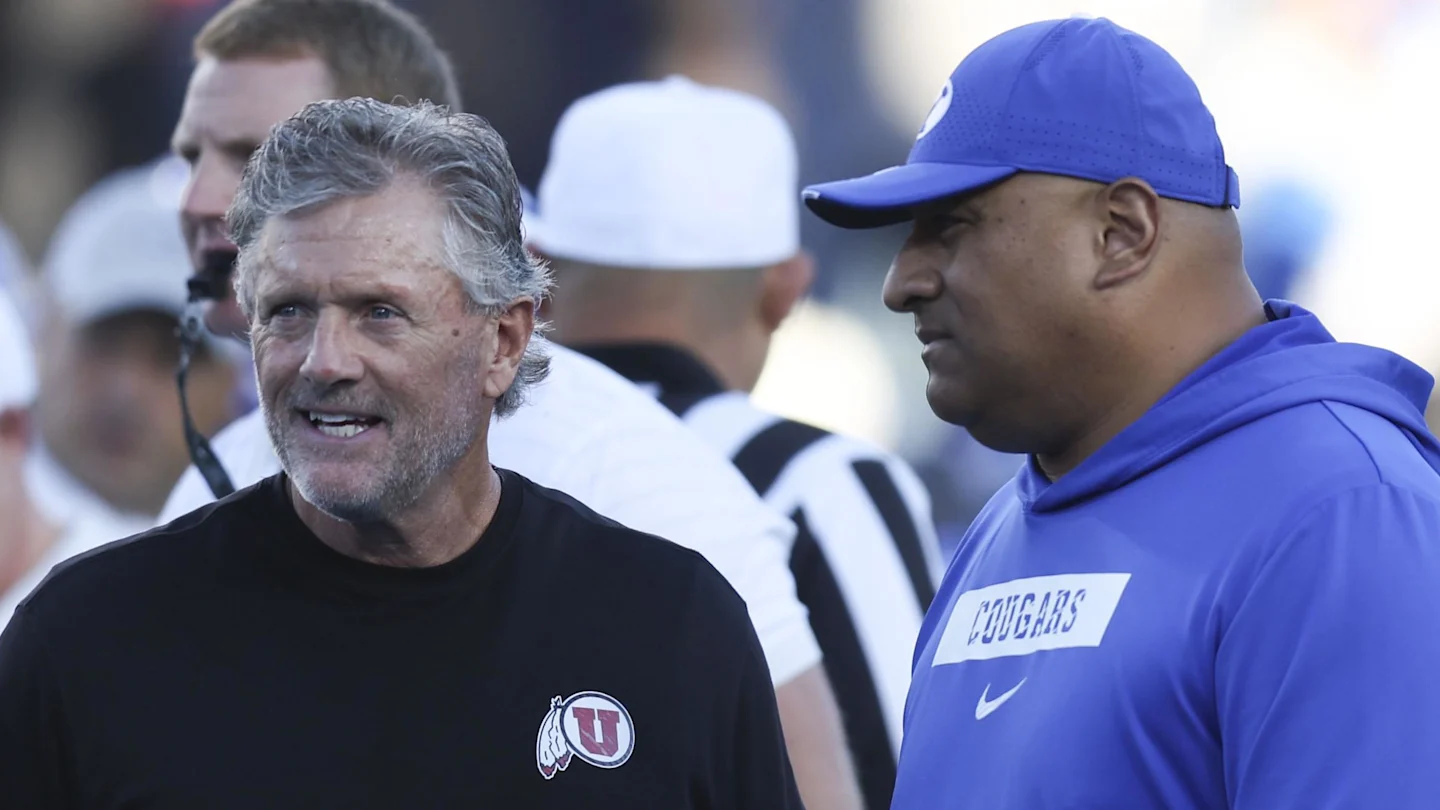
The college football coaching carousel is causing some dysfunction in the final days of December, especially after one program arrived late to the party.
Earlier this month, Michigan came out of nowhere with the news of the offseason, firing head coach Sherrone Moore for cause. The Wolverines moved on from Moore due to an inappropriate relationship with a female staffer.
That left one of the most prestigious programs in the country without a head coach shortly after the Early Signing Period concluded. Michigan has been on a coaching search since then, but the pool has thinned, with most candidates hired by other schools.
The Wolverines have finally found their man, and the move came at the expense of a team set to play in a bowl game in less than a week.
Kyle Whittingham Won’t Coach Utah In Bowl Game
Michigan officially announced the hiring of Utah head coach Kyle Whittingham on Friday evening. According to ESPN, Whittingham signed a five-year deal averaging $8.2 million per season, including $8 million next year.
Whittingham coached the Utes for the last 21 years. He was promoted to head coach ahead of the Fiesta Bowl in 2004, replacing Urban Meyer, who was hired away by the Florida Gators. Whittingham led the program to a 177-88 overall record and 11 postseason victories.
Along with accumulating the most wins in program history, he’s won numerous Coach of the Year honors and guided Utah through three different conferences. In 2025, the Utes compiled a 10-2 record and qualified for the SRS Distribution Las Vegas Bowl.

Whittingham’s swift departure means he won’t have the opportunity to coach in Utah’s final game of the season. Per ESPN’s Pete Thamel, the longtime head coach is headed to Orlando to begin his duties with the Wolverines. Michigan takes on Texas in the Cheez-It Citrus Bowl on December 31.
That’s the same day Utah is scheduled to kick off against Nebraska in Las Vegas. Whittingham has already notified his players of the decision.
In a statement, Utah athletic director Mark Harlan declared that defensive coordinator and safeties coach Morgan Scalley would assume the role of head coach. Scalley was named the program’s head-coach-in-waiting leading up to the 2024 season.
Scalley was a finalist for the Broyles Award in 2019, which goes to the top assistant in college football. He’s guided multiple top defenses at Utah and has been with the program in various positions since 2007.
Read more on College Football HQ
• College Football Playoff team loses key starter to NCAA transfer portal
• College Football Playoff team loses former starter to transfer portal
• College Football Playoff team has taken 3 major hits in trenches via transfer portal
• College football team set to be without nearly 20 players for upcoming bowl game
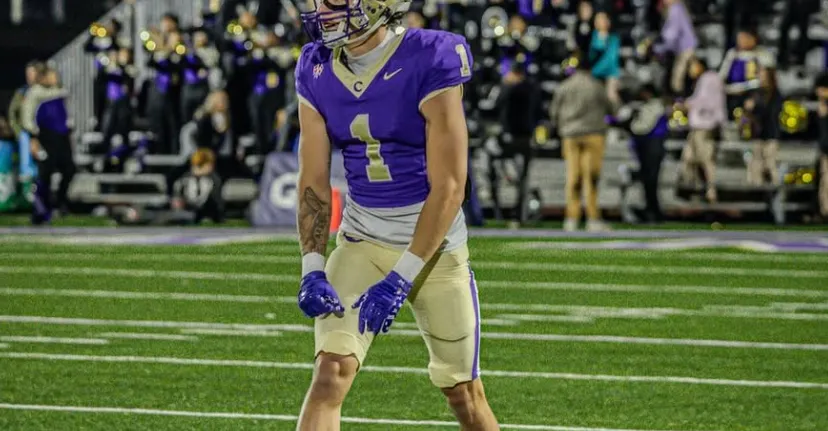
As first reported by On3’s Hayes Fawcett on Friday afternoon, 2026 four-star wide receiver signee Brady Marchese has requested a release from his national letter of intent with the Michigan Wolverines.
The Georgia native flipped from the hometown Georgia Bulldogs to Michigan during the early signing period earlier this month. Marchese is the third 2026 class member to do so following the firing of head coach Sherrone Moore, as he joins four-star tight end Matt Ludwig and three-star offensive lineman Bear McWhorter to ask out of their letter of intent.
The Wolverines now have just two wide receivers left in the incoming freshman class — four-star Travis Johnson and three-star Jaylen Pile.

Minnesota Track Star Banned For Accepting $6,000 To Pay Tuition

Rosenberg National Little League registration underway for 2026 season

Surprising List of Oregon Ducks’ Biggest NIL Valuations

Orange County boys basketball highlights, final scores for Friday, Dec. 26 –

Bubba The Love Sponge and Cycledrag Discuss The State of Motorsports – Drag Bike News

Sport Bike Crashes at Biggest Grudge Event of the Year – Drag Bike News

The college football spending cap is brand new, and here’s how schools already are ignoring it

Annie Nabwe ‘not giving up’ and ‘giving her best’ at Minnesota – Jamestown Sun

We rank the top-10 NASCAR Cup drivers of 2025

4 NASCAR Cup cars unlikely returning for the 2026 Daytona 500

Interim President: AAL Has No Plans To Change Mission

Williams leading Lakeview wrestling through first year | News, Sports, Jobs

Young entrepreneur marks milestone with donation to Angels for Animals | News, Sports, Jobs

‘Christmas tradition’ welcomes more than 170 area children | News, Sports, Jobs

Arrest made in Petaluma vandalism of former Harlem Globetrotter’s vehicle

SoundGear Named Entitlement Sponsor of Spears CARS Tour Southwest Opener

Jo Shimoda Undergoes Back Surgery

Black Bear Revises Recording Policies After Rulebook Language Surfaces via Lever

Donny Schatz finds new home for 2026, inks full-time deal with CJB Motorsports – InForum

Bowl Projections: ESPN predicts 12-team College Football Playoff bracket, full bowl slate after Week 14

Robert “Bobby” Lewis Hardin, 56

How this startup (and a KC sports icon) turned young players into card-carrying legends overnight

How Donald Trump became FIFA’s ‘soccer president’ long before World Cup draw

Indiana’s rapid ascent and its impact across college football

Men’s and Women’s Track and Field Release 2026 Indoor Schedule with Opener Slated for December 6 at Home

David Blitzer, Harris Blitzer Sports & Entertainment

Michael Jordan’s fight against NASCAR heads to court, could shake up motorsports
Wisconsin volleyball sweeps Minnesota with ease in ranked rivalry win

Pohlman admits ‘there might be some spats’ as he pushes to get Kyle Busch winning again

JR Motorsports Confirms Death Of NASCAR Veteran Michael Annett At Age 39





-
 Motorsports2 weeks ago
SoundGear Named Entitlement Sponsor of Spears CARS Tour Southwest Opener
-
 Motorsports3 weeks ago
Donny Schatz finds new home for 2026, inks full-time deal with CJB Motorsports – InForum
-
 Rec Sports3 weeks ago
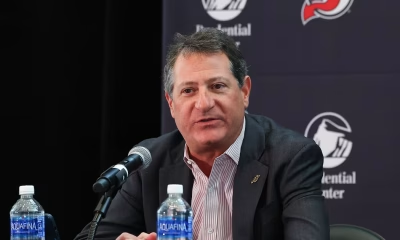
David Blitzer, Harris Blitzer Sports & Entertainment
-

 NIL2 weeks ago
DeSantis Talks College Football, Calls for Reforms to NIL and Transfer Portal · The Floridian
-
 Motorsports3 weeks ago
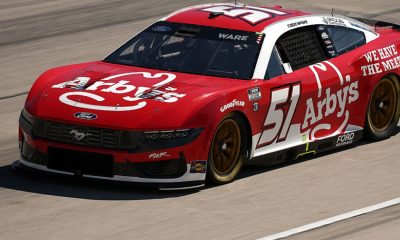
Rick Ware Racing switching to Chevrolet for 2026
-
 Sports2 weeks ago
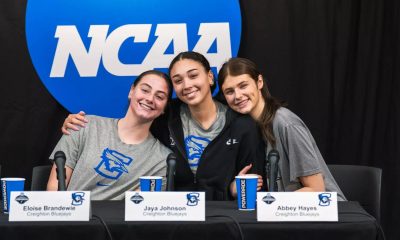
#11 Volleyball Practices, Then Meets Media Prior to #2 Kentucky Match
-

 Technology3 weeks ago
Wearable Gaming Accessories Market Growth Outlook
-

 Sports3 weeks ago
Women’s track and field athletes win three events at Utica Holiday Classic
-

 Motorsports2 weeks ago
Sunoco to sponsor No. 8 Ganassi Honda IndyCar in multi-year deal
-
 Motorsports3 weeks ago
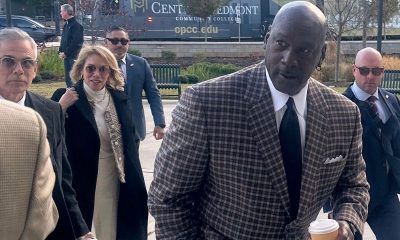
NASCAR owes $364.7M to teams in antitrust case