
NIL
College football transfer portal prices: Position‑by‑position ranges surge

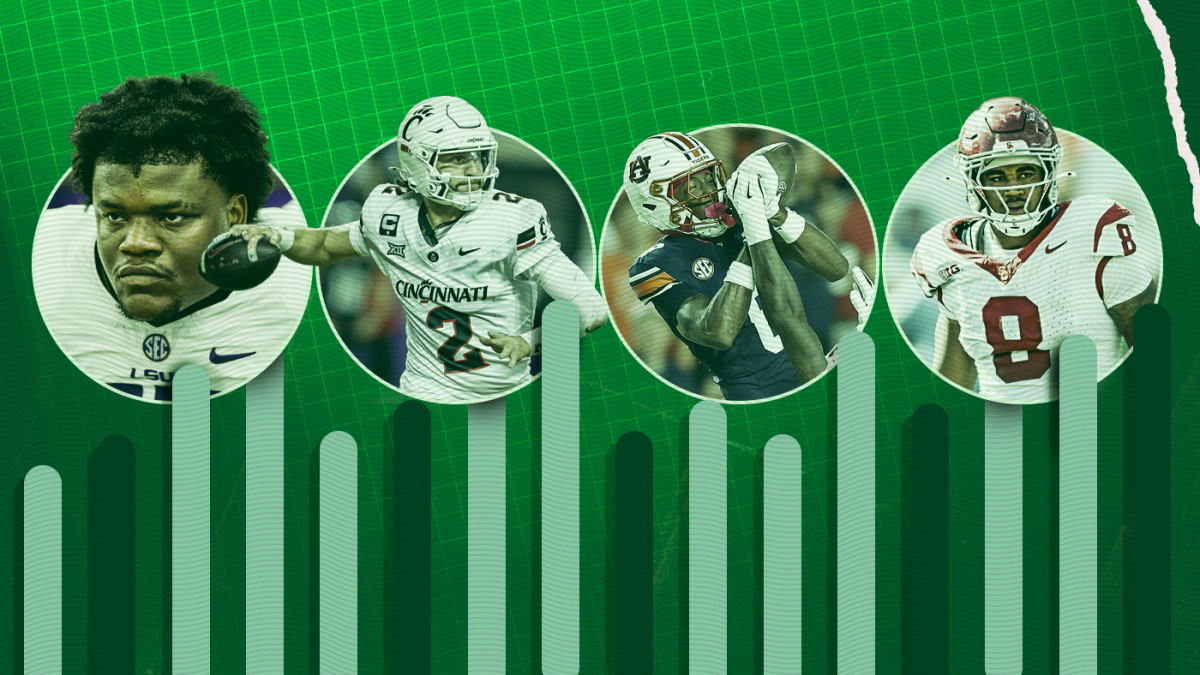
The college football transfer portal will officially open Jan. 2 and with it should come a flurry of activity, big-money deals and roster transformations.
There is more pressure than ever this time around with the spring portal period disbanded in favor of a sole winter period that runs from Jan. 2 through Jan. 16. It’s why this year’s winter portal could resemble what we see with NFL free agency with many of the best options coming off the board quickly for big money deals.
“People are going to spend out of the gate — like immediately — your top guys, your best guys, are going to go quick,” said a Big Ten general manager. “Then it’s the rest of them that are asking for money, but at some point they’re going to come down a little bit because the money has already been spent.”
There was a belief a year ago that with the passing of the House settlement and introduction of the College Sports Commission as an enforcement arm that last year may have been the Golden Age for big paydays. With a $20.5 million revenue share cap and a promise for stricter enforcement of NIL deals, the idea was that prices would come down this cycle as teams could no longer double dip between unlimited collective money and the rev share. For a variety of reasons, however, that hasn’t proven to be the case.
In some cases, even, prices have doubled.
CoPilot
“I feel like the average starter this cycle, the sort of line you have to hit, is $600,000,” said one SEC general manager. “I feel like last year starters’ in our conference were $300,000. Now it feels like starters are more like $600,000.”
What does that look like for the entire market? CBS Sports talked to dozens of sources from agents to general managers to collective leaders to put together value ranges for each position ahead of this window’s official opening.
Quarterback
High End: > $3.5 million
Average: $1.5 million to $2.5 million
Low End: $750,000 to $1 million
Just like in the NFL where the top quarterbacks account for around 20% of a team’s cap, the best portal quarterbacks this cycle are expected to command a hefty chunk of the pie.
Top-ranked arms like Brendan Sorsby (from Cincinnati), Josh Hoover (from TCU) and Sam Leavitt (from Arizona State) are expected to reach — and possibly pass — the $3.5 million mark.
It’s well-documented last cycle’s double dip (teams spending freely before rev-share caps were put into place over the summer) allowed teams to go gangbusters in transfer portal spending, including at QB where Duke made the little-known Darian Mensah famous for a $4 million annual salary. General managers thought there would be a downturn in spending at the position this cycle because of rev-share caps, but that sentiment has changed in recent weeks.
Getty Images
Schools are figuring out creative ways to exceed the rev-share cap, usually through marketing deals the school can find for their high-profile QB1.
“Six weeks I would have said no way,” an ACC GM said. “In the last six weeks people have figured out ways to construct a contract. You can put 15 deals together to get to $4 million.”
What 20% of a team’s cap looks like depends on the school. Some Power Four programs will only be at the full revenue sharing max, around $14-18 million for each Power Four football programs. Other big spenders will be at $25 million-plus due to the outside name, image and likeness deals the program manages to generate.
As for whether it makes sense to pay a quarterback that much, it’s a matter of debate for the general managers we spoke with.
“Even if you’re at $25 million, are you really going to put 20 percent of your resources into one player?” a Big Ten GM said. “You better hope he’s good. You better hope he’s Fernando Mendoza or Diego Pavia – he has to be or that’s a bad investment.”
Beyond the upper end of the market, the number required for a quality starter in the portal continues to creep up. Last year, quality-starting QBs could be found in the upper 600s and low million-dollar range. Now the same level of player costs $1.5 to $2.5 million.
Even high-upside backups who haven’t started are making that sort of ask.
“I don’t know in the portal if you’re going to get a guy experienced and proven (for) less than $2 million,” a SEC GM said.
As for the low end of the market, there are some Power Four teams who could choose to go the discount route for a starter, be it a player jumping up from the FCS or Group of Five ranks — there are starters who’ve played a lot of snaps who can be found at that price — or betting on a player who’s shown flashes in short bursts on the Power Four level.
Running back
High End: > $1 million
Average: $400,000 to $700,000
Low End: $250,000
Similar to the NFL, at the running back spot you’ll see some college teams really prioritize it and others shy away from spending big money. There are multiple running backs this cycle who could command seven figures if they enter the portal such as Louisville’s Isaac Brown and Florida’s Jaden Baugh. The idea of a $1-million plus running back prompted strong reactions.
“If you’re spending a million dollars on a running back, you need a new GM,” said one agent.
Said a Big Ten general manager: “The running back numbers have been absolutely stupid. They don’t make any sense.”
Still, there are those willing to invest major resources in a top running back just like the Philadelphia Eagles did in plucking Saquon Barkley away from the New York Giants or the Atlanta Falcons drafting Bijan Robinson 8th overall in the 2023 NFL Draft.
“I’m a bigger fan of running backs than the whole trend 10-15 years ago,” said an ACC general manager. “‘Oh don’t ever draft a running back in the first round’. Well, look at all the best ones that ever played. They were all drafted in the first round.”
Once you get past the top-end running backs, most agree that you can get a good back in the $300,000-$500,000 range.
Wide receiver
High End: $1 million to $2 million
Average: $500,000 to $800,000
Low End: $300,000 to $500,000
If you want a top receiver out of the transfer portal, be prepared to spend big. Auburn’s Cam Coleman could be in the $2 million range, predicted one Big Ten general manager. Coleman is ranked as the No. 1 overall transfer in Cooper Petagna’s 247Sports transfer portal rankings.
Auburn star WR Cam Coleman to enter transfer portal: 7 potential destinations for No. 1 player in 2026 cycle
Cody Nagel
With receivers, it can depend on whether the player is viewed as a true No. 1 receiver or more of a No. 2. If you’re a true No. 1 with legitimate NFL talent, you’ll command $1 million and upward, especially the big-bodied outside plays. A Big Ten general manager, throwing out a hypothetical, said Ohio State’s Jeremiah Smith could command up to $4 million for one year of his services should he transfer. Smith is a cut above the rest of the sport, though. The hypothetical gap between him and Coleman could be $2 million — though a bidding war could also push Coleman’s number above $2 million — while the gap between Coleman can be hundreds of thousands of dollars.
As one Big 12 general manager explained: “$1 million for elite receivers, $1.5 million to $2 million for freak receivers and $400,000-$750,000 for everyone else.”
A No. 2 starting receiver could be more in the $300,000-$600,000 range. What determines the price range for those? Some of it is based on production, some of it is based on traits and some of it is simply physical attributes.
“Bigger, taller WRs, even without production, can be in that $600,000-$700,000 range,” said an agent. “Smaller guys/third guy is $200,000-$300,000. Decent guy is $400,000-$600,000 at No. 2. Tall guys get an extra $100,000.”
In last year’s cycle, there were multiple receivers who were in the seven-figure range including Auburn’s Eric Singleton and Texas A&M’s KC Concepcion. Multiple receivers will hit that range again.
Tight end
High End: $600,000 to $800,000
Average: $300,000 to $500,000
Low End: $200,000 to $300,000
Tight end is an eye-of-the-beholder position. Some schools don’t use them much in their offense. Others require two on the field at a time. The best ones can be game changers at receiver like Tanner Koziol was for Houston this year (727 yards, 6 TDs) for a 10-win team. Interestingly, Koziol transferred to Wisconsin first, didn’t mesh and reentered the portal in the spring to emerge as a difference maker for the Cougars.
That’s why the range for tight ends is so varied.
Value is there to be found on the lower range — with at least one all-conference player this year making $200,000 this year — but mostly it’s the block-first tight ends who fit in the lower range. Most starters will be between $300,000 to 500,000 while the elite players of the cycle, like Iowa State’s Benjamin Brahmer and Tulsa’s Brody Foley, will sit between $600,000-800,000.
Getty Images
Offensive Tackle
High End: > $1 million
Average: $500,000 to $1 million
Low End: $300,000 to $500,000
Outside of quarterbacks, offensive tackle is the position that traditionally commanded the highest average premium. Even some non-proven tackles last cycle — think 300 or fewer snaps coming from a high-end Power Four program — commanded well into the seven-figure range last year.
That seems to have shifted, or at least plateaued, this cycle.
“That’s the one position that oddly feels like it’s the same market as last year,” the SEC GM said.
As one agent with several high-level tackles — those located in the top 15 of the 247Sports rankings — put it: “Last year it seemed like if you were pretty good you could get a million. This year it seems like teams are shying away from a million. I’ve seen a lot of $700,000 to $900,000 offers for the tackles. The minute you ask for a million they clam up.”
Regardless, elite tackles will still command a million-plus. There just aren’t that many of them with those like Auburn’s Xavier Chaplin and LSU’s Carius Curne fronting the market as currently constructed — and a few big names are floating out there still as hot rumors.
Getty Images
Teams still have to pay up even for the solid starters. The average in the Power Four for that level of player will still sit between $500,000 and a million. Some teams will try to find value between $300,000 to $500,000 at tackle, but those players will either be FCS players jumping up or unproven Power Four players teams are taking a chance on.
Interior Offensive Line
High End: $600,000 to $800,000
Average: $300,000 to $500,000
Low End: $200,000 to $300,000
Opinions on guard can vary depending on a team’s priorities. Seeing them as critical interior anchors and a huge piece of the run game, some high-profile programs are willing to shell out up to $800,000 for an elite guard. Other schools, even the high-profile ones, consider them the most replaceable pieces on offense and allot around $400,000 on the high end.
Thus, the salary range can be extreme.
“A large-bodied guard could warrant $700-800K plus for a guy who could be drafted,” said one agent who represents a blue-chip guard. The agent noted there would only be a handful of those types this cycle.
Center is a more specialized position generally than guard, so the better ones tend to be a bit more expensive. A good center with experience will be in the $500,000 range, a little higher than the average on the inside.
EDGE
High End: $1 million to $1.7 million
Average: $600,000 to $1 million
Low End: $300,000 to $500,000
After quarterback and offensive tackle, edge-rusher is the premium position where you’ll see considerable resources dedicated for many programs. If you have a game-wrecker at this position, it can open so much for you defensively and it’s why so many programs want a great one.
With high demand comes hefty prices. If a player like South Carolina’s Dylan Stewart, who recently re-upped with the Gamecocks, had instead hit the portal, he would have garnered in the $2 million range, according to a Big Ten personnel executive. If you want anyone even in the neighborhood of Stewart’s caliber, you’ll be spending seven figures this cycle. One general manager known for shopping in the expensive portal aisles said “the really good ones are between $1-$1.5 million.”
Penn State edge-rusher Chazz Coleman is the top-rated edge transfer, according to 247Sports, and No. 2 overall transfer.
Getty Images
Even just an average starting edge-rusher can command in the $700,000 range, according to a different Big Ten general manager.
“I don’t know if it’s desperation or scarcity,” the GM said, “but guys without a whole lot of production or proven impact are commanding eye-brow raising money.”
Defensive tackle
High End: $800,000 to > $1.5 million
Average: $500,000 to $700,000
Low End: $250,000 to $500,000
The scarcity of talented defensive tackles has made this a position of high value if you’re going shopping out of the transfer portal. The gem of this year’s class is Wake Forest’s Mateen Igirogba (No. 5 in 247Sports’ rankings) who could command in that range of $1.5 million or a little more. USC transfer Devin Thompkins, No. 11 in the rankings, is another expected to be in the seven-figure range.
For a top interior defensive linemen, according to a Big Ten general manager, “to get you in the conversation it has to be at least $800,000.” An SEC GM summed it up well, “Decent DT for $400,000-$500,000, really good ones $700,000-plus. Great ones $1 million-plus.”
Linebacker
High end: > $700,000
Average: $250,000 to $500,000
Low end: $150,000 to $250,000
The general consensus is this is the cheapest starting position outside of the specialists. Multiple people we talked to believed you could get a good starter around $300,000. If you wanted an all-conference type, it’d be in the $600,000 range. While the linebacker position isn’t where programs like to spend up, Jacob Rodriguez, who finished fifth in Heisman Trophy voting, proved this year at Texas Tech just how potent having a top linebacker can be.
‘It’s like euphoria’: How Texas Tech All-American LB Jacob Rodriguez mastered the art of the punch-out fumble
Chris Hummer
Cornerback
High end: $800,000 to > $1 million
Average: $400,000 to $700,000
Low end: $150,000 to $350,000
In part because programs need so many cornerbacks, this position has one of the widest ranges in salary, according to one agent who represents multiple top options. Some programs really value the position while others prefer quantity over well-paid quality.
Elite cornerbacks, especially in the Big Ten and SEC, can command $1 million and up. Another agent, who represents cornerbacks, says SEC and Big Ten schools will pay $700,000 to $800,000 for those 6-foot-1, 195-pound cornerback types that Nick Saban loved. Meanwhile ACC and Big 12 programs, excluding Texas Tech, might be more willing to accept a 5-foot-10 fast DB, and spend only $400,000.
A viable starting cornerback is usually going to cost you $300,000 and up. If you want more of a higher end option, that number is more in the $400,000-$600,000 range. But a Power Four nickel back could be more in the $150,000 neighborhood.
“That’s a position I feel you can get a good player for a reasonable number,” said the SEC GM. “It’s hard to get a proven player for a reasonable number. There are good players out there for less than $400,000.”
Safety
High end: $700,000 to $1 million
Average: $350,000 to $500,000
Low end: $200,000 to $350,000
Once again similar to how NFL teams see the position in the draft, there are a few programs that really value this position but the majority are going to see an opportunity to invest elsewhere. One GM even said it wasn’t an impact position. For those that really value it and want their version of a Caleb Downs-type, as if they grow on trees, that could cost up to $1 million.
Getty Images
But, by and large, there is value to be found in the $350,000-$500,000 range. One agent even said that multiple schools told them that their budget was $350,000 for a starting safety.
“It’s just a position where there’s a lot of them,” the agent said. “If you’re not elite they fall into a different bucket.”
Specialists
General range: $50,000 to $200,000
Specialists make money, too! It’s not often discussed in portal season, but there’s a healthy market for specialists, especially the really good ones. Solid starters will be in the $50,000 to $100,000 range. But the best kickers and punters, especially in the Big Ten and SEC, can push between $100,000 and $200,000.

Updated Jan. 6, 2026, 3:21 p.m. ET
Damon Wilson is headed back to a familiar place after one season with Missouri football.
For the second time in his three-year collegiate career, the edge rusher is entering the transfer portal. Wilson played his first two seasons with Georgia in 2023 and 2024, but opted to enter the portal last year. Wilson will have one year of eligibility remaining.
In his lone season with the Tigers, Wilson finished with 23 total tackles, 9.5 tackles for loss, nine sacks, one interception, two pass deflections and a fumble recovery.
Following his decision to transfer from the Bulldogs, the University of Georgia sued Wilson for $390,000 in liquidated damages due to an unfulfilled contract with the Bulldogs’ former NIL collective, Classic City Collective. Wilson countersued Georgia in late December.
Wilson signed with the Bulldogs out of Venice, Florida, as a five-star recruit in the 2023 recruiting class, according to 247 Sports Composite rankings. He was the No. 17 overall player, the third-ranked edge rusher and the No. 4 player from Florida.
In 26 games with the Bulldogs, Wilson had 26 tackles (six tackles for loss), 3.5 sacks, two forced fumbles and two fumble recoveries.
Damon Wilson II stats
Here’s a look at Wilson’s stats in his three collegiate seasons with Georgia and Missouri:
- 2023 (Georgia): Four total tackles, 0.5 tackles for loss and 0.5 sacks
- 2024 (Georgia): 22 total tackles, 5.5 tackles for loss, three sacks, two forced fumbles and two fumble recoveries
- 2025 (Missouri): 23 total tackles, 9.5 tackles for loss, nine sacks, one interception, two pass deflections and a fumble recovery
Updated Jan. 6, 2026, 8:27 p.m. ET
- Tennessee athletic director Danny White sarcastically responded on social media to fans who criticized the football team’s lack of transfer portal moves.
- Fans connected the team’s perceived lack of NIL funds to White’s focus on the planned Neyland Entertainment District.
- White’s social media clapback drew mixed reactions, with some fans calling it inappropriate and others defending his wit.
Tennessee athletic director Danny White appeared to take exception to fans blaming him for the football team’s relative inactivity in the transfer portal, and he responded with sarcasm.
Some UT fans didn’t believe this was funny or appropriate for an athletic director. Other fans applauded White’s wit in the face of criticism. It all transpired Jan. 6 on social media.
“I’ve been thinking that the Neyland Entertainment District could win us a national championship. Man, I’ve been thinking about this all wrong. Thank you for your insight!” White posted on X, responding to a UT fan about a touchy topic that requires context.
So let’s explain.
Why Danny White’s Neyland Entertainment District was targeted
It all started when White was tagged in a post on X that criticized Tennessee football’s work in the transfer portal. The Vols have added only two players since the portal opened Jan. 2, second-fewest in the SEC.
Some frustrated fans believe that UT doesn’t have enough NIL money to outspend competitors for the top transfers. They blame White, who raised football ticket prices in the 2025 season with a 10% talent fee to help UT’s portion of NIL pay for players.
White actually can’t increase UT’s NIL budget, which is capped by the College Sports Commission, an independent regulatory body established by the power conferences. Nevertheless, fans targeted his latest facility project in their criticism.
“For all the good he has done @AD_DannyWhite needs to throw some money at the portal and give up on turning Neyland into a night club,” @johnboy7501, who identifies as a UT fan, posted on X.
Another UT fan, @Irish_Hammer_71, then replied on X: “100% – we need to go after top tier talent in the portal. Not names to fill a roster spot. Entertainment districts don’t win national championships. That is still the goal, right?”
Those UT fans were referring to the Neyland Entertainment District, an ambitious project in the planning stages to be built adjacent to Neyland Stadium. The mixed-use sports entertainment district would include a hybrid condo-hotel overlooking the stadium, a rooftop bar, restaurants, shops, event space and fan experiences.
The project was initially estimated to cost $167 million, not including the G10 garage reconstruction and a stadium gate ramp reconfiguration to align with the district. The preliminary schedule projected completion in late 2028, but a lot of factors could determine that.
White has proudly promoted the development of the Neyland Entertainment District since it was first announced in 2023. So the UT fans appeared to have struck a nerve.

How Tennessee fans responded to White’s social media post
The fact that White responded to Tennessee fans in that way raised eyebrows. Most athletic directors don’t respond directly to fans’ criticism, especially on social media.
That’s why UT fans fired back on X. Here’s just a sampling.
@BoRansom: “Being a sarcastic prick will really endear you to us. Big brain decision there.”
@jgrider98: “This is embarrassing.”
@DoubleJBranum: “You should’ve just texted a buddy! Can’t clap at a fan on Twitter. Be better!”
@SomeRndmGuyUT: “This is a bad look Danny. The original post wasn’t even directed at you. Seriously man, don’t go looking for fights.”
@VOLndator: “You think that you have it all figured out and you don’t Danny. Read the room.”
Others UT fans defended White for responding to what they thought was a misguided gripe, blaming a future facility project for a perceived lack of NIL money to pay transfers.
@BarstoolTenn: “Don’t fall for the rage baiters danny”
@garrickledford: “Thank you, Danny. Please continue to dunk on the curmudgeons. GBO.”
@Wesley_Hayes99: “Entertainment district will be a revenue source for the university, and in turn will help us compete for championships. Chess, not checkers kids.”
Why Danny White can’t increase Tennessee’s NIL budget
Putting the social media kerfuffle aside, White had a valid point, albeit expressed in an ill-advised way.
Funding for a university facility project is unrelated to NIL money paid to players. Specifically, the Neyland Entertainment District is being developed through a public-private partnership. And it will generate revenue for the university from condo sales, hotel room and event space rentals, food and beverage sales, retail, sponsorships and more.
Meanwhile, NIL money is a fixed line item on the athletic department budget.
Four hours after his original social media post, White explained.
“It is being built, and funded, by private developers. It’s a public-private-partnership, similar to the residence halls we are building,” White posted on X. “There are no funds associated with this project that could be used, in any way, for NIL. There could however, be NIL opportunities for our athletes once the project is complete and open for business.”
Since July 1, colleges have been allowed to pay student-athletes directly for use of their name, image and likeness. But that money is capped at $20.5 million per year for all schools. No matter how much money White wants to dedicate to bolstering the football roster, his hands are tied by those NIL restrictions for direct school-to-player pay.
Student-athletes can earn additional NIL money from third parties like NIL collectives, university partners, boosters and business owners. And that third-party money, which often comes from wealthy donors, creates the gap between the richest football programs and the second-tier programs.
Granted, UT works with NIL partners and collectives to generate third-party money for its athletes. But that third-party NIL money is outside the purview of the university and athletic director. And by rule, university employees aren’t allowed to guarantee third-party NIL money to recruits and transfer prospects.
Adam Sparks is the Tennessee football beat reporter. Emailadam.sparks@knoxnews.com. X, formerly known as Twitter@AdamSparks. Support strong local journalism by subscribing at knoxnews.com/subscribe.
Get the latest news and insight on SEC football by subscribing to the SEC Unfiltered newsletter, delivered straight to your inbox.
The 2026 NCAA transfer portal has opened for all college football players seeking different surroundings. The portal opened on Friday and will remain so until Jan. 16.
Over 3,000 college football players have chosen to transfer to new programs for the 2026 season. While the headlines have focused on quarterbacks in the 2026 transfer portal cycle, many important offensive skill players are also on the move across the college football landscape.
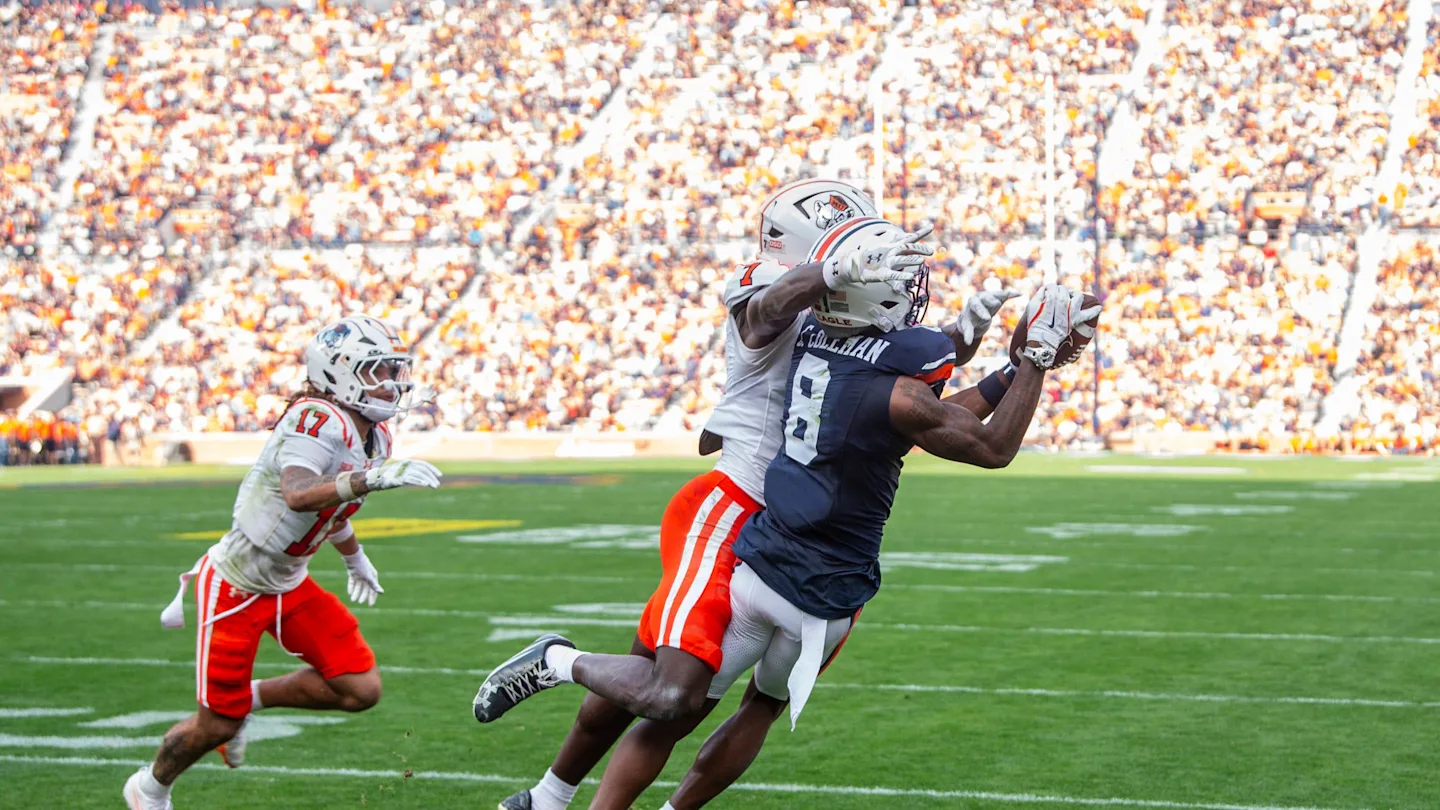
The most important of these offensive skill players in the transfer portal is former Auburn wide receiver Cam Coleman. He will have two seasons of eligibility remaining at his second school.
The 6-foot-3, 201-pounder was recruited by Hugh Freeze to Auburn in the Tigers’ 2024 recruiting class. Coleman appeared in 10 games during his freshman season, grabbing 37 receptions for 598 yards and eight touchdowns. He was voted to the SEC All-Freshman Team by his coaches that season.
Coleman saw an increase in production with the Tigers in the 2025 season. He made 56 catches for a team-high 708 yards and five touchdowns. Auburn finished the season 5-7, and Freeze was let go following the Tigers’ home loss to Kentucky.

Auburn hired former USF head coach Alex Golesh as its next head coach in late November. Coleman is one of a bevy of players from Auburn’s 2025 roster who have entered the transfer portal following Golesh’s hiring.
Coleman was a consensus five-star prospect in his initial recruitment to Auburn, ranking as the No. 2 receiver in the class of 2024. As a transfer, Coleman has the No. 1 overall ranking of receivers in the 2026 portal cycle.
While Coleman has been linked to several major programs in college football and will likely receive considerable compensation at his next stop, NIL packages are not among his top priorities in the portal. Pete Nakos of On3 reported that Coleman is visiting a handful of Power Four programs but is not likely to make a decision solely based on monetary value.
“There is confidence in multiple camps that they can offer the best opportunity for Coleman,” Nakos said. “Money is not going to be the deciding factor in this recruitment, even though sources have said his deal could be in the $2 million range.”
Texas A&M was the first of a trio of visits Coleman had set in the portal. He was committed to the Aggies for four months before flipping to Auburn on Early Signing Day in the 2024 recruitment cycle. Additional visits include stops at Texas Tech and USC, a pair of programs looking to stock up on wide receivers after losses in the offseason.
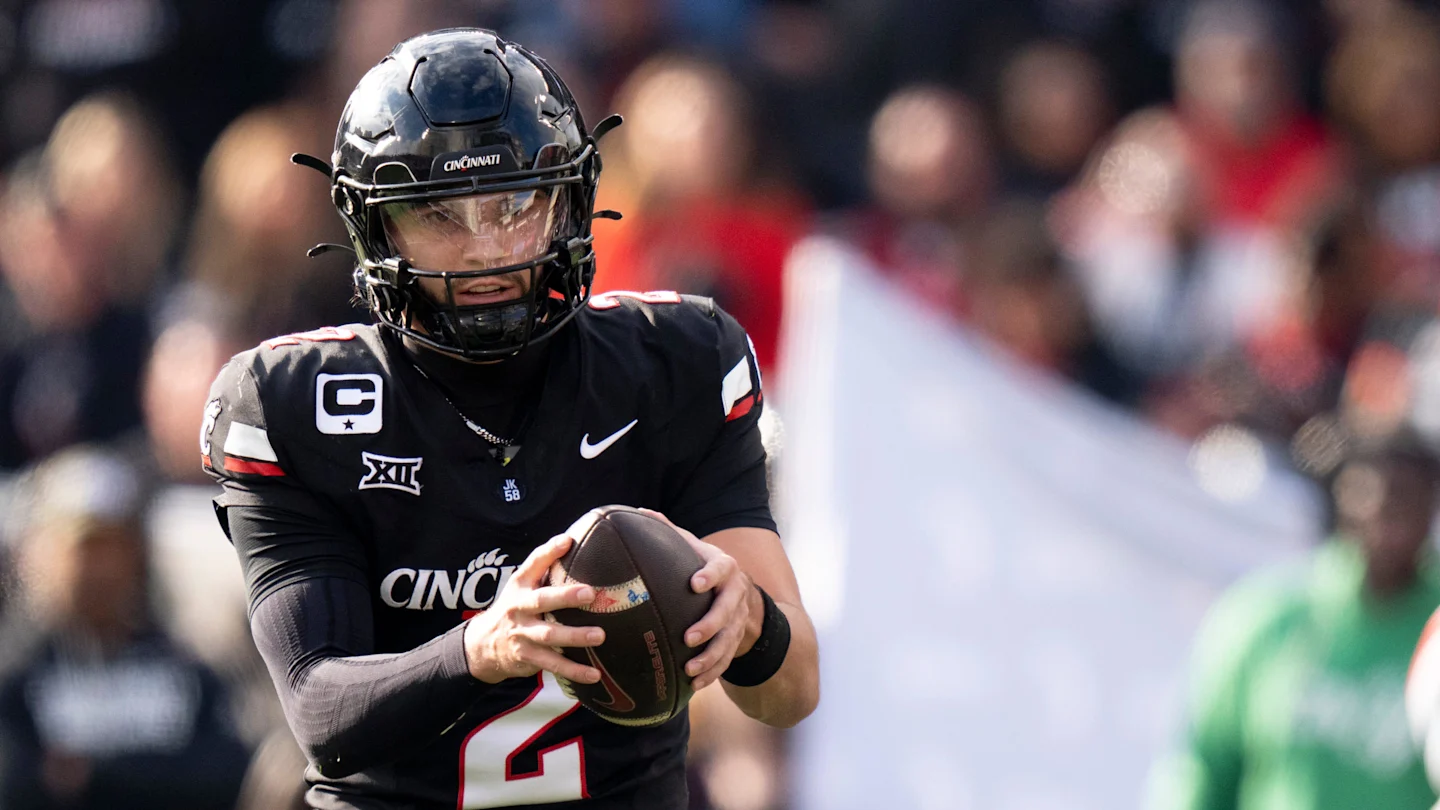
The NCAA transfer portal and the allowance of players to be paid for their name, image, and likeness (NIL) are undoubtedly the biggest driving forces behind the changes in college football.
The era of players waiting their turn at one school to play, or certain programs building dynasties off of being the best at paying players under the table, is no more. Now, programs that can get donors to scrounge together the most cash are in prime position to contend, which has led to new-age powerhouses like Indiana, Texas Tech and Ole Miss emerging.
With the NCAA transfer portal opening on Jan. 2, there have already been over 4,000 entries, but not every player will be getting the big bucks. The caliber at the top of the portal is as high as we have ever seen it, and some of college football’s most valuable players have found, or are in the process of looking for a new landing spot.
That said, let’s take a look at the players in the NCAA transfer portal with some of the highest NIL valuations, according to On3.
Byrum Brown (Auburn via USF)

To the surprise of no one, Byrum Brown followed his head coach, Alex Golesh, to Auburn. The 6-foot-3 dual-threat quarterback threw for 3,158 yards with 28 touchdowns, while also rushing for 1,008 yards and 14 more scores en route to leading the Bulls to a 9-3 regular season record.
NIL Valuation: $1.6 million
Beau Pribula (Missouri), Cam Coleman (Auburn), Cutter Boley (ASU via Kentucky)

The Missouri Tigers lost their star quarterback, who led them to a 6-1 start to the season, in what was really his first chance to start. Unfortunately an injury derailed his season and their momentum, but Pribula is still viewed as a high-end starter in college football.
As for Cam Coleman, the now-former Auburn wide receiver is due for a massive payday. Some reports have revealed he could earn as much as $2 million. He is ranked as the No. 1 overall player in the transfer portal, and very well could move up this list.
A Kentucky native, Boley impressed as the starting quarterback for the Kentucky Wildcats this season. He replaced Zach Calzada as the starter after two games, throwing for 2,160 yards with 15 touchdowns and 12 interceptions, while completing 65.8% of his passes. While there was obvious room for improvement, he steps into an Arizona State situation where he will be throwing to Colorado wide receiver transfer Omarion Miller and playing for one of the best offensive minds in the country, Kenny Dillingham.
NIL Valuation: $1.8
Dylan Raiola (Nebraska), DJ Lagway (Florida), Josh Hoover (Indiana via TCU)

Dylan Raiola was tabbed as the quarterback who would bring Nebraska back to prominence, but instead, his season was ended early due to an injury, and the writing was on the wall that he was leaving. Matt Rhule fired his uncle from the coaching staff, and his younger brother, who is a 2026 quarterback recruit, backed off his pledge. Raiola may not be an elite-tier quarterback, but he has a big arm and some creativity that could make him an intriguing add.
Similar to Raiola, who was also a five-star with plenty of hype, injuries plagued DJ Lagway at Florida. In his first full year as the starter, Lagway threw for 2,264 yards with 16 touchdowns and a brutal 14 picks. His spring camp saw him throwing at a limited capacity, and he also dealt with various other knicks along the way.
Josh Hoover will enter the 2026 season as college football’s leading returning passer, accumulating 9,629 yards at TCU. He will look to keep the hype train going at Indiana, as he is set to replace projected No. 1 overall pick, Fernando Mendoza.
NIL Valuation: $2 million
Drew Mestemaker (OK State via UNT)

If you love an underdog story, you’ll love Drew Mestemaker’s journey. He went from not starting a varsity game at quarterback in high school to leading college football in passing yards with 4,379. While he likely could have gone to any school he wanted, he decided to follow North Texas coach Eric Morris to Oklahoma State.
NIL Valuation: $2.3 million
Sam Leavitt (Arizona State)

The biggest domino that has yet to fall in the transfer portal is Leavitt, who is expected to command a massive payday in the portal. His numbers weren’t as eye-popping as 2024 when he led the Sun Devils to the College Football Playoff, but his dual-threat ability and elite ceiling has some of the biggest programs in the country knocking on his door.
NIL Valuation: $3.1 million
Brendan Sorsby (Texas Tech via Cincinnati)

Brendan Sorsby changed the trajectory of his career with the season he had in 2025. The former Indiana quarterback threw for 2,800 yards and 27 touchdowns, while throwing just five picks. He also added nine more touchdowns on the ground, and is an early contender for the top spot in next year’s draft. Going to Texas Tech not only put him on a title contender, but earned him what reports are calling a $5 million payday.
NIL Valuation $3.3 million
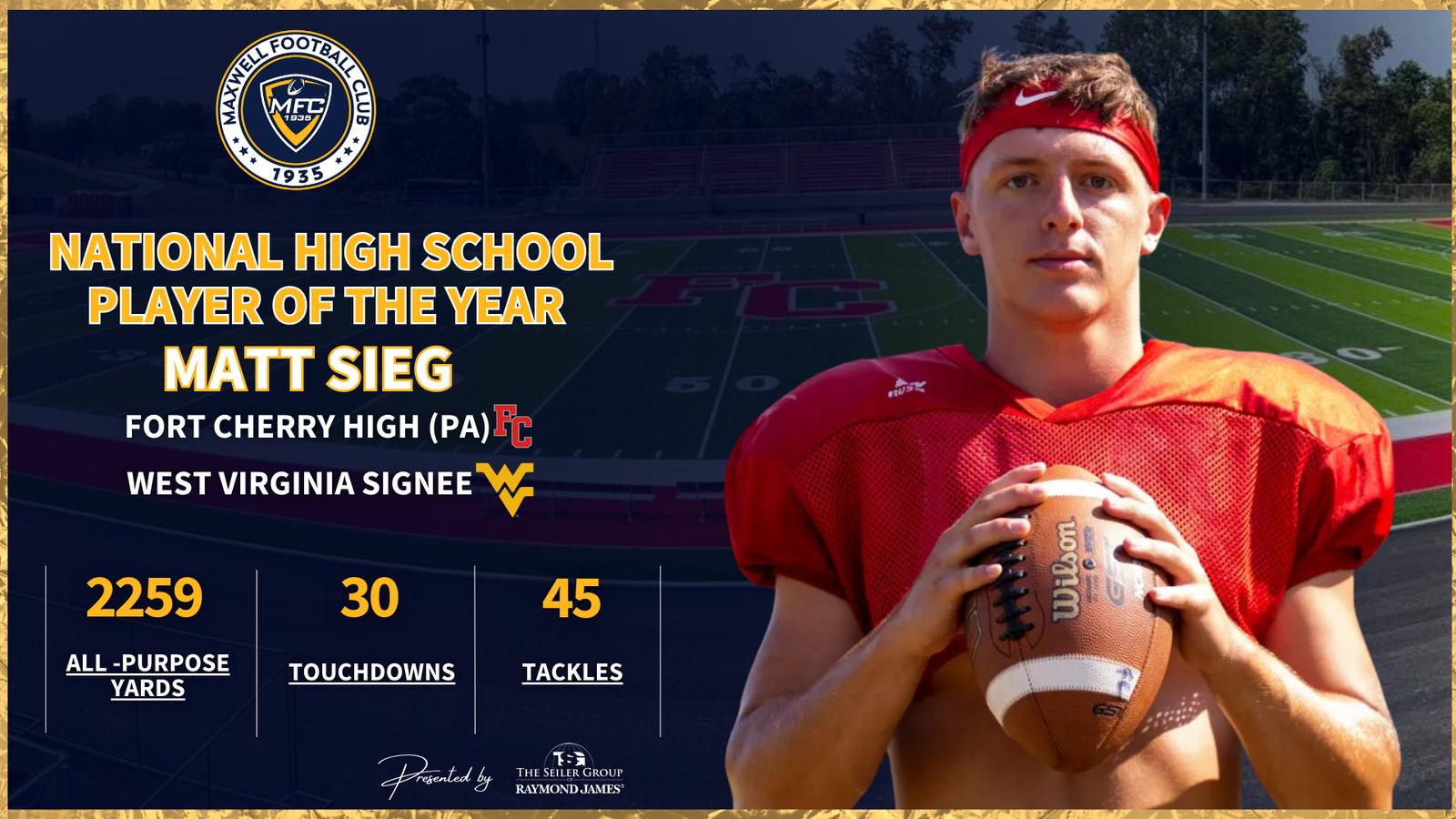
Sieg is the first WVU signee to earn the Maxwell Football Club’s High School Player of the Year Award and it marks the first time a Mountaineer football recruit won a national high school player of the year award since Robert
Alexander was named Parade Magazine Back of the Year in 1976.
Sieg also was named a High School All-American by the Maxwell Football Club. He was a three-time Pennsylvania Football Writers’ Class 1A All-State First Team honoree, the all-time leading rusher in Fort Cherry High School
history and the WPIAL 1A Player of the Year.
Sieg authored one of the most historic careers in WPIAL history, finishing with a 49–7 record, two WPIAL championships (2023, 2024) and league records in total offense (12,592 yards) and touchdowns (139). A generational dual-threat, he became just the second player in WPIAL history to surpass 4,000 rushing and 4,000 passing yards in a career, while also setting league marks as the first player to reach 5,000 rushing yards and 3,000 passing yards and to rush and pass for 1,000 yards in three consecutive seasons.
As a senior, he totaled 2,259 all-purpose yards and 30 touchdowns while adding 45 tackles and four interceptions on defense, leading Fort Cherry to a 12–1 record and a WPIAL 1A semifinal appearance. The four-time Black Hills Conference Offensive MVP ranks No. 2 in WPIAL career rushing (7,941 yards) and stands as Fort Cherry’s all-time leading rusher and passer, earning consensus four-star status and national rankings from ESPN, 247Sports\ and Rivals.
The formal presentation of the National High School Player of the Year Award will be held on Saturday, March 14, 2026, at the Coca-Cola Roxy Theatre in Atlanta, Georgia. The Maxwell Football Club will also be presenting its other national awards from college through the professional ranks at the event.
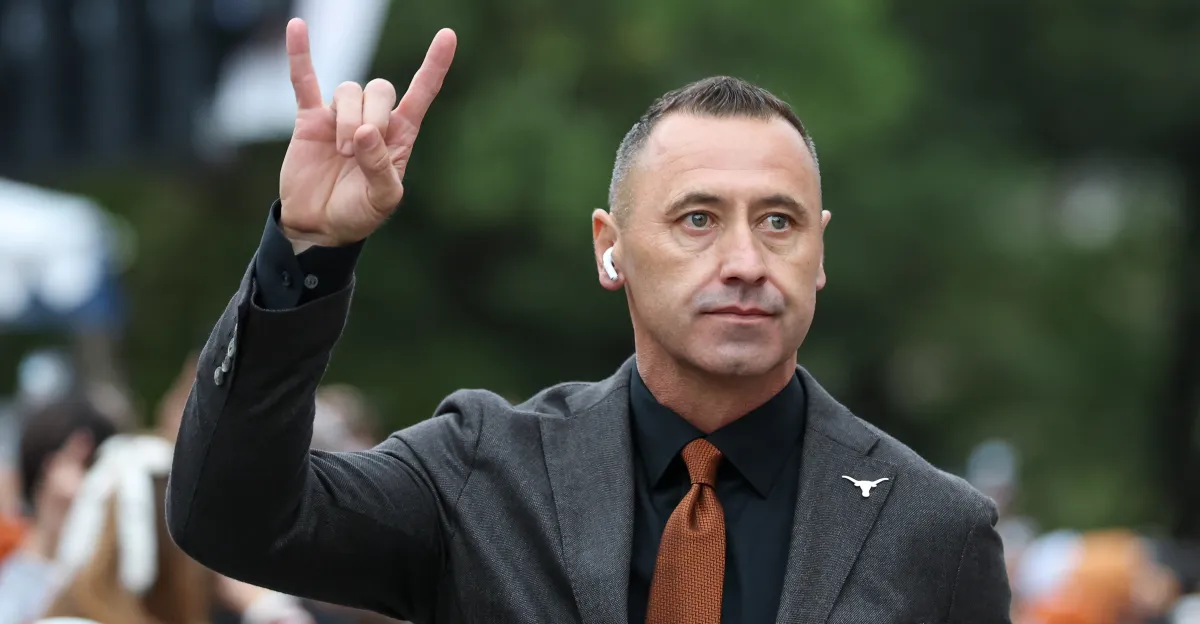
The website Sports Casting recently published data that pointed to Texas as the program with the nation’s biggest purse strings related to name, image, and likeness incentives for this year’s transfer portal, ahead of in-state juggernauts such as Texas A&M, Texas Tech, and others. Texas has $23 million in NIL funding, in fact, according to a graph Sports Casting published earlier today.
WHAT THEY’RE SAYING ABOUT THE LONGHORNS
247Sports: With Michael Masunas’ commitment, veteran Texas tight ends are under the spotlight in a crowded room
Inside Texas: Inside Texas Portal Intel: Cam Coleman, RB dominoes, and OL plans
ICYMI IN BURNT ORANGE NATION
247Sports: Texas Football Transfer Portal Tracker: All the Texas scoop, rumors, comings & goings as Longhorns fill roster
247Sports: Notes and nuggets from check-in day at the Navy All-American Bowl
247Sports: HoopHall West: New Year’s resolutions for every top-50 prospect
247Sports: Transfer Portal Intel: Latest updates on top players, led by team to watch for Sam Leavitt, as dominoes fall
247Sports: Arizona State’s Raleek Brown trending to Texas: How does he compare to outgoing RB Tre Wisner?
247Sports: Elite 2027 CB Duvay Williams’ visits come into focus at 2026 Navy All-American Bowl
Inside Texas: Texas Longhorns Portal Recruiting Intel: Latest from numerous Horns targets, coaches on road
Inside Texas: Texas’ early portal additions are creating a firm foundation
Inside Texas: How did Texas’ 2025 portal class fare this past season?
Inside Texas: Transfer Portal Reality Check: It’s okay to be frustrated, just don’t panic
Rocky Top Talk: LSU offensive tackle Ory Williams commits to Tennessee
A Sea Of Blue: Kentucky flips 4-star recruit Andre Clarke Jr. from Michigan
SB Nation: Baltimore Ravens’ 5 best head coaching options after John Harbaugh firing
SB Nation: The Panthers aren’t NFL’s worst playoff team ever, because this team is
SB Nation: TGL: Atlanta Drive GC stays undefeated in title defense with 7-4 win over The Bay
NEWS ACROSS LONGHORN NATION AND BEYOND
Mizzou football edge rusher Damon Wilson enters transfer portal
Danny White pokes Tennessee football fans on transfer portal NIL criticism

Abel switches from IndyCar to IMSA for LMP2 endurance ride with Era

Major NIL deal reportedly not ‘deciding factor’ for No. 1 transfer portal player

Washington State PAC Pushes for Trans Sports Ban With Genital Inspections

New Floral Shop Aspen and Willow Brings Vibrant Arrangements to Green River

College football transfers with the highest NIL valuations

Grand Forks County Commission discuss new position and funding sources for Youth Assessment Center – Grand Forks Herald

CK wins thriller in consolation championship | Sports
Joe Perry Little, Jr. Obituary

North Charleston plans youth development park with community partners

Sieg Named National High School Player of the Year by Maxwell Football Club

How Florida Became a Hockey Hotbed
performance-driven gaming monitors : gaming monitor

Longhorns Daily News: Texas has highest NIL transfer portal budget, data says

SoundGear Named Entitlement Sponsor of Spears CARS Tour Southwest Opener

Donny Schatz finds new home for 2026, inks full-time deal with CJB Motorsports – InForum

David Blitzer, Harris Blitzer Sports & Entertainment

DeSantis Talks College Football, Calls for Reforms to NIL and Transfer Portal · The Floridian

#11 Volleyball Practices, Then Meets Media Prior to #2 Kentucky Match

Rick Ware Racing switching to Chevrolet for 2026

Maine wraps up Fall Semester with a win in Black Bear Invitational

Stempien to seek opening for Branch County Circuit Court Judge | WTVB | 1590 AM · 95.5 FM

Ross Brawn to receive Autosport Gold Medal Award at 2026 Autosport Awards, Honouring a Lifetime Shaping Modern F1

Nascar legal saga ends as 23XI, Front Row secure settlement

Sunoco to sponsor No. 8 Ganassi Honda IndyCar in multi-year deal

Princeton Area Community Foundation awards more than $1.3 million to 40 local nonprofits ⋆ Princeton, NJ local news %

Downtown Athletic Club of Hawaiʻi gives $300K to Boost the ’Bows NIL fund

WNBA’s Caitlin Clark, Angel Reese and Paige Bueckers in NC, making debut for national team at USA camp at Duke

North Florida Motorsports Park led by Indy 500 Champion and motorsports legend Bobby Rahal Nassau County, FL





-
 Rec Sports3 weeks ago
Princeton Area Community Foundation awards more than $1.3 million to 40 local nonprofits ⋆ Princeton, NJ local news %
-

 Sports3 weeks ago
Beach Volleyball Unveils 2026 Spring Schedule – University of South Carolina Athletics
-

 Sports2 weeks ago
Badgers news: Wisconsin lands 2nd commitment from transfer portal
-
 Sports3 weeks ago
Badgers news: Final Four Game Thread vs. No. 1 Kentucky Wildcats
-

 Rec Sports5 days ago
Five Youth Sports Trends We’re Watching in 2026
-

 Sports2 weeks ago
Is women’s volleyball the SEC’s next big sport? How Kentucky, Texas A&M broke through
-
 Sports3 weeks ago
Four From Women’s Volleyball Named to College Sports Communicators Academic All-District Team
-

 Rec Sports2 weeks ago
NBA, Global Basketball Community Unite for World Basketball Day Celebration
-

 Rec Sports3 weeks ago
Refugee-Focused Youth Sport Initiatives : Moving for Change
-
 Rec Sports3 weeks ago
Youth Sports Business in 2025: The Year the Industry Grew Up