Authors:Peter Byers1, Antonella Schwarz2, Lauren Stern3, Gabriel J. Sanders4, Corey A. Peacock1
1Department of Health and Human Performance, Nova Southeastern University, Davie FL USA
2Department of Health Promotion and Clinical Practice, Barry University, Miami Shores FL USA
3Health Professions Division, Nova Southeastern University, Davie FL USA
4Exercise Science, University of Cincinnati, Cincinnati OH USA
Corresponding Author:
Peter Byers, MS
3300 S. University Drive Fort Lauderdale-Davie, FL 33328-2004
[email protected]
618-210-9891
Peter Byers, MS, is a sports science researcher and adjunct professor at Nova Southeastern University. His research interests include mixed martial arts and sports science.
Antonella V. Schwarz, PhD, is an assistant professor of Sport & Exercise Science in the College of Health and Wellness at Barry University in Miami, FL. Her research interests focus on hypertrophy and sport performance.
Lauren Stern, MPH, is a second-year medical student at Nova Southeastern University Dr. Kiran C Patel College of Osteopathic Medicine in Ft. Lauderdale, FL.
Gabriel J. Sanders, PhD, is an assistant professor in the Exercise Science Department at the University of Cincinnati. His research interests focus on wearable technology, daily workloads and fatigue in athletes.
Corey A. Peacock, PhD, is a professor, chair, and program director of Health and Human Performance at Nova Southeastern University. His research focuses on mixed martial arts performance.
Comparing the differences in PlayerLoad during kickboxing and sparring in professional MMA athletes
ABSTRACT
Purpose: MMA involves the combination of grappling and striking combat sports with short, explosive movements and rapid change of direction that can be monitored through Catapult GPS units to quantify external load of MMA training. The primary aim of this study is to provide data on the differences between external load and internal load in MMA athletes using Catapult Sports Playerload and Heart Rate during MMA sparring and kickboxing sessions. Methods: Eighteen male (n=18) MMA competitors (30.6 ± 0.8 years, 180.8 ± 5.0 cm, 89.5 ± 12.8 kg) participated in the study. Subjects must have competed in 4 professional or amateur MMA bouts. Subjects participated in one MMA sparring session and one kickboxing session. Paired t-tests were performed to compare the means of ratings of perceived exertion (RPE), session duration (Duration), average heart rate (HRavg), maximum heart rate (HRmax), Player Load (au) (PL), and Player Load per Min (au/min) (PL/Min) metrics between the kickboxing and sparring sessions. Pearson correlation coefficients were calculated to explore the relationships between variables. Multiple regression analysis was used to examine the effect of age, height, and weight on internal and external training load variables (RPE, Duration, HRavg, HRmax, Player Load, PL/Min) during both practice sessions. All data was analyzed using SPSS version 29 and significance was set at p ≤ 0.05. Results: The paired t-tests revealed significant (p ≤ 0.05) differences between kickboxing and sparring for multiple variables including RPE, Duration, and Player Load Min. Player Load/Min was significantly greater during MMA sparring compared to kickboxing (p = 0.040). Conclusion: In conclusion, PL/Min is significantly higher during MMA sessions compared to kickboxing sessions alone. Understanding these differences can inform MMA trainers and sports scientists to properly adjust training regimens with their athletes. This study adds to the growing body of evidence of reliability and practical application of Catapult Sports to quantify external load in MMA athletes during MMA and kickboxing sessions. Application in Sport: Currently, there are no methods to track external workload in MMA athletes. Tracking PL for preparation of an upcoming bout may enhance the training protocols of MMA skill coaches by planning training load distribution in advance. The volume of MMA training sessions can be quantified via external workload and can be used as a baseline for MMA skill coaches and trainers to dictate future training sessions.
Tracking athletes’ external load using microelectromechanical systems (MEMS) has become commonplace in sports (13). The MEMS contain inertial sensors such as accelerometers, gyroscopes, and magnetometers in single player worn units that connect to global positioning systems (GPS) and local positioning systems (LPS) to accurately track external load in athletes (14). Catapult Sports (Catapult Innovations, Melbourne, Australia), provides wearable MEMS units with tri-axial accelerometry, tri-axial gyroscopes, and tri-axial magnetometers (1). These qualities of Catapult MEMS units help quantify the magnitude of change in acceleration. Catapult Sports proposed the idea of Playerload® (PL) an arbitrary unit (au) of external load that quantifies the sum of accelerations and magnitude of change in acceleration across the medial-lateral (X), anterior-posterior (Y), and vertical (Z) planes (1). These systems allow insight into distance and speed-oriented metrics that accumulate over a training session to quantify external load through PL. Given the accessibility of GPS and LPS to record outdoor signal, GPS-based wearable tracking devices typically assess outdoor sports and have an array of data to support their use (2, 11, 16). Previous research has reported sports that occur indoors will have difficulty recording speed and distance-oriented metrics, and that older GPS units have low inter-unit reliability across various GPS models (1, 14). However, a paper by Luteberget and colleagues (2018) set out to determine the validity of position, distance traveled, and instantaneous speed of a commercially available LPS (Catapult ClearSky T6, Catapult Sports, Australia) for indoor use. The researchers found that for indoor sports, LPS raw data compared with the gold standard reference system (infrared light-based camera system), showed measures of position, distance traveled, and instantaneous speed had low errors and can be used in pair with time-motion analysis. A paper in 2020 by Theodoropoulos et al. supports the use of GPS units for indoor sports claiming the LPS technological advancements from Catapult Sports has improved accuracy by increasing sampling rate to 100-120 Hz to become more sensitive to rapid changes in velocity and direction. With the improvements in technology of the GPS units, recording indoor in elite and professional athletes has become popular, with data on but not limited to basketball and mixed martial arts (MMA) (3-7, 16). Body worn accelerometry has been used to measure external load in multiple combat sports, including MMA, taekwondo (TKD), and submission grappling (3-7, 10, 18).
MMA involves the combination of grappling and striking combat sports with short, explosive movements and rapid change of direction that can be monitored through Catapult GPS units to quantify external load of MMA training (6). The reliability of Catapult GPS units appears to be satisfactory. Hurst et al. (2014) examined the intra-unit reliability of portable accelerometry using Catapult Sports and found the units could be reliable to determine the external workload (PL) of isolated MMA striking and grappling techniques. Further research has been completed in submission grapplers as well as comparing MMA sparring to isolated MMA techniques to provide intra-unit reliability data (4-5). There appears to be a gap in the literature between unit reliability and providing data for MMA coaches and practitioners to utilize PL. Del Vecchio et al. (2018) found utilization for PL in TKD athletes, providing evidence that striking martial arts can be monitored through GPS. Currently, there are minimal studies to examine PL accumulation in MMA sparring using Catapult Sports GPS units (3, 6). Kirk et al. (2020) investigated the pacing of MMA sparring with Catapult Sports accelerometers during 3 x 5-minute rounds and accumulating PL throughout each round as well as total mean PL. Blood lactate analysis and PL showed significant correlations over the 3 x 5-minute rounds, providing evidence for a relationship between PL and physiological response. In another study, Kirk et al. (2023) examined the relationship between internal and external loads of weekly MMA training. However, measuring external load and internal load in competition for MMA athletes is not feasible, and methods are needed to assess physiological responses to the demands of MMA (15). Replicating the intensity of an MMA bout is difficult, however, MMA sparring can mimic the intensity seen in the cage and is a feasible way to understand the external workload of MMA athletes. Furthermore, because MMA requires training in various disciplines, such as kickboxing, understanding the external workload differences in MMA sparring and kickboxing can enlighten sports scientistss who work with MMA athletes and trainers. Therefore, methods such as PL need to be further understood to provide practitioners with data on how to replicate the demands of MMA training and competition.
Based on previous literature on external and internal load in MMA, the primary aim of this study is to provide GPS metrics during MMA training that may be a viable option for allowing coaches to plan training load distribution in advance. The researchers hypothesize that differences will exist between external and internal load in MMA athletes using Catapult Sports PL and PL/min during MMA sparring and kickboxing sessions.
The current study investigated internal and external load metrics in MMA athletes. The researchers utilized Catapult Sports GPS accelerometers by measuring PL, PL/min, HR, and RPE to compare the differences between MMA and kickboxing training sessions. The methods section details the participants, procedures, data collection and statistical analysis used. The results of this study present statistical comparisons between MMA and kickboxing training sessions, while the discussion and application of sports section attempt to outline how MMA trainers and sports scientists may incorporate Catapult Sports GPS into MMA training sessions to enhance training protocols.
METHODS
Participants
Eighteen male MMA competitors participated in the study. Subjects’ height and weight were measured by a stadiometer. Inclusion criteria for this study includes active fighters who have taken part in at least 4 professional or amateur MMA bouts and medically cleared to fight. Exclusion criteria for this study includes fighters with 4 or fewer MMA bouts and those not medically cleared to participate. Analysis of this deidentified dataset underwent institutional review and was approved (2015-156-NSU).
Procedures
Participants wore 8-ounce MMA sparring gloves, shin pads, MMA shorts, a groin protector, and a t-shirt or rash guard for MMA sparring. For the kickboxing session, participants wore 16-ounce kickboxing gloves, shin pads, MMA shorts, a groin protector, mouthpiece and a t-shirt or rash guard. Vector S7 (Catapult Innovations, Australia) triaxial accelerometers with a sampling rate of 100 Hz provided at 1kHz were used to record external load. The accelerometers were placed in the manufacturer’s garment on the upper torso, positioning the unit at the T3-T4 vertebrae. Each unit was calibrated during the morning of data collection in line with Catapult Sports recommendations. The accelerometers were used to determine the mean total player load and the mean player load per minute for MMA and kickboxing sessions. Player Load data from the accelerometers were recorded in arbitrary units (au). Average heart rate (HRavg) and maximum heart rate (HRmax) were collected. Data collection of Player Load, HRavg, and HRmax was recorded via Openfield v1.14.0 software (Catapult, Canberra, Australia). The accelerometers are connected via Bluetooth to one Vector Receiver from Catapult. The Vector Receiver was strategically placed just outside the mats to not interfere with the participants training session. The study took place at a professional MMA gym supervised by professional MMA coaches. The duration of the kickboxing and MMA sessions were up to the MMA coach’s discretion. The researchers began recording data in the OpenField app when the coaches began the MMA and kickboxing sessions and stopped recording when the coaches ended the sessions. Participants were instructed to train as they would under normal conditions. Participants were asked their rating of perceived exertion (RPE) (1-10) of the training session and were recorded following each session.
Data Analyses
Descriptive statistics were calculated for mean and standard deviations of all the demographic variables (height, weight, age). Paired t-tests were performed to compare the means of ratings of perceived exertion (RPE), session duration (Duration), average heart rate (HRavg), maximum heart rate (HRmax), Player Load, and Player Load per Min (PL/Min) metrics between the kickboxing and sparring sessions. Pearson correlation coefficients were calculated to explore the relationships between variables. Multiple regression analysis was used to examine the effect of age, height, and weight on internal and external training load variables (RPE, Duration, HRavg, HRmax, Player Load, PL/Min) during both practice sessions. All data was analyzed using SPSS version 29 and significance was set at p ≤ 0.05.
RESULTS
Eighteen male, MMA (30.6 ± 0.8 years, 180.8 ± 5.0 cm, 89.5 ± 12.8 kg) competing professionally were used for this within-subjects design study comparing kickboxing and sparring practice sessions. The paired t-tests revealed significant (p ≤ 0.05) differences between kickboxing and sparring for multiple variables including RPE, Duration, and Player Load Min (Table 1). The RPE during MMA sparring was significantly higher than during kickboxing (p = 0.008). Player Load Min was also significantly greater during MMA sparring compared to kickboxing (p = 0.040). Interestingly, the duration for sparring was significantly shorter than for kickboxing (p = 0.002). No additional significant differences (p ≥ 0.05) were found between sessions.
Additionally, correlations were utilized to establish relationships. Correlational analysis demonstrated a strong, positive correlation between RPE and HRavg during kickboxing (r = 0.87, p < 0.01). Similarly, the analysis demonstrated a moderate, positive correlation between Player Load and HRavg during sparring (r = 0.65, p < 0.05). A non-significant weak negative correlation (r = – 0.230, p = 0.410) exists between weight and PlayerLoad kickboxing (PLkick), and between weight and PlayerLoad/min kickboxing (PL/mkick) (r = -0.213, p = 0.447). A non-significant weak negative correlation (r = -0.431, p = 0.335) exists between weight and PlayerLoad sparring (PLspar), and between weight and PlayerLoad/min sparring (PL/mspar) (r = -0.485, p = 0.270). No additional significant correlations (p ≥ 0.05) exist between variables during kickboxing or sparring. Finally, a multiple regression analysis was utilized to predict internal and external training load variables. The regression analysis indicated that age, height, and weight provided non-significant results as predictors of internal and external training loads during both kickboxing and sparring. Specifically, for player load during kickboxing, the coefficients for age, height, and weight were -10.91 (p = 0.109), 2.08 (p = 0.717), and -2.39 (p = 0.475), respectively (R² = 0.290). For Player Load during sparring, the coefficients were -2.67 (p = 0.512), 1.97 (p = 0.473), and -0.29 (p = 0.910), respectively (R² = 0.195). For PL/min during kickboxing, the coefficients were -0.24 (p = 0.205), 0.05 (p = 0.804), and -0.03 (p = 0.716), respectively (R² = 0.371). For PL/min during sparring, the coefficients were -0.16 (p = 0.236), 0.04 (p = 0.716), and -0.03 (p = 0.616), respectively (R² = 0.264). For HRavg during kickboxing, the coefficients were -1.67 (p = 0.180), -0.14 (p = 0.871), and -0.01 (p = 0.974), respectively (R² = 0.503). For HRavg during sparring, the coefficients were -0.12 (p = 0.493), 0.19 (p = 0.089), and -0.01 (p = 0.776), respectively (R² = 0.251). For HRmax during kickboxing, the coefficients were -2.33 (p = 0.127), 0.02 (p = 0.985), and 0.08 (p = 0.888), respectively (R² = 0.423). For HRmax during sparring, the coefficients were -0.49 (p = 0.662), 0.13 (p = 0.808), and 0.17 (p = 0.722), respectively (R² = 0.138).
I
DISCUSSION
As wearable devices are becoming more popular in sports science, knowledge about the reliability and application of these metrics is essential to providing recommendations to optimize MMA athlete performance. Existing research has shown that body-worn accelerometric devices are reliable in determining the external workload for a range of mixed martial arts (MMA) techniques (10). However, to the authors’ knowledge, this is the first study to provide descriptive statistics comparing wearable device data in specifically a kickboxing session and an MMA sparring session. With the use of a Catapult Sports GPS accelerometer, the current study of 18 mixed-martial arts athletes focused on comparing different metrics including RPE, duration of session, HR, and PL during the two separate sessions. Overall findings found significant differences in RPE, duration, and player load per minute between the kickboxing and sparring sessions.
Although PL did not show any significant difference between the training sessions, PL/min was significantly greater in the sparring session than during the kickboxing session (p = 0.040). During the kickboxing sessions, the average PL/min amongst the 18 athletes was 6.49 ± 1.80 while during the sparring sessions, the average PL/min was 7.23 ± 1.72. Vector magnitude (VM), a measurement of external workload and a variant of PL, was recorded in a study completed on TKD athletes. A 45-minute training session produced a mean VM accumulation of 322.7±309.5 au with a VM of 6.8±6.5 au/min (18). Similarly, the kickboxing session from the current study produced a PL/min of 6.49 ± 1.80, however, the total VM of the TKD athletes was closer to the MMA sessions producing 373.8 ± 102.5. Kirk et al. (2020) reported a single 15-minute (3 x 5-minute round) simulated MMA bout produced accumulated PL of 224.32 ± 26.59 au with round 1 accumulating PL 77.61 ± 9.92 (PL/min 15.37 ± 1.71), round 2 accumulating PL 71.48 ± 10.56 (PL/min 14.30 ± 2.11), round 3 accumulating 65.39 ± 8.61 (PL/min 13.08 ± 1.72). In the same study, Kirk and colleagues found a direct negative non-significant relationship between PL/min and blood lactate, suggesting that PL can be used to identify when a MMA athlete is fatiguing. The results of the current study found one MMA session to accumulate PL of 373.8 ± 102.5 au, while MMA training sessions (striking, grappling and MMA) has shown a mean PL of 310.6±112 au (6).
In the current study, the durations of the sparring sessions were significantly shorter compared to the kickboxing sessions, but MMA sparring was accompanied with higher PL/min. The sparring sessions were full contact MMA sparring including kickboxing, grappling, and overall, more movement compared to the kickboxing session which was solely kickboxing. While session durations were made at the discretion of the coaches, the intensity and rigor displayed during sparring sessions may explain the significant difference in duration. Furthermore, the higher PL/min in MMA sparring compared to kickboxing may be explained by the variety of movements and techniques used in MMA sparring compared to kickboxing alone (i.e. wrestling, jiu-jitsu). This notion is supported by the higher RPE observed in MMA sparring (7.6 ± 1.9) compared to the kickboxing session (6 ± 1.6). Interestingly, HRavg was higher in the kickboxing session (155 ± 3.4) compared to the MMA session (143 ± 0.7), suggesting that sparring is subjectively harder than kickboxing, even at lower heart rates. This may be explained by the array of attacks that can be used in sparring compared to kickboxing, making sparring more cognitively fatiguing. In an existing study, PL showed capability of quantifying external load of grappling-based training sessions (5). While measurements of external load are specific to the sport being studied, it is described as the physical work during a training session (8). RPE exertion in the current study was also significantly higher during sparring compared to kickboxing (p = 0.008).
Previous research has also examined PL metrics in different ways. In a study conducted by Kirk et al. (2015), amongst 8 MMA fighters, the PL was compared for over 20 specific sparring techniques, both in isolation and in a sparring bout. Results found that during the sparring bout, intensity used for punches was significantly greater than intensity used for kicks. Amongst other significant data, PL for single-leg takedowns was significantly higher compared to double-leg takedowns. Understanding the intensity of movements can be beneficial to coaches and athletes in managing fatigue and developing training protocols (4, 7).
Outside of MMA, wearable accelerometric devices have been used in a variety of other sports including rugby, soccer, and basketball (9). Semi-professional soccer players had their PL monitored over the course of 44 training sessions with an average duration of 90.4 ± 23.0 minutes per session. The researchers found a mean PL of 789.2 ± 224.9, much higher than the kickboxing or MMA sessions, although the duration of the training sessions was almost twice as long. In a study of 17 professional basketball players of different positions, PL/min data was used to compare the intensity of the players and noted specific physical demands of each position (16). The PL/min was the highest in guards (12.1 ± 2.0 au), then forwards (10.5 ± 1.5 au) and centers (10.7 ± 1.8 au). Our data adds to this growing body of research as it supports the predictive capability of PL metrics on intensity of workout and enhancing training protocols for MMA athletes.
This study comes with limitations. Recording GPS signal indoors can become obstructed as walls and corners can disturb the quality of the signal. The participants have a large discrepancy in experience in MMA bouts, with some subjects having 4 amateur bouts and other subjects having competed in 30 professional bouts. The experience difference with the small sample size makes it difficult to apply the results throughout the MMA population given the variation in performance levels. The data was also limited to only two training sessions.
CONCLUSIONS
In conclusion, Catapult Sports accelerometry can be a useful method for measuring external load in MMA athletes. MMA sparring appears to produce a greater external workload and perceived exertion compared to kickboxing sessions alone, indicating a higher intensity for the MMA training session. Previous research in mock MMA sparring bouts has found higher PL/Min than the MMA sparring and kickboxing sessions from the current study, however, TKD athletes produce similar relative external workloads compared to MMA athletes in kickboxing sessions. To our knowledge, this study was the first of its kind to compare external load during MMA and kickboxing sessions. Future research should explore tracking external load in MMA athletes over multiple training sessions or a fight camp to allow MMA skill coaches to better implement Catapult Sports into their programming.
APPLICATIONS IN SPORT
This study, as well as previous research, continues to highlight the reliability and practical applications of GPS tracking in MMA. The evidence supports the notion that GPS wearables can monitor external load in MMA sparring, kickboxing, taekwondo, and submission grappling. Determining external load normative values in MMA athletes can enhance sports scientists understanding of adequate volumes of training. Based on external load values from previous training sessions, MMA skill coaches can allocate workload volumes to the various skill development aspects of the sport. This may improve the programming of training schedules for an upcoming bout. Furthermore, the MMA athletes in the present study did not report discomfort while training with the accelerometers, pointing to the capability of GPS tracking in high-performance MMA environments.
REFERENCES
Bredt, S. da G. T., Chagas, M. H., Peixoto, G. H., Menzel, H. J., & Andrade, A. G. P. de. (2020). Understanding Player Load: Meanings and Limitations. Journal of Human Kinetics, 71(1), 5–9.
Casamichana, D., Castellano, J., Calleja-Gonzalez, J., San Román, J., & Castagna, C. (2013). Relationship Between Indicators of Training Load in Soccer Players. Journal of Strength and Conditioning Research, 27(2), 369–374.
Kirk, C., Atkins, S., & Hurst, H. T. (2020). The pacing of Mixed Martial Arts Sparring Bouts: A secondary investigation with new analyses of previous data to support accelerometry as a potential method of monitoring pacing. Human Movement, 21(4), 88–96.
Kirk C, Hurst H, Atkins S. (2015). Comparison of the training loads of mixed martial arts techniques in isolated training and open sparring. Journal of Combat Sports and Martial Arts, 1(2), 1-6.
Kirk, C., Malone, J., & Angell, P. (2023). Intra-unit reliability and movement variability of submission grappling external load as measured by Torso Mounted Accelerometery. Biology of Sport, 40(2), 457–464.
Kirk C, Morton J, Clark D, Langan-Evans C. (2023). The relationships between internal and external training loads in mixed martial artists. International Journal of Sports Physiology and Performance, 19(2), 173-184.
Kirk, C., Hurst, H. T., & Atkins, S. (2015). Measuring the workload of mixed martial arts using accelerometry, time motion analysis and lactate. International Journal of Performance Analysis in Sport, 15(1), 359–370.
Impellizzeri, F. M., Marcora, S. M., & Coutts, A. J. (2019). Internal and external training load: 15 years on. International Journal of Sports Physiology and Performance, 14(2), 270–273.
Gómez-Carmona, C. D., Bastida-Castillo, A., Ibáñez, S. J., & Pino-Ortega, J. (2020). Accelerometry as a method for external workload monitoring in invasion team sports. A systematic review. PLOS ONE, 15(8), e0236643.
Hurst, H. T., Atkins, S., Kirk C. (2014). Reliability of a portable accelerometer for measuring workload during mixed martial arts. Journal of Athletic Enhancement, 03(05).
Ehrmann, F. E., Duncan, C. S., Sindhusake, D., Franzsen, W. N., & Greene, D. A. (2016). GPS and injury prevention in professional soccer. Journal of Strength and Conditioning Research, 30(2), 360–367.
Luteberget, L. S., Spencer, M., & Gilgien, M. (2018). Validity of the catapult clearsky T6 local positioning system for team sports specific drills, in indoor conditions. Frontiers in Physiology, 9(115).
Malone, J. J., Lovell, R., Varley, M. C., & Coutts, A. J. (2017). Unpacking the black box: Applications and considerations for using GPS devices in sport. International Journal of Sports Physiology and Performance, 12(s2), S2-18S2-26.
Nicolella, D. P., Torres-Ronda, L., Saylor, K. J., & Schelling, X. (2018). Validity and reliability of an accelerometer-based player tracking device. PLOS ONE, 13(2), e0191823.
Sanders, G. J., Howard, M., Carpenter, R., Peacock, C. A., & Byers, P. (2024). Heart rate, oxygen uptake and anaerobic thresholds during a maximal treadmill test with world class mixed martial arts fighters. Sports Innovation Journal, 5(5), 38–48.
Salazar, H., Castellano, J., & Svilar, L. (2020). Differences in external load variables between positions in elite basketball match-play. Journal of Human Kinetics, 75(1), 257–266.
Theodoropoulos, J. S., Bettle, J., & Kosy, J. D. (2020). The use of GPS and inertial devices for player monitoring in team sports: A review of current and future applications. Orthopedic Reviews, 12(1).
Del Vecchio, F. B., Bartel, C., Galliano, L. M., & Fukuda, D. H. (2018). Accelerometry use to study external load in combat sports: An example from Taekwondo. Journal of Physical Fitness & Treatment & Sports, 3(2), 555608.
Games including Rocket League, Marvel Rivals, Super Smash Bros, Mario Kart 8, and others.
FLINT, Mich. (WJRT) – The University of Michigan-Flint’s College of Innovation & Technology joined forces with the Michigan High School Esports Federation to host the fall 2025 state finals event.
More than 120 teams and 350 players from over 70 schools across the state participated in the event on Saturday.
Eleven champions were crowned in games such as Rocket League, Marvel Rivals, Super Smash Bros, and Mario Kart 8.
“It’s amazing. It’s my first time in a tournament or anything,” said Corunna esports player Jackson Donley.
“Especially in person, and the atmosphere is just amazing. You can tell it’s tense, especially when the matches are so close,” Donley said.
Corunna Middle School secured first place in the middle school division of the Team Super Smash Bros competition.
Davison High School claimed first place in the high school division.
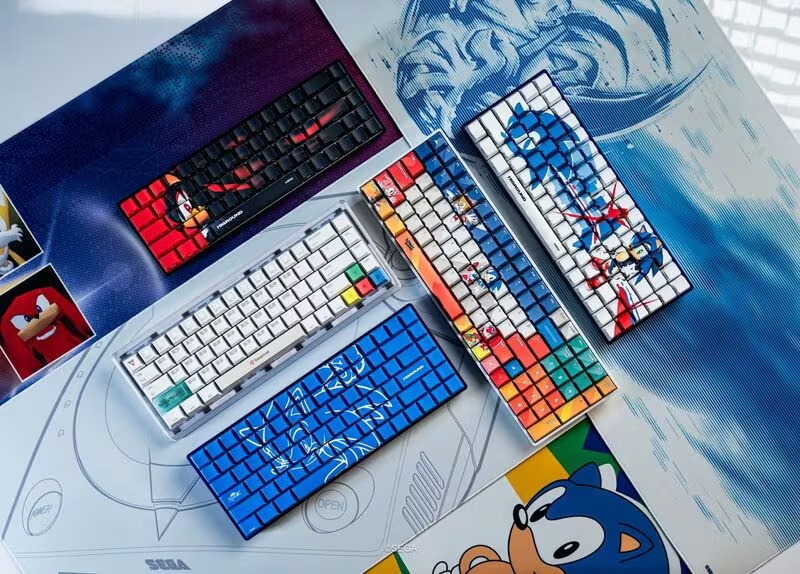
The Sonic the Hedgehog collection, a renewed collaboration between lifestyle gaming peripheral brand Higround and SEGA, highlights a design concept that merges retro nostalgia with modern performance engineering. Drawing from the cultural legacy of Sonic the Hedgehog and the visual language of the Dreamcast era, the collection introduces peripherals that blend archival aesthetics with contemporary functionality. This release also expands Higround’s product range “through updated 75% and 96% keyboard layouts and the introduction of a Hall Effect model, each referencing the theme of Sonic’s characteristic speed.”
The ‘Summit 65+,’ presented in a Dreamcast-inspired design, features a CNC aluminum case, stainless steel back plate, and Higround’s ‘Dampening Plus’ five-layer system for a stable, quiet typing experience. The ‘Basecamp 65HE,’ influenced by the Radical Highway level, debuts Hall Effect technology for increased precision. Additional offerings—including the Classic Sonic–themed ‘Basecamp 96+,’ two ‘Basecamp 75+’ versions inspired by Escape from the City and Sonic CD, a Sonic CD keycap set, and four coordinated XL mousepads—further unify the collection’s nostalgic yet contemporary character.
The Competitive Spirit That Powers Both Sports and Startups
Miami sports fans know that greatness comes from more than talent alone. Whether it’s the Heat grinding through a tight fourth quarter or the Dolphins executing a perfectly timed offensive scheme, winning requires discipline, fast thinking, and an unshakeable competitive spirit. Interestingly, these same qualities power the tech and startup world, where entrepreneurs make split-second decisions that can define the future of an entire business.
In both arenas, success belongs to those who can read momentum, adapt under pressure, and turn small opportunities into game-changing wins. That overlap is why so many sports-minded individuals naturally thrive in the world of business, innovation, and technology.
Why Analytics in Sports Fuel Smarter Business Thinking
Today’s sports landscape is driven by analytics—shot charts, win probability graphs, EPA metrics, and possession efficiency numbers are all part of modern fan knowledge. This analytical mindset doesn’t stop at the arena. Tech entrepreneurs, founders, and investors rely on the same data-driven thinking to navigate product decisions, market shifts, and competition.
This crossover is why the startup world attracts problem solvers shaped by sports culture. And platforms in the entertainment-tech space—such asFoxy gold casino—reflect this growing connection between digital innovation, predictive thinking, and user engagement.
Understanding Momentum: A Shared Advantage for Founders and Athletes
Momentum is everything. In sports, a single run, turnover, or three-pointer can change the energy in seconds. In business, momentum might be a viral post, a successful beta launch, or hitting a major funding milestone. Leaders in both fields understand how to recognize momentum and capitalize on it.
This parallels perfectly:
Athletes ride hot streaks.
Founders capitalize on traction.
Sports teams adjust mid-play.
Startups pivot product strategy just as quickly.
The ability to shift gears on the fly is one of the most important skills in sports and tech alike.
Building a Winning Strategy: What Startups Can Learn From Miami Sports
1. Scouting and Research Matter
Sports teams invest heavily in scouting reports and film studies. They evaluate:
Opponent strengths
Player tendencies
Lineup matchups
Efficiency ratings
Startups mirror this with market research, user interviews, competitive analysis, and data modeling. Knowing the landscape allows founders to execute smarter, faster, and with more confidence.
2. Team Culture Determines Long-Term Success
The Miami Heat built the “Heat Culture,” known for discipline, conditioning, and accountability. Startups adopting similar cultural principles see major benefits:
Clear leadership and communication
Defined expectations
Continuous improvement
Resilience under pressure
A strong culture is often the difference between a startup that scales—and one that collapses.
3. Adaptability Separates Winners From the Rest
Sports demand constant adjustments: defensive rotations, halftime strategies, and clutch-time decisions. Startups face equally rapid shifts:
Market changes
New competitors
Shifting user demand
Technological breakthroughs
Founders who adapt quickly, without losing their vision, stay competitive.
Table: Business Lessons Inspired by Miami’s Sports Playbook
Miami Sports Principle
Startup Application
Tech/Innovation Impact
Heat Culture
Strong internal systems
Higher productivity & retention
Film study & analytics
Market and user research
Better decision-making
In-game adjustments
Product pivots
Faster adaptation to trends
Team chemistry
Cross-functional collaboration
Smoother product scaling
Game-winning mentality
Resilient leadership
Strong long-term growth
How Miami’s Fast-Paced Environment Fuels Innovation
South Florida’s sports scene is known for energy, excitement, and bold plays. Coincidentally, Miami’s startup scene mirrors that same intensity. The city has quickly become a hub for fintech, AI, gaming, and digital entertainment. Entrepreneurs here are used to speed—speed of execution, iteration, and scaling.
A few reasons Miami is thriving in the innovation sector:
Diverse global talent
High investor interest
Strong tech community backing
Growing digital entertainment market
Crossover influence from sports and media
Miami is one of the few cities where sports culture and startup culture genuinely feed each other.
Technology Is Changing the Game—On the Field and in the Office
Technology has reshaped sports with player-tracking systems, real-time analytics, and dynamic stat models. Meanwhile, tech startups use automation, AI-driven insights, and SaaS platforms to accelerate growth. Both industries depend on innovation to stay ahead.
Today’s fans and founders alike have access to tools such as:
Predictive analytics
Machine learning insights
Automated reporting dashboards
Real-time performance tracking
Competitive intelligence platforms
This shared tech ecosystem keeps both sports teams and startups laser-focused on performance.
The Role of Mindset: What Makes Sports Fans Natural Innovators
Sports fans understand pressure. They analyze plays, debate strategies, track performance trends, and anticipate outcomes. These instincts make them naturally suited for entrepreneurship and tech leadership.
Key mindset overlaps include:
Confidence under pressure
Long-term thinking
Understanding risk and reward
Embracing competition
Continuous improvement
Sports create thinkers who thrive in fast-paced, unpredictable environments—the exact conditions startups face daily.
Why the Connection Between Sports and Startups Keeps Growing
Sports influence is everywhere—from data modeling to team culture to leadership strategy. At the same time, tech continues to elevate sports through analytics, digital enhancements, and real-time engagement tools. The crossover strengthens every year, especially in vibrant markets like Miami.
As both industries push forward, one thing remains true: the mindset that wins games is the same mindset that builds the next big company. Athletes, analysts, fans, and founders all share a core advantage—a competitive drive, sharpened by strategy, that fuels consistent growth.
Lakeview Academy in Gainesville recently unveiled its newly renovated Innovation and Technology Wing.
The learning environment is designed to inspire creativity, collaboration, and hands-on problem-solving.
“The expanded robotics and esports facilities give our students room to imagine bigger and build bolder,” Technology Director Mikhail Lovell, said. “With advanced tools like industrial laser cutters and high-performance 3D printers, they can design and create with a level of precision and freedom that we couldn’t offer before. This renovation strengthens the programs our students already love while opening the door to new opportunities for innovation, growth, and achievement.”
School officials said the renovation was made possible through Lakeview donors and community partners who share in the school’s mission to cultivate curiosity, excellence, and forward-thinking leadership.
“This renovation represents more than just new facilities,” John Simpson, Head of School at Lakeview Academy, said. “It is an investment in our students’ future and a reflection of Lakeview’s vision to provide a learning environment that mirrors the innovation and collaboration found in today’s leading industries.”
The Game Awards 2025 concluded on December 11 in Los Angeles, celebrating a standout year in gaming. The ceremony unveiled the full All Winners List across major categories, including Game of the Year, Best Art Direction, Best Narrative, and more. Fans tuned in worldwide to see whether Clair Obscur Expedition 33, Death Stranding 2 On the Beach, or Donkey Kong Bananza would claim top honors.
This year delivered an unusually competitive field. Nearly every major genre saw multiple critically acclaimed releases. The All Winners List highlights how diverse the gaming landscape has become, rewarding innovation, storytelling, performance, and design. Below is the complete breakdown of winners as confirmed during the live show.
Full All Winners List for The Game Awards 2025
The Game Awards recognized excellence across more than 30 categories. The All Winners List below reflects the official results announced during the broadcast. These selections were made through a combination of jury voting and fan participation. Trusted outlets such as Reuters and AP covered the event throughout the week, citing its global impact on the entertainment industry.
The ceremony featured wins for established franchises, emerging studios, and standout indie titles. Clair Obscur Expedition 33 dominated several major categories, cementing its status as one of the year’s most influential releases. Death Stranding 2 On the Beach and Hollow Knight Silksong also secured notable wins across art, music, and direction.
The winners list includes categories such as:
Game of the Year
Player’s Voice
Best Game Direction
Best Adaptation
Best Narrative
Best Art Direction
Best Score and Music
Best Audio Design
Best Performance
Innovation in Accessibility
Games for Impact
Best Ongoing Game
Best Community Support
Best Independent Game
Best Debut Indie Game
Best Mobile Game
Best VR/AR Game
Best Action Game
Best Action/Adventure Game
Best RPG
Best Fighting Game
Best Family Game
Best Sim/Strategy Game
Best Sports/Racing Game
Best Multiplayer Game
Most Anticipated Game
Content Creator of the Year
Best Esports Game
Best Esports Athlete
Best Esports Team
Each winner reflects the shifting trends of interactive entertainment. Publishers invested heavily in cinematic storytelling, AI-driven mechanics, and world-building. Indie studios saw renewed recognition, demonstrating how smaller teams continue to push creative boundaries.
How the 2025 All Winners List Shapes the Industry
The impact of the All Winners List extends far beyond the ceremony. Industry analysts note that Game Awards recognition often boosts sales, renews franchise momentum, and influences publisher strategies for the following year. Reuters reported that award-winning titles typically experience a significant rise in global downloads after the show’s conclusion.
For indie creators, nominations and wins can accelerate distribution partnerships and platform support. For major studios, standout wins in categories such as Game Direction or Narrative reinforce creative leadership and help guide long-term development pipelines.
The All Winners List also redirects attention toward emerging technologies showcased in nominated titles. VR advancements, accessibility innovations, and audio engineering breakthroughs from this year’s winners are expected to shape next-generation game design approaches.
The Game Awards 2025 All Winners List underscores how far the medium has evolved. It highlights a year defined by risk-taking, creativity, and boundary-pushing design. Fans now look ahead to 2026 as studios aim to build on the momentum created by this remarkable lineup of winners.
FYI (keeping you in the loop)-
Q1: What is included in The Game Awards 2025 All Winners List?
The list includes winners across more than 30 categories, covering major genres and industry achievements. Categories range from Game of the Year to Best Esports Team.
Q2: Which game won the most awards in 2025?
Clair Obscur Expedition 33 earned multiple major category wins, reflecting strong critical and fan support.
Q3: Why is The Game Awards All Winners List important?
The list influences sales trends, industry recognition, and future project investment decisions. It sets expectations for upcoming releases.
Q4: How are winners selected for The Game Awards?
A combined jury and public voting system determines winners. Both professional critics and global players contribute.
Q5: Does winning an award impact game development studios?
Recognition often leads to increased funding, hiring, and platform visibility. It can also validate creative direction for future titles.
iNews covers the latest and most impactful stories across
entertainment,
business,
sports,
politics, and
technology,
from AI breakthroughs to major global developments. Stay updated with the trends shaping our world. For news tips, editorial feedback, or professional inquiries, please email us at [email protected].
Get the latest news and Breaking News first by following us on
Google News, Twitter,
Facebook,
Telegram , and subscribe to our YouTube channel.
Gaming PC Market is witnessing rapid expansion as gaming evolves into one of the largest and most impactful segments of the digital entertainment industry. According to Market Research Future (MRFR), the Gaming PC Market Size was valued at USD 46.98 billion in 2024. The Gaming PC industry is projected to grow from USD 50.41 billion in 2025 to USD 101.9 billion by 2035, exhibiting a strong and consistent compound annual growth rate (CAGR) of 7.29% during the forecast period from 2025 to 2035.
The rise of high-performance gaming hardware, increasing popularity of competitive gaming, and strong global demand for immersive entertainment experiences are major factors supporting market growth. Gaming PCs are now central to professional eSports, casual gaming, and content creation, making the industry a key driver of technological innovation.
Market Drivers Fueling the Growth of the Gaming PC Market
One of the primary drivers accelerating the Gaming PC Market is the explosive rise of the global eSports ecosystem. Millions of players participate in online competitions, and large-scale tournaments attract global audiences. Professional gamers demand high-performance PCs capable of delivering maximum responsiveness, minimal lag, and high frame rates, directly boosting the need for advanced gaming systems.
Another critical driver is rapid GPU and CPU innovation. Leading hardware manufacturers continue to develop powerful processors and graphics cards equipped with next-generation capabilities such as ray tracing, AI-enhanced rendering, and ultra-fast clock speeds. These innovations significantly elevate gaming experiences and motivate both casual gamers and professionals to upgrade their systems.
The increasing popularity of open-world, high-resolution, and graphically demanding games is further boosting Gaming PC adoption. Modern titles require advanced hardware to support realistic visuals and immersive gameplay, pushing consumers toward high-end gaming PCs.
The rise of game streaming and content creation is also contributing to market expansion. Platforms such as Twitch, YouTube Gaming, and Facebook Gaming are encouraging gamers to produce high-quality content. This requires powerful systems that support streaming, recording, editing, and gameplay simultaneously.
Customization and personalization trends are shaping consumer behavior as well. Gamers increasingly prefer custom-built PCs with RGB lighting, advanced cooling solutions, and modular components. This trend is creating new opportunities for manufacturers, retailers, and PC assembly services globally.
Get An Exclusive Sample of the Research Report at – https://www.marketresearchfuture.com/sample_request/26477
Key Market Trends Shaping the Gaming PC Market
The Gaming PC Market is being reshaped by a number of powerful trends. One of the most significant is the integration of artificial intelligence into gaming hardware. AI-driven optimization tools help maximize performance, regulate cooling, enhance frame rates, and adjust settings in real time.
Another major trend is the growing dominance of high-performance gaming laptops. With advancements in thermal engineering and GPU performance, gaming laptops now offer nearly desktop-level power. This trend supports gamers who value flexibility and portability without sacrificing performance.
High-refresh-rate monitors are becoming standard among gamers. Demand for 144Hz, 240Hz, and even 360Hz displays is rising as gamers seek smoother animation and higher responsiveness, driving the need for PCs capable of supporting these advanced displays.
Liquid cooling systems are also gaining popularity. As gaming hardware becomes more powerful, maintaining safe temperatures is essential. Gamers increasingly adopt closed-loop and custom-loop liquid cooling systems to ensure long-term stability and performance.
Sustainable and energy-efficient gaming solutions are emerging as a new trend. Manufacturers are focusing on recyclable components, environmentally friendly production processes, and energy-efficient power supplies. This aligns with global sustainability awareness and appeals to environmentally conscious gamers.
Buy Now Immediate Delivery Available at – https://www.marketresearchfuture.com/checkout?currency=one_user-USD&report_id=26477
Regional Analysis of the Gaming PC Market
North America currently dominates the Gaming PC Market, supported by a large base of professional gamers, robust digital infrastructure, and widespread adoption of high-performance gaming systems. The United States remains a global leader in gaming hardware development and eSports investment.
Europe holds a significant share of the market as well. Countries such as Germany, France, and the United Kingdom have strong gaming cultures, extensive PC gaming communities, and widespread interest in competitive gaming. Government recognition of eSports as an official sport in certain regions has further strengthened market demand.
The Asia-Pacific region is poised for the highest growth rate during the forecast period. Nations such as China, South Korea, Japan, and India are expanding rapidly in the gaming ecosystem. China leads the region with millions of active gamers and strong investment in gaming arenas, esports stadiums, and internet cafés. South Korea remains a global pioneer in professional gaming and eSports.
Latin America is also witnessing rising Gaming PC adoption. Countries such as Brazil, Mexico, and Argentina are experiencing increasing interest in professional gaming and streaming, supported by improved internet connectivity and the establishment of local gaming events.
In the Middle East and Africa, gaming is expanding as younger populations adopt digital entertainment. Countries such as the UAE and Saudi Arabia are investing heavily in eSports infrastructure, creating new opportunities for Gaming PC manufacturers.
Challenges and Constraints in the Gaming PC Market
Despite strong growth potential, the Gaming PC Market faces several challenges. One major constraint is the high cost of components such as GPUs, CPUs, and high-performance RAM. Price fluctuations and supply shortages often discourage consumers from purchasing or upgrading gaming PCs.
Another challenge is the global supply chain volatility that affects semiconductor manufacturing. Limited chip availability during periods of high demand can delay product releases and reduce availability in key markets.
Energy consumption and heat generation are significant constraints as well. High-performance systems require efficient cooling solutions, and inadequate thermal management can impact performance and hardware longevity.
The rapid pace of technological change can also be a barrier for consumers. Frequent hardware upgrades may be required to support the latest games, making ownership costly for budget-conscious gamers.
Cybersecurity concerns surrounding online gaming and digital downloads pose additional challenges. Gamers are at risk of malware attacks, hacking, and data breaches, making security software an essential component of gaming setups.
Opportunities Driving Future Growth of the Gaming PC Market
Despite challenges, the Gaming PC Market offers vast opportunities. The expansion of VR and AR gaming is creating strong demand for powerful gaming PCs capable of supporting immersive experiences. As VR titles grow more sophisticated, hardware requirements will increase, benefiting the Gaming PC industry.
Cloud-connected gaming PCs present another major opportunity. Hybrid gaming systems that combine traditional hardware with cloud-based rendering can enhance performance and enable cost-effective upgrades.
The rise of gaming-focused social platforms is opening opportunities for PC manufacturers and accessories companies. Integrated ecosystems that support gaming, streaming, editing, and social interaction are becoming increasingly popular.
Emerging markets present strong potential for future expansion. Countries in Southeast Asia, the Middle East, Eastern Europe, and Africa are witnessing fast-growing gaming communities and rising disposable incomes, driving demand for affordable gaming PCs.
The growing support for STEM education and gaming-related careers such as game development, animation, and broadcasting is also fueling market demand. Students and professionals require powerful machines that deliver both gaming and productivity performance.
Explore the In-Depth Report Overview – https://www.marketresearchfuture.com/reports/gaming-pc-market-26477
The Gaming PC Market is set for robust expansion as global demand for high-performance gaming systems continues to rise. With a projected CAGR of 7.29% through 2035, the industry will benefit from technological innovation, eSports growth, immersive gaming trends, and rising participation in global gaming communities. Gaming PCs are becoming more advanced, more customizable, and more accessible, making them essential tools for gamers, streamers, content creators, and digital professionals alike. As hardware manufacturers push boundaries and gaming culture expands worldwide, the Gaming PC Market will remain a powerful driver of digital entertainment and global technological development.
About Market Research Future:
At Market Research Future (MRFR), we enable our customers to unravel the complexity of various industries through our Cooked Research Report (CRR), Half-Cooked Research Reports (HCRR), Raw Research Reports (3R), Continuous-Feed Research (CFR), and Market Research & Consulting Services.
MRFR team have supreme objective to provide the optimum quality market research and intelligence services to our clients. Our market research studies by products, services, technologies, applications, end users, and market players for global, regional, and country level market segments, enable our clients to see more, know more, and do more, which help to answer all their most important questions.
Contact Us:
Market Research Future (Part of Wantstats Research and Media Private Limited)