
Technology
Comparing the differences in PlayerLoad during kickboxing and sparring in professional MMA athletes – The Sport Journal


Authors: Peter Byers1, Antonella Schwarz2, Lauren Stern3, Gabriel J. Sanders4, Corey A. Peacock1
1Department of Health and Human Performance, Nova Southeastern University, Davie FL USA
2Department of Health Promotion and Clinical Practice, Barry University, Miami Shores FL USA
3Health Professions Division, Nova Southeastern University, Davie FL USA
4Exercise Science, University of Cincinnati, Cincinnati OH USA
Corresponding Author:
Peter Byers, MS
3300 S. University Drive
Fort Lauderdale-Davie, FL 33328-2004
[email protected]
618-210-9891
Peter Byers, MS, is a sports science researcher and adjunct professor at Nova Southeastern University. His research interests include mixed martial arts and sports science.
Antonella V. Schwarz, PhD, is an assistant professor of Sport & Exercise Science in the College of Health and Wellness at Barry University in Miami, FL. Her research interests focus on hypertrophy and sport performance.
Lauren Stern, MPH, is a second-year medical student at Nova Southeastern University Dr. Kiran C Patel College of Osteopathic Medicine in Ft. Lauderdale, FL.
Gabriel J. Sanders, PhD, is an assistant professor in the Exercise Science Department at the University of Cincinnati. His research interests focus on wearable technology, daily workloads and fatigue in athletes.
Corey A. Peacock, PhD, is a professor, chair, and program director of Health and Human Performance at Nova Southeastern University. His research focuses on mixed martial arts performance.
Comparing the differences in PlayerLoad during kickboxing and sparring in professional MMA athletes
ABSTRACT
Purpose: MMA involves the combination of grappling and striking combat sports with short, explosive movements and rapid change of direction that can be monitored through Catapult GPS units to quantify external load of MMA training. The primary aim of this study is to provide data on the differences between external load and internal load in MMA athletes using Catapult Sports Playerload and Heart Rate during MMA sparring and kickboxing sessions. Methods: Eighteen male (n=18) MMA competitors (30.6 ± 0.8 years, 180.8 ± 5.0 cm, 89.5 ± 12.8 kg) participated in the study. Subjects must have competed in 4 professional or amateur MMA bouts. Subjects participated in one MMA sparring session and one kickboxing session. Paired t-tests were performed to compare the means of ratings of perceived exertion (RPE), session duration (Duration), average heart rate (HRavg), maximum heart rate (HRmax), Player Load (au) (PL), and Player Load per Min (au/min) (PL/Min) metrics between the kickboxing and sparring sessions. Pearson correlation coefficients were calculated to explore the relationships between variables. Multiple regression analysis was used to examine the effect of age, height, and weight on internal and external training load variables (RPE, Duration, HRavg, HRmax, Player Load, PL/Min) during both practice sessions. All data was analyzed using SPSS version 29 and significance was set at p ≤ 0.05. Results: The paired t-tests revealed significant (p ≤ 0.05) differences between kickboxing and sparring for multiple variables including RPE, Duration, and Player Load Min. Player Load/Min was significantly greater during MMA sparring compared to kickboxing (p = 0.040). Conclusion: In conclusion, PL/Min is significantly higher during MMA sessions compared to kickboxing sessions alone. Understanding these differences can inform MMA trainers and sports scientists to properly adjust training regimens with their athletes. This study adds to the growing body of evidence of reliability and practical application of Catapult Sports to quantify external load in MMA athletes during MMA and kickboxing sessions. Application in Sport: Currently, there are no methods to track external workload in MMA athletes. Tracking PL for preparation of an upcoming bout may enhance the training protocols of MMA skill coaches by planning training load distribution in advance. The volume of MMA training sessions can be quantified via external workload and can be used as a baseline for MMA skill coaches and trainers to dictate future training sessions.
Key Words: Catapult Sports, GPS, LPS, combat sports, training load, external load
INTRODUCTION
Tracking athletes’ external load using microelectromechanical systems (MEMS) has become commonplace in sports (13). The MEMS contain inertial sensors such as accelerometers, gyroscopes, and magnetometers in single player worn units that connect to global positioning systems (GPS) and local positioning systems (LPS) to accurately track external load in athletes (14). Catapult Sports (Catapult Innovations, Melbourne, Australia), provides wearable MEMS units with tri-axial accelerometry, tri-axial gyroscopes, and tri-axial magnetometers (1). These qualities of Catapult MEMS units help quantify the magnitude of change in acceleration. Catapult Sports proposed the idea of Playerload® (PL) an arbitrary unit (au) of external load that quantifies the sum of accelerations and magnitude of change in acceleration across the medial-lateral (X), anterior-posterior (Y), and vertical (Z) planes (1). These systems allow insight into distance and speed-oriented metrics that accumulate over a training session to quantify external load through PL. Given the accessibility of GPS and LPS to record outdoor signal, GPS-based wearable tracking devices typically assess outdoor sports and have an array of data to support their use (2, 11, 16). Previous research has reported sports that occur indoors will have difficulty recording speed and distance-oriented metrics, and that older GPS units have low inter-unit reliability across various GPS models (1, 14). However, a paper by Luteberget and colleagues (2018) set out to determine the validity of position, distance traveled, and instantaneous speed of a commercially available LPS (Catapult ClearSky T6, Catapult Sports, Australia) for indoor use. The researchers found that for indoor sports, LPS raw data compared with the gold standard reference system (infrared light-based camera system), showed measures of position, distance traveled, and instantaneous speed had low errors and can be used in pair with time-motion analysis. A paper in 2020 by Theodoropoulos et al. supports the use of GPS units for indoor sports claiming the LPS technological advancements from Catapult Sports has improved accuracy by increasing sampling rate to 100-120 Hz to become more sensitive to rapid changes in velocity and direction. With the improvements in technology of the GPS units, recording indoor in elite and professional athletes has become popular, with data on but not limited to basketball and mixed martial arts (MMA) (3-7, 16). Body worn accelerometry has been used to measure external load in multiple combat sports, including MMA, taekwondo (TKD), and submission grappling (3-7, 10, 18).
MMA involves the combination of grappling and striking combat sports with short, explosive movements and rapid change of direction that can be monitored through Catapult GPS units to quantify external load of MMA training (6). The reliability of Catapult GPS units appears to be satisfactory. Hurst et al. (2014) examined the intra-unit reliability of portable accelerometry using Catapult Sports and found the units could be reliable to determine the external workload (PL) of isolated MMA striking and grappling techniques. Further research has been completed in submission grapplers as well as comparing MMA sparring to isolated MMA techniques to provide intra-unit reliability data (4-5). There appears to be a gap in the literature between unit reliability and providing data for MMA coaches and practitioners to utilize PL. Del Vecchio et al. (2018) found utilization for PL in TKD athletes, providing evidence that striking martial arts can be monitored through GPS. Currently, there are minimal studies to examine PL accumulation in MMA sparring using Catapult Sports GPS units (3, 6). Kirk et al. (2020) investigated the pacing of MMA sparring with Catapult Sports accelerometers during 3 x 5-minute rounds and accumulating PL throughout each round as well as total mean PL. Blood lactate analysis and PL showed significant correlations over the 3 x 5-minute rounds, providing evidence for a relationship between PL and physiological response. In another study, Kirk et al. (2023) examined the relationship between internal and external loads of weekly MMA training. However, measuring external load and internal load in competition for MMA athletes is not feasible, and methods are needed to assess physiological responses to the demands of MMA (15). Replicating the intensity of an MMA bout is difficult, however, MMA sparring can mimic the intensity seen in the cage and is a feasible way to understand the external workload of MMA athletes. Furthermore, because MMA requires training in various disciplines, such as kickboxing, understanding the external workload differences in MMA sparring and kickboxing can enlighten sports scientistss who work with MMA athletes and trainers. Therefore, methods such as PL need to be further understood to provide practitioners with data on how to replicate the demands of MMA training and competition.
Based on previous literature on external and internal load in MMA, the primary aim of this study is to provide GPS metrics during MMA training that may be a viable option for allowing coaches to plan training load distribution in advance. The researchers hypothesize that differences will exist between external and internal load in MMA athletes using Catapult Sports PL and PL/min during MMA sparring and kickboxing sessions.
The current study investigated internal and external load metrics in MMA athletes. The researchers utilized Catapult Sports GPS accelerometers by measuring PL, PL/min, HR, and RPE to compare the differences between MMA and kickboxing training sessions. The methods section details the participants, procedures, data collection and statistical analysis used. The results of this study present statistical comparisons between MMA and kickboxing training sessions, while the discussion and application of sports section attempt to outline how MMA trainers and sports scientists may incorporate Catapult Sports GPS into MMA training sessions to enhance training protocols.
METHODS
Participants
Eighteen male MMA competitors participated in the study. Subjects’ height and weight were measured by a stadiometer. Inclusion criteria for this study includes active fighters who have taken part in at least 4 professional or amateur MMA bouts and medically cleared to fight. Exclusion criteria for this study includes fighters with 4 or fewer MMA bouts and those not medically cleared to participate. Analysis of this deidentified dataset underwent institutional review and was approved (2015-156-NSU).
Procedures
Participants wore 8-ounce MMA sparring gloves, shin pads, MMA shorts, a groin protector, and a t-shirt or rash guard for MMA sparring. For the kickboxing session, participants wore 16-ounce kickboxing gloves, shin pads, MMA shorts, a groin protector, mouthpiece and a t-shirt or rash guard. Vector S7 (Catapult Innovations, Australia) triaxial accelerometers with a sampling rate of 100 Hz provided at 1kHz were used to record external load. The accelerometers were placed in the manufacturer’s garment on the upper torso, positioning the unit at the T3-T4 vertebrae. Each unit was calibrated during the morning of data collection in line with Catapult Sports recommendations. The accelerometers were used to determine the mean total player load and the mean player load per minute for MMA and kickboxing sessions. Player Load data from the accelerometers were recorded in arbitrary units (au). Average heart rate (HRavg) and maximum heart rate (HRmax) were collected. Data collection of Player Load, HRavg, and HRmax was recorded via Openfield v1.14.0 software (Catapult, Canberra, Australia). The accelerometers are connected via Bluetooth to one Vector Receiver from Catapult. The Vector Receiver was strategically placed just outside the mats to not interfere with the participants training session. The study took place at a professional MMA gym supervised by professional MMA coaches. The duration of the kickboxing and MMA sessions were up to the MMA coach’s discretion. The researchers began recording data in the OpenField app when the coaches began the MMA and kickboxing sessions and stopped recording when the coaches ended the sessions. Participants were instructed to train as they would under normal conditions. Participants were asked their rating of perceived exertion (RPE) (1-10) of the training session and were recorded following each session.
Data Analyses
Descriptive statistics were calculated for mean and standard deviations of all the demographic variables (height, weight, age). Paired t-tests were performed to compare the means of ratings of perceived exertion (RPE), session duration (Duration), average heart rate (HRavg), maximum heart rate (HRmax), Player Load, and Player Load per Min (PL/Min) metrics between the kickboxing and sparring sessions. Pearson correlation coefficients were calculated to explore the relationships between variables. Multiple regression analysis was used to examine the effect of age, height, and weight on internal and external training load variables (RPE, Duration, HRavg, HRmax, Player Load, PL/Min) during both practice sessions. All data was analyzed using SPSS version 29 and significance was set at p ≤ 0.05.
RESULTS
Eighteen male, MMA (30.6 ± 0.8 years, 180.8 ± 5.0 cm, 89.5 ± 12.8 kg) competing professionally were used for this within-subjects design study comparing kickboxing and sparring practice sessions. The paired t-tests revealed significant (p ≤ 0.05) differences between kickboxing and sparring for multiple variables including RPE, Duration, and Player Load Min (Table 1). The RPE during MMA sparring was significantly higher than during kickboxing (p = 0.008). Player Load Min was also significantly greater during MMA sparring compared to kickboxing (p = 0.040). Interestingly, the duration for sparring was significantly shorter than for kickboxing (p = 0.002). No additional significant differences (p ≥ 0.05) were found between sessions.
Table 1: Paired t-test results comparing kickboxing and sparring (Mean ± SD)
| Kickboxing | Sparring | t-statistic | p-value | |
| RPE | 6.0 ± 1.6 | 7.6 ± 1.9 | -3.245 | 0.008* |
| Duration (min) | 67.8 ± 6.7 | 52.0 ± 11.3 | 3.992 | 0.002* |
| HRavg (bpm) | 155.0 ± 3.4 | 143.5 ± 0.7 | 2.217 | 0.059 |
| HRmax (bpm) | 182.5 ± 5.5 | 176.5 ± 2.5 | 1.223 | 0.269 |
| Player Load | 444.6 ± 153.4 | 373.8 ± 102.5 | 1.943 | 0.083 |
| Player Load per Min | 6.49 ± 1.80 | 7.23 ± 1.72 | 2.395 | 0.040* |
*Significance set at p ≤ 0.05.
Additionally, correlations were utilized to establish relationships. Correlational analysis demonstrated a strong, positive correlation between RPE and HRavg during kickboxing (r = 0.87, p < 0.01). Similarly, the analysis demonstrated a moderate, positive correlation between Player Load and HRavg during sparring (r = 0.65, p < 0.05). A non-significant weak negative correlation (r = – 0.230, p = 0.410) exists between weight and PlayerLoad kickboxing (PLkick), and between weight and PlayerLoad/min kickboxing (PL/mkick) (r = -0.213, p = 0.447). A non-significant weak negative correlation (r = -0.431, p = 0.335) exists between weight and PlayerLoad sparring (PLspar), and between weight and PlayerLoad/min sparring (PL/mspar) (r = -0.485, p = 0.270). No additional significant correlations (p ≥ 0.05) exist between variables during kickboxing or sparring. Finally, a multiple regression analysis was utilized to predict internal and external training load variables. The regression analysis indicated that age, height, and weight provided non-significant results as predictors of internal and external training loads during both kickboxing and sparring. Specifically, for player load during kickboxing, the coefficients for age, height, and weight were -10.91 (p = 0.109), 2.08 (p = 0.717), and -2.39 (p = 0.475), respectively (R² = 0.290). For Player Load during sparring, the coefficients were -2.67 (p = 0.512), 1.97 (p = 0.473), and -0.29 (p = 0.910), respectively (R² = 0.195). For PL/min during kickboxing, the coefficients were -0.24 (p = 0.205), 0.05 (p = 0.804), and -0.03 (p = 0.716), respectively (R² = 0.371). For PL/min during sparring, the coefficients were -0.16 (p = 0.236), 0.04 (p = 0.716), and -0.03 (p = 0.616), respectively (R² = 0.264). For HRavg during kickboxing, the coefficients were -1.67 (p = 0.180), -0.14 (p = 0.871), and -0.01 (p = 0.974), respectively (R² = 0.503). For HRavg during sparring, the coefficients were -0.12 (p = 0.493), 0.19 (p = 0.089), and -0.01 (p = 0.776), respectively (R² = 0.251). For HRmax during kickboxing, the coefficients were -2.33 (p = 0.127), 0.02 (p = 0.985), and 0.08 (p = 0.888), respectively (R² = 0.423). For HRmax during sparring, the coefficients were -0.49 (p = 0.662), 0.13 (p = 0.808), and 0.17 (p = 0.722), respectively (R² = 0.138).
I
DISCUSSION
As wearable devices are becoming more popular in sports science, knowledge about the reliability and application of these metrics is essential to providing recommendations to optimize MMA athlete performance. Existing research has shown that body-worn accelerometric devices are reliable in determining the external workload for a range of mixed martial arts (MMA) techniques (10). However, to the authors’ knowledge, this is the first study to provide descriptive statistics comparing wearable device data in specifically a kickboxing session and an MMA sparring session. With the use of a Catapult Sports GPS accelerometer, the current study of 18 mixed-martial arts athletes focused on comparing different metrics including RPE, duration of session, HR, and PL during the two separate sessions. Overall findings found significant differences in RPE, duration, and player load per minute between the kickboxing and sparring sessions.
Although PL did not show any significant difference between the training sessions, PL/min was significantly greater in the sparring session than during the kickboxing session (p = 0.040). During the kickboxing sessions, the average PL/min amongst the 18 athletes was 6.49 ± 1.80 while during the sparring sessions, the average PL/min was 7.23 ± 1.72. Vector magnitude (VM), a measurement of external workload and a variant of PL, was recorded in a study completed on TKD athletes. A 45-minute training session produced a mean VM accumulation of 322.7±309.5 au with a VM of 6.8±6.5 au/min (18). Similarly, the kickboxing session from the current study produced a PL/min of 6.49 ± 1.80, however, the total VM of the TKD athletes was closer to the MMA sessions producing 373.8 ± 102.5. Kirk et al. (2020) reported a single 15-minute (3 x 5-minute round) simulated MMA bout produced accumulated PL of 224.32 ± 26.59 au with round 1 accumulating PL 77.61 ± 9.92 (PL/min 15.37 ± 1.71), round 2 accumulating PL 71.48 ± 10.56 (PL/min 14.30 ± 2.11), round 3 accumulating 65.39 ± 8.61 (PL/min 13.08 ± 1.72). In the same study, Kirk and colleagues found a direct negative non-significant relationship between PL/min and blood lactate, suggesting that PL can be used to identify when a MMA athlete is fatiguing. The results of the current study found one MMA session to accumulate PL of 373.8 ± 102.5 au, while MMA training sessions (striking, grappling and MMA) has shown a mean PL of 310.6±112 au (6).
In the current study, the durations of the sparring sessions were significantly shorter compared to the kickboxing sessions, but MMA sparring was accompanied with higher PL/min. The sparring sessions were full contact MMA sparring including kickboxing, grappling, and overall, more movement compared to the kickboxing session which was solely kickboxing. While session durations were made at the discretion of the coaches, the intensity and rigor displayed during sparring sessions may explain the significant difference in duration. Furthermore, the higher PL/min in MMA sparring compared to kickboxing may be explained by the variety of movements and techniques used in MMA sparring compared to kickboxing alone (i.e. wrestling, jiu-jitsu). This notion is supported by the higher RPE observed in MMA sparring (7.6 ± 1.9) compared to the kickboxing session (6 ± 1.6). Interestingly, HRavg was higher in the kickboxing session (155 ± 3.4) compared to the MMA session (143 ± 0.7), suggesting that sparring is subjectively harder than kickboxing, even at lower heart rates. This may be explained by the array of attacks that can be used in sparring compared to kickboxing, making sparring more cognitively fatiguing. In an existing study, PL showed capability of quantifying external load of grappling-based training sessions (5). While measurements of external load are specific to the sport being studied, it is described as the physical work during a training session (8). RPE exertion in the current study was also significantly higher during sparring compared to kickboxing (p = 0.008).
Previous research has also examined PL metrics in different ways. In a study conducted by Kirk et al. (2015), amongst 8 MMA fighters, the PL was compared for over 20 specific sparring techniques, both in isolation and in a sparring bout. Results found that during the sparring bout, intensity used for punches was significantly greater than intensity used for kicks. Amongst other significant data, PL for single-leg takedowns was significantly higher compared to double-leg takedowns. Understanding the intensity of movements can be beneficial to coaches and athletes in managing fatigue and developing training protocols (4, 7).
Outside of MMA, wearable accelerometric devices have been used in a variety of other sports including rugby, soccer, and basketball (9). Semi-professional soccer players had their PL monitored over the course of 44 training sessions with an average duration of 90.4 ± 23.0 minutes per session. The researchers found a mean PL of 789.2 ± 224.9, much higher than the kickboxing or MMA sessions, although the duration of the training sessions was almost twice as long. In a study of 17 professional basketball players of different positions, PL/min data was used to compare the intensity of the players and noted specific physical demands of each position (16). The PL/min was the highest in guards (12.1 ± 2.0 au), then forwards (10.5 ± 1.5 au) and centers (10.7 ± 1.8 au). Our data adds to this growing body of research as it supports the predictive capability of PL metrics on intensity of workout and enhancing training protocols for MMA athletes.
This study comes with limitations. Recording GPS signal indoors can become obstructed as walls and corners can disturb the quality of the signal. The participants have a large discrepancy in experience in MMA bouts, with some subjects having 4 amateur bouts and other subjects having competed in 30 professional bouts. The experience difference with the small sample size makes it difficult to apply the results throughout the MMA population given the variation in performance levels. The data was also limited to only two training sessions.
CONCLUSIONS
In conclusion, Catapult Sports accelerometry can be a useful method for measuring external load in MMA athletes. MMA sparring appears to produce a greater external workload and perceived exertion compared to kickboxing sessions alone, indicating a higher intensity for the MMA training session. Previous research in mock MMA sparring bouts has found higher PL/Min than the MMA sparring and kickboxing sessions from the current study, however, TKD athletes produce similar relative external workloads compared to MMA athletes in kickboxing sessions. To our knowledge, this study was the first of its kind to compare external load during MMA and kickboxing sessions. Future research should explore tracking external load in MMA athletes over multiple training sessions or a fight camp to allow MMA skill coaches to better implement Catapult Sports into their programming.
APPLICATIONS IN SPORT
This study, as well as previous research, continues to highlight the reliability and practical applications of GPS tracking in MMA. The evidence supports the notion that GPS wearables can monitor external load in MMA sparring, kickboxing, taekwondo, and submission grappling. Determining external load normative values in MMA athletes can enhance sports scientists understanding of adequate volumes of training. Based on external load values from previous training sessions, MMA skill coaches can allocate workload volumes to the various skill development aspects of the sport. This may improve the programming of training schedules for an upcoming bout. Furthermore, the MMA athletes in the present study did not report discomfort while training with the accelerometers, pointing to the capability of GPS tracking in high-performance MMA environments.
REFERENCES
- Bredt, S. da G. T., Chagas, M. H., Peixoto, G. H., Menzel, H. J., & Andrade, A. G. P. de. (2020). Understanding Player Load: Meanings and Limitations. Journal of Human Kinetics, 71(1), 5–9.
- Casamichana, D., Castellano, J., Calleja-Gonzalez, J., San Román, J., & Castagna, C. (2013). Relationship Between Indicators of Training Load in Soccer Players. Journal of Strength and Conditioning Research, 27(2), 369–374.
- Kirk, C., Atkins, S., & Hurst, H. T. (2020). The pacing of Mixed Martial Arts Sparring Bouts: A secondary investigation with new analyses of previous data to support accelerometry as a potential method of monitoring pacing. Human Movement, 21(4), 88–96.
- Kirk C, Hurst H, Atkins S. (2015). Comparison of the training loads of mixed martial arts techniques in isolated training and open sparring. Journal of Combat Sports and Martial Arts, 1(2), 1-6.
- Kirk, C., Malone, J., & Angell, P. (2023). Intra-unit reliability and movement variability of submission grappling external load as measured by Torso Mounted Accelerometery. Biology of Sport, 40(2), 457–464.
- Kirk C, Morton J, Clark D, Langan-Evans C. (2023). The relationships between internal and external training loads in mixed martial artists. International Journal of Sports Physiology and Performance, 19(2), 173-184.
- Kirk, C., Hurst, H. T., & Atkins, S. (2015). Measuring the workload of mixed martial arts using accelerometry, time motion analysis and lactate. International Journal of Performance Analysis in Sport, 15(1), 359–370.
- Impellizzeri, F. M., Marcora, S. M., & Coutts, A. J. (2019). Internal and external training load: 15 years on. International Journal of Sports Physiology and Performance, 14(2), 270–273.
- Gómez-Carmona, C. D., Bastida-Castillo, A., Ibáñez, S. J., & Pino-Ortega, J. (2020). Accelerometry as a method for external workload monitoring in invasion team sports. A systematic review. PLOS ONE, 15(8), e0236643.
- Hurst, H. T., Atkins, S., Kirk C. (2014). Reliability of a portable accelerometer for measuring workload during mixed martial arts. Journal of Athletic Enhancement, 03(05).
- Ehrmann, F. E., Duncan, C. S., Sindhusake, D., Franzsen, W. N., & Greene, D. A. (2016). GPS and injury prevention in professional soccer. Journal of Strength and Conditioning Research, 30(2), 360–367.
- Luteberget, L. S., Spencer, M., & Gilgien, M. (2018). Validity of the catapult clearsky T6 local positioning system for team sports specific drills, in indoor conditions. Frontiers in Physiology, 9(115).
- Malone, J. J., Lovell, R., Varley, M. C., & Coutts, A. J. (2017). Unpacking the black box: Applications and considerations for using GPS devices in sport. International Journal of Sports Physiology and Performance, 12(s2), S2-18S2-26.
- Nicolella, D. P., Torres-Ronda, L., Saylor, K. J., & Schelling, X. (2018). Validity and reliability of an accelerometer-based player tracking device. PLOS ONE, 13(2), e0191823.
- Sanders, G. J., Howard, M., Carpenter, R., Peacock, C. A., & Byers, P. (2024). Heart rate, oxygen uptake and anaerobic thresholds during a maximal treadmill test with world class mixed martial arts fighters. Sports Innovation Journal, 5(5), 38–48.
- Salazar, H., Castellano, J., & Svilar, L. (2020). Differences in external load variables between positions in elite basketball match-play. Journal of Human Kinetics, 75(1), 257–266.
- Theodoropoulos, J. S., Bettle, J., & Kosy, J. D. (2020). The use of GPS and inertial devices for player monitoring in team sports: A review of current and future applications. Orthopedic Reviews, 12(1).
Del Vecchio, F. B., Bartel, C., Galliano, L. M., & Fukuda, D. H. (2018). Accelerometry use to study external load in combat sports: An example from Taekwondo. Journal of Physical Fitness & Treatment & Sports, 3(2), 555608.




Gaming Computers Market
Pune, India – Exactitude Consultancy – The global Gaming Computers Market is expected to witness strong growth over the forecast period, driven by the rising popularity of esports, increasing demand for high-performance computing, and continuous advancements in graphics and processor technologies. The market, valued at approximately USD 44 billion in 2024, is projected to reach nearly USD 95 billion by 2034, expanding at a compound annual growth rate (CAGR) of about 7.9%.
Gaming computers, including desktops and laptops, are designed to deliver superior performance, high-resolution graphics, and fast processing speeds to support immersive gaming experiences. Growing online gaming communities and professional gaming platforms are further accelerating market growth.
Download Full PDF Sample Copy of Market Report
https://exactitudeconsultancy.com/request-sample/69340
Key Growth Drivers
• Rapid Growth of Esports and Online Gaming: Competitive gaming tournaments and streaming platforms are boosting demand for high-performance gaming systems.
• Advancements in Hardware Technology: Continuous improvements in GPUs, CPUs, cooling systems, and memory are enhancing gaming performance.
• Rising Disposable Income: Increasing consumer spending on premium electronics is supporting adoption of gaming computers.
• Expansion of Virtual and Augmented Reality Gaming: Demand for powerful computing systems to support VR and AR applications is increasing.
Market Segmentation Insights
By product type, gaming desktops hold a significant share due to superior customization and performance, while gaming laptops continue to gain popularity for portability.
By price range, mid-range and high-end systems dominate the market, driven by demand from professional and enthusiast gamers.
By end user, individual consumers account for the largest share, followed by gaming cafes and esports organizations.
Explore Full Report here:
https://exactitudeconsultancy.com/reports/69340/gaming-computers-market
Regional Overview
Asia-Pacific represents the largest and fastest-growing regional market, supported by a large gamer population, strong esports culture, and expanding gaming infrastructure in countries such as China, South Korea, Japan, and India.
North America shows strong growth driven by high adoption of advanced gaming hardware and a mature esports ecosystem.
Europe continues to expand steadily due to rising gaming participation and technological innovation.
Latin America and the Middle East & Africa are emerging regions, supported by increasing internet penetration and growing gaming communities.
Get Your Exclusive Offer with up to 10% Discount
https://exactitudeconsultancy.com/checkout/?currency=USD&type=single_user_license&report_id=69340
Competitive Landscape
The gaming computers market is highly competitive, with major players focusing on performance optimization, innovative designs, and brand partnerships. Companies are investing in advanced cooling technologies, RGB customization, and AI-enabled performance tuning to differentiate their offerings.
Market Outlook
With the gaming industry continuing to evolve rapidly, the Gaming Computers Market is expected to experience sustained growth through 2034. Increasing esports adoption, next-generation gaming technologies, and expanding digital entertainment consumption will remain key drivers of market expansion.
This report is also available in the following languages : Japanese (ゲーミングコンピュータ市場), Korean (게이밍 컴퓨터 시장), Chinese (游戏电脑市场), French (Marché des ordinateurs de jeu), German (Markt für Gaming-Computer), and Italian (Mercato dei computer da gioco), etc.
Request for a sample of this research report at (Use Corporate Mail ID for Quick Response) @
https://exactitudeconsultancy.com/request-sample/69340
Our More Reports:
Redundant EPS System Market
https://exactitudeconsultancy.com/reports/69077/redundant-eps-system-market
InGaAs Image Sensors Market
https://exactitudeconsultancy.com/reports/68951/ingaas-image-sensors-market
Ceramic Electrostatic Chucks Market
https://exactitudeconsultancy.com/reports/68953/ceramic-electrostatic-chucks-market
Electrical Wires Market
https://exactitudeconsultancy.com/reports/68955/electrical-wires-market
About Us
Exactitude Consultancy is a market research & consulting services firm which helps its client to address their most pressing strategic and business challenges. Our market research helps clients to address critical business challenges and also helps make optimized business decisions with our fact-based research insights, market intelligence, and accurate data.
https://bulletin.exactitudeconsultancy.com/
https://www.thehealthanalytics.com/
https://www.analytica.global/
https://www.marketintelligencedata.com/
https://www.marketinsightsreports.com/
https://exactitudeconsultancy.com/
Connect Us:
Irfan Tamboli
PHONE NUMBER +1 (704) 266-3234
EMAIL ADDRESS: sales@exactitudeconsultancy.com
This release was published on openPR.
Technology
EAG Expo to Bring Together Three Interlinked Sectors of Entertainment and Gaming in a Single Venue

Our website uses cookies, as almost all websites do, to help provide you with the best experience we can.
Cookies are small text files that are placed on your computer or mobile phone when you browse websites.
Our cookies help us:
– Make our website work as you’d expect
– Remember your settings during and between visits
– Offer you free services/content (thanks to advertising)
– Improve the speed/security of the site
– Allow you to share pages with social networks like Facebook
– Continuously improve our website for you
– Make our marketing more efficient (ultimately helping us to offer the service we do at the price we do)
We do not use cookies to:
– Collect any personally identifiable information (without your express permission)
– Collect any sensitive information (without your express permission)
– Pass personally identifiable data to third parties
– Pay sales commissions
Technology
Sultan Almasoud on the Top Trends in Technology and Esports in Saudi Arabia – Tech & Sourcing @ Morgan Lewis

Dr. Sultan Almasoud, managing partner of Morgan Lewis’s Riyadh office, has been closely involved in the Kingdom of Saudi Arabia’s rapid evolution into a global hub for innovation. His insights on the questions below shed light on the trends reshaping technology and esports—and the opportunities they unlock for investors and operators entering the market.
Q&A: SULTAN ALMASOUD
1. What are the most significant technology trends currently driving growth in Saudi Arabia?
Saudi Arabia is undergoing one of the most ambitious digital transformation journeys in the world. The most significant trend is the rapid adoption of AI across government, financial services, healthcare, and industrial sectors. Vision 2030 has accelerated investment in AI-ready infrastructure, digital identity, automation, and data platforms that support new digital services at scale.
We also are seeing strong momentum in cloud migration, driven by hyperscaler expansions, data localization policies, and new solutions that make it easier for public and private entities to adopt cloud-native technologies. In parallel, fintech innovation, digital payments, and open banking are creating a dynamic ecosystem of startups, investors, and regulators working together to modernize the financial landscape.
In addition, Saudi Arabia’s giga projects are acting as large-scale accelerators for advanced technologies, while strong regulatory frameworks around data, cloud, and cybersecurity are providing international investors with clarity and confidence. Combined with significant investment in digital talent and localization, this is enabling sustainable, long-term technology-driven growth across the Kingdom.
2. How is Saudi Arabia positioning itself as a global hub for esports?
Saudi Arabia has made esports a national priority, fundamentally reshaping the sector. The launch of the Saudi Esports Federation (SEF) and the Esports World Cup, supported by major public investment commitments, has placed the Kingdom at the center of global competitive gaming.
But the strategy extends beyond events. The country is developing training academies, production studios, esports arenas, and digital platforms that sustain year-round player and audience engagement. This ecosystem-driven approach is drawing global publishers, teams, and content creators who now view Saudi Arabia as a foundational market for long-term esports growth.
3. What opportunities do you see emerging for investors and companies entering the Saudi tech and esports market?
There is tremendous opportunity at the intersection of technology, entertainment, and digital infrastructure. For technology companies, opportunities are especially strong in AI solutions, cybersecurity, cloud services, digital identity, and smart city platforms.
In esports, the most compelling opportunities lie in content creation, talent development, gaming studios, tournament production, and technologies supporting broadcasting, analytics, and community engagement. Investors who understand the regulatory environment and align with the Kingdom’s long-term vision will find a market eager for strategic partnerships.
4. What challenges should companies keep in mind when operating in these fast-evolving sectors?
These sectors are evolving quickly, which makes regulatory navigation an important challenge. Companies need to stay aligned with requirements around licensing, content regulation, data protection, and foreign investment—areas that are developing alongside the industry itself.
Another key challenge is specialized talent. Whether it”s game design, AI engineering, or esports event management, building local capability is essential. Companies that invest early in training programs, knowledge transfer, and local partnerships will be best positioned for sustainable growth.
Ultimately, success requires a long-term commitment to the market, strong local relationships, and an understanding of national priorities as the Kingdom advances its digital transformation goals.
KEY TAKEAWAYS
Saudi Arabia is positioning itself at the forefront of global innovation, with technology and esports playing central roles in the nation’s economic transformation. As investment accelerates and new digital ecosystems emerge, companies that build strategic partnerships and engage deeply with local priorities will be poised to lead. Morgan Lewis is committed to helping clients navigate this dynamic landscape and capture the opportunities shaping the Kingdom’s digital future.
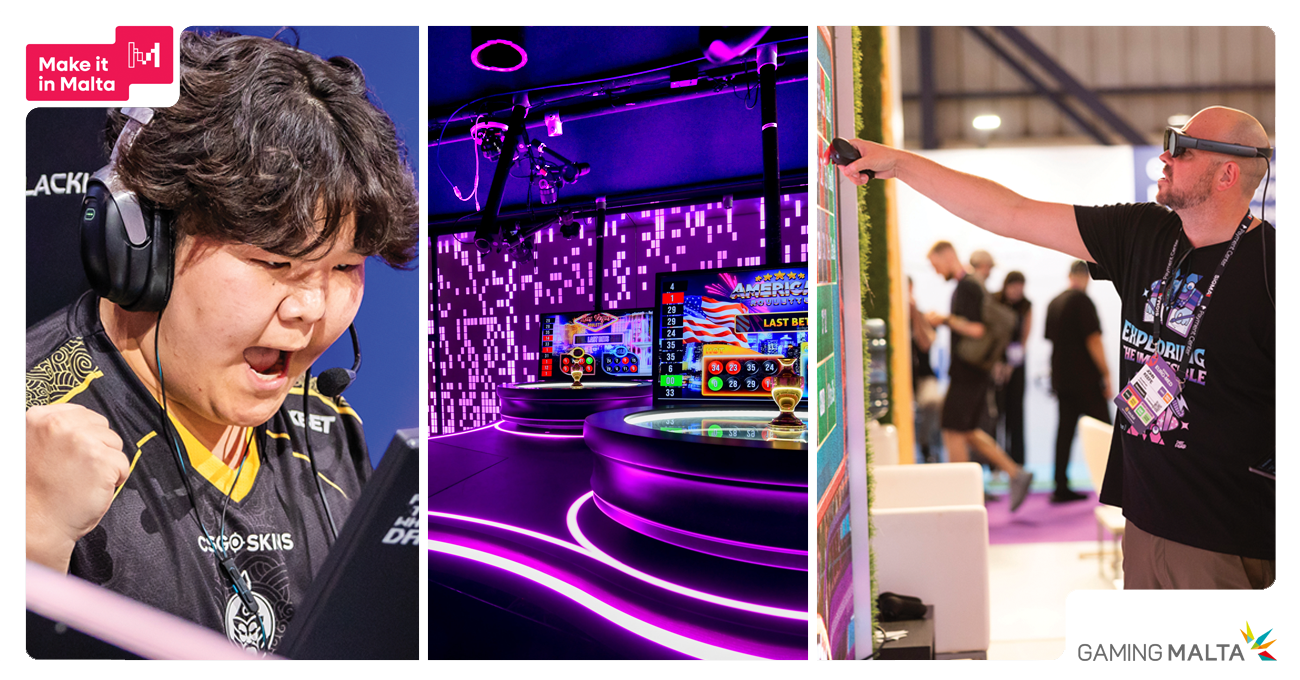
From regulatory certainty and talent depth to immersive innovation, Malta will showcase its full iGaming ecosystem at ICE Barcelona 2026. The Malta experiential showcase booth promises a unified national presence highlighting why the island remains the home of gaming excellence.
Given the sweeping reforms proposed and passed in iGaming jurisdictions worldwide in recent times, it is hardly surprising that ‘regulation’ has remained the most pressing issue for operators over the past two years.
In a turbulent landscape though, Malta has nurtured a long-established reputation for regulatory stability that has enabled the picturesque Mediterranean republic, with a population of just over half a million people, to punch well above its weight.
At ICE Barcelona 2026 in January, the island’s qualities as an iGaming jurisdiction will be showcased to the sector like never before at the Malta booth.
Designed to promote the destination as the world’s online igaming jurisdiction and the home of gaming excellence, the Malta space will be a hub of activity throughout gaming’s biggest show, with a virtual reality roulette experience created by Malta-based Draw & Code offering a compelling centrepiece.
“We have built the world’s iGaming Silicon Valley in Malta, and the expo space will be testament to our relentless approach in this regard,” says GamingMalta CEO Ivan Filletti. GamingMalta is an independent non-profit foundation jointly established by the Government of Malta and the Malta Gaming Authority (MGA).
A coordinated national presence
The Malta booth will serve as a live ecosystem, bringing together leading industry voices, including founders, operators, service-providers and regulators, with visitors able to discover first-hand how businesses scale from Malta.
Notably, a coordinated national presence will be on show at gaming’s most influential annual gathering. For the first time, GamingMalta and the Malta Gaming Authority (MGA) will be joined by government’s economic development agency Malta Enterprise, Malta’s largest bank, Bank of Valletta (BOV) and Identita responsible for citizens’ identity management and the implementation of migration processes will come together to present a united front.
This collaborative representation is not only designed to amplify Malta’s credibility – by enabling questions to be answered on a range of topics in the same place, from licensing and banking to staffing. It also signals unity in action.
“Going as a unified front communicates government and ecosystem alignment; that Malta isn’t a loose cluster but a coherent jurisdiction that supports long-term business,” GamingMalta explains. “This is especially persuasive to institutional investors and regulated operators.”
Such alignment is illustrated by Malta’s relatively predictable regulatory outlook. With GamingMalta’s ongoing R.E.S.P.E.C.T. campaign spear heading reputation management for the industry through the pillars of responsible gambling, entertainment, speed, professionalism, enhanced due diligence, consistency and talent, the focus is now on cementing Malta’s status as the home of gaming excellence.
Embracing the sector
According to GamingMalta, though, the attraction of Malta is “a sum of all the parts rather than one silver bullet”.
Regulatory certainty, international recognition and reducing market entry friction are important factors, while the ecosystem density on the island ensures experienced suppliers are plentiful.
Additionally, as a springboard to the European Economic Area, with English in use as the language of business, and with substantial talent and immigration pathways, there are a multitude of reasons for gambling businesses to land in Malta.
Above all, GamingMalta believes the island has established a jurisdiction that has fully embraced the sector, from cross-political support to initiatives like the iGaming Council – a GamingMalta-led initiative that brings together operators and policy-makers.
A cornerstone of the Maltese economy
Underpinning Malta’s presence at ICE will be the government’s recently published Envision 2050 long-term strategy, which sets out clear and measurable targets for the nation’s development.
At the heart of this, Malta is targeting a more sustainable average annual GDP growth rate of 5% by 2035 driven by strategic investment in seven priority sectors – one of which is gaming.
Moreover, gaming has already proven itself to be a cornerstone of the Maltese economy. According to Envision 2050 projections, the sector’s contribution is expected to rise from €1.5bn (£1.31bn/$1.76bn) to between €2.3-€2.8bn, making up 6-7% of the nation’s projected GVA by 2035.
With a focus on strengthening leadership in the gaming industry, ensuring transparency, player protection and fair competition, Envision 2050 will ensure the sector continues to be a major contributor towards the national economy.
According to GamingMalta, this blueprint signals a clear north star, showing how Malta is “a safe and resilient nation, inspired by heritage and driven by progress, fostering a healthy quality of life for all”.
‘Make It In Malta’ campaign
The creative thread which will support this drive at ICE is the ‘Make It In Malta’ campaign, highlighting success stories and case studies from a mature and practical ecosystem for growth.
“This approach reinforces the ‘home of gaming excellence’ brand by showing evidence – such as deals, hires, regulatory clarity and investment – rather than simply asserting it,” adds GamingMalta, which underscored the strength of “operator-led storytelling”.
GamingMalta adds, “Nobody promotes a jurisdiction better than the companies who have grown there. They supply credibility, concrete metrics and relatable roadmaps for peers. Success breeds success and Malta is the perfect stage for your global ambitions.”
A talented workforce
There is solid evidence to back up such claims. At a recent iGaming Council meeting, new investments totalling €60m by different operators were confirmed.
Furthermore, Malta’s 14,000-strong gaming industry workforce, as well as its safe and stable work environment, is widely recognised as a key growth driver. According to an MGA survey last year, 85% of gaming operators based in Malta were satisfied or highly satisfied with the availability of skilled personnel and the quality and cost-effectiveness of local training opportunities versus other leading jurisdictions.
Similarly, around 80% of respondents were satisfied or highly satisfied with the ease of labour mobility, with favourable perceptions regarding workforce ethics even higher at 87%. Malta also offers an appealing quality of life attracting top tier talent to the island many working in the igaming industry.
From a gaming workforce perspective, GamingMalta stresses that Malta’s pool of talent will be the key differentiator in the next phase of growth.
“Talent scales businesses,” says GamingMalta, who added that institutions like the Malta College of Arts, Science and Technology (MCAST) offer courses targeted at individuals who aim to progress in the gaming industry.
“Without a pipeline of developers, ops staff and compliance specialists, operators stall. That’s why migration policy and skills programmes – including Identità and Malta Enterprise initiatives – are critical. Business-friendliness remains the accelerant, but stable regulation and accessible talent are the engine.”
“Nobody promotes a jurisdiction better than the companies who have grown there… Success breeds success and Malta is the perfect stage for your global ambitions”
A technological convergence
Malta is also benefiting from a timely convergence of technology through the simultaneous growth of esports, game development and immersive innovations.
“The respective ecosystems can feed into and collaborate with each other, albeit as different animals,” GamingMalta says. “Ultimately, it all boils down to entertainment and how consumers are attracted or relate to entertainment platforms.
“We will be consolidating the gambling sector by focusing on a strong regulatory framework ensuring transparency and fair competition and simultaneously accelerate interactive entertainment sectors through fiscal initiatives, technological innovation and talent development.
“Malta’s long-term strategy is to build a resilient, innovation-driven, high-value economy. The gaming, esports and interactive media sectors align perfectly with this national direction because they represent the type of future-proofed, knowledge-intensive industries Malta aims to anchor over the next 25 years.”
GamingMalta’s own ‘Manifesto’ builds on this drive with a blueprint designed to build on 20 years of success to secure the future of Malta as an in-demand destination for operators.
Among the key pillars of the Manifesto’s 10-point plan are a focus on keeping corporate tax competitive, maintaining political support, improving sector skills and developing off-island relations, as well as driving up responsible gaming standards and encouraging innovation.
Attracting and retaining operators
With a strong regulatory framework, competitive gaming tax structure and strategic position as a gateway to European gambling, casino and lottery markets, over 350 operators are already based on the island.
However, Malta’s gaming industry stakeholders are laser-focused on providing a framework that encourages further growth – and, like the operators it hosts, the desire is to attract, as well as retain.
Some of the industry’s biggest names have relocated to the republic. Meanwhile, at the end of 2023, across Malta’s largest 100 operators by turnover, the average period of operation on the island was 13 years -illustrating that once major players arrive, they tend to stay.
As GamingMalta CEO Filletti says following ICE earlier this year: “Malta may be small in size, but our impact on the iGaming industry continues to be immense.”
Now, as a small nation with a big reputation, Maltese stakeholders are aligning to harness opportunities at major events like ICE, so the island can build on its status as the gold-standard of iGaming industry destinations.
Book your meeting today with GamingMalta, MGA or any of the co-participants at ICE on: https://www.gamingmalta.org/make-it-in-malta/ and visit the Make it in Malta booth Hall 4 Booth 4C40.

Ivan Filletti, GamingMalta CEO

Our website uses cookies, as almost all websites do, to help provide you with the best experience we can.
Cookies are small text files that are placed on your computer or mobile phone when you browse websites.
Our cookies help us:
– Make our website work as you’d expect
– Remember your settings during and between visits
– Offer you free services/content (thanks to advertising)
– Improve the speed/security of the site
– Allow you to share pages with social networks like Facebook
– Continuously improve our website for you
– Make our marketing more efficient (ultimately helping us to offer the service we do at the price we do)
We do not use cookies to:
– Collect any personally identifiable information (without your express permission)
– Collect any sensitive information (without your express permission)
– Pass personally identifiable data to third parties
– Pay sales commissions

Smart technology has quietly reshaped nearly every part of modern life, from how we manage our homes to how we consume entertainment. One area seeing particularly rapid innovation is online gaming. Advances in artificial intelligence, cloud computing, and mobile connectivity are not just improving visuals or speed — they’re fundamentally changing how users interact with digital gaming platforms. For tech-savvy audiences, this evolution represents a fascinating case study in how intelligent systems enhance user experience at scale.
Online gaming platforms today are built on sophisticated technology stacks designed to personalize content, streamline performance, and improve security. This shift is especially visible in online casino gaming, where algorithms analyze player behavior to deliver tailored game recommendations and seamless performance across devices. For example, players looking to explore modern gaming platforms can Experience the thrill of top-rated casino games at Winna while seeing firsthand how smart systems elevate engagement and usability.
As entertainment increasingly converges with technology, the online gaming sector offers valuable insight into how innovation drives adoption, retention, and trust.
AI and Machine Learning Powering Smarter Gameplay
 AI and Machine Learning Powering Smarter GameplayiStock
Artificial intelligence plays a central role in today’s online gaming experiences. Machine learning models continuously analyze gameplay data to understand user preferences, playing patterns, and engagement habits. This allows platforms to create more intuitive interfaces and personalized recommendations without requiring users to manually search for content.
In casino-style gaming, AI helps recommend games based on past behavior, optimize load times, and ensure smooth performance during high-traffic periods. Beyond user experience, AI is also critical for maintaining fair play. Behavioral analysis tools can detect unusual activity, flag potential fraud, and help operators maintain secure, trustworthy environments — an essential factor for platforms handling real-money transactions.
From a broader technology perspective, these systems demonstrate how real-time data processing and adaptive learning models are becoming essential components of modern digital services.
Cloud Computing and the Shift to Device-Agnostic Gaming
 Cloud Computing on the rise iStock
Cloud technology has removed many traditional barriers to entry for online gaming. Instead of relying on powerful local hardware, games can now be rendered and processed remotely, with gameplay streamed directly to users’ devices. This shift allows complex, graphics-rich experiences to run smoothly on smartphones, tablets, and laptops.
For consumers, this means flexibility — gaming is no longer tied to a single device or location. For developers and operators, cloud infrastructure enables faster updates, scalable performance, and reduced downtime. These benefits are especially important for online platforms that must remain accessible around the clock while supporting thousands of simultaneous users.
As cloud adoption accelerates across industries, online gaming stands out as one of the clearest examples of how distributed computing enhances both performance and accessibility.
Mobile Connectivity and Market Growth
Mobile technology has been one of the biggest drivers of growth in the online gaming sector. Improvements in smartphone processing power, combined with faster networks like 5G, have made mobile gaming experiences nearly indistinguishable from desktop or console play.
Industry data highlights just how significant this shift has been. According to Statista’s research on mobile gaming market trends, mobile games account for a substantial share of global gaming revenue, driven by ease of access and growing consumer demand.
For online gaming platforms, optimizing for mobile is no longer optional. Responsive interfaces, fast-loading content, and secure mobile payment systems are now baseline expectations. Platforms that successfully integrate these elements benefit from higher engagement and broader audience reach.
Security Innovations Building User Trust
Security remains a top concern for users engaging with online gaming platforms, particularly those involving financial transactions. Smart technology has enabled several major advancements in this area, helping build confidence and credibility across the industry.
Modern platforms rely on encryption protocols to protect personal and financial data, while AI-powered monitoring systems analyze activity in real time to identify irregular behavior. Some platforms are also experimenting with biometric authentication and blockchain-based transaction verification to further strengthen transparency and security.
These technologies not only protect users but also demonstrate how advanced security solutions can be deployed at scale without sacrificing user convenience — a balance many digital industries continue to pursue.
Social Features and Interactive Experiences
 Social Features and Interactive Experiences iStock
Gaming has evolved from a solitary activity into a highly social experience. Smart technology has enabled real-time chat, live multiplayer interaction, and integrated streaming features that allow users to share gameplay instantly.
Live gaming and streaming platforms have blurred the line between player and audience, creating communities built around shared interests and experiences. As virtual and augmented reality technologies continue to mature, these social elements are expected to become even more immersive, allowing users to interact in fully realized digital environments.
This shift reflects a broader trend in tech-driven entertainment: experiences are no longer just consumed — they’re shared.
What the Future Holds for Smart Gaming
The next wave of innovation in online gaming will likely focus on deeper AI integration, enhanced immersion, and cross-platform compatibility. AI-generated content, adaptive storytelling, and predictive personalization will allow platforms to deliver experiences that evolve with each user.
Virtual reality, augmented reality, and spatial computing are also poised to redefine how players interact with digital worlds. Combined with cloud infrastructure and intelligent analytics, these technologies will continue pushing online gaming toward more immersive, responsive, and inclusive experiences.
Conclusion
Online gaming has become a powerful showcase for how smart technology can transform digital experiences. Through AI-driven personalization, cloud-based performance, mobile optimization, and advanced security, modern platforms are delivering entertainment that is more accessible, engaging, and secure than ever before.
For tech-focused audiences, this evolution highlights the practical impact of intelligent systems operating behind the scenes. As innovation continues, online gaming will remain at the forefront of demonstrating how technology enhances not just how we play — but how we connect, interact, and experience digital entertainment.
From Your Site Articles
Related Articles Around the Web

The 2025 Bowerman Finalists and Watch List for men’s and women’s NCAA track and field

Marshall Faulk adds Les Miles’ son to football staff

Jordan Anthony Wins the 2025 Bowerman Award

Texas’ Michael Taaffe reveals ‘different’ approach to navigating NIL

Refugee-Focused Youth Sport Initiatives : Moving for Change

California orders Tahoe Truckee schools to leave Nevada sports over transgender athlete dispute

Quincy University on probation after allowing over 100 ineligible students to participate in sports

Rep. Kim Hicks – Rochester DFL Legislators to Take Action on Rochester Sports Complex

Tree collapses onto 2 young children waiting for school bus

Michael Wilbon claims Kalen DeBoer will leave Alabama for Michigan with loss in College Football Playoff opener
Wisconsin volleyball vs Kentucky score today: Final Four live updates

Huskers year-end report shows concession sales up 75%, shares volleyball reseating data

Man Facing Felony Sex Charges Served as President of Independent Youth Sports League

Kentucky volleyball live score updates and highlights vs Wisconsin

Charles Sharper Gala spotlights afterschool sports and wellness program

First Tee Winter Registration is open

Fargo girl, 13, dies after collapsing during school basketball game – Grand Forks Herald

CPG Brands Like Allegra Are Betting on F1 for the First Time

F1 Las Vegas: Verstappen win, Norris and Piastri DQ tighten 2025 title fight

Volleyball Recaps – November 18

Sycamores unveil 2026 track and field schedule

Two Pro Volleyball Leagues Serve Up Plans for Minnesota Teams

Utah State Announces 2025-26 Indoor Track & Field Schedule

SoundGear Named Entitlement Sponsor of Spears CARS Tour Southwest Opener

Jo Shimoda Undergoes Back Surgery

Redemption Means First Pro Stock World Championship for Dallas Glenn

Texas volleyball vs Kentucky game score: Live SEC tournament updates

Bowl Projections: ESPN predicts 12-team College Football Playoff bracket, full bowl slate after Week 14

How this startup (and a KC sports icon) turned young players into card-carrying legends overnight

Robert “Bobby” Lewis Hardin, 56






-
 Motorsports1 week ago
SoundGear Named Entitlement Sponsor of Spears CARS Tour Southwest Opener
-
 Motorsports3 weeks ago
Jo Shimoda Undergoes Back Surgery
-
 NIL3 weeks ago
Bowl Projections: ESPN predicts 12-team College Football Playoff bracket, full bowl slate after Week 14
-
 Rec Sports3 weeks ago
Robert “Bobby” Lewis Hardin, 56
-
Sports3 weeks ago
Wisconsin volleyball sweeps Minnesota with ease in ranked rivalry win
-

 Motorsports1 week ago
Donny Schatz finds new home for 2026, inks full-time deal with CJB Motorsports – InForum
-

 Motorsports3 weeks ago
Increased Purses, 19 Different Tracks Highlight 2026 Great Lakes Super Sprints Schedule – Speedway Digest
-

 Rec Sports2 weeks ago
How Donald Trump became FIFA’s ‘soccer president’ long before World Cup draw
-

 Sports2 weeks ago
Men’s and Women’s Track and Field Release 2026 Indoor Schedule with Opener Slated for December 6 at Home
-

 Motorsports3 weeks ago
Michael Jordan’s fight against NASCAR heads to court, could shake up motorsports