
NIL
Dizon’s Disposition: Angel Cervantes not just in it for NIL, UCLA baseball shows strong pitching staff

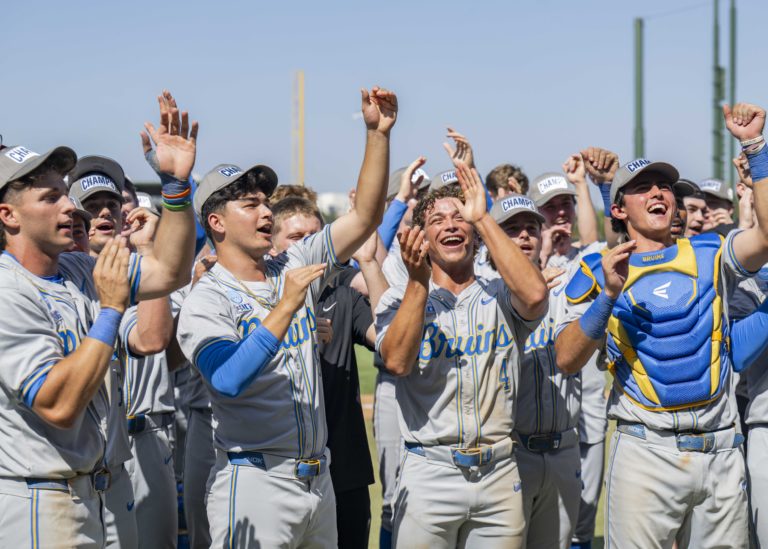
The average American earns around $1.7 million in their lifetime, according to a 2011 study.
Almost no one would turn down the opportunity to earn around $2 million just to sign up for a job that – could – one day, earn them eight figures per year.
But incoming freshman right-hander Angel Cervantes did.
The 2025 MLB Draft’s No. 50 overall pick turned down the Pittsburgh Pirates so he could honor his commitment to UCLA baseball, Cervantes announced in a post on X on Wednesday.
While the Pirates’ offers aren’t public, the MLB gave the Cervantes’ pick a $1.93 million slot value, and the No. 51 and No. 52 overall picks signed for $2.75 million and $2.60 million, respectively.
Not only will the right-hander be an impactful addition to the 2026 team, but it’s a positive indication of what the 2026 squad already is.
Cervantes is betting on himself to make immediate contributions to a team with realistic 2026 national championship aspirations. He’s betting that UCLA and coach John Savage can still develop elite high school arms into the top pitchers in the nation.
He’s putting every young baseball player’s dream on hold for at least three years for the Bruins.
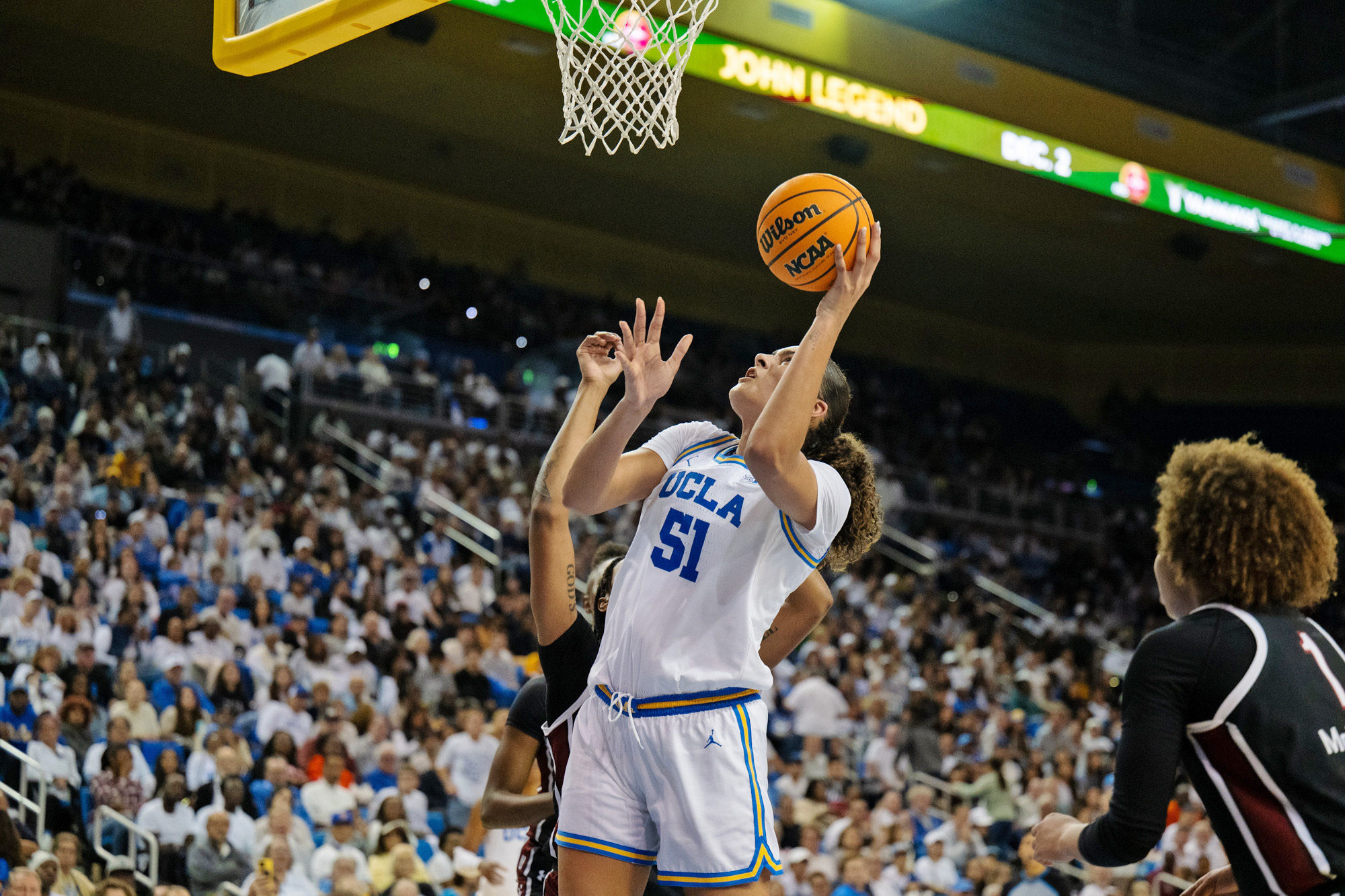
NIL: Not an Instant Lottery
Fans are quick to scream “NIL” whenever something doesn’t make sense in their head.
Like if Cervantes is picking college baseball over affiliated ball, it must be because he’s earning hand over fist in Name, Image and Likeness.
The truth is, he probably isn’t. Most Division I baseball players make little to no money in NIL, and even the nation’s best players on the diamond only make around $40,000 to $50,000 a year, according to College Football Network.
And yes, the House v. NCAA settlement will allow schools to pay players directly. But that $20 to $21 million each school is allotted is for the athletic department as a whole. Meaning UCLA will have to split that pool of money between rising redshirt sophomore quarterback Nico Iamaleava, rising senior guard Donovan Dent, rising senior center Lauren Betts and rising senior gymnast Jordan Chiles before it even opens the checkbook for the rest of the school’s student athletes.
It’s insane to think athletic director Martin Jarmond or Savage are going to hand over a sizable check to an incoming freshman.
Strictly in terms of NIL, it is highly unlikely Cervantes will make back whatever the Pirates could have given him directly from playing college sports.
The gamble Cervantes is likely playing is the one that’s hardly new to college baseball: developing for three-to-four years at a university instead of the minor leagues so that he can re-enter the draft with an increased stock, sign for an even larger signing bonus and fast-track to the majors.
As most Bruin baseball fans know, Gerrit Cole turned down the New York Yankees and their reported $4 million signing bonus after getting drafted No. 28 overall in the 2008 MLB Draft, instead choosing to come to UCLA.
Three years later, Cole had pitched on the biggest stage college baseball has to offer – the Men’s College World Series – and earned himself a then-record-setting $8 million signing bonus from none other than the Pittsburgh Pirates as 2011’s No. 1 overall pick.
While they may not have had the multi-million dollar contract sitting in front of them like Cervantes, the Bruins already boast a plethora of players who could have gone to professional baseball straight out of high school.
It almost seems court-mandated that every broadcast has to mention how rising junior shortstop Roch Cholowsky was a projected first-round pick in the 2023 MLB Draft if not for his steadfast commitment to UCLA.
Pirate finger pointing
There’s also the notion that Cervantes just didn’t want to be a part of the Pirates organization.
And while that could be true, the Pirates are far better at developing prep pitchers than most people give them credit for. Mitch Keller – a 2014 second-round pick out of Xavier High School in Iowa – has been a staple of Pittsburgh’s starting rotation since 2022.
Kyle Nicolas and Jared Jones have had setbacks recently, but were both prep-to-pro arms who have a seemingly bright future at PNC Park – both top prospects before exceeding rookie limits in 2024. Additionally, Bubba Chandler, a 2021 third-round pick out of North Oconee High School in Georgia, is currently MLB Pipeline’s No. 2 right-handed pitching prospect.
Plus, if Cervantes’ goal was just to get drafted by a different team, he could go to a junior college – where he’d be able to enter the 2026 MLB Draft – instead of a four-year university like UCLA, where he’d have to wait until 2028 to become eligible for the Rule 4 Draft again.
And if Cervantes’ wish is to turn himself into a top-five pick come 2028 – and earn an eight-figure signing bonus – he’ll still likely end up on a bottom-feeding franchise.
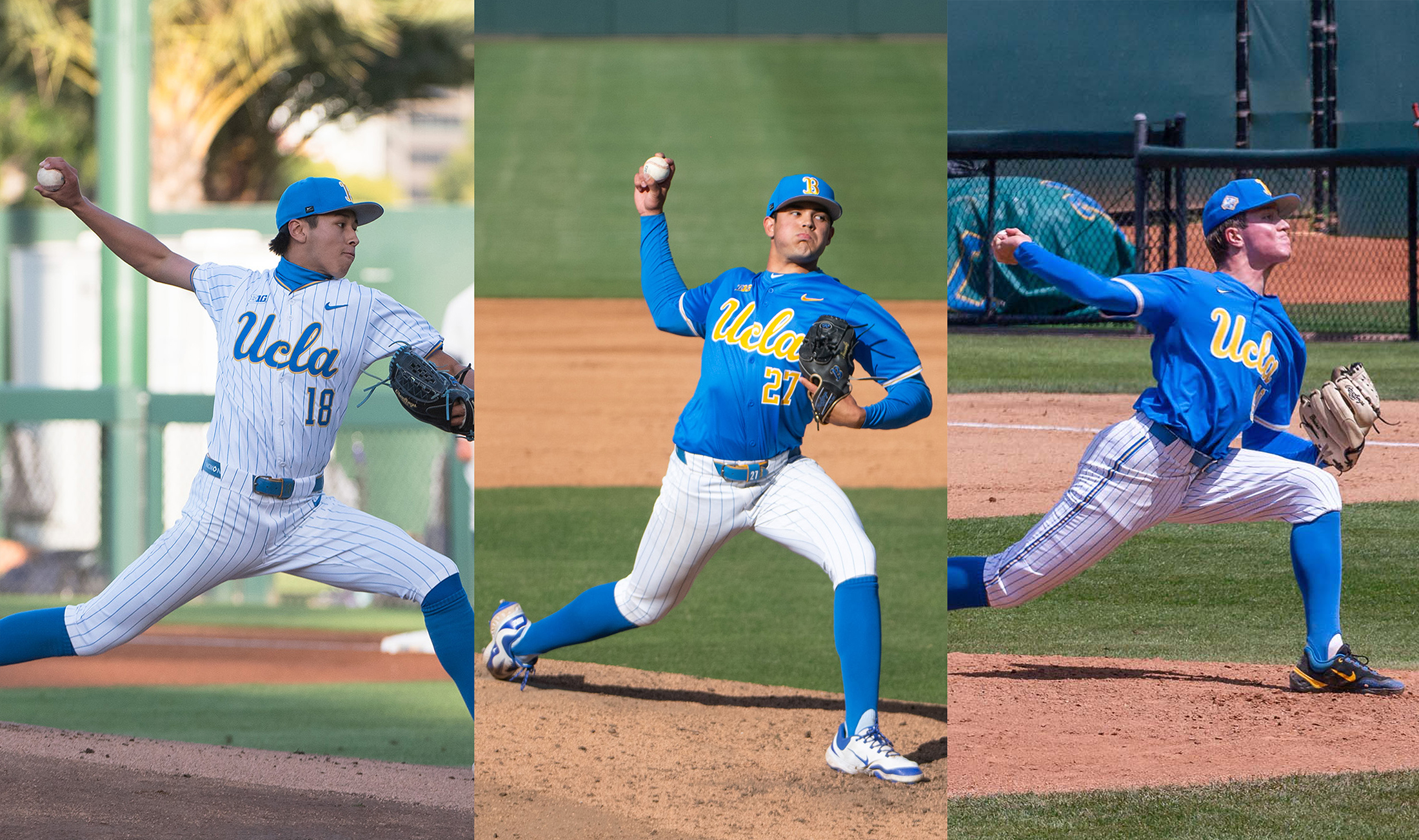
Rankings or hat pickings?
Yes, UCLA was No. 1 in Baseball America’s “Way Too Early” 2026 top 25 rankings published Tuesday.
Yes, LSU – 2025’s national champions – were No. 1 in last year’s iteration.
But of the remaining 24 teams in last year’s article, only three actually made it to Omaha, Nebraska.
And the rest of Tuesday’s rankings are littered with, as expected, SEC and ACC teams, along with recent powerhouses like Oregon State and Coastal Carolina.
The Bruins are a good team who are returning nearly every player who made a sizable impact in 2025. They arguably have their best shot at a second national title ever.
But it’s hard to overlook how many little things went in UCLA’s favor last season.
The Big Ten doesn’t have the top-heavy talent of the SEC or ACC, and the four former-Pac-12 programs in the conference all finished top five in their inaugural Big Ten regular season.
In the Los Angeles Regional, the Bruins dodged many of their opponents’ top arms, like Arizona State’s Ben Jacobs or UC Irvine’s Ricky Ojeda.
Then UTSA looked nothing like the team that beat then-No. 2 seed Texas, losing to UCLA in two games during the Los Angeles Super Regional.
And then UCLA got to face the tournament’s Cinderella, Murray State, in its first MCWS game.
But LSU and Arkansas sent UCLA home packing after back-to-back beatings that, after the top of the first against the Tigers, never felt particularly close.
In his final press conference of the season, Savage emphasized the need to improve his team’s starting pitching.
Right-hander Cody Delvecchio started the season as the Friday night guy, but struggled early on before becoming academically ineligible for the majority of the season. He was most recently drafted by the San Francisco Giants in the 12th round. Rising redshirt senior southpaw Ian May began the year as the Saturday starter, but lost his spot in the weekend rotation after just four starts, only reinserted out of apparent necessity before being moved to the bullpen for the NCAA tournament.
Rising junior right-hander Landon Stump was the Sunday starter all season, but finished 2025 with an ERA north of five while averaging just over four innings per start.
Rising sophomore right-hander Wylan Moss was excellent for much of the season – and earned Big Ten All-Freshman Team honors – but seemingly struggled adjusting to the collegiate baseball workload as a back issue hampered his effectiveness down the stretch.
Luke Rodriguez tossed 51.2 innings in his freshman campaign and had a 2.11 ERA across 21.1 innings pitched in 2025 before becoming academically ineligible. He has since entered the transfer portal.
Rising senior right-hander Michael Barnett has been a dependable workhorse for the past two seasons – and after shockingly going undrafted in the 2025 MLB Draft – is slated for his final season at UCLA. While certainly deserving of a weekend rotation spot, by Savage’s admission, Barnett doesn’t fit the typical profile of a front-of-the-rotation arm.
By Perfect Game rankings, Cervantes arguably has the best pre-college pedigree of a Bruin pitcher since Thatcher Hurd – who had a 1.06 ERA and 48 strikeouts to just 10 walks in his first 34 innings pitched before an injury cut his freshman campaign short, followed by his transfer to LSU.
Additionally, fellow incoming freshman right-hander Zach Strickland went undrafted despite being the No. 86 player in the class, according to Perfect Game, and could compete for a spot as a starter or back-end of the bullpen.
Throw in the anticipated returns of the Bruins’ two hardest throwers – rising sophomore right-handed closer Easton Hawk and rising junior high-leverage right-hander Cal Randall – and the Bruins are set to have a much more competitive pitching staff than they did a year ago.
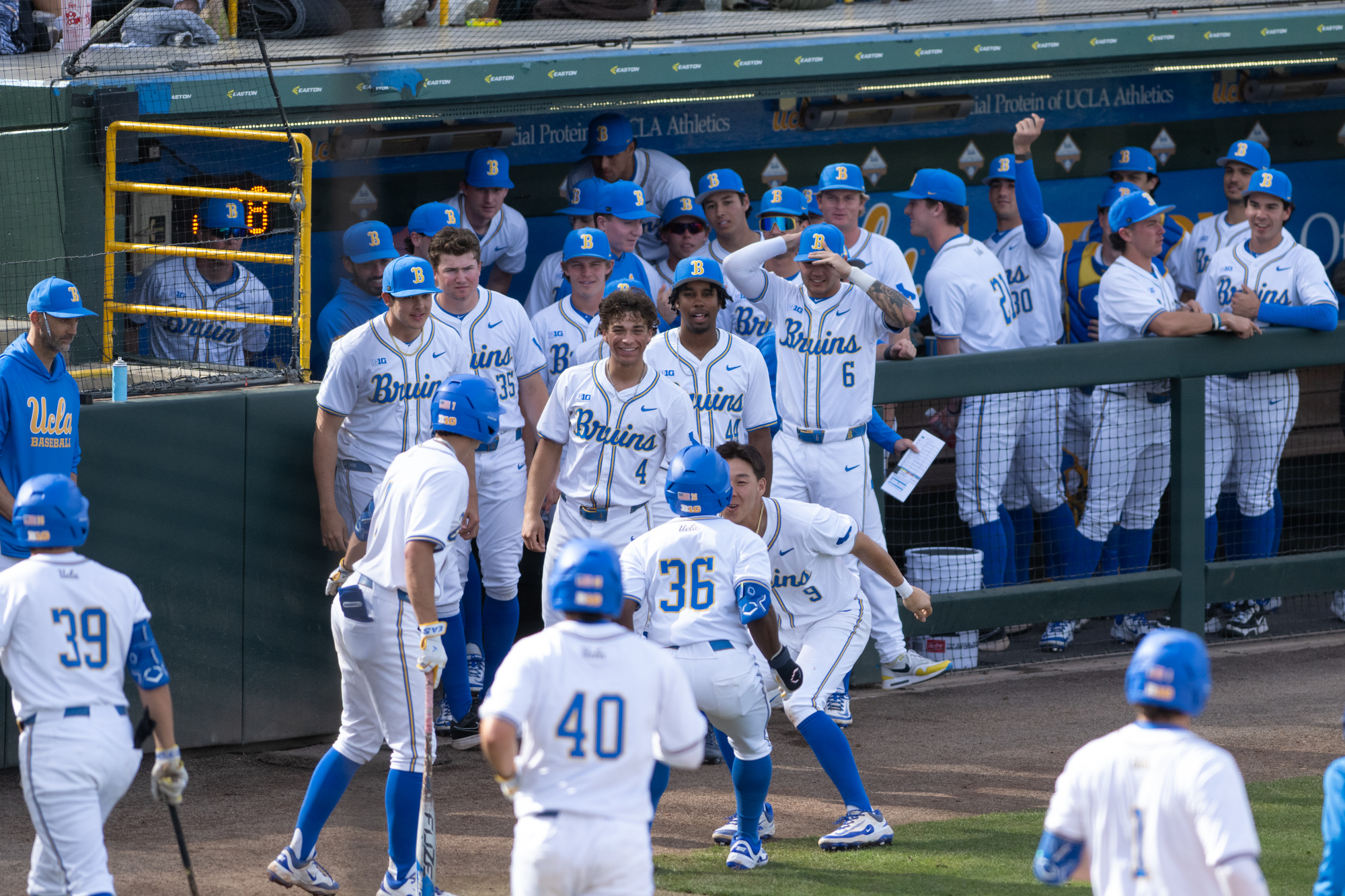
Book your flights?
UCLA has lost little talent to the transfer portal in recent years.
AJ Salgado, who announced his signing to the New York Mets organization as an undrafted free agent via Instagram on Thursday, is the only everyday player the Bruins are losing. The team seems to have his replacement in rising junior center fielder and Texas transfer Will Gasparino, though.
Partnering the strengths of 2025 and adding a revitalized pitching core, UCLA has as good a shot as ever at showering in blue and gold confetti at Charles Schwab Field once again.
And players know that – they want to play for the Bruins.
So much so that they’d turn down seven figures.


Alabama and Oklahoma are about to kick off the College Football Playoff on Friday evening and ahead of the big match-up, one notable player shared some NIL news. With Tide coach Kalen DeBoer facing a particularly big game, stakes are high for Friday’s battle. But at least one player has already had a productive Friday.
Alabama wide receiver Ryan Williams announced an NIL endorsement deal on social media on Friday afternoon. Williams, who has been tagged with a $1.6 million NIL value by On3, added another corporate endorsement to his already crowded NIL roster. With the eyes of college football heading to Alabama’s battle with Oklahoma, Williams had a timely component in his statement.
Williams’ new NIL deal is with Eat Just, Inc. which develops and markets plant-based alternatives to eggs and meats. Williams’ Instagram post depicts the talented wide receiver apparently chowing down on what appears to be a chicken alternative from Eat Just.
Among Williams’ other NIL deals include EA Sports (for whom he was a cover athlete for EA’s College Football 26 game), Uber Eats, Beats by Dre, New Era, and clothier Hollister.
On the field, the 6′ wide receiver continues to show flashes of the massive talent that earned him a starting spot as a 17-year old for the Tide in 2024. But he has struggled with consistency. Last season, Williams finished with 48 receptions for 865 yards and eight receiving scores, with two more rushing touchdowns. In 2025, he has 42 catches for 631 yards and four touchdowns.
Wiliams will not be eligible for the 2026 NFL Draft, but figures to be a significant Draft prospect based on his speed and ball skills.
Alabama is facing a fourth loss in consecutive seasons. During Nick Saban’s nearly two decades, he did not have a four-loss season after his initial 2006 campaign. With rumors of Kalen DeBoer being a strong candidate for the Michigan coaching job, there’s plenty on the line during Friday’s game.
Alabama is a slight underdog in Friday’s College Football Playoff first-round battle. WIlliams could provide a key to the game. In Alabama’s three losses this year, Williams has not exceeded 45 yards receiving or caught a touchdown. So it’s safe to say that Tide fans, as well as Eat Just, hope that Williams eats well on Friday evening.

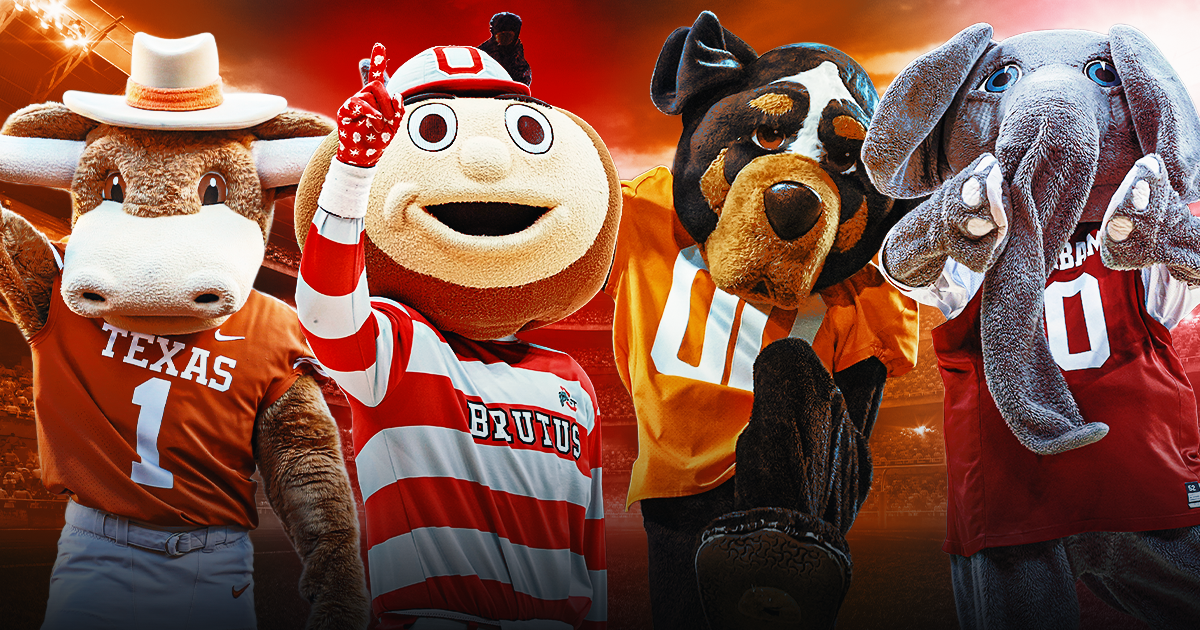
As the 2025 calendar year rounds out, CNBC has ranked the top-25 college athletic programs by valuation. Texas has skyrocketed to the No. 1 spot, worth $1.48 billion. This number is 16% more than it was last year ($1.28 billion). Ohio State‘s valuation grew by 2%, but it still fell from No. 1 to No. 2.
Per CNBC, “the 75 most valuable athletic programs for 2025 are worth a combined $51.22 billion, 13% more than the value of the top 75 in last year’s rankings”. With more money poured into programs by the day with an emphasis on NIL, this isn’t quite a surprise.
SUBSCRIBE to the On3 NIL and Sports Business Newsletter
The entire list is below. Of note, it includes five programs from the SEC, including two valued at more than $1.3 billion, per CNBC.
The University of Texas comes in at No. 1 in the rankings, worth $1.48 billion. The athletic program brought in $332 million worth of revenue in 2024, helping usher in a 16% YOY (year-over-year) value change. Last year, the program was ranked No. 2 (+1).
It shouldn’t be a surprise that Texas sits atop all programs, as starting quarterback Arch Manning ranks No. 1 in On3’s NIL Valuations ($5.3 million). Manning, in his first season as the Longhorns’ starting quarterback, passed for 2,942 yards and 24 touchdowns with seven interceptions this season. Manning is one of two Texas athletes ranked inside the Top-100, alongside EDGE Colin Simmons.
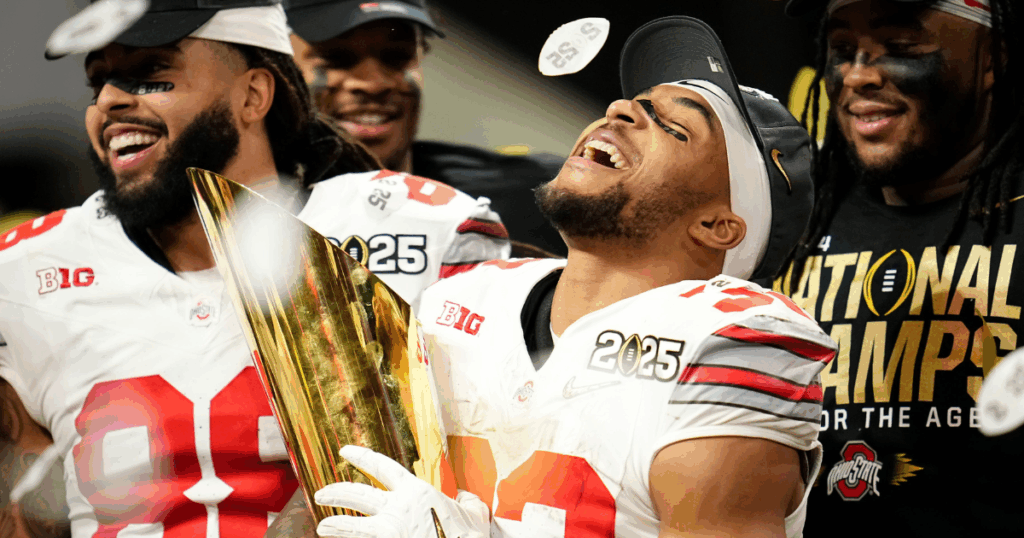
THE Ohio State University comes in at No. 2 in the rankings, worth $1.35 billion. The athletic program brought in $255 million worth of revenue in 2024, helping usher in a 2% YOY value change. Last year, the program was ranked No. 1 (-1).
Although the program slipped one spot, Ohio State is still a juggernaut. Star wide receiver Jeremiah Smith ranks No. 3 in On3’s NIL Valuations ($4.2 million) and is one of three Ohio State football players ranked inside the top-13. Quarterback Julian Sayin sits at No. 10 ($2.5 million) and defensive back Caleb Downs sits at No. 13 ($2.4 million).
Texas A&M University comes in at No. 3 in the rankings, worth $1.32 billion. The athletic program brought in $266 million worth of revenue in 2024, helping usher in a 5% YOY value change. Last year, the program was also ranked No. 3.
With the football program heading to the College Football Playoff for the first time ever, Texas A&M remained the third most profitable athletics program in the country. Quarterback Marcel Reed ranks No. 19 on On3’s NIL Valuations ($2.1 million) and Paul Hornung Award winning receiver K.C. Conepcion ranks No. 52.
The University of Georgia comes in at No. 4 in the rankings, worth $1.16 billion. The athletic program brought in $242 million worth of revenue in 2024, helping usher in a 22% YOY value change. Last year, the program was also ranked No. 7 (+3).
Georgia jumped three spots after bringing in $242 million worth of revenue in 2024. This was massive in hauling in USC transfer receiver Zachariah Branch, who has been a massive contributor for the Bulldogs’ College Football Playoff team. Branch, who ranks No. 85 On3’s NIL Valuations, hauled in 73 catches for 744 yards and five scores this year.
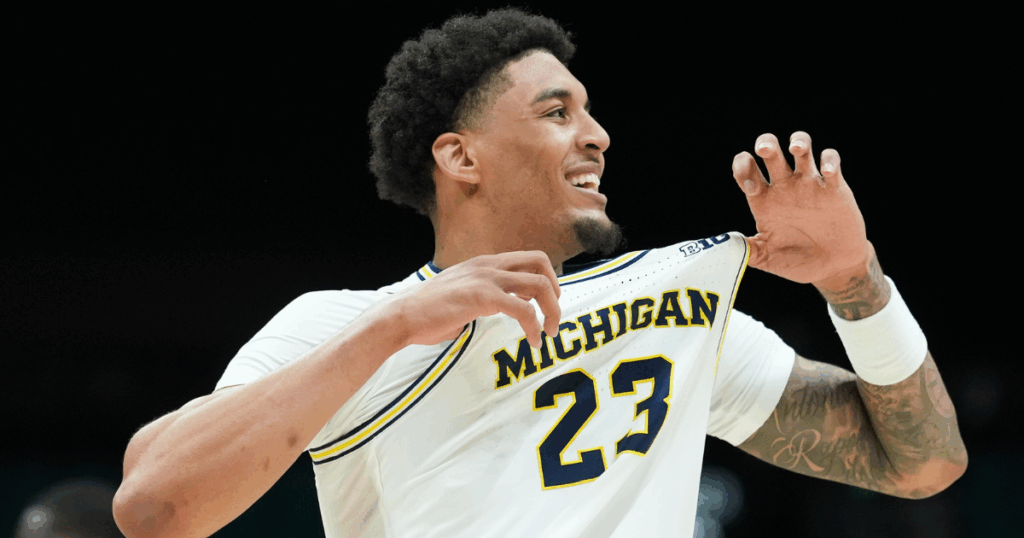
The University of Michigan comes in at No. 5 in the rankings, worth $1.16 billion. The athletic program brought in $239 million worth of revenue in 2024, helping usher in a 9% YOY value change. Last year, the program was ranked No. 4 (-1).
Although Michigan fell one spot from last year’s valuation, it still ranks second among Big Ten programs. Star forward Yaxel Lendeborg, who ranks No. 17 On3’s NIL Valuations ($2.3 million), has been a superstar for the Wolverines on the basketball court. Lendeborg is averaging 16.4 points and 7.2 rebounds for an undefeated squad under head coach Dusty May.
The University of Notre Dame comes in at No. 6 in the rankings, worth $1.13 billion. The athletic program brought in $235 million worth of revenue in 2024, helping usher in a 17% YOY value change. Last year, the program was ranked No. 6.
Feelings are still hurt around the Notre Dame football program after being snubbed from the College Football Playoff, but that’s nothing a little cash can’t fix. The ND athletics program hauled in $235 million worth of revenue last season, but it remained at No. 6. Heisman Trophy finalist running back Jeremiyah Love was Notre Dame‘s highest ranked player in On3’s NIL Valuations ($1.6 million).
The University of Tennessee comes in at No. 7 in the rankings, worth $1.12 billion. The athletic program brought in $234 million worth of revenue in 2024, helping usher in a 19% YOY value change. Last year, the program was ranked No. 9 (+2).
Tennessee‘s athletics program is evaluated at $1.12 billion, good for fourth most in the Southeastern Conference. Freshman forward Nate Ament is the highest earning player in the athletics program, ranking No. 64 in On3’s NIL Valuations.

The University of Southern California comes in at No. 8 in the rankings, worth $1.10 billion. The athletic program brought in $242 million worth of revenue in 2024, helping usher in a 19% YOY value change. Last year, the program was ranked No. 12 (+4).
USC jumped four spots after a massive 2024 calendar year, which brought in $242 million worth of revenue. This ushered in a 19% YOY value change, one of the biggest of all the teams in the rankings. Quarterback Jayden Maiava was the program’s highest earning player, ranking No. 21 in On3’s NIL Valuations ($2.1 million)
The University of Alabama comes in at No. 9 in the rankings, worth $1.09 billion. The athletic program brought in $235 million worth of revenue in 2024, helping usher in a 11% YOY value change. Last year, the program was ranked No. 5 (-4).
In what could maybe be called the Nick Saban effect, Alabama dropped four spots in this year’s rankings. Quarterback Ty Simpson, who passed for 3,268 yards and 26 touchdowns this season, ranks No. 14 in On3’s NIL Valuations ($2.3 million).
The University of Nebraska comes in at No. 10 in the rankings, worth $1.06 billion. The athletic program brought in $221 million worth of revenue in 2024, helping usher in a 12% YOY value change. Last year, the program was ranked No. 8 (-2).
Finally, the Cornhuskers come in ranked No. 10 with a $1.06 billion valuation. Although it ushered in $221 million, they fell two spots to No. 8. Former quarterback Dylan Raiola, who just entered the Transfer Portal, was the program’s highest-earning player this season. He ranked No. 9 in On3’s NIL Valuations ($2.5 million).
Programs 11-25
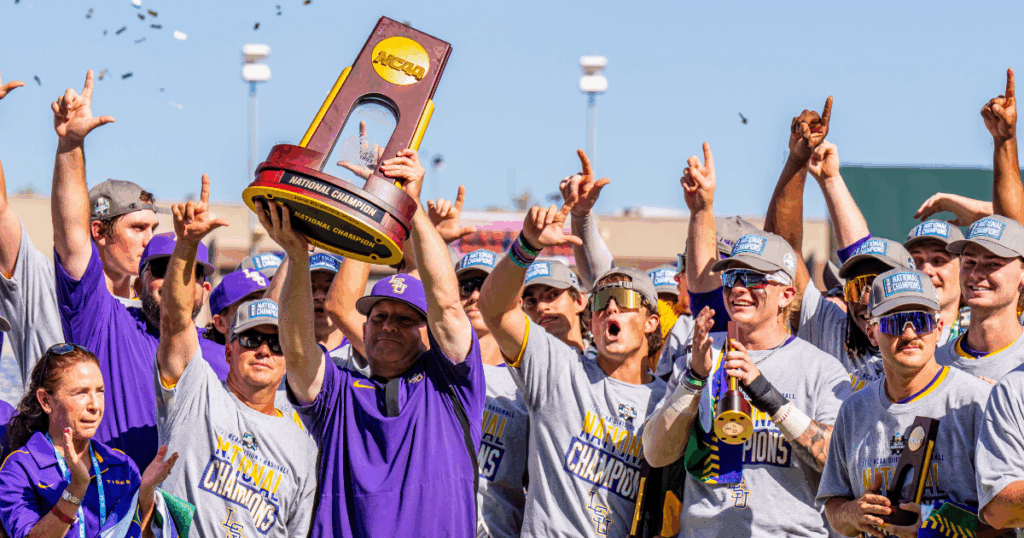
11. Penn State University ($1.06 billion)
12. Louisiana State University ($1.05 billion)
13. University of Oklahoma ($1.01 billion)
14. University of Florida ($975 million)
15. University of Kentucky ($910 million)
16. University of Oregon ($880 million)
17. University of Wisconsin ($875 million)
18. Clemson University ($860 million)
19. University of Iowa ($835 million)
20. University of Illinois ($815 million)
21. University of South Carolina ($812 million)
22. Auburn University ($810 million)
23. Stanford University ($805 million)
24. University of Arkansas ($800 million)
25. University of Washington ($795 million)
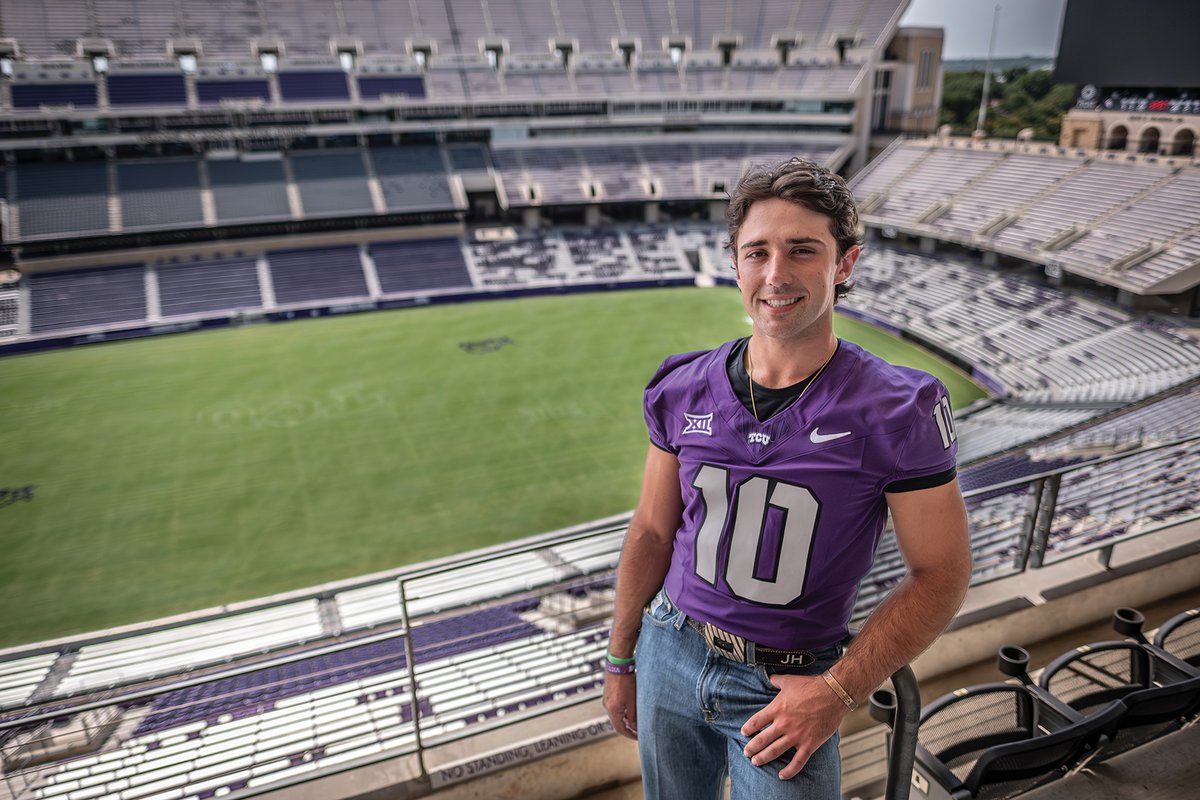
Well, the Dear John letter on Instagram we’ve all been dreading dropped on Thursday.
“First, I want to thank God for the opportunities that he has blessed me with to play this game. I’m so thankful to have had the opportunity to represent TCU for an incredible 4 years. It has been a dream to be able to play and graduate from this university and I will forever be grateful for that.”
But — there’s always a “but” — TCU quarterback Josh Hoover continued, “I will be entering the transfer portal.”
So, there it is. Well, hell. This one hurts because Hoover represented stability in a volatile era of name, image, and likeness, and the specter of the transfer portal. He was “our guy” in a sports culture where “our guy” barely exists anymore.
But alas … .
Josh Hoover is a fantastic person. We wish him the best.
Our man Ken Seals of Azle and then Weatherford High, who traveled back here by way of Vanderbilt, is presumably the starter for TCU’s Alamo Bowl game against Southern Cal. (Everybody remembers the last time TCU lost its starting quarterback right before the Alamo Bowl. It was epic.)
Thankfully, Kansas — the band, that is — taught us all about transience in 1977. Nothing lasts forever, especially in today’s college athletics’ revenue sports. Once upon a time, our guys stayed with us until the eligibility ran out. Today, our college athletes more resemble Mickey Rooney or Jennifer Lopez. (Can you believe that Mickey Rooney found eight wives?)
It’s TCU one day. Indiana the next?
The clickbaiting stations got on this immediately: Where will Josh Hoover land?
Miami, Oregon, Texas Tech. No, Lord, no … not Texas Tech!
The leader in the clubhouse appears to be Indiana, once a hotbed of college basketball. Bob Knight is somewhere beside himself — that is, red-faced and expressing his emotions, shall we say, with the harshest language ever known to man — that the Indiana football program is, one, No. 1 in the country; and, two, that the football coach there is making something like $93 million over eight years.
However, Curt Cignetti has made the Hoosier State a destination for football transfers.
Indiana is also the school Hoover initially committed to as a senior at Rockwall Heath. He had been lightly recruited with only two major suitors — SMU and Indiana. At the helm at SMU at the time was, of course, Sonny Dykes. When Dykes took the TCU job he reached back out to Hoover, who jumped at the chance to come to Fort Worth. He recalled to us in September that on his recruiting visit he “loved it here.”
Things are different at Indiana since Hoover’s change of direction. Different coach and drastically different direction.
Just last year, Hoover turned down a lucrative offer to go to Tennessee. He declined it, he said, because he had already committed to returning to TCU. And the pull of money isn’t the only reason he’s leaving. With one year of eligibility remaining, he likely wants to polish his NFL prospects by playing in bigger games.
That’s not to say that can’t or won’t happen here. But a place like Indiana — whose quarterback this season just won the Heisman Trophy — is likely to open the year in the top 10, playing in the media-darling Big Ten Conference.
Suffice to say, Hoover will be an attractive option for a lot of programs.
His 9,629 passing yards and 71 touchdown passes will likely be the most of any QB in the portal. In 2024, he set a school record with 3,949 passing yards. Hoover also has 17 wins over the past two seasons.
“I want to Thank Coach Dykes for giving me the opportunity to play at TCU. I want to thank Coach Briles and the rest of the coaching staff for pushing me to be my best on and off the field.
“Lastly, I want to thank my teammates for all of the memories that we’ve shared together. This place has allowed me to meet some of my best friends, and I will always be grateful for that. I’ve prayed about this and decided that I will be entering the transfer portal.
“God Bless & Thank you TCU”
We’ll shed a tear, take a sip, and move on. It’s the only option.
So long, farewell, Josh Hoover.
Auf Wiedersehen, goodbye.
Updated Dec. 19, 2025, 4:05 p.m. ET
- Duke quarterback Darian Mensah is returning to college instead of entering the NFL Draft.
- Mensah will earn more money by staying at Duke than he likely would have as an NFL rookie.
- The decision highlights how private NIL deals are making college football competitive with the NFL for talent.
Darian Mensah finally pulled off what eventually had to happen, further underscoring a booming college football economy that isn’t slowing down.
An elite quarterback chose college football over the NFL. And will make more money because of it.
Mensah, who led Duke to its first outright ACC championship since 1962 in his first season after transferring from Tulane, will make — at the very least — the back half of a two-year, $8 million deal he signed prior to this season.
If Mensah were to leave for the NFL, he’d make half that or less for one season — depending on where he was selected in the 2026 NFL Draft.

Stay or go is no longer a professional decision. It’s now, in most cases, a monetary move.
Just when you think paradigm change over the past four years of college football couldn’t be more dramatic, we now have quarterbacks staying in college for more money than they’d earn in the NFL.
College football isn’t the NFL’s minor league. It’s now the NFL’s competition.
The last quarterback selected in the first round of the 2025 NFL Draft was Jaxson Dart, who was the 25th overall pick and signed a four-year deal with the Giants averaging $4.2 million annually.
The first quarterback selected outside the first round was Tyler Shough, who was the 40th overall pick by the Saints and signed a four-year deal averaging $2.7 annually. The next selected was Jalen Milroe, 92nd overall by the Seahawks with a deal averaging $1.56 million annually.
Mensah, who more than likely would’ve been selected somewhere outside the first 50 picks, will earn $4 million by returning to Duke.
But that’s not the point of this exercise. The reality that Mensah will earn more in college football than the NFL, that he is choosing to delay playing at the highest level of football with a multi-year contract to stay in college, should tell you all you need to know about the flourishing private NIL economy.
The one area of unthinkable college football change the NCAA has no control over. And by no, I mean none.
Not with some special clearinghouse, or contrived czar, or play-nice agreement schools are refusing to sign. Private NIL is the heart of the college football economy, the only way to separate the haves from the have-nots.
You don’t really think the haves are going to sit there and take it, do you? They’re not going to nod their heads and spend 75% of their NCAA-mandated $20-23 million annual salary pool on football, and go along their merry way.
Because the elite of the elite players want more, and are they’re getting it through private NIL. It’s basic economics: supply and demand.
Ohio State overpaid for Quinshon Judkins and Will Howard and Caleb Downs, and won a national title because of it. Indiana outbid Georgia and Miami for Fernando Mendoza, and just polished off the first unbeaten regular season in school history.
Duke, meanwhile, won its first outright ACC title in more than six decades after overpaying Mensah. That’s return on investment, everyone.
A similar or marginally better revenue sharing deal isn’t convincing elite players to change schools. Private NIL deals are.
Players don’t have to stay at programs if they feel (take your pick) they’re not being developed properly, don’t have a chance to play for a championship, or just don’t like their situation.
Now they aren’t forced to leave college for the NFL, where the ability to earn was always the greatest draw — no matter what you read from players about taking their talents to (insert team here). Thanks, LeBron.
With that being said, of course.
Imagine the sheer power of telling the NFL no, and then picking up a larger paycheck because of it. And, bonus: Mensah, who has only played two seasons of college football — with at TD/INT ratio of 52/11 — can play another season and strengthen his draft stock.
Go bet on yourself, kid. Have another big season, make twice what you’d earn in the NFL, and then improve your draft stock for 2027. The next thing you know, you’ve moved into a first round projection and your rookie deal goes from seven figures to eight.
Quinn Ewers should’ve done it last season, and there will be more outside of Mensah who will do it this season. Brendan Sorsby and Sam Leavitt could leave for the NFL, and be selected in the first two days.
So could Ty Simpson and John Mateer and Nico Iamaleava. They’ll all make more — per season — in college football with private NIL deals. And that’s just at the quarterback position.
It’s a bear market for the elite of college football, and nothing is stopping it. Not contrived NCAA guidelines with no teeth, and not some document with no legal standing.
And no longer, as crazy as it sounds, the big, bad NFL.
Matt Hayes is the senior national college football writer for USA TODAY Sports Network. Follow him on X at @MattHayesCFB.
In today’s day and age of college football, the landscape of the sport has dramatically changed.
Now, instead of loyalty, coaches are forced to battle against the tampering of their best players in order to keep them from entering the portal for a big pay day.
And, as has been seen with USC and Texas A&M, players are also now announcing contract extensions to simply forgo that portal temptation, and stay with the school they are currently playing for.
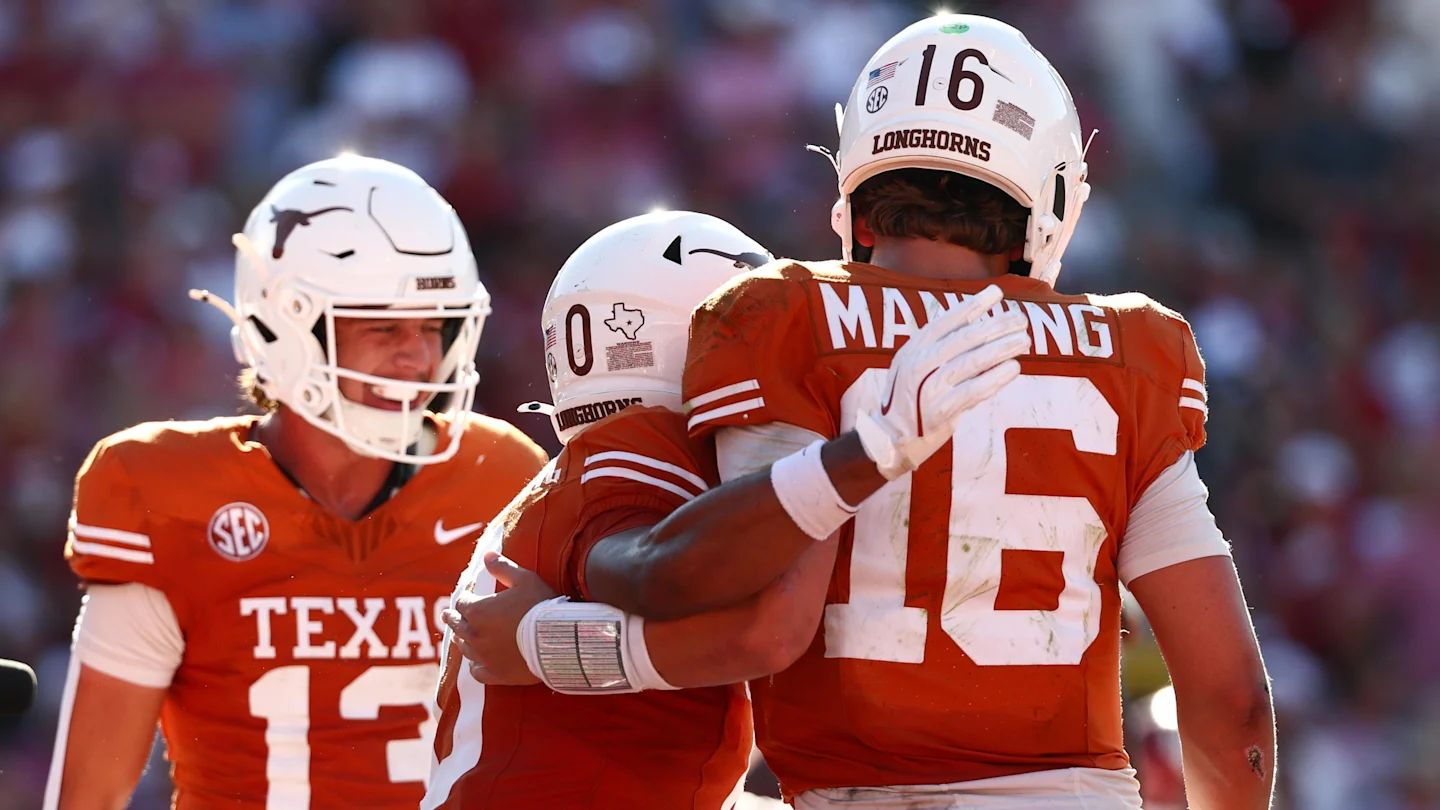
Fortunately – and refreshingly – Texas Longhorns quarterback Arch Manning is taking a different approach.
According to reports from Inside Texas reporter Justin Wells, Manning is set to take a reduced payment from the Longhorns’ 2026 revenue-sharing pool in order to free up money to help his team both retain its own star players, as well as attack the transfer portal to improve the roster for a 2026 championship run.
A Tom Brady-Like Approach From Arch Manning

This move is eerily reminiscent of former NFL superstar Tom Brady, who was famous for taking pay cuts throughout his career in order to help his team acquire players in free agency in hopes of winning a championship.
Dallas Mavericks superstar Dirk Nowitzki also took a similar approach during his time in the NBA, helping Mark Cuban to add firepower to the roster by taking a massive pay cut.
The only difference is that this is college football, and in an era of a ‘look at me and my bank account’ mentality from the vast majority of college football, Manning’s selfless approach is a sight for sore eyes.
Manning Selfless Despite Elite Season
This is especially true considering the fact that Manning deservedly earned a major pay raise in his first season as the starter, completing 227 of 370 passes for 2,942 yards and 24 touchdowns with seven interceptions. He also rushed for 244 yards and led the Longhorns with eight rushing touchdowns, and had a receiving touchdown, accounting for 33 total scores for the season.
And, he was able to do all of that behind a leaky offensive line that ranked 67th in the country in pass blocking grade per PFF, while allowing 159 total pressures and 22 sacks – numbers that could have been much higher if Manning did not have such elite pocket presence and escapability. Not to mention, the offense being encumbered by the worst rushing attack the school had since 1944.
But instead of using that as leverage, like so many other players in the sport, Manning is giving Texas the Brady treatment – allowing them more money to dedicate towards NIL in the transfer portal in hopes of bringing in help to fix the team’s issues up front on the offensive line and in the running game, with potentially multiple additions at the running back spot.
Not to mention, it potentially allows Texas to make some major improvements at wide receiver, linebacker, and defensive back.
His decision also makes it much easier for Texas retain current players on the roster, who have no doubt been receiving tampering-level overtures from other schools and agents.
And it will be made possible in part thanks to a selfless act from Manning, who has now made he desire to win a national championship quite clear.
The college football coaching carousel spins on, but now some of that speculation includes one of the most prestigious positions in the NFL which came open this year, and a rising star in the NCAA is now being connected to the vacancy.
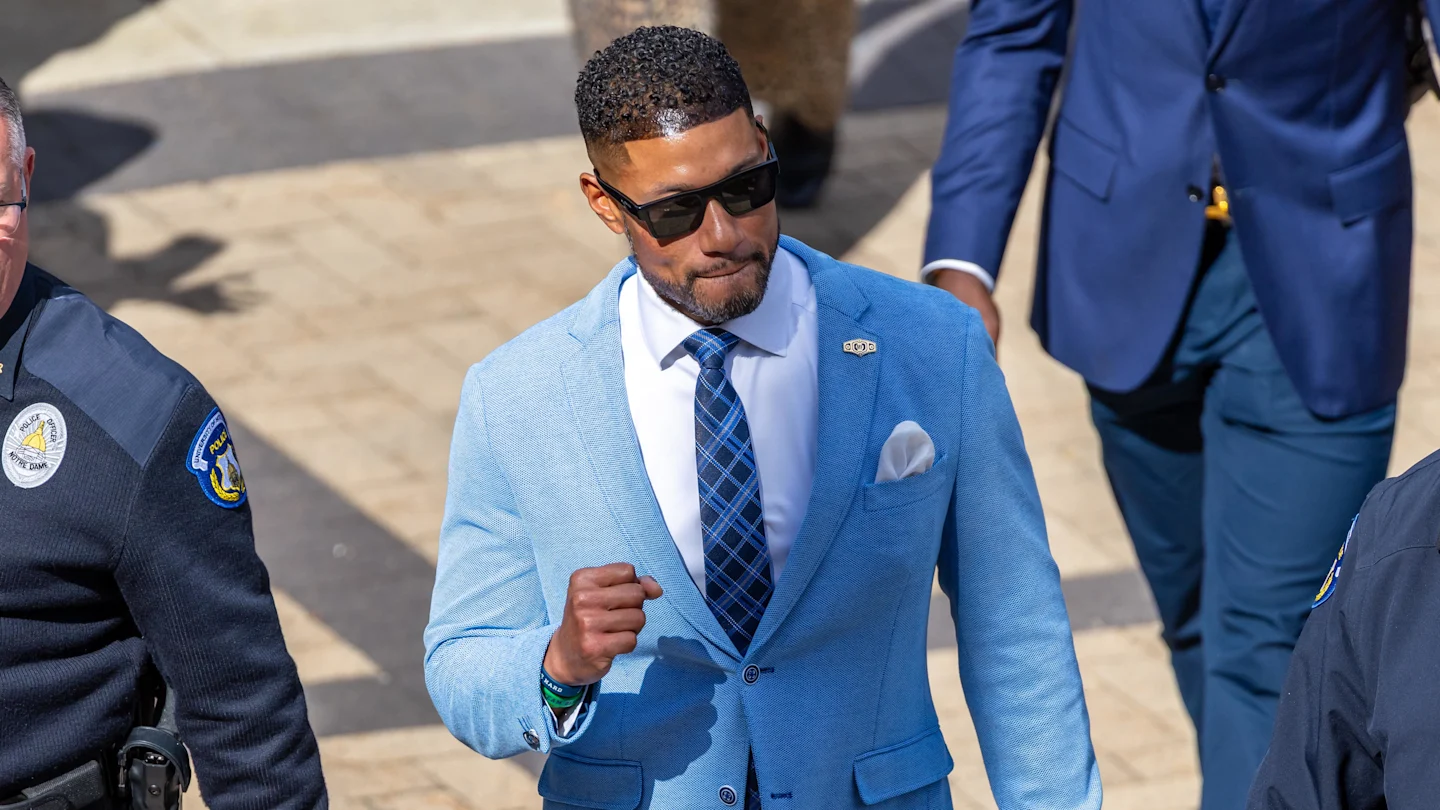
Notre Dame head coach Marcus Freeman is someone who should be considered in contention to become the next coach of the New York Giants franchise, according to college football analyst Josh Pate.
Freeman in play for the Giants?
“I just think Marcus Freeman is gonna be in play for the Giants job,” Pate said during an appearance with Bussin’ With The Boys.
“I think a lot of people in the college football administrative world know that/expect that. The agency world knows that/expects that. Not a done deal. I’m not going Schefter.
“If it’s even a remote possibility, and it certainly is, then that means the Notre Dame job may be open, as well. The coaching cycle is not close to done yet.”
NFL insiders seem to agree
The talk connecting Freeman to the Giants is not just random speculation at this point.
Freeman has also emerged as one of the most prominent names on the shortlist being assembled by the Giants franchise itself, according to The Athletic.
That is something to keep an eye on, as the NFL coaching bonanza is only just getting started, and Freeman is considered one of the best young coaching minds in circulation at any level.
LSU, Penn State, and Florida were all reportedly in communication with Freeman through his representatives when those schools were in the market for a coach, and the Giants could be next.
What Freeman has done at Notre Dame
Freeman has just completed his fourth season at the helm of the Fighting Irish program and boasts a 43-12 overall record, winning more than 78 percent of his games.
Freeman led Notre Dame to a No. 2 national ranking and an appearance in the national championship game against his alma mater a year ago.
His team went 10-2 this season and seemed poised for another berth in the College Football Playoff, before the committee reversed course on Selection Day and left the Irish out of the field, leading the school to decline playing in a bowl game.
What Notre Dame is giving Freeman
Freeman, who will turn 40 next month, signed a contract extension with Notre Dame last year that will lock him in with the school through the 2030 season, but if this carousel has proven anything, it’s that almost any contract can be gotten out of.
Notre Dame is a private school and is not obligated to publish its coaching salaries, but insiders contend his deal pays him $9 million per season and is worth a total of a reported $54 million.
But that raise is already somewhat out of date after Indiana recently inked Curt Cignetti to a new deal that will pay him $11.7 million per season.
The most recent reporting contends that Notre Dame and Freeman have not yet reworked his deal with the school, but that both sides are interested in coming to a new arrangement by the new year.
The faster they do that, the faster they can end talk of his leaving.
Read more from College Football HQ

Record-Breaking PRI Show Sets The Pace For Motorsports Innovation

Jackson, Reilly Take Home AVCA Positional Awards – University of Nebraska

8 Great Reads: Must-Have Motorsports Books

$1.6 million WR makes NIL announcement before College Football Playoff

‘He was an everyman’: NASCAR driver Greg Biffle honored for humility, community service

YSU Collegiate Invitational Presented by Southwoods Health Meet Information

After back-to-back TA championships, Menard is a devoted Trans Am convert

Tahoe-Truckee Unified School District caught up in a dispute over transgender athlete policies

CNBC ranks Top 25 college athletic programs by valuation
Hospital demolition begins at site of Detroit’s new soccer stadium

‘Scott Hancock Court’ Celebrates JV Coach’s 50 Years Building Up Cheboygan Hoops

Youth Sports in Philly Are Uneven — and the Gaps Are Growing

Local tennis star rises to No. 1 in national rankings following tournament win

FC Dallas Foundation and Amazon Partner for Youth Soccer Clinic, Gear Up Project Donation at Whitney Young Elementary

Santa Barbara Volleyball Club Secures County Lease for Dedicated Indoor Facility

First Tee Winter Registration is open

Fargo girl, 13, dies after collapsing during school basketball game – Grand Forks Herald

CPG Brands Like Allegra Are Betting on F1 for the First Time

F1 Las Vegas: Verstappen win, Norris and Piastri DQ tighten 2025 title fight

Sycamores unveil 2026 track and field schedule

Two Pro Volleyball Leagues Serve Up Plans for Minnesota Teams

Utah State Announces 2025-26 Indoor Track & Field Schedule

SoundGear Named Entitlement Sponsor of Spears CARS Tour Southwest Opener

Jo Shimoda Undergoes Back Surgery

Redemption Means First Pro Stock World Championship for Dallas Glenn

Texas volleyball vs Kentucky game score: Live SEC tournament updates

Bowl Projections: ESPN predicts 12-team College Football Playoff bracket, full bowl slate after Week 14

How this startup (and a KC sports icon) turned young players into card-carrying legends overnight

Robert “Bobby” Lewis Hardin, 56
Wisconsin volleyball sweeps Minnesota with ease in ranked rivalry win





-
 Motorsports1 week ago
SoundGear Named Entitlement Sponsor of Spears CARS Tour Southwest Opener
-
 NIL3 weeks ago
Bowl Projections: ESPN predicts 12-team College Football Playoff bracket, full bowl slate after Week 14
-
 Rec Sports3 weeks ago
Robert “Bobby” Lewis Hardin, 56
-
Sports3 weeks ago
Wisconsin volleyball sweeps Minnesota with ease in ranked rivalry win
-

 Motorsports2 weeks ago
Donny Schatz finds new home for 2026, inks full-time deal with CJB Motorsports – InForum
-
 Rec Sports2 weeks ago
How Donald Trump became FIFA’s ‘soccer president’ long before World Cup draw
-

 Motorsports3 weeks ago
Michael Jordan’s fight against NASCAR heads to court, could shake up motorsports
-

 Rec Sports2 weeks ago
Black Bear Revises Recording Policies After Rulebook Language Surfaces via Lever
-
 Sports3 weeks ago
Men’s and Women’s Track and Field Release 2026 Indoor Schedule with Opener Slated for December 6 at Home
-
 Rec Sports2 weeks ago
David Blitzer, Harris Blitzer Sports & Entertainment