



CHARLOTTE, N.C. — The trial that was destined to upend the sport of stock car racing and reimagine NASCAR’s model of business concluded with a sudden settlement on Thursday morning — and left one of the world’s most iconic sports figures smiling.
On the steps of the U.S. District Court of the Western District of North Carolina in uptown Charlotte, the site of numerous acrimonious proceedings the past two weeks and over the lawsuit’s 14 months, 23XI Racing’s principal owner Michael Jordan said a lot with just a few words.
“I’ve said this from Day One, the only way this sport’s going to grow is if we find some synergy between the two entities,” said Jordan, who was encircled by media, high-profile NASCAR executives, team owners and members of all legal teams.
To his immediate right was his longtime business partner, Curtis Polk, and to his immediate left was CEO and chairman of NASCAR Jim France. The three of them were at the center of the lawsuit and then ensuing trial that threatened to tear the largest American motorsport apart. The Cup teams sued NASCAR in October 2024 on the grounds that the private company was an unlawful monopoly — one that used anti-competitive practices to strengthen itself and weaken the teams.
“We’ve gotten to that point,” Jordan continued, referencing the “synergy” he and his stakeholders desired with NASCAR. “Unfortunately it took 16 months to get here. But level heads got us to this point to where we can actually work together and grow this sport. I’m very proud of that. And I think Jim feels the same.”
Jordan announced this triumph nearly 20 minutes after District Judge Kenneth Bell summoned the attention of the Potter Courtroom and told the nine-member jury that the antitrust case pitting two Cup Series teams against the sanctioning body had been settled.
Bell, at the conclusion of reading the settlement papers, said that he was pleased with the result — adding that such a resolution is “great for the entity of NASCAR” and that most importantly, “it will be great for the fans.”
Added Bell: “Sometimes the parties just have to see how the evidence unfolds to come to the wisdom of a settlement.”
Full details of the settlement weren’t disclosed by attorneys in or out of court Thursday. In a statement, NASCAR noted that the “financial terms of the settlement are confidential and will not be released.” The teams asked the court for $367 million; NASCAR contested that number with its own expert, who provided testimony Wednesday.
This said, the plaintiffs’ lead attorney, Jeffrey Kessler, told reporters that as a result of the deal, each Cup Series team with charters will have their charters be “permanent,” or evergreen — a massive win for the teams.
“We are delighted to tell the world of NASCAR and its fans that this case has been settled,” Kessler said. “We believe it’s a settlement that’s going to grow this sport, that’s going to be great for the teams and NASCAR, but most importantly, for the fans.
“This case was filed 15 months ago. It was never just about 23XI. It was never just about Front Row. It was about trying to do something that was great for everyone. And as part of this deal, we are going to have evergreen charters. They are going to be available for everyone.”
Representation on both sides — as well as Judge Bell — wanted the case to be resolved before trial began Dec. 1. But as the trial approached, both plaintiff and defendant sources indicated that a mid-trial settlement was unlikely. That changed Thursday, when the court broke for a nearly two-hour long recess as the two sides brokered a deal.
Once court concluded Thursday, several key stakeholders in the case met and shook hands. That included Jordan, Kessler, members of the France family, France Enterprise’s attorney John E. Stephenson, lead NASCAR attorneys Chris Yates and Lawrence Buterman, and others.
As for the sides’ sudden and collective change of heart?
“Level heads,” Jordan offered, a smile peeking through. “In all honesty, sometimes when you get to the finish line, you have to think not just for yourself but for the sport as a whole. I think both parties got to that point, we realized we got the opportunity to settle this, we dove in, and we actually did it.”
Added France: “We can get back to focusing on what we really love, which is racing. We’ve spent a lot of time not really focused on that so much. Not as much as we need to be. I feel like we’ve made a very good decision here, together, and we have a big opportunity to continue growing the sport.”
The controversial charter agreement, and an end to NASCAR’s long legal battle
The antitrust trial that had taken place over the past nine weekdays rehashed many of the arguments and counter-arguments that the ardent follower might’ve expected.
The Cup teams explained to the jury that NASCAR “locked up” many of the tracks with exclusivity agreements that prevented other premier stock car racing series from entering the sport. The teams also asserted that NASCAR’s unilateral institution of the Next Gen car — a vehicle of which the teams need to buy parts from a NASCAR-approved supplier — was anti-competitive and more specifically forced costs to rise, a fact NASCAR executives fervently disagreed with.
The main discussion point, however, concerned the 2025 charter agreement. This document that defined NASCAR’s model of business, as well as the years of negotiations leading up to its implementation, was not merely a source of tension throughout the industry but was the catalyst that ultimately led to the teams’ lawsuit.
In other words: Telling the story of the agreement goes a long way in telling the story of the legal battle.
The tale begins in 2016. That’s when NASCAR, at the behest of its Cup teams, established the charter system. Charters can be understood by being compared to “franchises.” Just like the Carolina Panthers are owned by David Tepper but belong to the NFL, 23XI Racing is owned by Jordan and Hamlin but belong to NASCAR.
Owning one of the Cup Series’ 36 charters essentially awards an asset to the teams — ones that appreciate and depreciate as the sport fares over time. Charters over the past decade have largely ballooned in enterprise value, and teams have made capital gains by selling them — to the tune of tens of millions of dollars. 23XI purchased their third charter earlier this year for approximately $28 million, for instance.
The advent of the charter system was universally applauded. After all, charter members were awarded certain benefits. Among them: chartered teams were guaranteed entry into every Cup race and thus were guaranteed a slice of each race’s purse. This was a big step forward from the previous system where every team each ran as “open” teams — and had to qualify for every race, every weekend.
But come 2023, the Cup teams approached NASCAR executives and told them that the sport’s economic model was broken. The teams said they were too reliant on sponsorships and didn’t have enough streams of revenue to put together a sustainable business — and with the 2016 deal expiring ahead of the 2025 season, teams pushed to have those needs addressed.
The main solution teams lobbied for was the institution of permanent, or “evergreen,” charters, ones that can’t be taken away every handful of years when the current charter agreement was up. The teams, as several owners testified in court over the past two weeks, wanted “a legitimate partnership” with NASCAR as opposed to the contractor-to-employer relationship they navigated now, they said.
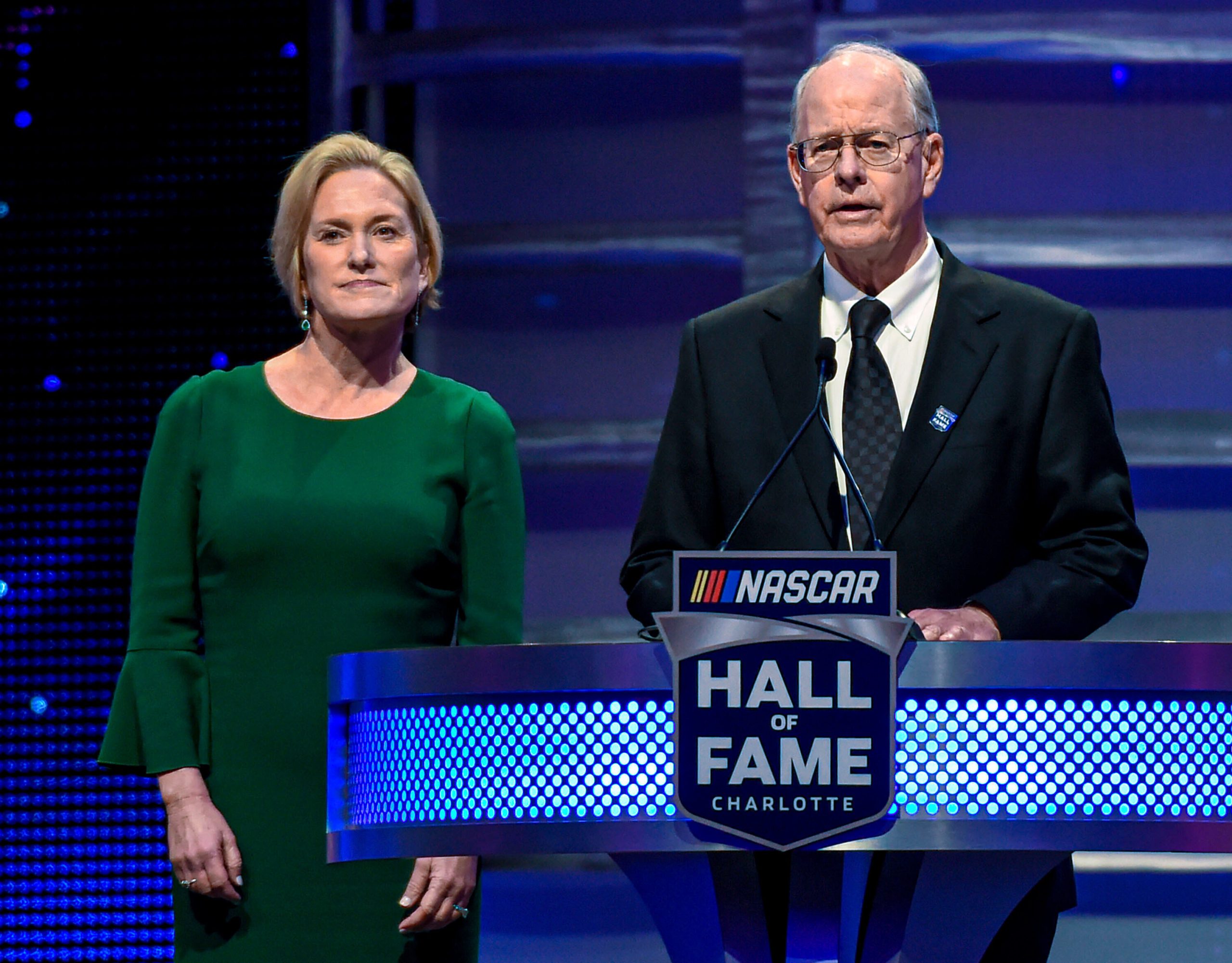
NASCAR saw it differently. Jim France, son of Bill France Sr. who founded the auto racing series in 1948, testified earlier this week that he felt it was not prudent to commit to anything for such a long time.
“I don’t know how you can set anything in this changing world as permanent,” France testified. “There are more than just teams that are involved in this sport.”
The 2025 charter agreement was ultimately put in front of teams in September 2024. Thirteen of the 15 teams signed, though multiple owners who signed testified that they felt like they had no recourse given the fact that NASCAR was the only purchaser of their services as a premier stock car racing team — a “monopsony,” in other words.
The two teams that didn’t sign — 23XI and FRM — ended up suing the sport and sparking a long legal battle that culminated into the trial that concluded with a settlement Thursday.
The plaintiff race teams did not have their trial for the final 16 races of the 2025 season. They raced “open,” as required by a ruling in September. That has been rectified, too, as a result of the settlement, according to Kessler.
“As part of today’s resolution, 23XI’s and Front Row Motorsports’ charters have been returned for the 2026 season,” Kessler wrote in a statement.
Statements from NASCAR, 23XI Racing, Front Row Motorsports, Jim France
Here are the written statements of many of the prominent stakeholders in the trial.
— From NASCAR: “This resolution reflects our shared commitment to maintaining a fair and equitable framework for long-term participation in America’s premier motorsport, one that supports teams, partners and stakeholders while ensuring fans enjoy uninterrupted access to the best racing in the world. The agreement allows all parties to move forward with a unified focus on advancing stock car racing and delivering exceptional competition for our fans. …
“As a condition of the settlement agreement, NASCAR will issue an amendment to existing charter holders detailing the updated terms for signature, which will include a form of “evergreen” charters, subject to mutual agreement. The financial terms of the settlement are confidential and will not be released.”
— From Michael Jordan: “From the beginning, this lawsuit was about progress. It was about making sure our sport evolves in a way that supports everyone: teams, drivers, partners, employees and fans. With a foundation to build equity and invest in the future and a stronger voice in the decisions ahead, we now have the chance to grow together and make the sport even better for generations to come. I’m excited to watch our teams get back on the track and compete hard in 2026.”
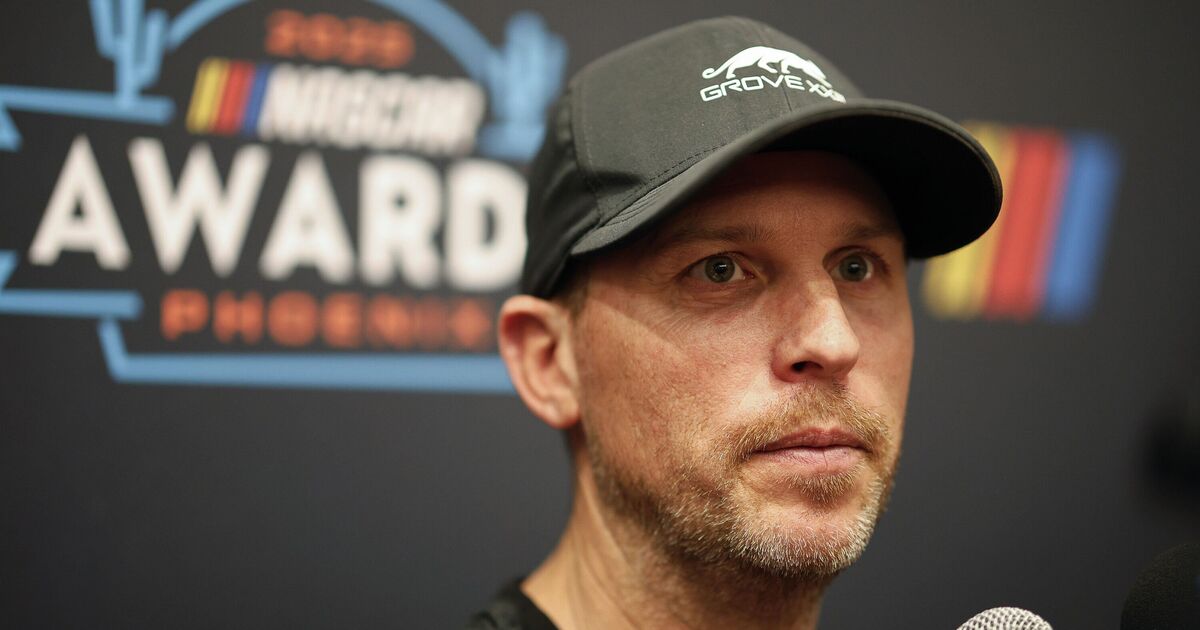
— From Denny Hamlin: “I’ve cared deeply about the sport of NASCAR my entire life. Racing is all I’ve ever known, and this sport shaped who I am. That’s why we were willing to shoulder the challenges that came with taking this stand. We believed it was worth fighting for a stronger and more sustainable future for everyone in the industry. Teams, drivers, and partners will now have the stability and opportunity they deserve. Our commitment to the fans and to the entire NASCAR community has never been stronger. I’m proud of what we’ve accomplished, and now it is time to move forward together and build the stronger future this sport deserves.”
— From Bob Jenkins, owner of Front Row Motorsports: “After more than 20 years in this sport, today gives me real confidence in where we’re headed. I love this sport, and it was clear we needed a system that treated our teams, drivers, and sponsors fairly and kept the competition strong. With this change, we can finally build long-term value and have a real voice in NASCAR’s future. I’m excited for the road ahead — for the people in the garage, the folks in the stands, and everyone who loves this sport.”
— From Jim France: “This outcome gives all parties the flexibility and confidence to continue delivering unforgettable racing moments for our fans, which has always been our highest priority since the sport was founded in 1948. We worked closely with race teams and tracks to create the NASCAR charter system in 2016, and it has proven invaluable to their operations and to the quality of racing across the Cup Series. Today’s agreement reaffirms our commitment to preserving and enhancing that value, ensuring our fans continue to enjoy the very best of stock car racing for generations to come. We are excited to return the collective focus of our sport, teams and racetracks toward an incredible 78th season that begins with the Daytona 500 on Sunday, Feb. 15, 2026.”
©2025 The Charlotte Observer. Visit charlotteobserver.com. Distributed by Tribune Content Agency, LLC.