Connect with us
https://yoursportsnation.com/wp-content/uploads/2025/07/call-to-1.png

Motorsports

From Bootleggers to Broadcasts: NASCAR’s Journey to American Icon – Speedway Digest

Published

on


NASCAR’s rise to become perhaps the most popular auto racing series in the United States is a fascinating story, a mixture of grassroots culture, smart promotion, and deep connection to American identity. It didn’t start as a global or glamorous sport but rather from humble roots, which gave it broad appeal and authenticity. Some fans even balance their racing passion with modern digital pastimes, using platforms like casino sans vérification to unwind between race weekends. Over decades, NASCAR grew into a national institution, drawing millions of fans to both the track and their living rooms.

The origins: Moonshine, Bootlegging, and Bill France Sr.

The origins of NASCAR are deeply tied to the Prohibition era in the American South. During the 1920s and 1930s, “bootleggers” running illegal liquor needed fast, reliable cars to evade law enforcement. These drivers modified ordinary vehicles, making them quicker and more powerful, sowing the seeds for organized stock car racing. Bill France Sr., a mechanic and gas-station owner, recognized this culture’s potential for legitimate sport and in 1947 convened a meeting at Daytona Beach to form a governing body. That meeting led to the founding of NASCAR in early 1948.

By hosting a series of meetings at the Streamline Hotel in Daytona Beach, France and other founders established the first rules, national point system, and organizational structure. His vision was not just regional racing but a nationally respected sport, and he was willing to build infrastructure, like superspeedways to make that happen.

Building the spectacle: tracks, television & star power

In the early years, NASCAR relied on dirt tracks and small speedways. But it quickly transitioned to large paved ovals, culminating in the construction of the Daytona International Speedway in 1959. The first Daytona 500 later that year became a marquee event, drawing huge interest and helping elevate NASCAR’s profile.

Part of NASCAR’s rise was the emergence of iconic drivers like Richard Petty, Dale Earnhardt, and other larger-than-life personalities. Their stories, rivalries, and personalities captured the public’s imagination and brought fans to the grandstands. Around the 1970s and 1980s, corporate sponsors and television deals exploded, turning NASCAR into a commercially powerful sport. The 1979 Daytona 500, broadcast live from start to finish, is often cited as a turning point in mainstream popularity.

The culture factor: why NASCAR resonated

One reason NASCAR soared in popularity is its strong cultural ties to everyday American life. Unlike formula or open-wheel racing, stock cars resembled the vehicles people drove daily. That connection made the sport more relatable. The drivers themselves often came from humble beginnings, reinforcing the idea that success on the track was accessible to anyone with skill and determination.

The southern roots of NASCAR helped build a passionate regional fan base, with loyal communities gathering at tracks and tailgating on race weekends. These traditions evolved into massive spectator events. NASCAR’s business model also prioritized safety, spectacle, and competition, helping sustain fan loyalty as the sport matured.

What fueled NASCAR’s peak popularity

At its height in the late 1990s and early 2000s, NASCAR reached extraordinary popularity. It was recognized as a major national sport, with strong television viewership, packed grandstands, and sponsorship deals from major corporations. Many tracks routinely had attendance estimates of 100,000 or more. Investments in bigger, faster tracks, improved car safety, and competitive formats made races must-see events.

Fan culture expanded rapidly during this period. Merchandise sales, driver endorsements, and growing media coverage made NASCAR a mainstream entertainment product. Meanwhile, the organization’s leaders maintained a tight structure that allowed the sport to evolve without losing its identity.

Decline, resurgence, and modern challenges

Despite its earlier growth, NASCAR has faced significant challenges. Attendance at tracks has declined from historic highs, with estimates now ranging between 2 million and 3.6 million annual spectators. Rising ticket prices, changing consumer habits, and the growth of digital entertainment have all played a role in shrinking live audiences.

Critics point to the sport’s attempts to modernize, such as removing seats or altering its race formats as possible contributors to fan dissatisfaction. Others argue that NASCAR began to lose some of its regional identity when it expanded too quickly into new markets. Regardless, the sport continues to adjust its strategy by introducing new race formats, urban street races, and marketing aimed at younger audiences. Some events in recent seasons have reported renewed attendance, suggesting signs of recovery.

Why NASCAR became the most popular among auto racing fans

  1. Accessible cars and relatable drivers
    Stock cars provided an immediate connection to everyday life. The vehicles looked familiar, and many drivers came from modest backgrounds, making fans feel represented.
  2. Strong leadership and strategic promotion
    Bill France Sr.’s organizational structure, investment in infrastructure, and consistent leadership built NASCAR into a national brand. Corporate sponsorships and major broadcast deals later helped the sport reach millions of households.
  3. Cultural roots and community traditions
    NASCAR’s origins in southern culture fostered a loyal fan base. Race weekends became community gatherings with camping, tailgating, and family traditions that extended beyond the track.
  4. Exciting spectacle and close competition
    From high-speed drafting to photo finishes, NASCAR’s racing style delivered constant excitement. Events like the Daytona 500 became cultural benchmarks.
  5. Effective media exposure
    Televised races dramatically expanded NASCAR’s reach. The sport benefited from narrative storytelling around its star drivers, rivalries, and dramatic races.

Recent popularity trends and NASCAR’s position today

NASCAR still commands a significant and passionate fan base. While live attendance is lower than at its peak, televised races, streaming access, and digital content help maintain the sport’s cultural relevance. The emergence of new race formats and the effort to enter major metropolitan markets have brought fresh attention to NASCAR. The sport now focuses heavily on blending tradition with innovation to stay competitive in a crowded entertainment landscape.

Why some fans turn to digital entertainment alongside racing

While NASCAR’s core appeal remains strong, modern fans often incorporate digital entertainment into their weekend routines. Some enjoy online gaming, streaming platforms, or browsing informational sites to stay entertained between races. This shift reflects broader cultural changes, where digital platforms coexist with traditional sports. For example, some fans might visit CasinoOnlineCA when they are not watching live events, showing how diverse entertainment forms now complement sports fandom.

NASCAR’s rise from bootlegging roots to becoming the most popular form of auto racing in America is a testament to its authenticity, strategic growth, and cultural resonance. What began as rural, informal competitions evolved into a professional sport with millions of fans and a nationwide presence. Despite challenges in recent years, NASCAR remains a deeply rooted tradition that continues to adapt to changing times.

Its popularity comes from many factors: relatable cars, charismatic drivers, compelling races, strong leadership, and unwavering fan traditions. As NASCAR evolves, its connection to community and heritage remains at the heart of its identity. Whether at the track, on television, or through digital communities, NASCAR continues to capture the imagination of millions and remains a defining part of American motorsport culture.


Link

Continue Reading
Click to comment

Leave a Reply

Your email address will not be published. Required fields are marked *

Motorsports

The Quail, A Motorsports Gathering To Celebrate the World’s Most Iconic Vehicles

Published

on


The Quail, A Motorsports Gathering returns to Monterey Car Week Aug. 14, 2026, to celebrate the world’s most iconic automotive brands and historic vehicles, company officials stated in a press release. The event will showcase four featured classes and an exclusive collector series. The 23rd annual event will also include more than a dozen vehicle debuts from top OEMs and designers and a curated display of hundreds of rare and unique vehicles.

Four celebrated classes will take center stage at next year’s event: The 100th Anniversary of Route 66, The Lamborghini Diablo, The Legacy of Japanese GTs, and The Ferrari F40.

The 100th Anniversary of Route 66

Spanning nearly 2,500 miles from Chicago to Santa Monica, Route 66 symbolizes freedom, adventure and the enduring spirit of the American road trip, noted the release. This special featured class will pay tribute to the highway’s cultural impact through a curated lineup of classic vehicles that once traveled America’s “Mother Road,” each honoring Route 66’s role in shaping American automotive history and inspiring generations of travelers.

The Lamborghini Diablo

The Lamborghini Diablo featured class will celebrate the “poster car” of the 1990s. Lamborghini’s first model capable of exceeding 200 mph and a former holder of the world’s fastest production car title, the Diablo stands as an icon of futuristic design and breakthrough engineering, solidifying Lamborghini’s standing as a trailblazer in modern supercar performance, event organizers said. The class will include Diablo examples, highlighting rare specifications and limited-production editions.

The Legacy of Japanese GTs

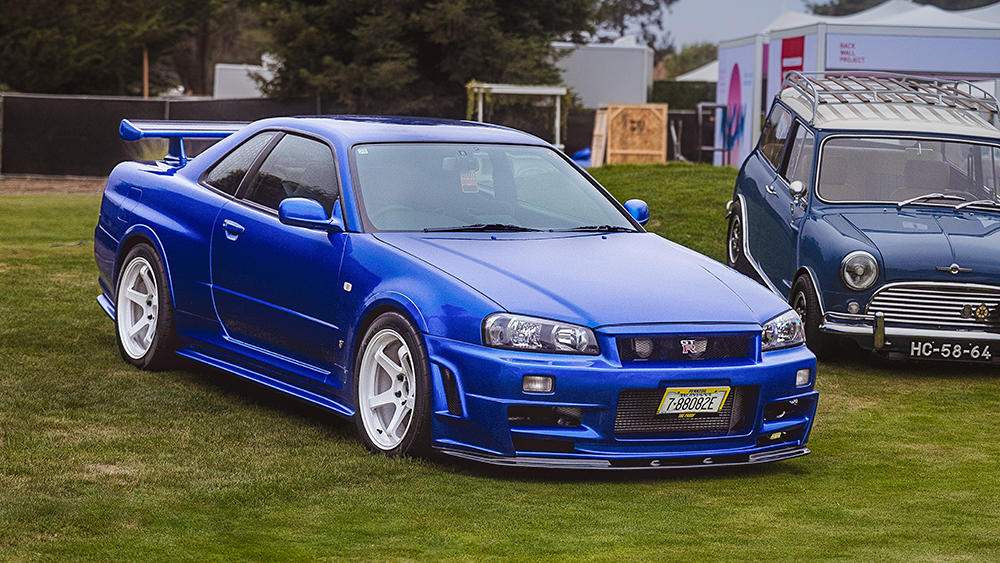
Celebrating the legacy of Japanese automotive craftsmanship, the artistry of customizable styling and advanced technology, The Legacy of Japanese GTs class will showcase a selection of the most influential and sought-after models. Famous for their distinctive blend of performance, precision and tunability, Japanese GTs have earned a devoted following among enthusiasts worldwide.

The Ferrari F40

The Quail, A Motorsports Gathering will honor an iconic Ferrari model for the second consecutive year with The Ferrari F40 featured class. Celebrated as one of the most iconic supercars ever built and introduced in 1987 to commemorate Ferrari’s 40th anniversary, the F40 was the final Ferrari model to be personally approved by Enzo Ferrari. This class will highlight the raw performance and engineering excellence that continue to define Ferrari’s legacy.

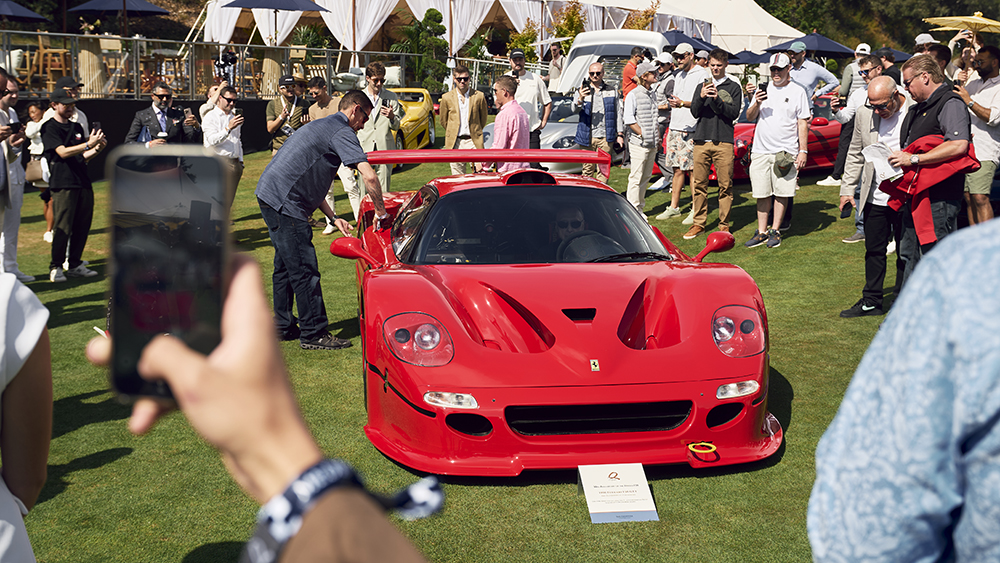
Ferrari F50 GT
Ferrari F50 GT. (Photo courtesy The Quail)

The Bruce Meyer Collection

The Quail will also introduce an all-new collector series that will highlight unique collections from renowned collectors and enthusiasts. Among them, Bruce Meyer is widely recognized as one of the most passionate and influential car collectors in the hot rod and classic car spaces. Driven by his signature mantra, “never lift,” Meyer has assembled one of the finest private collections of Le Mans-winning race cars, Bonneville land speed cars, trend-setting hot rods and many other cars and motorcycles of historical significance. The Bruce Meyer Collection will present an exclusive selection that reflects his profound appreciation for the automotive hobby.

Timeless Craftsmanship & Heritage Will Be on Display at The Quail

“Our new featured classes, alongside the debut of the collector series, are propelling The Quail into an exciting new era,” said Gordon McCall, director of motorsports at The Quail. “Collectively, they showcase emerging technologies and design philosophies, while upholding the timeless craftsmanship and heritage that have been at the heart of this event for more than two decades.”

The Quail, A Motorsports Gathering will also include eight returning traditional classes, including Custom Coachwork, Pre-War Sports and Racing Cars, Post-War Sports Cars 1945-60, Post-War Sports Cars 1961-75, Post-War Racing Cars, Sports and Racing Motorcycles, Evolution of the Supercar and The Great Ferraris.

The vehicle entrant application is currently open.


Link

Continue Reading

Motorsports

Page Not Found | THE SHOP

Published

on


Page Not Found | THE SHOP


Oops! That page can’t be found.

It seems we can’t find what you’re looking for. Perhaps searching can help.


Back to top button


Link

Continue Reading

Motorsports

Business Leader and Former NASCAR Team Marketing Executive Tony Priscaro Releases His New Book Still Standing, A Real-World Guide to Building Credibility When the Stakes Are High – Speedway Digest

Published

on


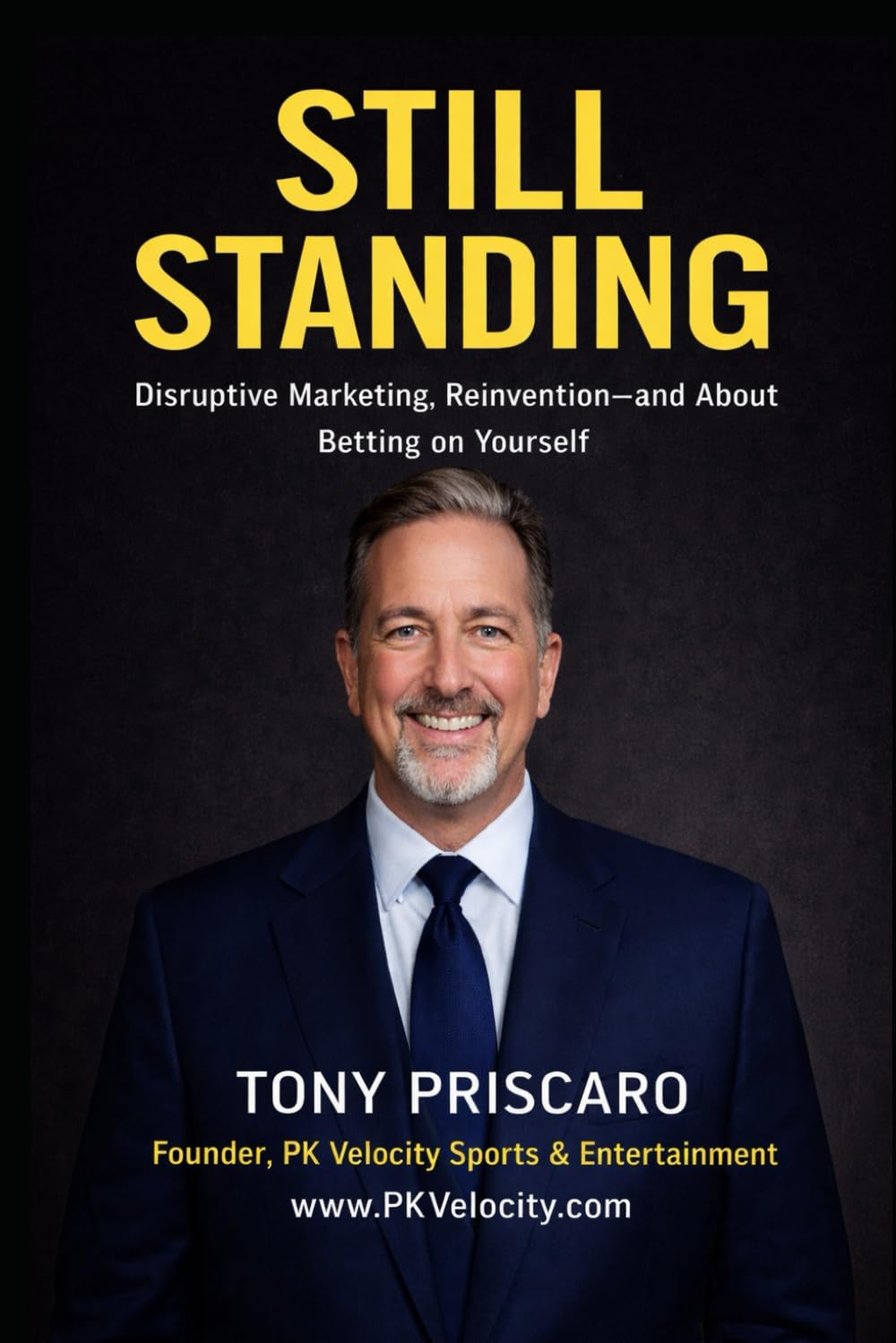
Tony Priscaro, founder of PK Velocity Sports & Entertainment and a veteran sports marketing executive, has released his debut book, Still Standing, now available on Amazon and Kindle. The book delivers a candid, practical look at leadership, resilience, and value creation drawn from decades operating at the intersection of professional sports and business.

Unlike traditional business books rooted in theory, Still Standing is built on real-world execution—closing high-stakes deals, navigating career pivots, managing risk, and rebuilding momentum when circumstances collapse.

“This isn’t a book about success,” said Priscaro. “It’s about what happens between success—the pressure, the setbacks, the moments where quitting feels logical but staying the course matters most.”

Priscaro’s career spans professional sports marketing, NASCAR sponsorship strategy, corporate partnerships, and brand development. In Still Standing, he translates lessons learned in high-pressure sports environments into actionable insights for business leaders, entrepreneurs, and sales professionals.

“In sports, there’s no room for excuses,” Priscaro said. “You either deliver or you don’t. That same reality exists in business—especially when trust, reputation, and credibility are on the line.”

A Business Book Disguised as a Story

While the book draws on experiences from NASCAR, professional basketball, and national brand partnerships, Still Standing is ultimately about business fundamentals: decision-making under uncertainty, earning trust without credentials, and creating value when resources are limited.

“Brands don’t care where you went to school,” Priscaro noted. “They care if you can reduce risk, execute consistently, and deliver results. That lesson applies to every industry.”

The book has already begun resonating with professionals navigating career transitions, leadership challenges, and entrepreneurial risk.

Supporting Speaking & Executive Engagements

The release of Still Standing coincides with Priscaro’s expanded focus on executive speaking engagements and business workshops. His talks center on leadership under pressure, credibility over credentials, and what professional sports reveal about how decisions are really made in business.

“I didn’t write this book to sell books,” said Priscaro. “I wrote it to start conversations—with leaders, teams, and organizations that want to perform when the stakes are real.”

Tony Priscaro PR


Link

Continue Reading

Motorsports

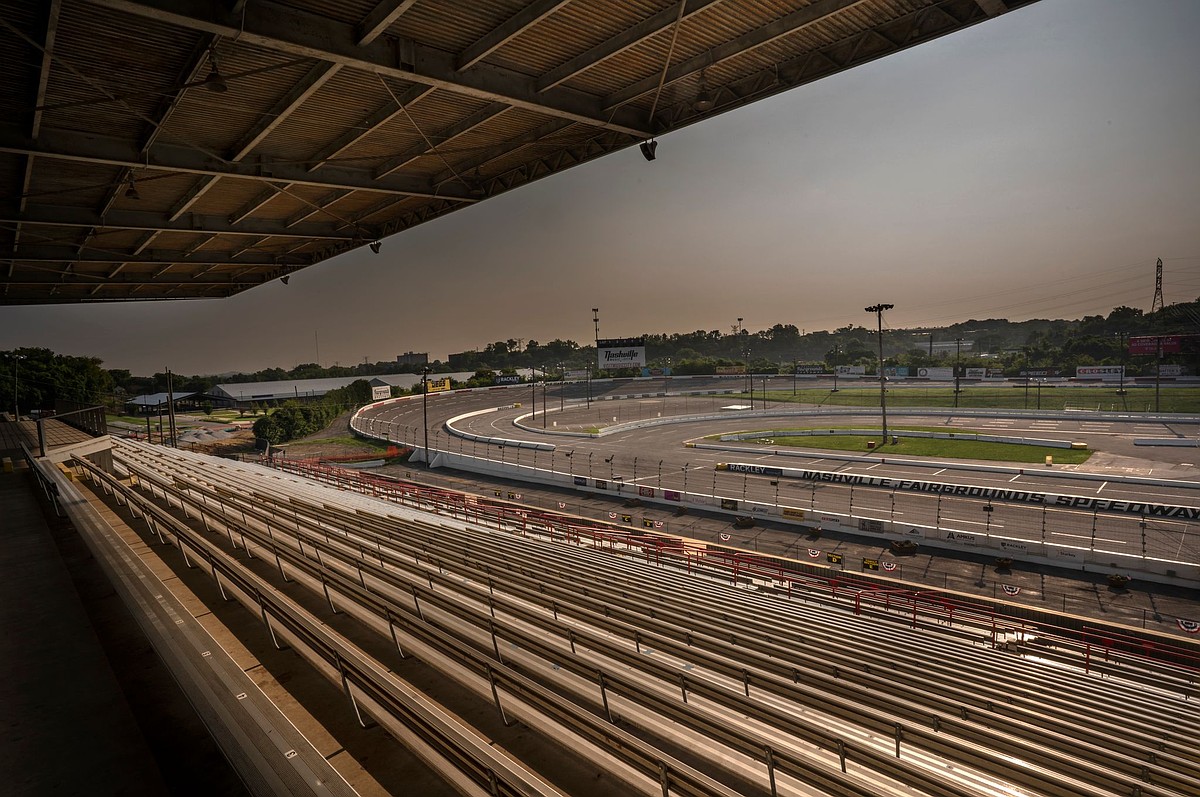
Nashville fairgrounds group petitions against NASCAR-type racing

Published

on


A coalition dubbed Restore Our Fairgrounds is calling for a voter referendum to block NASCAR-style racing in favor of affordable housing and green space at the Fairgrounds in South Nashville, the latest measure in a two-decade effort to strip auto racing from the property.

The group said it filed paperwork recently with the metro clerk to start a charter amendment ending auto racing at the Metro Nashville Fairgrounds amid rumors about Mayor Freddie O’Connell and Speedway Motorsports negotiating a deal for NASCAR-type expansion.

The group says resumption of car races would hurt local taxpayers and cause more traffic and noise.

If successful, the amendment would undo a 2011 referendum that amended the charter to protect existing uses of the fairgrounds, including auto racing. The measure passed with 72% of voters approving it.

Metro Nashville voters would have to vote in favor of a referendum to end racing at the fairgrounds, which was home to different types of racing for more than 100 years.

The group supports the preservation of green space, development of affordable housing and improvements to nearby Brown’s Creek, a tributary to Cumberland River on the federal list of polluted waterways.

Multiple Nashville groups, such as the Belmont-Hillsboro Neighbors, Nashville Organized for Action and Hope Economic Equity, Jobs & Transportation Task Force and South Nashville Action People are part of the coalition.

Mike Kopp, cofounder of Fairgrounds Preservation Partners, is among those signing the petition, along with Metro Council member Terry Vo; Heidi Basgall Favorite, founder of Neighbors Opposing Track Expansion; and Jose Gonzales, cofounder of Conexion Americas.

Read more at TennesseeLookout.com.

Comments


Link

Continue Reading

Motorsports

VanDoren, Janisch Lead PA Drivers Hoping For Another Allentown Indoor Racing Series Victory – Speedway Digest

Published

on


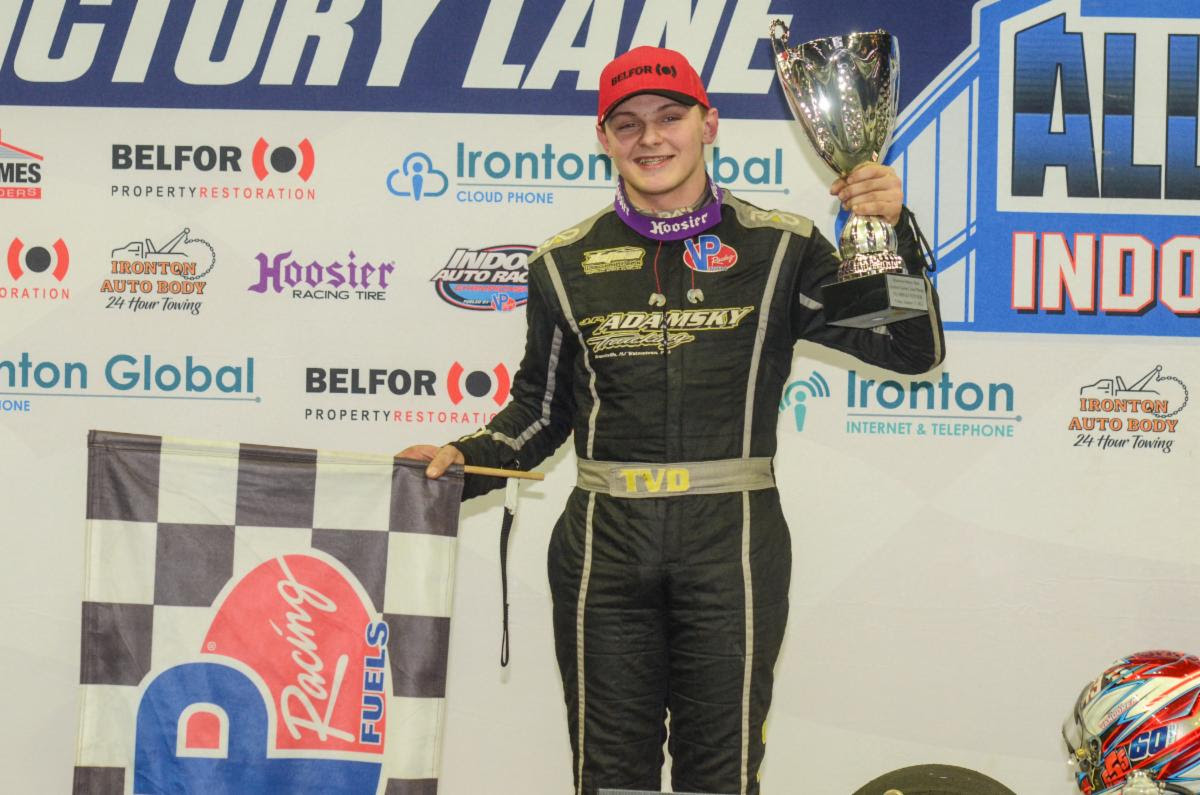
In 15 TQ Midget races contested inside the PPL Center over the past nine years, a Pennsylvania driver has visited Victory Lane just twice. Young standout Tanner VanDoren of Slatington and veteran Matt Janisch of Wind Gap are hoping to become the first Keystone State drivers to score multiple Allentown Indoor Racing Series victories when the Ironton Global Races return on Friday and Saturday, January 9 and 10.

A total of 13 drivers from Pennsylvania are entered, and they’ll have two chances to win a feature. On Friday, the headline TQ Midgets will compete in a 30-lap feature, and on Saturday, the distance will be 40 laps. It won’t be easy with drivers entered from eight different states with many different forms of motorsports racing experience.

Ryan Flores remains the undisputed king of Allentown. The Huntersville, N.C. driver and New Jersey native has captured seven victories at the PPL Center. New York drivers account for five wins, led by Erick Rudolph—the only other repeat winner—along with Justin Bonsignore, Scott Kreutter, and Andy Jankowiak, who will be seeking his second Allentown triumph.

Since winning in his Friday-night Indoor Series debut at Allentown in 2024, VanDoren has been a contender in nearly every race he’s entered while driving for car owner Jeff Ulrich. Tragically, Ulrich was struck by a vehicle and killed while crossing a street last February.

New Jersey’s Anthony Sesley, a four-time Gambler’s Classic winner in Atlantic City, earned his lone Allentown victory in 2023, driving for Ulrich. It was Sesley who arranged for VanDoren to serve as his test driver in Allentown the following season, and the two have been teammates in the Indoor Series TQ Midgets ever since. Following Ulrich’s passing, Sesley acquired the team’s two race cars to continue Ulrich’s legacy.

At Allentown, Sesley will not compete as a driver, instead focusing solely on VanDoren’s efforts as crew chief. After gaining speed through two Allentown events without Ulrich, Sesley will return to the cockpit as VanDoren’s teammate at the Atlantic City Indoor Race on January 30 and 31.

Allentown native Briggs Danner could bring the house down if he captures his first Indoor Series victory on his home turf. A frequent contender in past seasons, Danner is banking on speed found last year with a new TQ Midget built by Kevin Graver to finally seal the deal and become the third driver from his state to win in Allentown’s ten-year history.

Danner will have a new teammate in 16-year-old Logan Watt of Boyertown, who stormed onto the Modified racing scene during his rookie season in 2025. Although Watt has never driven a TQ Midget, the proven Graver-Danner setup could make him fast right out of the gate—much like VanDoren, who won in his Indoor debut at age 16 in 2024.

Tim Buckwalter of Royersford, a former Indoor Series Atlantic City Gambler’s Classic winner, hopes to score an Allentown victory in front of his home-state fans, driving for a new team assembled by legendary racer Lou Cicconi.

Ryan Smith, coming off a strong outdoor season in 410 Sprint Cars, returns to TQ Midget competition in George VanVarick’s No. 43. After resolving mechanical issues last season, Smith found speed in Atlantic City last January and hopes to carry that momentum into Allentown.

Matt Roselli of Brodheadsville, Pa.—a past preliminary-night Triple 20 winner in Allentown—returns in the radical Laffler-built TQ Midget featuring a right-side-mounted engine that debuted last season. Chad Jones of Quakertown, Pa., who designed and built a brand-new TQ Midget from the ground up last year, looks to iron out the remaining issues and take a step forward.

Kyle Lick of Lehighton, who finished seventh in the standings last year, is another driver knocking on the door of his first Indoor TQ Midget series win. Pennsburg car owner Matt Chowns returns with a two-car effort, including John Barnett in the second entry.

Jesse Strohl, a 24-year-old asphalt Modified driver from Slatington, will make his TQ Midget debut. Strohl comes from deep racing roots, with his grandfather, Marvin Bartholomew, and father, Lou Strohl, longtime competitors at Mahoning Valley and Evergreen Speedways.

Drivers will again have the opportunity to claim the Ironton Auto Body Challenge by winning both feature races in Allentown. Friday’s winner will be offered a guaranteed starting spot in Saturday’s main event—provided they start tenth. Accepting the challenge earns a $1,000 bonus, with an additional $4,000 awarded if they advance from tenth to win. Combined with Saturday’s purse, a weekend sweep would total $10,000.

If the challenge is not completed, Ironton Auto Body will roll over a portion of the bonus to the Atlantic City Indoor Race. Flores accomplished the feat last season at the NAPA Gambler’s Classic, earning $10,000, including challenge bonus money and support from the Atlantic City Sports Commission and Visit Atlantic City.

Friday night will also feature the Will Cagle Shootout, sponsored by Ricky Harring, showcasing the top 10 qualifiers in a 15-lap dash where drivers choose their starting positions. The pole pays $240 to win, with payouts increasing by $120 per position. A driver winning from tenth would earn $1,320.

The headline TQ Midget division will be joined by Slingshots and Champ Karts, with full programs for all three classes. Champ Kart teams will arrive from 12 states and Ontario, Canada, while Slingshot competitors will represent Pennsylvania, New York, New Jersey, and Quebec.

Lower-level reserved ticket holders for Saturday night receive access to a pre-race FanFest, allowing fans to walk the track and meet drivers and teams prior to the 7 p.m. green flag.

Tickets are available through a Ticketmaster link at IndoorAutoRacing.com or at the box office on the day of the events. Check the website for more information.

Indoor Auto Racing PR



Link

Continue Reading

Motorsports

Page Not Found | THE SHOP

Published

on


Page Not Found | THE SHOP


Oops! That page can’t be found.

It seems we can’t find what you’re looking for. Perhaps searching can help.


Back to top button


Link

Continue Reading

Most Viewed Posts

Trending