
NIL
House vs. NCAA settlement hearing


After nearly five years, what stands to be the most expensive and far-reaching legal case in college sports history on Monday reaches a potentially decisive moment. U.S. District Judge Claudia Wilken is scheduled to conduct a hearing concerning final approval of the proposed multi-billion-dollar settlements of three athlete-compensation antitrust cases against the NCAA and the Power Five conferences.
The deal would include nearly $2.8 billion in damages that would go to current and former athletes — and their lawyers — over 10 years. The arrangement also would allow Division I schools to start paying athletes directly for use of their name, image and likeness (NIL) starting July 1, subject to a per-school cap that would increase over time and be based on a percentage of certain athletics revenues.
through a new entity they are creating — greater enforcement oversight of those arrangements.

What is set to happen in settlement hearing, and why is Olivia Dunne scheduled to speak?
In her courtroom in Oakland, California, Wilken is scheduled to hear from lawyers representing the plaintiffs, primarily Steve Berman and Jeff Kessler, and an attorney representing the NCAA and the conferences.
She also is set to hear from 14 parties who are objecting to the settlement. In most instances, this will be through lawyers representing objectors or groups of objectors. Four objectors are scheduled to speak themselves, including LSU gymnast and renowned social-media influencer Olivia Dunne; Ben Burr-Kirven, who was an All-America football player at Washington and played in the NFL; and a current high school athlete.
granted preliminary approval in early October after lawyers for the principals adjusted the settlement to address concerns she raised that were different from the objectors’.
during the preliminary hearing, Wilken made it clear that she had problems with the settlement as it stood at that point and strongly encouraged the principals to change it — which they did.
Regarding the roster limits, the plaintiffs have argued in written filings that “such a myopic focus on available roster spots for walk-on (non-scholarship) athletes … is not a basis for disapproving the settlement.” The roster limits occurring alongside the end of sport-by-sport scholarship limits, they say, is fair.
“To be sure, losing a roster spot is no small matter for those impacted,” they wrote, “but just like the least competitive walk-on athletes may lose a roster spot under the settlement the more competitive walk-on athletes may now enjoy an athletic scholarship that was previously unavailable to them. On balance, that is an extremely reasonable compromise.”
And that’s the basic legal standard here — whether the settlement, as proposed, is fair, reasonable and adequate.
This is why Gabe Feldman, director of the Tulane Sports Law Program and Tulane University’s associate provost for NCAA compliance, said the objectors “have an uphill battle” to convince Wilken that the settlement shouldn’t be approved — although he added, “uphill doesn’t mean impossible.”
He said that the fair-reasonable-and-adequate standard means that the issue before Wilken is “not whether it’s the best settlement that ever could have been achieved … there are going to be trade-offs.”
Feldman also said that Wilken can “take into account the risk of (further) litigation and the cost of litigation. … There’s no guarantee that the House plaintiffs would win at trial. There’s no guarantee that the House plaintiffs would win on appeal. There’s no guarantee that the House plaintiffs would win at the Supreme Court. The only thing guaranteed is that it would take a lot of time and cost a lot of money.”
With all of that in mind, Berman, one of the plaintiffs’ lead lawyers said last week: “I think she’s going to approve it.”
What happens if the settlement is approved?
It is unlikely that Wilken will issue a ruling on Monday. But based on the way she has run other hearings not only in this case, but also others she has overseen over nearly 16 years of antitrust litigation against the NCAA, the parties likely will have a good idea of where she stands by the end of Monday’s hearing.
If she grants final approval, schools will be able to move forward with plans to start paying athletes for use of their NIL, and the associated changes also will go forward, including the roster limits.
The 10-year window for payment of the damages award, including what stands to be as much as $775 million in attorneys’ fees and costs for the plaintiffs, would begin. However, if objectors appeal a final-approval ruling by Wilken, those payments would be held in escrow — and not made to athletes or lawyers — until all appeals are fully played out.
While final approval — and even the resolution of any appeals — would wrap up these specific cases, there are related actions that will continue. The case brought on behalf of athletes who opted out could continue.
In addition, the South Dakota attorney general is pursuing a lawsuit on behalf of the University of South Dakota and South Dakota State University that seeks to reduce the amount of money those schools stand to lose from future NCAA distributions while the association pays its share of the presumptive damages. The NCAA attempted to have the case moved to federal court, but a federal district judge recently ruled that it should proceed in state court.
Looking further ahead, it is widely anticipated among college-sports officials that, if the settlement is approved and schools move ahead with plans to allocate their NIL payments to athletes in a manner that provides most of that money to football and men’s basketball players, a Title IX lawsuit will result.










Dickie V knows football
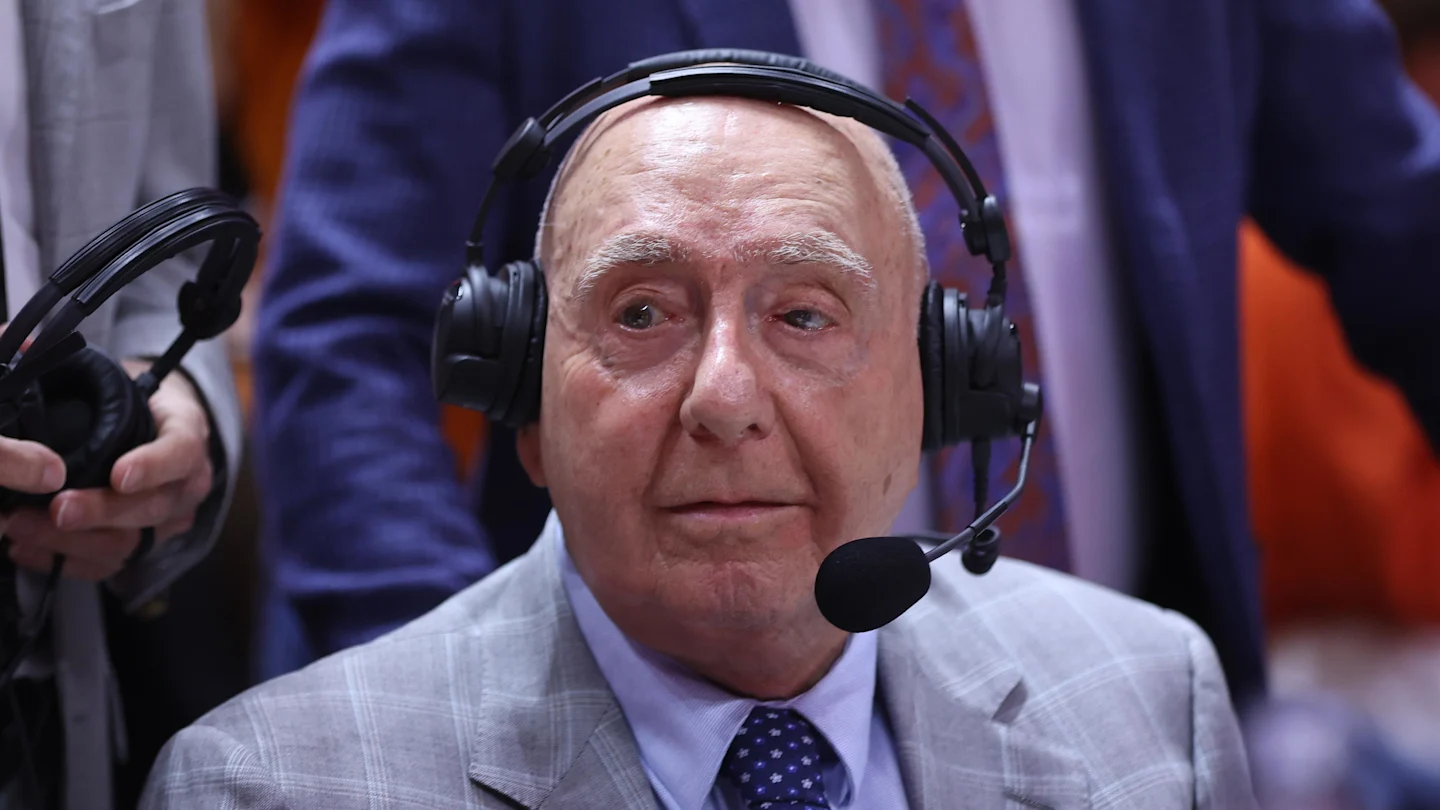
Dick Vitale is well-known and loved as a passionate broadcaster and follower of college basketball. His boundless enthusiam and endless catch phrases have dominated college basketball for several decades. But Vitale pretty clearly knows the gridiron as well, and directed some harsh comments on Sunday to the College Football Playoff selection committee. The topic of discussion was Notre Dame, long a Vitale favorite, as he acknowledged 11 family members who have graduated from the school.
Notre Dame’s rough situation
Notre Dame was ranked as the first team out of the College Football Playoff. The two biggest points of contention for the Irish and their fans are that three-loss Alabama remained ahead of them despite a 28-point loss in the SEC championship game, and that Miami– consistently ranked behind Notre Dame in the CFP weekly rankings– somehow jumped them in the final week despite neither team playing a game.
Vitale speaks out
Vitale shared a video to social media with comments he directed straight toward the CFP selection committee.
I’m really having a tough time. Every Tuesday for five consecutive weeks, you post on ESPN, the teams you think, the top 12 that would be eligible at that time to qualify for the Playoffs. Every week, EVERY, not two of the weeks, but all five weeks, you had Notre Dame over Miami. You had Notre Dame in there every week. How logically do they drop out on the last week, when they’ve done nothing in terms of losing a game during that period? Miami lost two games to unranked teams. I have a real tough time with that…. How do you explain the five weeks of having Notre Dame there and then bouncing them? They did zilch in terms of anything in causing that to happen. They didn’t lose a game. They blew out everybody they played, and the bottom line is they got a raw deal. They got a raw deal. Those kids belong in the Playoffs.
Dick Vitale
Irish reaction
Despite the emotional pitch of his video– and Vitale acknowledges that he’s a fan of the Irish– it’s hard to argue with Vitale’s fundamental talking points. Notre Dame pretty clearly felt the sting of CFP exclusion, as the Irish then turned down non-CFP bowl berths, indicating that for the Irish, the season ended up as CFP or bust. But even if the Irish are outside the Playoff, they do have one of the most notable voices in college sports indicating that their CFP exclusion is a difficult-to-justify stance that wrongs an excellent team.

Years ago, schools basically cued in line to plead for a spot in a post-season bowl game. Of course, that was an era before every breakfast cereal, motor oil, or obscure mortgage company was sponsoring its own personal bowl game. But Sunday emphasized a growing trend with a number of teams saying ‘thanks, but no thanks’ to bowl berths on Sunday. The final count included at least 10 teams that turned down bowl berths.
The denials sprang from a variety of potential reasons– from pouting over exclusion from the College Football Playoff to teams not wishing the dive into postseason play in the midst of coaching changes to teams that had given up hope at a bowl and moved on with the offseason. But Sunday’s massive exodus of teams NOT playing in bowls certainly made some college football history.
The Wrath of the Irish
Notre Dame’s bowl denial will probably draw the most attention. The Irish finished one spot out of the College Football Playoff, and accordingly decided that they would pass on the gamut of lower bowls. Notre Dame was purportedly offered a spot in the Pop-Tarts Bowl to play the team ranked behind them in the CFP rankings, BYU, but turned it down flat.
All of college football (and even some college basketball celebrities) weighed in on the propriety of the Irish bowl declination, but it’s a massive move that could reverberate throughout future bowl seasons.
— Notre Dame Football (@NDFootball) December 7, 2025
Two Big 12 Coaching Shifts
Kansas State and Iowa State each turned down bowl invitations. In both cases, there are coaching transitions underway. Iowa State lost Matt Campbell to Penn State and is replacing him with Jimmy Rogers. Kansas State saw Chris Kliemann retire and Collin Klein replace him.
Despite the business excuse, the Big 12 made it clear that the decision was not a popular one at the league level. Both schools were fined $500,000 for turning down bowl bids.
The Big 12 fines Kansas State and Iowa State $500,000 each for opting out of a bowl. pic.twitter.com/TLQcgkB6a1
— Ross Dellenger (@RossDellenger) December 7, 2025
Bowl Denial Dominoes (or Sunday Choas for the Birmingham Bowl)
While the NCAA had exactly the number of teams with six or more wins that it needed to fill the bowl vacancies, these three teams declining bowl berths caused the bowls to have to dip into the pool of 5-7 teams. A multitude of 5-7 teams declined bowl bids before Appalachian State finally completed the bowl picture by agreeing to play Georgia Southern in the Birmingham Bowl.
At least seven teams were reported to have turned down last-minute bowl invites off of 5-7 seasons. The list includes Florida State, Auburn, UCF, Baylor, Rutgers, Temple, and Kansas. The 11th hour bowl chaos led to more than a few jokes online. While the 82nd bowl berth was finally filled, at least 10 teams passed on postseason play on a memorable Sunday.
We interrupt for a Public Service Announcement: if you’re a football team (must have at least 11 players) & would like to play in a really cool bowl game & be on ESPN vs. Georgia Southern, please show up at Birmingham’s Protective Stadium by 1 pm Dec. 29th kickoff. Thank you
— Brett McMurphy (@Brett_McMurphy) December 8, 2025
Dec. 8, 2025, 6:05 a.m. ET
Fred Horner bleeds black and orange.
The owner of Advanced Industrial Roofing is a Massillon football booster and member of the Sideliner program, an initiative where community members act as mentors for varsity players, providing personal guidance and support.
He’s willing to help out Washington High School athletes any way he can. But don’t expect his company to start handing out lucrative name, image and likeness deals to high school students now that the agreements are legal in Ohio.
NIL
The College Football Playoff Committee took the messy route, but still landed on the right bracket
If you want to hammer the College Football Playoff Committee for taking the scenic route on the way to the final bracket reveal, go ahead. That wasn’t the path many of us would have taken, especially if the goal were to set a clear expectation of what the final CFP bracket would look like.
Through more than a month of nationally televised CFP rankings shows, the Committee insisted on keeping Notre Dame slotted ahead of Miami. It didn’t matter that Miami possessed a head-to-head win and an identical record. The Committee told us repeatedly that it felt Notre Dame was better. As a result, we believed that’s what the people in that conference room in Grapevine, Texas, would do at the end.
They didn’t. On Sunday, when the final bracket featured Miami and not Notre Dame, it caused confusion and frustration. No, it was a shock. People couldn’t fathom how two idle teams could be flipped on Selection Sunday when neither team played during championship weekend.
We’ll get into why that happened later, but here’s the important thing: It’s not about the journey, it’s about the destination. And the destination was unequivocally correct. The games still matter and the notions of what we — or the people on the Committee — think would happen in the future didn’t come into play, even if we spent the last month thinking they would.
Miami couldn’t have been left out of the bracket while maintaining the integrity of the games. Had the CFP Committee included Notre Dame and not Miami, what they think would have taken priority over what happened on the field. Notre Dame and Miami’s resumes were similar enough that the result of the game had to matter the most. It couldn’t be ignored. It wasn’t.
If it wound up being ignored, that would have thrown the selection process into a chaotic world where the Committee members could veer from the guardrails — the games – and do whatever they want. So for at least another year, we get to live in a world where the CFP Committee leaned on the results of the games more than personal notions.
If you want to get into why the CFP Committee made this harder on themselves, that’s fine. They could have ranked Miami higher from the get-go, which would have stripped away all of the shock and confusion Notre Dame fans are feeling right now. The Committee made this harder for no reason.
So what’s the explanation for how the jump happened?
“Not until they really got to close proximity — side by side — with the move with BYU were we able to evaluate just those two teams. We always had someone between them,” CFP Committee chair Hunter Yurachek said on ESPN’s broadcast.
It’s all nonsense. How the CFP Committee could ignore the result of that game until its final deliberations doesn’t really make sense. If you’re questioning the process, please do it. There are plenty of holes to poke. But poking the process after the results are right is much better than poking the process after unjust results.
That brings us to Alabama, which got in despite losing to Florida State at the beginning of the year and getting blown off the field by Georgia in the SEC title game Saturday. Why didn’t Notre Dame and Miami go? How did Alabama get in still? Well, it all came back to who you beat.
Yes, Alabama had one more loss than Notre Dame. But its strength of schedule — which ranked No. 11 in comparison to Notre Dame at No. 42 and Miami at No. 44 — carried the day. Contrary to the propaganda the SEC dispersed last year about being penalized for playing tougher schedules, Alabama was actually forgiven for the extra loss because it beat Georgia during the regular season. That’s the benefit of playing in a tougher conference. You get a mulligan.
People have reason to be upset because of the unorthodox path the CFP Committee took.
But leaving Miami out in favor of Notre Dame would have been a miscarriage of justice. Feelings would have taken precedence over results, which ultimately means seasons could be simulated and teams could be slotted based on data.
This CFP Committee, more than others in the past, felt erratic. It felt like this Committee could have done something unconventional. But at the end of the road, it did what was right.
Even if you’re angry, be happy about that.
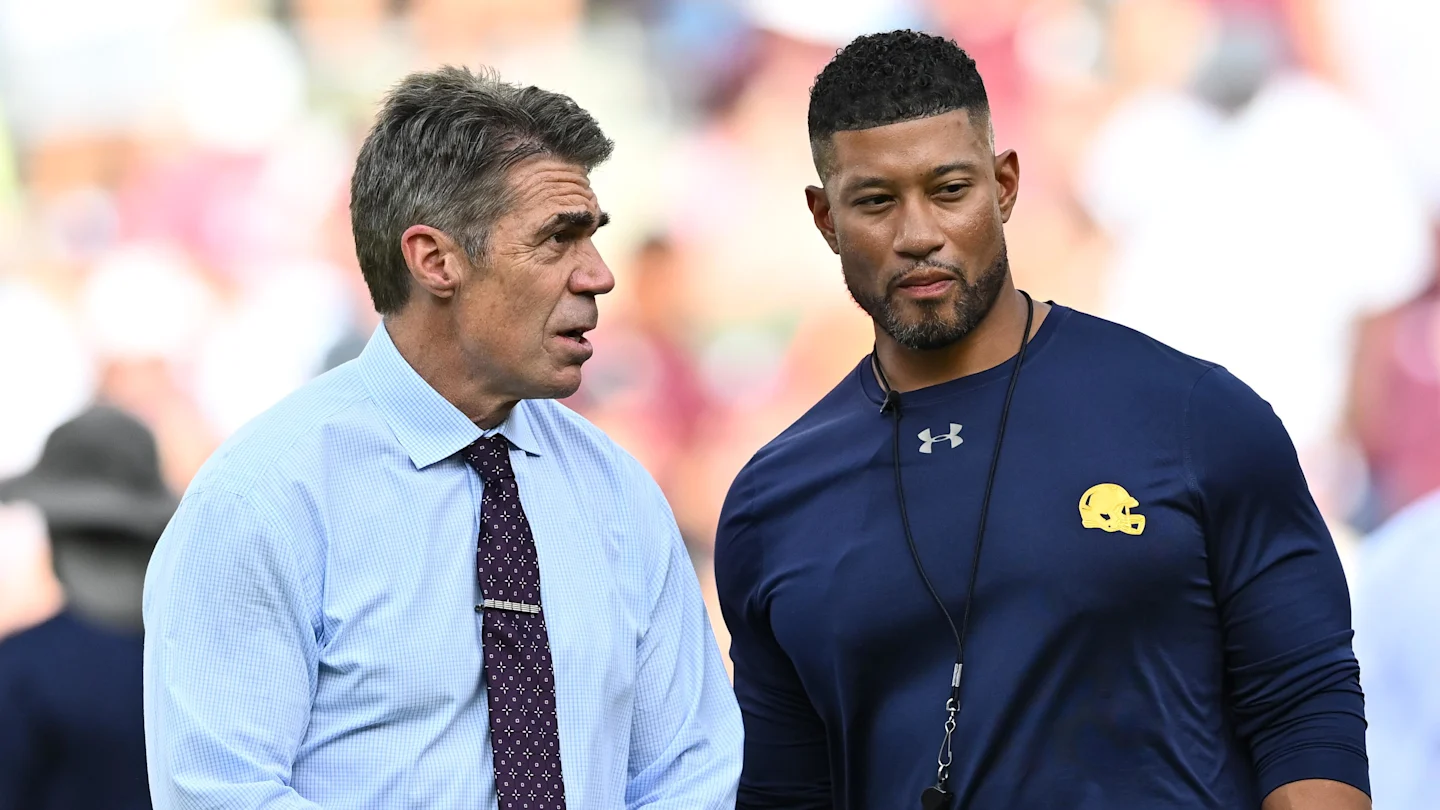
Whatever decisions the College Football Playoff selection committee eventually make, there seems to always be some form of controversy, and the 2025 bracket was no different after a consequential decision between Miami and Notre Dame.
With that controversy in mind, ESPN college football announcer Chris Fowler believes the playoff format and selection process could undergo yet more reform in the future.
More change could be on the way
“This is a bracket that’s going to be talked about forever. And not just because Notre Dame got excluded. But because of the framework that created the choices that the committee had to make,” Fowler said on Sunday’s selection show.
Fowler pointed to the “tweak” the College Football Playoff made a year ago, when it ended the confusing distinction between seeding and ranking, and believes another structural alteration could follow after this year’s dilemma.
“There’s going to be something more than a tweak going forward because all of a sudden, inclusivity, which most people in the sport think is a pretty good idea…
“Inclusivity sounds good until teams like Notre Dame and Texas and Vanderbilt get squeezed out. Then people have a serious problem with it.” he said.
Notre Dame felt it coming
Schools take a brave face in public when they have a chance to make the playoff, but the reality behind the scenes is often a little more nerve-racking.
Fowler added: “This is one we’re going to talk about for a long, long time. If you’re Notre Dame, you’re crushed. They were worried about this.”
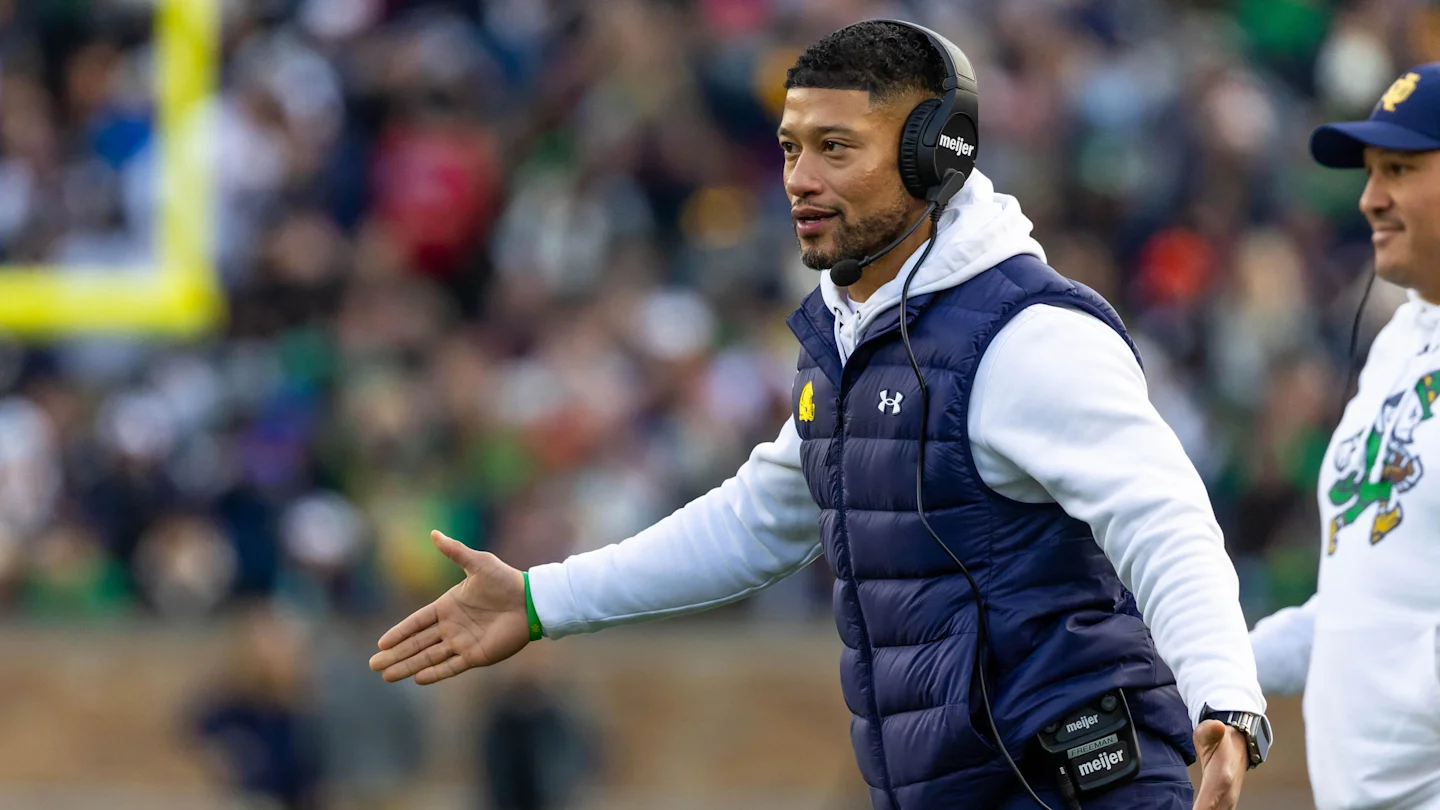
“I know they projected confidence, but there was a lot of unease on the part of Marcus Freeman and others because they saw them drop last week and now in consecutive weeks without playing, they have dropped in the rankings. And it ends up costing them despite a 10-game winning streak to finish the season.”
Miami over Notre Dame was the right call
Notre Dame had been ranked ahead of Miami in the College Football Playoff rankings until Selection Day itself, when they swapped the Irish for the lower-ranked Hurricanes at the most crucial moment.
Still, despite whatever criticism there may be around the selectors’ decision-making process or timing, what happened on the field still should trump everything else, the ESPN veteran says.
“I have no problem with Miami getting in based on the head-to-head, even though it was early in the season,” Fowler said.
“They won that game at the line of scrimmage… That was real. It was a late field goal that won it, but it still matters. And I think has to matter, or there’s no incentive to schedule any kind of meaningful non-conference game.
“That’s not the committee’s job to protect that, or the committee’s job to protect with a sentimental eye [the] conference championship games, but those are also in danger, as we know, going forward.”
Read more from College Football HQ
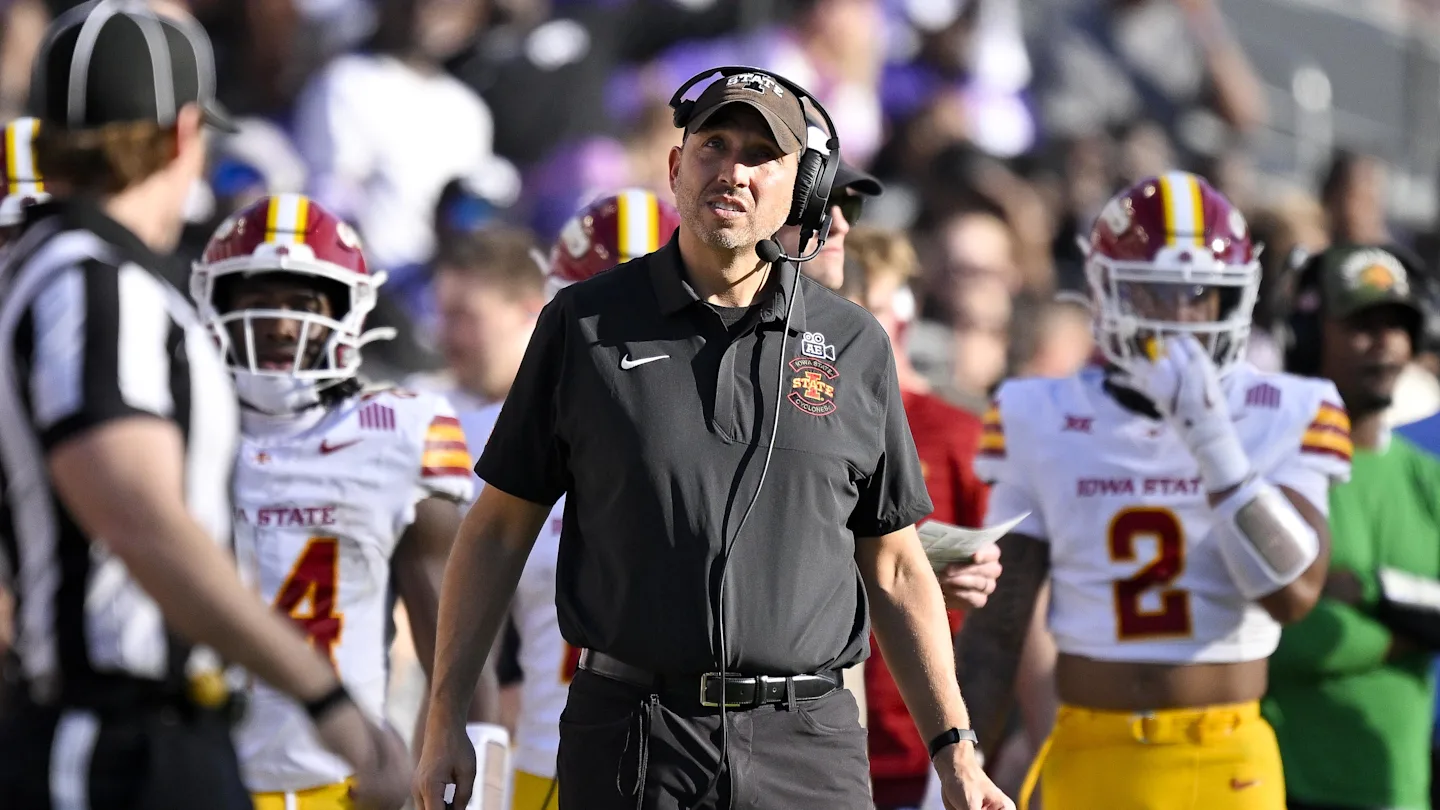
The Iowa State Cyclones will not play a postseason bowl game after all.
Iowa State (8-4) has reportedly declined a bowl bid as the program moves immediately into a coaching transition that accelerated this week, multiple people familiar with the situation told On3.
The decision arrived after Matt Campbell accepted the Penn State job, and Iowa State named Washington State’s Jimmy Rogers to replace him.
The Sun Belt fined Marshall $100,000 after it withdrew from the Independence Bowl in 2024 because of a mass player exodus.
The Big 12 itself has fined member schools previously in 2025 for other infractions, so financial penalties or public reprimands are within the conference’s authority.
The Big 12 will formally review Iowa State’s decision and consult with bowl partners to determine a potential fine or punishment.
Iowa State turns down bowl bid, sources told @On3sports. Cyclones are 2nd Big 12 team that was bowl eligible that opted not to play & could be subject to a league fine, source saidhttps://t.co/oRbPrNx5PJ pic.twitter.com/e8uSvvxc2u
— Brett McMurphy (@Brett_McMurphy) December 7, 2025
The Cyclones opened the 2025 season 5-0 and at one point reached the national rankings, but a four-game midseason slide pushed them off that path.
The team recovered with late wins over TCU, Kansas, and Oklahoma State and reached bowl eligibility with a 20-17 road victory at TCU on November 8.
The season finished at 8-4 overall and 5-4 in conference play.

The reported decision to decline a bowl is tied directly to off-field upheaval.
Campbell’s move to Penn State and the subsequent arrival of Rogers left Iowa State confronting immediate questions about who would coach a bowl game, which assistants would stay for postseason preparation, and how roster availability might be affected amid late-season transfers and staff turnover.
Initial reporting cites those uncertainties, along with the program’s desire to pivot quickly toward building for 2026, as the rationale for opting out.
This choice comes on the heels of a similar development earlier in the week: Kansas State, another bowl-eligible Big 12 team, informed the conference it would not accept a bowl invite.
Read More at College Football HQ
- Nick Saban sends strong message on head coach replacing James Franklin at Penn State
- ‘College GameDay’ announces celebrity guest picker for SEC Championship game
- Kirk Herbstreit reacts to ESPN College GameDay’s historic reveal
- Andy Reid reportedly involved in coaching candidate rejecting Penn State

No. 12 BYU to face No. 22 Georgia Tech in the Pop-Tarts Bowl – BYU Athletics – Official Athletics Website

Richard Childress to Testify in NASCAR Antitrust Trial Amid Derogatory Texts and Revenue Dispute

Hollywood Actor Frankie Muniz Returning to Truck Series in 2026

Watertown Elks Lodge Hosts Local Hoop Shoot | Local News

Eagles Flash Potential Despite Defeat at No. 3 South Carolina

Dick Vitale finds College Football Playoff selection committee far from awesome, baby

UTSA to face FIU in First Responder Bowl on Dec. 26 – UTSA Athletics

Men’s Swimming and Diving Help Bentley to 2nd Place Finish at WPI Gompei Invitational

Nitro Motorsports Adds Gavan Boschele for 2026 ARCA Charge

Women’s Basketball Edged Out By Lipscomb

2 NASCAR drivers whose teams should have said goodbye after 2025

Every college football team that declined their bowl game on Sunday

Pacific Adds STUNT Program as 21st NCAA Sport
NCAA women’s volleyball Sweet 16 bracket, schedule, times, TV channel

Des Moines native and NASCAR driver Michael Annett dies at 39

First Tee Winter Registration is open

Fargo girl, 13, dies after collapsing during school basketball game – Grand Forks Herald

CPG Brands Like Allegra Are Betting on F1 for the First Time

Volleyball Recaps – November 18

F1 Las Vegas: Verstappen win, Norris and Piastri DQ tighten 2025 title fight

Two Pro Volleyball Leagues Serve Up Plans for Minnesota Teams

Utah State Announces 2025-26 Indoor Track & Field Schedule

Sycamores unveil 2026 track and field schedule

Redemption Means First Pro Stock World Championship for Dallas Glenn

Texas volleyball vs Kentucky game score: Live SEC tournament updates

Bowl Projections: ESPN predicts 12-team College Football Playoff bracket, full bowl slate after Week 14

Indiana’s rapid ascent and its impact across college football

How this startup (and a KC sports icon) turned young players into card-carrying legends overnight

Pohlman admits ‘there might be some spats’ as he pushes to get Kyle Busch winning again

Robert “Bobby” Lewis Hardin, 56

 Why a rising mid-major power with an NCAA Tournament team opted out of revenue-sharing — and advertised it
 NBA Legend Michael Jordan to Join NBC Sports as Special Contributor
 Falcons mailbag
 Portal Update – Basketball and Gymnastics Take Hits
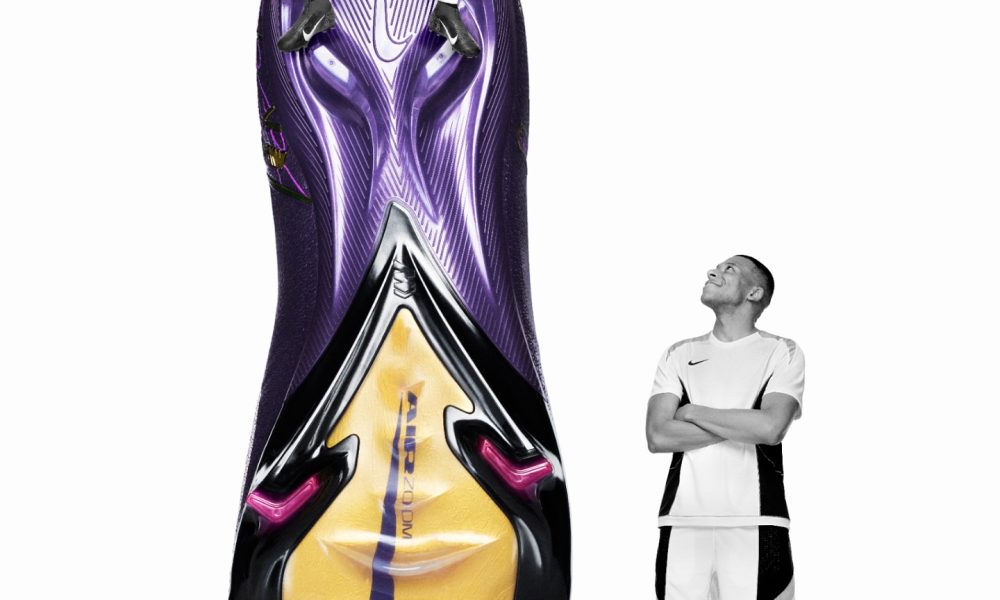 has always dreamed in Mercurial. Now his initials are on the boots.
The new Kyl…
has always dreamed in Mercurial. Now his initials are on the boots.
The new Kyl…
-
 Rec Sports2 weeks ago
First Tee Winter Registration is open
-
 Rec Sports2 weeks ago
Fargo girl, 13, dies after collapsing during school basketball game – Grand Forks Herald
-
 Motorsports2 weeks ago
CPG Brands Like Allegra Are Betting on F1 for the First Time
-
 Sports3 weeks ago
Volleyball Recaps – November 18
-
 Motorsports2 weeks ago
F1 Las Vegas: Verstappen win, Norris and Piastri DQ tighten 2025 title fight
-
 Sports2 weeks ago
Two Pro Volleyball Leagues Serve Up Plans for Minnesota Teams
-
 Sports2 weeks ago
Utah State Announces 2025-26 Indoor Track & Field Schedule
-
 Sports2 weeks ago
Sycamores unveil 2026 track and field schedule
-
 Motorsports2 weeks ago
Redemption Means First Pro Stock World Championship for Dallas Glenn
-
 Sports2 weeks ago
Texas volleyball vs Kentucky game score: Live SEC tournament updates