Connect with us
https://yoursportsnation.com/wp-content/uploads/2025/07/call-to-1.png

NIL

How NIL has changed college sports and what changes could still come

Published

on

How NIL has changed college sports and what changes could still come

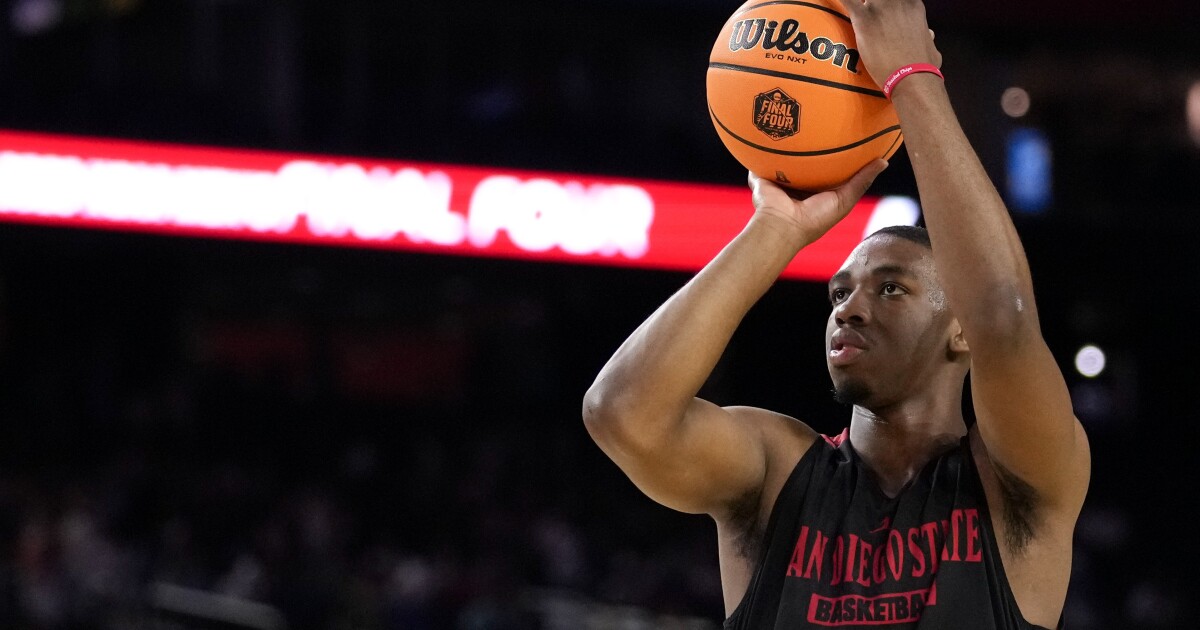
S1: Hey , San Diego , it’s Andrew Bracken in for Jade Hindman. Today we hear about the state of nil and its impact on college sports. This is KPBS Midday Edition. Connecting our communities through conversation. Should college athletes be paid ? Are they students or professionals ? These are questions that have been debated for decades before lawsuits led to Nil deals for many college sports stars. That’s name , image and likeness. And it’s at the heart of a transformation in college athletics in recent years. But universities , athletes and fans are awaiting a final ruling to a long running lawsuit that could change the rules for college sports. Kim Massey is the executive director of athletics at the University of San Diego. He spoke to KPBS Midday Edition host Jade Hyneman last week. Here’s that interview.

S2:

S3: No , no , it’s a really good question. I appreciate you having me on to talk about it. It’s really important that the general public understands what this is , where we’ve been , where we’re headed. You know , nil now has been around almost four years , and it’s really changed the landscape of college athletics. And it’s been a long time coming in terms of allowing the athletes to profit off their name , image and likeness the way any student has been able to for many years. And , you know , I think many of us in the industry saw a lot of different rabbit holes and where this could go and how it has gone has been a little bit exactly like we thought. And it’s gone a little bit , frankly , off the rails. We live in the West Coast and it is the true wild , wild West. And in some ways it’s a complete mess. That being said , there are some values. There are some good things about it that I’m sure we’ll talk about.

S2:

S3: Um , now they can do a camp. You know , they can make a public appearance and be paid for it. They can , um , be a part of a social media campaign and promote a business or an organization and be paid for their , for their time and efforts. In the past , that was not the case yet. A student who was a great piano player could be paid to go to downtown San Diego and play at an event and be paid $500 for their three hours of playing. You know that that was not the case for an athlete. And now we’re in a situation whether it’s equitable , whether now they can do things that other students could do for years , but it’s really gone off the rails in terms of the pay for play side of things that we’re unfortunately seeing. Right.

S2: Right. So , you know , to make a playing college , athletes are now able to get paid for their work. Um , and it’s more equitable.

S3: Essentially , they’re being recruited out of high school , recruited from one school to the next. There’s a there’s some guardrails , but probably a lack of a real structure. In every year you’re seeing specifically in men’s basketball rosters , turnover by half or more because As athletes have , you know , feel like they have value to go somewhere else and get paid more money. And it’s really challenging to control this. And I think there’s a lack of structure in terms of how do we manage the expectations of the athletes. But also there’s , I would say a lot of bad actors out there who are not really helping the athletes in terms of being consultants and guides and agents , and it’s really gotten to a point where it becomes this bartering zone of one school to a next school , trying to have a roster , but also still still get the right kids at the right institution who want to get a degree , feels like that’s that’s where I say going off the rails. Yeah.

S2: Yeah. So so right now it’s equitable for athletes. Not so much for colleges. Yeah.

S3: Yeah. It’s just really hard , you know , when you are building something special on your roster and you’re trying to build chemistry. And ultimately we want all our athletes to get degrees. And many of them now are looking at a one year scenario where maybe they go somewhere for a year and they play really well , which is great. And now they’re more marketable and now they’re heading to the next institution. So , you know , I think we’re trying to figure out how do we still keep the higher ed principles , because we are working for institutions of higher education still in place , while really negotiating a scenario where it’s very much like a professional sports organization and it’s a business. And what’s that juxtaposition between the two , and how do we still keep it , keep the integrity of what we’re trying to accomplish with 18 to 23 year olds ? Hmm.

S2: You know , one piece you touched on there is the ability for athletes to to move to a different school , when in the past they were kind of tied to to a school , right. I mean , how do you find a balance there ? Yeah.

S3: You know , it’s a tough balance. Um , you know , I think a lot of high school athletes , right , came to school for they wanted to get a business degree. They wanted to play for a certain coach. They want to be geographically close to where their family is , and they can see them play. And I feel like a lot of that now is a little bit gone by the wayside. It’s okay , I’m going to go to this place because I can get playing time and increase my value. And again , I do want to say this. This is not the norm. I mean , there’s a certain percentage of athletes in this case , the vast majority are still coming to school for the right reasons. They want to get a great degree. They want to have a good college experience. They are coming to have that collegial opportunity to win championships. But there is a subsection of athletes that where it’s really hard to really find that true identity of why they’re coming to the institution , and how do we build that identity with that within that team. Okay.

S2: Okay. Well , all of that leads to this settlement that’s currently being finalized.

S3: Essentially , this settlement is the culmination of multiple lawsuits , mostly hinging around the fact that athletes for years did not profit off their name , image and likeness. And , you know , looking at the culmination of what the lawsuits might lead to in terms of both dollars and time. You know , plaintiffs decided along with the NCAA , let’s let’s do a settlement that’s going to allow something to have come in place where there’s some back pay for for former athletes up to a certain number of years , but also moving forward , it does allow institutions to essentially do revenue sharing with the current athletes. So it’s twofold. In addition to that , probably the most controversial piece of this settlement is that there are now going to be roster limits in place for each team in each program , so that typically outside of for most sports has not been the case. So now there’s going to be a roster limit. Essentially we can share revenue with athletes. And then there’s going to be a back pay for athletes for who did not profit out their name , image and likeness. So that’s in a nutshell. Uh , this settlement would be in place for ten years. And that’s what we are sort of trying to navigate what this actually looks like as we move forward. Mm.

S2: Mm. So one question a lot of people have is , you know. How did we get here with college athletics ? What was the spirit behind this push for Nil deals in college sports ? Yeah.

S3: You know , it’s a great question. You know I think this has been a long time coming. And I think if you look back at the early 2000 , you saw a proliferation of coaches salaries , administrator salaries. You saw a lot more money being tied into the conferences in terms of multimedia rights. Conferences started to profit from TV deals. And that filtered down , of course , to the institutions. And , you know , it came a point in time where I think a lot of the athletes and others said , wait a second. You know , these institutions are profiting off of us and making millions of dollars in some cases , and we’re not getting paid anything , although they were on scholarship and getting paid through , you know , with , with food and things of that nature. But through a culmination of many years , I think there was a groundswell , really , that probably became untenable to the point where we get to where we are now , where , you know , in 2021 , this , this nil became in play. And this has been a probably 15 to 20 years , if not more in the making , though , because there is such a proliferation of money , uh , being involved. And it did feel like you were becoming a little bit more professionalized , specifically in a few sports. And the question is , why are we not sharing this with the athletes ? So that’s sort of why we came to where we are. I , you know , being someone who’s been in college athletics 24 years , I wish earlier on the process , years and years ago , there was some kind of revenue sharing. There was the ability for the athletes to profit off their name , image and likeness. And I don’t think we’d be where we are. It’s just it’s a it’s a runaway train. And I think we could have maybe started this as slowly and built it and put some guardrails around it. But here we are and we have to figure it out. Yeah.

S2: Yeah. I mean , yeah , but I you know , I recall hearing a story about , um , a college athlete who had his name and image and likeness and all of that on jerseys and all kinds of things. Um , but couldn’t afford to even buy a jersey for himself. So. Yeah. Um , you know , I mean , how much. So let’s talk about. I mean , how much were you ? Our university’s making off of these athletes and teams.

S3: You know , it really depends on institution. You know , there’s a lot of different types of institutions. I think that’s another one of the challenges in Division one. You know , there’s 360 plus different institutions. And they range from budgets that are 5 or 6 million up to , you know , the Texas and Ohio states of the world who are well over 200 million. And they’re literally all in the same division with the same amount of same rules. So it really depends also on the conference. You know , some conferences specifically what we call the power for now , the SEC , the big 12 , the ACC in the in the Big Ten are at a level that’s just much higher. And even within that for the SEC and Big Ten are at a different level than the other two. So many of these institutions are getting a significant amount of funds on multimedia rights that come to their institution every single year. And , you know , we’ve gone. We’ve just gone through a cycle of some of those conference distributions changing , and you’ll see another one coming up here in 2028 to 29 , 2030. Um , so the shifting is is underfoot and it’s happening rapidly , but in some cases it’s very significant in other cases. It’s not a big distribution. You know , there isn’t maybe a large market or perhaps they don’t have a football program that brings in a lot of money or a basketball program that does. So it’s quite a significant gap between many schools that are still in the same division , if that makes sense. Mhm.

S2: Mhm. How much are players making right now. How big are these NFL deals. Yeah.

S3: Yeah. You know the vast majority are actually not that big. You’re talking several maybe a couple hundred bucks. That’s the vast majority. But you do have cases now where you have certain quarterbacks or point guards or centers and people like that and making literally in the millions. And , you know , you might have a few other student athletes who might not be as successful on the court or on the field , but their social media influencers , and they’re doing really very well. I think about Libby Dunn , who is a gymnast at LSU , and Angel Reese , who played basketball there. You know , there’s some good examples of people who’ve used their social media influence in a really creative , entrepreneurial way and made a ton of money. And then you have the cases with some of the men’s basketball and football players and a few of the women’s basketball players as well , who , based on their on court , on field exploits , have had valuations in the millions as well. So it’s again , that’s probably the 1 or 2% , the vast majority. Much , much less. And frankly , there’s probably , you know , a high percentage of athletes not engaging in all activities at all. It takes time , it takes energy , it takes and creative spirit. And some are very , very busy with their studies and being a college athlete as it is. So I think the narrative from the media a lot of times is that everybody’s earning hundreds of thousands or millions of dollars. That is very far from the truth.

S2:

S3: A little bit more parity. You don’t see someone just three or 4 or 5 schools that are just way better than everybody else. I think you’re seeing institutions that have had , frankly , large budgets , and they’re able to pay athletes better than others , and that’s going to help them. But also , you see athletes who maybe started at a large institution that’s a high profile school , and they didn’t get playing time , and they’re good players , but now they’re transferring down a level to a school. That’s still Division one , but maybe it’s what we call a mid-major or or smaller institution. And you find that players are staying in school even longer. And we got through Covid and they had an extra year there. And some athletes who are not draft prospects , instead of trying to declare for a draft , they say , well , I can actually make more money in college now I’m staying in college. So you’re seeing rosters get older. You’re seeing more individual athletes who’ve had more experience. So you’re seeing a little bit more parity , I think. And like in the college basketball and maybe football to an extent than you did before , which is not bad for the game. Um , so I think we’ll see over time. It’s only been a few years , but it’s been really interesting to see some of the talent actually being leveled out in certain ways on different rosters at different sized schools.

S2:

S3: You know , I think there are quite a few sports where there’s been very , very little impact. You’re starting to see it creep into other sports like baseball , volleyball for sure , a little bit softball. You know , you have softball player for Texas Tech. She’s reportedly making a million plus a year. Sometimes you don’t know what’s true and what’s not true , but a lot of the quote unquote Olympic sports have been less impacted. Um , and I think part of that is due to what is deemed market value ? And they’re non-revenue sports. But occasionally you will see the athlete who again is very good on social media. They’re influencers. They’re really good at selling their name , image and likeness and utilizing that skill set an entrepreneurial way. But you are seeing some impacts and some other sports that you didn’t see probably 2 or 3 years ago.

S2: What role does the NCAA play in all this ? Yeah.

S3: They’re involved. I mean , they’re part of the settlement , you know , and I think they’ve come to the decision. And I’m not going to speak for their their president of the NCAA or their director. But you know , they’ve been a part of this House settlement. And they feel like there is still a little bit of protections here for amateurism , but also over the next ten years , potentially maybe less lawsuits. I don’t know if that’s the case. I would probably beg to differ. But , you know , I think there frankly , in some ways , you know , working with the plaintiffs on this and trying to determine what’s the best possible path forward that still retains the integrity of what collegiate sport is. And again , we are in institutions of higher ed , yet allowing some flexibility for athletes to profit and sort of , again move towards a professional model , but not truly as an employee. So there’s this fine line and balance. But yes , they’ve been very much at the table for all these discussions.

S2:

S3: And honestly to you know , as a private school , I think we do have some advantages at times because we can really help enrollment in a private school the way maybe a public institution is a little bit different. Um , you know , we are in a , in a place at a very stable conference , the West Coast Conference. And , you know , we have to be who we are. We’re not the same as a lot of power for schools , and we’re not going to have that kind of budget or revenue that to share. If we don’t have a football program that’s selling out on Saturdays , um , providing 70% of the revenue like some of those institutions do. So I think we have to temper expectations , but also be transparent about what our revenue sharing looks like and how we can compete. And I think part of us being where we’re at is understanding culturally how we can still bring in the right student athletes to the institution who can still get a degree at are academically rigorous school , a school that’s a faith based institution , but also in a large city that has a great marketplace for sports. You know , I do think optimistically , we can be extremely successful and very competitive , even with schools that are larger than us and have larger budgets. But I do think we have to be more careful and more considerate of funding the right fit for our athletes here in the midst of of all the chaos that’s going on around us.

S2: I’ve been speaking with Kim Yamasaki. He is the executive director of athletics at the University of San Diego. Kim , thank you so much for joining us.

S3: Of course , anytime. I appreciate you having me.

S1: That’s our show for today. I’m Andrew Bracken. KPBS Midday Edition airs on KPBS FM weekdays at noon , again at 8 p.m.. You can find past episodes at KPBS or wherever you listen. Thanks again for listening. Have a great day.

Continue Reading
Click to comment

Leave a Reply

Your email address will not be published. Required fields are marked *

NIL

Insider Reveals Biggest Reason Behind Colorado’s Transfer Portal Mass Exodus

Published

on


From a player retention standpoint, the first few weeks of the offseason haven’t been kind to the Colorado Buffaloes.

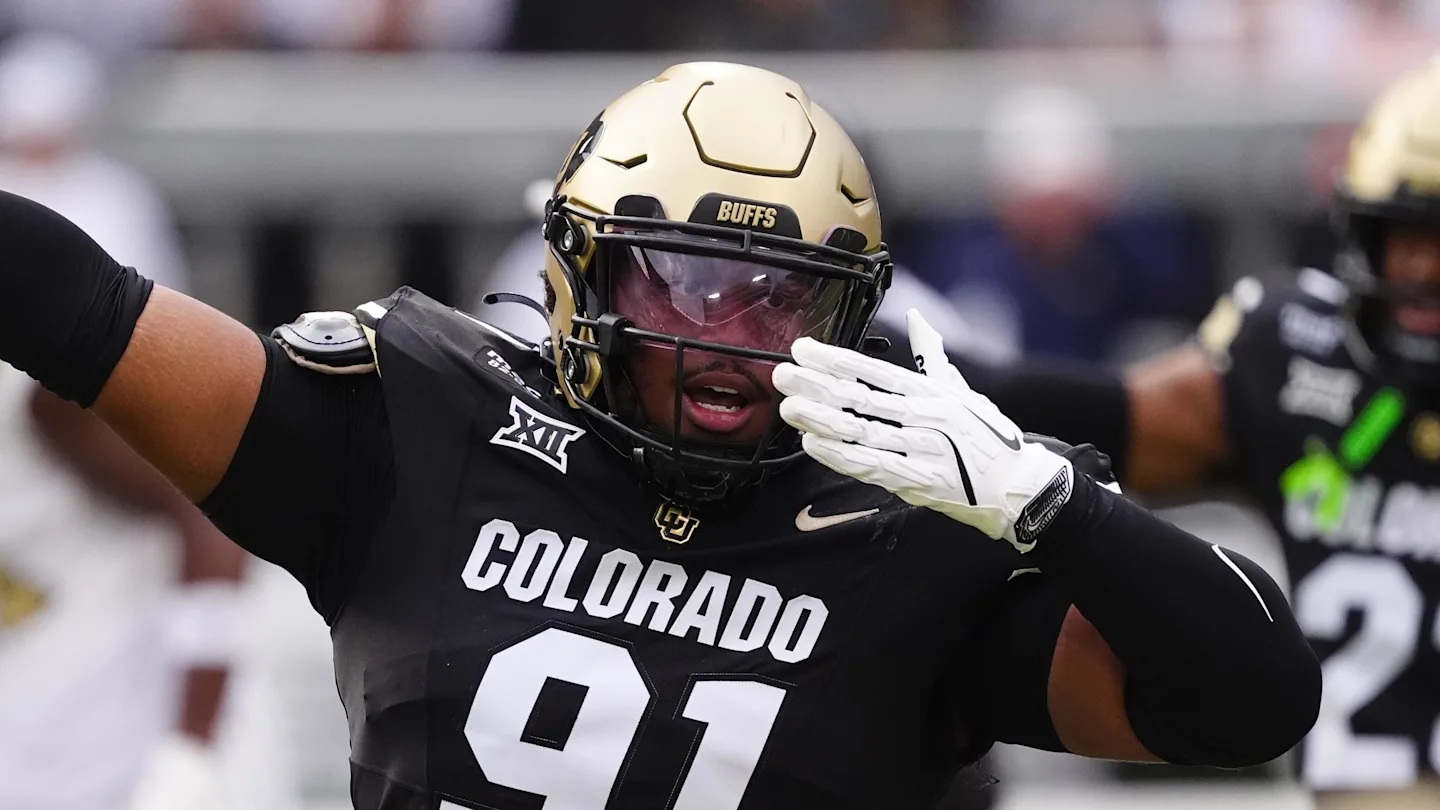
Several key Buffs have announced their intentions to enter the college football transfer portal when it opens next month, including wide receiver Omarion Miller, safety Tawfiq Byard and freshman defensive end Alexander McPherson. While every situation is unique, one Colorado insider believes money has been a common denominator among players’ reasons for leaving Boulder.

Insider Reasons Colorado Transfer Portal Exodus Buffaloes NIL Deion Sanders Alexander McPherson Tawfiq Byard Omarion Miller

Oct 25, 2025; Salt Lake City, Utah, USA; Colorado Buffaloes wide receiver Omarion Miller (4) is tackled by Utah Utes defensive back JC Hart (14) during the second half at Rice-Eccles Stadium. Mandatory Credit: Rob Gray-Imagn Images | Rob Gray-Imagn Images

“The super majority of those people, I’m talking 95 percent, are going to be leaving for a bigger bag,” Thee Pregame Show’s Uncle Neely said on his YouTube channel. “This ain’t transferring in 1990. This ain’t transferring in the year 2000. This is 2025. This is business now. This isn’t, ‘Oh, I don’t like the coach. Oh, I don’t want to be treated the way they treat me.’

“This doesn’t mean something is wrong. These are business decisions now. But what we like to do is run with the narrative that woe is me, something must be wrong, something must be going on. How are all these people leaving?”

Insider Reasons Colorado Transfer Portal Exodus Buffaloes NIL Deion Sanders Alexander McPherson Tawfiq Byard Omarion Miller

Nov 22, 2025; Boulder, Colorado, USA; Colorado Buffaloes head coach Deion Sanders on the sidelines in the first quarter against the Arizona State Sun Devils at Folsom Field. Mandatory Credit: Ron Chenoy-Imagn Images | Ron Chenoy-Imagn Images

The NIL (name, image and likeness) era has rocked college football, and the depressing truth is that schools with more money will ultimately land the best players. In the Big 12, no school better exemplifies that trend than new conference champion Texas Tech.

Who’s Leaving Colorado?

Insider Reasons Colorado Transfer Portal Exodus Buffaloes NIL Deion Sanders Alexander McPherson Tawfiq Byard Omarion Miller

Nov 22, 2025; Boulder, Colorado, USA; Colorado Buffaloes defensive back Tawfiq Byard (7) reacts in the first quarter against the Arizona State Sun Devils at Folsom Field. Mandatory Credit: Ron Chenoy-Imagn Images | Ron Chenoy-Imagn Images

As of Sunday, 16 Colorado players will enter the transfer portal next month. That group includes 12 defensive players, six members of the Buffs’ 2025 high school signing class and a few other Buffs who spent only one season in Boulder.

Below is an updated list of Colorado players who plan on entering the transfer portal:

  • Safety TJ Branch
  • Defensive lineman Jehiem Oatis
  • Cornerback Noah King
  • Cornerback Teon Parks
  • Linebacker Mantrez Walker
  • Safety Terrance Love
  • Safety Tawfiq Byard
  • Wide receiver Omarion Miller
  • Defensive tackle Brandon Davis-Swain
  • Offensive lineman Carde Smith
  • Defensive end Alexander McPherson
  • Offensive lineman Tyler Brown
  • Defensive tackle Gavriel Lightfoot
  • Defensive tackle Christian Hudson
  • Defensive tackle Tawfiq Thomas
  • Wide receiver Dre’lon Miller

Insider Reasons Colorado Transfer Portal Exodus Buffaloes NIL Deion Sanders Alexander McPherson Tawfiq Byard Omarion Miller

Nov 8, 2025; Morgantown, West Virginia, USA; Colorado Buffaloes wide receiver Dre’Lon Miller (6) runs the ball during the second quarter against the West Virginia Mountaineers at Milan Puskar Stadium. Mandatory Credit: Ben Queen-Imagn Images | Ben Queen-Imagn Images

Uncle Neely shared his take that Colorado’s losses should be replaceable via the transfer portal.

“Have you ever stopped to say, what am I actually losing by those people leaving?” Uncle Neely said. “Have you ever looked at the numbers production-wise of who has announced that they’re getting up out of here and what you’re actually losing by them leaving?… Is it replaceable via the portal? And in this business in college football, is it replaceable cheaper? I would wager to say the answer is yes in all regards.”

MORE: Colorado Gets Hit With Biggest Transfer Portal Loss Yet

MORE: Michael Irvin Gets Real On Blame Surrounding Shedeur Sanders

MORE: Deion Sanders Faces Recruiting Problem After Omarion Miller Transfer News 

SIGN UP FOR OUR NEWSLETTER HERE

Insider Reasons Colorado Transfer Portal Exodus Buffaloes NIL Deion Sanders Alexander McPherson Tawfiq Byard Omarion Miller

Oct 25, 2025; Salt Lake City, Utah, USA; Utah Utes tight end JJ Buchanan (81) catches a pass against Colorado Buffaloes defensive back Teon Parks (3) during the second quarter at Rice-Eccles Stadium. Mandatory Credit: Rob Gray-Imagn Images | Rob Gray-Imagn Images

The college football transfer portal will open on Jan. 2 and close Jan. 16. Colorado coach Deion Sanders and his staff can begin adding players from the portal at the start of that period.


Link

Continue Reading

NIL

Report: LSU finalizes deal to hire Ole Miss’ Kevin Smith, puts him among highest paid RBs coaches

Published

on


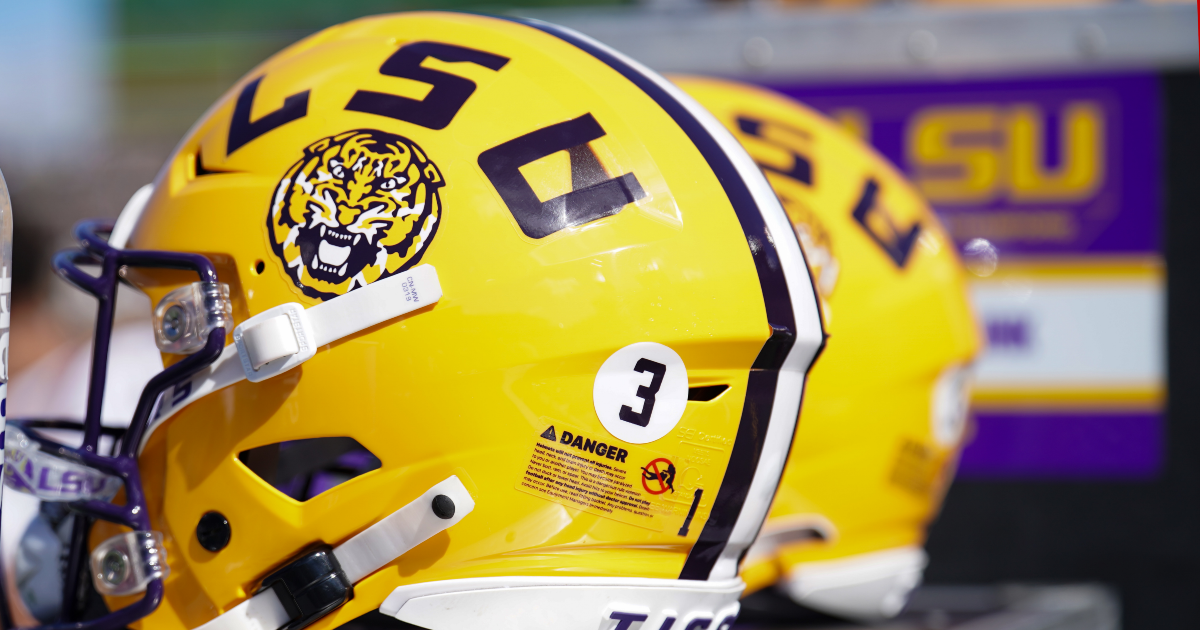
Lane Kiffin is bringing another Ole Miss assistant with him to LSU. According to Matt Zenitz of CBS Sports, the Tigers have finalized a deal to hire Rebels running backs coach Kevin Smith for the same role.

Smith is reported to have a salary of close to $1 million, which would make him one of the highest-paid running backs coaches in the country. He is the sixth Ole Miss assistant to follow Kiffin to Baton Rouge.

The other coaches joining Kiffin at LSU are offensive coordinator Charlie Weis Jr., tight ends coach Joe Cox, receivers coach Joe McDonald, inside receivers coach Sawyer Jordan and quarterbacks coach Dane Stevens. So far no defensive assistants from the Rebels have made the jump to Baton Rouge.

Smith worked with Kiffin as a running backs coach at Florida Atlantic form 2017-19 and joined his very first staff at Ole Miss in 2020. He stayed for the next two seasons in Oxford before leaving to take the running backs coach position at Miami in 2022.

Smith’s stint with the Hurricanes was a short-lived one as he returned to Ole Miss in 2023 and stayed through this season. Now he’ll look to continue the success he has enjoyed with Kiffin while building up the running backs room at LSU.

Smith helped to develop running backs such as Quinshon Judkins and Kewan Lacy during his time in Oxford. This past season, Ole Miss ranked fifth in the SEC with 185.6 rushing yards per game as Lacy led the conference with 21 rushing touchdowns and ranked second with 1,366 yards.

Ole Miss had its best season in program history this year to reach the College Football Playoff for the first time. However, Kiffin was not granted permission from the school to finish out the season with the Rebels after he accepted the LSU job.

Other assistants, including offensive coordinator Charlie Weis Jr., were allowed to complete the playoff run with Ole Miss. The Rebels defeated Tulane in the first round and will face No. 3 Georgia, which they lost to earlier this season, in the quarterfinals.

As of right now, it looks like most of the Ole Miss offensive staff will follow Kiffin to Baton Rouge. The defensive side keep defensive coordinator Blake Baker, who has been on staff at LSU since 2024.


Link

Continue Reading

NIL

Former 4-star QB announces plans to enter college football transfer portal

Published

on


The quarterback market is expected to be extremely competitive this offseason.

A ton of experienced signal-callers have announced their decisions to enter the NCAA Transfer Portal, including Arizona State’s Sam Leavitt, North Texas’ Drew Mestemaker, Cincinnati’s Brendan Sorsby, and TCU’s Josh Hoover, among countless others.

The right move can benefit young quarterbacks, as players such as USC’s Jayden Maiava and Oregon’s Dante Moore benefited from transferring early in their careers.

An offseason coaching change has led one former blue-chip recruit to explore his options in the portal.

Former Four-Star Quarterback Expected To Enter Portal

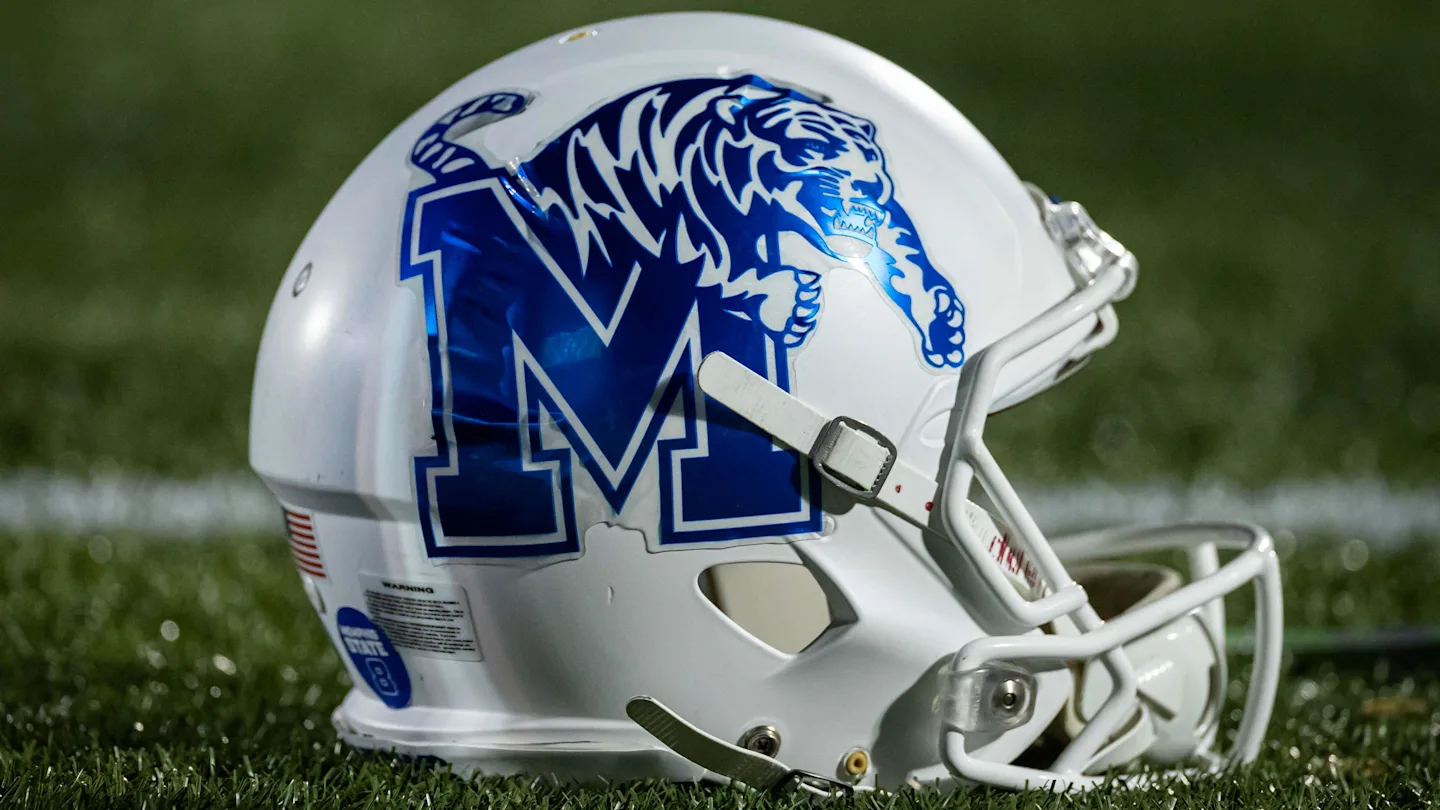
On Sunday, Memphis true freshman quarterback Antwann “AJ” Hill announced his plans to leave the program after one season, per On3.

Hill appeared in two games in 2025, earning a redshirt. His most extensive action came in a 31-24 loss to UAB on October 18. Hill entered the contest after starting quarterback Brendon Lewis went down with an injury. In roughly two quarters of action, he completed 13/25 passes for 176 yards with 1 touchdown and 1 interception.

On the season, Hill connected on 19/32 passes for 223 yards with 1 touchdown to 1 interception.

Hill is transferring after Memphis head coach Ryan Silverfield was hired away by Arkansas. The Razorbacks don’t have a ton of depth at quarterback. Redshirt freshman KJ Jackson holds the most experience on the roster with five appearances and one start last season.

It wouldn’t be a surprise if Arkansas is involved in Hill’s transfer recruitment.

Hill was one of the highest-ranked prospects in program history to sign with Memphis. He was regarded as the No. 15 QB and a top-200 recruit in the 2025 class. Hill chose the Tigers over Florida following official visits to both schools.

During his prep career at Houston County High School, Hill compiled over 11,000 passing yards and led his team to at least one playoff victory in all three seasons as a starter.

Overall, Hill completed 800-of-1239 passes for 11,020 yards with 123 touchdowns to 20 interceptions. He added six more scores on the ground.

The 6-foot-4, 215-pound quarterback is expected to have four seasons of eligibility remaining.

Read more on College Football HQ

• $45 million college football head coach reportedly offers Lane Kiffin unexpected role

• Paul Finebaum believes one SEC school is sticking by an ‘average’ head coach

• SEC football coach predicts major change after missing College Football Playoff

• Predicting landing spots for the Top 5 college football transfers (Dec. 17)


Link

Continue Reading

NIL

Former Carolina wide receiver set for WWE main roster debut

Published

on


Former South Carolina wide receiver Matrick Belton is reportedly going to get a real shot on the main roster in the WWE. Belton, who goes by Trick Williams in the top professional wrestling and sports entertainment company, joined WWE in 2021 in the NXT brand. Now, he’s going to move up to either the Raw or Smackdown roster.

NXT is basically the developmental arm of WWE while Raw and Smackdown – shows on Mondays and Fridays, respectively – are considered the main roster. According to this report from PWInsider.com, Belton will make an appearance on the upcoming Smackdown, which was pre-taped.

Whether Belton moves to Raw or Smackdown is to be determined. Here’s the reporting from PWInsider:

Former WWE NXT and TNA Champion Trick Williams will debut on Smackdown on 12/26 with the storyline being he’s a free agent looking to sign with the brand. We are told Williams has not been officially listed internally on a brand yet, so he could appear on Raw in the upcoming weeks as well, but he’ll be moving to the main roster in 2026.

Belton is a two-time NXT champion and also held the TNA World Championship for 140 days earlier this year. Belton, a former SEC football player who was in the Philadelphia Eagles’ minicamp in 2018, recently got engaged to another former SEC athlete – women’s basketball player Anriel Howard, who played for three years at Texas A&M and her final year at Mississippi State.

Belton, a Columbia native who played for Keenan High School, joined the program in 2014 after spending his first two years out of high school at Hampton University. After sitting out due to NCAA transfer rules, Belton played in every game for South Carolina in 2015 and made five starts. He caught 11 passes for 121 yards his first season on the field.

As a senior in 2016, he played primarily on special teams, appearing in nine games. He played in 21 games over the course of his two-year career with the Gamecocks and made five starts.

Belton also spent time in training camp with Philadelphia Eagles. However, he decided to take a chance on pro wrestling and started training at the Combat Zone Wrestling Academy in New Jersey.


Link

Continue Reading

NIL

Ole Miss makes history with Pete Golding coaching and Lane Kiffin tweeting

Published

on


OXFORD, Miss. – About an hour before kickoff, athletic director Keith Carter stood on the sideline, just a few yards from Ole Miss legend Eli Manning, and did his best to describe what the last month had been like for the Rebels’ football program.

Chaotic would be a good place to start. Contentious would be fitting and even maddening at times.

Good luck, though, in finding a more dysfunctional build-up to a game earmarked as the most important in school history, certainly in the modern era.

“Somebody told me that I ought to write a book about it,” Carter said with an easy smile. “I said, ‘No, I’ve tried to block it all out.’”

Not the season, and certainly not Saturday, a landmark moment in the annals of Ole Miss football. The Rebels, in their first-ever College Football Playoff game, pounced on Tulane from the outset and pounded the Green Wave in a convincing 41-10 victory before a record crowd of 68,251 at Vaught-Hemingway Stadium.

It was win No. 1 for newly promoted Pete Golding as Ole Miss’ head coach and one the Hotty Toddy Nation was thirsting for ever since Lane Kiffin’s messy exit last month when he bolted for LSU.

“I’ve felt a different vibe, I really have, the way everyone has connected with Pete,” said Carter, referencing a vibe that included Archie Manning coming back to speak to the team this week for the first time since early in Kiffin’s tenure.

At a place known for throwing festive parties, hence the long-standing boast by Ole Miss fans that they’ve “never lost a party,” this was one giant football party. And make no mistake. Ole Miss fans, players and coaches (even the ones on loan from LSU) rejoiced in every minute of it.

While Kiffin might have tweeted during the game — a statistic showcasing his impressive offensive numbers since the advent of coach-to-player communication — he wasn’t around to see the Rebels make history.

“We were ready, just blocking out all extra noise,” Ole Miss receiver Deuce Alexander said. “People were saying we weren’t going to be the same team without coach (Kiffin). He’s a great coach and all, but at the end of the day, the players play the game. So we were just prepared for the moment, just ready to go out there and prove everybody wrong.”

Ready, the Rebels (12-1) were. They ran seven offensive plays on their first two possessions and led 14-0 before anybody could blink. The Green Wave never got closer than 11 points the rest of the way.

It was Golding’s first game as Ole Miss’ coach and the Rebels’ first game without Kiffin, who accepted the LSU head job two days after the Egg Bowl win over Mississippi State. He pushed to continue coaching the Rebels throughout the playoff. As the ordeal dragged on, some players became increasingly frustrated and expressed their displeasure on social media. Carter and the Ole Miss administration made it clear they were moving on without Kiffin.

He took most of his offensive staff with him to LSU, and according to sources, told the coaches they had better be on the plane with him to LSU when he departed on Nov. 30 if they wanted a job. In the end, Kiffin agreed to let offensive coordinator Charlie Weis Jr. and others come back and coach Ole Miss’ team in the playoff, but they’re all headed back to LSU after Ole Miss’ playoff run is over.

Meanwhile, LSU’s interim head coach and one of the Tigers’ best recruiters, Frank Wilson, was recently hired to join Ole Miss’ staff after LSU’s bowl game. Sources told On3 that Kiffin wasn’t planning to keep Wilson along with general manager Austin Thomas, who has returned to Ole Miss in that same role.

“You couldn’t make this stuff up if you wanted to, the wildest shit you could imagine, how all this went down,” one Ole Miss staff member told On3. “I give these kids credit. They had a lot of questions. There was a lot of anger. Think about it. This is the greatest season in Ole Miss history, and you’re playing without your head coach, who left a playoff team for another job, and you’re being coached by other coaches who are going to one of your biggest rivals when the playoff is over and basically working for two schools at the same time.

“I don’t care what happens the rest of the way. These players are champions.”

Kiffin told On3 earlier in the week that he had “moved on” and didn’t feel like it was appropriate to make any comments heading into the game. But afterward, he congratulated the Ole Miss coaches and players on his X account and singled out Golding and seeing his two boys on the sideline.

For Golding, as has been the case since he was promoted, his focus remained squarely on the players. Over and over again, Saturday in a packed interview room, he lauded the players.

But he also threw a little shade in Kiffin’s direction when asked about some of the specific changes he made in taking over the program. He immediately pointed to his right from the podium and asked what used to be sitting down front in the team meeting room.

“We got rid of the basketball goal first,” quipped Golding, referencing a portable basketball goal Ole Miss players and staff would dunk on and play games on during meetings when Kiffin was the coach.

Golding explained that as a player he didn’t like the “forced fun aspect” of bringing teams together. What he did do after being named coach was have players make a list of things that they would want and called every player in to meet with him.

“It was like, ‘Hey give me one thing that you love the most about Ole Miss and give me the one thing that you would change first in this program if you were the head coach,’” Golding recounted.

The most important part was keeping the routine the same, no matter all the staff swapping and keeping everything being said on the outside — on the outside.

Chants of “Pete! Pete!” rang out as Golding left the field, and he joked that he’s also been on the flip side when his teams or defenses haven’t played as well. He also downplayed any difficulty of working through the chaos with the players and having them focused.

“I mean it would be one thing, no disrespect, if this was the Pop-Tarts Bowl or something like that,” Golding said. “It would have been really hard, but this is the playoffs. When people start talking about, ‘Are they going to play or not going to play?’ What are we talking about? I mean, these kids have gone 11-1 up to this point and have a home playoff game for the first time in the history of the program. … They don’t really care who runs them through the tunnel. That’s the truth. They care about their preparation. They care about the plan, are they getting developed?”

Golding held down the curse words, only a couple of “shits,” and joked that he was working on his cursing. He also wasn’t buying any conspiracy theories about the coaches on loan from LSU, including Weis, somehow not being fully invested.

Ole Miss finished with 497 yards – 346 passing and 151 rushing – and racked up 29 first downs. The Rebels were 5-of-7 in the red zone, and the only penalty came on fourth down when they took a delay and punted.

“I had zero concern with Charlie Weis calling this game for this one reason: Charlie Weis cannot afford not to call a hell of a game,” Golding said. “All he’s heard his whole life is that this is Lane Kiffin’s offense, it’s Lane Kiffin’s offense, it’s Lane Kiffin’s offense. Charlie Weis calls the offense just like he’s done all year. He did a great job tonight. So I had no concern because the last thing Charlie wanted to do was come out here and lay an egg, right? Then it’s ‘Who’s offense is it?’ and you (the media) would write about it.”

The only real downer for Ole Miss on Saturday was running back Kewan Lacy leaving the game with a bruised shoulder. He went back into the game after initially injuring it, but later left the sideline for the locker room. Golding said Lacy, the Rebels’ leading rusher, would be further evaluated.

Ole Miss now gets another shot at Georgia in the Sugar Bowl on New Year’s Day. The Bulldogs handed the Rebels their only loss this season.

As historic as Saturday’s win was, there won’t be much celebrating for the Rebels.

“The expectation is to make the playoff every year,” Golding said. “That’s why Keith Carter invests the way he does and runs the program the way he does. That’s the expectation and that’s what was unique about this group. We felt like last year we screwed that up. We had a talented enough team to be able to make the playoff and we didn’t. So all these guys that came into this team this year, their expectation was to make the playoff,  and that came true for them. I think that’s going to be for every class going forward. That’s the expectation of where this program is.

“It’s a top-5 program in the country, and that’s your expectation every year.”


Link

Continue Reading

NIL

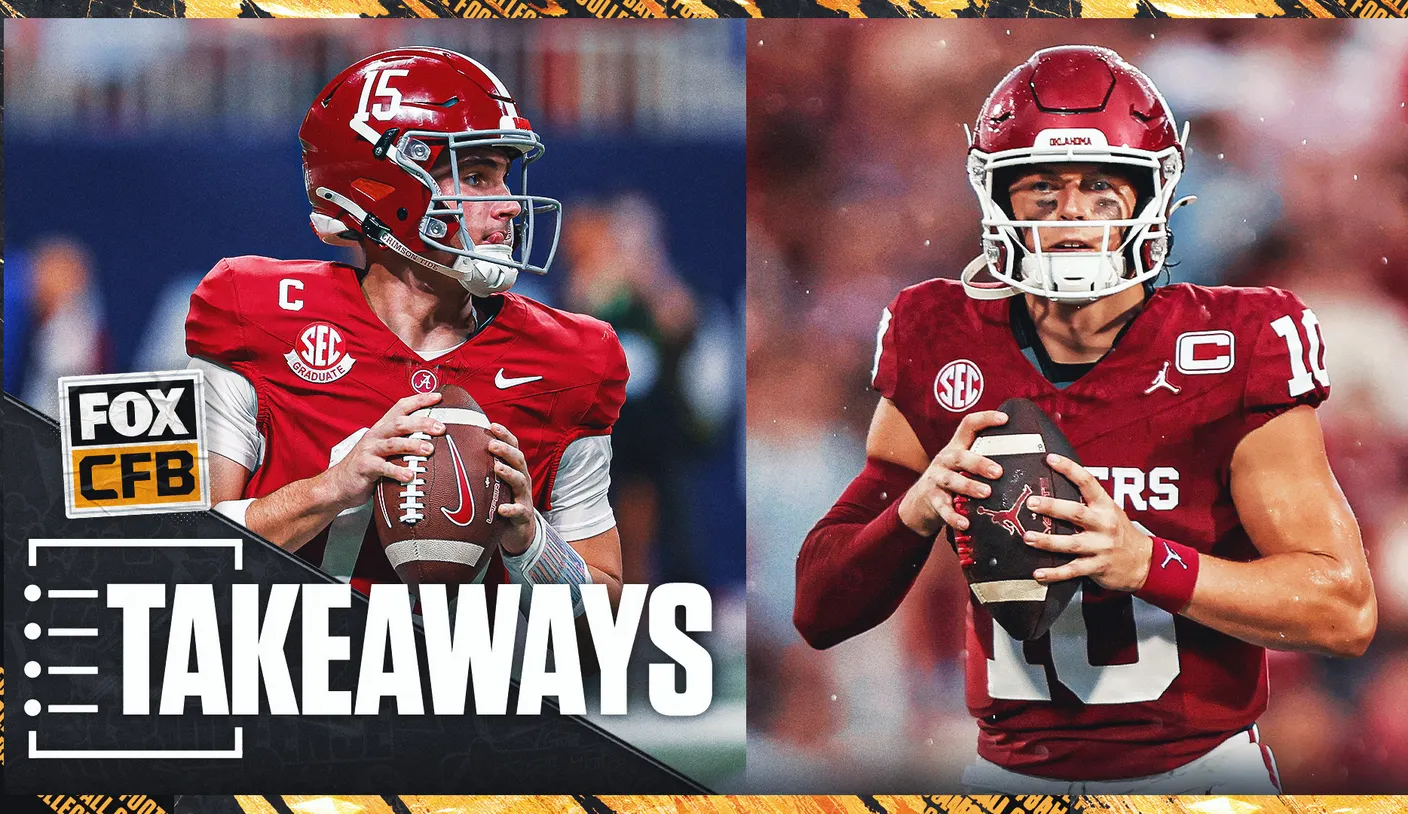
4 Takeaways From Alabama’s Comeback, Oklahoma’s Collapse in CFP First-Round Game

Published

on


Memorial Stadium (Norman, Oklahoma) — The stage was set for Oklahoma. Heck, the Sooners earned the right to set it. This was supposed to be the ushering in of a new era of postseason football for the No. 8 team in the country that had won 10 games in what was one of the toughest schedules this year.

No. 9 Alabama was even one of those teams that Oklahoma beat on its way to earning this spot. And Saturday night, all was going well for the Sooners. It was going so well, in fact, that after the first quarter, some Oklahoma fans might’ve peeked at flights and hotel rates for the Rose Bowl from inside Memorial Stadium.

And then the Alabama Crimson Tide curled and rolled the Sooners, 34-24, and are headed to Pasadena. After opening with 17 unanswered points, Oklahoma collapsed under the weight of that wave, becoming the only team in College Football Playoff history to blow a 17-point lead. And now, the Sooners have done it twice — before Saturday, in 2018 against Georgia.

[Best Teams in the College Football Playoff Era: Creating the Ultimate 12-team CFP]

Here are my takeaways from Alabama’s College Football Playoff first-round victory against Oklahoma on Saturday:

1. Alabama is the most resilient team in the CFP

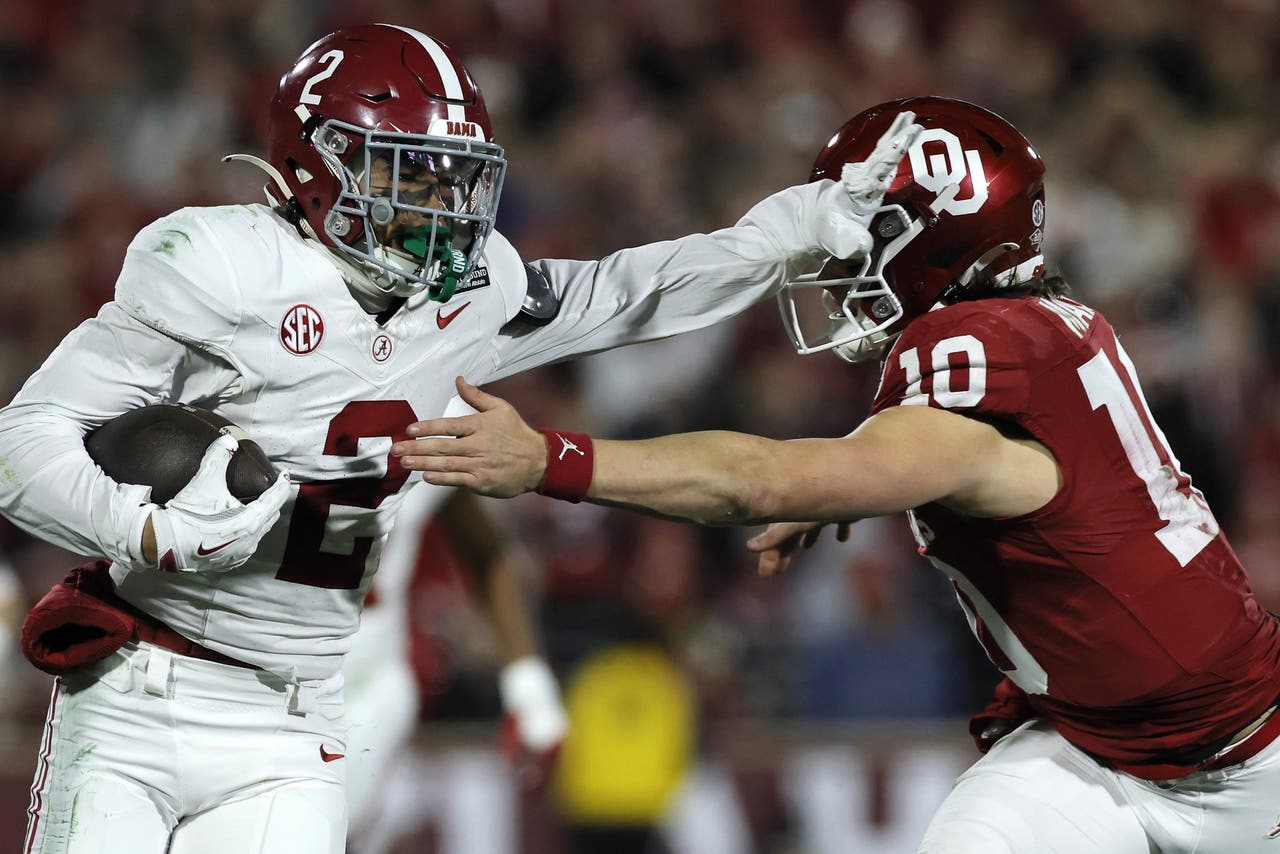
NORMAN, OKLAHOMA: Zabien Brown #2 of the Alabama Crimson Tide stiff-arms John Mateer #10 of the Oklahoma Sooners during the second quarter during the 2025 College Football Playoff first-round game on December 19, 2025. (Photo by Brian Bahr/Getty Images)

Crimson Tide quarterback Ty Simpson is an avid reader and listener of college football news. Following the largest comeback win in Alabama postseason history, Simpson took a moment to facetiously thank media members during his post-game press conference for choosing Oklahoma to win on Saturday night. 

“I guess we can thank you guys for that,” an emboldened Simpson said. “You guys kind of wrote us off in a sort of way. So I appreciate that.”

After building a three-score lead, the Sooners watched the Crimson Tide recover a fumbled punt, pick off Oklahoma quarterback John Mateer and return it 50 yards to the end zone — all before their First Team All-American kicker Tate Sandell missed not one but two field goals in the final minutes to solidify the worst collapse in College Football Playoff history.

Meanwhile, the Alabama Crimson Tide will prepare to take on No. 1 Indiana in the Rose Bowl for the CFP quarterfinal game. This team that punches back and played its best football with its back against the wall is one that the Hoosiers must prepare for on New Year’s Day.

[MORE CFP: 4 Takeaways from Oregon’s Blowout of James Madison in CFP First Round]

2. You can’t be this up-and-down and contend for the national championship

NORMAN, OKLAHOMA: John Mateer #10 of the Oklahoma Sooners is hit by Deontae Lawson #0 of the Alabama Crimson Tide during the first quarter during the College Football Playoff first-round game on December 19, 2025. (Photo by Brian Bahr/Getty Images)

The Crimson Tide began down — just like they did against Georgia in the SEC championship game. But the last three quarters of Saturday’s game demonstrated Alabama to be just who it says it is: the kind of team that can open with a loss to a bad Florida State and also be the first team in six years to walk into Sanford Stadium in Athens, Georgia, and come out with a win.

DeBoer’s task now is to find a way to make certain that the team that showed up at Georgia earlier this season and at Oklahoma in the first round is the same one against the Hoosiers. Linebacker Deontae Lawson said that’s his job too. But Bama’s best trait isn’t one that shows itself until it’s in a fight for its life.

“Man, I just think we’re a resilient team,” Lawson said during a post-game press conference. “And even though we were down 17-0, we didn’t really look at the scoreboard. Coach DeBoer always says, ‘Keep playing the game. The game will come back to you.’ … We just keep fighting.”

[MORE CFP: 4 Takeaways From Miami’s Defense-Heavy CFP Upset Win vs. Texas A&M]

3. Oklahoma’s cartoonish errors 

NORMAN, OKLAHOMA: Head coach Brent Venables of the Oklahoma Sooners speaks to an official during the fourth quarter against the Alabama Crimson Tide on December 19, 2025. (Photo by Brian Bahr/Getty Images)

Let’s look at the bigger ones:

  • Mateer’s air-mailed pass intended for receiver JaVonnie Gibson in the first half that would’ve gone for six
  • Mateer’s pick-six with barely a minute left in the second quarter
  • Punter Grayson Miller’s fumble/blocked punt
  • Sandell’s two missed field goals — one from 36 yards, then from 51 yards, despite hitting a 51-yarder in the first quarter — to bring the game to one-score with not five minutes left to play

These are blunders. Errors that aren’t forced but self-inflicted. It’s difficult to win any game with those kinds of mistakes on your drive chart. It’s nearly impossible in a game of this magnitude, against a team as talented and as resilient as the Crimson Tide.

[MORE CFP: 4 Takeaways From Ole Miss’ Dominant CFP First-Round Win Against Tulane]

4. A (brief) live concert

NORMAN, OKLAHOMA: Keon Keeley #31 of the Alabama Crimson Tide celebrates after defeating the Oklahoma Sooners in the College Football Playoff first-round game. (Photo by Stacy Revere/Getty Images)

Oklahoma usually plays 50 Cent’s “Many Men” before the start of the fourth quarter. In an attempt to make a statement for its first CFP game at Owen Field, the Sooners brought the rapper himself out onto the field to perform the song for fans in a Hard to Kill Hoodie.

“I didn’t know it was live,” DeBoer said during the post-game press conference.

“I didn’t know who 50 Cent was,” Simpson added, “but I know that song.”

“We play that song at practice on Fridays,” Lawson said.

RJ Young is a national college football writer and analyst for FOX Sports. Follow him @RJ_Young.


Link

Continue Reading

Most Viewed Posts

Trending