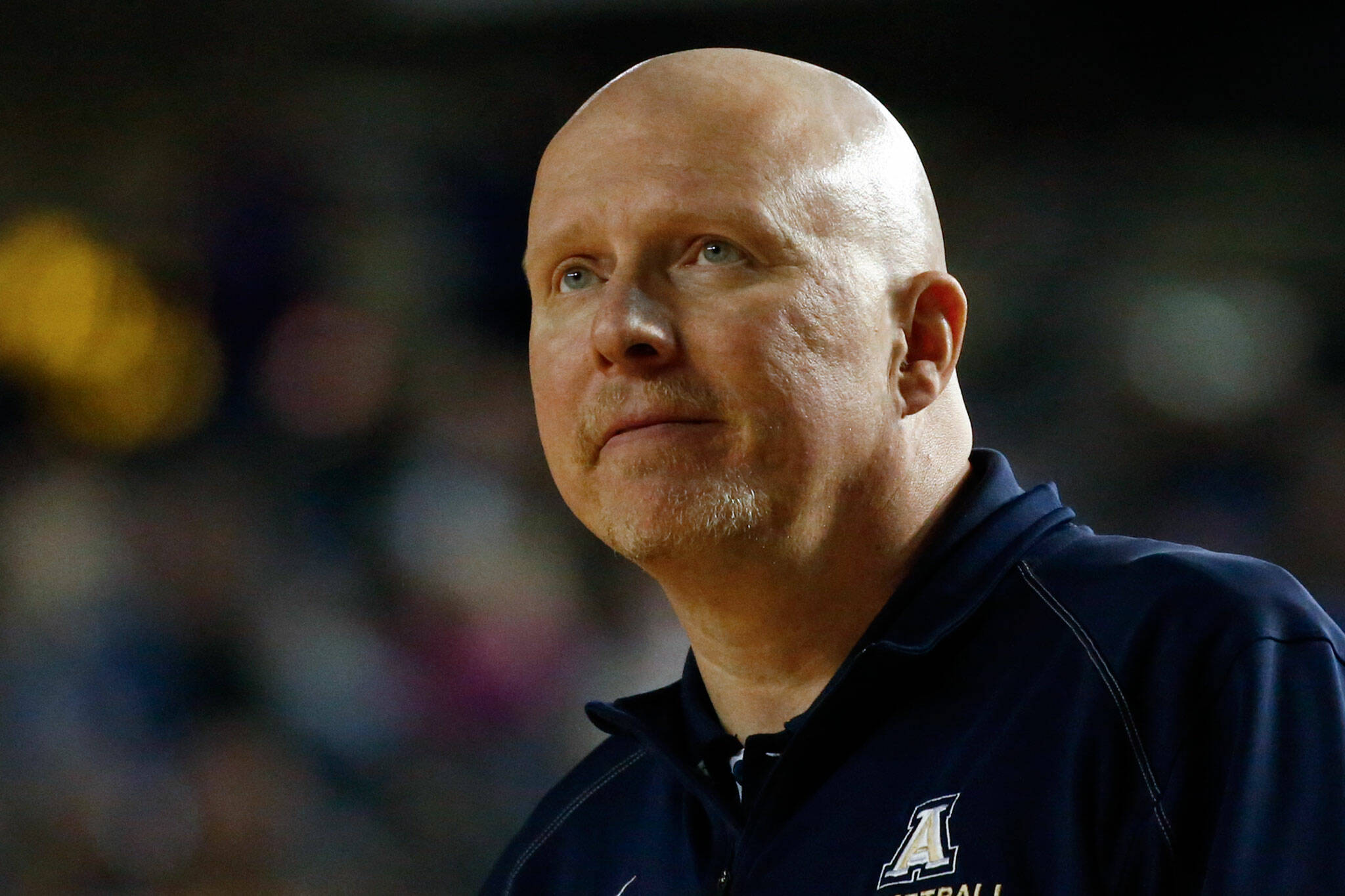
ARLINGTON — For a moment, Arlington High School girls basketball coach Joe Marsh seethed.
At the suggestion of his assistant, the second-year head coach ignored his instinct to foul up by three points in the waning moments of a 2013 Class 4A state semifinal, and watched as Lake Stevens star Brooke Pahukoa hit a 3 to send the game into overtime.
The hearts of all Eagles in the Tacoma Dome sank.
For a moment, he expressed his displeasure. The next, he slid on his knees into the huddle as the team prepared to regroup from the gut punch and recapture the lost momentum as overtime loomed.
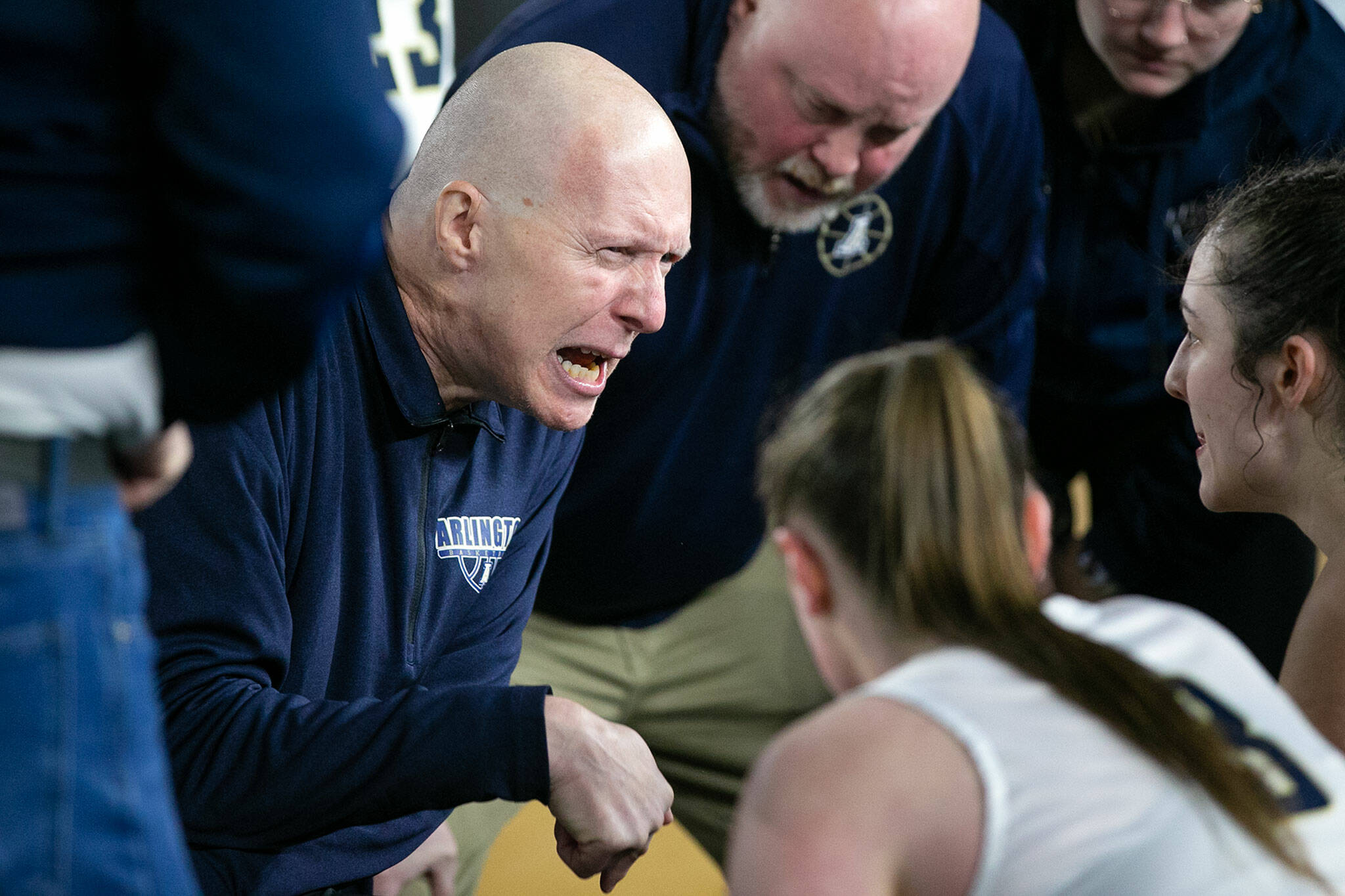
Arlington head coach Joe Marsh talks with his team during a timeout against Lake Washington in a 3A semifinal on Friday, March 3, 2023, at the Tacoma Dome in Tacoma, Washington. (Ryan Berry / The Herald)
“We are NOT losing this game,” he bellowed, looking each player in the eyes as his face reddened. “We are NOT losing this game. We did not come here to lose this game.”
His belief, which had quickly shifted from disbelief, bled into the players in a matter of seconds, and a basketball program that had missed the state tournament for 11 seasons suddenly found its way into the championship game.
“He was amazing in that moment,” said Central Washington University women’s head basketball coach Randi Richardson, who was the Arlington assistant coach that day in 2013. “He knew exactly where his team was at (mentally) in that moment, and he gave them exactly what they needed to come out and be successful as competitors and pull out that win.”
Giving people what they needed was the essence of Marsh. Though he’s in the Washington Girls Basketball Coaches Association Hall of Fame because of nine state appearances in 13 full seasons, it’s times off the court that many people will remember most.
The Arlington community lost a teacher, a father figure and a friend in addition to one of the state’s all-time great high school basketball coaches on Wednesday when Marsh, 57, lost a four-year battle with stage 4 prostate cancer. He died peacefully in his home, surrounded by family and close friends.
He is survived by his wife Sharon O’Brien, daughters Keira and Fiona Marsh, hundreds of basketball players and thousands of students he served as a history teacher at Arlington.
Sean Marsh, who coached alongside his brother for years before filling in as head coach when Joe was hospitalized for a month early in the 2024-25 season, was struck by his brother’s legacy at — of all places — the dump. He pulled up to the booth to pay, and the attendant said, “You’re Joe Marsh’s brother, aren’t you?”
“He was probably about 27, and he said, ‘He was my favorite teacher of all time,’” Sean Marsh said. “And the girl in the booth across from me said, ‘Are you talking about Joe Marsh? He was my favorite teacher of all time.’”
“A lot of people tell me this. I go into grocery stores, a lot of places … that’s just the kind of impact he had. It wasn’t just as a basketball coach. It was as a teacher, a mentor, a father, a community leader. He just really did it all.”
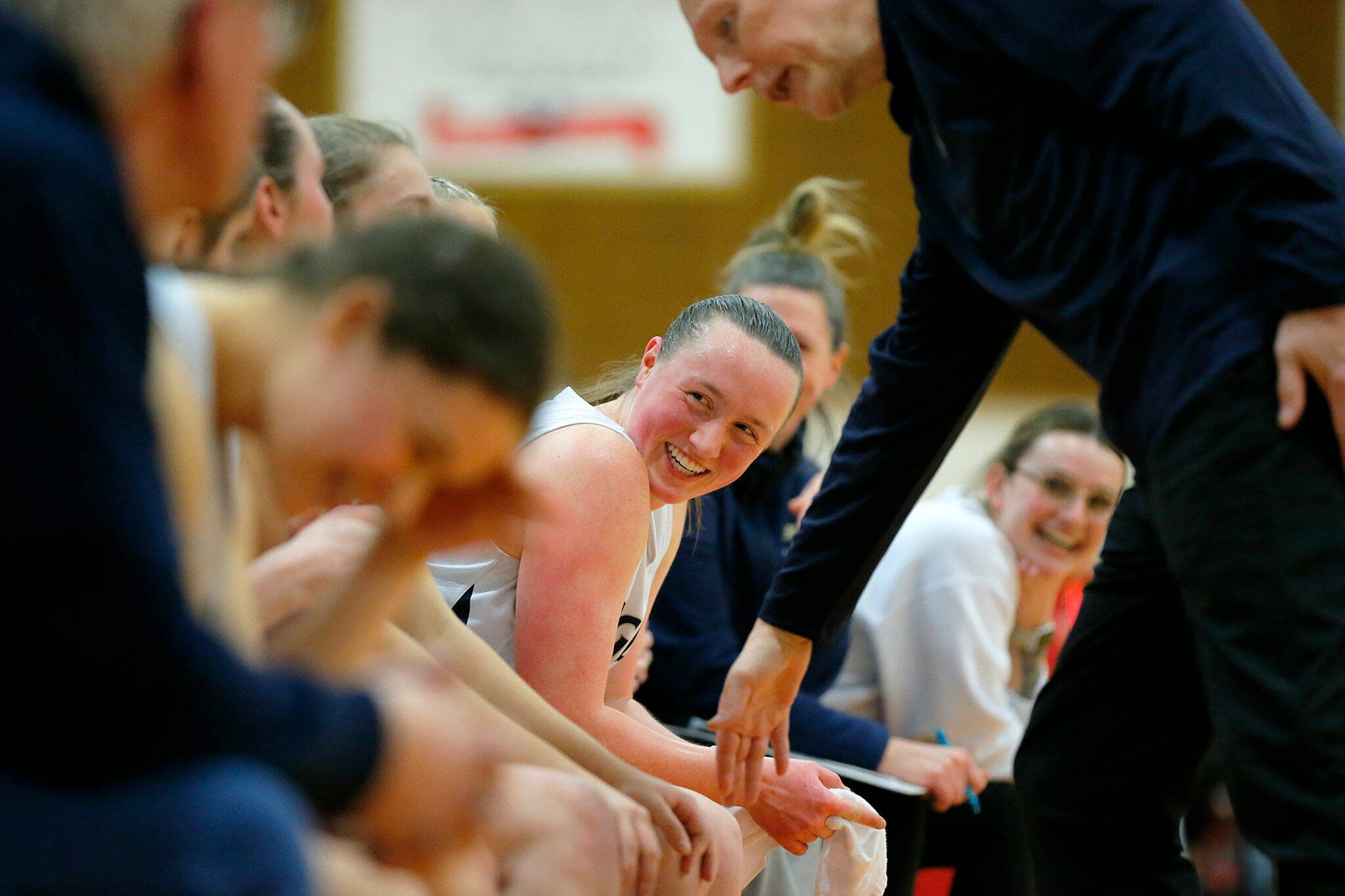
The Arlington bench all laugh as head coach Joe Marsh chooses five substitutes for his starters in the final minute of a win against Lynnwood on Tuesday, Feb. 14, 2023, at Marysville Pilchuck High School in Marysville, Washington. (Ryan Berry / The Herald)
Diagnosed in 2021, the cancer continued to grow. In 2022, he was told he had 6-9 months to live. Much like the belief he instilled in his players, Joe refused to give up. He beat the odds and continued to coach until he was rendered unable to walk in January due to a spinal tumor that led to surgery and a 33-day hospital stay. He fought and coached basketball for longer than could have been expected.
“He gave every ounce of his life to his family and to his program that he built, and that he was so proud of,” Sean Marsh said.
That stubbornness required to never give up comes in part from Joe’s East Coast roots. Joe Marsh, the oldest of six siblings — five of whom have coached basketball — grew up in South Jersey just outside of Philadelphia. The family of eight moved to Arlington to run a business. As a 16-year-old senior who had skipped a grade, Joe lost his father to a heart attack. He played on the University of Washington junior varsity basketball team in the mid-1980s before the family moved back to New Jersey. Joe Marsh, though, returned west because he missed O’Brien. The couple eventually married, and Joe began teaching at Arlington in 2004.
He was an assistant with the Arlington boys basketball program before another coaching position piqued his interest in 2011: Arlington High School girls head basketball coach. He thought about his daughter, Keira, who was a youth basketball player, and considered the possibility of coaching her in the upcoming years.
It turned out to be a great move for many people.
He took over a program that had eight total state appearances in its history. Through the end of the 2023-24 season, Marsh went 238-76 in 13 seasons, winning eight Wesco titles. He was named Wesco Coach of the Year five times and was The Herald’s All-Area Coach of the Year twice.
His teams made nine state appearances. Though the state title he desired eluded him, Arlington went to the championship game twice and the semifinals five times — including three straight trips from 2021-2023. While he fought through the effects of chemotherapy and cancer’s advances, Arlington finished fourth in state in March of 2024 to culminate his last full season.
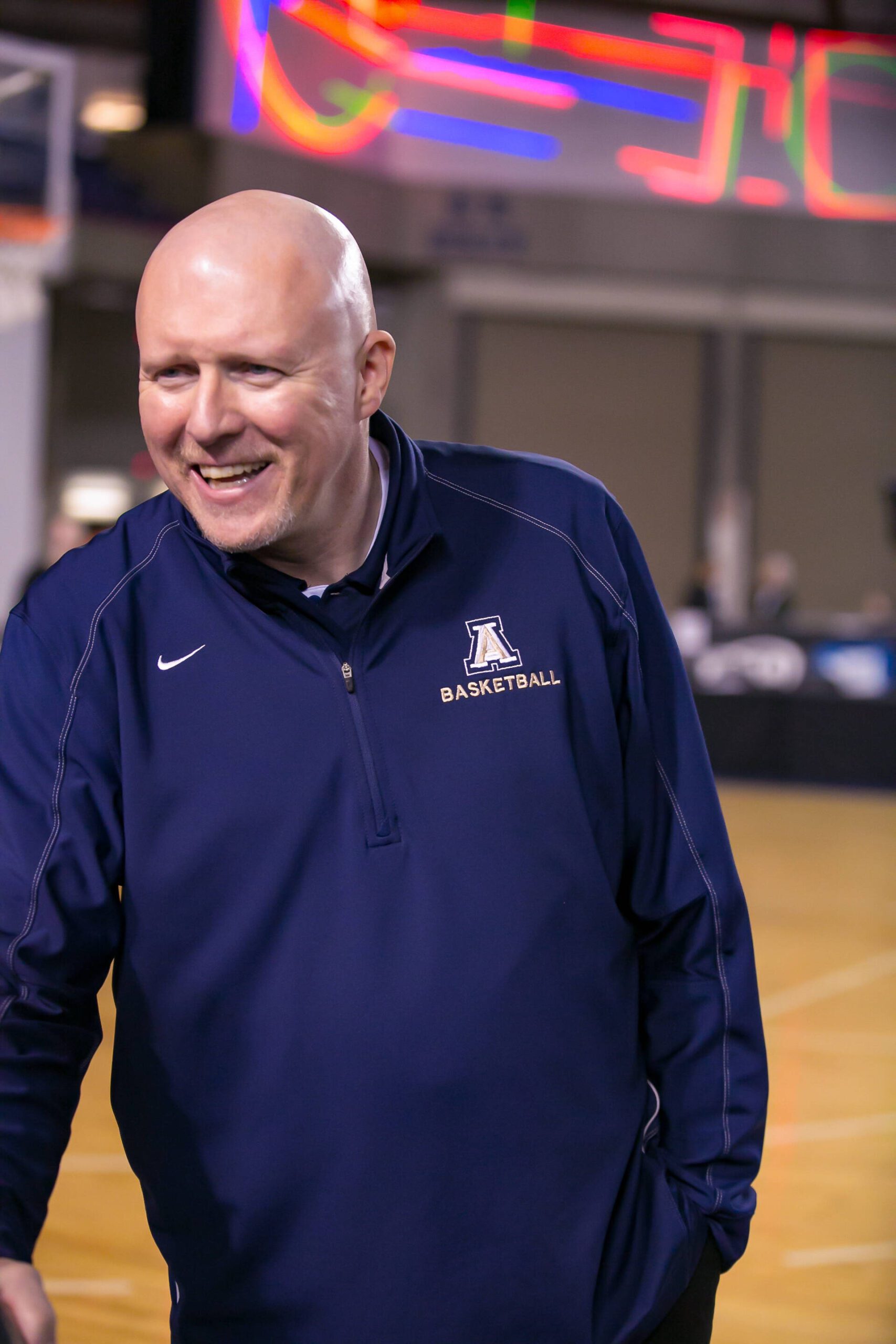
Arlington girls head basketball coach Joe Marsh greets a person during the 2020 state basketball tournament at the Tacoma Dome. (Photo courtesy of Sean Marsh)
Joe was known for winning, and his fiery side led to some technical fouls over the years. He worked the officials and fought for his players. They, in turn, fought for him. The game intensity quickly dissipated, win or lose, at the final buzzer. The referees and rival coaches immediately became his friends. His demeanor after games was the same, win or lose, when he talked with reporters, as well as coaches and players from both teams after games.
He built a youth feeder program to help grow girls basketball in Arlington. He became an advocate for Wesco basketball, often helping the very coaches who would try to beat him.
Defeating him, though, was not easy. He won 137 league games while losing just 28 — a winning clip of 83 percent. He was known for coaching his players’ hearts and mentality as much as teaching offense and defense, which led to the Eagles playing hard until the end.
“It was miserable,” quipped Glacier Peak coach Brian Hill when asked what it was like to coach against Marsh. “His teams were some of the best defensive teams throughout the league over his time at Arlington. You knew what he was going to do, it was just tough to get through it. He was going to bring hard pressure, and his kids really bought into what was going on and made things miserable.
“They were very disciplined, and they were definitely in shape. They would go the whole game and just keep putting it on you.”
After the evening of intensity, Joe quickly put games behind him and gave his attention to a family he loved dearly.
His daughter, Keira, who was an important part of two semifinal teams, now plays for Richardson at CWU. Though coaching one’s own child can be challenging, it was a great time for both of them.
“We obviously had our moments when I’d give him some daughter attitude,” Keira Marsh said. “… But it’s hard to remember any bad experiences, because I loved it so much. He made me a better player, and I think we worked pretty well together. I know with most people, it’s not that experience.”
That’s likely because the whole team was like a group of daughters to Marsh. While he demanded much of them, he built family relationships with his players that continued beyond high school. While he expected the physical fitness required to play his relentless pressure defense, his players loved him for his softer side.
On most Saturdays during the season, Marsh wasn’t running fast-paced practices to work out the kinks from Friday night’s game. He was usually handing out donuts and chocolate milk. The players sat in a circle, sometimes talking about basketball, sometimes not. Sometimes they joked around, and on other Saturdays, they talked about tough life situations that brought tears.
For Gracie Phelps (Gracie Castaneda during high school), her coach provided stability to help her overcome a difficult upbringing.
“He was probably one of the top three most influential people in my life,” said Phelps, who has followed her coach’s footsteps to become a high school teacher and coach. “I grew up in a pretty hard home, hard childhood, and I didn’t really have a father figure. Marsh became that for me in high school.
“There were times when he was scary, for sure, but it was all out of love — and we knew that. There were so many things that Marsh did for us on and off the court.”
Phelps also recognizes how difficult it is for a person to give so much as a teacher during the day and then carry that energy to practices and games in the evening.
That spark came from a passion for the game and helping the girls grow as players and people.
“It’s hard to come by a coach that can also be one of your best friends,” said Jenna Villa, The Herald’s 2022-23 All-Area Player of the Year, who will be a junior on the Oregon State University women’s team next season. “He was someone I could go to for anything.”
Villa met her former coach for coffee from time to time and learned that Marsh kept in contact with countless former players to chat about basketball and life. People knew he was proud of them, though he wasn’t afraid to give them advice.
Richardson benefited from Joe’s guidance as much as anyone.
An Arlington grad, Richardson returned home in 2011 after her senior women’s basketball season at Wyoming, feeling burned out about hoops and thinking her “relationship with basketball was done.”
Joe heard she was back in town and gave her a call. She started turning down an offer to get involved with coaching at Arlington, but Joe wanted to hear it in person.
In his room at the high school, he made it clear that he wanted her to be the junior varsity head coach. Richardson felt she would never have interest in being the head coach of anything.
“That’s nonsense,” he told her.
Now a college head coach, Richardson is thankful for Joe’s stubbornness.
“I said there was no way I was doing that,” Richardson said. “I remember him saying, ‘You’re so ready. You’re going to be great. That’s nonsense.’”
Richardson will miss her mentor’s guidance. Joe helped her identify players who would be a good fit for her team at Central and talked her through the tough moments of a coaching career.
Like most people, though, Richardson will miss her friend.
“He loves his players, and he’s passionate about the game of basketball, and about the growth of his teams,” Richardson said. “But not an ounce of who he is as a coach is self-serving, or about him. It’s all about his players, his program and the love he has for the game. He’s just such a good guy — a respected competitor.
“A great friend.”
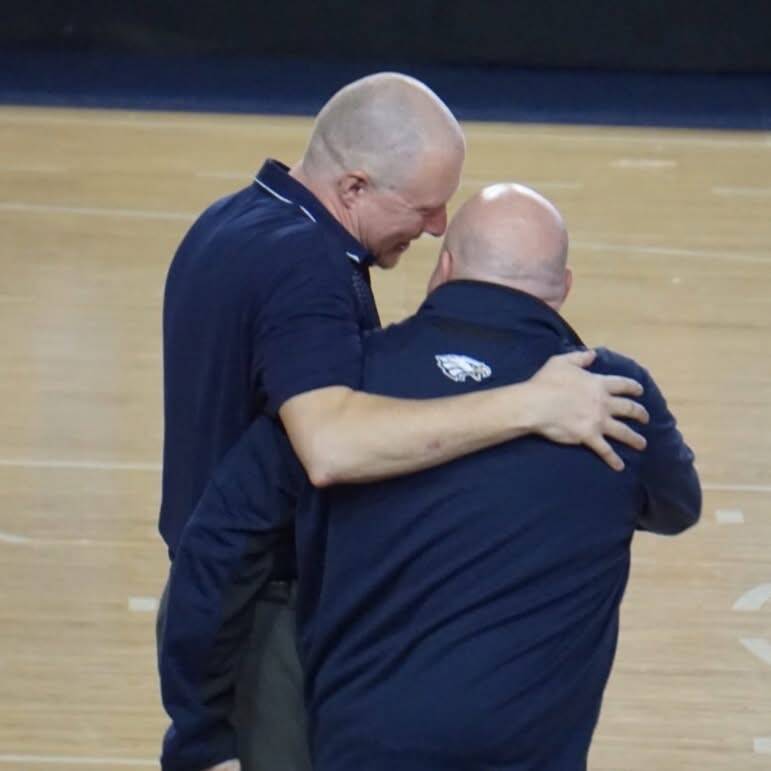
Arlington girls head basketball coach Joe Marsh (left) walks with his brother and assistant coach Sean Marsh after a game. (Photo courtesy of Sean Marsh)
Gallery
Arlington head coach Joe Marsh talks with his team during a timeout against Lake Washington in a 3A semifinal on Friday, March 3, 2023, at the Tacoma Dome in Tacoma, Washington. (Ryan Berry / The Herald)
Joe Marsh, Arlington head coach, reacts to an intentional foul call in the final seconds against West Seattle at the Tacoma Dome on February 27, 2019. (Kevin Clark / The Herald)
The Arlington bench all laugh as head coach Joe Marsh chooses five substitutes for his starters in the final minute of a win against Lynnwood on Tuesday, Feb. 14, 2023, at Marysville Pilchuck High School in Marysville, Washington. (Ryan Berry / The Herald)
Arlington girls head basketball coach Joe Marsh greets a person during the 2020 state basketball tournament at the Tacoma Dome. (Photo courtesy of Sean Marsh)
Arlington girls head basketball coach Joe Marsh (left) walks with his brother and assistant coach Sean Marsh after a game. (Photo courtesy of Sean Marsh)
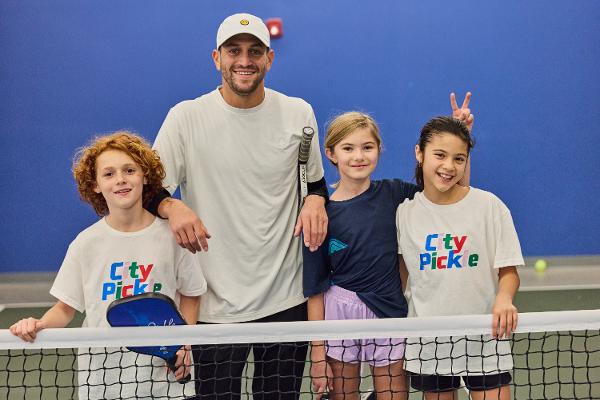
CityPickle Kids: Youth Academy Launching Winter 2026, CityPickle is debuting NYC’s first leveled, 12-week junior pickleball program for ages 8–13. Pickleball has emerged as a leader in youth sports, with more than 240 collegiate clubs nationwide (and even varsity programs!). Families are increasingly seeking structured, skill-building opportunities for their children.
CityPickle’s Youth Academy meets that demand with a thoughtfully designed curriculum created by Head of Coaching Josh Gartman, mirroring the rigor and progression of elite junior tennis programs. Players advance through three levels — Competitor, Challenger, and Champion — with coach evaluations at the start and end of each season. The invite-only Champion tier includes tweens and teens with serious talent (and yes, they can already beat most adults).
AMARILLO, Texas (KFDA) – A NFL Flag Football youth initiative is coming to Amarillo. This league catered toward youth is bringing new, non-contact sports for kids to get involved and learn the game of football in a different way while still having fun.
The Texas Panhandle is expanding the opportunity for youth to get more involved this summer through the NFL Flag Football program. This league gives boys and girls in Amarillo the chance to play with an NFL name.
Amarillo native, Tascosa High School alum and program owner and operator for this new initiative Mark Jackson explained why he wanted to bring this opportunity to Amarillo to give youth in the Panhandle the chance to be part of a growing sport and put an emphasis on the importance of inclusivity for the sport.
National reach and local opportunity
“When I had the opportunity to bring it up here because they’re playing all across the nation. Over 500,000 youth across the United States are playing right now. So I said, why not Amarillo? Why not, the kids up here have a chance to play like the kids across the United States and have a chance to, you know, maybe be national champions and go to the Pro Bowl and go to other countries and play,” Jackson said. “So, yeah, that’s why I did it.”
Jackson emphasized the NFL’s commitment to inclusivity.
“Well, that’s one of the NFL’s initiative is to have everybody included. Girls, boys, it doesn’t matter. They want everybody who wants to play to play. That’s what we’re gonna, in Amarillo, we’re gonna give. If you’re a girl, it don’t matter. If you think you can play football or you want to tell your dad or mom, look, I want to play, get out there,” he said.
Registration and schedule
Registration will open in January. Games will start at the end of June and beginning of July.
This league is for boys and girls and open to ages 13 through 17. There is still time to get involved as an athlete or a coach as well.
An official website for this initiative and where people can donate to help this grow will be announced at a later time.
BEREA – “Human Nature” couldn’t have been on louder display Sunday afternoon at Conkin Gym if the decades-old Michael Jackson song by that title had been blaring over the speakers.
One of the toughest challenges of coaching youth sports is keeping your troops focused when they’re beating the opponent like a drum. Matt Walls has seen it up-close two days in a row, and at least a half dozen times already this season with his Great Crossing girls’ basketball team.
“I don’t know if we just need to stay out on the court during halftime,” Walls wondered half-jokingly. “Do I walk out and try to keep them in there themselves to figure it out? Have I got to go in there and yell and stomp and act like a crazy man?”
It’s a happy problem, one Great Crossing will take into the championship round of the Berea Holiday Classic after a 54-19 pummeling of the host Pirates.
Monday’s title game against West Jessamine, a 67-36 winner over Lexington Catholic, tips off at 4:15 p.m. It’s a rematch of last year’s final in the Bryan Station Defender Classic, won by the Colts.
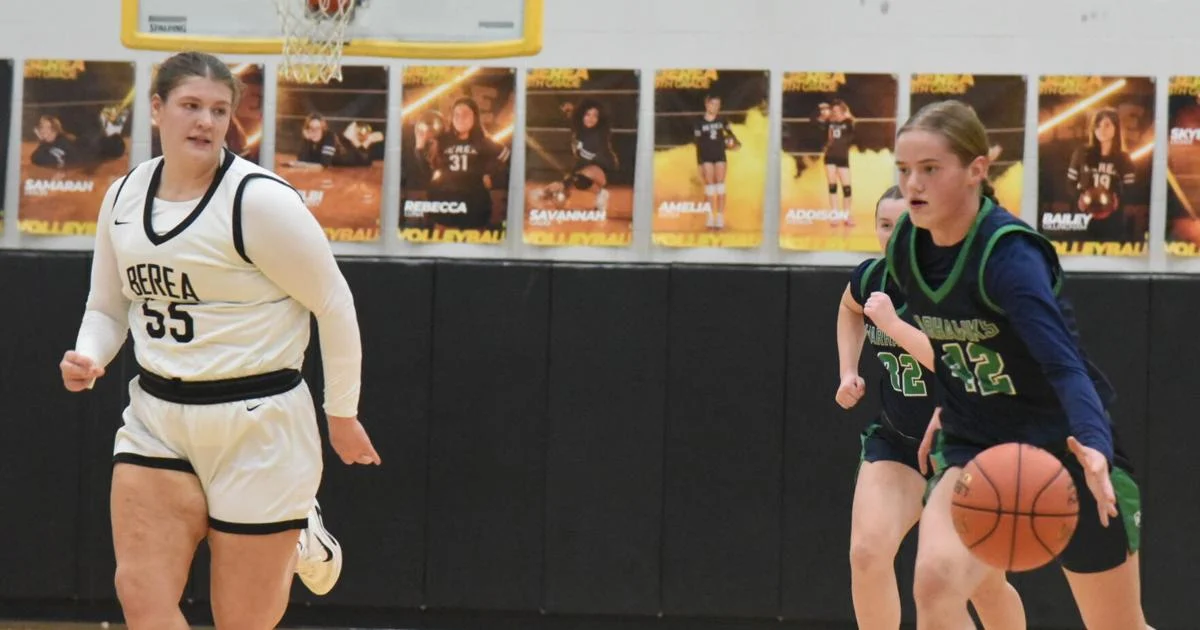
Great Crossing (8-3) held Berea (3-4) to one field goal in each of the first two periods and led by 30 at the end of the first half, in which sophomore Samantha Brown scored 22 of the Warhawks’ 41 points.
Brown buried five 3-pointers in the first half and hit her program record-tying sixth midway through the third quarter.
A couple of rim-outs and the one-sided nature of the contest stopped her there at 25. For now, she shares the single-game mark of six triples with Rachel Smith, who did it on three different occasions.
“She filled it up. I don’t know how many she ended up with. Especially how open she was, she’ll shoot it all night,” Walls said. “The way she shoots it, I’m sure she’ll have (the record by herself) at some point within the next few years. If she can start making six a game, that would be really nice.”
Brown, able to rise and fire almost every time without a Berea defender even in her shadow, scored 10 of the Warhawks’ first 12 points and had 16 at the end of the first quarter.
Kendall Kearney also delivered a deep three and a pull-up jumper in that stanza, while Emery Corrigan and Maya Custard each chipped in a transition basket.
Great Crossing led 17-0 with 3:40 still remaining in the period. It was 25-6 at the horn.
Corrigan and Brown christened the second quarter with 3-pointers from opposite corners, followed by another steal and layup from Corrigan.
“Our defense and our offense in the first half might have been one of the best halves we’ve played all year,” Walls said. “That’s what we talked about. Making that extra pass. Trying to get open looks. Just drive it and make them guard you, especially in the zone defense there. If we drive that gap and make them collapse down, we can get consistent looks that way.”
Threes by Natalya Nafee in the first quarter and Avery Plessinger in the second were the only first-half offense aside from free throws for the Pirates.
Berea finished with nine more turnovers (28) than field goal attempts (19) on the day, in part due to an 18-3 differential in fouls. The hosts missed 14 of their 23 attempts from the line.
GC found equally unkind rims after intermission, dipping from its break-even clip of 16-for-32 in the first half to 6-for-28 on the other side.
“It’s hard to have a killer instinct when you’re shooting 21 percent from the field,” Walls said. “Whatever we made in the first half, we missed in the second half.”
Maddie Napier’s basket capped the third quarter and pushed the lead past the running clock threshold at 50-14.
Great Crossing has held opponents to an average of 37.6 points per game in its eight wins. Only one of those victories was in any real second-half danger.
“I told them to get ready for the end of the year and just use it as a practice session,” Walls said. “Work on our stuff. Work on our execution. We’ve got to have that mindset about us at some point.”
Brown supplemented her perimeter prowess with six rebounds. Corrigan added 14 points, while Kearney stacked up seven points, five assists and four steals.
Custard, Corrigan, Brown and Claire Tierney joined Kearney with multiple takeaways.
GC seeks its first tournament title since the Bourbon County Classic in December 2021.
“It’s got to be a mentality,” Walls said. “You’ve got to learn how to do it. It doesn’t come naturally. Hopefully we can start learning tomorrow (Monday),”
West Jessamine has won five of six since losing both its games at the Billy Hicks Classic on Dec. 9 and 11.
“I know their really good girl (Claire Marshall) is hurt,” Walls said. “That’s a big loss for them. You’ve got to take what is given to you.”
Egyptian Swimming Federation Under Scrutiny After Swimmer’s Death
The Egyptian Swimming Federation is facing major changes in the wake the death of a swimmer at the national under-12 championships in December in Cairo.
According to Reuters, the federation has been forced to appoint an interim committee to run the organization after the head of the federation and its board were removed last week. The Egyptian Ministry of Youth and Sports has reached out to World Aquatics for interim guidance of the federation.
A swimmer named Youssef Mohamed Abdel Malek drowned during a meet on Dec. 2 at Cairo’s International Stadium swimming complex. Per reports from within the country, Malek’s body was not found until the start of the following race.
Yasser Idris, the head of the swimming federation and a member of the Egyptian Olympic Committee, has been ordered by public prosecutors to stand trial. Also referred for prosecution are the executive director of the swimming federation, its board, the director of the meet, its chief referee, other officials from the Al-Zohour Sporting Club and several lifeguards. All are accused of failure to do their duty in keeping Malek and other swimmers safe.
The Ministry of Youth Sports referred the matter to public prosecution following an investigation that included interviews with witnesses present and reviewing video footage of the incident.
In a statement, the swimming federation said it was halting all activities, “out of respect for public opinion and the family of Youssef Mohamed, pledging full compliance with court rulings and accountability for anyone found negligent.”
Teaching Generosity: How 4H youth turn the holiday season into a time of service
Published 1:09 am Monday, December 29, 2025
By Meghan Corvin / County Extension Coordinator
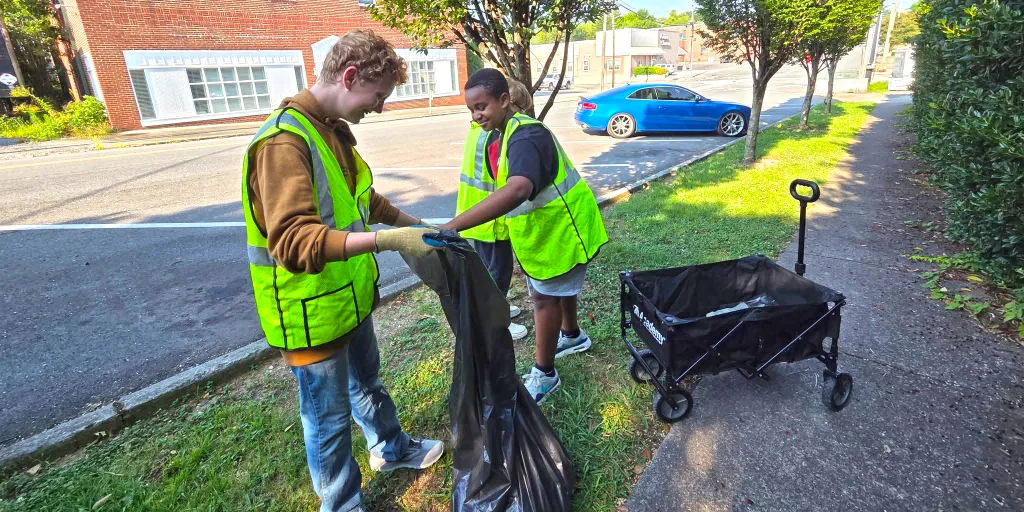
“I pledge my head to clearer thinking, my heart to greater loyalty, my hands to larger service, and my health to better living….” Every meeting for 4-H members across the country begins with these familiar words, helping them connect to the values that nurture their growth as young leaders. The phrase “my hands to larger service” goes beyond mere words; it acts as a call to action and a reminder that genuine leadership begins with generosity, compassion, and a readiness to serve others.
The holiday season provides a meaningful opportunity to teach young people the value of generosity. Across the country, 4-H highlights that generosity is a key component of positive youth development, alongside belonging, mastery, and independence. Each element is crucial in fostering confident and compassionate young people. The University of Georgia Extension has long emphasized that learning about generosity helps youth understand how to give back to their communities in meaningful ways, and that 4-H members are committed to improving their “club, community, country, and world.” Research from Tufts University reinforces this message, stating that 4-H youth are four times more likely to make positive contributions to their communities than their peers. During the holiday season, acts of giving, such as volunteering, making cards for seniors, or collecting winter clothing, highlight generosity and help young people develop empathy, leadership, and resilience by teaching them to look beyond themselves. These experiences strengthen communities while instilling confidence and responsibility in youth.
This season is an ideal time to promote generosity. Communities recognize more needs, families are more open to giving, and young people participate in acts of kindness. The holidays emphasize service naturally, and volunteering encourages youth to develop lifelong giving habits. When young people serve together with neighbors, local leaders, and peers, they form meaningful community bonds. These shared experiences foster a sense of belonging and purpose, helping youth see themselves as important members of their community.
Generosity in 4-H isn’t limited to the holidays. It’s a year-round practice that encourages youth to give their time, talents, and energy to meaningful causes. Still, the holiday season provides a unique opportunity to emphasize and celebrate this vital aspect of positive youth development and foster lifelong habits. Ultimately, teaching youth to give during the holidays is more than just a festive activity; it’s an investment in the future. When young people see that generosity can be shown through simple acts of kindness or larger service projects, they carry those lessons into adulthood. The season becomes not just a time of receiving, but a time of shaping caring leaders who will continue to serve and engage their communities.
Meghan Corvin is the County Extension Coordinator and 4-H Youth Development Agent for the University of Georgia Extension, Whitfield County. Contact her at 706.278.8207 or meghan.corvin@uga.edu.