
Technology
MLB and Sports Media Rights in the Streaming Era: Stinson LLP Law Firm


Diamond Sport Group’s recent stay in Chapter 11 proceedings provides a good illustration of evolving trends in the consumption of live sports content and the resultant changes in the media industry landscape. Less than four years after Diamond acquired various regional sports networks (RSNs) for a variety of professional teams, including MLB clubs, it filed for bankruptcy. Diamond was overleveraged based on a significant drop in the value in the “traditional” (i.e., linear TV) media rights it had acquired. Throughout Diamond’s stint in Chapter 11, MLB continued to express doubts about the viability of a perceived declining business model. The ongoing transformation of the sports media landscape may explain why.
In 2019, Diamond’s then-corporate parent, Sinclair Broadcast Group, purchased multiple RSNs from Disney, which, for regulatory reasons, had to divest following its acquisition of Twenty-First Century Fox. The approximate $10.6 billion purchase price was funded in significant part through debt incurred through Diamond. That entity, in turn, held the RSNs either directly, through joint ventures with Bally Sports, or by minority interests in non-Bally RSNs. The historical business had been dependent upon cable and satellite providers for distribution to consumers. Only six months before bankruptcy did it launch its first “direct to consumer” (DTC) offering, a streaming service. As of the bankruptcy filing, Diamond’s RSNs held rights to broadcast games of 16 MLB clubs, yet only five of which had DTC offerings. While the number of viewers for its still-dominant linear model continued to decline, its contracts with the MLB teams had an average remaining term of 6 years, and Diamond was saddled with almost $9 billion in debt.
While a more detailed description of events in the bankruptcy is beyond the scope of this article, how the proceeding began and ended is illustrative of industry changes. After filing, Diamond targeted what it viewed as its unprofitable contracts. It tried to impose upon three MLB clubs a “grace period” for payment of telecast fees, then sought court approval to unilaterally reduce such fees. MLB joined the affected teams in successfully opposing the relief. While Diamond’s position was legally sound, industry economics resulted in the deals being restructured. Additionally, broadcast agreements with two other clubs, the Padres and Diamondbacks, were terminated consensually in the 2023 season. This trend towards restructuring broadcasting partnerships continued during the course of the bankruptcy case. MLB joined other clubs in expressing concerns about the viability of Diamond’s proposed new business model and projections, scrutinizing its ability to pivot to a DTC-focused strategy. Eventually, MLB’s objection to the reorganization plan was resolved after amended telecast agreements involving six other clubs were reached and Diamond’s DTC projections improved. A very significant development was Diamond’s renegotiation of its agreement arrangement with Amazon to enhance its DTC offerings.
Diamond’s corporate journey over the past six years is emblematic of increased competition from new wealthy and tech-savvy entrants into sports media rights, who are well-positioned to offer sports content via DTC platforms. The combination of these new competitors includes Amazon, Apple TV, Netflix and Hulu. Many would not have predicted MLB’s future partnership with Apple TV for Friday Night Baseball or Amazon’s acquisition of NFL’s Thursday Night Football at the time Diamond acquired its RSN’s.
Marketplace demand is driving these changes. The movement of sports consumers, including MLB fans, away from “bundling” under traditional cable subscriptions began a while ago. Viewers increasingly demand more tailored options. ESPN remains a sports broadcasting juggernaut, but its leverage in negotiating in the industry continues to erode as it faces this new competition. These new “players” who have entered the sports media landscape have become accepted by content originators (leagues, teams, event promoters, etc.) as reliable media partners. Moreover, they appear to have an inherent technological advantage in capitalizing on consumer trends towards viewing content on different devices at or away from home.
In parallel with this shift is a trend toward smaller or even single-event packaging. Apple TV’s acquisition of media rights for Friday night MLB games is just one example of a more circumscribed offering. This arrangement can be viewed as a “foot in the door” move by this company, but to be economically viable it must attract the consumer, and apparently Apple concluded it does. Netflix’s embrace of an even more limited, but exclusive, package of content in the form of NFL’s Christmas Day games is another development worth following.
As a sports content originator, how is MLB positioning itself? The Diamond bankruptcy case illustrates MLB’s recent desire to adapt to the evolving media trends while maintaining control of how baseball’s content is distributed. The strategy appears to be for MLB to manage local and national broadcasting rights more directly, including negotiations with streaming giants like Apple TV and Amazon. At the same time, as shown in the Diamond case, the league still wishes for itself and its clubs to maintain relationships with traditional broadcasters, albeit under changing business models with greater emphasis on DTC.
Professional baseball’s relationship with ESPN is instructive. It was a pivotal moment when ESPN recently elected to opt out of its national television agreement with MLB after the 2025 season. The thinking is that the broadcaster decided to move away from the traditional, linear, full-season commitment over multiple years. ESPN’s shifting strategy will focus more heavily on its own streaming platform, ESPN+ to cater to sports consumer tastes. On the other hand, speculation is that this is a positive development for MLB as it’s believed that the league wants to overhaul its media rights structure by 2028 as existing deals expire. MLB’s strategy could be to broaden the potential field of buyers of its content, thereby making the field more diverse than it has been, as the best means to maximize revenue.
The lesson of Diamond Sports is how a misreading by one sports media participant of industry trends led to an expensive, often contentious, Chapter 11. In the case of ESPN, it was able, through a previously negotiated contract right, to opt out of a broadcast partnership as part of its overall pivot from an aging business model. Both scenarios compel MLB to focus on how it delivers sports content to consumers. The increased number of potential buyers of media rights presents economic opportunities. However, the continuing disruption in the industry will present both business, legal and technological challenges in the years to come.

Technology
Gaming brand ROG unveils a range of next-generation gaming innovative products at CES 2026! Wi-Fi 8 router that presents new value, innovative 240Hz AR glasses, and more!

ASUS, the Republic of Gamers (ROG) gaming brand, announced its next generation gaming innovations at the CES 2026 ROG – Dare to Innovate virtual launch event on Tuesday, January 6, 2026 at CES 2026. Innovate “, a virtual launch event at CES 2026 on Tuesday, January 6, 2012! The products included the ROG NeoCore Wi-Fi 8-concept router, AR gaming glasses that will transform the gaming experience, and the ROG Falchion Ace 75 HE keyboard with ultra-fast and highly accurate keystrokes.
ASUS announces the next generation of gaming innovations from ROG! New Experiences with the Latest Technology
ASUS announced a range of innovative new products from ROG at the CES 2026 ROG – Dare to Innovate virtual launch event on Tuesday, January 6, 2026 at CES 2026. The new product line was unveiled at the “CES 2026 ROG – Dare to Innovate” virtual launch event. The following products were presented at the event
- ROG NeoCore” Wi-Fi 8 concept router and Wi-Fi 8 real-world throughput testing
- ROG XREAL R1, a 240Hz micro OLED FHD (1920 x 1080) AR gaming glasses
- ROG Kithara” headset with high-quality audio
- ROG Falchion Ace 75 HE” layout gaming keyboard with ultra-fast and precise keystrokes
The products introduced at the event consisted of products for the global market and concept products in development, including products that are not yet available in Japan. For further information and details, please visit the official X (@ASUSROGJP ).
ROG NeoCore” Wi-Fi 8 Concept Router Dawns the Technology Era!

ROG
The ROG NeoCore Wi-Fi 8 router not only delivers a significant improvement in throughput compared to Wi-Fi 7, but also up to twice the medium-range throughput, twice the IoT coverage, and up to one-sixth the P99 latency. This virtually eliminates latency, making it ideal for cloud streaming, real-time voice communication, multi-device team play, and a wide range of other situations. With the launch of ROG NeoCore and the world’s first Wi-Fi 8 real-world throughput tests, we are once again demonstrating our leadership in next-generation Wi-Fi innovation. The first Wi-Fi 8 home router will be available globally in 2026, and will not be available in Japan until further notice.
ROG XREAL R1″ AR gaming glasses for an immersive and realistic gaming experience

ROG XREAL

ROG
Developed in partnership with XREAL, the award-winning AR Smart Glasses for the general public, the XREAL R1 features a 240Hz micro OLED FHD (1920 x 1080) display and is compatible with PCs and other consoles via the ROG Control Dock. The ROG Control Dock provides high connectivity and compatibility with PCs and other consoles. Designed to be optimized for ROG’s portable gaming console, ROG Ally, the headset features a wide 57° viewing angle, native 3-DOFs with 3-axis head movement detection, electrochromic dimming technology, and premium sound audio by Bose. Wear them wherever you go and enjoy the high performance and stunning visual experience that only ROG can deliver.
ROG and HIFIMAN have collaborated to develop the “ROG Kithara” headset for gamers.
ROG and the high-end audio brand HIFIMAN have jointly developed the ” ROG Kithara ” headset for gamers! The headset features an open-back acoustic design and ROG’s customized HIFIMAN 100mm planar field drivers for crisp, realistic, and lifelike sound. A balanced headphone cable with interchangeable plugs and a USB-C adapter are included to ensure high compatibility with a wide range of devices and uncompromised sound quality. The headset is also equipped with a full-band MEMS boom microphone optimized for competitive situations and designed for gamers who demand true hi-fi sound for accurate and clear in-game communication.
ROG Falchion Ace 75 HE 75% Layout Gaming Keyboard with Rapid Trigger

ROG Falchion


PR TIMES


PR TIMES
The ” ROG Falchion Ace 75 HE ” builds on the technology of its predecessor, the “ROG Falchion Ace HFX”. It features a more spacious 75% layout than all models, upgraded ROG HFX V2 magnetic switches, and the newly developed ROG Hall sensor. In addition, a new sensitivity adjustment wheel has been introduced for easy adjustment on the unit, and the multi-function buttons, interactive touch panel, and popular Rapid Trigger toggle continue to be included. In addition, an ultra-fast polling rate of 8000 Hz provides ultra-fast and highly accurate key input. A convenient carrying case is also included, making it easy to take the device outside! The product will be available in Japan around February 2026.
Technology
🎮Gaming brand ROG unveils a range of next-generation gaming innovative products at CES 2026! Wi-Fi 8 router that presents new value, innovative 240Hz AR glasses, and more!
ASUS, the Republic of Gamers (ROG) gaming brand, announced its next generation gaming innovations at the CES 2026 ROG – Dare to Innovate virtual launch event on Tuesday, January 6, 2026 at CES 2026. Innovate “, a virtual launch event at CES 2026 on Tuesday, January 6, 2012! The products included the ROG NeoCore Wi-Fi 8-concept router, AR gaming glasses that will transform the gaming experience, and the ROG Falchion Ace 75 HE keyboard with ultra-fast and highly accurate keystrokes.
ASUS announces the next generation of gaming innovations from ROG! New Experiences with the Latest Technology
ASUS announced a range of innovative new products from ROG at the CES 2026 ROG – Dare to Innovate virtual launch event on Tuesday, January 6, 2026 at CES 2026. The new product line was unveiled at the “CES 2026 ROG – Dare to Innovate” virtual launch event. The following products were presented at the event
- ROG NeoCore” Wi-Fi 8 concept router and Wi-Fi 8 real-world throughput testing
- ROG XREAL R1, a 240Hz micro OLED FHD (1920 x 1080) AR gaming glasses
- ROG Kithara” headset with high-quality audio
- ROG Falchion Ace 75 HE” layout gaming keyboard with ultra-fast and precise keystrokes
The products introduced at the event consisted of products for the global market and concept products in development, including products that are not yet available in Japan. For further information and details, please visit the official X (@ASUSROGJP ).
ROG NeoCore” Wi-Fi 8 Concept Router Dawns the Technology Era!


ROG
The ROG NeoCore Wi-Fi 8 router not only delivers a significant improvement in throughput compared to Wi-Fi 7, but also up to twice the medium-range throughput, twice the IoT coverage, and up to one-sixth the P99 latency. This virtually eliminates latency, making it ideal for cloud streaming, real-time voice communication, multi-device team play, and a wide range of other situations. With the launch of ROG NeoCore and the world’s first Wi-Fi 8 real-world throughput tests, we are once again demonstrating our leadership in next-generation Wi-Fi innovation. The first Wi-Fi 8 home router will be available globally in 2026, and will not be available in Japan until further notice.
ROG XREAL R1″ AR gaming glasses for an immersive and realistic gaming experience


ROG XREAL


ROG
Developed in partnership with XREAL, the award-winning AR Smart Glasses for the general public, the XREAL R1 features a 240Hz micro OLED FHD (1920 x 1080) display and is compatible with PCs and other consoles via the ROG Control Dock. The ROG Control Dock provides high connectivity and compatibility with PCs and other consoles. Designed to be optimized for ROG’s portable gaming console, ROG Ally, the headset features a wide 57° viewing angle, native 3-DOFs with 3-axis head movement detection, electrochromic dimming technology, and premium sound audio by Bose. Wear them wherever you go and enjoy the high performance and stunning visual experience that only ROG can deliver.
ROG and HIFIMAN have collaborated to develop the “ROG Kithara” headset for gamers.
ROG and the high-end audio brand HIFIMAN have jointly developed the ” ROG Kithara ” headset for gamers! The headset features an open-back acoustic design and ROG’s customized HIFIMAN 100mm planar field drivers for crisp, realistic, and lifelike sound. A balanced headphone cable with interchangeable plugs and a USB-C adapter are included to ensure high compatibility with a wide range of devices and uncompromised sound quality. The headset is also equipped with a full-band MEMS boom microphone optimized for competitive situations and designed for gamers who demand true hi-fi sound for accurate and clear in-game communication.
ROG Falchion Ace 75 HE 75% Layout Gaming Keyboard with Rapid Trigger


ROG Falchion
PR TIMES PR TIMES
The ” ROG Falchion Ace 75 HE ” builds on the technology of its predecessor, the “ROG Falchion Ace HFX”. It features a more spacious 75% layout than all models, upgraded ROG HFX V2 magnetic switches, and the newly developed ROG Hall sensor. In addition, a new sensitivity adjustment wheel has been introduced for easy adjustment on the unit, and the multi-function buttons, interactive touch panel, and popular Rapid Trigger toggle continue to be included. In addition, an ultra-fast polling rate of 8000 Hz provides ultra-fast and highly accurate key input. A convenient carrying case is also included, making it easy to take the device outside! The product will be available in Japan around February 2026.
©ASUSTeK Computer Inc. All rights reserved.

Revolutionary Gaming Innovation
Arcade Arena represents a paradigm shift in immersive entertainment, pioneering a concept where the venue itself functions as a living gaming console. Step into a revolutionary entertainment venue where cutting-edge technology transforms video games into immersive, real-world experiences. Just as a gaming console comes to life with each new cartridge, the Arcade Arena morphs to host different interactive attractions that put you at the heart of the action.
Game On! – Cutting-Edge Technology & Competitive Socialising
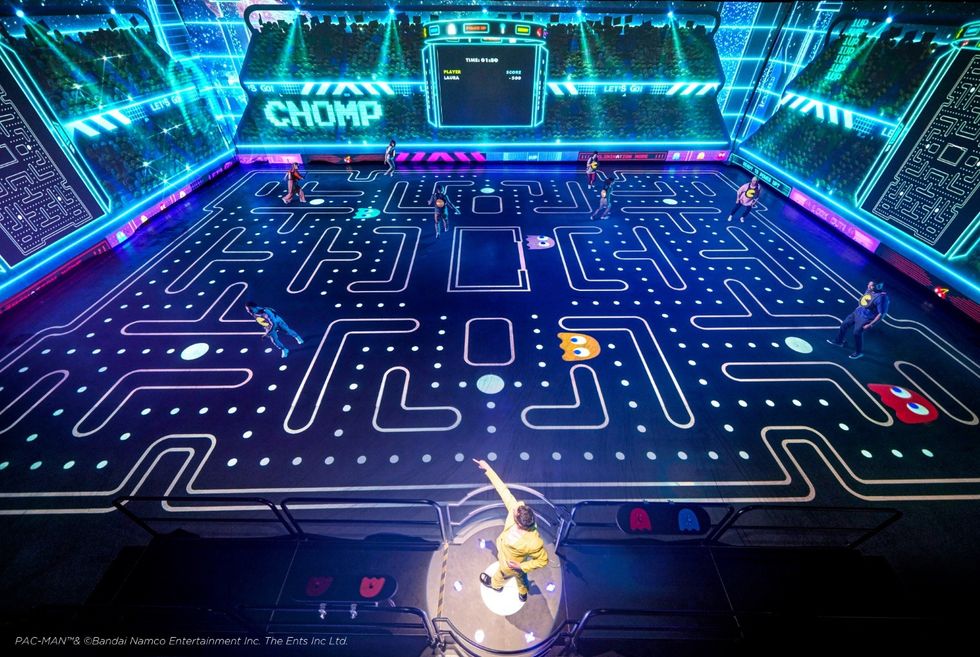
The PAC-MAN LIVE EXPERIENCE showcases the latest innovations in immersive gaming technology, powered by proprietary, in-house systems developed through rapid prototyping. Players wear high-tech PAC-Vests equipped with advanced tracking technology that transforms them into the iconic yellow Chomper in this live gaming experience. This groundbreaking attraction invites participants to step into a life-sized, interactive PAC-MAN Maze, blending physical activity with augmented reality for a fun, multi-sensory adventure.

The technical innovation extends beyond wearable tech. Custom-built tracking systems monitor each player’s position in real-time, while display technology projects two massive PAC-MAN Mazes onto the floor. Live graphics dynamically respond to gameplay, displaying player names, scores, and game states while stunning visuals engulf the walls, instantly transporting participants into the heart of the arcade world. Haptic feedback and spatial audio create a fully immersive sensory experience, with players feeling and hearing every pellet collected and Ghost encounter.
This represents a breakthrough in competitive socialising – moving beyond traditional VR headsets to create shared, physical gaming spaces where teams compete in real-time within the game world itself. Unlike isolated VR experiences, this technology enables true collaborative gameplay. PAC-MAN LIVE EXPERIENCE is the ultimate team activity, offering an unforgettable experience that brings friends, families and colleagues together like never before. The advanced projection mapping and tracking systems create a seamless blend of digital and physical interaction that redefines competitive gaming.
Brand Realisation – Bringing Iconic IP to Life
PAC-MAN LIVE EXPERIENCE represents the gold standard in IP transformation, taking one of gaming’s most recognisable brands and reimagining it for the physical world. Step into gaming history as you become the legendary yellow Chomper in this groundbreaking immersive attraction. It’s the arcade classic you know and love, reimagined at human scale with the player at the centre of the action.
This isn’t merely themed decoration – it’s authentic brand realisation that combines digital innovation with theatrical storytelling. Players embark on a performative journey guided by live actors who bring the PAC-MAN universe to life through theatrical reveals and interactive storytelling. The physical set design transforms the space into an immersive PAC-MAN world, while performers enhance the experience with dynamic interactions that bridge the digital and physical realms.
Every element of the original PAC-MAN experience has been thoughtfully translated: the Maze navigation, Ghost-dodging tension, Pellet-collecting strategy, and competitive scoring. With thrilling mazes, sneaky Ghosts, and state-of-the-art projection technology, PAC-MAN LIVE EXPERIENCE recreates the game’s core mechanics while adding new dimensions of physical movement and team collaboration. Brand new bonus rounds, exclusive to the live experience, have been designed to enhance gameplay.
The innovation lies in respecting the source material while expanding its possibilities. Players don’t just watch PAC-MAN or control him remotely – they become him, experiencing the game from within its world through this theatrical immersive journey. This represents a revolutionary approach to IP adaptation that maintains brand authenticity while creating entirely new engagement opportunities.
The Future of Entertainment
Manchester’s Arcade Arena is pioneering in the world of Live Video-Game attractions, operated by Little Lion Entertainment, the UK’s premier immersive attractions company. The venue’s transformative nature – demonstrated by how it shifts from hosting racing experiences to becoming the PAC-MAN universe – establishes a new category of entertainment where beloved digital worlds become tangible, social adventures that honour their origins while pushing the boundaries of what’s possible.
Partners
- Bandai Namco Entertainment Inc. – IP Partner
- Make Reel – Immersive technology content partner
Technology
Razer AI Gaming Investment: Company Invests $600 Million in Artificial Intelligence Gaming Innovation

Razer AI Gaming Investment: Strategy and Scope
Although Razer is best known for its gaming mouse, keyboards, and laptops, its expansion into artificial intelligence represents a significant strategic shift. The Razer $600 million investment will be implemented across devices, developer tools, and ecosystem infrastructure. Additionally, it will also enable the company to engage approximately 150 AI scientists over the next few years to develop solutions that combine artificial intelligence and core gaming experiences, thus putting it at the forefront of the evolving AI gaming scene.
Reportedly, this step is part of Razer’s bigger AI gaming investment strategy, which aims to redefine how players interact with games and technology. Its key priorities will include AI-native hardware with breakthroughs such as Project Motoko. Powered by Qualcomm Snapdragon technology, the device, Project Motoko, is an AI-enabled wearable headset that provides real-time visual and audio processing, with the goal of redefining immersive gaming and interactive experiences.

The gaming controller market is a vital component of the global interactive entertainment ecosystem, supporting console, PC, and mobile gaming platforms. The market was valued at USD 4.23 billion in 2025 and is expected to reach approximately USD 8.66 billion by 2036, expanding at a compound annual growth rate (CAGR) of 6.75% during the forecast period from 2026 to 2036. Market expansion is supported by the steady growth of the global gaming population, rising esports engagement, and continuous innovation in controller design and connectivity.
Gaming Controller Industry Demand
The gaming controller market comprises handheld input devices designed to interact with gaming platforms, allowing players to control in-game actions with precision and responsiveness. These controllers are compatible with consoles, PCs, smartphones, and cloud gaming platforms, and are available in various configurations tailored to different gaming genres and user preferences.
Industry demand is driven by the cost-effectiveness of gaming controllers compared to high-end gaming peripherals, their ease of use and quick setup across multiple platforms, and their long operational life, supported by durable materials and modular component designs. The growing popularity of competitive gaming, casual mobile gaming, and immersive gameplay experiences continues to fuel demand across both consumer and professional segments.
Request Sample@ https://www.researchnester.com/sample-request-8329
Gaming Controller Market: Growth Drivers & Key Restraint
Growth Drivers
• Expansion of the Global Gaming and Esports Ecosystem
The rapid growth of console, PC, and mobile gaming—along with the rise of esports and streaming platforms—has significantly increased demand for high-performance and specialized gaming controllers.
• Technological Advancements in Controller Design
Innovations such as adaptive triggers, haptic feedback, motion sensing, ergonomic layouts, and cross-platform compatibility enhance user experience and drive replacement and upgrade cycles.
• Cost-Effective Manufacturing and Outsourcing Trends
Manufacturers increasingly rely on outsourced production and component sourcing to reduce costs while maintaining quality, enabling competitive pricing and wider market penetration.
Restraint
• Compatibility and Standardization Challenges
Differences in platform ecosystems, operating systems, and device specifications can limit universal compatibility, creating barriers for consumers seeking multi-platform solutions.
Gaming Controller Market: Segment Analysis
Segment Analysis by Type
• GamePad: The most widely adopted controller type, favored for versatility across console, PC, and mobile gaming.
• Joystick: Preferred in simulation and flight-based games, offering precise directional control.
• Trackball: Used in niche gaming and accessibility applications.
• Steering Wheel: Strongly associated with racing and driving simulation games, emphasizing realism.
• Throttle Quadrant: Common in advanced flight simulators and professional setups.
• Others: Include specialized and customizable controllers designed for accessibility and professional esports use.
Each product type contributes to market demand based on gaming genre popularity and user preferences.
Segment Analysis by Connectivity
• Wired Controllers: Valued for low latency, reliability, and competitive gaming performance.
• Wireless Controllers: Experiencing growing adoption due to convenience, mobility, and advancements in wireless technology.
Connectivity options significantly influence consumer choice and product differentiation.
Segment Analysis by Material Component
• Plastic / Polymer-Based Housing: Dominates due to lightweight design, durability, and cost efficiency.
• Metal Components: Enhance structural strength and premium feel in high-end controllers.
• Rubber / Silicon Parts: Improve grip, comfort, and extended usage performance.
• Advanced Materials: Include carbon fiber and specialized coatings used to enhance durability, aesthetics, and heat resistance.
Material selection plays a critical role in product quality, pricing, and user comfort.
Segment Analysis by Distribution Channel
• Offline: Includes specialty electronics retailers and gaming stores that allow hands-on product experience.
• Online: Rapidly expanding channel driven by convenience, broader product availability, and direct-to-consumer sales models.
Distribution strategies significantly influence brand visibility and market reach.
Segment Analysis by End User
• Individual Gamers: Represent the largest consumer base, spanning casual to professional players.
• Console Gamers: Drive demand for platform-specific and officially licensed controllers.
• Mobile Gamers: Increasingly adopt compact and wireless controllers to enhance gameplay experience.
Gaming Controller Market: Regional Insights
North America
North America represents a mature and innovation-driven market, supported by a large gaming population, strong esports culture, and high adoption of premium gaming accessories. Continuous hardware upgrades and content creation further stimulate demand.
Europe
Europe benefits from a diverse gaming community, growing esports events, and strong demand for ergonomic and high-quality peripherals. The region also shows rising interest in sustainable and durable gaming accessories.
Asia-Pacific (APAC)
APAC is the fastest-growing region, driven by massive mobile gaming adoption, expanding esports ecosystems, and a strong manufacturing base. Increasing disposable income and technological innovation further accelerate regional demand.
Top Players in the Gaming Controller Market
The gaming controller market is highly competitive, featuring a mix of global electronics brands and specialized gaming accessory manufacturers. Key players include ACCO Brands Corporation (U.S.), AndGAMER Co., Ltd. (China), Backbone (U.S.), ByoWave Proteus Controller (Ireland), EasySMX Co., Limited (China), Extremerate Limited (China), GameSir (China), Guillemot Corporation S.A. (France), GULI TECH CO., LTD (China), Logitech International S.A. (Switzerland), Mad Catz Global Limited (China), Microsoft Corporation (U.S.), NACON (France), Nintendo Co., Ltd. (Japan), Razer Inc. (U.S.), Sabrent (U.S.), Shenzhen Ipega Electronic Technology Co., Ltd. (China), and Sony Group Corporation (Japan), all of which drive market growth through innovation, brand strength, and global distribution networks.
Access Detailed Report@ https://www.researchnester.com/reports/gaming-controller-market/8329
Contact for more Info:
AJ Daniel
Email: [email protected]
U.S. Phone: +1 646 586 9123
U.K. Phone: +44 203 608 5919
Introduction
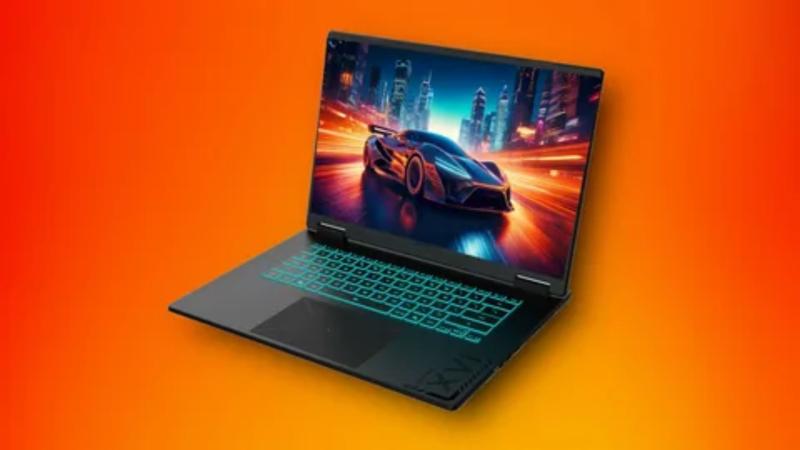
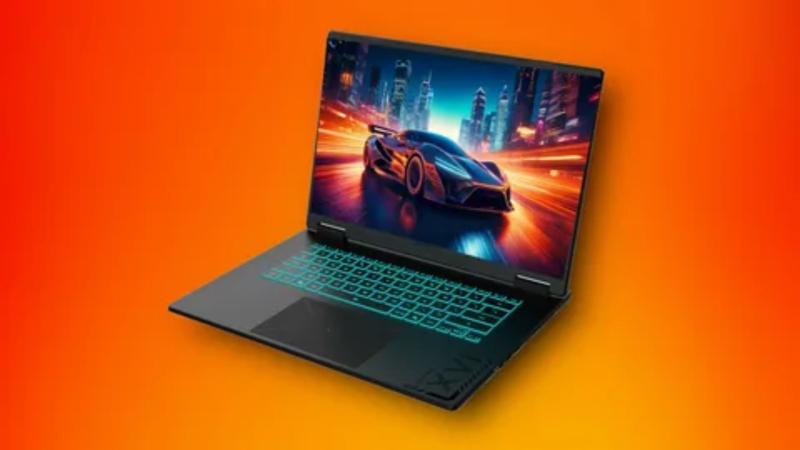
The global gaming laptop market has emerged as a dynamic and fast-evolving segment within the broader consumer electronics and computing industry. Gaming laptops are purpose-built devices engineered to deliver high performance, advanced graphics, superior thermal management, and immersive gaming experiences. Unlike conventional laptops, these systems integrate high-end GPUs, powerful processors, high refresh-rate displays, and advanced cooling technologies to support modern, graphics-intensive games and esports applications.
➤ Download Your Free Sample & Explore Key Insights: https://www.persistencemarketresearch.com/samples/33585
The growing popularity of online gaming, competitive esports, game streaming platforms, and immersive technologies such as virtual reality (VR) has significantly expanded the demand for portable yet powerful gaming devices. Consumers increasingly seek gaming laptops that offer desktop-level performance combined with mobility, making them suitable for gaming, content creation, and professional workloads.
As gaming culture becomes more mainstream across age groups and geographies, manufacturers continue to invest in innovation, design, and performance optimization. This report presents a comprehensive analysis of the global gaming laptop market, highlighting market projections, growth drivers, challenges, emerging trends, segmentation, competitive landscape, and long-term outlook.
➤ Market Projections and Forecast
According to market estimates, the global gaming laptop market size is likely to be valued at US$19.3 billion in 2026 and is projected to reach US$29.4 billion by 2033, expanding at a compound annual growth rate (CAGR) of 6.2% between 2026 and 2033.
This steady growth trajectory reflects rising consumer spending on premium electronics, continuous advancements in gaming hardware, and the increasing adoption of high-performance laptops for both entertainment and productivity. The market is expected to gain momentum as manufacturers introduce more powerful GPUs, AI-enabled processors, improved battery efficiency, and slimmer form factors that appeal to a wider consumer base.
The expansion of esports tournaments, cloud gaming services, and game streaming platforms is also expected to play a crucial role in sustaining long-term market growth, especially among younger demographics and professional gamers.
➤Customize This Report for Your Exact Requirements: https://www.persistencemarketresearch.com/request-customization/33585
➤ Market Dynamics
Drivers of Market Growth
Rising Popularity of Online Gaming and Esports:
The rapid growth of competitive gaming and esports ecosystems has significantly increased demand for high-performance gaming laptops. Professional gamers, streamers, and casual users alike prefer portable gaming systems capable of handling high frame rates and demanding titles.
Advancements in Graphics and Processing Technologies:
Continuous innovation in GPUs, CPUs, and display technologies has enabled gaming laptops to deliver near-desktop performance. Features such as ray tracing, AI-based upscaling, and high refresh-rate displays enhance gameplay quality and drive replacement cycles.
Growing Demand for Portable High-Performance Devices:
Consumers increasingly favor portable devices that offer both gaming and productivity capabilities. Gaming laptops are now widely used for video editing, 3D rendering, programming, and content creation, expanding their appeal beyond gaming enthusiasts.
Expansion of Game Streaming and Content Creation:
The rise of platforms such as live game streaming and video-based content sharing has fueled demand for laptops with superior processing power, graphics performance, and multitasking capabilities.
➤ Challenges in the Market
High Product Costs:
Gaming laptops are typically priced higher than standard laptops due to premium components such as advanced GPUs, high-speed memory, and specialized cooling systems. This can limit adoption in price-sensitive markets.
Thermal Management and Battery Life Constraints:
Despite technological advancements, managing heat dissipation and maintaining long battery life in high-performance gaming laptops remains a challenge for manufacturers.
Rapid Technological Obsolescence:
Frequent hardware upgrades and new product launches can shorten product lifecycles, creating pressure on manufacturers to innovate continuously while managing inventory efficiently.
Supply Chain and Component Availability:
Fluctuations in the supply of semiconductors and graphics components can impact production timelines and pricing strategies.
➤ Market Trends and Technological Innovations
Integration of AI and Smart Performance Optimization:
Manufacturers are incorporating AI-based software to optimize performance, manage power consumption, and improve thermal efficiency during gaming sessions.
Slimmer and Lightweight Designs:
Modern gaming laptops are becoming thinner and more aesthetically refined without compromising performance, making them attractive to both gamers and professionals.
High Refresh-Rate and OLED Displays:
The adoption of high refresh-rate screens, OLED panels, and improved color accuracy is enhancing visual experiences and supporting competitive gaming requirements.
Enhanced Cooling Solutions:
Innovations such as vapor chambers, liquid metal thermal compounds, and multi-fan cooling systems are improving heat dissipation and overall system stability.
Customization and RGB Integration:
Personalization features, including customizable RGB lighting, programmable keys, and performance profiles, are becoming standard offerings across premium models.
➤Secure Your Full Report – Proceed to Checkout: https://www.persistencemarketresearch.com/checkout/33585
➤ Gaming Laptop Market Segmentation
Market Segmentation
By Display Resolution
• Full HD (1080p)
• QHD (1440p)
• 4K (2160p)
• Other
By Display Size
• 13 inch
• 15 inch
• 17 inch
• Other
By Processor
• i5
• i7
• i11
• Other
By RAM
• 8 GB
• 16 GB
• 32 GB
• Other
By Region
• North America
• Europe
• East Asia
• South Asia and Oceania
• Latin America
• Middle East and Africa
Companies Covered in Gaming Laptop Market
• ASUSTeK Computer Inc.
• Dell Technologies Inc.
• Acer Inc.
• Lenovo Group Ltd.
• Samsung Electronics Co., Ltd
• ORIGIN PC Corp.
• AORUS Pte. Ltd.
• Clevo Corporation
• EVGA Corporation
• The Hewlett-Packard Company
• Giga-byte Technology Co., Ltd.
• MSI Inc.
• Razer Inc.
➤ Future Outlook
The global gaming laptop market is expected to maintain steady growth through 2033, supported by rising digital entertainment consumption, expanding esports ecosystems, and continuous hardware innovation. The convergence of gaming, content creation, and professional computing will further strengthen demand for versatile, high-performance laptops.
Manufacturers focusing on energy efficiency, thermal optimization, AI integration, and user customization are likely to gain a competitive edge. Additionally, the growing influence of cloud gaming and subscription-based gaming platforms may reshape future product designs and performance requirements.
While challenges such as pricing pressures and rapid technological change persist, the overall market outlook remains positive. The gaming laptop industry is set to evolve into a more mature, technology-driven ecosystem, offering enhanced user experiences and long-term growth opportunities for stakeholders worldwide.
About Persistence Market Research:
At Persistence Market Research, we specialize in creating research studies that serve as strategic tools for driving business growth. Established as a proprietary firm in 2012, we have evolved into a registered company in England and Wales in 2023 under the name Persistence Research & Consultancy Services Ltd. With a solid foundation, we have completed over 3600 custom and syndicate market research projects, and delivered more than 2700 projects for other leading market research companies’ clients.
Our approach combines traditional market research methods with modern tools to offer comprehensive research solutions. With a decade of experience, we pride ourselves on deriving actionable insights from data to help businesses stay ahead of the competition. Our client base spans multinational corporations, leading consulting firms, investment funds, and government departments. A significant portion of our sales comes from repeat clients, a testament to the value and trust we’ve built over the years.
Contact Us:
Persistence Market Research
Second Floor, 150 Fleet Street,
London, EC4A 2DQ, United Kingdom
USA Phone: +1 646-878-6329
UK Phone: +44 203-837-5656
Email: sales@persistencemarketresearch.com
Web: https://www.persistencemarketresearch.com
This release was published on openPR.

Gaming brand ROG unveils a range of next-generation gaming innovative products at CES 2026! Wi-Fi 8 router that presents new value, innovative 240Hz AR glasses, and more!

Ole Miss turns into an unlikely college football powerhouse

No. 11 CSUN Opens 2026 Season With Three Matches at UCSB Asics Invitational

Jenna Ibieta named head coach of Loyola indoor, beach volleyball programs – Crescent City Sports

Kaden Honeycutt has head start on ’26 with Tricon

Five Gamecock Football Players Named CSC Academic All-District – University of South Carolina Athletics
🎮Gaming brand ROG unveils a range of next-generation gaming innovative products at CES 2026! Wi-Fi 8 router that presents new value, innovative 240Hz AR glasses, and more!

John Lee Way | Free

Demond Williams Jr.’s case will test viability of signed contracts

Two Scholar Athletes Highlight Academic Awards for Hornet Volleyball

DTM champion Güven joins Manthey for Rolex 24

City of Rochester Inaugurates Elected Officials, Selects Deputy Mayor

No. 7 Ramblers Start Season at No. 2 Rainbow Warriors

Toyota Officially Spins Off Gazoo Racing As A Standalone Performance Brand

Big questions for Sarasota sports in 2026

SoundGear Named Entitlement Sponsor of Spears CARS Tour Southwest Opener

DeSantis Talks College Football, Calls for Reforms to NIL and Transfer Portal · The Floridian

#11 Volleyball Practices, Then Meets Media Prior to #2 Kentucky Match

Rick Ware Racing switching to Chevrolet for 2026

Stempien to seek opening for Branch County Circuit Court Judge | WTVB | 1590 AM · 95.5 FM

Maine wraps up Fall Semester with a win in Black Bear Invitational

Nascar legal saga ends as 23XI, Front Row secure settlement

Ross Brawn to receive Autosport Gold Medal Award at 2026 Autosport Awards, Honouring a Lifetime Shaping Modern F1

Princeton Area Community Foundation awards more than $1.3 million to 40 local nonprofits ⋆ Princeton, NJ local news %

Sunoco to sponsor No. 8 Ganassi Honda IndyCar in multi-year deal

Downtown Athletic Club of Hawaiʻi gives $300K to Boost the ’Bows NIL fund

WNBA’s Caitlin Clark, Angel Reese and Paige Bueckers in NC, making debut for national team at USA camp at Duke

North Florida Motorsports Park led by Indy 500 Champion and motorsports legend Bobby Rahal Nassau County, FL
NASCAR, 23XI Racing, Front Row Motorsports announce settlement of US monopoly suit | MLex

Woods, Ogunribido Named CCIW Women’s Indoor Track & Field Student-Athletes of the Week





-
 Rec Sports3 weeks ago
Princeton Area Community Foundation awards more than $1.3 million to 40 local nonprofits ⋆ Princeton, NJ local news %
-

 Sports2 weeks ago
Badgers news: Wisconsin lands 2nd commitment from transfer portal
-

 Rec Sports5 days ago
Five Youth Sports Trends We’re Watching in 2026
-

 Sports3 weeks ago
Badgers news: Final Four Game Thread vs. No. 1 Kentucky Wildcats
-

 Sports2 weeks ago
Is women’s volleyball the SEC’s next big sport? How Kentucky, Texas A&M broke through
-

 Rec Sports2 weeks ago
NBA, Global Basketball Community Unite for World Basketball Day Celebration
-

 Rec Sports3 weeks ago
Refugee-Focused Youth Sport Initiatives : Moving for Change
-

 Rec Sports3 weeks ago
Youth Sports Business in 2025: The Year the Industry Grew Up
-
Rec Sports3 weeks ago
Inside the NWSL’s first combine: Can the league create a more robust pathway for American talent development?
-
 Sports2 weeks ago
Kentucky VB adds an All-American honorable mention, loses Brooke Bultema to portal