
Motorsports
NASCAR antitrust lawsuit: What to know, history and legal analysis


CHARLOTTE, N.C. — A once-unlikely combo is set to take NASCAR to court Monday in a lawsuit that could change the motorsport forever.

Heavyweight attorney Jeffrey Kessler, in union with 23XI Racing’s Michael Jordan and Denny Hamlin; and Front Row Motorsports’ Bob Jenkins, are ready to take on NASCAR’s France family and prove the sport used anticompetitive means to build a monopoly that has harmed their business.
If the teams succeed, more money and more governance over financial decisions for them could be just the start. Permanent charters could also be in play.
If they fail, that could be the end of their teams — and vindication for NASCAR.
History
The France family has ruled NASCAR with an iron fist since Bill France founded it in the 1940s. That rule was tested and firmly established in two different instances during the sport’s second full decade in existence.
In 1961, star drivers Curtis Turner and Tim Flock tried working with the Teamsters Union to get drivers into a union aimed at improving race purses, getting a share in broadcasting rights and ensuring retirement benefits for drivers. NASCAR banned Turner and Flock over it and Bill France threatened to not allow union drivers to race, reportedly even referring to a gun at one point.
Eight years later, in 1969, when NASCAR was set to race at Talladega for the first time ever, Richard Petty and other stars helped lead a driver boycott over tire issues.
NASCAR didn’t budge. With many of the top stars on the sidelines, Richard Brickhouse won in a field full of mostly second-tier series drivers.
A week later, Petty and others came back. Much like what happened with Turner, whose ban was lifted in 1965, everything went back to business as usual.
However, times have changed.
NASCAR’s charter system and new rule
The Race Team Alliance formed in July of 2014 “to create an open forum for the teams to explore areas of common interest and to work collaboratively on initiatives to help preserve, promote and grow the sport of stock car racing.”
The formation led to the creation of the charter system with the guarantee of 36 teams getting entry into every race and a certain amount of prize money based on (until recently) undisclosed terms and performance metrics.
That all happened under the rule of NASCAR CEO Brian France, the grandson of Bill France who succeeded Bill France Jr. in 2003 until his arrest in August of 2018. Through many changes to the championship and race formats, sometimes on a whim, as well as the retirements of several stars, the sport lost around half of its viewership and attendance slid at similar rate.
France’s departure was welcomed by some but it ushered in a new power dynamic. Jim France, the son of Bill France and Brian’s uncle, stepped into the role of CEO in a more reserved way of holding court in the shadows while Commissioner Steve Phelps and President Steve O’Donnell have often spoke publicly on behalf of the sport’s executive leadership.
The dynamic has come to light in the antitrust lawsuit NASCAR faces. The teams met with NASCAR for negotiations over the 2025 charter agreement that grew increasingly contentious in a fight for permanent charters until NASCAR allegedly forced an 11th-hour deal without it that all but two teams signed.
The lawsuit and where we are today


Since those two teams sued NASCAR in October of 2024, all has been laid bare publicly.
From details about the charter system that were once thought to be confidential, to text messages between NASCAR executives that could lead to other possible legal action, to emails revealing communications between teams as they feverishly worked on the deal, the case has already gone farther than anyone imagined before the trial even began.
All along, Judge Kenneth D. Bell has warned neither side may like it if this case comes down to a jury and him.
“I am once again amazed at the effort going on to burn this house down over everyone’s head but I’m a fire marshal and I’ll be here in December if need be,” he said.
“In 20 years of litigation, I have never and could never predict what a jury could do,” said JoHanna Cox, a lawyer with Stiletto Group in New Mexico.
Cox has tried a wide range of civil and criminal cases, pertaining to business and economics to even murder. The NASCAR antitrust case is within Cox’s wheelhouse as she holds a PhD in economics and has raced before.
What to know about an antitrust case
According to Cox, there are “only a few remedies a court can issue in an antitrust case”:
- Monetary/Money
- Discretionary
The jury will determine this and if the plaintiffs have proven “preponderance.”
“It is not the highest standard. So [if] maybe about 51% of evidence, a little more than half of the evidence, goes in their favor and the jury can follow it, it may go in their favor. It’ll be up to jurors to reach that verdict unanimously,” Cox said.
If the plaintiff — the teams — is successful, the jury will calculate the damages. Then, the judge could award them up to three times that amount, plus legal fees and any other remedies seen fit (More on that later with this case in particular.)
Possible arguments in the NASCAR antitrust trial
Coming into the trial, Judge Bell threw out NASCAR’s counterclaim but used the claim’s “market definition” to determine the trial will focus on if the motorsport has used anticompetitive acts to maintain monopsony power over the stock racing market.
“The judge’s decision, by excluding the counterclaim, limits what the defendants [NASCAR] will be able to present,” Cox said. “They won’t get to present their claims then against the teams. They can still use different things for defenses, so anything that’s an affirmative defense that could refute or dispute or show that the plaintiffs do not, by a preponderance, meet their respective claims. It’s still allowed and that would still be permissible.”
According to Cox, NASCAR is likely to argue everything was fully negotiated with the charter agreement and the teams chose not to sign. They may allege they’re not a true monopoly.
“There’s other options available for drivers. They can freely negotiate or not negotiate,” Cox said. “The plaintiffs expanded their teams, so even if they didn’t turn a profit, they still were making money to expand their team.”
Cox noted NASCAR’s case also has already some legal backbone to it. A federal appeals judge overturned an injunction put in place for the suing teams. It allowed them to run under the charter agreement and earn the same money as true chartered teams without releasing them from their antitrust case.
“The Court of Appeals ended up indicating that the specific claims that plaintiffs raised, regarding some of the terms in the contract, is not a basis for antitrust injunctions that they’re seeking here. Although it’s not fully resolving all claims, they [NASCAR] do have that as some of the legal posture in this case that they have going into the trial,” Cox said.
If the teams can prove there was an antitrust violation, NASCAR could have to pay them the money they didn’t earn while the injunction wasn’t in place plus any other damages. Once it’s in the hands of Judge Bell, NASCAR could also face a scenario where they’d have to sell off some or all of their tracks, give permanent charters to the teams, get rid of exclusivity clauses, nix the NextGen concept — and/or do all of that.
The judge could even throw out the charter system itself.
If the teams aren’t successful, Cox said, “it’s status quo,” and remaining unchartered with three cars each having no chance at a charter could be fatal.
What may be brought up during the NASCAR antitrust trial? Who may speak?
Evidence from the discovery process has ranged from documents showing 23XI Racing turned a profit in the NextGen era to ‘Gold Codes’ the sanctioning body could invoke to field cars themselves in the event of a team boycott, like the one floated during negotiations crucial to the trial.
“There’s also some indications about negotiations that occurred prior to that. In order for the plaintiffs to meet their claim that they were pressured or it was an ‘all or nothing’-type of negotiation, they’ll have some of the previous versions or other negotiations in there but the contract, ultimately, is that issue. The scope of the monopoly will be discussed a little bit but the damages portion will also need to be addressed, so those will be more technical,” Cox said.
Jurors may hear from team owners who can provide insight into the business dealings of a top-tier NASCAR team, as well as economists who can provide broader insight relating to their business and the case, Cox said.
“They’re going to have to go through numbers. Plaintiffs claim they’ve lost profits because of this type of structure that NASCAR has so there will be some very technical testimony, both on the contracts and from the economists for damages,” Cox said.
One of the exhibits submitted in the case is an article where Hendrick Motorsports’ Jeff Gordon discusses how the team hasn’t turned a profit in 10 years.
“That would be part of it. Also, the loss of profits, or potentially, and whatever economic impact there is by not having competitors in there. They’ll also probably [have] discussions about business cycles, if anyone’s opened or started a new business. Sometimes, it’s not profitable at the start, which will be addressed for the profit claims that are being made,” Cox said.
What about those text messages? And Michael Jordan?
Ultimately, when the trial starts, damning text messages about Richard Childress and fans who “can’t read” are only as good as social media buzz if they can’t relate to any antitrust matters.
“The parties have reached several stipulations over what can be used,” Cox said. “Even though text messages have come out saying ‘a, b or c’, it has to go back to the basis of the claim, showing that whatever it is was said is going to be anticompetitive or inhibitive to entry. Even though they may be dramatic or have flair, for it to go to the jury, it has to be shown to be relevant or it may not be let in.”
When it comes to Michael Jordan serving as 23XI’s business designee in the courtroom, Cox said that’s his right and the justice system will sort out any biases during jury selection.
How might the trial turn out?
We asked Cox, “Personally, in your career, have you ever had a case where a jury turned in a verdict that was completely different than what you expected?”
“Happens all the time. You can’t always read or guarantee or jurors,” Cox said. “There was a murder case that turned with a drop of blood and the underside of an arm… and that ended up being the clincher. You never know what’s gonna be most significant to a juror and how they make a decision.”
No matter the verdict in the trial, the case is likely to face an appeal. The appeal is likely to take a year, which means this is just the beginning.

Motorsports
As Forza Motorsport Winds Down, Gran Turismo Is Experiencing A ‘Phenomenon’ At PlayStation
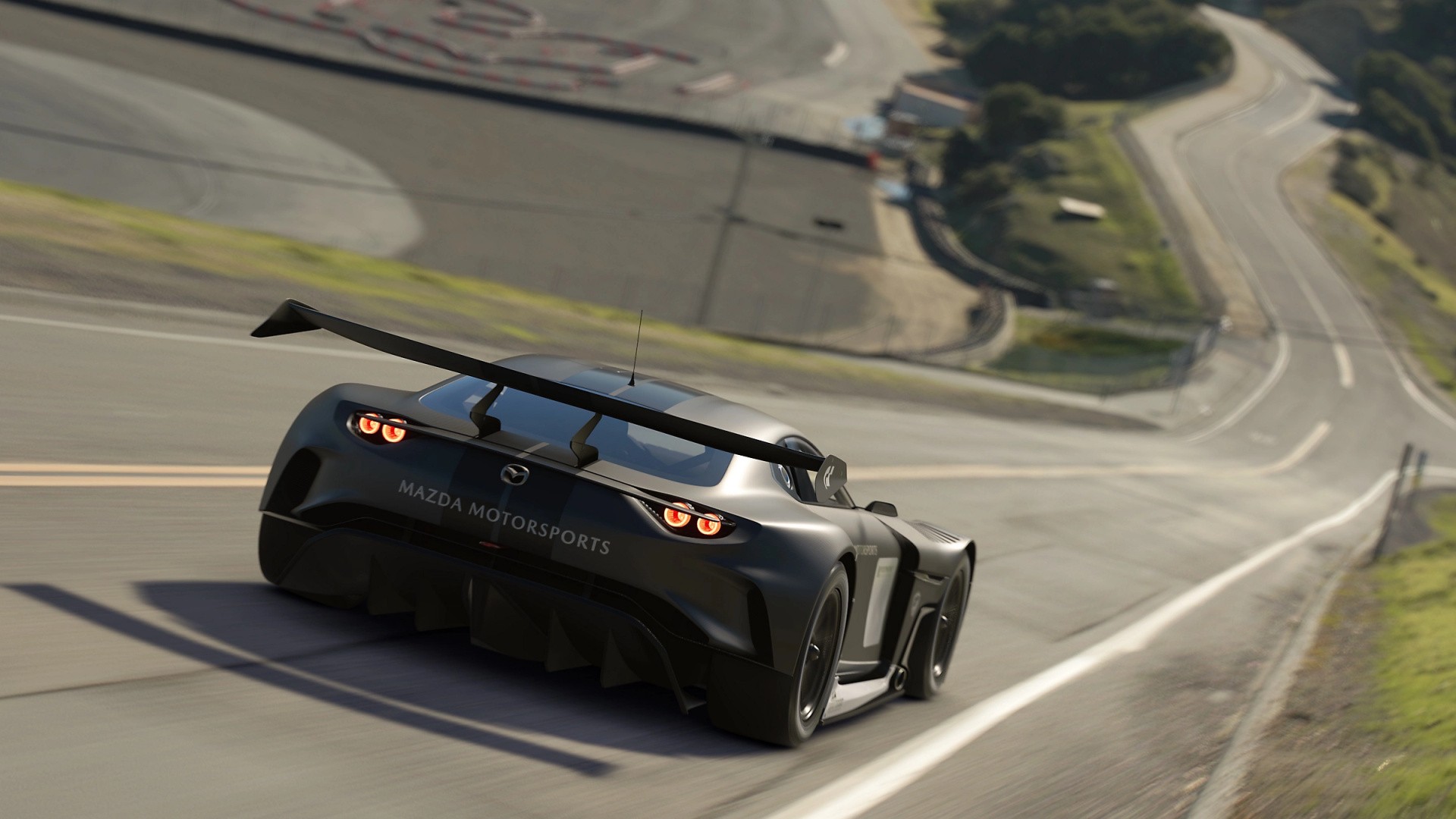

Much has been said about how Forza Motorsport is essentially winding down after two years on the market, with the team recently confirming that no major new content would be added to the game in 2026.
That obviously comes as a shame for those who enjoy a more simulation-focused experience than what Forza Horizon offers, but it also indicates that 2023’s FM reboot hasn’t managed to prove as popular as Xbox had likely hoped.
Meanwhile, PlayStation’s Gran Turismo 7 — a game that’s very similar to Forza Motorsport — is apparently experiencing a “phenomenon” right now due to how many players are still engaging with it. That number is growing as well.
Here’s what series producer Kazunori Yamauchi had to say in a recent roundtable interview (via GTPlanet):
“Gran Turismo 7 has been released for several years, but still, the active users are currently over 2 million people, and the new users are increasing. The status that Gran Turismo 7 is in now is probably the best of any Gran Turismo titles that we’ve had in the past. We’ve never experienced this phenomenon before, and neither has PlayStation.”
What’s the reason for Gran Turismo’s immense success and Forza Motorsport’s drop-off, then? According to GTPlanet, Yamauchi apparently attributed GT’s continued appeal to “the studio’s evolving relationship with its community and a shift in how it supports titles long-term”, while the outlet also highlighted the game’s recent update, Power Pack DLC and the millions of people who are watching Gran Turismo World Series events.
And just to be clear, we’re not ragging on Forza Motorsport in terms of the game itself here. We’ve mentioned numerous times how we think FM has an excellent base to it, but it just didn’t quite evolve in the way that we’d hoped.
It also makes sense that Xbox would rather prioritise Forza Horizon these days, and you can bet Forza Horizon 6 will be a best-seller across all platforms that it’s available for, including PlayStation. Sony might have the dominant sim racer of the two companies, but Forza Horizon is in a league of its own in terms of casual open-world racers.
Still, we’ll keep our fingers crossed that Forza Motorsport can make a return with GT7 levels of success in the future!
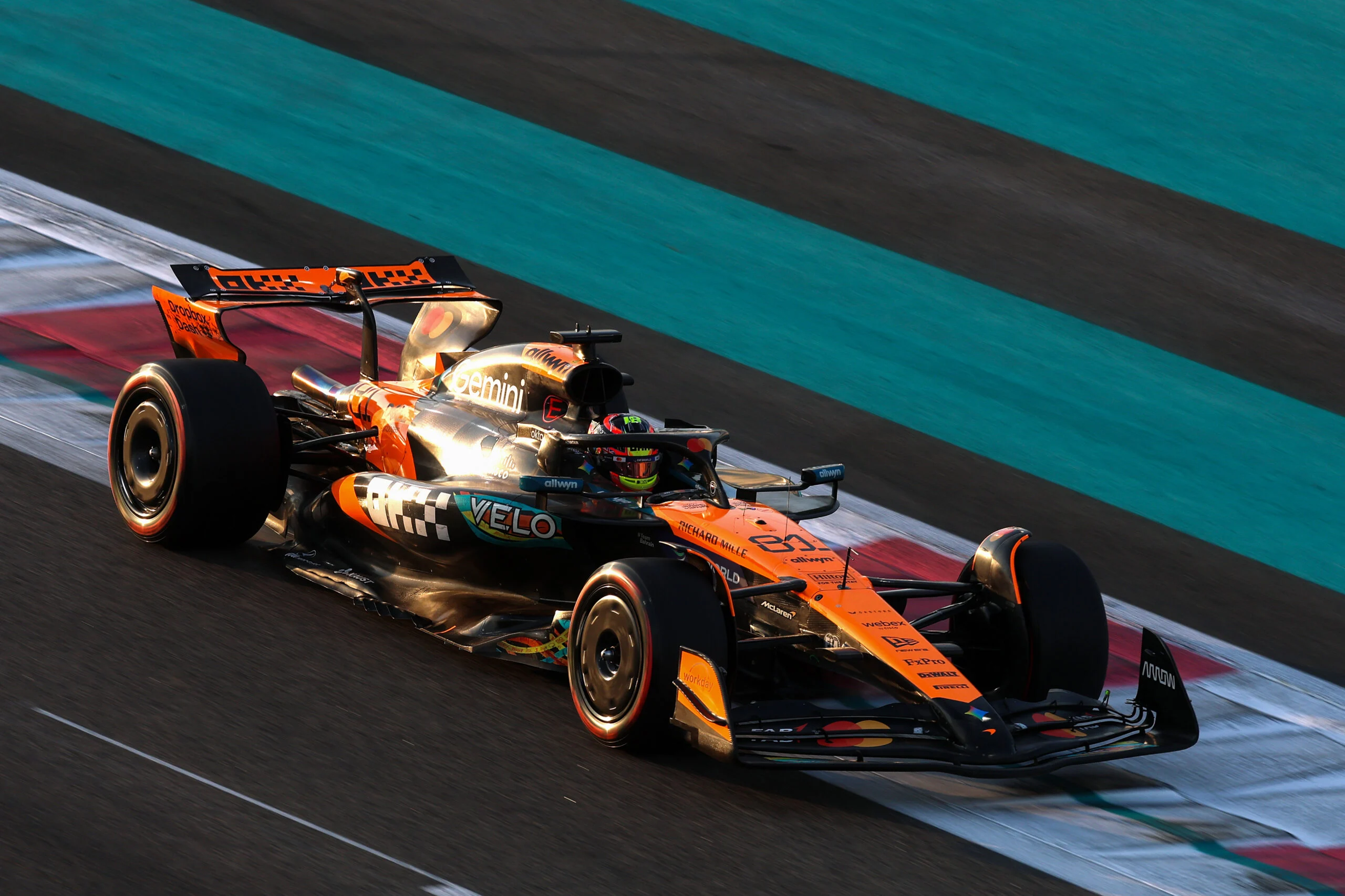
Despite being called the winter ‘break’, there is hardly any rest for teams during this period. If anything, the weeks between the season finale and pre-season testing are some of the most intense.
For aerodynamic and engine-focused personnel alike, the next few months are a race against time to prepare the first F1 2026 machines.
At surface level, pre-season testing will provide the first glimpses of next year’s challengers. Crucially, however, it is reliability – not outright performance – that will be most representative.

Reliability first, performance to come later
After this season’s conclusion, Ferrari team principal Fred Vasseur gave a series of declarations about F1 2026.
Some of his most interesting commentary focused on pre-season testing and the opening rounds of the year. According to Vasseur, the 2026 hierarchy will be impossible to predict until later in the season.
The Frenchman predicts most teams will focus on reliability in the early months of 2026.
This sentiment is clearly prevalent, with Cadillac, Audi and even Mercedes suggesting they will bring relatively basic packages in Barcelona testing – with more sophisticated iterations to arrive in the subsequent months.
For some teams, this will be out of necessity.
Due to limited wind tunnel hours and financial restrictions, some teams are at relatively early stages in their 2026 development.
Consequently, there will be some assembly lines still producing the first components to be used in pre-season testing. In some cases, only after the first few rounds will more serious upgrades be in the pipeline.
This is not to say all teams will be conservative in their rollout. Those who started early on their 2026 challengers, such as Williams, are already finalising their a-spec and b-spec cars.
Still, even in these cases, reliability will be the first order of business in testing. From hydraulics to suspension to engines, teams must ensure they have avoided any massive blunders when the cars first take to the track.
The near-faultless reliability F1 has become accustomed to will not be present in 2026. Much like at the start of the hybrid era in 2014, some outfits could be in serious trouble with their chassis and powertrains.
Because of this, it will be easier to spot the teams struggling in pre-season – whilst those in a stronger position will be more understated.

A game of cat and mouse to start F1 2026
As previously assessed on LWOS, teams began working towards 2026 at different times. This means some teams will be several steps ahead in terms of how they plan to evolve next year’s cars.
Others, meanwhile, will be trying to make up for lost time.
However, regardless of when teams made 2026 their development focus, there could be a dramatic range in how teams approached the new regulations.
In some cases, this could manifest itself in more obvious differences in visible parts of the car. In others, more disguisable areas – such as engine power – could be critical in separating teams.
Because of this, those who believe they have found something others have overlooked will avoid drawing attention to themselves with flashy lap-times.
This was Brawn’s approach when they first tested their title-winning 2009 car. Jenson Button recalls that after his first lap in Barcelona testing, he went six tenths faster than anyone else – much to the team’s surprise.
At that point, Brawn did not complete another low-fuel run. This was integral in keeping the team under the radar in pre-season, and meant rivals only began to emulate their game-changing double diffuser several months later.
Though an extreme example, this case study is relevant for the coming months. Teams that are struggling will have less to hide, and can work on testing their cars with slightly more freedom.
However, whichever engineering department has nailed the 2026 regulations will spend much of pre-season testing trying to avoid attention from elsewhere on the grid. After all, teams naturally protest to the FIA when someone else introduces an innovation they missed.
READ MORE: Lawrence Stroll says “patience” necessary for Aston Martin project
Main photo: Steven Tee/LAT Images (McLaren Racing Media Centre)
While one family feud over the future of a multibillion-dollar local company played out in Delaware last week, another one came to an end in Massachusetts.
In the Delaware Chancery Court, all eyes were on a trial that involved recently deposed Market Basket chief executive Arthur T. Demoulas, and his fight with the supermarket chain’s board and his sisters to get his job back. The Demoulas family was left hanging once the trial wrapped up: A decision from the Chancery Court judge isn’t expected until sometime next year.
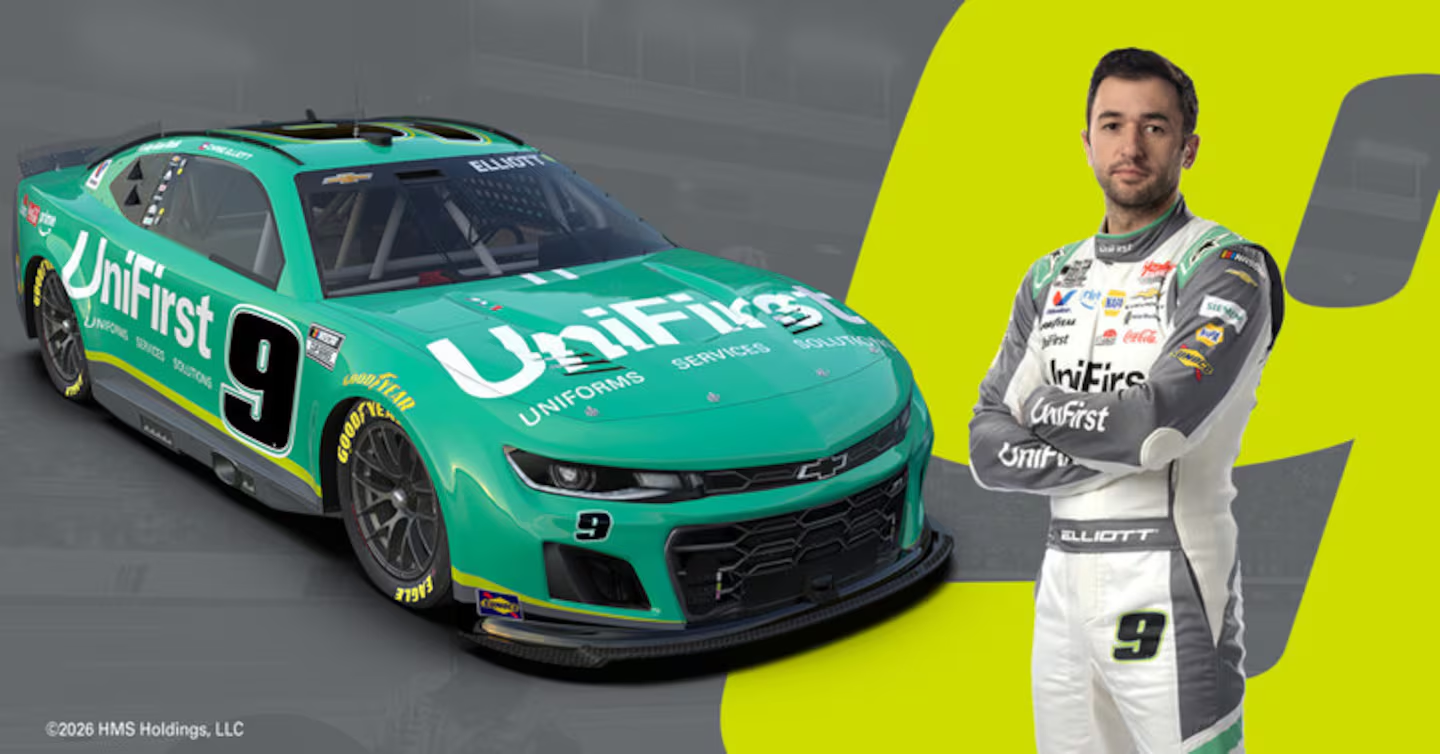
Back in Massachusetts, however, there was a more definitive ending for the Croatti family and UniFirst, the Wilmington-based uniform supplier that’s publicly traded but controlled by family members. A hostile campaign by New York hedge fund Engine Capital to put its founder as well as a son of beloved former CEO Ron Croatti on UniFirst’s board fell short of the votes it needed.
That’s not to say shareholders didn’t like the idea. Most did, judging from the fact that Engine Capital founder Arnaud Ajdler and Michael Croatti received more common-stock votes. But the slate of two incumbent board members, chief executive Steven Sintros and Joseph Nowicki, prevailed. That’s because key Croatti family members, including Michael’s mother Carol Croatti and brother Matthew Croatti, own preferred shares that carry much more weight in the voting, and they supported the Sintros-Nowicki ticket.

Michael Croatti rose through the ranks of the uniform company over three decades working under his father, who died in 2017. But in 2024, the son’s role changed from executive vice president to consultant, while Kelly Rooney was brought on board to be chief operating officer.
Then, in January of this year, larger rival Cintas made an unsolicited bid for UniFirst. That bid was ultimately rejected, and the UniFirst stock tumbled. Ajdler and his firm then showed up, buying shares, and eventually allying with Michael Croatti with an effort to get on the board and potentially put the company on the market.
Ajdler knew it would be tough, because certain Croatti family members control 70 percent of the voting rights. He appealed to them to change their minds, saying the company has struggled since Ron Croatti’s death and even more so since Michael Croatti’s departure from the executive ranks. But it was not meant to be.
After the vote, the board issued a brief statement portraying the proxy fight in positive terms, saying it appreciated the “active dialogue” with UniFirst shareholders, and that it looks forward to “further constructive engagement.”
Ajdler was less diplomatic in his statement, saying the shareholder vote “represents an unequivocal rebuke” of UniFirst’s “value-destructive standalone strategy” and sends a message that the board should put the company on the market and meet with potential buyers — and, at the very least, eliminate the shares’ dual-class structure. He said UniFirst is struggling and needs to team up with a competitor to flourish again. “Selling the Company,” Ajdler concluded, “is the best path to achieving Ron’s goals and honoring his legacy.”
Then on Monday, Cintas announced that it has submitted another bid for UniFirst for just over $5 billion, the same price that it offered nearly a year ago.
Maybe the saga isn’t over after all.
This is an installment of our weekly Bold Types column about the movers and shakers on Boston’s business scene.
Jon Chesto can be reached at jon.chesto@globe.com. Follow him @jonchesto.
Motorsports
BigRock Motorsports retains its Championship title at ISRL Season 2 Grand Finale in Calicut
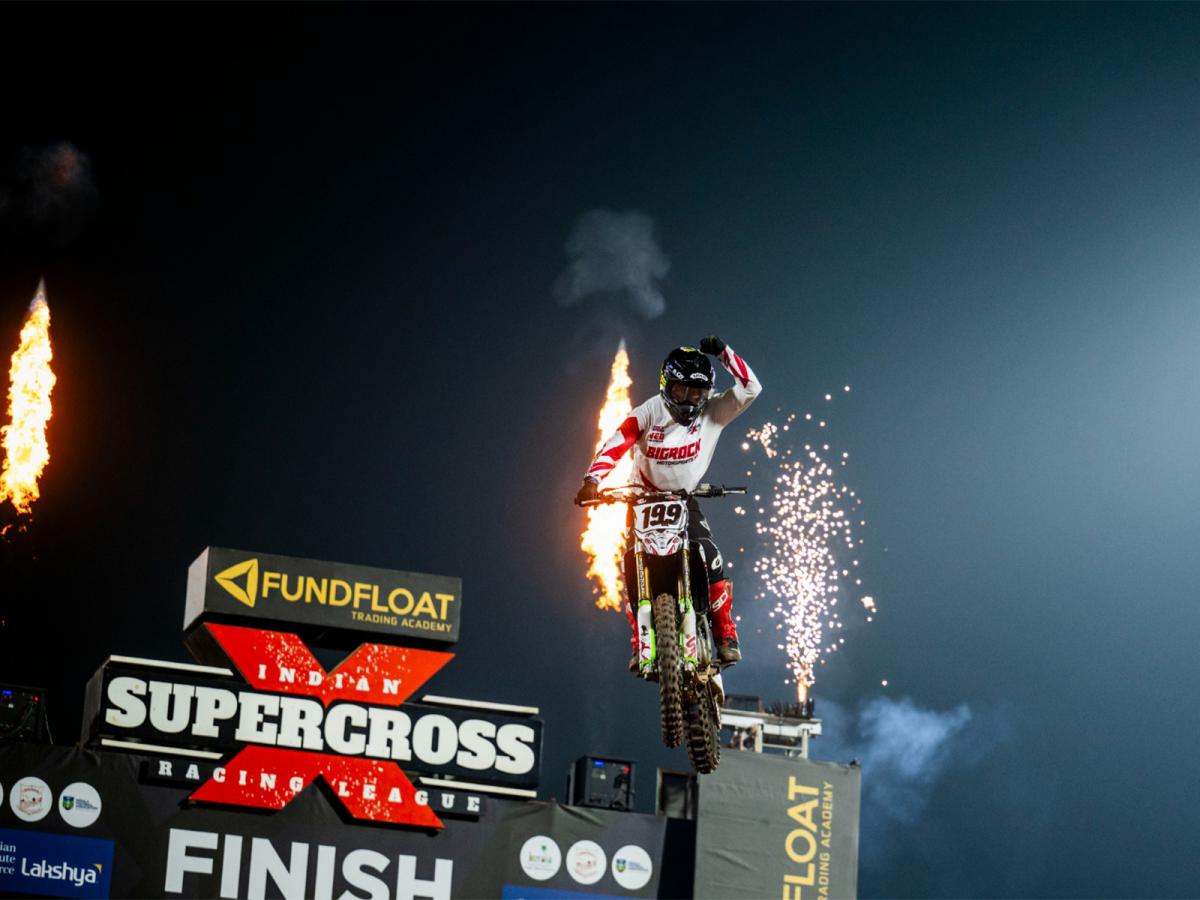
Calicut (Kerala) [India], December 21 : The Indian Supercross Racing League (ISRL) Season 2 concluded in spectacular fashion with a historic Grand Finale at the EMS Corporation Stadium, Calicut. Megastar and ISRL Brand Ambassador Salman Khan was present on ground, adding star power to an electrifying night of high-octane racing and live entertainment, as per a release.
The finale witnessed a record-breaking turnout of over 32,000 fans, marking the highest-ever attendance for a motorsporting event in India and reinforcing Kerala’s strong connection with motorsport and large-scale live sporting experiences, the release said.
Amid roaring crowds and intense on-track action, Team Bigrock Motorsports were crowned ISRL Season 2 Champions, capping off a fiercely competitive championship that unfolded across Pune, Hyderabad and Calicut. The season showcased a compelling blend of international excellence and emerging Indian talent.
The Calicut round delivered thrilling racing across all categories. Matt Moss from team BigRock Motorsports (Australia) claimed victory in the 450cc International class aboard the Kawasaki KX 450, while Calvin Fonvieille from team Apollo Indewheelers (France) dominated the 250cc International category on the Yamaha YZ 250. The 250cc India-Asia Mix class was won by Delvinator Alfarizi (Thailand) riding the KTM 250 SX – F, drawing thunderous applause from the packed stadium.
Megastar Salman Khan, Brand Ambassador, ISRL, said, “Watching the Grand Finale in Calicut was truly special. The passion of the fans and the intensity of competition show how far Indian motorsport has come. ISRL is creating a platform where Indian riders can compete confidently alongside the world’s best,” as quoted from a release.
Reflecting on the season, Veer Patel, Managing Director, ISRL, said, “Season 2 reflects the growing belief in Supercross across India. From Pune to Hyderabad and now Calicut, the record-breaking fan response shows the sport has truly found a home here, while we continue building strong pathways for Indian riders alongside world-class racing.”
Over the course of Season 2, 36 international riders from 21 countries, including Australia, France, the USA, Germany, Thailand and South Africa, competed alongside India’s top riders such as Rugved Barguje, Ikshan Shanbhag, Prajwal Vishwanath and Shlok Ghorpade, highlighting ISRL’s growing global stature, as per the release.
Beyond the races, the Reise Moto ISRL Fan Park transformed EMS Corporation Stadium into a complete motorsport festival, featuring live music, racing simulators, interactive brand zones, food experiences, merchandise and rider interactions, creating an immersive fan experience for families and enthusiasts alike.
With Season 2 concluding on a historic high, the Indian Supercross Racing League now looks ahead to expanding its footprint, strengthening grassroots development and further positioning India on the global Supercross map.
Disclaimer: This post has been auto-published from an agency feed without any modifications to the text and has not been reviewed by an editor
Open in app
Motorsports
Toward an Athlete- and Planet-Friendly Hakone Ekiden: All Vehicles Provided for the 2026 Race Will Be Electrified | Corporate | Global Newsroom
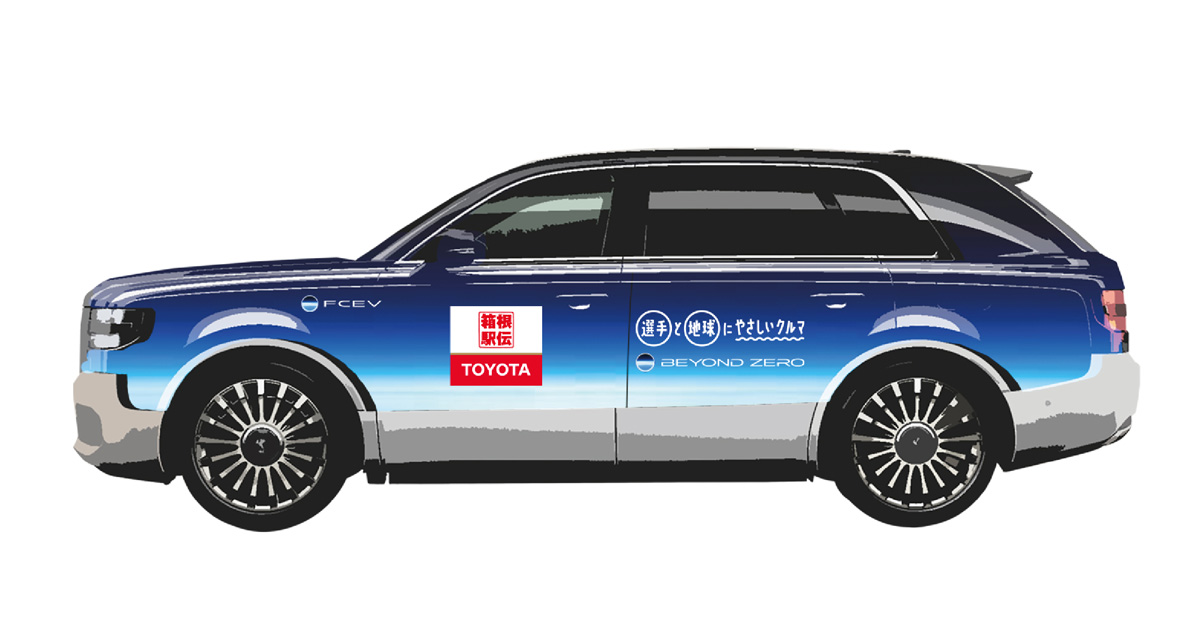
The Hakone Ekiden is a race with a tradition spanning more than 100 years, dating back to its founding in 1920. Toyota began providing certain operational vehicles in 2003 to help nurture the next generation of young athletes and has supported the event as a sponsor since 2011. Throughout its involvement, Toyota has continually considered how to reduce vehicle emissions to make the race more athlete- and planet-friendly.
Toyota is advancing its multi-pathway approach, offering electrified vehicle options tailored to diverse energy circumstances in each country and region and to varied customer needs. Accordingly, the company felt that its diverse lineup of vehicles, including BEVs and FCEVs, could contribute to the Hakone Ekiden.
In total, 40 electrified vehicles will be provided for the race.
The joint camera truck filming leading runners and the Century serving as a race headquarters vehicle will be provided as original FCEV models. These vehicles are equipped with fuel cells instead of engines and powered by motors that generate electricity through the chemical reaction of hydrogen and oxygen. They are extremely quiet and emit only water.
Vehicles transporting people and equipment for the race will also be electrified. e-Palettes will serve as emergency response vehicles for all situations, while FCEV Coasters will transport related personnel.
Each university team operations vehicle will be an HEV used in combination with low-carbon E10 gasoline, which contains 10% biofuel. ENEOS Corporation will provide E10 fuel made from ethanol derived from non-edible sorghum plants produced through the Research Association of Biomass Innovation for Next Generation Automobile Fuels*. These initiatives will reduce exhaust gases and carbon dioxide emissions from these vehicles.
Sports give people courage and touch their hearts. Toyota, which has supported athletes through various activities since its founding, will continue to help make the Hakone Ekiden a sustainable race that is both athlete- and planet-friendly through these initiatives.
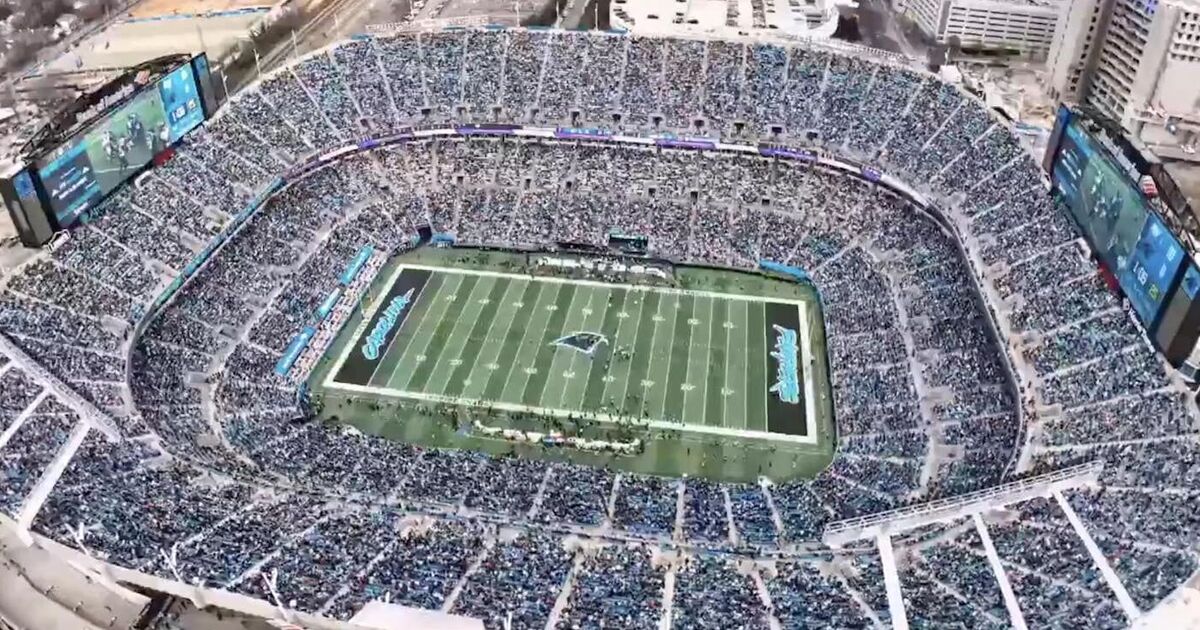
FOX Sports paid a touching tribute to the NASCAR icon Greg Biffle during the Carolina Panthers’ win over the Tampa Bay Buccaneers.
On Sunday, the Panthers took a significant step toward winning the NFC South by securing a 23-20 victory over the Buccaneers, improving to 8-7. Bryce Young completed 21 of 32 passes for 191 yards and two touchdowns in a crucial win.
But coverage of the showdown was interrupted as FOX decided to pay tribute to Biffle. The NASCAR favorite tragically died on Thursday in a plane crash at Statesville Regional Airport. FOX paid tribute during its live NFL coverage, after Terry Bradshaw was forced to duck for cover in a chaotic moment during Saturday’s special show.
Biffle, along with his wife, Cristina, and two children, perished in the horrific crash. During the Panthers game, broadcaster Chris Myers honored Biffle by highlighting his fine work off the track as well as his fine career.
“Greg Biffle, a NASCAR legend who had career success at all three levels of the sport, did great humanitarian work, died this past Thursday in a plane crash with his family,” Myers said. “Our thoughts and prayers are with him, the NASCAR family, and all friends.”
Sign up to our NASCAR newsletter here.
Biffle raced for 16 seasons in the NASCAR Cup Series. He earned 19 wins competing in an era with the likes of Dale Earnhardt and Jimmie Johnson.
The 55-year-old was supposed to fly with his family to the Bahamas, although a stop was scheduled in Sarasota, FL. The plane instead was attempting to re-land at the Statesville airport in North Carolina, around 40 miles away from Charlotte. The crash occurred around 10:20 AM ET.
The mother of Biffle’s wife, Cathy Grossu, told PEOPLE magazine what her last texts with her daughter, Cristina, were. Cathy revealed: “She texted me from the plane, and she said, ‘We’re in trouble.’ And that was it. So we’re devastated. We’re brokenhearted.
DON’T MISS
“To think that they would be killed on a birthday trip, that was just such a fun time for the family. And to see the horrific way that it ended, it’s just, it is so hard to bear. I cannot believe they’re gone.
“I don’t remember what the last words that I said to my daughter or to Greg or to my precious Ryder (her granddaughter). I don’t remember. I know we hugged, but I don’t remember those last words, and that’s going to haunt me. But they were happy.”

As Forza Motorsport Winds Down, Gran Turismo Is Experiencing A ‘Phenomenon’ At PlayStation

Texas A&M wins NCAA volleyball title with sweep of Kentucky

Teams expected to hide true performance in pre-season testing

Bowling alley’s new owner aims to improve | News, Sports, Jobs

Texas A&M volleyball returns to Reed Arena after winning national title

Founding family fends off shakeup at UniFirst
6 Tennessee players who increased their NIL value, including DeSean Bishop
2025 Washington County high school volleyball all-stars

Logan Lednicky caps dream with volleyball title at Texas A&M

Rowing’s answer to snowcross, BMX and beach volleyball is coming to LA | Rowing

Super Bowl 60: Santa Clara youth soccer league displaced as NFL plans to take over park for operations center
Houma-Terrebonne Housing Authority gets help with Bayou Towers
Meet 10 new coaches for the winter season

Effects of learning, exercise, and game curriculum model on the physical fitness of preschool children aged 3–6: a cluster-randomized controlled trial

DTR Youth Cheerleaders Host First Annual Sports Banquet

First Tee Winter Registration is open

Fargo girl, 13, dies after collapsing during school basketball game – Grand Forks Herald

CPG Brands Like Allegra Are Betting on F1 for the First Time

F1 Las Vegas: Verstappen win, Norris and Piastri DQ tighten 2025 title fight

Sycamores unveil 2026 track and field schedule

Utah State Announces 2025-26 Indoor Track & Field Schedule

Two Pro Volleyball Leagues Serve Up Plans for Minnesota Teams

SoundGear Named Entitlement Sponsor of Spears CARS Tour Southwest Opener

Jo Shimoda Undergoes Back Surgery

Bowl Projections: ESPN predicts 12-team College Football Playoff bracket, full bowl slate after Week 14

Redemption Means First Pro Stock World Championship for Dallas Glenn

Texas volleyball vs Kentucky game score: Live SEC tournament updates

Robert “Bobby” Lewis Hardin, 56

How this startup (and a KC sports icon) turned young players into card-carrying legends overnight

Indiana’s rapid ascent and its impact across college football





-
 Motorsports2 weeks ago
SoundGear Named Entitlement Sponsor of Spears CARS Tour Southwest Opener
-
 Rec Sports3 weeks ago
Black Bear Revises Recording Policies After Rulebook Language Surfaces via Lever
-
 Motorsports2 weeks ago
Donny Schatz finds new home for 2026, inks full-time deal with CJB Motorsports – InForum
-
 Rec Sports2 weeks ago
How Donald Trump became FIFA’s ‘soccer president’ long before World Cup draw
-
 Rec Sports2 weeks ago
David Blitzer, Harris Blitzer Sports & Entertainment
-
 Motorsports2 weeks ago
JR Motorsports Confirms Death Of NASCAR Veteran Michael Annett At Age 39
-
Sports2 weeks ago
Elliot and Thuotte Highlight Men’s Indoor Track and Field Season Opener
-
 Motorsports2 weeks ago
Rick Ware Racing switching to Chevrolet for 2026
-
Sports2 weeks ago
West Fargo volleyball coach Kelsey Titus resigns after four seasons – InForum
-
 Sports1 week ago
#11 Volleyball Practices, Then Meets Media Prior to #2 Kentucky Match