
Motorsports
NASCAR antitrust lawsuit: What to know, history and legal analysis


CHARLOTTE, N.C. — A once-unlikely combo is set to take NASCAR to court Monday in a lawsuit that could change the motorsport forever.

Heavyweight attorney Jeffrey Kessler, in union with 23XI Racing’s Michael Jordan and Denny Hamlin; and Front Row Motorsports’ Bob Jenkins, are ready to take on NASCAR’s France family and prove the sport used anticompetitive means to build a monopoly that has harmed their business.
If the teams succeed, more money and more governance over financial decisions for them could be just the start. Permanent charters could also be in play.
If they fail, that could be the end of their teams — and vindication for NASCAR.
History
The France family has ruled NASCAR with an iron fist since Bill France founded it in the 1940s. That rule was tested and firmly established in two different instances during the sport’s second full decade in existence.
In 1961, star drivers Curtis Turner and Tim Flock tried working with the Teamsters Union to get drivers into a union aimed at improving race purses, getting a share in broadcasting rights and ensuring retirement benefits for drivers. NASCAR banned Turner and Flock over it and Bill France threatened to not allow union drivers to race, reportedly even referring to a gun at one point.
Eight years later, in 1969, when NASCAR was set to race at Talladega for the first time ever, Richard Petty and other stars helped lead a driver boycott over tire issues.
NASCAR didn’t budge. With many of the top stars on the sidelines, Richard Brickhouse won in a field full of mostly second-tier series drivers.
A week later, Petty and others came back. Much like what happened with Turner, whose ban was lifted in 1965, everything went back to business as usual.
However, times have changed.
NASCAR’s charter system and new rule
The Race Team Alliance formed in July of 2014 “to create an open forum for the teams to explore areas of common interest and to work collaboratively on initiatives to help preserve, promote and grow the sport of stock car racing.”
The formation led to the creation of the charter system with the guarantee of 36 teams getting entry into every race and a certain amount of prize money based on (until recently) undisclosed terms and performance metrics.
That all happened under the rule of NASCAR CEO Brian France, the grandson of Bill France who succeeded Bill France Jr. in 2003 until his arrest in August of 2018. Through many changes to the championship and race formats, sometimes on a whim, as well as the retirements of several stars, the sport lost around half of its viewership and attendance slid at similar rate.
France’s departure was welcomed by some but it ushered in a new power dynamic. Jim France, the son of Bill France and Brian’s uncle, stepped into the role of CEO in a more reserved way of holding court in the shadows while Commissioner Steve Phelps and President Steve O’Donnell have often spoke publicly on behalf of the sport’s executive leadership.
The dynamic has come to light in the antitrust lawsuit NASCAR faces. The teams met with NASCAR for negotiations over the 2025 charter agreement that grew increasingly contentious in a fight for permanent charters until NASCAR allegedly forced an 11th-hour deal without it that all but two teams signed.
The lawsuit and where we are today


Since those two teams sued NASCAR in October of 2024, all has been laid bare publicly.
From details about the charter system that were once thought to be confidential, to text messages between NASCAR executives that could lead to other possible legal action, to emails revealing communications between teams as they feverishly worked on the deal, the case has already gone farther than anyone imagined before the trial even began.
All along, Judge Kenneth D. Bell has warned neither side may like it if this case comes down to a jury and him.
“I am once again amazed at the effort going on to burn this house down over everyone’s head but I’m a fire marshal and I’ll be here in December if need be,” he said.
“In 20 years of litigation, I have never and could never predict what a jury could do,” said JoHanna Cox, a lawyer with Stiletto Group in New Mexico.
Cox has tried a wide range of civil and criminal cases, pertaining to business and economics to even murder. The NASCAR antitrust case is within Cox’s wheelhouse as she holds a PhD in economics and has raced before.
What to know about an antitrust case
According to Cox, there are “only a few remedies a court can issue in an antitrust case”:
- Monetary/Money
- Discretionary
The jury will determine this and if the plaintiffs have proven “preponderance.”
“It is not the highest standard. So [if] maybe about 51% of evidence, a little more than half of the evidence, goes in their favor and the jury can follow it, it may go in their favor. It’ll be up to jurors to reach that verdict unanimously,” Cox said.
If the plaintiff — the teams — is successful, the jury will calculate the damages. Then, the judge could award them up to three times that amount, plus legal fees and any other remedies seen fit (More on that later with this case in particular.)
Possible arguments in the NASCAR antitrust trial
Coming into the trial, Judge Bell threw out NASCAR’s counterclaim but used the claim’s “market definition” to determine the trial will focus on if the motorsport has used anticompetitive acts to maintain monopsony power over the stock racing market.
“The judge’s decision, by excluding the counterclaim, limits what the defendants [NASCAR] will be able to present,” Cox said. “They won’t get to present their claims then against the teams. They can still use different things for defenses, so anything that’s an affirmative defense that could refute or dispute or show that the plaintiffs do not, by a preponderance, meet their respective claims. It’s still allowed and that would still be permissible.”
According to Cox, NASCAR is likely to argue everything was fully negotiated with the charter agreement and the teams chose not to sign. They may allege they’re not a true monopoly.
“There’s other options available for drivers. They can freely negotiate or not negotiate,” Cox said. “The plaintiffs expanded their teams, so even if they didn’t turn a profit, they still were making money to expand their team.”
Cox noted NASCAR’s case also has already some legal backbone to it. A federal appeals judge overturned an injunction put in place for the suing teams. It allowed them to run under the charter agreement and earn the same money as true chartered teams without releasing them from their antitrust case.
“The Court of Appeals ended up indicating that the specific claims that plaintiffs raised, regarding some of the terms in the contract, is not a basis for antitrust injunctions that they’re seeking here. Although it’s not fully resolving all claims, they [NASCAR] do have that as some of the legal posture in this case that they have going into the trial,” Cox said.
If the teams can prove there was an antitrust violation, NASCAR could have to pay them the money they didn’t earn while the injunction wasn’t in place plus any other damages. Once it’s in the hands of Judge Bell, NASCAR could also face a scenario where they’d have to sell off some or all of their tracks, give permanent charters to the teams, get rid of exclusivity clauses, nix the NextGen concept — and/or do all of that.
The judge could even throw out the charter system itself.
If the teams aren’t successful, Cox said, “it’s status quo,” and remaining unchartered with three cars each having no chance at a charter could be fatal.
What may be brought up during the NASCAR antitrust trial? Who may speak?
Evidence from the discovery process has ranged from documents showing 23XI Racing turned a profit in the NextGen era to ‘Gold Codes’ the sanctioning body could invoke to field cars themselves in the event of a team boycott, like the one floated during negotiations crucial to the trial.
“There’s also some indications about negotiations that occurred prior to that. In order for the plaintiffs to meet their claim that they were pressured or it was an ‘all or nothing’-type of negotiation, they’ll have some of the previous versions or other negotiations in there but the contract, ultimately, is that issue. The scope of the monopoly will be discussed a little bit but the damages portion will also need to be addressed, so those will be more technical,” Cox said.
Jurors may hear from team owners who can provide insight into the business dealings of a top-tier NASCAR team, as well as economists who can provide broader insight relating to their business and the case, Cox said.
“They’re going to have to go through numbers. Plaintiffs claim they’ve lost profits because of this type of structure that NASCAR has so there will be some very technical testimony, both on the contracts and from the economists for damages,” Cox said.
One of the exhibits submitted in the case is an article where Hendrick Motorsports’ Jeff Gordon discusses how the team hasn’t turned a profit in 10 years.
“That would be part of it. Also, the loss of profits, or potentially, and whatever economic impact there is by not having competitors in there. They’ll also probably [have] discussions about business cycles, if anyone’s opened or started a new business. Sometimes, it’s not profitable at the start, which will be addressed for the profit claims that are being made,” Cox said.
What about those text messages? And Michael Jordan?
Ultimately, when the trial starts, damning text messages about Richard Childress and fans who “can’t read” are only as good as social media buzz if they can’t relate to any antitrust matters.
“The parties have reached several stipulations over what can be used,” Cox said. “Even though text messages have come out saying ‘a, b or c’, it has to go back to the basis of the claim, showing that whatever it is was said is going to be anticompetitive or inhibitive to entry. Even though they may be dramatic or have flair, for it to go to the jury, it has to be shown to be relevant or it may not be let in.”
When it comes to Michael Jordan serving as 23XI’s business designee in the courtroom, Cox said that’s his right and the justice system will sort out any biases during jury selection.
How might the trial turn out?
We asked Cox, “Personally, in your career, have you ever had a case where a jury turned in a verdict that was completely different than what you expected?”
“Happens all the time. You can’t always read or guarantee or jurors,” Cox said. “There was a murder case that turned with a drop of blood and the underside of an arm… and that ended up being the clincher. You never know what’s gonna be most significant to a juror and how they make a decision.”
No matter the verdict in the trial, the case is likely to face an appeal. The appeal is likely to take a year, which means this is just the beginning.

Motorsports
Ten Tenths Motor Club Names Veteran Automotive Executive Andy Thomas as Vice President of Manufacturer Relations – Speedway Digest
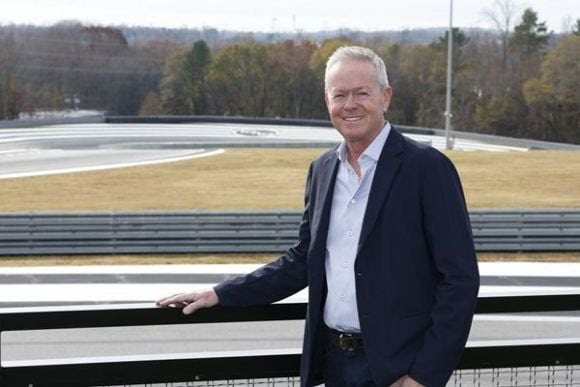
Ten Tenths Motor Club has named longtime automotive executive Andy Thomas as its new Vice President of Manufacturer Relations, bringing more than three decades of global experience in luxury automotive sales, marketing and brand management to the newly opened motorsports and lifestyle destination.
In his new role, Thomas will develop and maintain relationships with OEM partners to understand their needs, perspectives and objectives, while working to identify opportunities for growth by leveraging new and existing partnerships to increase facility usage.
Thomas joins Ten Tenths Motor Club after serving as Vice President of Marketing and Communications for McLaren Automotive North America since 2015, where he led strategic marketing, communications and global strategy that helped drive record sales growth. During his decade with McLaren, Thomas oversaw experiential events in over 30 major metro markets and developed retail programs that significantly increased sales conversions and owner engagement.
“Andy’s reputation and relationships within the global automotive community are unmatched,” said Rick Hendrick, who founded Ten Tenths Motor Club in partnership with Speedway Motorsports. “His leadership will be instrumental in strengthening our partnerships with manufacturers and luxury brands as we continue to establish Ten Tenths as a world-class venue for automotive experiences.”
Prior to McLaren, Thomas served in leadership roles with Rolls-Royce Motor Cars in both Goodwood, U.K. and North America, where he guided global brand alignment and oversaw international marketing strategy across Europe, Asia-Pacific and the Middle East. Earlier in his career, he held key marketing and sales roles with BMW of North America, Ferrari North America and Land Rover North America, gaining experience in dealer relations, product marketing and luxury customer engagement.
“Our vision for Ten Tenths Motor Club is to establish the facility as not only a premier experience for passionate automotive enthusiasts, but also to create a destination for corporate events that is unmatched in the automotive industry,” said Speedway Motorsports President and CEO Marcus Smith. “We look forward to Andy joining our efforts to invite manufacturers from around the world to Ten Tenths Motor Club and the greater Charlotte region.”
A Clemson University graduate with a Bachelor of Science in Mechanical Engineering, Thomas also serves on the Board of the Erwin Center for Brand Communication at his alma mater. In that role, he mentors students, sponsors real-world marketing projects and connects students with opportunities across the automotive and luxury brand landscape.
A native of Salisbury, Maryland, Thomas began his career in dealer operations at Fox Chevrolet in Baltimore before joining the OEM side of the industry. His work has taken him across the United States, the United Kingdom and Europe, building a broad network and a deep understanding of international brand collaboration.
“I’m thrilled to join Ten Tenths at such an exciting time,” Thomas said. “The club’s vision represents the next evolution of automotive lifestyle and performance culture. I look forward to connecting global manufacturers with this extraordinary facility and to becoming part of the Charlotte community.”
Located adjacent to the iconic Charlotte Motor Speedway, Ten Tenths Motor Club combines exclusive track access, curated events and premium hospitality to create an unparalleled environment for members and partners. The facility has quickly become a premier destination in the Charlotte metropolitan area for automotive launches, luxury brand activations, enthusiast experiences and special events. Tickets are now on sale for Ten Tenths Motor Club signature public event, Heritage Invitational, April 9-11, 2026.
CMS PR
Motorsports
Short Track Racing Gets Major Boost With $6.7 Billion Backed Chili Bowl Nationals Coverage
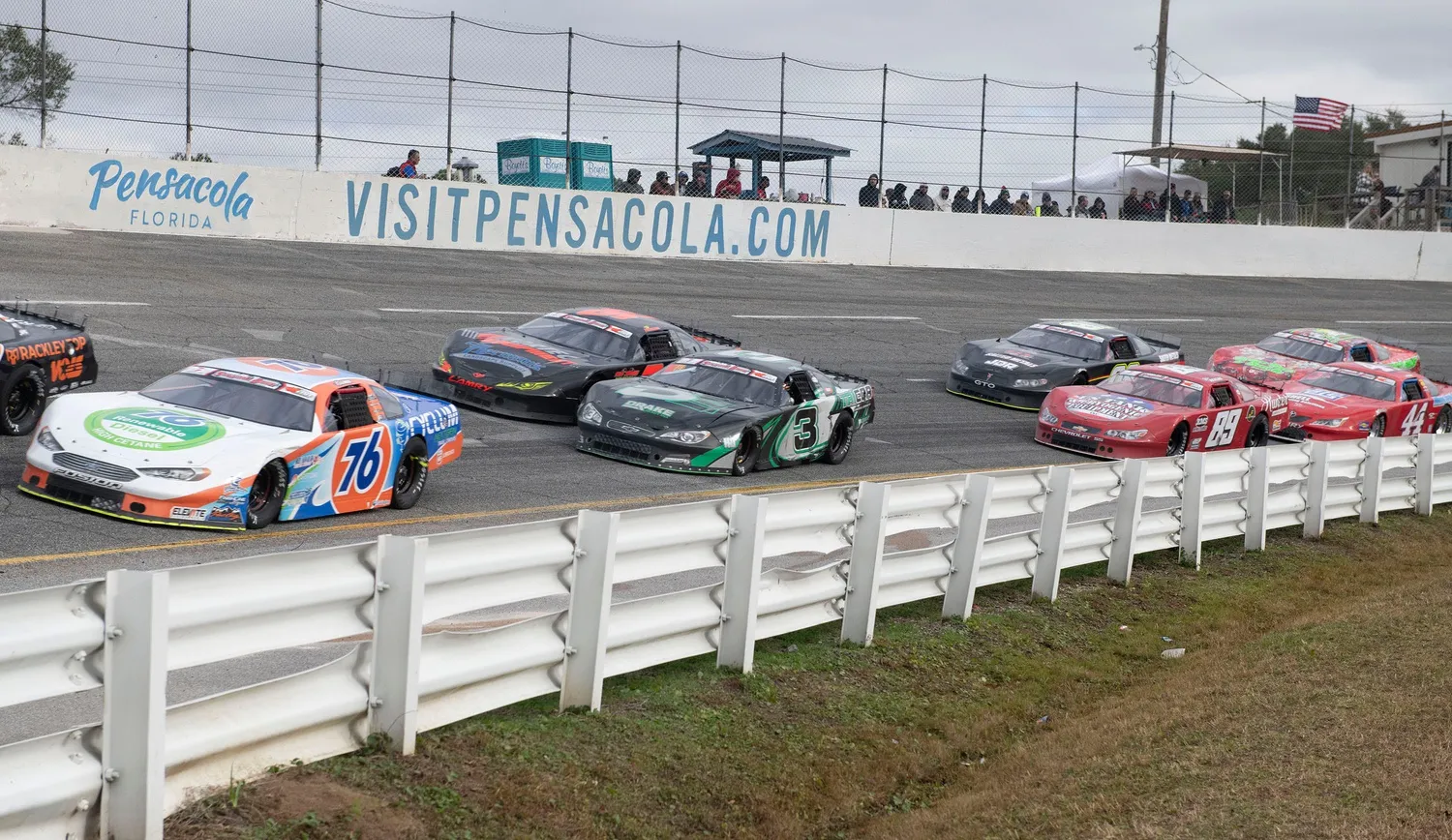
Short-track racing is set for a significant commercial and visibility boost, one that points to growing confidence from corporate players in the grassroots motorsport ecosystem.
As the Chili Bowl Nationals approaches next January, developments off the track suggest the event is entering a new commercial phase. The move will inject major corporate backing into one of grassroots motorsport’s most prestigious events.
Chili Bowl Nationals Gain Momentum As Major Brands Look Beyond Top-Tier Series
In a new announcement, it has emerged that Chili’s will sponsor FloRacing’s streaming coverage of the Chili Bowl Nationals in January 2026.
A motorsports journalist first reported the development on X, revealing, “@Chilis will sponsor @FloRacing’s streaming coverage of the Chili Bowl Nationals in January as part of a new deal, with assets including ad integration during pre- and post-race and shoulder programming, along with on-site signage, jumbotron commercials and a hospitality area.”
The deal includes extensive ad integration across FloRacing’s Chili Bowl coverage. The partnership will also feature branded elements during pre- and post-race shows, shoulder programming, on-site signage, jumbotron commercials, and a dedicated hospitality area at the venue.
Chili’s is owned by Brinker International, a publicly listed restaurant company valued at approximately $6.6 billion, underlining the scale of investment now flowing into short track and dirt racing.
While the Chili Bowl has long been a fan favorite on the racing calendar, the association of a corporate company of this size with the Chili Bowl further elevates the event’s commercial credibility and fan appeal.
The Chili Bowl Nationals, held annually in Tulsa, Oklahoma, is widely regarded as the crown jewel of midget racing, drawing elite drivers from dirt racing, IndyCar, and even NASCAR disciplines. While the event has long enjoyed strong grassroots support, this sponsorship shows how close the gap between short-track racing and central corporate America is getting.
For FloRacing, the deal reinforces its strategy of pairing grassroots motorsport with blue-chip advertisers. As streaming continues to transform how fans consume motorsport, securing a nationally recognized brand like Chili’s adds credibility to FloRacing’s model and demonstrates the platform’s ability to deliver measurable value to sponsors.
At a broader level, the partnership reflects a shifting landscape within American motorsport. Short track racing, once viewed primarily as a regional niche, is increasingly attracting major corporate interest due to its authenticity and strong fan engagement.
The move could also have a ripple effect across the short track ecosystem, encouraging other major sponsors to explore similar partnerships. This will further narrow the gap between grassroots racing and top-tier motorsport in terms of commercial and media appeal.
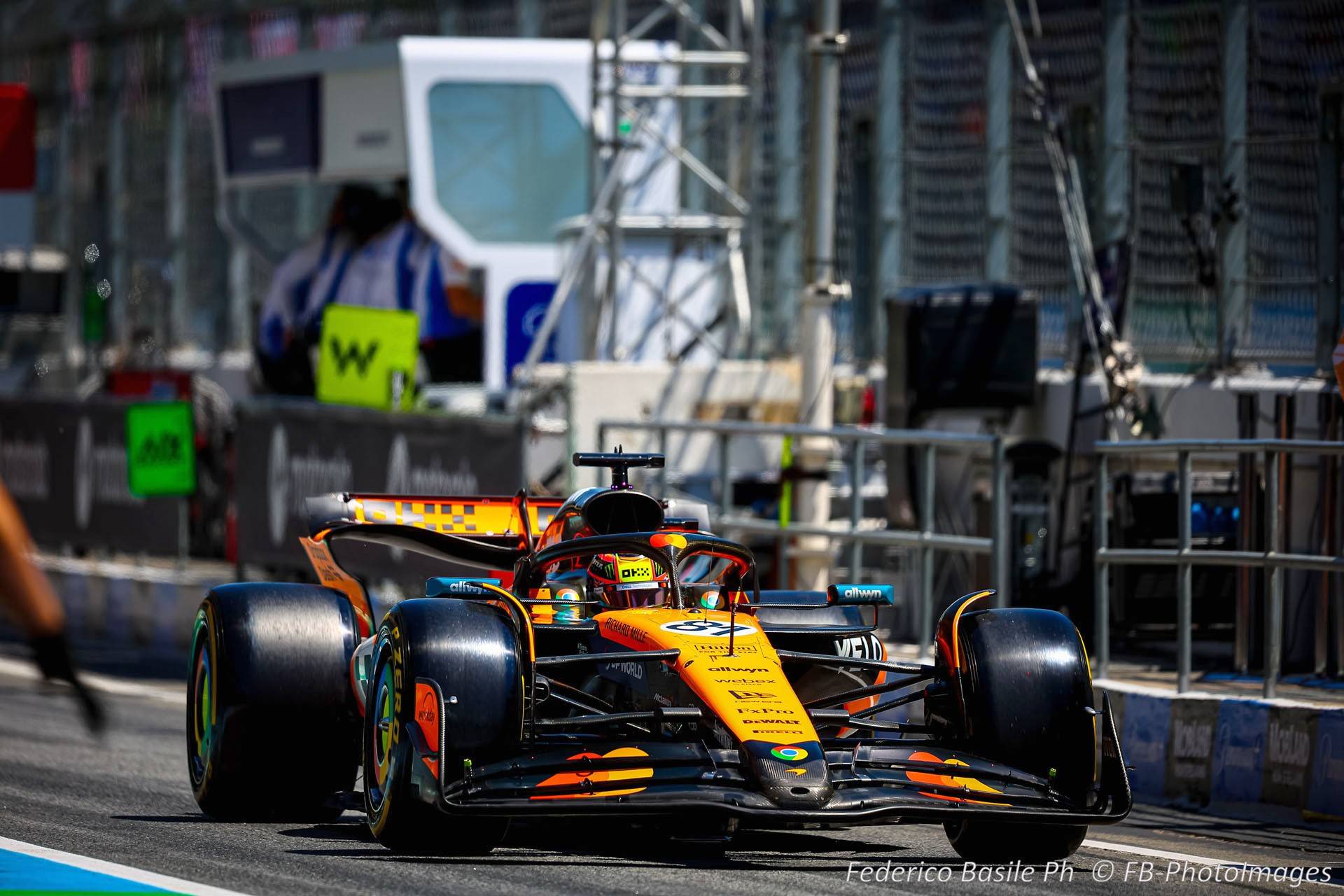
Every new F1 season reshapes the grid, and the 2025 cars push aerodynamic complexity even further with intricate sidepods, sculpted floors, and finely tuned wings. While these features exist to win races under strict regulations, the principles behind them are already transforming how high-performance road cars cut through the air and stay planted at speed.
Just as enthusiasts compare online casinos that pay out the most to maximize return on risk, performance drivers now compare brands that deliver the greatest transfer of F1 aerodynamic knowledge into cars that occupy real garages. The models that benefit from this pipeline feel calmer at 250 km/h, corner harder on track days, and waste less fuel or battery charge at highway speeds.
From Wind Tunnels to Showrooms
F1 teams and manufacturers now work inside shared technical ecosystems, where aerodynamic research rarely remains confined to the race shop. Computational fluid dynamics and wind tunnel data feed common databases that road-car engineers interrogate when they design a new supercar or performance sedan.
Key channels that transfer F1 aero learning into road cars include:
- Shared CFD platforms that simulate similar flow conditions for race and road projects.
- Common wind tunnel facilities with interchangeable models and measuring systems.
- Track data that validates how cars behave in crosswinds and turbulent air.
- Joint technical groups that translate race concepts into street-legal solutions.
Through these mechanisms, investment in F1 development produces measurable benefits in the road division instead of existing as a pure marketing exercise.
Ground Effects and Venturi Floors in Road Cars
The 2025 F1 floors generate huge downforce through Venturi tunnels and powerful diffusers, and road-car departments have revived the same philosophy in a moderated form. Underbody tunnels, extended diffusers, and subtle vortex generators create suction without resorting to oversized wings that would look out of place in city traffic.
Examples of ground-effect DNA in current road cars include:
- Mid-engine supercars with flat floors and deep rear diffusers
- Hypercars that channel air through underbody tunnels to generate downforce
- Performance sedans that reduce high-speed lift with tuned diffusers
- Track-focused editions with removable front splitters and underbody strakes.
These solutions respect everyday ride-height constraints while retaining the stability advantages that F1 teams exploit.
Active Aero and Smart Surfaces
While F1 cars use limited movable devices, the control logic behind ride height, temperatures, and hybrid deployment inspires sophisticated active systems on road cars. High-performance models now coordinate adjustable rear wings, deployable spoilers, and intelligent grille shutters through central controllers that read speed, steering angle, and thermal load.
Common active aerodynamic components in modern performance cars include:
- Multi-position rear wings that alter angle during braking and acceleration
- Front lips that extend at higher speeds to increase front axle grip
- Adaptive grille shutters that open for cooling and close to cut drag
- Underbody flaps that direct airflow toward diffusers or brake ducts.
In practice, the car behaves as a dynamic object that reshapes itself for each phase of a drive, echoing the adaptive philosophy of race setup work.
Aero Efficiency for Everyday Driving
Although F1 teams chase maximum downforce within tight drag limits, road cars often prioritize efficiency because emissions regulations and electric range targets are strict. Designers therefore apply F1-style flow management around mirrors, wheels, and rooflines to preserve stability while minimizing wake turbulence.
Typical efficiency tricks derived from F1 thinking include:
- Air curtains that guide flow cleanly around the front wheels.
- Sculpted side sills that feed air toward the rear diffuser.
- Tapered roof and tail profiles that shrink the turbulent wake.
- Subtle rear lips that reduce lift without large wings.
Each detail may seem minor when viewed alone, yet in combination they deliver measurable improvements in drag coefficient and high-speed composure.
What This Means for Drivers and Engineers
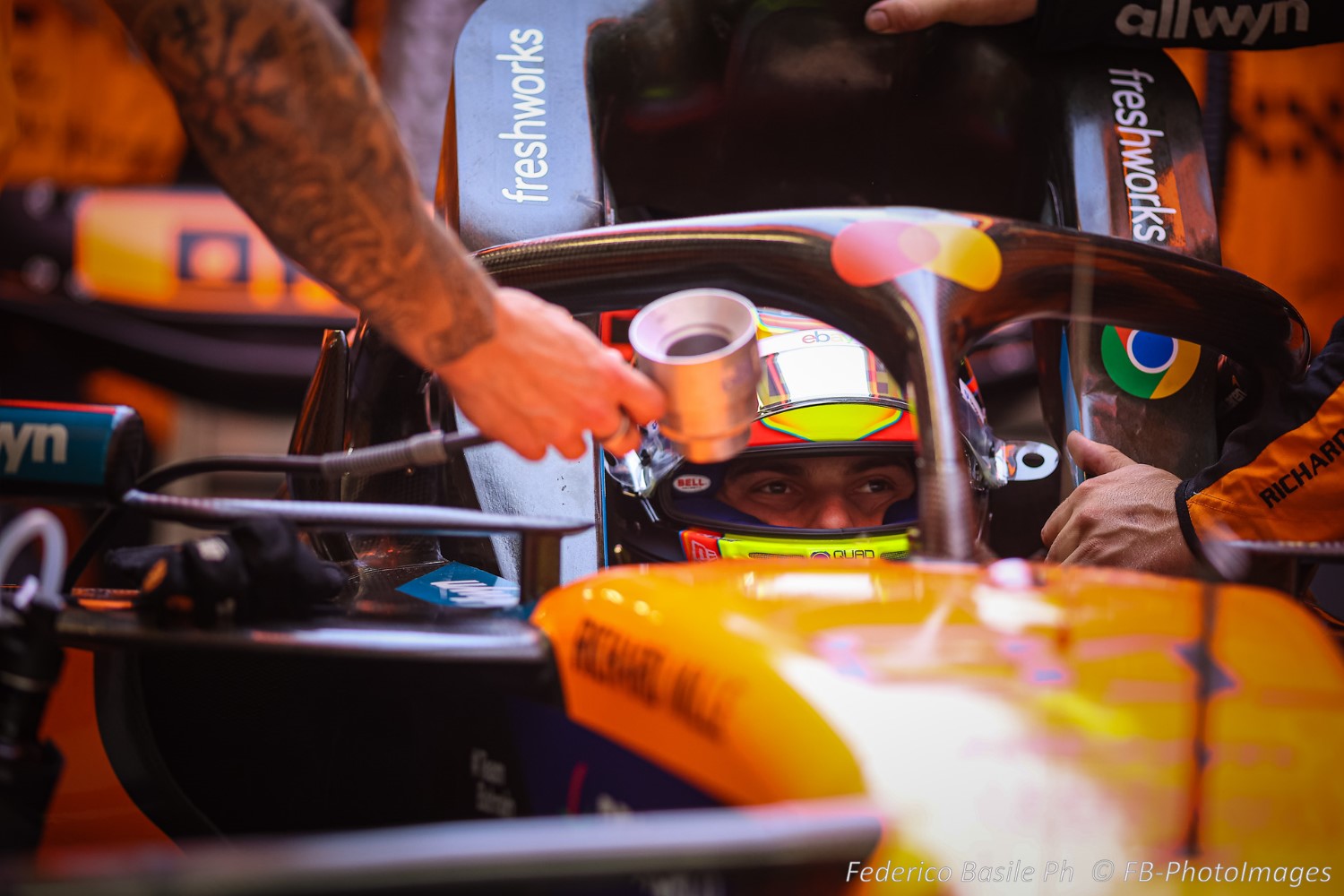
For drivers, the influence of 2025 F1 aerodynamics appears as calmer behavior at velocities that once felt nervous. Steering remains more precise under heavy braking, crosswinds disturb the car less, and lap times on track days improve as tires operate within more consistent load windows.
For engineers, the convergence of race and road programs enforces disciplined development processes. Shared wind tunnel hours, CFD runs, and correlation tests reduce the temptation to add ineffective vents or decorative wings, because every visible feature must justify itself through quantifiable aerodynamic benefit.
The Next Aero Generation
The trajectory from 2025 indicates that future performance cars will deepen the integration between sensors, software, and active surfaces. Vehicles may adapt their aero profiles in response to real-time traffic, weather, and road-surface data, rather than relying solely on speed-based maps.
For enthusiasts who watch F1 qualifying and then drive home in high-performance coupes or sedans, the connection between what happens on Saturday and what they feel on Monday morning will continue to tighten. Each new F1 regulation cycle forces teams to reinvent the language of airflow, and that vocabulary keeps migrating into cars parked in ordinary driveways, quietly transforming everyday journeys with technology proven at racing speed.
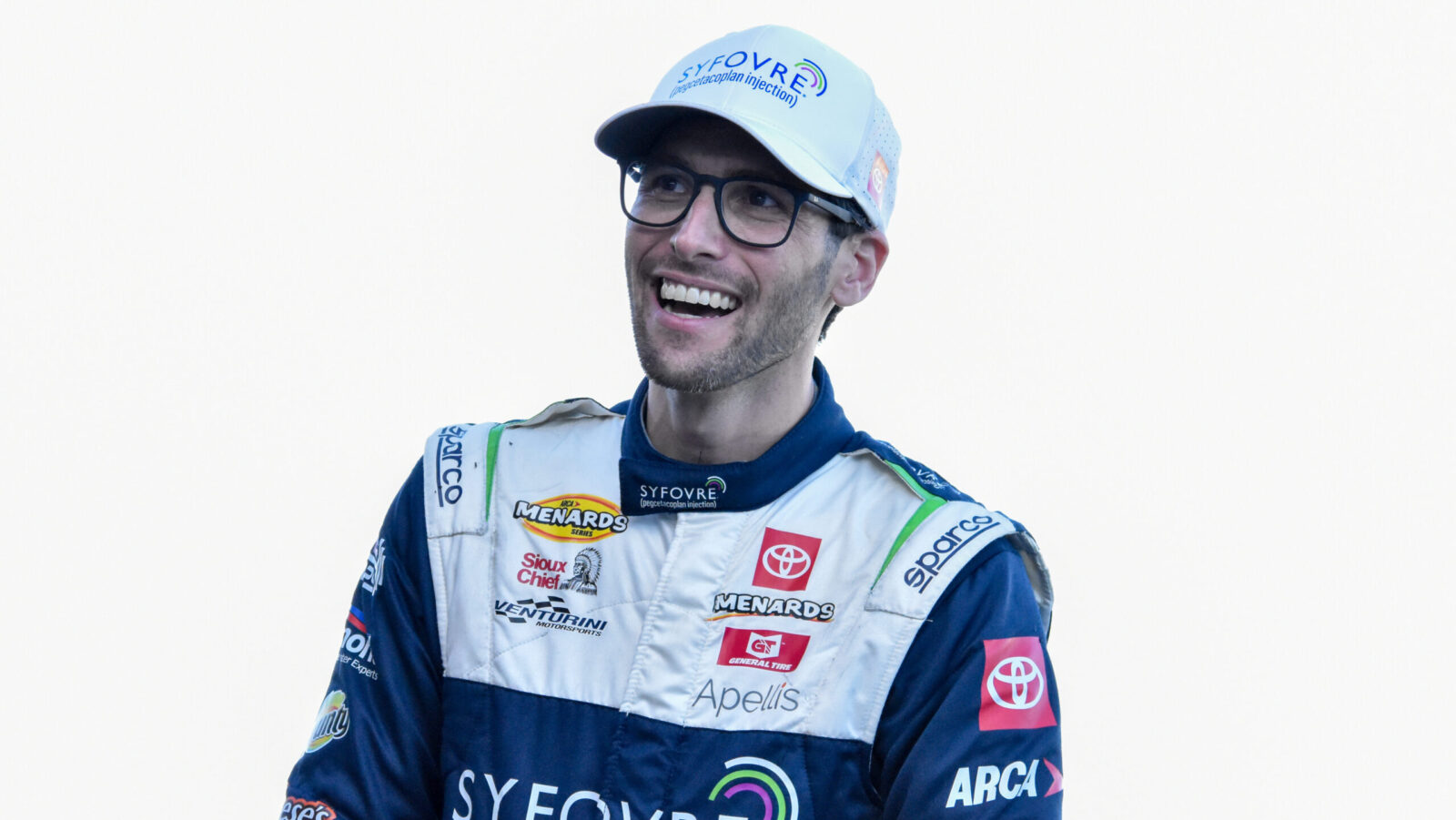
Ladies and Gentlemen, the doctor is in!
Dr. Patrick Staropoli, a board-certified medical and surgical retina specialist, has been tapped by NASCAR O’Reilly Auto Parts Series operation Big Machine Racing to compete full-time in the second-tier division in 2026.
Staropoli will get behind the wheel of the No. 48 SYFOVRE (pegcetacoplan injection) Chevrolet, beginning with the February 14 season-opener at Daytona International Speedway.
“From the moment I buckled into a pure stock at Hialeah Speedway in 2023, my life’s goal has been to compete at the top levels of this sport,” said Staropoli. “The path has taken many unexpected turns, but after working every day for 23 years in pursuit of this dream, I now have the opportunity of a lifetime thanks to Scott Borchetta, Patrick Donahue, and Chevrolet. I am ready to do whatever it takes to put this SYFOVRE Chevy up front and raise awareness for Geographic Atrophy secondary to Age-Related Macular Degeneration by combining my passion for motorsports and medicine.”
A third-generation driver from Plantation, Florida, Staropoli first gained national attention after winning the 2013 PEAK Stock Car Dream Challenge to become a Michael Waltrip Racing development driver, emerging ahead of top talents like NASCAR Cup Series race-winner Chase Briscoe. The 36-year-old earned himself a seat with Bill McAnally Racing in the ARCA Menards Series West, where he captured a victory at Irwindale in 2014.
“We’re pleased to welcome Dr. Patrick Staropoli to the No. 48 Big Machine Racing team for the 2026 season,” said Patrick Donahue, Crew Chief and Team Manager. “He brings a rare blend of professionalism, focus, and drive that will continue to strengthen our organization. This partnership reflects our commitment to surrounding the team with individuals who share our values and vision for building long-term success.”
After nearly a decade on the sidelines, Staropoli returned to the ranks of NASCAR’s National Series in 2025, competing in four NASCAR O’Reilly Auto Parts Series (Xfinity Series) events for Sam Hunt Racing and four NASCAR Craftsman Truck Series events for Cook Racing Technologies — earning two top-20s in both the O’Reilly Series and Truck Series.
The hiring of Dr. Patrick Staropoli comes after the surprising news earlier this month that Nick Sanchez, who earned the team’s second victory last Summer at EchoPark Speedway (Atlanta), had been released from the organization ahead of the 2026 NASCAR O’Reilly Auto Parts Series campaign. Sanchez said in an interview with SiriusXM NASCAR Radio that the move was “strictly business” on the part of Big Machine Racing.
Staropoli will take on the 33-race NASCAR O’Reilly Auto Parts Series campaign in 2026 with Big Machine Racing, starting with the season-opening event at Daytona International Speedway on February 14. Coverage will be at 5:30 PM ET on The CW, Motor Racing Network, and SiriusXM NASCAR Radio Channel 90.
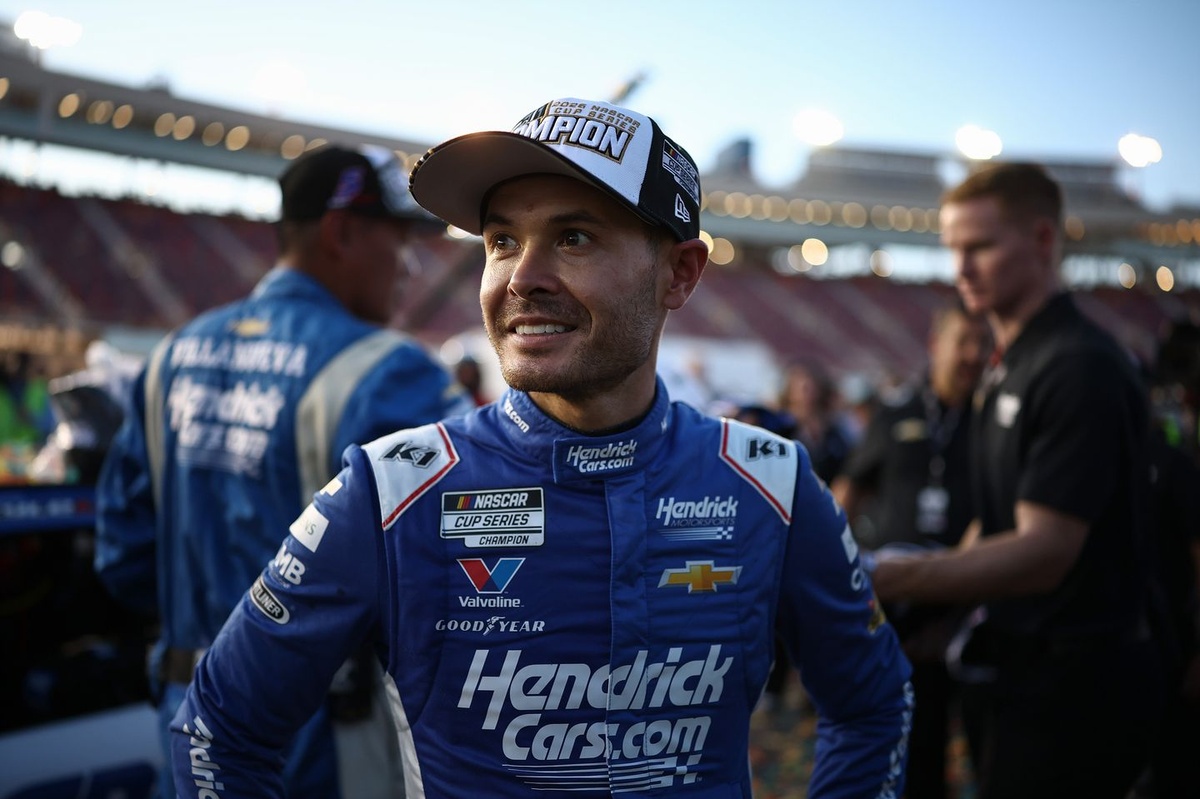
Kyle Larson is ready to go back to Daytona for the Rolex 24 Hours.
The two-time NASCAR Cup Series champion has three starts in IMSA’s season-opening crown jewel event, but none since 2016. He took overall victory with Chip Ganassi Racing in 2015, co-driving with Scott Dixon, Tony Kanaan, and Jamie McMurray.
On a recently-released episode of Dinner with Racers, a podcast co-hosted by Ryan Eversley and Sean Heckman, Larson was asked about his interest in returning for the endurance classic if Chrevolet came calling.
“I think at this stage in my career, yeah, I’d do it again,” said Larson, driver of the No. 5 Hendrick Motorsports Chevrolet in NASCAR. “I had fun those three years I did it. I didn’t want to keep doing it every year.”
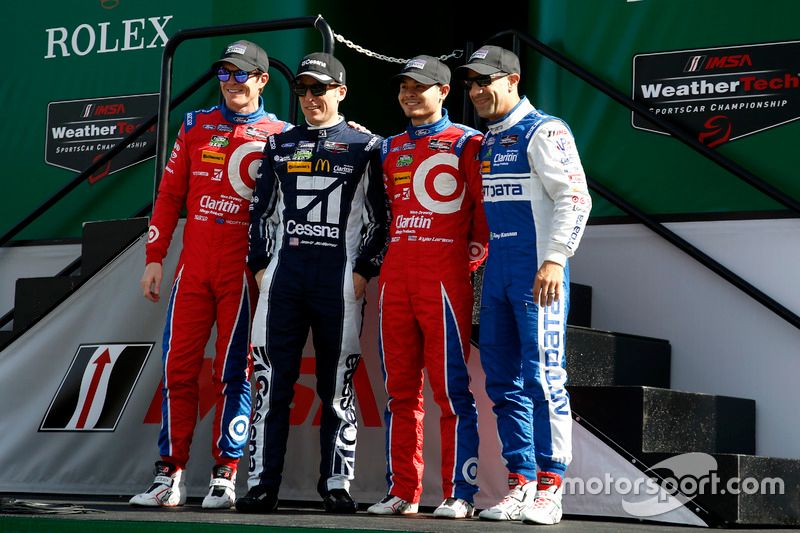
#02 Chip Ganassi Racing Riley DP Ford: Scott Dixon, Tony Kanaan, Jamie McMurray, Kyle Larson
Photo by: Alexander Trienitz
Few are as well-equipped as Larson to handle a busy racing schedule. Beyond his Cup commitments, he also competes in High Limit Racing, a Sprint Car Series he co-owns with five-time World of Outlaws champion Brad Sweet. There’s also the random Midget races, and offseason racing trips to the other side of the globe.
“The offseasons have only gotten busier,” Larson said. “There’s more races and stuff. I go to Australia now, Chili Bowl, and West Coast Midget races. It’s just a lot and I, kind of, want time off. But it’s been so long since I ran it that you almost get to the point where you forget a little bit about it, right? And I just remember having a blast doing that race, so I just want to go there and relive it.”
The 33-year-old California native would also relish the opportunity to share the experience with his family, noting his oldest of three children, Owen, is 11 but was a newborn when Larson won the event.
“To have my kids be a part of it would be cool,” said Larson, who also has two starts in the Indianapolis 500 each of the last two years.
It also helps bolster a family vacation when Disney World is roughly an hour away, too.
“Yeah, that, too,” he said. “So yeah, I would probably do it again.”
However, Larson, who attempted to express not knowing anyone in IMSA to move the idea forward, does have one requirement: “I want to be in the best car.”
As the subject started to fade off, Larson pressed his level of interest into more of a declaration.
“I definitely want to do it again in the future.”
We want your opinion!
What would you like to see on Motorsport.com?
Take our 5 minute survey.
– The Motorsport.com Team
Dec. 23, 2025, 5:08 a.m. CT
Here is a list of major auto racing events to be held around Wisconsin in 2026, weighted toward the Milwaukee area, as well as photo galleries and links to 2025 coverage. (The farther away an event is, the bigger it has to be to crack the list.) Factors considered include history, prestige, scope and purse.
Follow track and series links for additional information.
If you have ideas for events that should be considered for addition, email dkallmann@journalsentinel.com.

Jan. 15-18: 63rd World Championship Snowmobile Derby, Eagle River (2025 winner: Zach Dewald)
April 26: ASA Midwest Tour and Slinger Speedway season opener
April 30-May 2: World of Outlaws Late Model Series Dairyland Showdown, Mississippi Thunder Speedway, Fountain City. $40,000 to win Saturday (2025 winners: Friday – Tyler Erb; Saturday – Nick Hoffman)

May 3: ASA Midwest Tour Joe Shear Classic, Madison International Speedway, Town of Rutland (2025 winner: Casey Johnson)
May 15-17: Spring Vintage Festival, Road America, Elkhart Lake
May 29-31: MotoAmerica Superbike Series, Road America, Elkhart Lake (Superbike winner: Josh Herrin both Saturday and Sunday)

June 3: High Limit Racing sprint cars, Red Cedar Speedway, Menomonie (2025 winner: Rico Abreu)
June 4: High Limit Racing sprint cars, Gondik Law Speedway, Superior
June 5-7: SCCA June Sprints club sports-car racing, Road America, Elkhart Lake

June 6: World of Outlaws sprint cars Cheese Town Showdown, Plymouth Dirt Track (2025 winner: Rico Abreu)
June 7: World of Outlaws sprint cars Badger State Brawl, Angell Park Speedway, Sun Prairie, (2025 winner: Sheldon Haudenschild)
June 19-20: IMCA modifieds, Clash at the Creek XVIII, $10,000 to win, 141 Speedway, Maribel
June 19-20: World of Outlaws late models Maribel Late Model Showdown, $12,000 to win Friday, $25,000 to win Saturday, 141 Speedway, Maribel

June 19-21: NTT IndyCar Series XPEL Grand Prix, Road America, Elkhart Lake. (2025 winner: Alex Palou)

June 21: ASA STARS National Tour, Slinger Speedway (2025 winner: Cole Butcher)
June 23: ASA STARS National Tour, Madison International Speedway, Town of Rutland (2025 winner: Carson Brown)
June 26-27: World of Outlaws sprint cars Independence Spectacular, Cedar Lake Speedway, New Richmond (2025 inners: Friday, David Gravel; Saturday, Carson Macedo)

June 26-28: Trans Am Speed Tour Cheese Capital Cup, Road America (2025 winner: Chris Dyson)

July 10-11: World of Outlaws sprint cars Larry Hillerud Memorial, Wilmot Raceway, Kenosha County Fairgrounds (2025 winner: Buddy Kofoid).
July 14: Slinger Nationals, Slinger Speedway (Winner: Ty Majeski)

July 16-19: WeatherTech Vintage Weekend, Road America, Elkhart Lake
July 30-Aug. 1: World of Outlaws late models, Cedar Lake Speedway, New Richmond, with $100,000-to-win USA Nationals feature Saturday (2025 winner: Ryan Gustin)

July 30-Aug. 2: IMSA sports cars, Road America (2025 winner: BMW M Team RLL, Dries Vanthoor and Phillipp Eng)
Aug. 4: ASA MidwestTour, Gandrud Auto Group 250, Wisconsin International Raceway, Kaukauna (Winner: Luke Fenhaus)

Aug. 28-30: Fanatec GT World Challenge, Road America, Elkhart Lake
Aug. 28: ARCA Menards Series, Madison International Speedway, Town of Rutland (2025 winner: Max Reaves)

Aug. 28-30: IndyCar Snap-On Milwaukee Mile 250, Milwaukee Mile (2025 single race winner: Christian Rasmussen)
Sept. 3-6: Crandon World Championship Off-Road Races and Crandon World Cup, Crandon International Raceway

Aug. 31: USAC Midgets, Firemen’s Nationals, Angell Park Speedway, Sun Prairie (2025 winner: Gavin Miller)
Sept. 18-20: VSCDA fall vintage weekend, Road America, Elkhart Lake

Oct. 3-5: SCCA National Championship Runoffs, Road America, Elkhart Lake
Oct. 8-11: Oktoberfest races, culmiating with ASA Midwest Tour Oktoberfest 200 season finale, La Crosse Fairgrounds Speedway, West Salem (2025 winner: Ty Majeski)


Former Penn State star Izzy Starck commits to Pitt volleyball

How sports betting lures teenagers into risky arenas

Steelers Coach Mike Tomlin Supports DK Metcalf After Fan Incident, Suspension

Utah State Launches Search for New Volleyball Coach

Georgia, Ex-Football Player Suing Each Other in NIL Dispute

Coming off its first 5A league title, the new look Eagle Valley girls basketball team is gelling quickly in 2025-26
Alabama WBB freshman Ace Austin on her adjustment to the college game

Volleyball Welcomes Transfers Ames and Dalton

Las Vegas youth soccer coach accused of sexually assaulting teenager

How Shoot 360 Franchisees Became ‘Turnaround Team’ for Struggling Units | Franchise News

Rob Neilson hired by BYU as new women’s volleyball coach – Deseret News

Kansas–Chiefs STAR bond deal: Terms explained

Bay College and Center for Youth Health & Wellness mark success | News, Sports, Jobs

LSU Beach Volleyball Announces Spring Schedule – LSU

Steelers coach Mike Tomlin says he supports suspended wide receiver DK Metcalf after fan incident

First Tee Winter Registration is open

Fargo girl, 13, dies after collapsing during school basketball game – Grand Forks Herald

CPG Brands Like Allegra Are Betting on F1 for the First Time

F1 Las Vegas: Verstappen win, Norris and Piastri DQ tighten 2025 title fight

Sycamores unveil 2026 track and field schedule

Utah State Announces 2025-26 Indoor Track & Field Schedule

Two Pro Volleyball Leagues Serve Up Plans for Minnesota Teams

SoundGear Named Entitlement Sponsor of Spears CARS Tour Southwest Opener

Jo Shimoda Undergoes Back Surgery

Redemption Means First Pro Stock World Championship for Dallas Glenn

Texas volleyball vs Kentucky game score: Live SEC tournament updates

Bowl Projections: ESPN predicts 12-team College Football Playoff bracket, full bowl slate after Week 14

Black Bear Revises Recording Policies After Rulebook Language Surfaces via Lever

How this startup (and a KC sports icon) turned young players into card-carrying legends overnight

Robert “Bobby” Lewis Hardin, 56






-
 Motorsports2 weeks ago
SoundGear Named Entitlement Sponsor of Spears CARS Tour Southwest Opener
-
 Rec Sports3 weeks ago
Black Bear Revises Recording Policies After Rulebook Language Surfaces via Lever
-
 Motorsports2 weeks ago
Donny Schatz finds new home for 2026, inks full-time deal with CJB Motorsports – InForum
-
 Rec Sports3 weeks ago
How Donald Trump became FIFA’s ‘soccer president’ long before World Cup draw
-
 Rec Sports2 weeks ago
David Blitzer, Harris Blitzer Sports & Entertainment
-
 Motorsports2 weeks ago
JR Motorsports Confirms Death Of NASCAR Veteran Michael Annett At Age 39
-
Sports2 weeks ago
Elliot and Thuotte Highlight Men’s Indoor Track and Field Season Opener
-
 Motorsports2 weeks ago
Rick Ware Racing switching to Chevrolet for 2026
-
Sports2 weeks ago
West Fargo volleyball coach Kelsey Titus resigns after four seasons – InForum
-
 Sports2 weeks ago
#11 Volleyball Practices, Then Meets Media Prior to #2 Kentucky Match