
NIL
Offensive lineman DJ Wingfield files lawsuit against NCAA in bid to play for USC


When DJ Wingfield picked USC in the transfer portal last January, it seemed like an ideal one-year arrangement for both parties. The Trojans desperately needed experience on the interior of their already thin offensive line. Wingfield — after two seasons at a junior college, one at New Mexico and another spent at Purdue — was seeking to raise his profile in his final season of eligibility.
USC offered him a clear path to playing time at left guard, as well as a $210,000 payday for his name, image and likeness. He just needed the NCAA to approve a waiver for him to play another season.
Neither Wingfield nor USC figured that would be a problem at the time. But the NCAA denied Wingfield’s initial request for a waiver in late March, then later denied his appeal.
So, with fall camp set to open this week, Wingfield took the only route remaining for him to play at USC: He filed a lawsuit against the NCAA, seeking injunctive relief in order to play for USC.
Wingfield is seeking to challenge the lawfulness of the NCAA’s “Five-Year Rule”, which contends that players are eligible to play four seasons of competition across five years. Both USC and Wingfield believed, according to the complaint, that his waiver would be approved, considering recent rulings in the cases of Vanderbilt’s Diego Pavia and Rutgers’ Jett Elad, each of whom won the right in court to play an additional season.
But the waiver was denied, robbing Wingfield, he claims, of what could have been a “once-in-a-lifetime” NIL payday as well as an opportunity to “enhance his career and reputation” by playing at USC.
“The effect of the NCAA’s anticompetitive conduct will be to penalize Wingfield for having attended a junior college and for the disruptions caused by the pandemic,” the complaint reads. “The NCAA’s anticompetitive conduct, coupled with its unreasonable denial of Wingfield’s meritorious request for a waiver, thus threatens him with immediate irreparable harm.”
Wingfield’s collegiate career began in 2019 at El Camino College, a junior college in Torrance. He left El Camino during the 2020 season due to the pandemic, as Wingfield was tasked with taking care of his mother.
He played at El Camino in 2021 before transferring to New Mexico in the spring of 2022. Before completing a single game with the Lobos, he tore the anterior cruciate ligament in his knee, ending his season. He returned to play in nine games in 2023 before entering the transfer portal.
Wingfield transferred to Purdue where he earned a starting job in 2024, five years after he first started his college football career.
Still, he figured the NCAA would look past that timeline, given his circumstances and the cascade of legal challenges claiming that the NCAA is violating antitrust laws by limiting athletes’ eligibility.
Now that decision — and Wingfield’s college football future — is in the hands of a federal judge.
Whatever that judge decides could have an adverse impact on the Trojans offense this season. Without Wingfield, USC would be perilously thin up front. His absence could mean sliding projected right tackle Tobias Raymond to guard, while sophomore Justin Tauanuu steps in as starting right tackle. Otherwise, USC is likely to turn to inexperienced sophomore Micah Banuelos at left guard.

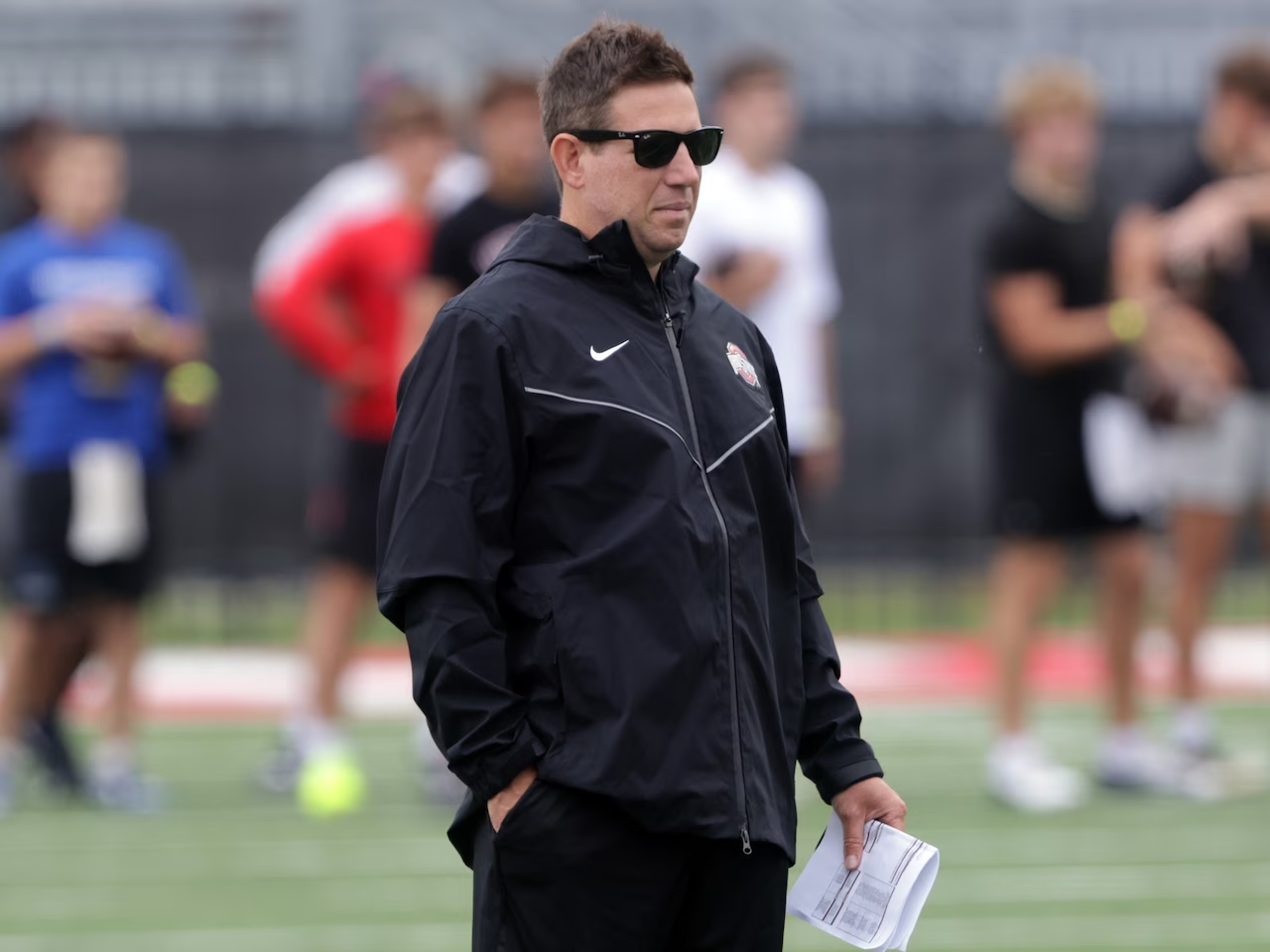
COLUMBUS, Ohio — The days of simply collecting as many five-star talents as possible in college football recruiting are over.
In a revealing Buckeye Talk podcast episode, Ohio State analysts Stephen Means and Andrew Gillis detailed how the program has shifted to a more sophisticated “roster construction” approach that mirrors NFL team building more than traditional college recruiting.
“I think that because the financial aspect has come into this but also just logical roster building that has become more of a focal point than star, star, star, star, stars,” explained Stephen Means. “Because for a long time, college football was like, get as much talent as you humanly can, develop it, cuz you were living in a world where the top 1% of college football had all the talent. And that’s not true anymore.”
This fundamental shift in philosophy is perhaps most evident in how Gillis described Ohio State’s running back recruiting needs for the 2027 class. While five-star David Gabriel Georgees tops their board, the approach is more nuanced than just stacking elite talent.
“If they got three five stars running backs, the odds that we got on this podcast and said that’s actually probably not that good is higher than it might seem because we were saying why is your asset management this? Like because hey, look at your your receiver recruiting was down. You couldn’t have spent some of that money on a receiver,” Gillis explained.
The financial component of recruiting has transformed how Ohio State approaches each position group and recruiting class. It’s no longer just about who’s the best player available, but whether investing heavily in one position might shortchange another.
“It is a math equation. It is a money equation at this point. You’re not going to go get three five stars at running back in a single class,” Gillis emphasized.
Means further elaborated on how NIL money has forced this change: “You can’t pay a fivestar recruit, fivestar recruit money and then have the guy sitting on the bench because there’s another guy with there’s only so much money to go around.”
This strategic approach has Ohio State looking at players through different lenses: “ready to go” immediate contributors (typically five-stars and top-100 recruits), “developmental” prospects (usually ranked 200-350 nationally), and “depth” pieces who might be ranked lower but fill specific roles.
The analysts identified several instances where this approach is evident in Ohio State’s 2027 planning. At quarterback, they’re content with a developmental prospect in Brady Edmonds rather than chasing another five-star. At wide receiver, despite already having five-star Jir Brown committed, they believe Ohio State needs another elite receiver plus two depth pieces to properly structure the room.
“Now we are talking about roster construction,” Means said. “And the reason why we structured it this way is okay, they went and got a devel they have a developmental quarterback in 2027. They probably need a ready to go quarterback in 2028 and they probably need a depth quarterback in 2029. And the cycle continues, right?”
This staggered approach ensures Ohio State will have players at different stages of development at every position, creating a sustainable pipeline of talent ready to contribute when needed.
“Everybody everybody’s running the same race, but they can’t be running it at the same pace or you’re not going to have a team to field every single year,” Means added.
The conversation revealed how Ohio State’s recruiting approach now more closely resembles NFL roster management, with considerations for “salary cap” (NIL budget), positional value, and development timelines all factoring into decisions that previously might have been simply about collecting the highest-ranked players available.
As college football continues to evolve in the NIL era, this strategic roster construction philosophy may become the new standard for elite programs looking to maintain sustainable success.
Here’s the podcast for this week:
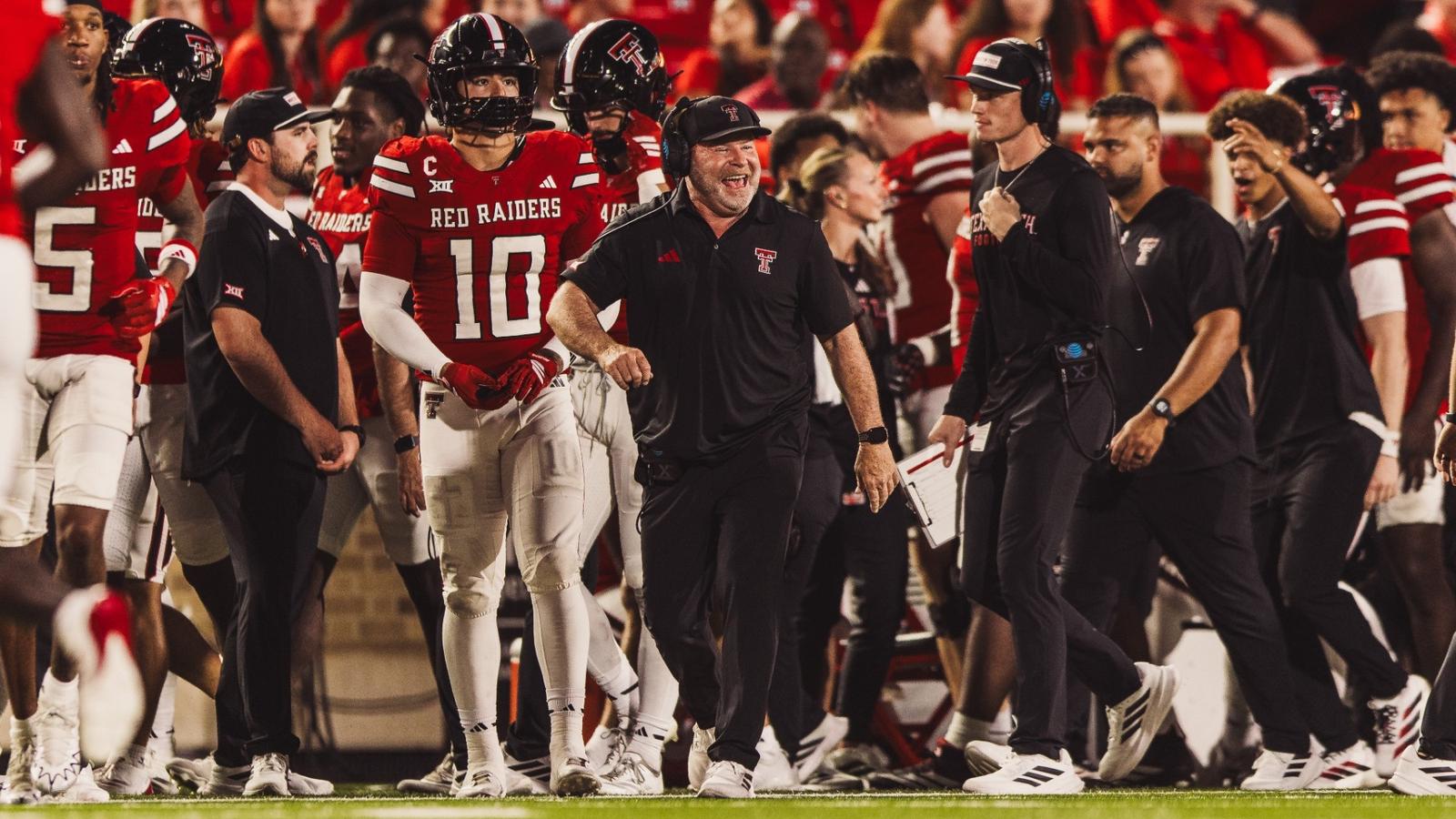
LUBBOCK, Texas – Texas Tech announced Tuesday it has come to terms on contract extensions for four key members of its football coaching staff: general manager James Blanchard, offensive coordinator Mack Leftwich, associate head coach and special teams coordinator Kenny Perry and defensive coordinator Shiel Wood.
Texas Tech agreed to the extensions with Blanchard and its three coordinators in recent weeks, pushing each of their contracts through the 2028 season with significant financial investments included as well as a revised buyout structure. McGuire, himself, agreed to a new seven-year contract following the regular season, only days prior to leading the Red Raiders to their first Big 12 Conference title in school history.
“I appreciate Kirby Hocutt and our administration for proactively investing in the future of our football program,” McGuire said. “Our expectation is to compete annually for championships with this staff and the resources we have in place here at Texas Tech. While we still have goals in front of us this season, we’re thankful to have the support of an incredible fan base and administration that believes strongly in the future of this program.”
Texas Tech enters the College Football Playoff Quarterfinal at the Capital One Orange Bowl with a 12-1 record, having already snapped the single-season school record for wins ahead of a potential matchup with either No. 5 Oregon or No. 12 seed James Madison. The Red Raiders are in the College Football Playoff for the first time in program history following a 34-7 rout over previously-No. 11 BYU in the Edward Jones Big 12 Championship.
Texas Tech has dominated opponents this season with all 12 wins coming by at least 20 points. In the process, the Red Raiders joined only Alabama in 2018 as the only teams in the Associated Press era (since 1936) to record 12 or more wins by 20-plus points prior to a bowl game. The 12 wins by that margin are already both a Texas Tech and Big 12 Conference record and are one shy of the FBS record that was set by Clemson in 2018.
The Red Raiders’ success has stemmed from all three sides of the ball with a stingy defense, another high-scoring offense and an aggressive approach on special teams. To date, Texas Tech is the only team in the country to rank in the top five for scoring offense (42.5), scoring defense (10.9), total offense (480.3 yards per game) and total defense (254.4 yards allowed per game). The Red Raiders are also the FBS leaders in both takeaways (31) and rush defense (68.5 yards allowed per game) and rank 10th for passing offense (289.4 yards per game), creating the balance McGuire desired upon his hiring four years ago.
On special teams, the Red Raiders have combined to block five kicks this season, which is tied with Penn State for the most in the FBS. Texas Tech has been among the most-aggressive teams in the country under Perry, blocking a total of 14 kicks during his four seasons, which leads all Big 12 programs during that span and ranks in the top five nationally. Texas Tech is also the only team in the country to rank in the top 20 for both kick return average and kickoff return defense this season, all while boasting a Paul Hornung finalist in running back and returner J’Koby Williams and a Lou Groza semifinalist in kicker Stone Harrington.
Perry was a charter member of McGuire’s staff upon his hiring prior to the 2022 season as he has been part of four-consecutive bowl appearances and 25 wins over Big 12 opponents, the most in the conference during that span. Both Leftwich and Wood are completing their first seasons on staff after arriving this past offseason on three-year contracts.
Kickoff for the Capital One Orange Bowl is set for 11 a.m. CT on New Year’s Day with coverage provided on ESPN and the Texas Tech Sports Network.
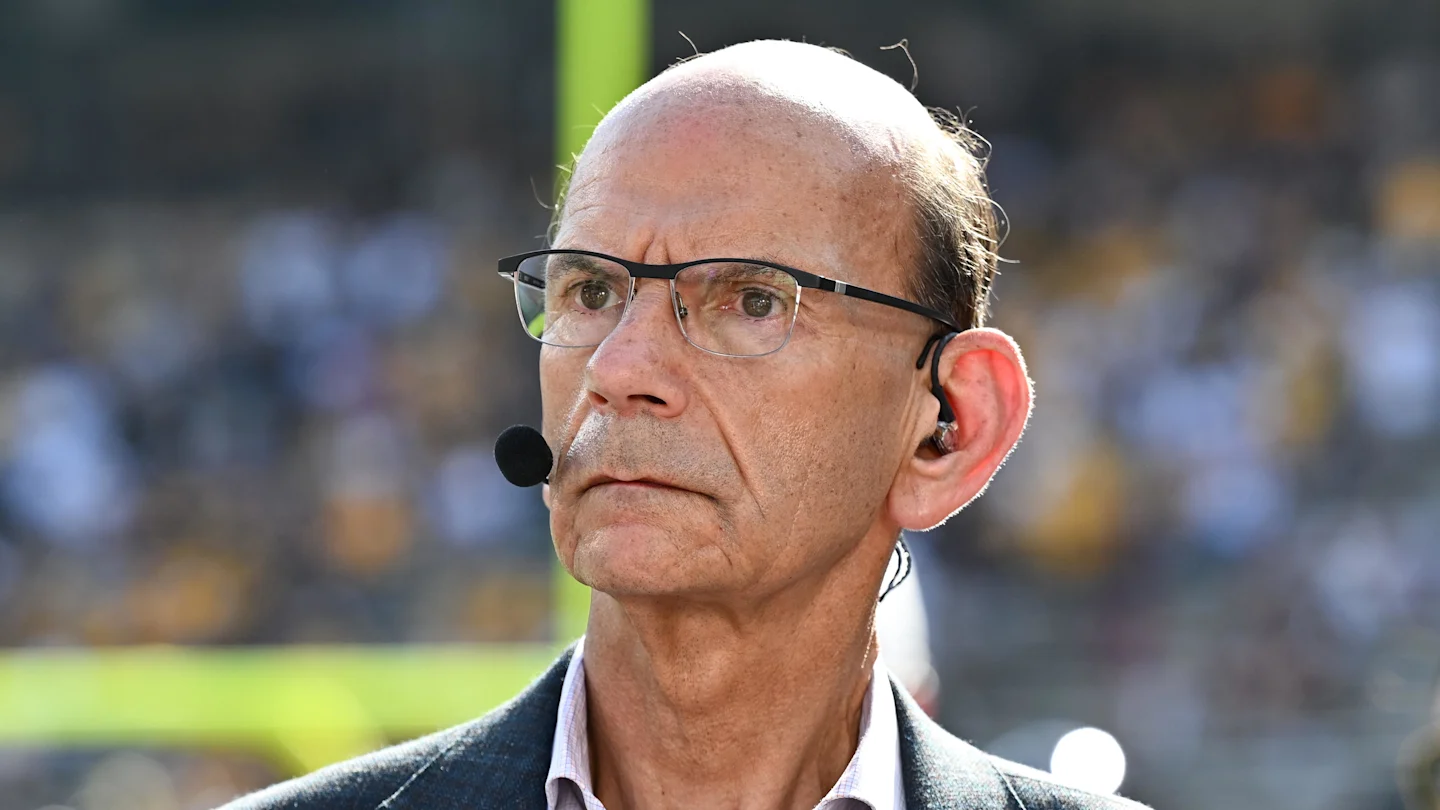
It’s no surprise that opinionated college football personality Paul Finebaum had some pointed responses when asked to describe certain college football coaches with just one word.
But his description for former LSU and Notre Dame coach Brian Kelly was particularly interesting.
“Arrogant,” Finebaum said.
We asked for one word to describe these top college football coaches, and @finebaum did not disappoint. pic.twitter.com/9KmL2oTMPJ
— Alabama Crimson Tide | AL.com (@aldotcomTide) December 16, 2025
In the spirit of the bit, he didn’t expound on the label, and many college football fans will surely nod at that description for the fired former Tigers coach. But what makes it interesting in this case is that Finebaum had Kelly as a weekly guest on Mondays during the football season and was usually very deferential to the coach for taking the time to join him.
“Coach, always appreciate you coming on, on Monday,” Finebaum said to close out Kelly’s last weekly appearance before he was fired on Oct. 26.
That said, he’s not wrong.
There’s a reason there has been almost zero buzz around Kelly’s name for any job opening this cycle, despite his status as the winningest active coach in college football with an official record of 297-109-2 across his tenures at Division II Grand Valley State, Central Michigan, Cincinnati, Notre Dame and LSU, with 21 more wins officially vacated from his Notre Dame record.
Kelly stunned the college football world when he left Notre Dame after 12 seasons and five straight double-digit-win seasons, including 11-1 in his final year there in 2021, for LSU while saying publicly that he wanted “to be in an environment where I have the resources to win a national championship.”
Never mind that Kelly had led Notre Dame to the national championship game after the 2012 season, losing to Alabama, and that, without him, the Fighting Irish reached the national championship game last year (losing to Ohio State).
He drew further ire when he said he was rooting for the Irish in that title game last year while noting that he had recruited many of the players involved.
Of course, Kelly’s LSU tenure seemed misfit almost from the start when he slipped into a fake southern accent during his introductory press conference.
1 day at LSU Brian Kelly has developed a southern accent pic.twitter.com/ct8PUpcEEE
— Pardon My Take (@PardonMyTake) December 3, 2021
Then there was the awkward video of Kelly showing off his dance moves with a recruit …
LSU coach Brian Kelly is dancing again — this time with TE target Danny Lewis.
Rate his dance moves 🕺👇
— Rivals High School (@RivalsHS) January 29, 2022
But the biggest problem was that Kelly simply didn’t win enough in Baton Rouge. He never reached a College Football Playoff with the Tigers, never finished higher than No. 12 in the final rankings, dipped to 9-4 last year and then 5-3 this season before he was fired.

Football
Elon Athletics
Five-Game Home Slate, Road Trip To Stanford Highlight Schedule
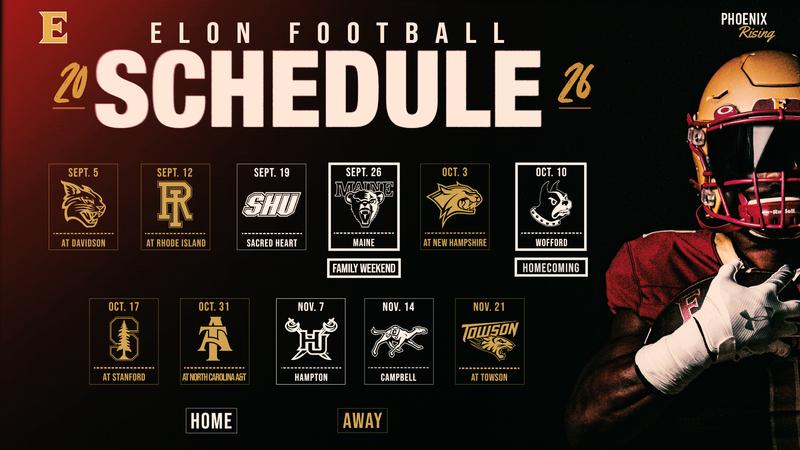
ELON – Elon football head coach Tony Trisciani and the Phoenix released their 2026 football schedule Tuesday afternoon in conjunction with an announcement from the Coastal Athletic Association. The 11-game schedule is highlighted by a mid-October trip to Stanford and an eight-game CAA slate that gets started in week two.
The Phoenix will play five home games at Rhodes Stadium, including Sept. 26 for Family Weekend against Maine and Oct. 10 for Homecoming against Wofford.
Elon opens the season with two straight road games at Davidson (Sept. 5) and CAA foe Rhode Island (Sept. 12). The Phoenix defeated the Wildcats 55-7 in its 2025 home opener. The trip to Rhode Island will be Elon’s first since 2022.
Elon plays its home opener on Sept. 19 against CAA newcomer Sacred Heart and then closes out the month of September by hosting Maine on Sept. 26 for Family Weekend.
After completing the first half of its CAA schedule by returning to the northeast to face New Hampshire on Oct. 3, the Phoenix welcomes former Southern Conference rival Wofford to Rhodes Stadium for Homecoming on Oct. 10. It’ll serve as Elon’s only home game in October.
Elon will make its first-ever West Coast trip to face Stanford on Oct. 17, marking the fourth straight season it has clashed with an ACC opponent. A bye week will then lead to another October road game at North Carolina A&T on Halloween (Oct. 31).
The Phoenix closes its home schedule against Hampton (Nov. 7) and Campbell (Nov. 14) before playing its regular-season finale at Towson (Nov. 21), a squad it defeated 17-3 on the road in 2025.
2026 ELON FOOTBALL SCHEDULE
Aug. 29 – Bye
Sept. 5 – at Davidson
Sept. 12 – at Rhode Island
Sept. 19 – vs. Sacred Heart
Sept. 26 – vs. Maine (Family Weekend)
Oct. 3 – at New Hampshire
Oct. 10 – vs. Wofford (Homecoming)
Oct. 17 – at Stanford
Oct. 24 – Bye
Oct. 31 – at North Carolina A&T
Nov. 7 – vs. Hampton
Nov. 14 – vs. Campbell
Nov. 21 – at Towson
* Game times will be announced at a later date
SUPPORT THE PHOENIX
2026 Elon Football Season tickets are available now at ElonTickets.com. Fans can support Elon Athletics through the Phoenix Club.
STAY POSTED
For further coverage of Elon Football, follow the Phoenix on X (@ElonFootball) and Instagram (@ElonFB).

In Season 2, Episode 10 of Portfolio Players presented by E*TRADE from Morgan Stanley, Brian Hoyer offers an inside look at how NIL (name, image, and likeness) collectives, and program infrastructure are transforming college football. As a longtime NFL quarterback and current partner at Legacy25, Hoyer brings a rare combination of on-field experience and operational insight into how the athlete pipeline is shifting.
He details why today’s college landscape mirrors professional sports, how donor fatigue and escalating expectations impact programs, and why collectives must prioritize financial education and long-term planning. Hoyer also explains the role of Legacy25 in supporting athletes across multiple sports and why non-revenue programs are increasingly turning to NIL as a competitive advantage.
Drawing from his years with the Patriots, Hoyer reflects on the leadership lessons, discipline, and organizational standards that now inform his post-football career. With thoughtful commentary on NIL, athlete development, and long-term sustainability, Hoyer paints a clear picture of where college athletics is heading and what it will take to succeed.
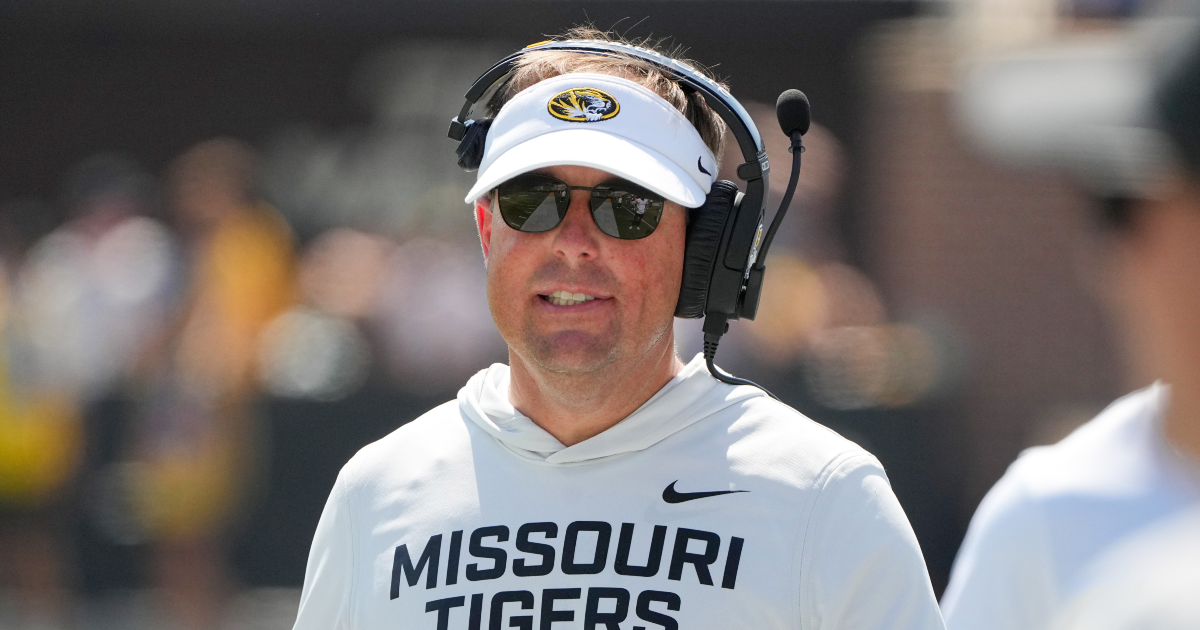
Eli Drinkwitz is frustrated with a lot of aspects of the current world of college football, and he believes other coaches share that sentiment. The Missouri head man opened up about his gripes in a recent press conference, prompted by a question about the recent College Sports Commission finalizing a participation agreement with the power conferences.
The agreement ushered in the era of revenue sharing in college sports and put NIL guidelines on schools. But Drinkwitz believes there’s still more that needs to be done to come up with a system of rules that everyone can be happy with.
SUBSCRIBE to the On3 NIL and Sports Business Newsletter
“There’s a lot of coaches discussing it and frustrated, in my opinion,” he said. “I understand the national sentiment because of the salary ranges of head coaches, it feels like we’re complaining. But we’re really not. We’re trying to sound some warning bells. …The system that we’re in is really sick right now. College football is sick and showing signs of this thing really cracking moving forward, and we need to get something under control.”
Per the agreement, a copy of which was obtained by On3’s Pete Nakos, schools are required to waive their right to sue the CSC. Additionally, schools are to agree to the rules in place following House settlement approval, including roster limits and other NIL compliance rules.
If a school violates any of the rules in place by the participation agreement, they “shall be subject to fines, penalties or other sanctions for these matters,” the 11-page document reads. While punishments are not yet finalized, schools could lose out on conference revenue or receive a limited postseason ban if they – or other associated entities – file suit against the CSC.
But that’s not the only issue Eli Drinkwitz and other coaches are watching. The Mizzou coach also pointed to an ongoing lawsuit that could potentially grant a fifth-year of eligibility to numerous players, as well as the topic of tampering, which he claimed is not punished at all.
“I think we’re all waiting with baited breath trying to wait on what’s going to happen with this fifth-year lawsuit in Nashville, where you could have a flurry of fifth-year guys now being eligibile,” Drinkwitz said. “That would just throw a completely new wrinkle in the system. Tampering is at the highest level. There is no such thing as tampering because there’s nobody that’s been punished for tampering. Everybody on my roster is being called. I had a dad call me and say — and I called the head coaches at their schools — that, ‘This school and this school and this school called offering this much money.’ You’re putting a lot of pressure on young men.
“We’re paying them, as 1099 employees, a lot of money. We’re not offering any type of retirement. We’re not offering any type of health benefits. We’ve worked around the system and then tried to create that as the system instead of creating a functioning way moving forward and making sure that it works for everybody. Whether that’s collective bargaining, whether that’s making them employees, whether that’s antitrust legislation that protects the commissioner of the SEC or the NCAA from lawsuit, something needs to be done.”
Finally, Eli Drinkwitz invoked Nick Saban with his final point. He mentioned how, during meetings, Saban would always talk about making sure that his players were prepared for life after football, especially for those that didn’t end up playing in the NFL.
Drinkwitz believes that might be getting lost a bit with the worry about revenue and all the changes being made to increase it. But he stated that he got into coaching for different reasons, and knows many other who still feel the same way.
“A lot of us got into college athletics because we wanted to help these young men grow and develop, and I think we’re still doing that mission,” he said. “But it’s getting really hard because coach (Nick) Saban used to talk about all the time, creating value for yourself. When he talked about it, he wasn’t just talking about value for the NFL. He was talking about creating value for yourself with a college degree. You’ve lost that aspect of it.
“These guys are going to create tremendous value for themselves playing the game of football, and that’s awesome. We love that these guys are getting paid. I love that last week, these guys went out with their own money and bought gifts for Coyote Hill. But also, my job is to look at them three or four years down the road. How many of them are in a better position because they played football because they transferred four times? That’s just the system that we’ve created. Not all freedom is good freedom.”

Indy volleyball coach in viral video charged after allegedly sexting a minor

How Light & Wonder sets the bar with gaming innovation

How NIL has transformed Ohio State’s recruiting from star-chasing to strategic roster building

Volleyball Lands Four on CSC Academic All-District Team

Oxford American | A Ghost Town Revival

West Seattle Blog… | YOUTH SPORTS: West Seattle Baseball registration time!

Global Esports Market Size Forecast to USD 20.8 Billion by 2035

Texas Tech announces football staff contract extensions

Paul Finebaum labels newly unemployed college football coach as ‘arrogant’

INDYCAR Establishes Independent Officiating BoardPerformance Racing Industry

2025 DragChamp 10-12 Jr. Racer of the Year

Elon Announces 2026 Football Schedule

Patriots Lessons, NIL Chaos & His Post-NFL Career

Ankored and Players Health Partner to Centralize Youth Sports Compliance Management

Why Oakley is betting on girls flag football

First Tee Winter Registration is open

Fargo girl, 13, dies after collapsing during school basketball game – Grand Forks Herald

CPG Brands Like Allegra Are Betting on F1 for the First Time

F1 Las Vegas: Verstappen win, Norris and Piastri DQ tighten 2025 title fight

Volleyball Recaps – November 18

Two Pro Volleyball Leagues Serve Up Plans for Minnesota Teams

Sycamores unveil 2026 track and field schedule

Utah State Announces 2025-26 Indoor Track & Field Schedule

Redemption Means First Pro Stock World Championship for Dallas Glenn

Texas volleyball vs Kentucky game score: Live SEC tournament updates

Jo Shimoda Undergoes Back Surgery

Bowl Projections: ESPN predicts 12-team College Football Playoff bracket, full bowl slate after Week 14

SoundGear Named Entitlement Sponsor of Spears CARS Tour Southwest Opener

How this startup (and a KC sports icon) turned young players into card-carrying legends overnight

Robert “Bobby” Lewis Hardin, 56

 NBA Legend Michael Jordan to Join NBC Sports as Special Contributor
 Why a rising mid-major power with an NCAA Tournament team opted out of revenue-sharing — and advertised it
 Falcons mailbag
 Portal Update – Basketball and Gymnastics Take Hits
 has always dreamed in Mercurial. Now his initials are on the boots.
The new Kyl…
has always dreamed in Mercurial. Now his initials are on the boots.
The new Kyl…
-
 Motorsports3 weeks ago
Redemption Means First Pro Stock World Championship for Dallas Glenn
-
 Motorsports3 weeks ago
Jo Shimoda Undergoes Back Surgery
-
 NIL2 weeks ago
Bowl Projections: ESPN predicts 12-team College Football Playoff bracket, full bowl slate after Week 14
-
 Motorsports6 days ago
SoundGear Named Entitlement Sponsor of Spears CARS Tour Southwest Opener
-
 Rec Sports3 weeks ago
How this startup (and a KC sports icon) turned young players into card-carrying legends overnight
-
 Rec Sports2 weeks ago
Robert “Bobby” Lewis Hardin, 56
-
Sports2 weeks ago
Wisconsin volleyball sweeps Minnesota with ease in ranked rivalry win
-
 NIL3 weeks ago
Indiana’s rapid ascent and its impact across college football
-

 Motorsports3 weeks ago
Pohlman admits ‘there might be some spats’ as he pushes to get Kyle Busch winning again
-

 Motorsports3 weeks ago
What stands behind Ford’s commitment to becoming ‘the Porsche of off-road racing’