
Motorsports
Porsche’s secret weapon | RACER

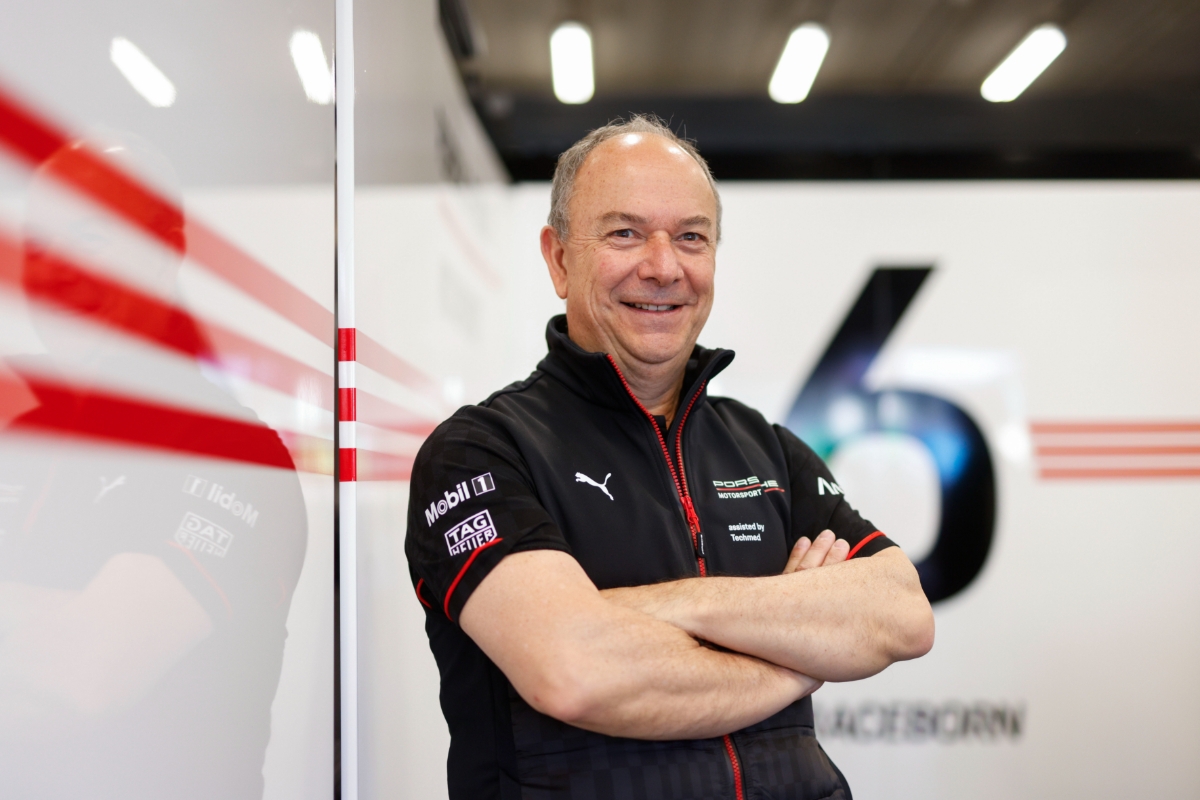
Imagine being a powerboat champion, the youngest-ever Camel Trophy winner and also being the main person responsible for helping Nelson Piquet recover from his awful injury where he almost lost his foot in his 1992 Indianapolis 500 crash…. Vincenzo Tota, Porsche’s team doctor, has lived enough highlights for a thousand lifetimes, and he’s still absolutely crucial to everybody who he works with today, 33 years into his career.
Tota is from Siena, not far from Florence, and his motorsport journey started with off-roading and becoming an Italian trials champion, before setting off on the life-changing experience of becoming the youngest winner of the Land Rover-based Camel Trophy off-road event taking part in Madagascar that year.
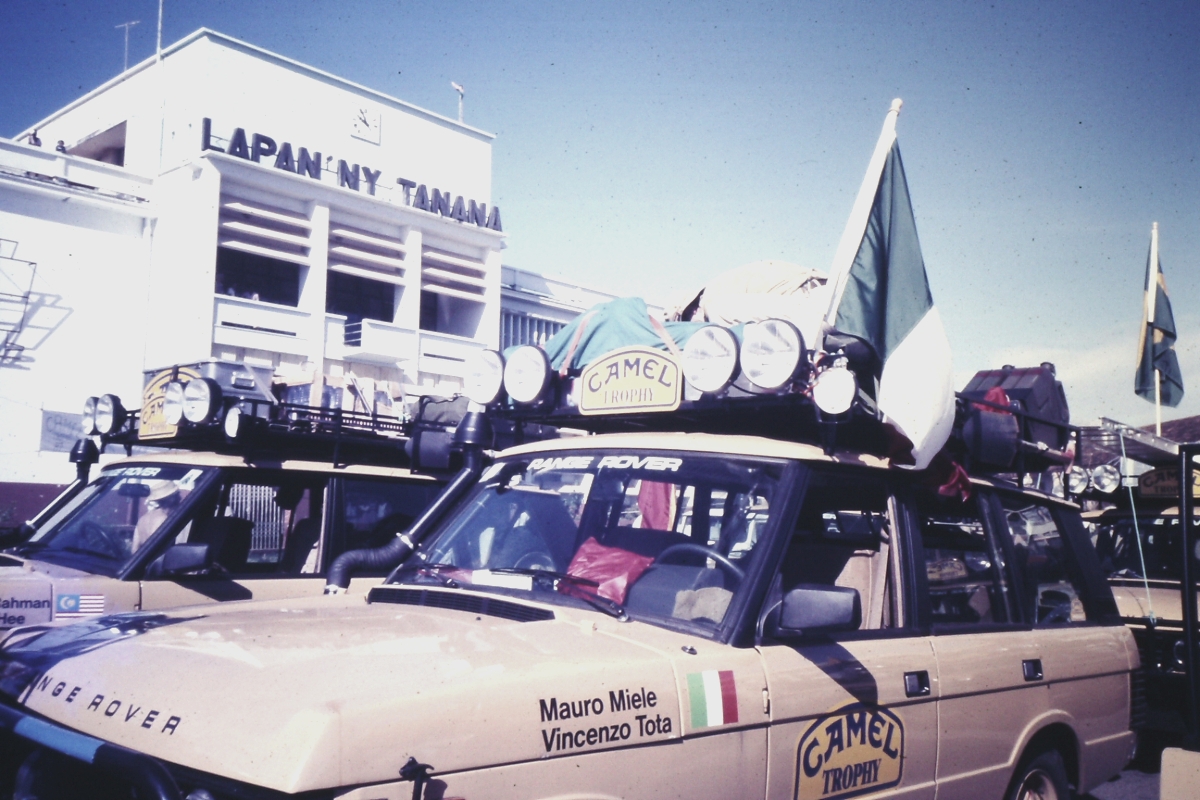
After a winning turn as a racer in the Camel Trophy, Tota turned his attention to advancing medical science in Motorsports.
When he returned, his father – who worked at Siena University – asked him what he wanted to do and he said, specialize in motorsports medicine.
How Tota broke into the field is an incredible story of its own, more typical of a time when people used to write letters, and get big breaks from doing so.
“I called Alessandro [Nannini],” Tota says. “He was a very famous Formula 1 driver, and I was a young doctor. And I said, ‘Alessandro, I give you my work for free in exchange for my traveling.’ And so I started working with him. I started doing all the preparation for a Formula 1 driver.”
Tota worked with Nannini for only two months before his life-threatening helicopter crash a week after finishing on the podium for the Spanish Grand Prix, severing his forearm.
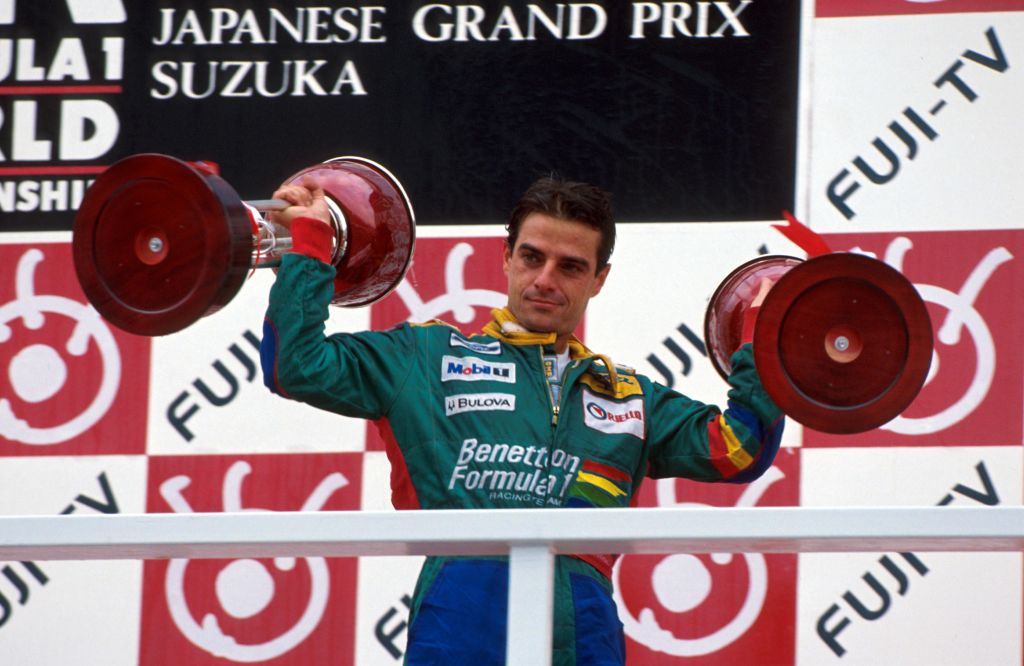
Benetton F1 star Alessandro Nannini was Tota’s ticket into big-time racing, although it would prove a sadly brief association. Sutton/Getty Images
Tota had already began to move in racing circles at this point and the following year he was at Diepholz for the DTM with a friend at BMW, when another fantastic story took place.
“Steve Soper had a big accident the day before, and he had four broken ribs,” Tota explains. “So he came back to the hotel, exactly the same hotel where I was staying, and he was looking for a doctor. Imagine me, 29 years old, very young doctor. And I raise my hand and say, ‘I am a doctor!’”
Soper asked for Tota’s help and the next day he won the DTM race. Soper wanted to pay him but Tota asked to be taken on by the BMW team instead, and two weeks later he got the call to join which lasted 20 years.
A chance sit-down at Spa with legendary Audi boss Dr. Wolfgang Ullrich shortly after, he wanted to restructure the medical aspect of Audi’s motorsport division, and Tota remained there until joining Porsche for the LMDh program in 2023.
He’s worked in most series in the world, and has an incredible range of experience. His team totals 10 people and they have experts in diet, physiology, mental health and even car extrication.
“Being a team doctor means that you are 365, 24/7,” Tota adds. “I have almost 20 drivers between the GT and LMDh program, USA and Europe, and I keep them in shape. So whatever happens, if they have a problem, if they get sick, if they have an allergy, they are calling me because they also want to be sure that they don’t get a doping penalty, prescribed [medicine against the anti-doping rules] by a non-expert.
“We take care of their fitness and physical preparation. I also have a psychologist that is within my company that, for example, is taking care of all the e-sport drivers. Because the e-sport drivers are less physical, but definitely they have a lot of psychological pressure, and they are different from an athlete.”
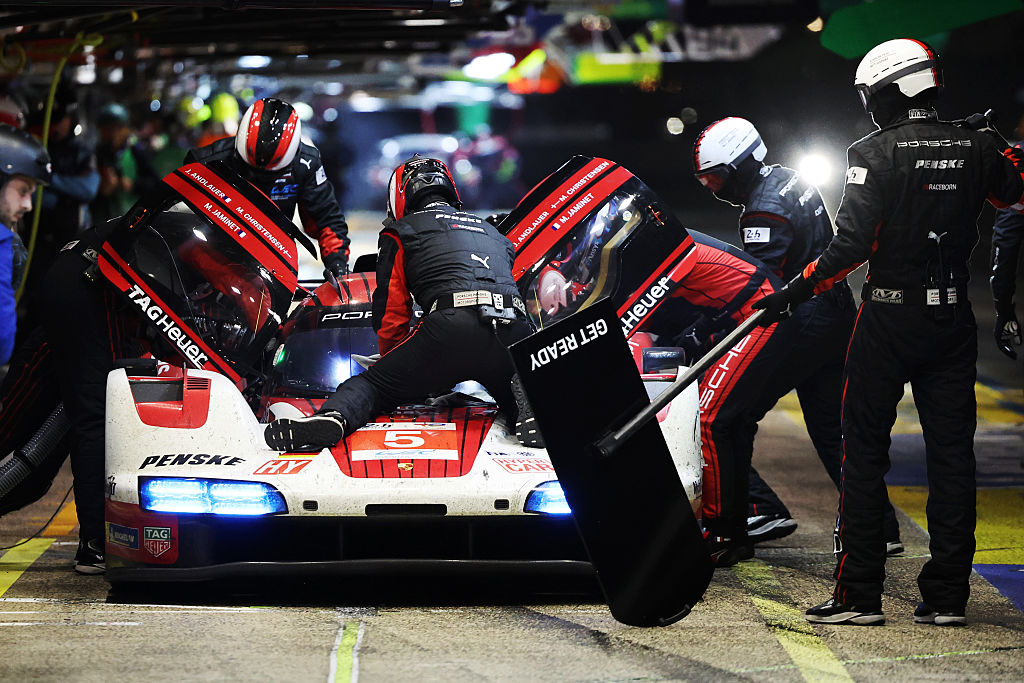
Overseeing the medical side of Porsche’s LMDh program goes well beyond ensuring driver fitness, Tota says. Jakob Ebrey/Getty Images
It’s fascinating to discuss this with Tota because he has an almost unique insight over 33 years in what has changed with regards to driver preparation, treatment and recovery. And across all sorts of disciplines from 20-minute sprint races to events taking place across weeks. He has some excellent stories, as you can imagine.
“I was speaking with Nelson Piquet during the Spa 24-hour race. I said, ‘Nelson, you are eating a soup made of beans. Do you think this is the right food for a driver an hour before driving, and he said, ‘F*** you! This is what I did when I won three world championships!’ It shows the approach at the time.”
Of course, the level of research and understanding is far greater now and a lot of drivers will have been like Piquet, finding a routine that worked better for them.
In another very important area, Piquet did take Tota’s advice.
“Nelson Piquet, after his accident [at Indianapolis in 1992], he almost lost one foot,” Tota says. “I was really proud of bringing [him] back to racing.
“He basically moved for a couple of months to Siena – he was living together with me and together with my physiotherapist, and we were doing the rehabilitation every single day. So he has been like a good, let’s say, starting of my experience together with super champions. Nelson has been one highlight.”
Of course, the understanding of athletes’ preparation and science has moved on greatly in sport generally, this is not a revelation specific to motorsport. But, that being said, motorsport has its own peculiarities that need special approaches and treatments.
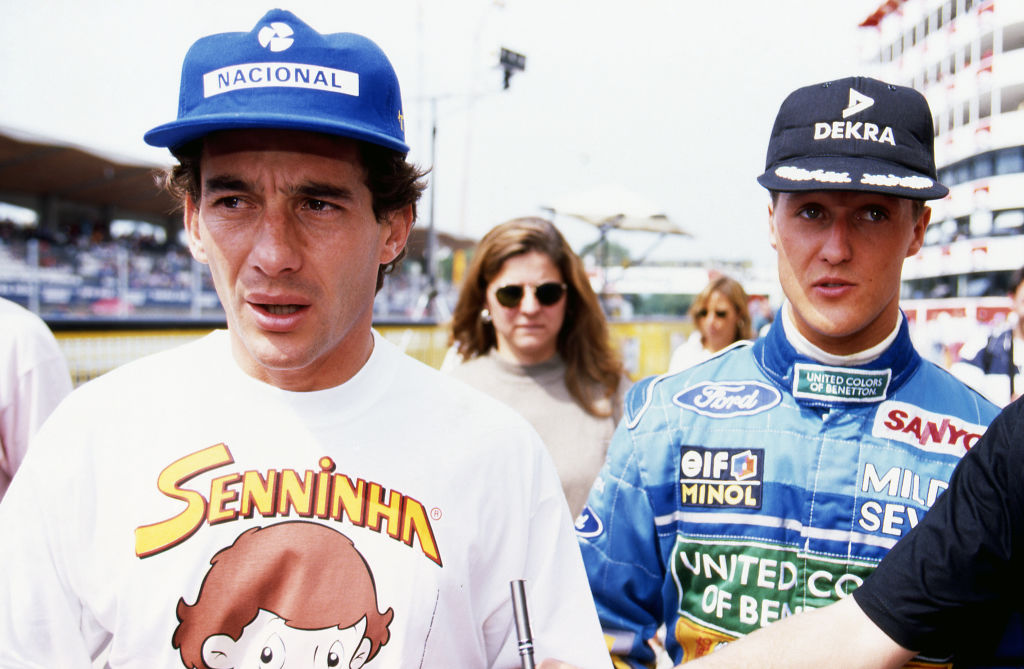
Wary rivals Senna (left) and Schumacher both changed the course of major league racing with their relentlessly dedicated approach, Tota says. Sutton/Getty Images
Tota credits two drivers in particular with moving things on in motorsport: Ayrton Senna and Michael Schumacher.
“I never met Ayrton, and I met Michael briefly twice, but I studied deeply what they did in their preparation, and they were the turning point,” he says. “Basically, the two brought a completely different approach to professionalism in motorsport, and so they start focusing on mental training, on behavior, on physical training, specific training, extreme hard working in preparation with the engineers, extremely skilled in mechanical and engineering. So basically, they raise the bar to a completely different level.
“Then it has been like a cascade of events every, let’s say every year, the professional people involved in motorsport, we brought more and more new techniques, new discoveries, new studies, new food, new food supplements.
“And I would say that me, together with a couple of colleagues, we are the pioneers of this science that is now motorsport. And up to now, there are only two books speaking about medicine applied to motorsport – also because it’s a very particular job, and we don’t like to share too much. It’s very competitive.”
Without Tota, some drivers wouldn’t be racing today or would have had much shorter careers. And many wouldn’t be as well prepared.
But not just the drivers. The welfare of team staff has revolutionized in Tota’s time too. Everyone from engineers to PR people are crucial cogs in the machine and they play a role in the sum of the parts of the race team.
Therefore how they approach racing and are helped to stay in top shape is of vital importance. That’s something Tota is always working on.
Hundreds, perhaps even thousands of people owe their success, and in some cases their lives, to Tota, one of Porsche’s secret weapons.

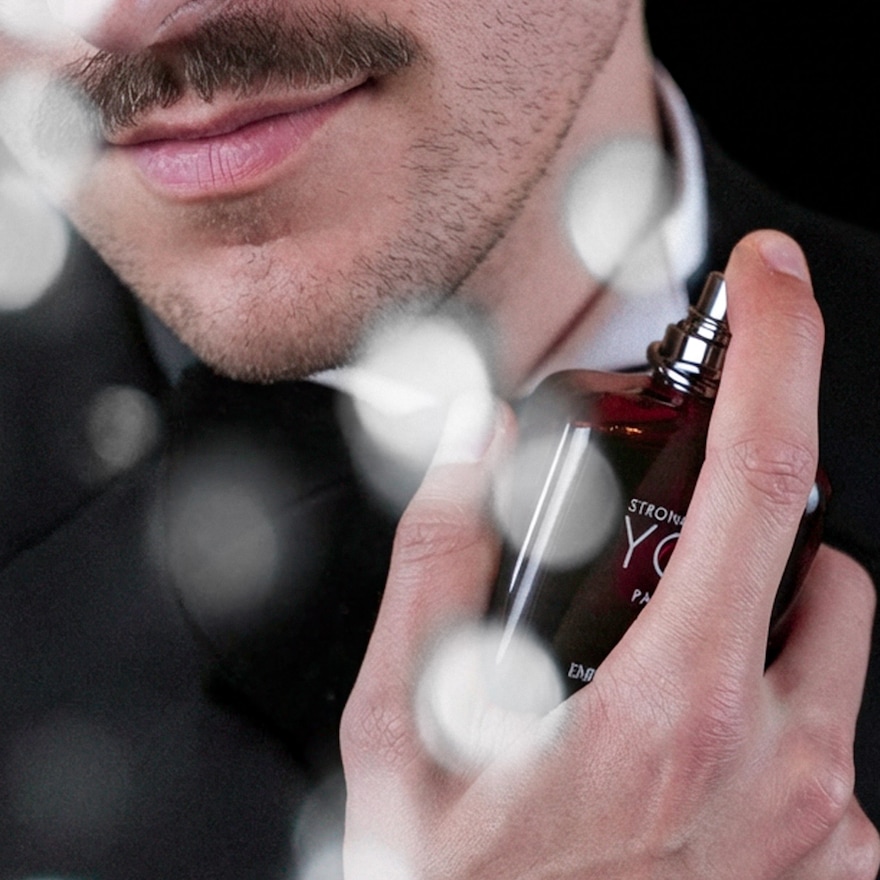
Formula 1 drivers are among the most recognizable athletes in the world, known not only for their precision on the track but also for their carefully managed public image off it. From tailored fashion choices to luxury watches and grooming routines, every detail contributes to how these global sports figures present themselves. In recent years, fans and lifestyle media alike have shown growing curiosity about a more personal detail: the fragrances Formula 1 drivers choose to wear. While performance defines their careers, scent plays a quieter yet meaningful role in their off-track identity.
Luxury Fragrance as Part of the F1 Lifestyle
The interest in Formula 1 drivers’ perfume choices reflects a broader fascination with the luxury lifestyle surrounding the sport. Drivers frequently partner with premium brands and appear at high-profile events where presentation matters. Retail platforms such as Parfumdreams have observed increased interest in high-end fragrances often associated with motorsport culture, reinforcing the idea that scent has become part of modern athlete branding. For fans, discovering the colognes/perfumes linked to their favorite drivers offers a sense of connection to a world that otherwise feels distant and exclusive.
Do Formula 1 Drivers Publicly Share Their Cologne Choices?
Unlike watches, cars, or clothing, colognes and perfumes are rarely disclosed explicitly by drivers. Most Formula 1 professionals keep their fragrance preferences private, and there are few confirmed statements about specific scents they wear. However, interviews, brand partnerships, and lifestyle features occasionally provide clues. In some cases, drivers have been linked to luxury fragrance houses through sponsorships or fashion collaborations, suggesting alignment with certain scent profiles rather than direct confirmation of daily use.
This level of ambiguity has only fueled public interest. Fans often speculate based on a driver’s personality, nationality, or personal style, turning fragrance discussions into part of wider lifestyle conversations rather than factual declarations.
How Personality and Image Influence Fragrance Choices
Fragrance selection is deeply personal and often reflects character traits. In Formula 1, drivers are known for distinctly different personas. Some project a calm, understated image, while others embrace boldness and charisma. These contrasts naturally influence assumptions about fragrance preferences. A driver known for precision and discipline may gravitate toward clean, refined scents, while a more expressive personality may favor intense, statement-making colognes and perfumes.
Lifestyle experts note that athletes at this level often choose fragrances that align with confidence and longevity rather than novelty. Long-lasting compositions that transition well from daytime commitments to evening appearances are particularly popular among high-profile individuals with demanding schedules.
The Role of Sponsorships and Brand Associations
Brand partnerships play a significant role in shaping public perceptions of what Formula 1 drivers wear, including fragrance. Many drivers collaborate with luxury fashion houses that also produce cologne and perfumes. While this does not guarantee personal use, these associations influence consumer assumptions. When a driver becomes the face of a luxury brand, fans often interpret that partnership as a reflection of personal taste.
Fragrance brands benefit from this association as well. Motorsport conveys speed, precision, and excellence—qualities that translate well into luxury marketing. Even without explicit endorsements, the visual and cultural connection between Formula 1 and premium fragrance remains strong.
Regional Influences on Scent Preferences
Formula 1 is a global sport, and drivers come from diverse cultural backgrounds. Regional fragrance preferences can influence personal taste. European drivers may lean toward classic eau de parfums rooted in traditional perfumery, while those from warmer climates might prefer fresher compositions suited to heat and travel. These cultural nuances contribute to the intrigue surrounding driver fragrance choices.
As drivers travel extensively throughout the season, practicality also matters. Scents that perform well across different climates and environments are often favored. This functional approach mirrors the performance-driven mindset seen on the racetrack.
Why Fans Are Increasingly Interested in Driver Grooming Habits
The rise of social media has changed how fans engage with Formula 1 personalities. Formula 1 drivers have a huge female fanbase and they tend to be more interested in every aspect of a driver’s life. Drivers now share more glimpses of their daily routines, fashion choices, and personal moments. This transparency has extended interest beyond racing statistics to lifestyle habits, including grooming and fragrance.
Cologne and perfume, in particular, appeal to fans because they are accessible. While driving a Formula 1 car is unattainable for most, wearing the same fragrance as a favorite driver feels achievable. This relatability factor has helped fragrances become part of broader fan culture discussions.
Media Speculation and Fragrance Culture
Lifestyle magazines and online platforms frequently explore the topic of celebrity fragrances, and Formula 1 drivers are no exception. These features often combine informed speculation with analysis of a driver’s public image. While not definitive, such articles shape popular narratives and influence purchasing decisions among fans.
This trend reflects the growing intersection between sport, fashion, and lifestyle media. Formula 1 drivers are no longer viewed solely as athletes but as global influencers whose choices, real or perceived, impact consumer behavior.
Cologne and Perfume as a Symbol of Confidence and Routine
For elite athletes, routine plays a crucial role in performance and mental focus. Many rely on consistent habits to maintain stability amid intense competition. Fragrance can be part of that routine, offering familiarity and confidence before public appearances or high-pressure events.
Although drivers rarely discuss this aspect openly, experts in sports psychology suggest that sensory cues, including scent, can contribute to mental preparedness. This perspective adds depth to the fascination with what colognes Formula 1 drivers might choose.
Impact on the Luxury Fragrance Market
Interest in Formula 1 drivers’ lifestyle choices has a tangible impact on the fragrance market. Searches for luxury men’s colognes often spike around major racing events, particularly when drivers appear in fashion or lifestyle features. The association with elite performance enhances the aspirational appeal of premium scents.
Retailers and fragrance houses are increasingly aware of this crossover potential. Motorsport-themed campaigns and partnerships are becoming more common, further blending the worlds of racing and luxury perfumery.
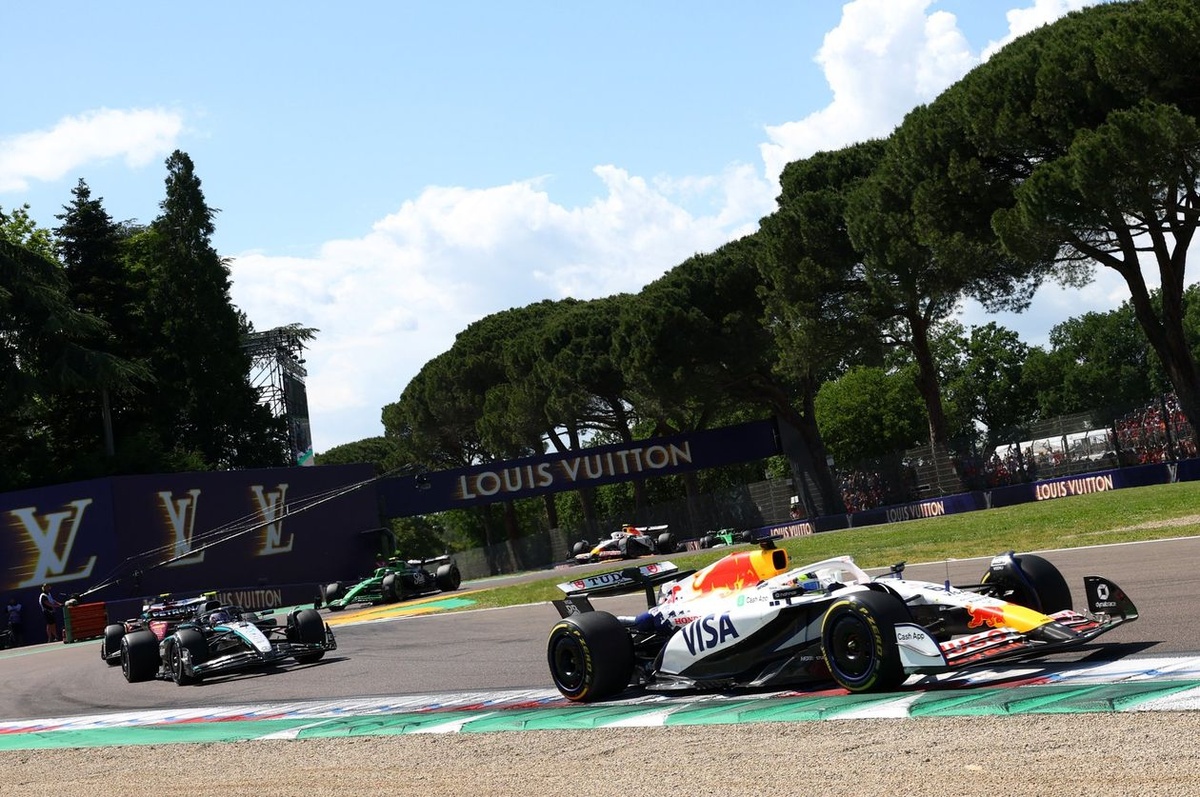
The 2025 Formula 1 season welcomed an unusually high number of rookies onto the grid which provided a focus point throughout the campaign.
While some of the rookies starred, others floundered and some didn’t even make it to the end of the season. Here’s who our writers have picked as the standout rookie of the year.
To be fair to the rookie class of F1 2025, they were all pretty solid. Andrea Kimi Antonelli, for example, claimed a couple podiums and a Miami sprint pole to show great promise at just 18 years old when he made his debut. Then there is Isack Hadjar, who again claimed a podium and ended up with a Red Bull promotion for 2026.
But perhaps the more left-field choice for best rookie is Gabriel Bortoleto and that’s who I’m going for. Yes, he spent much of the season towards the back, but he was in a Sauber and it is his qualifying record which stands out.
The 21-year-old ended the campaign level with Nico Hulkenberg in the team-mate head-to-head battle (12-12, 15-15 with sprints) and how impressive that is cannot be understated, considering the quality and experience of the German. I would thus argue that Bortoleto being level with him is more impressive than Hadjar having a number over Liam Lawson.
Andrea Kimi Antonelli – Jake Boxall-Legge
Everyone’s going to say Isack Hadjar here and I don’t disagree with that sentiment, but for the sake of variety I’ll say something different and say Antonelli. The highly-rated Italian was incredibly close to Russell, one of the season’s star performers, in terms of qualifying pace and race performance across the final rounds of the year.

Andrea Kimi Antonelli, Mercedes
Photo by: Andy Hone/ LAT Images via Getty Images
Rookie seasons do not need to be flawless, and nor should they be; while drivers are expected to step up to the highest level and perform, mistakes and errors are a vital part of their learning. And Antonelli went through that arduous process across the European leg of the season, hurt by Mercedes’ rear-suspension updates that took away the familiarity of this year’s W16 and led Antonelli into a spiral. That he was able to recover, supported by the team, demonstrated that he was able to turn the corner and rebuild his waning confidence.
That’ll serve him well in his second season; if the going gets tough as Antonelli gets his head around the new regulations, he’ll at least be able to lean on the confidence that he can recapture his form.
And let’s not forget his podiums in Montreal, Brazil, and his recovery from 17th to third in Las Vegas after an extended stint on the hard tyres. He’s shown more than just glimmers of potential, and the target now will be to match Russell on a much more regular basis.
Isack Hadjar – Owen Bellwood
The crop of rookies that entered Formula 1 in 2025 was strong – especially when you consider that just one new racer will join the grid next year and there were no full-time rookies in 2024. Pundits were right to laud Sauber’s Garbiel Bortoleto for his consistency over the season, and Mercedes’ Andrea Kimi Antonelli has shown flashes of brilliance over the year, but form me there’s no question that Isack Hadjar has been the rookie of the season.
The Racing Bulls driver had a rough start to the year, crashing on the formation lap of the Australian Grand Prix and suffering the wrath of Helmut Marko in the process. But rookie seasons are about learning from mistakes, and boy did he.
After a tearful hug with Lewis Hamilton’s father in Melbourne, Hadjar kicked off his season proper in China, where he out-qualified and out-raced his much more experienced team-mate: Yuki Tsunoda in the grand prix. His season was then punctuated by impressive points finishes and even a podium at the Dutch Grand Prix. He ultimately finished the year as the second-best Red Bull driver behind Max Verstappen and earned a promotion to the senior team for 2026.
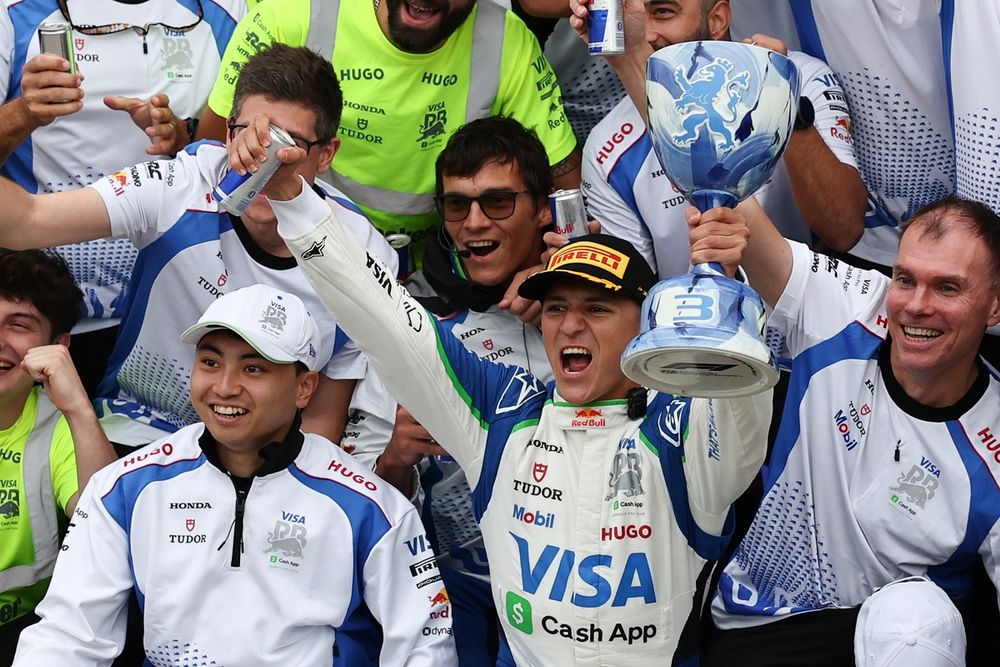
Isack Hadjar, Racing Bulls, Alan Permane, Racing Bulls
Photo by: Jakub Porzycki / NurPhoto / Getty Images
For the first time in what feels like years, Hadjar is a driver who may have been promoted through the Red Bull junior programme at the right pace – now he just has to prove that the curse of the senior team’s second seat isn’t actually real.
Andrea Kimi Antonelli – Ben Vinel
There’s obviously a strong case to make for Isack Hadjar, but I’m willingly going a bit left-field with Andrea Kimi Antonelli here.
Antonelli was F1’s third-youngest driver ever and reached the category with extremely little experience relative to most rookies. He skipped F3, spent just one year in F2, and had a chunk of testing in older F1 cars prior to his debut.
Starting out in a top team was a tall order, and strong performances in the opening rounds – including sprint pole in Miami – made way for midseason struggles. Antonelli was feeling the pressure at Mercedes despite the team trying to ease it, as displayed by his misty eyes after a double Q1 exit at Spa-Francorchamps.
Yet, the wonderkid bounced back in the latter part of the season, becoming a consistent points scorer and clinching two consecutive podium finishes in Las Vegas and Sao Paulo – the first one somewhat coincidental after the McLarens were disqualified.
This is encouraging and will leave us excited to see more.
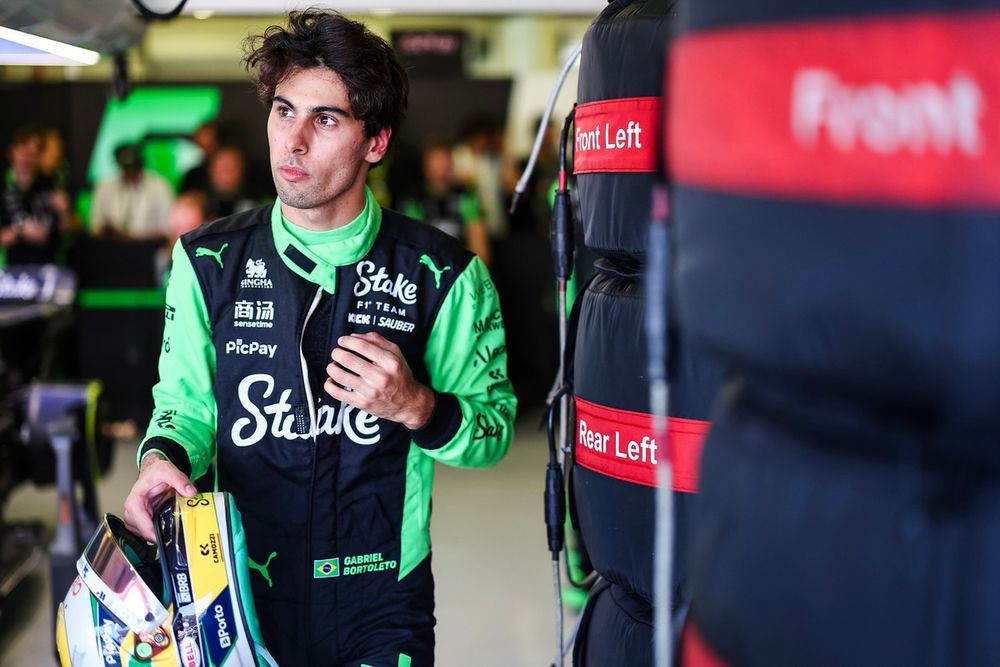
Gabriel Bortoleto, Sauber
Photo by: Andy Hone/ LAT Images via Getty Images
Gabriel Bortoleto – Filip Cleeren
Without looking, I imagine several colleagues will go for Isack Hadjar and that’s probably objectively the right call. But I am going for a slightly less heralded option. Gabriel Bortoleto really impressed me from day one with his attitude. When other youngsters were apprehensive about making their F1 debut in the wet in Melbourne, Bortoleto welcomed it as an opportunity to make a difference. Why worry about circumstances beyond your control anyway?
Going from the front of the field in the feeder series to the back of the grid in F1 was hard to take for the Brazilian F2 champion, but Sauber’s Barcelona upgrade started giving him a few chances to shine. Along with several points finishes, Bortoleto really wowed us in qualifying, defeating one-lap specialist Hulkenberg eight times in a row and going on to finish 15-15 in head-to-head qualifying duels. Ask anyone at Sauber – I guess we should start saying Audi – and they all couldn’t be happier with the 21-year-old’s work ethic.
Have there been rookie errors? Absolutely, just look at the character-building weekend he had at home in Sao Paulo. But that all goes into his bank of experience and he will be a better driver for it in year two.
We want your opinion!
What would you like to see on Motorsport.com?
Take our 5 minute survey.
– The Motorsport.com Team

Attention, prospective professional sports car racers: Porsche has opened a door that could be a rung in the Porsche pro ladder system, which it refers to as its “Motorsport Pyramid,” starting with free entry into the Porsche Sprint Challenge North America, or Porsche Sprint Challenge USA West, for a full season. Near as we can tell, that could be worth around $35,000.
The manufacturer just announced a partnership with K1 Speed, which is an indoor (electric) kart racing chain that was founded in 2003. K1 has locations from coast to coast, including a kart center in Daytona Beach, Florida, the site of the 2026 season opener for the IMSA WeatherTech SportsCar Championship—the Rolex 24 Hours at Daytona in less than a month, on January 24-25. K1’s electric karts have been billed as being capable of reaching 45 mph, slower than the IMSA Porsches on Daytona International Speedway go, but pretty quick for an indoor circuit.
In the announcement, Porsche Motorsport North America and K1 Speed say they’ve signed a multi-year partnership that will have Porsche Motorsport branding at all K1 Speed karting centers in the U.S., while K1 Speed decals will appear on the front bumper of cars in Porsche Carrera Cup North America, Porsche Sprint Challenge North America, Porsche Sprint Challenge U.S.A. West, and Porsche Endurance Challenge North America.

The foundation of the program is the K1 Challenge GP, K1 Speed’s international competitive karting league structure. The leagues are divided into Junior, Teen, and Adult age groups, with the Teen and Adult categories forming the K1 Speed side of the Porsche selection process. Drivers compete monthly at their local K1 Speed facility, earning points toward advancement into state and national-level competition.
“K1 Speed hosts thousands of motorsports enthusiasts each year, and all of us at PMNA look forward to connecting with them,” said Volker Holzmeyer, president and CEO of Porsche Motorsport North America. “Whether they are casual fans of motorsports, or are searching for a path into professional racing, we’re excited to introduce them to the Porsche Motorsport Pyramid, and the opportunities that it offers.”
At the conclusion of the K1 season, Porsche and K1 Speed will select two drivers from the pool of top racers who reach the national level—one from the teen class and one from the adult class—for whom the entry fee for a future Porsche Sprint Challenge North America or USA West season will be waived.
Said David Danglard, CEO and founder of K1 Speed: “It’s an immense honor for K1 to partner with Porsche Motorsport North America to provide up-and-coming American racers with an extraordinary opportunity. We built K1 on the belief that future champions start here, and this partnership with Porsche creates a pathway to take them from our indoor tracks to the country’s greatest circuits.”
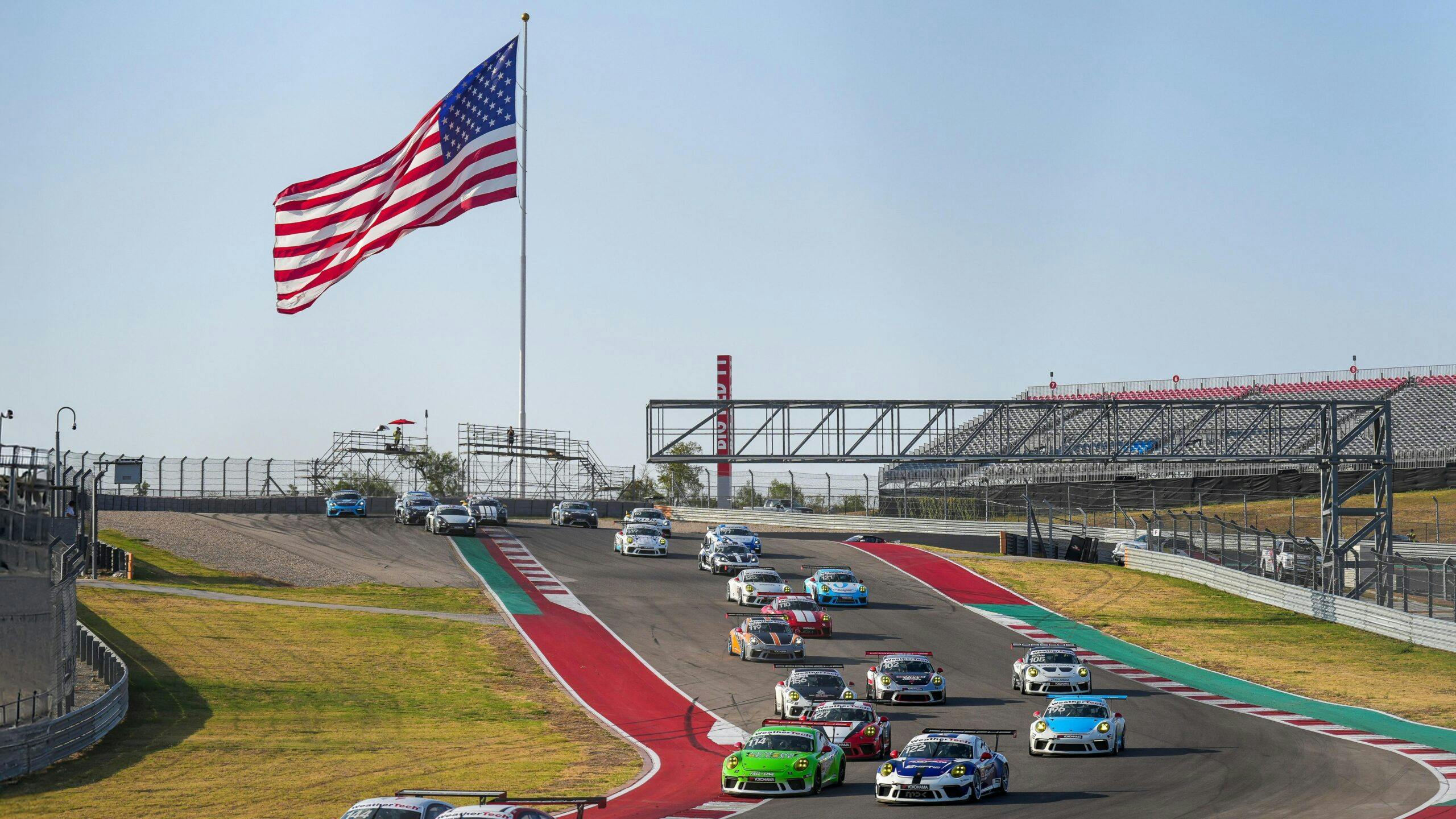
That five-step Porsche motorsports “pyramid” formally begins with “Porsche Experience Center events,” moving up to “track experience,” with racing schools and track days; then the “Porsche one-make series” such as the Sprint Challenge; then comes “GT sport” in GT2, GT3 and GT4 cars, finally leading to races in the IMSA or World Endurance Championship series at the pyramid’s pinnacle.
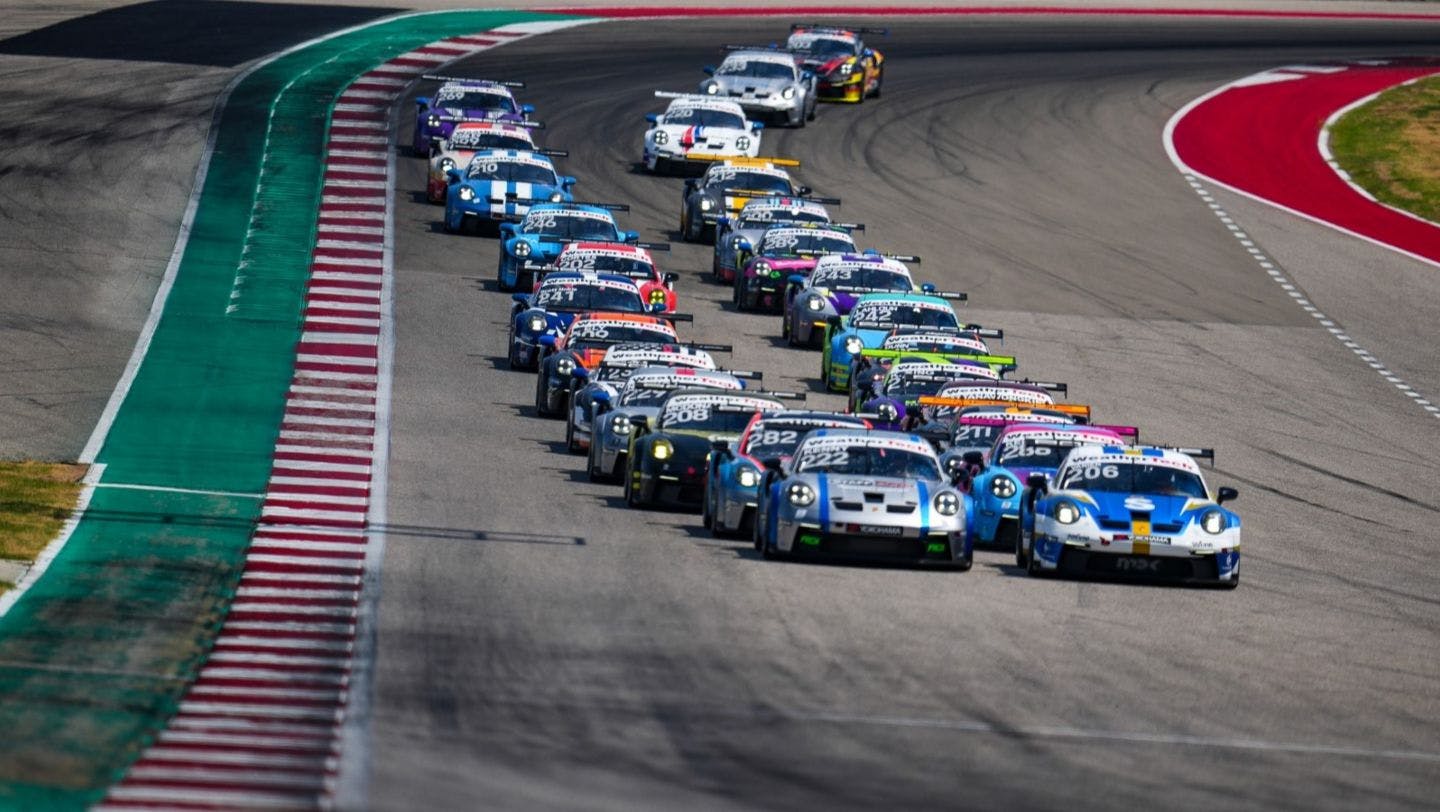
Separately, on December 2, K1 announced a program for 2026 called the Champions of the Future America series, which it said is a “new initiative designed to elevate the next generation of American motorsport talent and create new pathways through the sport.” It is in partnership with the RGMMC Group (Race Group Management & Marketing Corporation, a motorsports promoter). The press release lists a 10-round series that begins January 31-February 1, and continues through September.
The Switzerland-based RGMMC has a similar series that launched in Europe in 2020. RGMMC Group says that it is experienced in “Rally Cross, Touring Car, GT Series, Formula racing and Motocross” promotions. Exactly what prizes are at stake in the K1 Champions of the Future America series, or what it costs to enter, is not disclosed.
Globally, K1 lists 107 kart centers total, but the Porsche partnership is designated specifically for the 72 centers located in the U.S. For more information on entering the Porsche/K1 program, look for details to be posted soon at Porschesprint.com, and K1Speed.com.
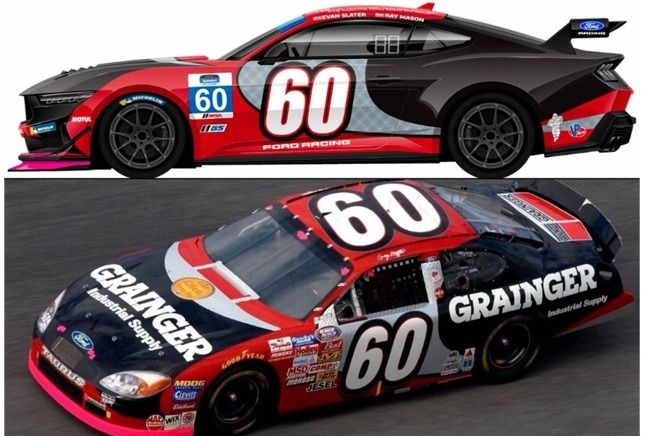
Kohr Motorsports will have a special paint scheme on its No. 60 Ford Mustang GT4 in the 2026 IMSA Michelin Pilot Challenge season-opener at the Daytona Road Course.
Biffle, who was named one of NASCAR’s 75 greatest drivers and a winner of 56 races across all three national divisions of the sport, was tragically killed in a plane crash in Statesville, North Carolina, earlier this month. He was among seven killed in the tragic accident, including his wife Cristina, son Ryder, and daughter Emma.
Advertisement
The Kohr Motorsports entry will resemble the car Biffle drove to the 2002 NASCAR O’Reilly Auto Parts (then known as Grand National) Series championship. Evan Slater and Ray Mason will share driving duties
53 of of Biffle’s 56 wins, including all 19 of his Cup victories came with Ford.
“In light of last week’s tragedy involving one of Nascar’s 75 Greatest Drivers and off track Humanitarian, Greg Biffle [including his family & friends],” said the team in a social media statement.
Advertisement
“KOHR Motorsports will be running a tribute 2002 NASCAR Busch Championship No.60 Ford livery on our IMPC No.60 Ford Mustang GT4 during the upcoming IMSA Roar Before The 24 and 4 Hour BMW M Endurance Michelin Pilot Challenge.”
The event takes place on Friday, January 23rd, with the green flag flying around 1:45pm EST.
Read Also:

Remembering Greg Biffle: NASCAR champion and Hurricane Helene hero

Cleetus McFarland memorializes Greg Biffle and family in emotional video

NTSB working to verify pilot in fatal Greg Biffle plane crash
To read more Motorsport.com articles visit our website.
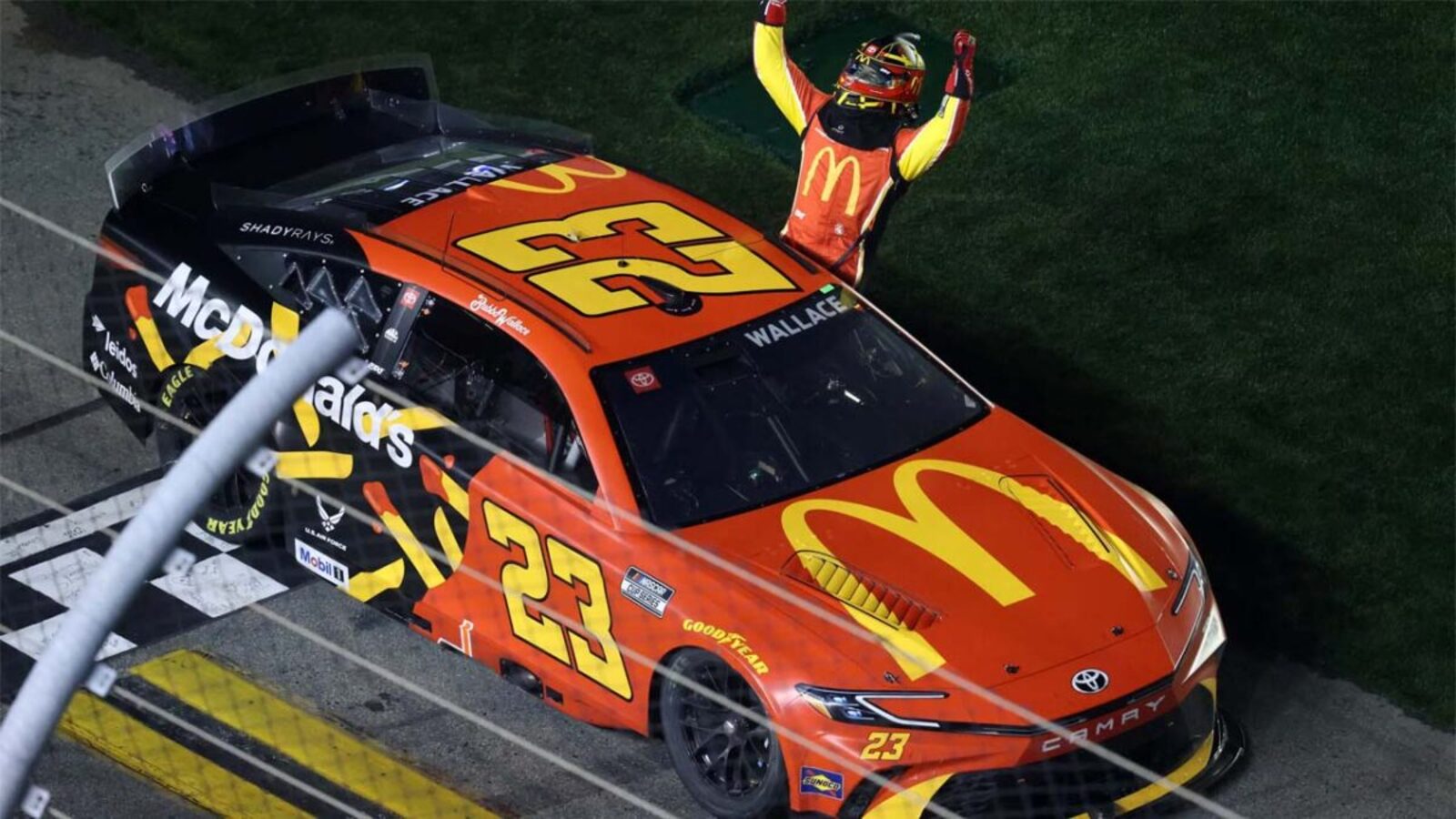
The Daytona 500 twin qualifying races, which were commonly known as the Daytona Duels, have received a massive title change ahead of the beginning of the 2026 season. The iconic race kept its name for multiple decades and was a highly revered destination for drivers to win. However, now, following a fallout with the common sponsors such as Gatorade, Budweiser, and Can-Am, the sport has decided to change the name completely.
NASCAR is currently going through a difficult phase financially and losing the trust of many people in the sport. The 23XI-FRM charter lawsuit was definitely one of the more challenging moments for the sport in recent times. Since the case revealed many shocking things about the leadership of NASCAR, some sponsors feel obliged to take a step back and rethink their sponsorship options.
In a shocking turn of events, the common sponsors of the Daytona Duels have refused to pay the asking fee to include their name in the titles as the sport looked for other options. NASCAR did not publicly announce the news; rather, they slyly changed the name and revealed it on the 2026 Daytona 500 flyer. The new name is now set to be America 250 Florida Duels at Daytona.
It will certainly be a bit mouthful for the people who are used to the old and short name of the Daytona Duels. Amid the sport losing core audiences because of its money-hungry business model, this name change will definitely upset many old fans. The 2026 season might also reportedly witness changes to the playoff format. This change is being seen as a positive change by many people, and it will be very exciting to witness what the sport has in store next.

Enea Bastianini has offered insight into why he struggled to such an extent during a wretched first season on KTM’s MotoGP bike in 2025.
Bastianini moved to Tech3 this year on a factory-spec bike, partnering Maverick Vinales in an all-new line-up at KTM’s secondary squad.
But from his first test with the Austrian marque in Valencia 2024, it was clear that the RC16 was not playing to his strength – and a crash in which he completely wrecked his bike only reinforced that impression.
Problems persisted when the season kicked off in March, leaving Bastianini in the shadows of his new team-mate Vinales, who impressed with his adaptation to the RC16. Across the opening 10 rounds and before Vinales broke his shoulder at the Sachsenring, Bastianini managed just 42 points compared to 69 for the former.
There was a ray of hope that the Italian had turned around his campaign when he qualified fourth in Hungary and followed that up with a podium in Barcelona, but it ultimately amounted to little more than a brief respite.
He eventually ended the season a distant 14th in the standings, scoring just over a third of the points Pedro Acosta accumulated on the factory KTM (112 points vs 307).
It was a far cry from the heights Bastianini reached just last season, when he guided his works Ducati GP24 to two victories and seven other grand prix podiums.
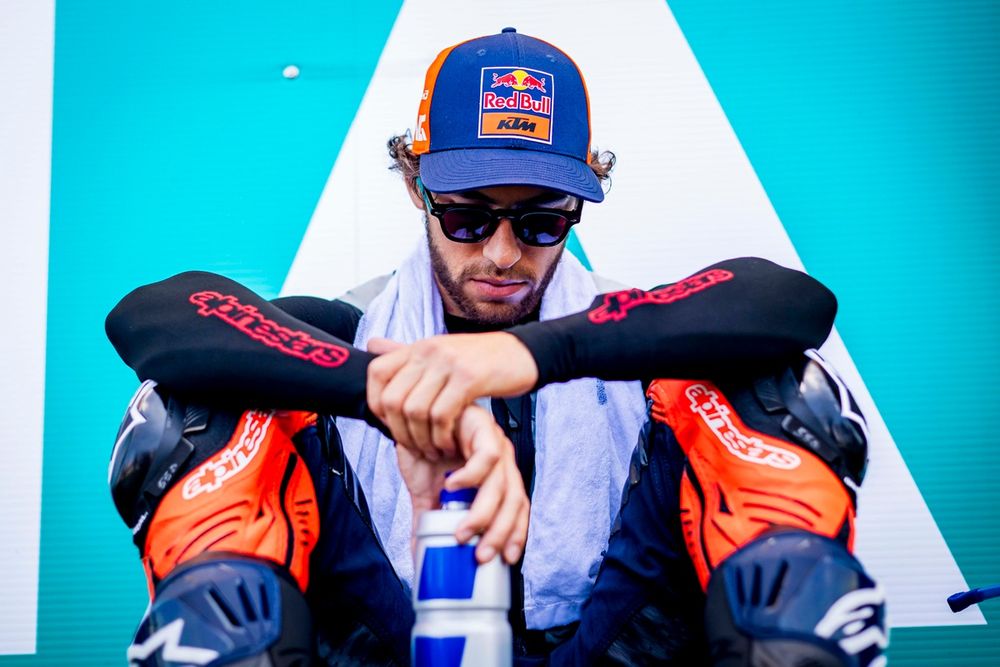
Enea Bastianini, Red Bull KTM Tech 3
Photo by: Shameem Fahath / Motorsport Network
In fact, this was easily the worst season of his MotoGP career; even in his rookie season in 2021, he managed to finish 11th in the championship and score 102 points from 18 rounds at a time when there were no sprint races.
Bastianini makes no secret in explaining how steep his learning curve proved after switching manufacturers for the first time in MotoGP.
“I think the adaptation to the bike this year has been very complicated for me, starting from the first test when I jumped,” he said. “It’s not been a shock, but very close to a shock because the bike was very different from the other one.
“When it’s like this, you have every weekend to work, to change something. Also [despite] this, we were competitive on Sundays.
“Last year, at the end of the season, I was fast in the sprints and I was always on top. I knew how it would be and what the approach of the weekend was, but you have to be clear. This year, the situation was not clear to me.”
For much of 2025, Bastianini found himself on the back foot early in the weekend, struggling with his feeling on the bike on Fridays. While there was often clear progress overnight and into Sunday, he was frequently left with too much ground to make up.
At Valencia, for instance, the 27-year-old toiled near the back in practice and qualified only 20th. Yet his race pace was strong, allowing him to climb steadily through the field to finish a solid 10th.
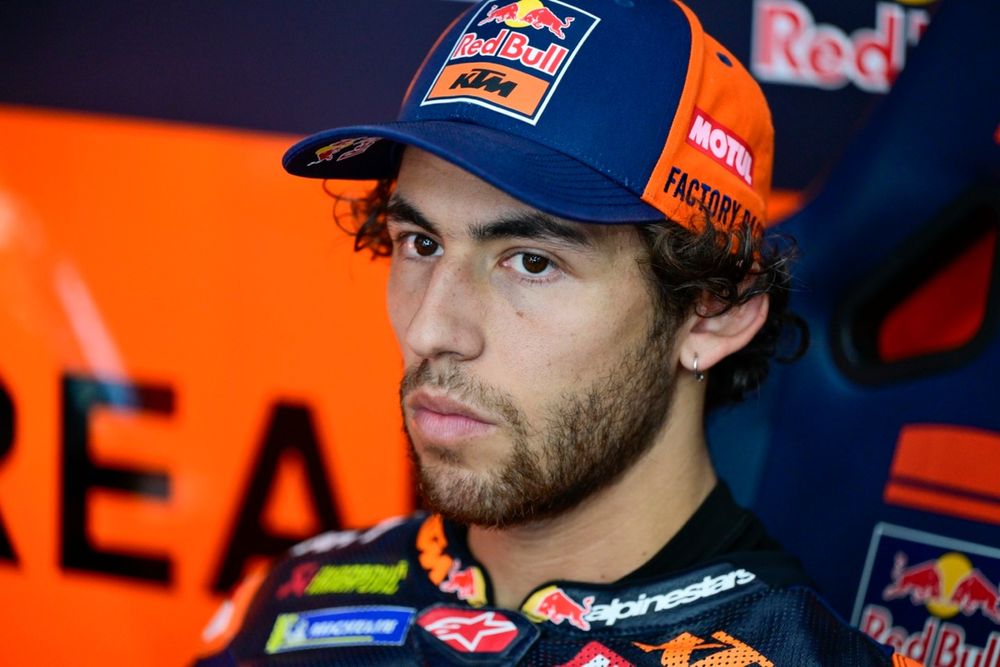
Enea Bastianini, Red Bull KTM Tech 3
Photo by: Gold and Goose Photography / LAT Images / via Getty Images
“Friday complicated, Saturday a bit less and Sunday in the race we are competitive. This happened many times. I think [it happened] every weekend, from just two or three weekends apart,” he highlighted the trend.
Bastianini’s improved pace in race trim was partly down to his increased confidence on medium tyres, which are preferred during longer grands prix. With Michelin’s soft rubber, he suffered from a phenomenon called the ‘rear pushing the front’, which had a detrimental impact on his cornering ability.
“We are also competitive in the race because I find the confidence to be fast with the medium tyre,” he explained. “When we put a soft on the rear, the bike gives me the opposite; no confidence and I can’t push.
“[With the soft tyre], the rear pushes me out in every corner and it’s also much more complicated to turn. With the medium, it’s much better for me to slide with the rear, I’m much more confident. Lap by lap in the race, I’m much more confident. This has happened every time.”
Bastianini was pinning his hopes on the post-season Valencia test to find a breakthrough and head to the winter break on a positive note, but after trying a variety of components in a condensed schedule, he left Spain without the answers he had been seeking.
“I still haven’t cleared up all my doubts about certain things,” he conceded. “We also tested two quite different bikes. The new bike had a different chassis and a few other slightly different things. But I still haven’t really understood the pros and cons of both. The only thing I’ve understood is that the seat is much more ergonomic, anyway.
“But hey, I’m happier to have wrapped up 2025.”
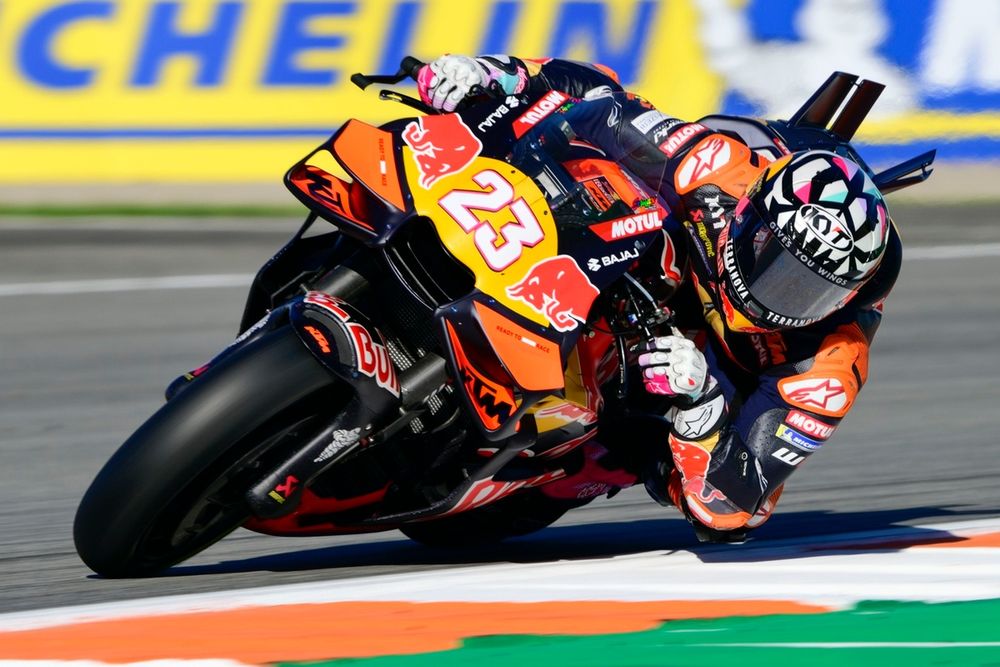
Enea Bastianini, Red Bull KTM Tech 3
Photo by: Gold and Goose Photography / LAT Images / via Getty Images
Bastianini knows that the first pre-season test of 2025 will be important for him as he heads into the second and final year of his KTM contract.
“More than confidence, I’m leaving knowing what awaits me next year. I finished 17th [in the test], and quite far back. So I wanted to finish a bit higher up the standings, to end on a high note. But we couldn’t work on the set-up.
“Therefore, Sepang will be a crucial test for me: I’ll have to work very hard and try to make the most of the three days we have.”
We want your opinion!
What would you like to see on Motorsport.com?
Take our 5 minute survey.
– The Motorsport.com Team

OVC Mourns the Loss of SIUE Academic Advisor, Former UTM Volleyball Player Lindsey Schmidt

Creighton volleyball lands Wisconsin transfer outside hitter Trinity Shadd-Ceres

Major college football program predicted to be clear frontrunner for 4,000-yard QB

Discover Kalamazoo says tourism down in 2025, but will improve by 2027 | WKZO | Everything Kalamazoo

Sports Tourism Emerges as Economic Engine for Regional Growth

Washington Capitals to Celebrate Youth Hockey Weekend from Jan. 2-4

Buckshot’s Best of 2025: No. 4 – Bailey Wride races to 2nd NSIC title, wins 1,000 meters at NSIC Indoor Championships

Texas Longhorns coaching and athletics administration legend Jody Conradt completes career

Nevada youth rank last in sports participation. Will rising costs make it worse? | Laughlin Times

College track and field: Parkins earns weekly award for Central College | The Hawk Eye – Burlington, Iowa

Marcus Freeman announces return to Notre Dame for 2026 after receiving NFL interest

Meet the 2025 Central Maine All-Region volleyball team

What Cologne Does Each Driver Wear?

Three Biggest Takeaways Of 2025, Historical Year In Track And Field

Varsity Maine Volleyball Player of the Year: Liana Edwards, Gorham

SoundGear Named Entitlement Sponsor of Spears CARS Tour Southwest Opener

Donny Schatz finds new home for 2026, inks full-time deal with CJB Motorsports – InForum

Black Bear Revises Recording Policies After Rulebook Language Surfaces via Lever

Bowl Projections: ESPN predicts 12-team College Football Playoff bracket, full bowl slate after Week 14

Robert “Bobby” Lewis Hardin, 56

Men’s and Women’s Track and Field Release 2026 Indoor Schedule with Opener Slated for December 6 at Home

David Blitzer, Harris Blitzer Sports & Entertainment

How Donald Trump became FIFA’s ‘soccer president’ long before World Cup draw
Wisconsin volleyball sweeps Minnesota with ease in ranked rivalry win

Michael Jordan’s fight against NASCAR heads to court, could shake up motorsports

DeSantis Talks College Football, Calls for Reforms to NIL and Transfer Portal · The Floridian

JR Motorsports Confirms Death Of NASCAR Veteran Michael Annett At Age 39

Rick Ware Racing switching to Chevrolet for 2026
Elliot and Thuotte Highlight Men’s Indoor Track and Field Season Opener

#11 Volleyball Practices, Then Meets Media Prior to #2 Kentucky Match





-
 Motorsports3 weeks ago
SoundGear Named Entitlement Sponsor of Spears CARS Tour Southwest Opener
-
 NIL3 weeks ago
DeSantis Talks College Football, Calls for Reforms to NIL and Transfer Portal · The Floridian
-
 Sports2 weeks ago
#11 Volleyball Practices, Then Meets Media Prior to #2 Kentucky Match
-
 Motorsports2 weeks ago
Sunoco to sponsor No. 8 Ganassi Honda IndyCar in multi-year deal
-
 Motorsports2 weeks ago
Nascar legal saga ends as 23XI, Front Row secure settlement
-
 Motorsports3 weeks ago
Accelerating Inclusion: Breaking Barriers in Motorsport
-

 Motorsports3 weeks ago
North Florida Motorsports Park led by Indy 500 Champion and motorsports legend Bobby Rahal Nassau County, FL
-
 NIL3 weeks ago
Ed Orgeron: Paying players via NIL would only require a ‘minor adjustment’
-
Motorsports3 weeks ago
NASCAR, 23XI Racing, Front Row Motorsports announce settlement of US monopoly suit | MLex
-
 Rec Sports2 weeks ago
WNBA’s Caitlin Clark, Angel Reese and Paige Bueckers in NC, making debut for national team at USA camp at Duke