Origins: Two Worlds Collide in a Can
Red Bull was born in the mid-1980s when Austrian entrepreneur Dietrich Mateschitz discovered “Krating Daeng,” a popular energy tonic, on a business trip to Thailand.
The drink, invented by Thai businessman Chaleo Yoovidhya, was originally targeted at truck drivers and factory workers who needed long-lasting alertness.
Mateschitz partnered with Chaleo to create an international version—carbonated, rebranded, and reformulated for Western tastes.
Red Bull launched in Austria in 1987—marketed not as a soft drink, but as a “functional beverage” that “gives you wings.”
The Formula: Sugar, Caffeine, and Clever Marketing
Red Bull’s original recipe: caffeine, taurine, B-vitamins, sugar, and carbonated water—a formula now copied by hundreds of brands.
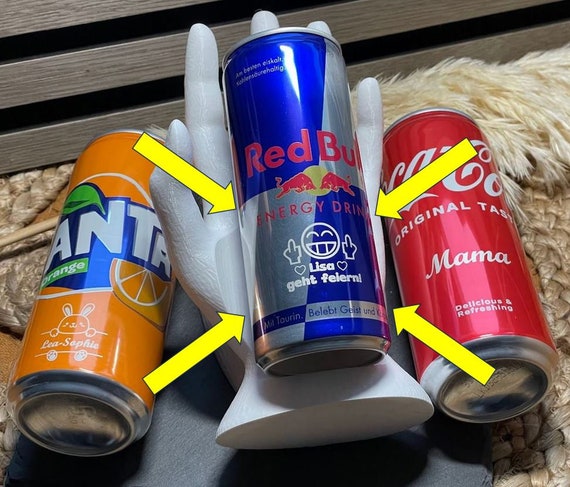
The drink’s unique metallic-blue-and-silver can became its own global language—easily spotted at parties, clubs, gas stations, and sporting events.
Unlike Coca-Cola or Pepsi, Red Bull never tried to be a family drink. It targeted students, night owls, athletes, and risk-takers from the start.
Inventing the Energy Drink Category
When Red Bull launched, there was no “energy drink” shelf in the store—the company had to invent a new market from scratch.
Clever early marketing: free samples at college parties, nightclubs, and extreme sports events—building word of mouth among the “young, urban, tired, and adventurous.”
Red Bull reps in branded “Mini Coopers” with giant cans strapped on top became a familiar sight in cities around the world.
The brand never spent big on traditional ads; instead, it seeded coolness, adrenaline, and aspiration.
Building a Lifestyle: Red Bull as Culture, Not Just a Drink
Red Bull didn’t just sponsor sports—it created its own: Red Bull Flugtag (human-powered flying machines), Red Bull Crashed Ice, Red Bull Air Race, and global cliff diving competitions.
Extreme sports: Skateboarding, BMX, snowboarding, surfing, motocross, breakdancing—if it’s wild and thrilling, Red Bull is there.
Athlete sponsorship: Red Bull backs hundreds of athletes across dozens of sports, from Formula 1 drivers to parkour artists to e-sports champions.
Music and nightlife: Red Bull Music Academy, studios, festivals, and club nights support cutting-edge artists and DJs worldwide.
Red Bull in Motorsports: From Underdog to Champion
Formula 1: Red Bull Racing launched in 2005, quickly becoming the most successful non-manufacturer team of its era.
Four consecutive world championships with Sebastian Vettel (2010–2013) and more with Max Verstappen—challenging automotive giants.
Red Bull owns multiple teams: Scuderia AlphaTauri (formerly Toro Rosso), extreme rally teams, MotoGP, and more.
The brand’s presence: bold, colorful cars, wild stunts, and a “party in the paddock” energy.
Content Kings: Media, Storytelling, and Viral Moments
Red Bull created its own media company—Red Bull Media House—producing documentaries, web series, and viral clips.
Red Bull TV: Streaming platform for adventure, sports, culture, and music—free, global, and always “on brand.”
Felix Baumgartner’s Stratos Jump (2012): The most-watched live stream in history as Red Bull sent a skydiver to the edge of space, breaking world records for viewers and freefall.
The brand’s YouTube, TikTok, and Instagram presence is vast—highlighting everything from base jumping to music sessions to street soccer.
The Red Bull “Formula”: Product, Personality, and Place
Minimal flavor variants: Unlike rivals, Red Bull stuck with a core product, adding only sugar-free, “Red Edition,” and a few limited flavors.
Always in the moment: Red Bull is “the drink for now”—before a big night, after a long shift, during an all-nighter.
Distribution as marketing: You’ll find Red Bull in the smallest corner shop, at ski lodges, music festivals, and luxury nightclubs.
Premium price: It’s always been more expensive than soda—positioning it as a “functional” purchase, not a treat.
Globalization and Localization
Sold in over 170 countries, Red Bull adapts marketing for each culture—sometimes even changing sponsorships or sports focus.
Headquarters in Austria, but a strong presence in Los Angeles, London, Sao Paulo, Cape Town, and Bangkok.
Branding is consistent but playful: Local artists, events, and athletes keep the brand relevant everywhere.
Criticisms and Controversy
Health concerns: High sugar and caffeine content have sparked bans, warnings, and debates over safety—especially for children and teens.
Marketing to youth: Critics claim the brand glamorizes risk and adrenaline; Red Bull insists it supports responsible consumption and athletes.
Environmental impact: Billions of cans per year—Red Bull invests in recycling and renewable energy, but footprint remains a challenge.
Copycats: Red Bull fights to maintain its mystique in a crowded, lookalike market.
Seven-Day Red Bull Challenge
Day 1: Try Red Bull before a workout, study session, or late shift—notice the effect.
Day 2: Watch a Red Bull extreme sports video—what makes their media unique?
Day 3: Follow a Red Bull-sponsored athlete on social media—see behind the scenes.
Day 4: Explore Red Bull TV for a documentary or live event.
Day 5: Check out a Red Bull Music event, playlist, or artist.
Day 6: Research the Stratos Jump or another wild Red Bull stunt—what’s the tech and story behind it?
Day 7: Reflect—how has Red Bull shaped sports, youth culture, and even your own energy habits?
Why Red Bull Matters
Red Bull isn’t just an energy drink—it’s a lifestyle, media empire, and culture engine.
The brand proved that experience, story, and “cool factor” can be more powerful than traditional advertising.
For a generation raised on speed, adrenaline, and authenticity, Red Bull is more than a can: it’s an invitation to live on the edge, even for just one sip.
7