
NIL
The contrarian case for the Pac-12 sticking with eight FB members

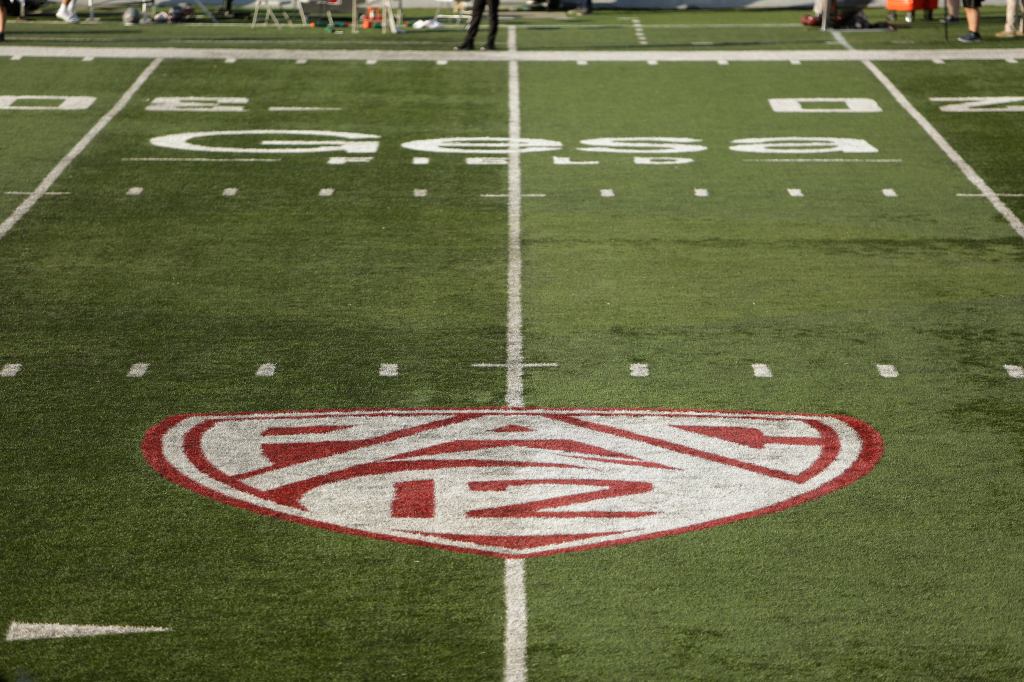
The Hotline mailbag publishes weekly. Send questions to wilnerhotline@bayareanewsgroup.com and include ‘mailbag’ in the subject line. Or hit me on the social media platform X: @WilnerHotline
Some questions have been edited for clarity and brevity.
The Pac-12 wants multiple media partners. But with only eight football members, that’s just four games per week for the majority of the season. How would that work? Doesn’t seem like enough inventory to go around. — @NateJones2009
It depends on how creative the conference, and its partners, are willing to be.
For instance, nothing would prevent the Pac-12 from signing deals with four media partners and placing one game on each network per week during conference play (unless teams are idle).
Yes, that’s an extreme example. But applying conventional programming strategies to an unconventional situation is the wrong approach.
The Pac-12’s football-playing schools decided months ago on the minimum number of games that their media adviser, Octagon, could take to market.
The package assuredly included a scenario in which the Pac-12 implemented an eight-game conference schedule attained by:
— Expanding to nine members, or
— Creating home-and-home series, with each team playing one of the others twice. (Washington State and Oregon State are doing exactly that in 2025.)
But we suspect the conference has carved out the option to play a seven-game round-robin schedule, as well. As one industry source (unaffiliated with the Pac-12) told the Hotline recently: “A seven-game schedule could end up being a plus.”
That’s the contrarian view, to be sure. The cost of buying enough Group of Five opponents to fill out a schedule with five non-conference openings could be significant — and is the primary reason most observers believe the Pac-12 will play at least eight league games.
But as the source noted, flexibility is vital in a chaotic landscape. Adding a ninth football-playing member that doesn’t work competitively or financially makes less sense than sticking with eight.
With eight schools, the Pac-12 would have the option to play seven conference games or eight (by using the home-and-home approach).
Under what circumstances would a seven-game conference schedule prove beneficial?
What happens if the Big Ten and SEC create an annual crossover series, which has been discussed?
What if the SEC adds a ninth conference game, which is under serious consideration?
In either case, and certainly if both scenarios happen, SEC and Big Ten schools could look to adjust their lineups by cancelling series against Big 12 and ACC opponents.
Arizona State athletic director Graham Rossini said exactly that, telling the Hotline last week: “If the SEC goes to nine, my hunch is they’ll want out of our games.” (The Sun Devils have home-and-home series under contract with LSU, Florida, Texas and Texas A&M.)
SEC and Big Ten teams are scheduled to face dozens of Big 12 and ACC opponents in the next six or eight years. If a slew of those are cancelled, Arizona State and others could turn to the Pac-12 for help filling out their schedules.
In that case, the flexibility to play five non-conference games could morph into an advantage.
Bottom line: We don’t know what will happen, but the terrain is fragile enough that the Pac-12 should consider options that provide maximum schedule flexibility, regardless of how unconventional they might seem.
What exactly is the potential of Texas State? — @CelestialMosh
At the top of the outcome range, the Bobcats could dominate the new Pac-12 the way Boise State has dominated the current Mountain West, with frequent 11-win regular seasons.
Success is all about resource allocation and talent acquisition which, of course, go hand-in-hand.
Texas State is located in one of the nation’s most fertile recruiting areas, president Kelly Damphousse appears committed to winning, coach G.J. Kinne is a proven developer of talent and, crucially, the university has the financial wherewithal to support football at a high level relative to other programs outside the power conferences.
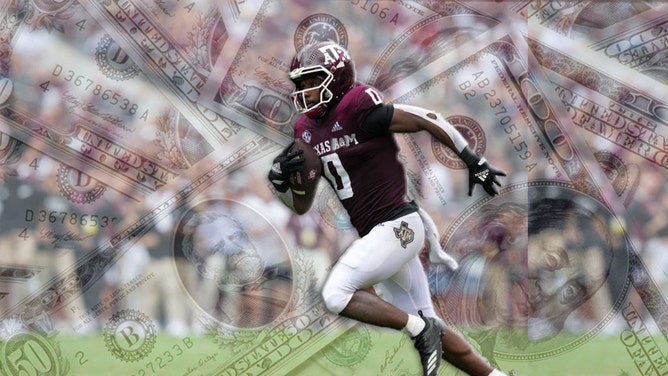
We were struck by a recent report by the website On3 about the “top 10 biggest spenders” in college football in 2025 as defined (presumably) by the cost of the roster using revenue sharing and NIL.
Three of the top five were from the Lone Star State: Texas, Texas Tech and Texas A&M.
Granted, Texas State is nowhere near those schools when it comes to tradition, success, fan passion or resource potential. But it doesn’t need to be. The relevant comparison — the Bobcats’ peer group, in other words — is the Pac-12.
And compared to most football programs in the rebuilt conference, they have inherent advantages in both recruiting and resources thanks, largely, to their location in a football-crazed state.
Will they execute?
We should have clarity in two or three years. But it’s not difficult to envision a scenario in which Texas State, like Boise State, is an annual contender for the Pac-12 title and a playoff bid.
Should the Pac‑12 lean into its role as a developmental league for the Power Four — embrace a ‘farm system’ identity — or fight to reclaim major conference status in a marketplace that may no longer have room for five? — @CurtisBlack
Any acknowledgement of a “farm system” approach could damage the Pac-12 brand, and we see no chance (none, zero, zip) of Gonzaga approving the strategy in basketball.
On this topic, the conference has a narrow path forward. It won’t be considered the equal of the ACC, Big 12, Big Ten or SEC and shouldn’t bother making the attempt. But positioning itself as the best of the remaining conferences — as the clear No. 5 — is entirely reasonable from a marketing standpoint.
And that’s exactly what you hear from commissioner Teresa Gould and others: They use the phrase “top five” to describe the Pac-12’s competitive position.
It will take a few years of success for the conference to cement its status as neither Power Four or Group of Five, but on a tier of its own making.
The rebuilt conference might not get there — maybe the American grabs that mantle; maybe nobody does — but the underlying strategy seems sound.
I see hardly any mention of San Jose State as a prospective member of the Pac-12. Why is that? Being in the biggest city in a large market that the Pac-12 lost, I would think they would be a good addition. — Alec S
First, let’s address a frequent misconception: Presence in a major market does not necessarily mean that school receives credit for the full media value of the market.
The Spartans are an afterthought on the Bay Area sporting scene; they don’t move the ratings needle one iota. No media company (linear or streaming) would view SJSU as delivering the nation’s 10th-largest market regardless of the conference affiliation.
Beyond that, there are serious concerns over the university’s commitment to athletic success, especially in football. Just look at the recent remodel of CEFCU Stadium: The eastern side has no stands. It’s a 100-yard patch of grass that creates terribly poor optics on TV.
If you’re the Pac-12, why trust any university — the decision was not made by the athletic department — that would show so little commitment to football?
The remodel lowered capacity to 18,265, and the Spartans didn’t even sell out for the home date against UNLV when the nine-win Rebels paid a visit last season. (By comparison, Texas State’s stadium capacity is 30,000.)
It’s an unfortunate situation at SJSU. College football in the Bay Area would be vastly more interesting if the Spartans were relevant. Generally, we believe the athletic department makes the most of the hand it has been dealt. The issue is largely with central campus.
Are college athletics administrators submitting these NIL collective deals really caught off guard? Or is this just faux outrage to fuel their narrative? I thought it was clear the standard collective deal of the past three years was dying with the settlement? — @GoodSirHamlet
You certainly are not alone. Many are confused by the, err, confusion.
The intent of the House vs. NCAA settlement and subsequent formation of the College Sports Commission was to root out the pay-for-play that has dominated the NIL era. Deloitte’s technology platform, NIL Go, is designed to reject deals that are not for “valid business purposes.”
The question is whether deals arranged by NIL collectives can, in fact, be considered legitimate. The CSC doesn’t think so. The collectives disagree.
Everyone knew there would be potholes in the first year of the CSC, but this could metastasize into a sinkhole.
If the collectives are permitted to continue with business as usual — or anything close to usual — then the enforcement component could collapse and the college sports industry is back where it started before the settlement.
Any idea how much is being spent on lawyers in the Pac-12 lawsuit against the Mountain West? — @coleltaylor
Take your best guess at the hourly rate for top-end attorneys, multiply that times a bajillion hours and you have the answer.
In other words: The Hotline cannot begin to offer a reasonable estimate for the legal cost of the poaching penalty lawsuit, which is headed back to court after mediation failed to produce a resolution.
Here’s what we know:
— The firm representing the Pac-12 in the case is the same outfit, Keker, Van Nest & Peters, that took the lead in the lawsuit filed by Washington State and Oregon State against the 10 outbound schools back in 2023.
(According to a source with no affiliation to the Pac-12 or the firm itself, Keker has an excellent reputation.)
— The Pac-12 spent approximately $12 million on legal fees in the 2023-24 fiscal year, according to financial documents obtained by the Hotline.
Granted, FY2024 included the lawsuit over control of the conference. But there were other legal issues — many other legal issues — unfolding during that time, including the Comcast overpayment fiasco.
And there are other legal issues now, with the House lawsuit atop the list. (The Pac-12 was a named defendant in the case.)
It’s not unreasonable to think the conference once again will spend many millions on legal fees. Exactly how much can be pinned on the poaching penalty lawsuit specifically, we cannot say.
Wouldn’t a football scheduling agreement with Sacramento State in 2026 make a ton of sense? The Pac-12 probably wouldn’t have to pay the Hornets and would buy time to add more football schools later. — @brycetacoma
On the surface, yes: An agreement with Sacramento State for four, five or six games seems like sound strategy for a conference that could need non-conference matchups.
That said, FBS schools only receive credit (toward bowl eligibility) for one victory over an FCS opponent per season, and many teams in the rebuilt Pac-12 have their FCS opponent locked in for ’26.
For example, Oregon State is scheduled to play Montana, while Washington State is facing Duquesne, and San Diego State has Portland State.
Adding Sacramento State makes no sense for those programs because the game wouldn’t count toward the six wins needed for a postseason bid.
And there’s one more matter to consider: Matchups with FCS opponents offer little in the way of TV value. Any dates with Sacramento State would be streamed, and that’s not the Pac-12’s preference for its media inventory.
The Pac-12 will reportedly sponsor men’s tennis, but only four schools play it, so affiliate members are needed. The other western conferences all sponsor it, as well. How will that work? — @cougsguy06
Tennis is one of eight men’s sports the rebuilt conference plans to sponsor, in addition to at least 10 on the women’s side. (The FBS minimum is 16.)
And yes, only four of the nine members have men’s tennis. The conference is working through the sponsorship piece and will undoubtedly identify affiliates — not only in men’s tennis but a slew of sports.
That’s not unusual. Little Rock (Arkansas) has been an affiliate member of the Pac-12 in wrestling for years, just as Cal’s field hockey team was a member of the America East before the Bears joined the ACC.
We suspect that most, if not all Olympic sports eventually will realign in conferences that make geographic sense.
The sooner the better for the athletes.
Do the new schools entering the Pac-12 get an equity stake in Pac-12 Enterprises, or is that going to be owned completely by Oregon State and Washington State? — @Brian_Wood45
The Pac-12 Enterprises is not mentioned in the grant-of-rights agreement that begins next summer, and our hunch is the conference wants to closely protect any matters involving equity — just as it did for years with the Pac-12 Networks and the legacy schools.
But the incoming members view Pac-12 Enterprises as a significant asset on multiple fronts: Not only will the production unit allow for the promotion and visibility of Pac-12 teams, but Enterprises can generate revenue through third-party agreements. (Last fall, for instance, it handled production for a Golden State Warriors game on NBC Bay Area.)
Any profit from Enterprises will be funneled to WSU, OSU and the new schools alike as part of their annual distributions.
*** Send suggestions, comments and tips (confidentiality guaranteed) to wilnerhotline@bayareanewsgroup.com or call 408-920-5716
*** Follow me on the social media platform X: @WilnerHotline
Originally Published:

NFL betting usually rules the roost on the American sports wagering landscape.
But College Football Playoff quarterfinal odds are giving the mighty shield a run for its money at the moment — particularly in the Miami vs. Ohio State Cotton Bowl matchup, which kicks off the quarterfinals on Dec. 31, and the Alabama vs. Indiana Rose Bowl showdown on Jan. 1.
“These standalone College Football Playoff games really rival the NFL games,” Caesars Sports vice president of trading Craig Mucklow said.
Mucklow serves up his insights on College Football Playoff quarterfinal odds for all four matchups.
This page may contain affiliate links to legal sports betting partners. If you sign up or place a wager, FOX Sports may be compensated. Read more about Sports Betting on FOX Sports.
Bettors Backing Buckeyes
Ohio State is 12-1 straight up (SU), though that lone loss came in its last outing. The Buckeyes were 3.5-point favorites vs. Indiana in the Big Ten Championship Game and fell short 13-10.
Still, with a 10-2-1 mark against the spread (ATS), Ohio State has been one of the best bets all season in college football. Only Texas Tech (11-2 ATS) is better at covering the number.
So it shouldn’t come as a surprise that the public betting masses are all over No. 2 Ohio State vs. No. 10 Miami (11-2 SU/8-5 ATS) in the Cotton Bowl, for a 7:30 p.m. ET New Year’s Eve kickoff.
“Ohio State is a bigger loser for us on the spread than any of the NFL Week 17 games. And there’s still [five days] of betting to come,” Mucklow said.
After Miami’s 10-3 first-round win at No. 7 Texas A&M, Caesars Sports opened the Buckeyes as 7.5-point favorites. That number sprinted to Buckeyes -10, with early bettors eager to pile on Ohio State.
The Hurricanes actually saw sharp action at +10, so Caesars adjusted Monday to Ohio State -9.5.
Backing Off ‘Bama
No. 9 Alabama (11-3 SU/8-5-1 ATS) has the SEC pedigree, which is usually attractive to the betting masses. But No. 1 Indiana (13-0 SU/8-5 ATS) has been an offensive juggernaut much of the season, and bettors like to back a good offense.
And even though the Hoosiers didn’t put up points in their last outing, they did beat defending national champion Ohio State in the Big Ten title game. That carries some weight, as well, for a 4 p.m. ET Rose Bowl clash on New Year’s Day.
Indiana opened as a 6-point favorite and moved out to -7 in short order. Mucklow said sharp action on Alabama +7 led Caesars to lower Indiana to -6.5. But a continuing flood of Indiana action from the masses moved the Hoosiers up to -7 again.
“Bettors are all over Indiana big time. That’s bigger than our Ohio State decision,” Mucklow said. “I hate to say it, but we’re Alabama fans by a good distance.”
That said, Mucklow noted Caesars has one angle working in its favor.
“Indiana has not really been in this position before. Alabama has been there, done that,” he said.
Short Spread
Oddsmakers believe No. 5 Oregon vs. No. 4 Texas Tech is the most competitive matchup in CFP quarterfinal odds. The Ducks opened as 1.5-point favorites and are up to -2 vs. the Red Raiders, for a noon ET New Year’s Day start in the Orange Bowl.
Oregon (12-1 SU/9-4 ATS) already has a CFP game under its belt, coasting past No. 12 James Madison 51-34. But the Ducks fell short of covering as huge 20.5-point home favorites.
As noted above, Texas Tech (12-1 SU/11-2 ATS) is the best spread-covering team in the nation this season. The Red Raiders have been resting since a 34-7 rout of BYU as 12.5-point favorites in the Big 12 Championship Game on Dec. 6.
Bettors are leaning toward the Ducks, as of Friday afternoon.
“Oregon is a small loser for us, nothing drastic. There’s not much of a difference between these two teams,” Mucklow said. “I think this game will see two-way action. It’s only a 2-point spread.”
Sweet Rematch
One matchup in College Football Playoff quarterfinal odds is actually a rematch from the regular season. In Week 8, Ole Miss and Georgia played a thriller in Athens, Ga.
Ole Miss — then under Lane Kiffin, who has since left for LSU — led 35-26 late in the third quarter. But Georgia did the rest of the scoring in a 43-35 victory, barely covering as a 7-point home favorite.
Now, No. 3 Georgia (12-1 SU/6-7 ATS) and No. 6 Ole Miss (12-1 SU/8-5 ATS) meet on a neutral field at the Sugar Bowl. The spread is similar to the first meeting, with the Bulldogs opening -6 and now up to -6.5 for this 8 p.m. ET kickoff on New Year’s Day.
“All the money is for Georgia, which doesn’t surprise me,” Mucklow said. “You’ve given Kirby Smart three weeks to prepare for this game.”
Money Talks
Mucklow also ran through ranking the four CFP quarterfinals based on the amount of money each game is seeing so far.
“Alabama-Indiana is No. 1 by a distance. Then it’s Miami-Ohio State,” Mucklow said. “Then there’s a pretty significant gap to Ole Miss-Georgia, and another big gap to Oregon-Texas Tech. That’s the least popular of the four, by a distance.”
Patrick Everson is a sports betting analyst for FOX Sports and senior reporter for VegasInsider.com. He is a distinguished journalist in the national sports betting space. He’s based in Las Vegas, where he enjoys golfing in 110-degree heat. Follow him on X: @PatrickE_Vegas.
Want great stories delivered right to your inbox? Create or log in to your FOX Sports account, and follow leagues, teams and players to receive a personalized newsletter daily!
Dec. 27, 2025, 3:06 p.m. CT
The College Football Playoff has reached the quarterfinal round, after a mixed bag of first round matchups have landed us with eight teams remaining that can still win the national title. With less than a week left in the non-CFP bowl season, and the playoff ramping up, it’s time to take a look at all four second round matchups.
New Year’s Eve and New Year’s Day will be the showcase for each of the quarterfinal games, and four iconic bowl games will be in the spotlight, determining who makes it to the semifinal round the following week. While our primary focus will be on the roster churn for the Oklahoma Sooners in the transfer portal and the players heading off to the pros, there’s no denying that there should be some great football to watch as the calendar turns to 2026.
Here are previews for each CFP quarterfinal game, as we’ll know college football’s final four teams by the end of Thursday night.
Cotton Bowl: Miami vs. Ohio State, Wednesday at 6:30 p.m. CT

Miami and Ohio State will kick off the quarterfinals in the Cotton Bowl in Arlington, Texas on Wednesday night, with the winner heading to the Fiesta Bowl to take on the Ole Miss-Georgia winner. The Hurricanes went on the road in the first round and defeated Texas A&M, notching the program’s first-ever CFP win. Mario Cristobal campaigned hard for his team to make the playoff, and now they have a chance to pull off another upset in the second round.
Ryan Day and the Buckeyes last played in a loss to Indiana in the Big Ten title game, but they’re as dangerous as anyone in the field, and are one of the favorites to win it all again. With just one loss all season, they’re a talented and deep team that knows better than anyone how to navigate the 12-team CFP. Two high-powered offenses, led by productive quarterbacks in Carson Beck and Julian Sayin, should make this one a high-scoring affair.
Orange Bowl: Oregon vs. Texas Tech, Thursday at 11:00 a.m. CT

The Ducks and the Red Raiders will face off in the Orange Bowl in Miami Gardens, Florida on Thursday. The winner between two programs that have become a force in the NIL era of college football will face the Alabama-Indiana winner in the Peach Bowl. Oregon handled James Madison in the first round at home, but they weren’t satisfied with just getting that one win. Dan Lanning, quarterback Dante Moore, and the Ducks have as much firepower as any team in the country, and their talent may very well carry them far in this field.
Texas Tech is a program that suddenly has the talent to compete with the big boys in college football, and they were clearly the Big 12’s best team in 2025. Joey McGuire’s team earned a bye in their first-ever CFP appearance, and it could be how quarterback Behren Morton and the Tech offense handle one of the best defenses in the country on the other side. The start of a triple-header of CFP quarterfinals on Thursday has plenty of intrigue baked into it.
Rose Bowl: Alabama vs. Indiana, Thursday at 3:00 p.m. CT

The Rose Bowl features a great matchup between Alabama and Indiana on Thursday in Pasadena, California. Whoever can find a way to win this game will head to the Peach Bowl, and will play the Oregon-Texas Tech winner. The Crimson Tide won on the road in the first round, defeating Oklahoma. Kalen DeBoer’s squad looked like the ‘Bama team from earlier this season for the final 2 and 1/2 quarters in that game, and quarterback Ty Simpson and the Tide offense played excellent football after falling behind.
On the other side, Curt Cignetti’s Hoosiers are the No. 1 team in the country, the only unbeaten FBS team to this point in 2025, and they boast the Heisman Trophy winner in quarterback Fernando Mendoza. Despite all of that, it’s Alabama that boasts more overall team talent, and their stingy defense should be a great matchup against an explosive and dynamic offense from Indiana. One of the great settings in all of college football gets a doozy again in 2025.
Sugar Bowl: Ole Miss vs. Georgia, Thursday at 7:00 p.m. CT

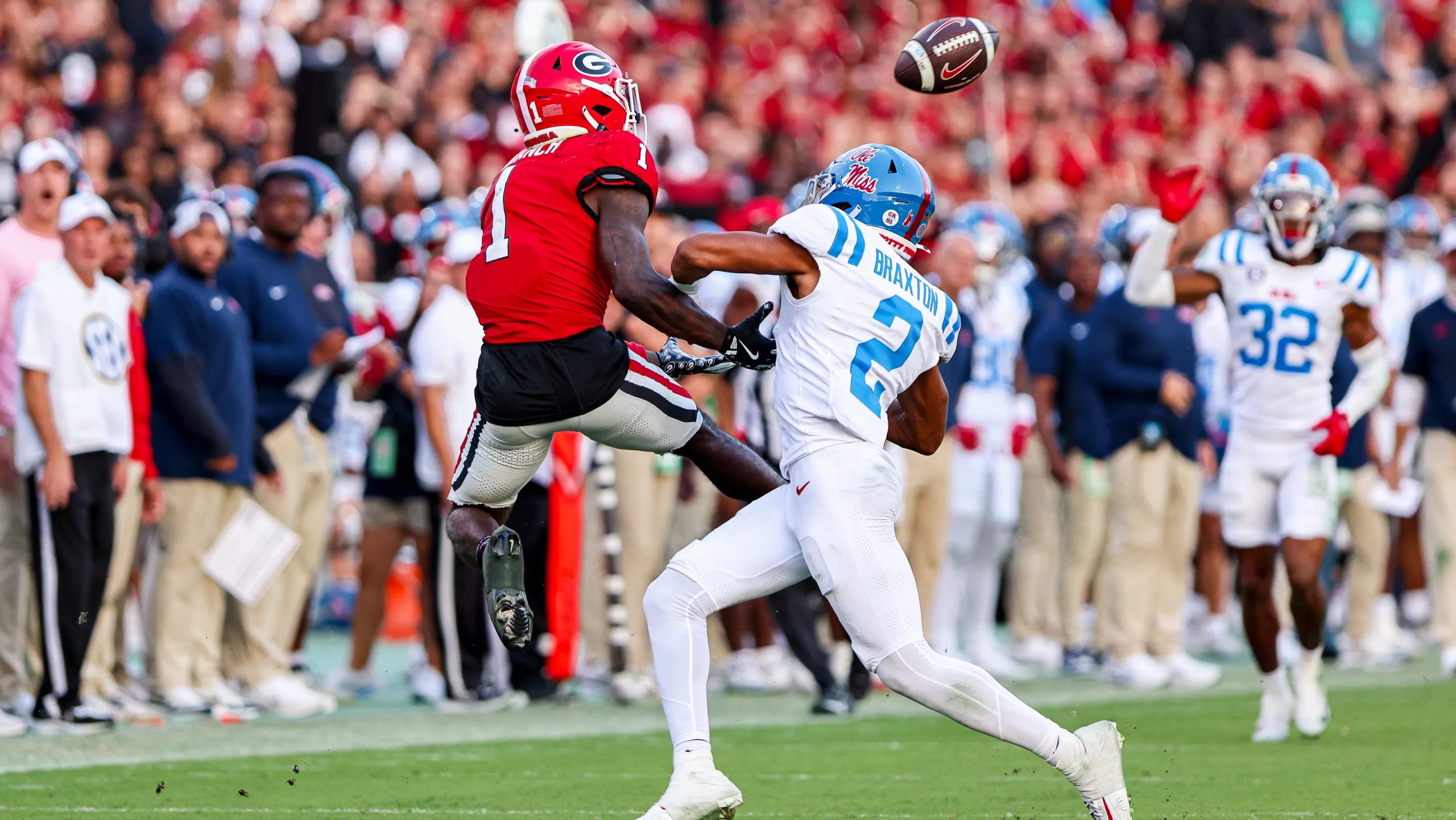
The Sugar Bowl gives us a rematch from one of the best games of the regular season between Ole Miss and Georgia. Whoever wins this clash in New Orleans, Louisiana on Thursday night will play the Miami-Ohio State winner in the Fiesta Bowl. The Rebels are still in the aftermath of the Lane Kiffin departure, but Pete Golding’s team dominated Tulane in the first round at home. Led by quarterback Trinidad Chambliss and a wide-open offense, the Rebs are playing with a lot of confidence right now.
Their only loss all season came that the hands of Kirby Smart and the Bulldogs. That game was an instant classic in Athens, with the ‘Dawgs coming back to win, despite trailing in the fourth quarter. Quarterback Gunner Stockton and the offense have gotten better and better as the season has gone on, and this team appears to be in a better position than they were in 2024. Can Ole Miss’ high-octane offense avenge the October loss, or will Georgia’s stifling defense stand tall and advance to the semifinals?

Contact/Follow us @SoonersWire on X, and like our page on Facebook to follow ongoing coverage of Oklahoma news, notes, and opinions. You can also follow Aaron on X@Aaron_Gelvin.

The new changes to the transfer portal window were put in place with the intention of making things easier for both coaches and athletes, but some haven’t viewed the changes as a positive.
Per The Athletic’s Stewart Mandel, one agent said, “nothing has changed, except kids aren’t able to take visits.” The agent added that “it’s the dumbest thing in the world.”
Previously, there were two transfer portal windows: one being a 20-day window in December and the other being a 10-day window in April. As of October, there is now just one transfer portal window, which is Jan. 2-16 this year.
Athletes playing on a team that undergoes a coaching change are given a 15-day transfer portal window that begins five days after a new coach is hired. Players who are participating in the College Football Playoff but choose to transfer during the January window are allowed to stay with their teams through the end of the season.
On the surface, the change would seemingly be a net positive for all parties, but apparently it still needs some tweaking.
A shuffling of quarterbacks is coming to college football in 2026.
In the Power Four ranks, quarterbacks such as Rocco Becht, Josh Hoover, Dylan Raiola and Brendan Sorsby are looking for new schools to play for next season.
While the Power Four quarterbacks are dominating the spotlight, there are a number of Group of Five starters looking to increase their exposure at Power Four programs in 2026.
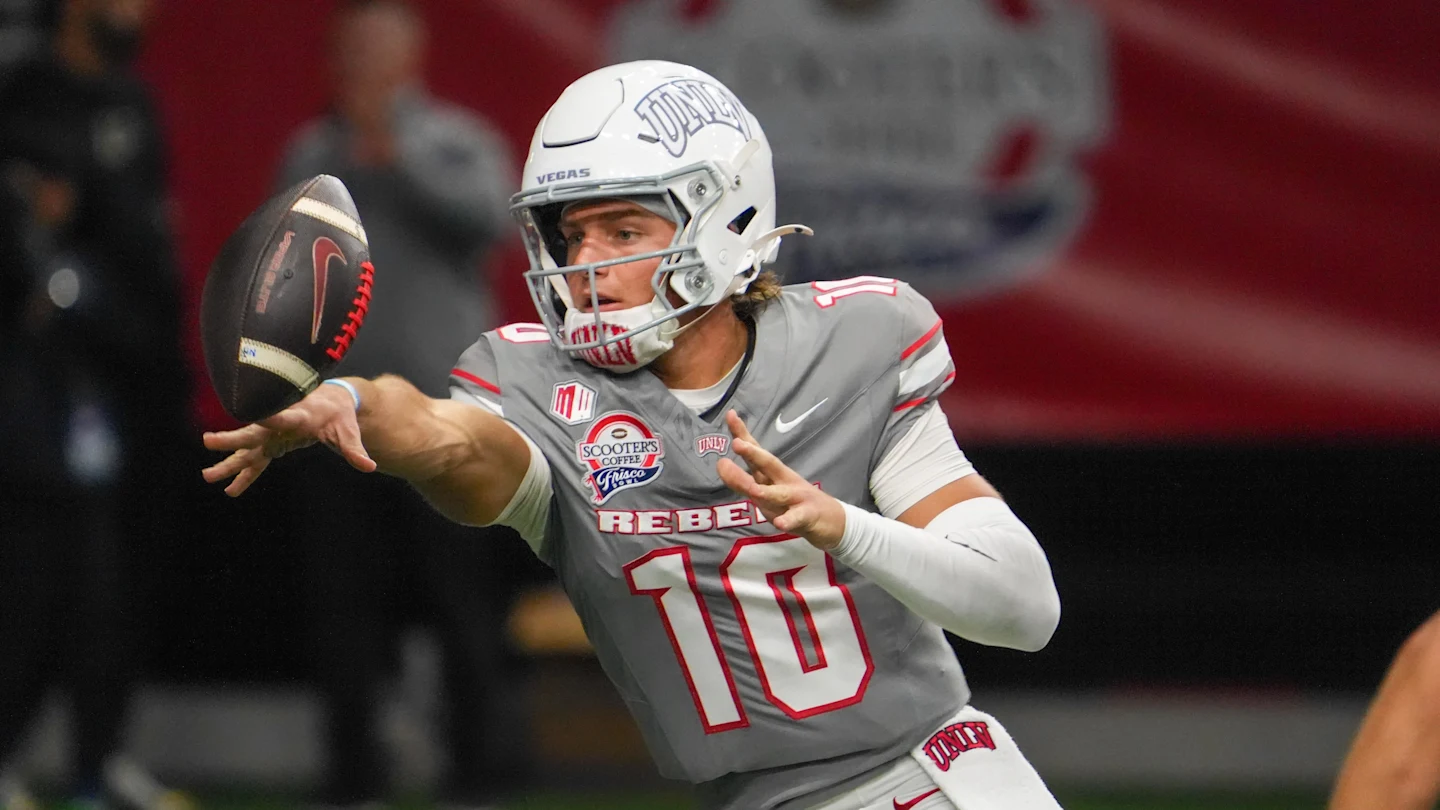
One quarterback who will depart from a Group of Five school when the transfer portal opens is UNLV starter Anthony Colandrea. He will have one season of eligibility remaining at his third school.
One school of interest that has emerged for Colandrea since he decided to leave UNLV is Florida State.
Pete Nakos of On3 reported that Florida State is interested in Colandrea as its starter in 2026.
Should Colandrea transfer to Florida State for the 2026 football season, he would join a growing number of quarterbacks who have transferred to the Seminoles in the last five seasons.
James Blackman was the last quarterback recruited out of high school to start at the beginning of a season for Florida State all the way back in 2020. Since Blackman, Mike Norvell has added Jordan Travis (Louisville), DJ Uiagelelei (Clemson and Oregon State), and Tommy Castellanos (Boston College) from the transfer portal to the Seminoles.

The 6-foot, 205-pounder began his college football journey with Tony Elliott at Virginia in 2023. Tony Muskett started that season at quarterback, but a combination of injuries and inconsistency gave Colandrea the opportunity to play in seven games. He threw for 1,958 yards, 13 touchdowns and nine interceptions while rushing for 225 yards.
Colandrea played in 11 of the Cavaliers’ 12 games in the 2024 season. He passed for 2,125 yards, 13 touchdowns and 11 interceptions while rushing for 277 yards and two touchdowns. He transferred to UNLV the following offseason.
The Rebels gave Colandrea the starting role over Michigan transfer Alex Orji after the first game. Colandrea passed for 3,459 yards, 23 touchdowns and nine interceptions while accumulating 649 yards and 10 touchdowns on the ground. He guided UNLV to a 10-win season, a Mountain West Championship appearance and an appearance in the Scooter’s Coffee Frisco Bowl.
Colandrea received Mountain West Player of the Year and All-Mountain West First Team distinction for his heroics in 2025.
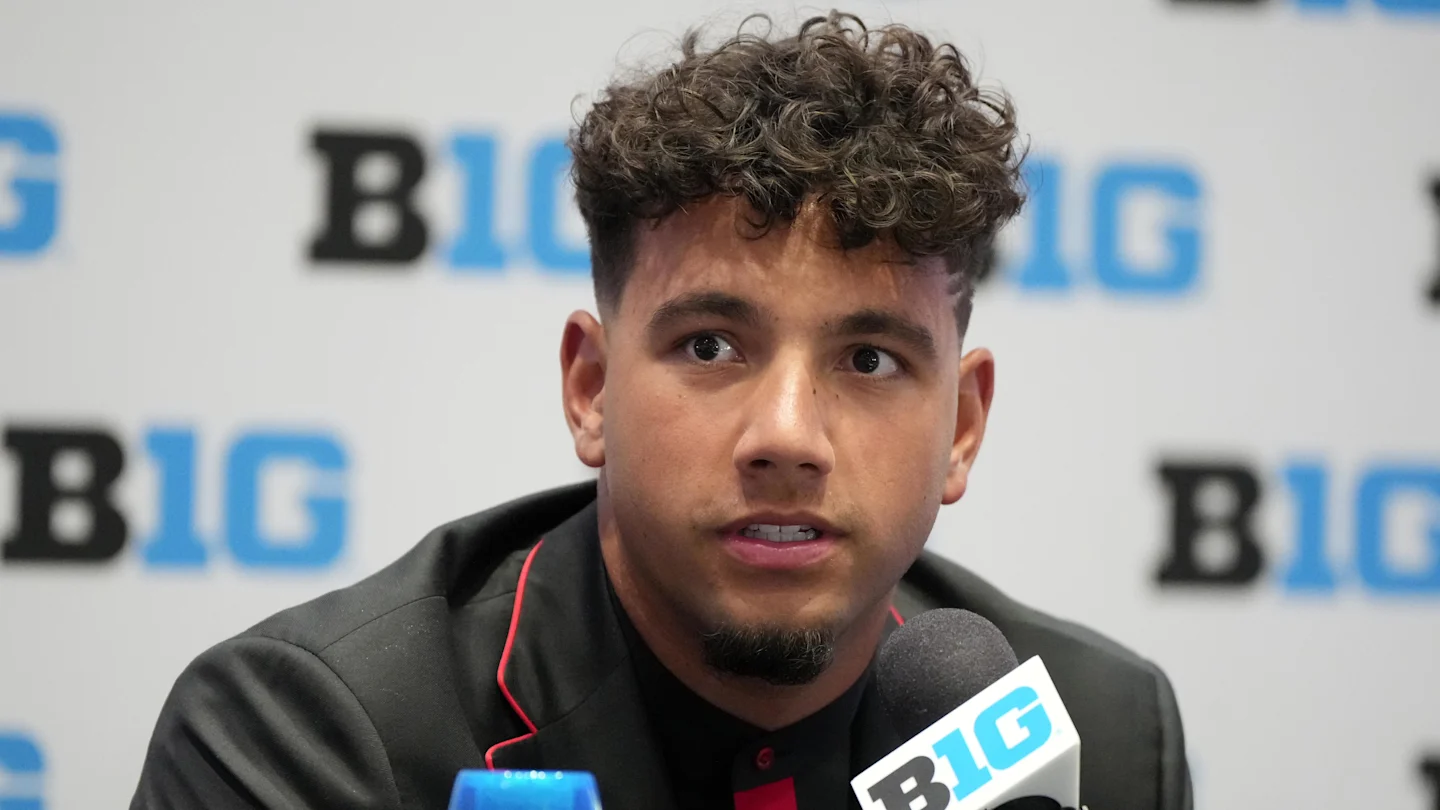
Fox Sports college football analyst RJ Young delivered a harsh assessment of a high-profile quarterback who holds a $2.5 million NIL valuation from On3. This signal-caller recently decided to enter the transfer portal, a move that sparked significant conversation regarding loyalty and team building in the modern era. Young suggests the decision transforms the player from a program cornerstone into a temporary asset.
The analyst noted that the athlete’s next destination will likely view him as a transient piece rather than a long-term solution. This contrasts sharply with the fanbase he is leaving behind because they believed he would play a central role in restoring their program to national title contention.
The quarterback had originally arrived with immense expectations and family ties that carried unique prestige at his former school.
Young argued that the player had everything he requested at his previous stop, including a relative on the coaching staff. By exiting the program now, the standout leaves behind an unfinished job regarding a College Football Playoff invitation despite helping the team reach its first bowl game in eight years.
Analyst details financial, competitive implications of transfer decision
The subject of this scrutiny is Nebraska Cornhuskers quarterback Dylan Raiola. He famously flipped his commitment from the Georgia Bulldogs and the Ohio State Buckeyes before landing in Lincoln. Young’s critique centered on the shift in how Raiola will be perceived moving forward.
“Wherever he lands next will greet him as a rental, unlike Huskers fans who believed he would play a large role in their return to national title contention,” Young said.
The analyst emphasized the unique situation Raiola abandoned.

“Raiola had everything he asked for at Nebraska,” Young said. “As a legacy with an uncle coaching the offensive line, his name carries a prestige in Lincoln that it does not anywhere else in the country.”
Fox Sports college football analyst Laken Litman also weighed in on the situation. She noted the massive expectations placed on the young passer when he arrived on campus.
“The 6-foot-3, 230-pound quarterback was supposed to be the star that would lead Nebraska’s resurgence alongside head coach Matt Rhule,” Litman said.
Raiola started as a freshman and threw for 2,819 yards in 2024. However, his second season did not go exactly as planned after he broke his leg against the USC Trojans. Litman pointed out that external factors likely influenced the departure.
“However, this year didn’t go as planned,” Litman said. “He broke his leg in a loss to USC that sidelined him for the rest of the season, and then couple that with Nebraska firing its offensive line coach, who is his uncle, and his brother de-committing from the 2026 recruiting class, and the decision starts making sense.”

Young added that the initial excitement blinded many to the quarterback’s history of movement.
“The admiration Cornhuskers fans laid on Raiola allowed many Nebraska fans to forget he transferred programs twice in high school and flipped his commitment three times as a prep player,” Young said. “Because his decision to play for the Huskers felt like the one that would stick.”
The Cornhuskers will face the Utah Utes in the SRS Distribution Las Vegas Bowl on Dec. 31 at 10:30 p.m. ET on ESPN.
Read more on College Football HQ
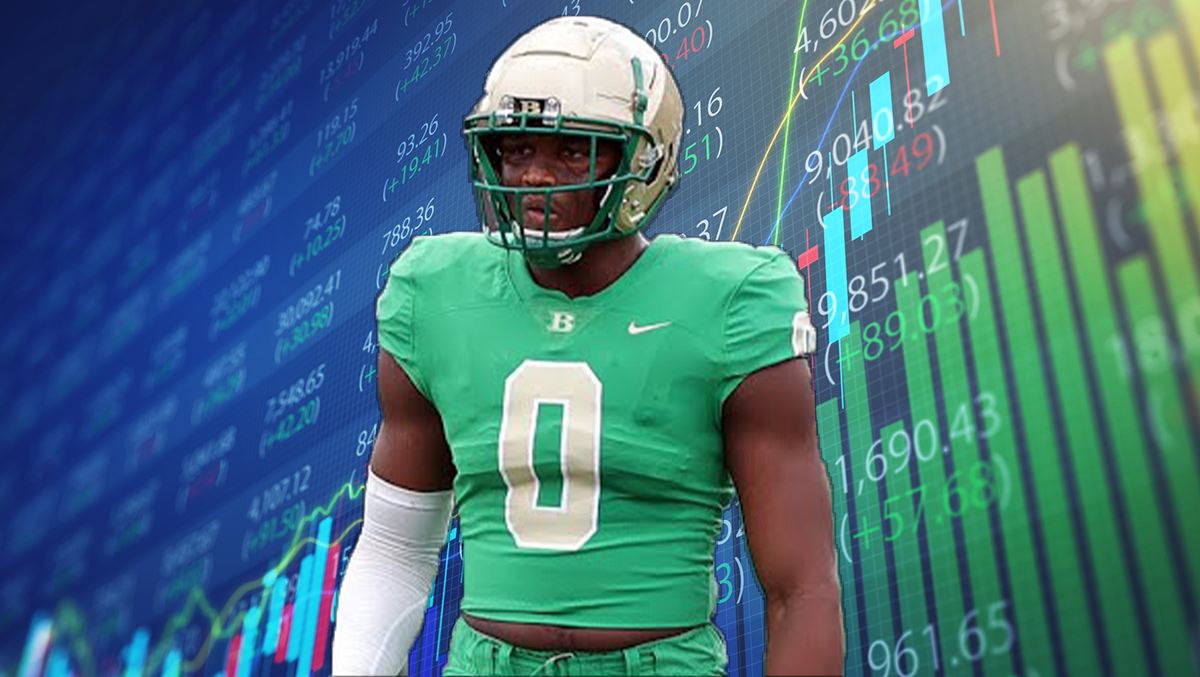
Let’s face it, college football in today’s day and age is nothing like it was even five years ago.
NIL and the transfer portal have introduced new wrinkles – and headaches – for coaches and programs to have to navigate, so building a roster is as complex as it has ever been.
READ: “College Football Is Sick” With NIL Buyouts And Beyond.
I have often found myself gnashing my teeth over the direction of the sport, but today I decided to focus that energy on how exactly to build a roster in this modern era of college football.
Let’s break this down into some key components.
Follow the NFL Model
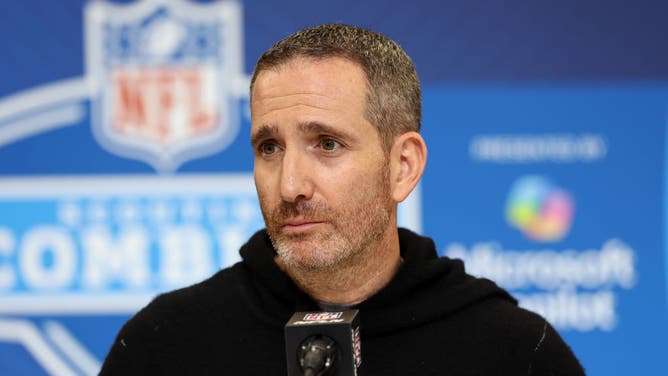
General manager Howie Roseman of the Philadelphia Eagles. (Photo by Stacy Revere/Getty Images)
It’s not a new development to say that college football is becoming more like the NFL.
With new roles like general manager being created to help deal with the transient and transactional nature of the college game, more and more schools are starting to treat their rosters like NFL operations.
That means abandoning the outdated idea of an 85-man scholarship roster and instead viewing it as a 53-man roster.
Gone are the days of stacking and shelving five-star talent just to keep them waiting in the wings. Most teams are realistically operating with a two-deep at most positions, with the occasional three-deep at high-attrition spots (think trenches).
In reality, you’re paying big money to roughly 35–45 players. Think of the rest as cost-controlled development.
Recruiting now functions more like a draft: cheaper, unproven talent you hope will provide depth and develop without immediately chasing a payday elsewhere.
Which brings us to money.
Budget Allocation and the Tier System
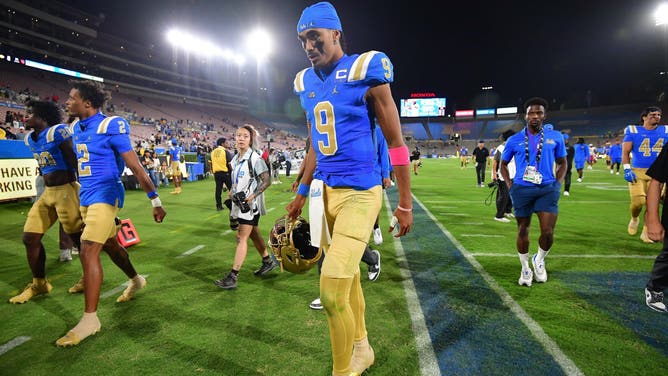
UCLA quarterback Nico Iamaleava. Mandatory Credit: Gary A. Vasquez-Imagn Images
The average Power Four football budget — combining revenue sharing, boosters, and collectives — now sits north of $25 million.
That number is only going up, but for now, it’s a clean baseline.
READ: NIL Wars Between SEC And Big Ten.
The question becomes how to allocate that money without overspending on one player or undervaluing another.
Many general managers use a tier system rooted in NFL positional value, and since college football is mirroring the pros more each year, it makes sense to adopt it.
Tier One
- Starting quarterback
- Edge rusher
- Left tackle
- Cornerback
- X receiver
You could argue WR1 and CB1 sit in a Tier 1.5, but the idea is simple: quarterback is king, and the next most important positions are those that protect your QB and hunt the opposing one.
Tier Two
- Starting running back
- Slot receiver
- Backup quarterback
- Interior offensive and defensive linemen
Linebackers and safeties likely fall into Tier 2.5, if we’re splitting hairs.
A note on running backs: unless you’re dealing with a truly special player (think Saquon Barkley), they sit near the bottom of Tier Two. Their positional value just isn’t very high in today’s game and they wear down quicker than most other positions.
Tier Three
This is a developmental and depth tier, and where a lot of your high school recruiting budget should be spent outside five-star or top-100 high school talent (think low four-star and high three-star players who could develop into quality starters).
Tier Three is where a staff that is great at identifying and evaluating talent earns its pay; anyone can tell you a five-star WR will be a monster, but can you pick out the three-star kid and make him the next Puka Nacua?
Spending Breakdown
Now that we have our position groups identified, it’s time to breakdown where that money will go.
If we stick to the $25 million budget, it would look a little something like this:
Tier One is where roughly half of your funds will go ($11.25 million).
A QB gets 18% of the budget in the NFL, and it’s no different in college, as a high-level P4 starter will pull down a minimum of $3 million, more than likely 4.
Having an elite QB is almost a non-negotiable, but an elite edge rusher and left tackle is almost as important.
You’re probably going to end up spending $1.5 million on two game-wrecking edge rushers and a brick wall at left tackle.
A true WR1 that every defensive coordinator has to game plan for and lose sleep over will also fetch north of $1 million, as will a lockdown CB1.
From there, Tier Two gets a little under $9 million to play with, with your slot receivers and interior linemen eating most of the budget there just through quantity alone.
Tier Three is going to cost around $3–4 million and will be allocated to roughly 40% of your roster, so a lot of these guys will be cheaper depth pieces and younger developmental players.
It seems gross to breakdown college athletes based on what they are worth, but that is just the world we live in these days.
Recruiting vs. Transfer Portal
Finally, we get to my favorite part of the experiment: talent acquisition.
Those of you that are recruiting freaks like myself will be happy to know high school talent acquisition still plays a big role in building a roster, but the transfer portal is vital to any successful college program.
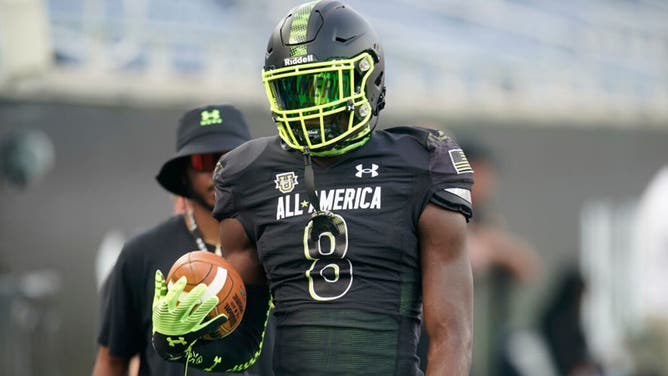
Your high school recruiting philosophy should prioritize Tier One players with super high upside, meaning you should spend on five-star and top-100 level quarterbacks, edge rushers, left tackles, and CB/WR1s.
Other players like interior linemen, safeties, and linebackers should still be recruited out of high school, but you shouldn’t reach for a high-priced talent when a kid who is 80% as good comes at half the cost.
When it comes to the transfer portal, treat it like free agency.
One-year rentals are fine, and you should never portal for depth. This should be to fill glaring holes on the roster.
Tier One is the priority in the portal, especially if you are deficient at a spot like tackle, edge rusher, or receiver.
By having a healthy balance of high school recruiting and the portal (probably a 70-30 split for programs with strong NIL), you can prevent your roster from hollowing out.
And there you have it!
NIL and the transfer portal have made college football almost unrecognizable, and I hate it, but if your team starts to adapt to the new model, they should be fine.
You will start to see more and more teams adapt a model that is similar to the NFL, and although that makes me sad to see, it doesn’t mean college football is mirroring the NFL, rather, it is just mirroring the NFL’s positional value structure.
Hang in there, college football fans. The sport is getting weirder by the day, so let’s all just weather the storm at this point.

CFB Betting Report: Action on Standalone Playoff Games Reaching NFL Heights

Previewing the quarterfinal round of the College Football Playoff

Toyota to Debut GR Corolla Rally Car as Second Manufacturer Team in ARA’s 2026 Season

William Byron 2025 season in review: Third-straight Championship 4 appearance caps another strong year

‘Dumbest Thing in the World,’ CFB Agent Reacts to Transfer Portal Changes amid NIL

4,000-yard QB heavily linked to major college football program in transfer portal

Joseph Studeny – Butler Eagle

LOVB Nebraska ready to serve up Season 2 in League One Volleyball

‘It’s for everyone’: Phantoms youth program promotes girls’ involvement in the sport | Homepage Top Stories

Aaron Rodgers Gave This $20K Christmas Gift to Steelers’ Offensive Linemen

$2.5 million QB dealt reality check after decision to enter transfer portal

Texas A&M volleyball champion Logan Lednicky sets program record

Dale Earnhardt Jr.’s ex-rival shares hope after humbling – Motorsport – Sports

How To Build A Competitive College Football Roster In The NIL Era

How the issue of dual participation created a rift in Alaska’s youth hockey community

SoundGear Named Entitlement Sponsor of Spears CARS Tour Southwest Opener

Jo Shimoda Undergoes Back Surgery

Black Bear Revises Recording Policies After Rulebook Language Surfaces via Lever

Donny Schatz finds new home for 2026, inks full-time deal with CJB Motorsports – InForum

Bowl Projections: ESPN predicts 12-team College Football Playoff bracket, full bowl slate after Week 14

Robert “Bobby” Lewis Hardin, 56

How this startup (and a KC sports icon) turned young players into card-carrying legends overnight

How Donald Trump became FIFA’s ‘soccer president’ long before World Cup draw

Men’s and Women’s Track and Field Release 2026 Indoor Schedule with Opener Slated for December 6 at Home

David Blitzer, Harris Blitzer Sports & Entertainment
Wisconsin volleyball sweeps Minnesota with ease in ranked rivalry win

Michael Jordan’s fight against NASCAR heads to court, could shake up motorsports

Pohlman admits ‘there might be some spats’ as he pushes to get Kyle Busch winning again

JR Motorsports Confirms Death Of NASCAR Veteran Michael Annett At Age 39

Increased Purses, 19 Different Tracks Highlight 2026 Great Lakes Super Sprints Schedule – Speedway Digest






-
 Motorsports2 weeks ago
SoundGear Named Entitlement Sponsor of Spears CARS Tour Southwest Opener
-
 Motorsports3 weeks ago
Donny Schatz finds new home for 2026, inks full-time deal with CJB Motorsports – InForum
-
 Rec Sports3 weeks ago
David Blitzer, Harris Blitzer Sports & Entertainment
-
 Motorsports3 weeks ago
Rick Ware Racing switching to Chevrolet for 2026
-

 NIL2 weeks ago
DeSantis Talks College Football, Calls for Reforms to NIL and Transfer Portal · The Floridian
-
 Sports2 weeks ago
#11 Volleyball Practices, Then Meets Media Prior to #2 Kentucky Match
-

 Technology3 weeks ago
Wearable Gaming Accessories Market Growth Outlook
-

 Motorsports2 weeks ago
Sunoco to sponsor No. 8 Ganassi Honda IndyCar in multi-year deal
-
 Motorsports3 weeks ago
NASCAR owes $364.7M to teams in antitrust case
-
 Rec Sports3 weeks ago
Why the Texas Sport for Healing Fund Should Return – The Daily Texan