
NIL
The evolving landscape of college athlete pay


Cat Flood recounted the DM she got from the Pennsylvania Beef Council around two years ago that started her down the road of cashing in on college volleyball stardom. The nonprofit wanted her to promote its mission of “building beef and veal demand with consumers of all ages.”
She recorded a series of videos for her Instagram, one of which got over a million views. In the post, she invited followers along a day in her life — notably, eating jerky for her first snack, steak for lunch and later on, more jerky. The council paid her $1,000.
Deals like this are commonplace in today’s college athletics landscape, where for four years, athletes have been profiting from use of their name, image and likeness [NIL].
“NIL made us all influencers,” Flood said.
As one of the University of Pittsburgh’s most popular athletes, Flood — who recently graduated — benefited from NIL deals, averaging one or two a month, and saw how their introduction changed the nature of college sports.
And more change is on the horizon with the June 6 approval of a landmark NCAA settlement letting colleges pay their athletes that takes effect July 1. Universities in the former Power Five conferences (recently reduced to four), including Pitt and Penn State, will each have to split $20.5 million annually between players for a decade. The yearly amount will increase incrementally.
While the settlement ushers in more money for athletes, it’s unlikely to be spread evenly, and certain NIL deals will be scrutinized for the first time. Uncertainty about how the millions will be distributed and exactly how the settlement terms will be enforced has rattled college athletes and spurred state lawmakers alike.
PublicSource spoke to several athletes, state representatives and NIL experts about their thoughts on the second big change in compensation in just this decade. Here’s what they had to say.
Antonio Epps, Duquesne University
School division: Division I, outside of Power 4 conferences
Year: Senior
Sport: Football
Recent NIL deal: None
Dream NIL deal: Pizza Hut

Before NIL came into play, Epps said, “there was always talk about how being a college athlete was very similar to working a 9-5, in a sense.”
He was a sophomore when the NCAA allowed athletes to have NIL deals and became a part of Duquesne’s Red and Blue NIL collective. Through this, he’s able to make money from merch and generally feels NIL has been a good thing.
“It can help out a lot of people who didn’t have as much money coming into college,” he said.
Duquesne is one of the schools that can choose to opt into sharing a portion of their athletics department revenue with athletes, but isn’t required to do so.
A university spokesperson confirmed that Duquesne is opting in.
Epps said that although the conversation has been about athletes, they’re being left in the dark when it comes to understanding what impact this will have on them.
“A lot of the conversations that happen, happen around us, but a lot of us are not told the [parameters] of what is being said.”
When the NIL policy first went into effect in 2021, it was expected that money would largely come from endorsement rights opportunities — think brand deals like Flood’s Pennsylvania Beef Council posts. Then collectives emerged, said University of Illinois labor and law professor Michael LeRoy.
Collectives are groups that pool donations to pay athletes for use of their NIL, while facilitating deals for them. While these are usually school-specific, they’re operated independently, though there’s often some level of collaboration with the college.
Once athletes sign contracts with collectives, there’s an expectation that they’ll get paid, but which players are paid and how much is up to the discretion of the collective’s head. Last fall, the founder of Pitt’s collective, Alliance 412, along with the university’s football coach, stopped paying all members of the team, instead compensating only some to incentivize better performance.
The NCAA settlement retains a longstanding ban on compensation solely related to athletic performance or participation. Nonetheless, the NIL system has been called “pay for play,” because it seemingly rewards performance in many cases.
“There’s so much pent-up demand among supporters and the businesses … neither the laws nor the rules have caught up with the market supply of NIL money for athletes,” LeRoy said.
A majority of NIL funds come from collectives, not endorsements, sponsorships or appearances, according to Philadelphia-based NIL agent and attorney Stephen Vanyo. When he’s looking at contracts with collectives for clients, he said a player’s NIL value is being assessed based on what they will bring to a team. This is subjective, but factors include stats and social media following.
None of the athletes PublicSource interviewed disclosed their NIL values. Some of them did not have the figures.
LeRoy, who has researched NIL earnings, said that men outearn women 10:1 in deals, with the most money going to men’s football and basketball players. The settlement is expected to do little to remedy this, opening the doors for lawsuits against schools under Title IX, which requires schools to provide equal financial assistance opportunities to men and women athletes.
With no stipulations on how colleges have to divvy up the $20.5 million, experts have predicted that as much as 70-90% will go to men’s football, men’s basketball and women’s basketball, in that order.
Cat Flood, University of Pittsburgh
School division: Division I, ACC
Year: Graduated in 2025
Sport: Volleyball
Recent NIL deal: Saxbys
Dream NIL deal: World Wildlife Fund or Free People

Last year, Pitt’s volleyball team was ranked third in the country by the NCAA, finishing the 2024-2025 season 33-2.
Flood joined the team in 2020 after one visit to a university volleyball clinic. “I fell in love with it on the spot,” she said.
Recruiting, to her, was all about considering, “Where am I going to have the best four years?” not where she could get the most money in NIL deals. She never joined Alliance 412.
“I didn’t love the idea of NIL, I had seen what it had done to a lot of players,” she said. “They were playing for the money, they were transferring for the money.” She preferred to use NIL to promote local businesses in mutually beneficial, ethical arrangements.
However, after the volleyball team’s continued success, she began to regret not taking NIL more seriously. She saw NIL funds flowing to men’s football and men’s basketball, which she believed was fair due to viewership. But she noted that despite her squad being “the best team at the university … the women’s side was getting nothing.”
With players now getting paid a portion of the revenue that college athletics departments receive, she wants to see women’s volleyball benefit.
“I hope that we bark up some NIL trees.”
In the year it’s taken for the settlement terms to be negotiated and finalized, schools have prepared to start paying athletes. One way was by presenting recruits with NIL contracts that would only become effective after the settlement’s approval.
Alex Guminiski, a Pittsburgh-based NIL agent and attorney, has seen over 20 of these so far — some for Pitt recruits — but due to confidentiality clauses, couldn’t give more details. He stressed, though, that “it’s not pay for play,” but rather “licensing deals.”
“The school is asking the player to grant the school the license to use their NIL in all sorts of media,” Guminiski said.
LeRoy, the professor who obtained similar contracts from schools in the Big Ten and SEC conferences, said players are being asked to give away “an irrevocable right” to their collegiate NIL. These terms aren’t negotiable, he added.
“They are going to be paid for this, and in many cases, paid well. But again, people likely don’t know what they’re signing.”
LeRoy worries about the exploitation of athletes, especially those without an agent. He sees these contracts as a way to sidestep the perennial question of whether college athletes are employees of the schools they play for — another area many experts believe will play out in the courts.
Vanyo called the settlement “another half measure” because of the legal challenges it is likely to ignite. He said the only sustainable solution for stabilizing the industry is to allow athletes to unionize and collectively bargain, as players in professional leagues do. Then, there’d be what he described as a “semblance of fairness.”
“It’s the only thing we’ve seen work in the American sports model,” he said.
Ryan Prather Jr., Robert Morris University
School division: Division I, outside of Power 4 conferences
Year: Junior
Sport: Basketball
Recent NIL deal: C4 Energy
Dream NIL deal: Nike

Ryan Prather Jr. has had a long journey to Pittsburgh. After playing at the University of Akron through his first two years of college, he decided to transfer and commit to RMU in 2024.
“I wanted somewhere I could go and showcase what I could do,” he said.
He changed schools in part to be closer to home and family, but also due to the opportunities he could envision. After transferring, he joined RomoRise, an NIL collective specifically for RMU students, and has taken advantage of the deals presented to him.
As the settlement is sure to prompt changes to deals, Prather said, “It definitely has an effect on anyone who’s trying to play in college … they come in with a certain amount in their head.”
Prather said he understood the benefit of college athletes getting paid to do what they love. “The money helps you out in the long run because if you use up your money and save it up and invest, you can start early rather than waiting until after college for your career to get started.”
The downside: “It’s kind of hard at the same time because no team is going to stick with each other.” With teams changing every year due to players leaving, it can be difficult to produce a cohesive team environment.
“More money doesn’t always mean a better situation.”
The NCAA has been trying to wrangle what it views as an out-of-control stream of money going to athletes via NIL deals over the past few years, in part because athletes are transferring schools at record numbers, which some believe is due to money offered by collectives.
Under the settlement’s rules, third-party NIL deals valued at or above $600 will be reported to a clearinghouse run by consulting firm Deloitte. The goal, LeRoy said, is to regulate the market.
The clearinghouse will determine if deals fall under “pay for play” and evaluate their fair market values. Deals have to be approved before an athlete can receive the funds.
Little is known about the specific criteria needed for compliance, but experts told PublicSource that there isn’t a set fair market value for any NIL deal, and trying to determine one is next to impossible.
Vanyo said fair market value in the industry is simply “what somebody’s willing to pay.”
“In no other industry do we have … a clearinghouse that then says, ‘OK, this is a fair salary,’” he continued.
Some experts describe the clearinghouse as a way to scale back how much some athletes are earning.
“While nobody knows for sure how this is going to come out, the clear implication is that most of the NIL deals, particularly in men’s revenue sports — football and men’s basketball — will not be accepted as fair market value,” LeRoy said. A new College Sports Commission, separate from the NCAA, could then reject such deals.
It’s been reported that Deloitte officials said 70% of past deals from collectives would be rejected under the clearinghouse.
Unsurprisingly, legal challenges by those with rejected deals are expected to follow.
Aurielle Brunner, Chatham University
School division: Division III, Presidents’ Athletic Conference
Year: Graduated in 2025
Sport: Track and field, Soccer, Basketball
Recent NIL deal: P3R, a local event management organization
Dream NIL deal: Nike

Brunner believes college athletes are valued professionals and views the settlement as a “huge step for sports.”
She holds 10 All-American awards for her track and field success. As Chatham University’s most decorated athlete of all time, she quickly stood out in the local college sports scene and became one of the school’s first players to secure an NIL deal.
She’s part of an NIL Athlete program with the Pittsburgh-based sports event planners P3R, which spotlights players in underrepresented sports to advance the company’s mission to “keep Pittsburgh moving.”
Brunner said NIL opportunities are “a great way to get college athletes out there and into the world.”
Her role involves filming a monthly video sharing workouts, answering fan questions and talking about her accomplishments. For this, she receives $500 a year.
“Any amount was great for a college athlete playing three sports,” said Brunner.
She’s very aware of the disparity between athletes’ earnings and isn’t a fan of the clearinghouse and tighter NIL deal regulations introduced by the settlement. While Division III schools aren’t included, she’s confident that some of the funding changes will trickle down.
Several state legislatures have passed bills aimed at making it easier for athletes and schools to navigate the new revenue-sharing model.
Days before the settlement was finalized, three Pennsylvania House representatives introduced legislation targeting NIL earnings. Rep. Aerion Andrew Abney, whose district includes Pitt’s Oakland campus, said his bill would put the state on par with others that have prohibited the NCAA’s compensation limits on money from NIL collectives.
He said the bill would allow schools in the state “to have the same type of, if not more, of a competitive edge” than those in neighboring states by protecting student athletes against exploitation. As a trustee on Pitt’s board, he sent the legislation to the university for review.
Across the aisle, House Republican Leader Rep. Jesse Topper, of Bedford and Fulton counties, and Rep. Perry Stambaugh, R-Juniata and Perry counties, issued a memo highlighting their forthcoming legislation that aims to develop long-term financial security for college athletes. Their bill would require schools to provide financial literacy courses to players and offer them the opportunity to put NIL earnings in trust accounts.
“We do need to bring a little order,” said Topper, to what he called the “Wild, Wild West” of NIL.
“We see what’s going on with the courts. The more that we can as public policymakers set rules and guidelines through policy, the less uncertainty that’s out there,” he said.
When interviewed by PublicSource, neither Topper nor Abney had seen the other’s legislation. Abney said he shared his bill with the Republicans and was positive that there would be something to glean from both, as the legislature also tries to finalize a budget.
“At the end of the day, there’s got to be something in … their legislation and my legislation that we can, during this budget negotiation, find a solution to this topic.”
Maddy Franklin reports on higher ed for PublicSource, in partnership with Open Campus, and can be reached at madison@publicsource.org.
Ayla Saeed is an editorial intern at PublicSource and can be reached at ayla@publicsource.org.
This story was fact-checked by Jake Vasilias.


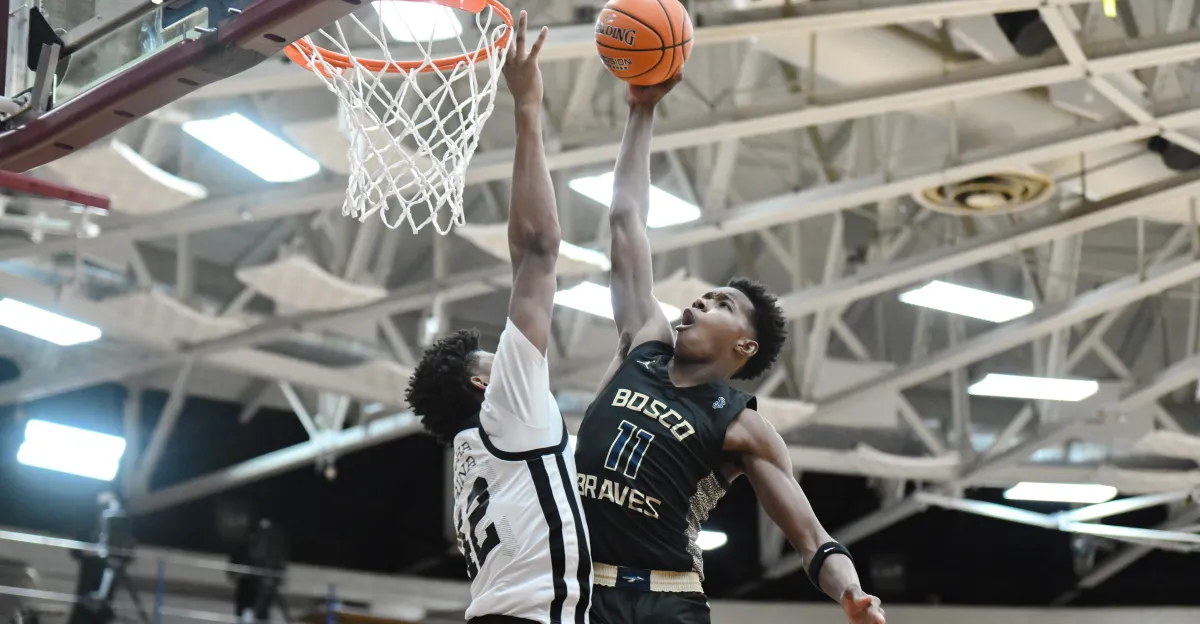
Collins, a 6-foot-8, 200-pound forward from Bellflower, California, is widely regarded as one of the premier frontcourt prospects in the country. His blend of athleticism, scoring ability, and defensive versatility made him a major priority for Kentucky head coach Mark Pope and his staff as they work to build future recruiting classes.
According to Jacob Polacheck of KSR, Collins’ recruitment is being heavily influenced by NIL structure and contract details, a growing trend at the top of the recruiting landscape. That reality was addressed publicly earlier this month by Kentucky athletic director Mitch Barnhart during Will Stein’s introductory press conference as the Wildcats’ new football head coach.
Barnhart pushed back strongly against the perception that Kentucky is at an NIL disadvantage, saying, “Enough about ‘have we got enough?’ We’ve got enough.” He also emphasized that Kentucky will not compromise its standards to land recruits. “We’ve got to do it the right way,” Barnhart said. “We’re not going to break the rules. That’s flat-out.”
While Kentucky no longer holds a crystal ball prediction for Collins, the Wildcats are not out of the race. However, his recruitment now appears far more fluid, underscoring the increasingly complex balance between elite talent, NIL expectations, and long-term program philosophy in modern college basketball.
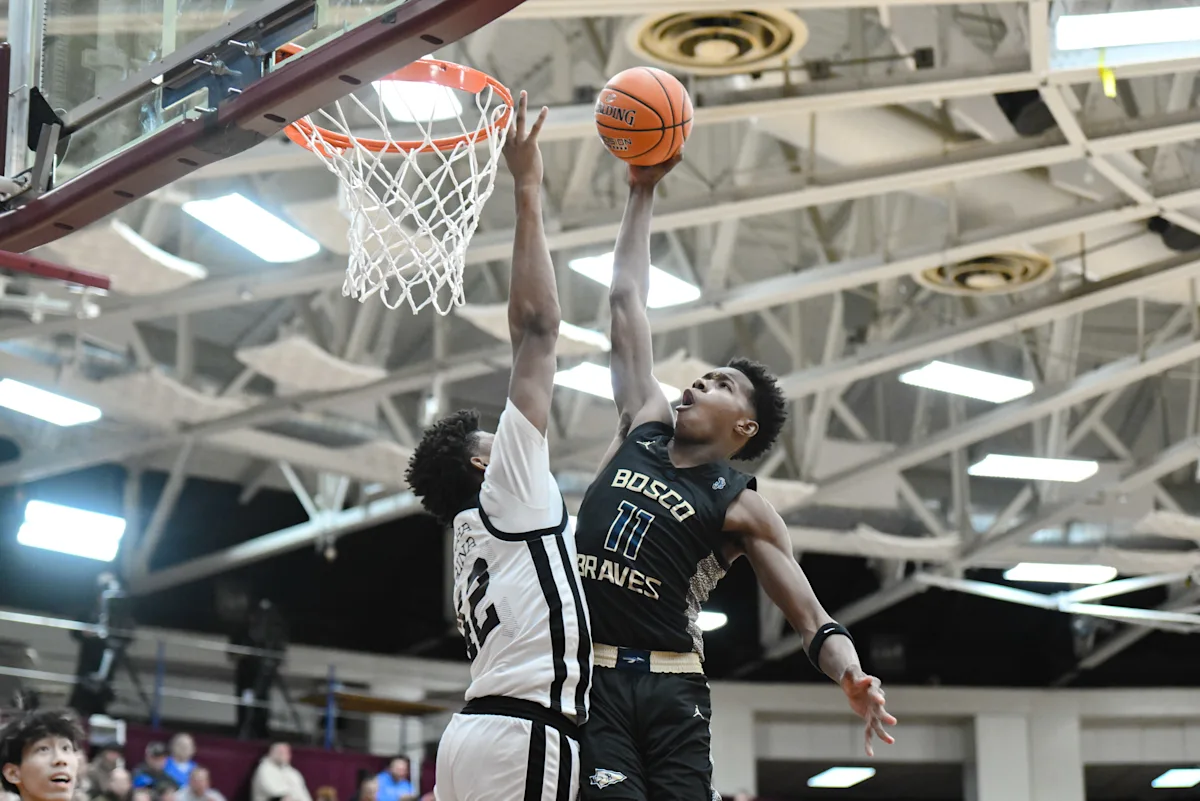
Kentucky Basketball suffered a notable recruiting setback this week as 247 Sports national analyst Travis Branham removed his crystal ball prediction for the Wildcats to land class of 2026 5-star power forward Christian Collins. Branham originally placed the prediction in early November, fueling optimism that Collins could commit to Kentucky as the early national signing period approached. That announcement never came, and momentum has since cooled.
Collins, a 6-foot-8, 200-pound forward from Bellflower, California, is widely regarded as one of the premier frontcourt prospects in the country. His blend of athleticism, scoring ability, and defensive versatility made him a major priority for Kentucky head coach Mark Pope and his staff as they work to build future recruiting classes.
Advertisement
According to Jacob Polacheck of KSR, Collins’ recruitment is being heavily influenced by NIL structure and contract details, a growing trend at the top of the recruiting landscape. That reality was addressed publicly earlier this month by Kentucky athletic director Mitch Barnhart during Will Stein’s introductory press conference as the Wildcats’ new football head coach.
Barnhart pushed back strongly against the perception that Kentucky is at an NIL disadvantage, saying, “Enough about ‘have we got enough?’ We’ve got enough.” He also emphasized that Kentucky will not compromise its standards to land recruits. “We’ve got to do it the right way,” Barnhart said. “We’re not going to break the rules. That’s flat-out.”
While Kentucky no longer holds a crystal ball prediction for Collins, the Wildcats are not out of the race. However, his recruitment now appears far more fluid, underscoring the increasingly complex balance between elite talent, NIL expectations, and long-term program philosophy in modern college basketball.

Less than two months after announcing his intention to run for lieutenant governor in Alabama, former three-time national champion Crimson Tide quarterback AJ McCarron has announced he will exit the race.
McCarron is seeking to rededicate himself to football, an effort that will require “100% of my focus, commitment, and attention that I was to give to the office of lieutenant governor, so it is time to end my campaign,” he said in a statement.
A historic career at Alabama
McCarron led the Crimson Tide to back-to-back BCS national championships in 2011 and 2012 and was part of the national title team as a redshirt player in 2009.
A native of Mobile, the quarterback became the first player at his position to win consecutive BCS titles and also received several of college football’s more prestigious awards, including the Maxwell, Johnny Unitas Golden Arm, and Kellen Moore Awards.
As a junior, McCarron established an Alabama record with 30 touchdown passes in a season, and broke Greg McElroy’s former record with 3,063 passing yards in a season during his senior campaign in 2013.
McCarron finished his Alabama career with a 36-4 overall record, completing almost 67 percent of his passes with 77 touchdowns and 15 interceptions.
McCarron in the NFL
The quarterback emerged as a fifth-round selection in the 2014 NFL Draft by the Cincinnati Bengals, playing as a backup for four years.
McCarron spent the next four seasons as a reserve first with the Oakland Raiders, followed by a stint with the Houston Texas, and finally the Atlanta Falcons.
From there, he played in the XFL with the St. Louis Battlehawks, a franchise that then moved to the United Football League.
McCarron’s political ambitions
The former quarterback star was running as a Republican for the second-highest office in his home state, a move he said was inspired by the murder of conservative political activist Charlie Kirk.
“Alabama’s conservative and cultural values are under attack from every direction,” McCarron said in his announcement for office.
“That’s why Charlie Kirk’s assassination affected so many of us so deeply. His example convinced me to get off of the sidelines, get into the game, and stand tall for our conservative beliefs.”
McCarron currently serves as a college football commentator as part of The Dynasty podcast, which he presents with fellow Alabama alum Trent Richardson and Crimson Tide broadcaster Chris Stewart.
More college football from SI: Top 25 Rankings | Schedule | Teams
Follow College Football HQ: Bookmark | Rankings | Picks
Dec. 17, 2025, 1:41 p.m. ET
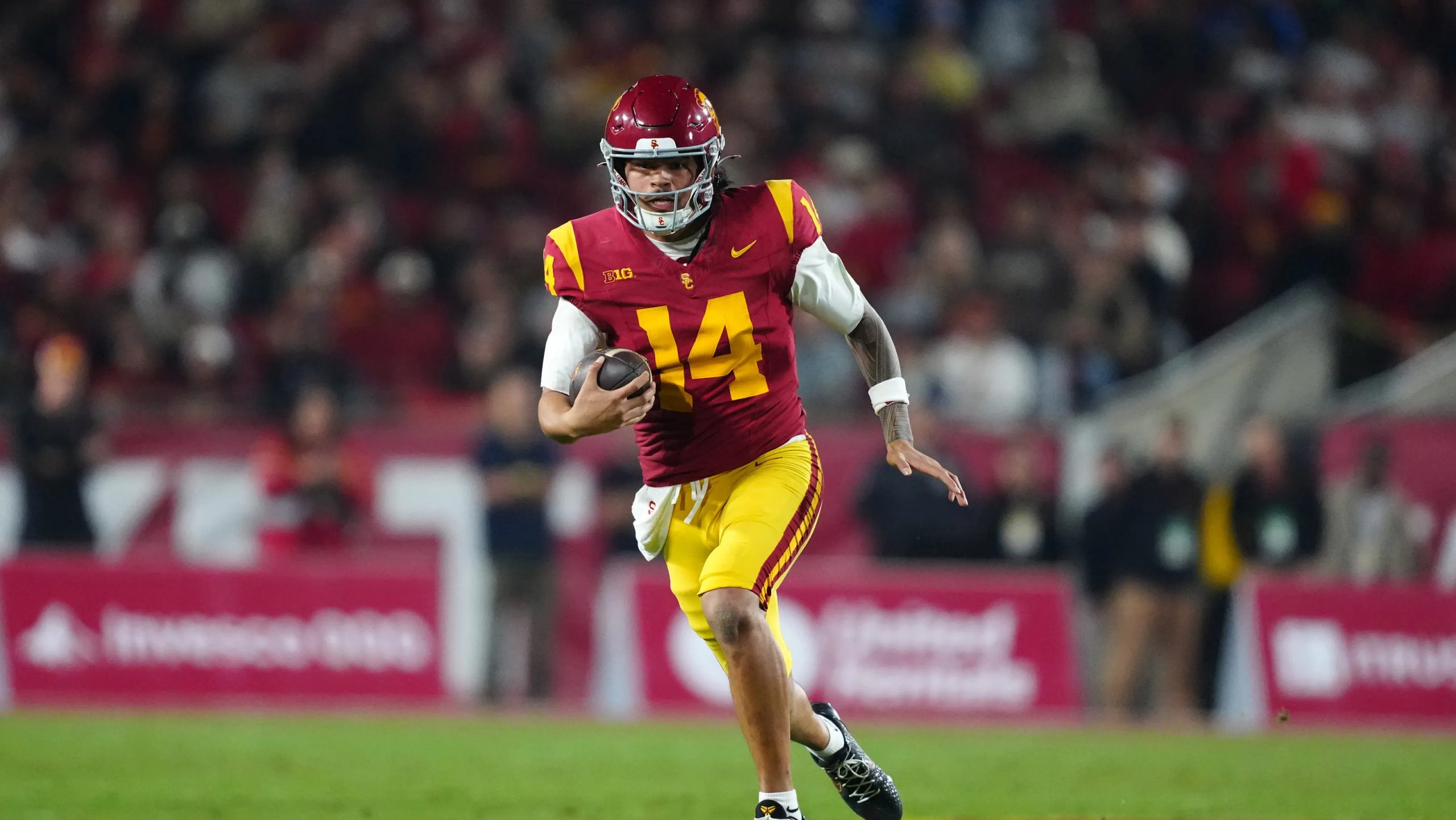
USC will get its starting signal-caller back in 2026.
On Tuesday, the program announced that quarterback Jayden Maiava has signed a new NIL deal to return to the Trojans next season. Maiava, who previously played at UNLV, would have had a significant transfer portal market and also ranked as a top-10 quarterback prospect in the 2026 NFL draft, per ESPN’s Mel Kiper.
Maiava started 11 games at UNLV in 2023 before transferring to USC, where he ultimately lost the starting job to Miller Moss ahead of the 2024 season. However, amid subpar play from Moss, coach Lincoln Riley made a change as he started the final four games.
Though his numbers during that stretch weren’t stellar, he did guide the Trojans to a 3-1 finish to the season.
Riley opted not to take a transfer quarterback this offseason and stuck with Maiava, who started all 12 games in a 9-3 season. He took a major leap, completing 66.2% of his passes for 3,431 yards, 23 touchdowns and eight interceptions.
Maiava also ran for six touchdowns this fall.
He became one of the Big Ten’s top quarterbacks this season, and for the first time since Riley’s second year at USC with Caleb Williams, the Trojans will have a proven, incumbent starting quarterback back in 2026.
Contact/Follow@College_Wire on X and@College_Wires on Threads. Like our page on Facebook to follow ongoing coverage of college sports news, notes, and opinions.
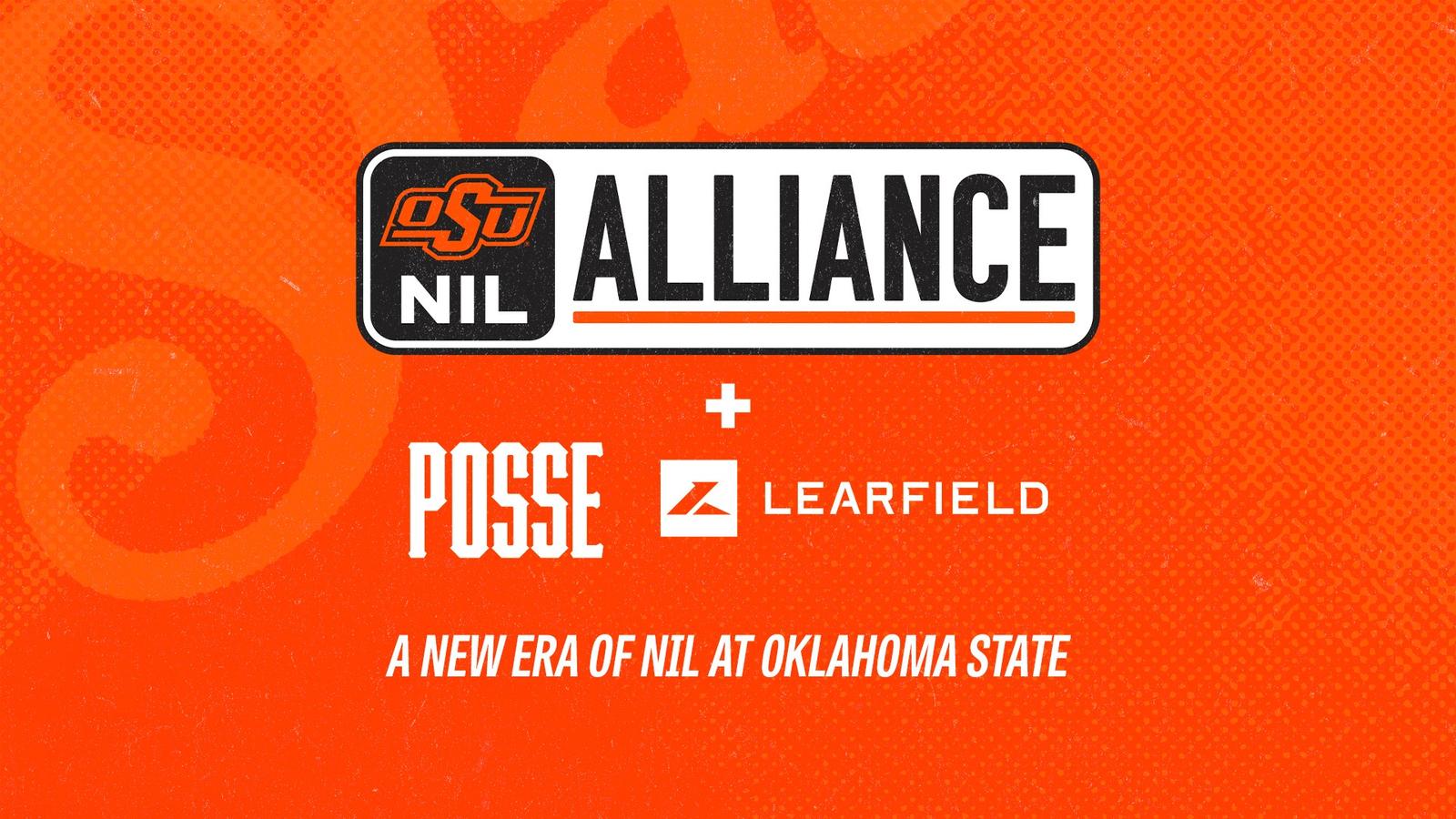
Created to fully-fund revenue share and to grow endorsement opportunities for Oklahoma State student-athletes, The Alliance pairs the POSSE Excellence Fund with Learfield’s Cowboy Sports Properties.
The POSSE Excellence Fund provides more than $31 million in scholarships and revenue share for student-athletes across all of OSU’s ticketed sports. Cowboy Sports Properties integrates NIL opportunities for student-athletes into OSU’s existing sponsorship, media and marketing ecosystem.
“The OSU NIL Alliance will streamline how our supporters can maximize new opportunities for our student-athletes and continue to position OSU for championship-level success.” Athletic Director Chad Weiberg said.
Weiberg appointed Brakston Brock to lead this next step in OSU’s NIL evolution. Brock has climbed the ranks during his six years in Stillwater and now elevates into the role of Senior Associate Athletic Director for NIL Strategy and Revenue Generation.
For more information on the OSU NIL Alliance, visit https://okstate.com/nil.

If Bailey and Rodriguez receive first-team honors Thursday from the final selector, the Football Writers Association of America (FWAA), they would join Mark Bounds (1991), Zach Thomas (1995), Byron Hanspard (1996), Michael Crabtree (2007–08), and Jace Amaro (2013) as Texas Tech’s all-time unanimous All-America selections.
Bailey, an edge rusher, and Rodriguez, a linebacker, were previously named first-team All-Americans by the Walter Camp Football Foundation on Friday, the Associated Press on Monday, and the AFCA on Tuesday. The NCAA will officially recognize its consensus All-America selections on Friday.
Before the 2025 season, 27 Texas Tech players had earned first-team All-America honors, accounting for 49 all-time All-America selections (first-, second-, or third-team). In addition to Bailey and Rodriguez’s first-team recognition, the Associated Press named A.J. Holmes Jr. to its second team and defensive tackle Lee Hunter to its third team on Monday, marking an unprecedented season of national honors for the Red Raiders. Texas Tech’s most recent All-American prior to 2025 was Tyree Wilson, who earned first-team honors in 2022.
Texas Tech, which earned its first bid to the College Football Playoff, will face the winner of the first-round matchup between Oregon and James Madison on Dec. 20. The Red Raiders will play the victor in the CFP quarterfinals on Jan. 1 at the Capital One Orange Bowl.
To view the complete Sporting News All-America first and second teams, visit SportingNews.com.
Sporting News History
Founded in 1934, the Sporting News All-America Team—then awarded by The Sporting News—has long been one of college football’s most respected individual honors. Originally selected by panels of sportswriters, the team later incorporated evaluations from scouts and football observers as the sport evolved. Today, Sporting News is one of the NCAA’s five recognized selectors, with its first-team selections counting toward Consensus and Unanimous All-America status.
– TECH –

Baylor’s Ezekiel one of three finalists for The Bowerman
Three-Time National Champion Sits Atop Women’s Volleyball Postseason Poll

KWHS senior Madyn Waring signs to Oregon State for track & field

NTDP/WNT Athletes Ready to Shine in 2025 NCAA Women’s Volleyball Semifinals

Kentucky Basketball loses recruiting prediction for Christian Collins as NIL looms large

Jimmie Johnson confirms Daytona 500 decision as schedule takes shape – Motorsport – Sports

Three Husker volleyball players make first-team All-America

Motorsports journalist Matt Weaver talks NASCAR lawsuit | Racing Report | Ep. 042

LEGACY MOTOR CLUB Takes NASCAR Spirit to Japan with Toyota, Jimmie Johnson, and John Hunter Nemechek – Speedway Digest

Utah State Volleyball’s Kaylie Kofe Earns AVCA All-American Honorable Mention

Why William Byron Leaned on Chase Elliott When He Was Starting At Hendrick Motorsports

More Sports on the Way: Volleyball joins the Roster of Premier Sport Offerings

Front Row Motorsports Confirms No. 38 Driver for 2026 Truck Series

Kentucky loses recruiting prediction for 5-star forward Christian Collins as NIL looms large

Russia may return to international football after four-year absence in new FIFA youth tournament

First Tee Winter Registration is open

Fargo girl, 13, dies after collapsing during school basketball game – Grand Forks Herald

CPG Brands Like Allegra Are Betting on F1 for the First Time

F1 Las Vegas: Verstappen win, Norris and Piastri DQ tighten 2025 title fight

Volleyball Recaps – November 18

Sycamores unveil 2026 track and field schedule

Two Pro Volleyball Leagues Serve Up Plans for Minnesota Teams

Utah State Announces 2025-26 Indoor Track & Field Schedule

Redemption Means First Pro Stock World Championship for Dallas Glenn

Texas volleyball vs Kentucky game score: Live SEC tournament updates

Jo Shimoda Undergoes Back Surgery

SoundGear Named Entitlement Sponsor of Spears CARS Tour Southwest Opener

Bowl Projections: ESPN predicts 12-team College Football Playoff bracket, full bowl slate after Week 14

How this startup (and a KC sports icon) turned young players into card-carrying legends overnight

Robert “Bobby” Lewis Hardin, 56

 NBA Legend Michael Jordan to Join NBC Sports as Special Contributor
 Why a rising mid-major power with an NCAA Tournament team opted out of revenue-sharing — and advertised it
 Falcons mailbag
 Portal Update – Basketball and Gymnastics Take Hits
 has always dreamed in Mercurial. Now his initials are on the boots.
The new Kyl…
has always dreamed in Mercurial. Now his initials are on the boots.
The new Kyl…
-
 Motorsports3 weeks ago
Jo Shimoda Undergoes Back Surgery
-
 Motorsports1 week ago
SoundGear Named Entitlement Sponsor of Spears CARS Tour Southwest Opener
-
 NIL2 weeks ago
Bowl Projections: ESPN predicts 12-team College Football Playoff bracket, full bowl slate after Week 14
-
 Rec Sports3 weeks ago
How this startup (and a KC sports icon) turned young players into card-carrying legends overnight
-
 Rec Sports3 weeks ago
Robert “Bobby” Lewis Hardin, 56
-
 NIL3 weeks ago
Indiana’s rapid ascent and its impact across college football
-

 Motorsports3 weeks ago
Pohlman admits ‘there might be some spats’ as he pushes to get Kyle Busch winning again
-
Sports3 weeks ago
Wisconsin volleyball sweeps Minnesota with ease in ranked rivalry win
-

 Motorsports1 week ago
Donny Schatz finds new home for 2026, inks full-time deal with CJB Motorsports – InForum
-

 Motorsports3 weeks ago
Increased Purses, 19 Different Tracks Highlight 2026 Great Lakes Super Sprints Schedule – Speedway Digest