
NIL
The Story of How Gatorade Was Invented


In 1967, the Florida Gators football team was struggling in the heat, losing more fluid than they could replace. Dr. Robert Cade and his colleagues mixed water, sugar, and salts to help the players recover. The initial blend tasted terrible until lemon flavor made it drinkable. They called it Gatorade, and early field tests showed real benefit. A deal with a food company then brought Gatorade to the masses, paving the way for its rise as a top sports drink backed by its own research institute.
Key Takeaways
- Gatorade began as a quick fix to stop the Florida Gators from wilting during 1967 practice.
- Dr. Cade’s first recipe of water, sugar, and salts needed lemon to mask its off-putting taste.
- Researchers measured fluid loss and salt balance to set guidelines on how much Gatorade athletes should drink.
- A partnership with Stokely Van Camp secured bottling rights and put Gatorade in stadiums and stores.
- Launching a sports science institute and signing pro teams helped Gatorade grow into a leading global brand.
Gatorade’s origin in a desperate hydration challenge
The story of Gatorade begins with a very real problem: football players in Florida were struggling immensely in the sweltering heat. Coaches needed a solution, and fast. The existing methods weren’t cutting it, and the players’ performance was suffering. This led to a collaboration that would change sports drinks forever.
Wilting football players in the Florida heat
Back in the summer of ’65, the Florida Gators were facing a serious issue. The intense heat and humidity were causing players to become severely dehydrated and, as some described it, “wilting” on the field. It wasn’t just about thirst; it was about the players’ physical ability to perform. The coaches recognized that something needed to be done to combat this, leading them to seek help from the university’s medical researchers. The situation was dire, and the need for a solution was urgent. The team’s performance was directly linked to their ability to stay hydrated and maintain their electrolyte balance. This electrolyte-carbohydrate drink was a game changer.
Dr. Robert Cade’s electrolyte formula breakthrough
Dr. Robert Cade, a kidney specialist at the University of Florida, took on the challenge. He and his team began investigating what exactly the players were losing during games. They discovered that the athletes were losing significant amounts of fluids and electrolytes, crucial for muscle function and overall performance. Cade developed a formula that aimed to replace these lost nutrients, a mix of water, carbohydrates (for energy), and electrolytes like sodium and potassium. This wasn’t just about quenching thirst; it was about replenishing what the body was losing. This innovative approach marked a turning point in sports science and hydration.
Players’ initial reactions to taste and recovery
The initial version of Dr. Cade’s concoction wasn’t exactly a hit with the players. In fact, many found the taste to be quite unpleasant, even describing it as “putrid.” Despite the taste, the players noticed a significant difference in their recovery and performance. They felt more energized and less fatigued during and after games. The positive effects on their physical condition outweighed the initial dislike for the taste. This led to further refinements of the formula, including the addition of flavoring to make it more palatable. The team’s success on the field, fueled by this new drink, quickly turned it into a professional thirst quencher and a legend in the making.
Gatorade’s flavor tweak and naming journey
Adding lemon to mask the potion’s putrid note
The initial version of Gatorade, concocted by Dr. Robert Cade, wasn’t exactly a culinary masterpiece. Players described the taste as, well, “putrid.” Imagine trying to convince athletes to drink something that tastes awful, even if it promises better performance. It was a tough sell. Thankfully, Dr. Cade’s wife stepped in with a simple, yet brilliant, suggestion: add lemon. This tweak proved to be a game-changer. The lemon flavoring masked the unpleasant taste, making the drink palatable enough for the players to actually consume it. It’s a testament to how a small adjustment can make a huge difference, turning a scientific formula into something athletes could tolerate, and even enjoy.
Settling on a name tied to Florida Gators
With a drink that was now (somewhat) tasty, the next step was branding. What to call this magical potion designed to keep the Florida Gators from wilting? The answer, it turned out, was staring them right in the face. The researchers formulated a balanced electrolyte-carbohydrate drink that would replace the key nutrients players were losing on the field. They settled on “Gatorade” as the most appropriate name for the drink, as it was specially designed for the Florida Gators football team. The name “Gatorade” was a natural fit, instantly connecting the drink to its origin and purpose. It was a stroke of marketing genius, even if unintentional at the time. It clearly communicated who the drink was for and where it came from, building an immediate association with the team and the university.
Team acceptance and early field testing
Getting the Florida Gators on board was crucial. After all, they were the target audience and the test subjects. The team’s acceptance wasn’t immediate, but as they experienced the benefits of [Gatorade thirst quencher], their skepticism waned. Early field testing involved tracking fluid loss and electrolyte balance during practices and games. The results were promising: players who consumed Gatorade experienced improved hydration and performance. This real-world validation was essential in building confidence in the product. The 1967 Orange Bowl win further solidified Gatorade’s reputation. Other teams began to wonder if Gatorade was the secret weapon, adding to the drink’s mystique and appeal. It was a combination of science, storytelling, and a bit of legend-making that propelled Gatorade into the spotlight.
Gatorade’s early experiments in performance science
Tracking fluid loss and electrolyte balance
Gatorade’s journey wasn’t just about quenching thirst; it quickly evolved into a quest to understand the science behind athletic performance. Early on, researchers focused on meticulously tracking electrolyte balance and fluid loss in athletes during intense activity. This involved measuring sweat rates, analyzing electrolyte concentrations, and observing how these factors impacted the body’s ability to function optimally. The goal was to pinpoint exactly what athletes were losing and how Gatorade could effectively replenish those vital components.
Marathon trials and subjective runner feedback
To validate their findings, Gatorade scientists conducted trials with marathon runners. These experiments involved comparing runners who consumed Gatorade with those who didn’t, carefully monitoring their physiological responses. One early study had runners doing different runs—one run where they didn’t drink at all and one where they were drinking a lot. However, it wasn’t always smooth sailing. One runner involved in these early studies said that when they were giving him this water it was something like every few minutes, he was just miserable. His stomach felt terrible, he felt like he had an ocean rumbling around in his stomach, and he felt horrible. Despite the data showing positive physiological changes, some runners reported feeling bloated and uncomfortable from drinking so much fluid. This highlighted the importance of considering subjective feedback alongside objective measurements.
Translating data into hydration guidelines
Based on the data collected, Gatorade began developing specific hydration guidelines for athletes. These recommendations aimed to optimize fluid intake and electrolyte replacement during exercise. Gatorade scientists ignored what the runner felt like and just focused on those changes in his body. And based on that, they came up with advice for how much liquid athletes should be drinking while they work out. At one point they’re advising people to take as much as—I think I calculated that it would be if you ran a three-hour marathon, which is actually quite fast, that you would end up drinking the fluid equivalent of, like, a six-pack of soda. These guidelines weren’t just about drinking more; they emphasized the importance of professional thirst quencher at the right times and in the right amounts to maximize performance and minimize discomfort. The company invested in their own scientific research to prove this.
Gatorade’s partnership with a food company to scale up
Stokely Van Camp agreement for bottling rights
Initially, Gatorade was a local phenomenon, mixed in labs and tested on the University of Florida football team. But to reach a wider audience, a partnership was needed. Stokely Van Camp, known for its baked beans, stepped in to handle bottling and distribution. This agreement marked a turning point, transforming Gatorade from a sideline experiment into a commercially available product.
Overcoming manufacturing and distribution hurdles
Scaling up production wasn’t easy. Stokely Van Camp faced challenges in maintaining the drink’s original formula while producing it on a large scale. Distribution was another hurdle. Getting Gatorade mainstream required establishing supply chains to reach stores and sports venues across the country. This involved:
- Perfecting the manufacturing process to ensure consistent quality.
- Building a distribution network to reach retailers nationwide.
- Marketing the product to create consumer demand.
Bringing Gatorade to stadiums and local stores
The partnership with Stokely Van Camp allowed Gatorade to move beyond the university campus and into the broader market. Gatorade started appearing in stadiums, quenching the thirst of athletes and fans alike. It also made its way into local stores, becoming accessible to everyday consumers. This expansion was crucial in establishing Gatorade as the professional thirst quencher and a household name.
Gatorade’s identity as the professional thirst quencher
Crafting memorable slogans and professional tone
Gatorade didn’t just want to be another drink; it wanted to be the drink for athletes. The company understood that branding was key. It focused on creating a professional image, setting itself apart from sugary sodas and simple bottled water. This involved:
- Developing slogans that resonated with athletes’ aspirations.
- Using language that conveyed scientific backing and performance enhancement.
- Associating the brand with dedication and hard work.
Differentiating from juices, sodas, and bottled water
From the start, Gatorade was positioned as more than just a beverage. It was a scientifically formulated solution to a specific problem: dehydration and electrolyte loss during intense physical activity. This distinction was crucial in setting it apart from other drinks on the market. Gatorade emphasized:
- Its unique blend of electrolytes and carbohydrates.
- The scientific research supporting its effectiveness.
- Its focus on performance enhancement rather than just refreshment. The company’s initial slogan was “Gatorade thirst quencher: the professional thirst quencher.”
Earning trust through athlete endorsements
To solidify its image as the professional’s choice, Gatorade strategically partnered with high-profile athletes. These endorsements provided credibility and visibility, showcasing the drink’s effectiveness in real-world athletic settings. Some key strategies included:
- Selecting athletes known for their dedication and success.
- Featuring athletes in advertising campaigns that highlighted the drink’s benefits.
- Building long-term relationships with athletes to foster brand loyalty. Iconic sports drink slogans have helped shape consumer perceptions of the brand.
Gatorade’s creation of a dedicated science institute
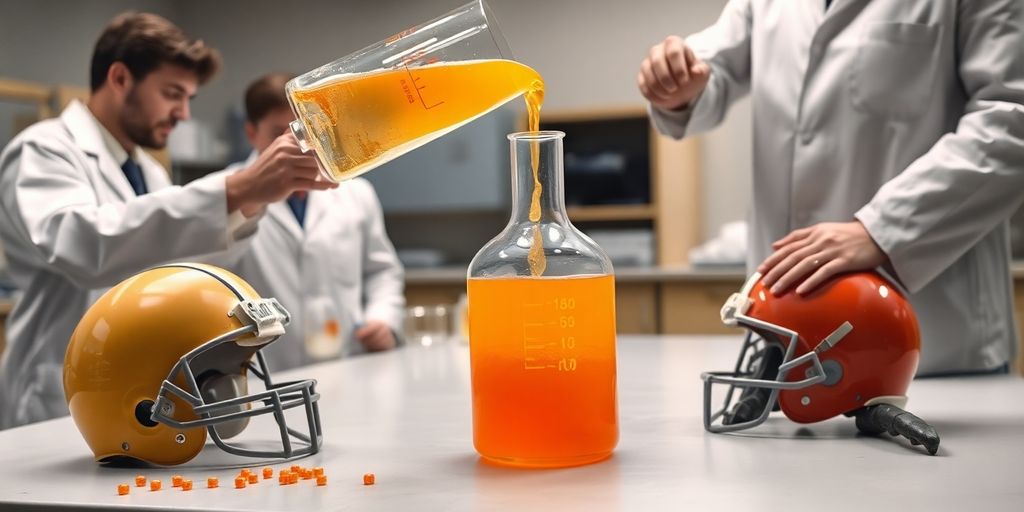
Gatorade’s success wasn’t just about quenching thirst; it was about understanding the science behind athletic performance. To solidify its position as more than just a beverage, Gatorade invested heavily in research and development. This commitment led to the establishment of a dedicated science institute, a move that would further legitimize the brand and shape the field of sports nutrition.
Funding new studies on hydration and performance
Gatorade recognized the need for concrete data to support its claims. The company began funding numerous studies focused on hydration, electrolyte balance, and the impact of these factors on athletic performance. These studies aimed to move beyond anecdotal evidence and provide a scientific basis for Gatorade’s benefits. One early study had runners doing different runs—one run where they didn’t drink at all and one where they were drinking a lot. This dedication to research helped Gatorade dominate the sports-drink market.
Collaborations with universities and medical experts
To ensure the credibility and rigor of its research, Gatorade actively sought collaborations with leading universities and medical experts. These partnerships allowed Gatorade to tap into a wealth of knowledge and expertise, ensuring that its research was conducted to the highest standards. By working with established institutions, Gatorade gained access to cutting-edge facilities and a network of researchers, further strengthening its scientific foundation. This collaborative approach helped to refine their balanced electrolyte-carbohydrate drink.
Publishing findings to support sports nutrition claims
Gatorade didn’t keep its research findings under wraps. Instead, the company actively published its studies in peer-reviewed journals and presented them at scientific conferences. This transparency helped to build trust among athletes, coaches, and healthcare professionals. By sharing its data with the wider scientific community, Gatorade contributed to the growing body of knowledge on sports nutrition and solidified its position as a leader in the field. This also helped differentiate Gatorade from juices, sodas, and bottled water.
Gatorade’s rise to market dominance among sports drinks
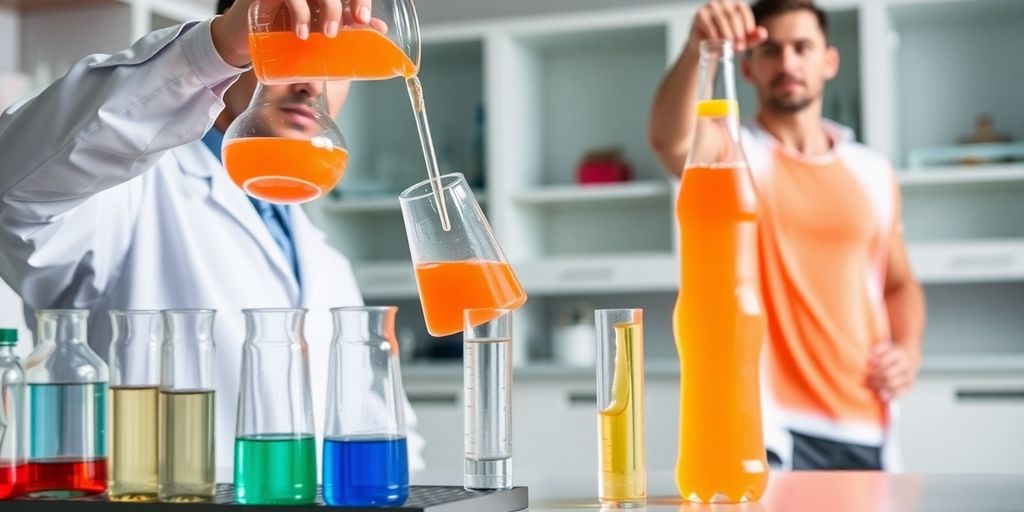
Gatorade didn’t just stumble into success; it strategically carved its path to becoming the king of sports drinks. It’s a story of smart partnerships, memorable faces, and a constant push to stay ahead of the game. Gatorade’s journey to the top is a masterclass in branding and market penetration.
Strategic alliances with professional teams
Gatorade’s rise wasn’t just about taste; it was about visibility. Securing deals to be the official sports drink of major leagues like the NFL, NBA, and MLB gave Gatorade unparalleled exposure. These alliances did more than just put the Gatorade brand on the sidelines; they made it synonymous with athletic performance at the highest level. It’s a simple equation: elite athletes drink Gatorade, so aspiring athletes should too.
Iconic athlete partnerships over the decades
Gatorade’s marketing strategy has always been about associating with winners. Think Michael Jordan. These weren’t just endorsements; they were partnerships that helped define Gatorade’s image. Here’s how they did it:
- Credibility: Partnering with top athletes gave Gatorade instant credibility.
- Aspiration: Seeing their heroes drink Gatorade made fans want to emulate them.
- Memorability: Iconic ads featuring these athletes cemented Gatorade’s place in pop culture.
Expanding flavor lines and low-calorie options
Staying on top means evolving. Gatorade understood this and continually expanded its flavor offerings to cater to different tastes. Recognizing the growing health consciousness, they also introduced low-calorie options, ensuring they appealed to a broader audience. This adaptability has been key to maintaining their market share and fending off competitors. It’s not just about quenching thirst; it’s about offering choices.
Gatorade’s role in shaping sports marketing culture
Gatorade didn’t just quench thirst; it reshaped how sports were marketed. The brand understood that connecting with athletes and fans on an emotional level was as important as the science behind its drink. This led to some truly memorable campaigns that transcended the world of sports.
Iconic ad campaigns on television and in print
Gatorade’s advertising wasn’t just about showing athletes drinking the beverage. It was about crafting stories. Think about the famous “Be Like Mike” campaign featuring Michael Jordan. It wasn’t just an ad; it was an aspiration. The campaign tapped into the desire to emulate greatness, associating Gatorade with peak performance. These ads weren’t just selling a drink; they were selling a dream.
Catchy taglines that became household staples
“Is it in you?” became more than just a question; it was a challenge. Gatorade’s taglines weren’t just catchy; they were motivational. They became part of the cultural lexicon, used by athletes and everyday people alike. The brand understood the power of a simple, memorable phrase to connect with its audience. Consider these examples:
- “Gatorade is thirst aid for that deep down body thirst!”
- “Life is a sport, drink it up!”
- “Power to Win!”
References in movies, music, and fan rituals
Gatorade’s influence extended beyond traditional advertising. It became ingrained in popular culture. You’d see it in movies, music videos, and even fan celebrations. Remember the Gatorade shower, where winning teams drench their coach with Gatorade buckets? It became a symbol of victory, further solidifying the brand’s association with success. This organic integration into culture was something money couldn’t buy; it was earned through consistent messaging and genuine connections with the sports world.
Gatorade’s response to dehydration myths and criticism
Gatorade’s rise wasn’t without its share of debates and challenges. As the brand became synonymous with athletic performance, questions arose about the science behind hydration recommendations and whether they were always in athletes’ best interests. It’s a complex area, balancing the need for fluid replacement with the potential risks of overhydration.
Debating overhydration versus performance gain
There’s a fine line between optimal hydration and overdoing it. Early Gatorade studies sometimes pushed athletes to consume excessive amounts of fluid, leading to discomfort and raising concerns about hyponatremia (low sodium levels). It became clear that a one-size-fits-all approach wasn’t ideal, and individual needs varied greatly. It’s interesting to consider that:
- Some athletes felt miserable drinking so much, even if lab results looked “better.”
- The focus was often on measurable changes in body temperature, sometimes ignoring the athlete’s subjective experience.
- Recommendations at one point suggested drinking the equivalent of a six-pack of soda during a three-hour marathon!
Reconciling lab metrics with athlete comfort
Gatorade’s initial approach heavily relied on scientific data, sometimes at the expense of athlete comfort. Scientists would track fluid loss and electrolyte balance, but the athletes themselves weren’t always feeling great. This disconnect highlighted the importance of considering both objective measurements and subjective feedback. It’s a reminder that:
- The body has built-in protection mechanisms against mild dehydration.
- Ultra-marathon runners can often perform well without excessive hydration.
- The relationship between salts in the blood and fluid levels is crucial.
Evolving recommendations in light of new research
Over time, Gatorade adapted its hydration guidelines based on new research and a better understanding of individual needs. The company invested in the Gatorade Sports Science Institute to further explore the complexities of hydration and performance. This evolution reflects a commitment to:
- Acknowledging the potential risks of overhydration.
- Tailoring recommendations to specific sports and environmental conditions.
- Promoting a more nuanced understanding of fluid balance and electrolyte replacement.
Gatorade’s global expansion and future outlook
Gatorade’s journey from a sideline solution to a global phenomenon is quite remarkable. But what does the future hold for this iconic sports drink? Let’s take a look.
Moving beyond American fields into international markets
Gatorade’s expansion beyond the U.S. wasn’t always a slam dunk. Getting into new markets meant figuring out different cultures, tastes, and regulations. One key move was partnering with iconic athletes like Michael Jordan, which gave them instant credibility in countries unfamiliar with sports drinks. It wasn’t just about selling a product; it was about selling a lifestyle. The global electrolyte drinks market is constantly evolving, and Gatorade needs to adapt to stay ahead.
Addressing health concerns over sugar and additives
Consumers are increasingly aware of what they’re putting into their bodies. This means Gatorade faces pressure to offer healthier options.
Here are some challenges:
- Reducing sugar content without sacrificing taste.
- Finding natural alternatives to artificial additives.
- Being transparent about ingredients and their effects.
It’s a balancing act between performance, taste, and health. Can Gatorade maintain its edge while catering to health-conscious consumers?
Looking ahead to new formulations and sustainable packaging
The future of Gatorade isn’t just about what’s inside the bottle, but also the bottle itself.
Here are some areas of focus:
- Developing new formulations that cater to specific athletic needs.
- Exploring sustainable packaging options to reduce environmental impact.
- Using technology to personalize hydration recommendations for athletes.
It’s about staying relevant in a world that’s constantly changing. The brand needs to keep innovating to remain a leader in the sports drink industry.








Who saw this one coming? Oh that’s right, EVERYONE!
The slow death of college football as it has been constructed for the past century will be studied someday.
The veil of amateurism has been completely lifted with the advent of NIL and the transfer portal where players can just shill themselves out to the highest bidder.
READ: NIL Lawyer Outlines Lasting Effects Of Sherrone Moore Debacle.
The latest trend might be the worst of them all, though, as we are practically treating college athletes like NFL veterans at this point.
I’m referring, of course, to programs and reporters alike announcing players “re-signing” at their current school.
Allow me to insert my obligatory “what happened to the game I love” before I go any further.
Players are out here acting like free agents in the NFL. What are we even doing here?
Let’s just go ahead and rip that Band-Aid off and stop treating these players like amateur student-athletes, because this is just the latest “point of no return” for the old days of college football.
If you were to take a time machine back, even ten years ago, and tell a fan that players would be getting social media graphics made to announce they’ve signed a contract to remain at their current school, they’d probably throw themselves out the window.
The sentiment is virtually identical, as even modern fans see the ridiculousness in all of this.
It’s a sad state of affairs for anyone who considers themselves a college football traditionalist, as I’m sure even the staunchest defenders of NIL at its inception didn’t have something like this in mind.
Remember when this was just supposed to be so players could make money off the field without having the commies at the NCAA come down on them with an iron fist?
Now, some of these players are making more money than players on their rookie contracts in the NFL.
I’m all for the players getting a slice of the pie, but if this is what we are moving towards, why do we even have academic standards as it is?
As a wise man once said, “We ain’t come here to play school.”
That was ten years ago, and Cardale Jones sounds like a prophet now.
We are hurtling towards a junior league for the NFL, though I fear we have already gone too far to reverse course now.

One aspect of the offseason that affects teams and contenders every single year now is the NCAA Transfer Portal. Now, ahead of the College Football Playoff, we can see how some of those additions panned out for programs that made the field based on a recent ranking done by those at CBS Sports.
In an article from Friday, CBS Sports rated the Top-25 transfers across the dozen teams who will be in the CFP. Of them all, Oregon led the way with four names on this list, which tracks as they finished fourth last offseason in On3’s 2025 Team Transfer Portal Rankings. Five other teams then had three apiece, with all of them finishing in the Top-20, including two in the top-five and the one who was ranked as the best portal class in the nation, per that same rating from On3.
And, of the fifteen of them who transferred this last offseason, eleven of them were in the Top-100, including six who were in the Top-10, of On3’s Industry Ranking of 2025’s Top Transfer Portal Players. Ten were then in the Top-10 of their respective position, four of those being the top overall player at their position, in that rating from On3.
Needless to say, players like these are what make this next part of the year so important, with the one-time portal window set to open on January 2nd. Before we get to that part of the calendar, though, let’s take a look at these past transfers who could end up helping a team win a national title this season, as rated by CBS Sports:
Even in two days of hindsight, this ranking at number one looks even more spot on. That’s as, as of last night, Mendoza, the quarterback of the top-seeded team in the country in the Hoosiers, won the Heisman Trophy, as the first winner of the award in program history up in Bloomington.
A transfer from California, who was the No. 12 overall player and the No. 4 QB in the portal per On3, in his first season with IU, Mendoza has been one of the best quarterbacks in the country with a career season at 71.5% completion for 2,980 yards, a national best of 33 touchdowns, and six interceptions, while also rushing for 240 yards and six more scores. Now, after leading them to an undefeated record and a Big Ten Championship, and after hosting the Heisman last night in NYC, Mendoza will lead Indiana, the No. 1 overall seed, into the field in hopes of making more history in the CFP.
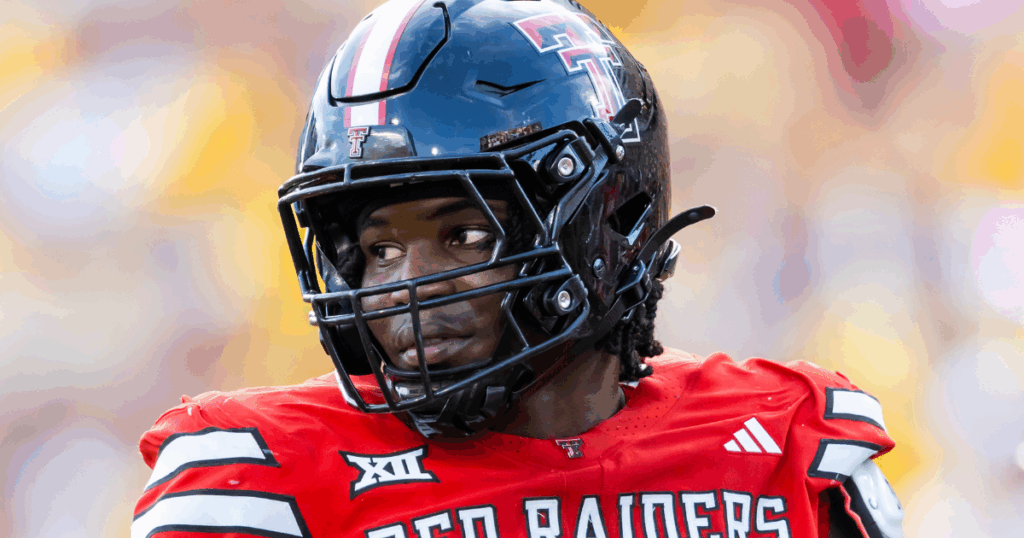
Texas Tech, which had the No. 1 overall class in the portal per On3, had three names on this list just from their defense. Bailey leads that, after being a top-ten overall transfer and the second-best defensive end in the portal at On3, with what he did this season in Lubbock.
Transferring in from Stanford, Bailey had a career-best season with 43 total tackles, with 17.5 being for loss with 13.5 sacks, three forced fumbles with one recovery, and a deflection for the Red Raiders. Production like that is a big part of Texas Tech, with them posting a top-five overall defense, having the best season in school history at 12-1, winning the Big 12 Championship, and making their debut in the CFP.
Downs has been impactful at Ohio State since his transfer two offseasons ago from Alabama. He now may be part of a national title winner, with the Buckeyes having a chance to go back-to-back in the College Football Playoff.
As an anchor on the backend of their defense, being one of the best players in all of college football, Downs, who received Heisman votes as a safety as well as won the Thorpe Award, has had 60 more tackles, 5.0 being for loss with one sack, with two interceptions and two deflections. That has been part of what has led the top overall defense in the country this season, as Ohio State enters as just a one-loss team to be the No. 2 overall seed in the CFP.
Sayin did the exact same thing as Downs, as he transferred two offseasons ago from Alabama, after signing there before the retirement of Nick Saban, to Ohio State. This was his first season as the starter, though, and it has been quite the year he had in Columbus.
Sayin posted a national best in completion rate, and one of the highest all-time, at 78.4% en route to 3,323 yards, 31 touchdowns, and six interceptions for the Buckeyes, which also had him as a finalist last night for the Heisman Trophy. Now, on one of the best teams in the country, Sayin will attempt to lead Ohio State to a second consecutive national title in the College Football Playoff.
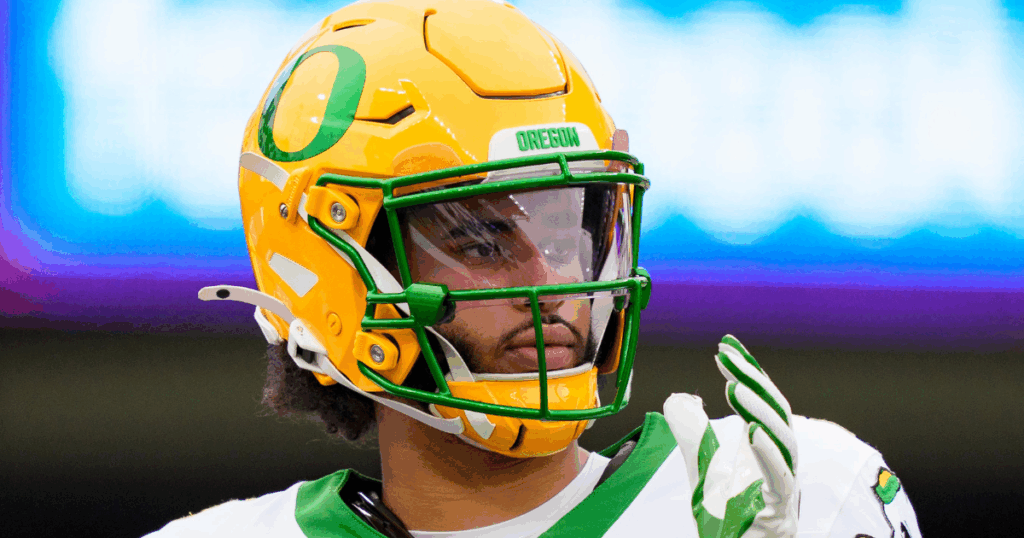
After starting as a freshman at UCLA, Moore transferred two offseasons ago and sat as the backup last year at Oregon. Now, a year later as the starter, that decision has paid off with what he did in Eugene, as he rounds out the top-five here for CBS.
Moore posted 72.5% completion for 2,733 yards, 24 touchdowns, and six interceptions for a top-fifteen offense this season for the Ducks. He’ll now lead Oregon, in a very favorable position as the first of the non-bye teams at No. 5 overall, into what could be run of retribution for them after what happened last year in the CFP.
Texas A&M was one of the best defenses in the nation this year when it came to pressures and tackles for loss. Howell was then the biggest part of that effort in what was his second season in College Station after originally transferring from Bowling Green.
Howell posted the best campaign of his career this year with the Aggies with 29 tackles, 14.0 of those being for loss with 11.5 sacks, along with six deflections and one forced fumble. He’ll now look to continue wreaking the same havoc in the playoff, with A&M set to open up with a home game at Kyle Field.
After the first two weeks of the season, one name that wasn’t expected to be on a list like this would be Chambliss. However, with the play as well as an injury to QB Austin Simmons, Chambliss took full advantage of the opportunity that came his way this year in Oxford after transferring to be a backup from out of Ferris State (DII)
Chambliss, a Top-40 QB in the portal last offseason per On3, went on to post a total of 290.5 total yards per game and 24 touchdowns overall, with 3,016 yards and 18 touchdowns coming as a passer at 65.5% completion, for the Rebels. He’ll now look to keep their offense humming, despite the coaching changes the past two weeks, in what’ll be their debut appearance in the playoff in the ‘Sip.
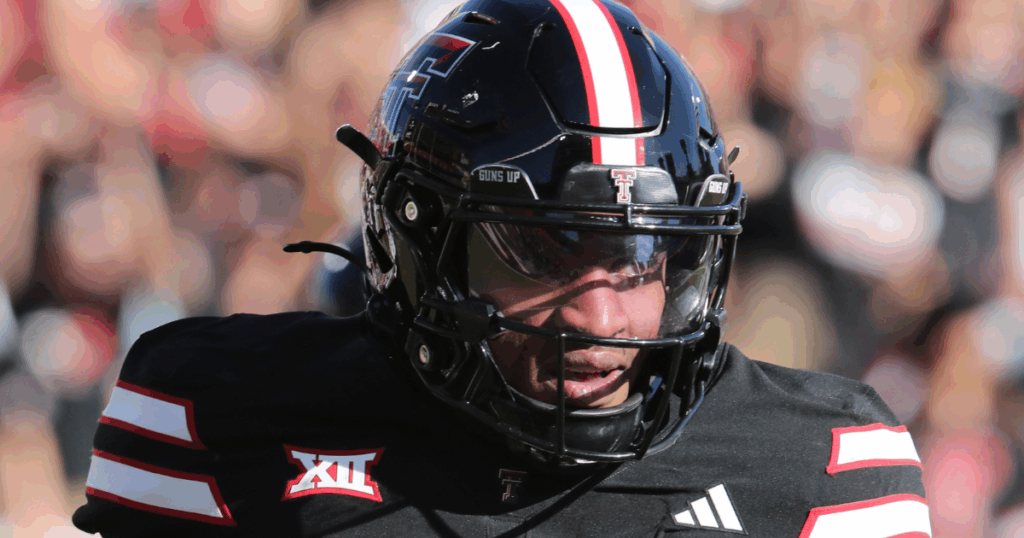
Going back to the defense for the Red Raiders, Height is another defensive end that’s had a great first season in Lubbock. That’s after transferring in last offseason, after being a top-fifty player in the portal and in the top-ten among edges at On3, from Georgia Tech, after beginning his career with two seasons apiece at USC and Auburn.
On that same unit, Height posted some career-best numbers of 33 total tackles, 10.5 being for loss with 9.0 sacks, to go with two forced fumbles, with a recovery, as well as a deflection. That has two pass rushers in the top-ten here at CBS for Texas Tech, who hopes to see both keep causing those kinds of problems for their eventual opponents in the CFP.
Oregon was seen to have one of the better offensive lines in the country this season. A major piece of that was Pregnon, who was a top-thirty overall transfer and the second-best interior lineman after two seasons apiece at USC as well as Wyoming.
Pregnon did not allow a sack this season as part of that line. And, behind him, the Ducks had a top-fifteen total offense at 38.2 points and 246.8 yards per game, with them hoping to have the same output in this appearance in the CFP.
Concepcion was already one of the better wide receivers in college football after his first stop with two years spent at NC State. He then, after being a top-ten overall transfer and the second-best receiver in the portal per On3, was even better this fall for Texas A&M.
Concepcion was the leading pass catcher for the Aggies this season with 57 receptions for 886 yards, averaging 73.8 per game and 15.5 a catch, and nine touchdowns. He, along with their second-leading receiver not too much further down this ranking, will now try to be just as explosive in the pass game as A&M prepares to debut in the College Football Playoff.
11. Miami DE Akheem Mesidor
12. Ole Miss RB Kewan Lacy
13. Texas Tech DT Lee Hunter
14. Oregon DB Dillon Thieneman
15. Oregon OT Isaiah World
16. Indiana LB Aiden Fisher
17. Miami DB Jakobe Thomas
18. Texas A&M WR Mario Craver
19. Georgia WR Zachariah Branch
20. Miami QB Carson Beck
21. Alabama WR Germie Bernard
22. Ohio State CB Davison Igbinosun
23. Oklahoma WR Isaiah Sategna
24. Indiana CB D’Angelo Ponds
25. Tulane QB Jake Retzlaff

Following a 2025 season full of coaching changes, one of the biggest gigs in the game still remains open. The Michigan Wolverine football program fired head coach Sherrone Moore after two seasons at the helm after he took over for Jim Harbaugh, leaving the team in need of a need coach for the second time in three years.
What’s tricky for Michigan is the timeline. Since Moore’s firing was credited to non-football reasons and came at an abrupt moment, the Wolverines are hopping on the carousel after everyone else already has a seat. Lane Kiffin made his big move, the SEC had half-a-dozen teams total make a coaching swap, and even Penn State, a conference rival for Michigan, finally found a solid fit in Iowa State’s Matt Campbell.
But that doesn’t mean the Wolverines’ leadership won’t aim high. They reportedly had the head coach of Alabama, Kalen DeBoer, as one of their options at the outset of the search. Even prediction markets like Kalshi reflected a sentiment that DeBoer would be in the mix in Ann Arbor. At least, that’s if he wanted to be.

As of Sunday evening, Alabama fans can rest easy knowing their second-year head coach is all the way painted in Crimson from head to toe and ready for a big postseason run. After speculation had bubbled to the social media streets, DeBoer shut it down with the following statement:
“My family and I are very happy in Tuscaloosa and remain extremely grateful for the support of President (Peter) Mohler, Greg Byrne, the Board, and so many others,” DeBoer said, according to Yea Alabama, the school’s official fan experience page. “We have an incredible opportunity in front of us, so my sole focus is on Alabama football and our preparations to play Oklahoma in the College Football Playoff.”
Kalen DeBoer, Alabama working on extension to $87 million contract
If a statement wasn’t enough to convince fans of his loyalty and Alabama’s as well, the two sides are reportedly entered in contract extension talks, according to On3’s college football insiders, Chris Low and
“Kalen DeBoer and Alabama are in ongoing talks about an extension, but nothing has been agreed upon or signed,” On3 posted on X Sunday evening. DeBoer is already signed for quite a while Ahead of his first season, 2024, DeBoer arrived from the West Coast and inked a deal worth $87 million over eight seasons. He’d still have six more years left on that contract after wrapping up this College Football Playoff run.
However, as has been the case for many coaches mentioned in rumors for other jobs, the schools may just want to re-sign another deal to signal to fans that no, their man is not going anywhere for now.
More on College Football HQ

Six days after Notre Dame missed the College Football Playoff, the Fighting Irish’s absence is still a point of conversation. During Saturday’s Kentucky vs. Indiana basketball game, Dick Vitale and Charles Barkley shared their reaction, calling out the CFP committee in the process.
Vitale, of course, wears his Notre Dame fandom proudly. He spoke out on social media shortly after the final rankings came out this week, when the Fighting Irish became the first team out of the CFP while Miami jumped up to No. 10 due to the head-to-head matchup between the two teams.
As ESPN showed a promo for this year’s College Football Playoff, Vitale made his thoughts clear. He argued Notre Dame deserved to be in the bracket, especially considering the Irish were in that position throughout the five weeks of CFP rankings shows.
“I’m so frustrated looking at that, Notre Dame not in there,” Vitale said on the broadcast. “Notre Dame deserved to be in.
“Five weeks in a row, we have a show on ESPN where we give the Top 12 teams, make a big thing out of it every Tuesday. Big show. Here comes the committee. Bottom line is, they were all five [weeks] in the Top 12. Then, all of a sudden, bumped.”
Charles Barkley: ‘You could see’ Notre Dame absence coming
Charles Barkley agreed with Dick Vitale, expressing his disappointment with Notre Dame’s absence. However, he said it might not have been entirely surprising considering the penultimate rankings announcement. The Fighting Irish dropped to No. 10 while Alabama moved to No. 9. BYU sat at No. 11, putting a team between Notre Dame and Miami, therefore avoiding the head-to-head discussion.
That said, Barkley argued Notre Dame is a different team than it was when it played Miami in Week 1. As a result, he thought the Irish should have been in the field.
“I actually agree with you. … I was disappointed,” Barkley said. “But you could see it coming in the last couple polls. They were creeping up on Miami. And my biggest problem with the whole thing, everybody’s talked about head-to-head. First of all, that was in August. … They were very close games [against] A&M and at Miami.
“But your team is not the same in August as it is in December. Notre Dame is playing as well as anybody in the country other than Indiana and probably Ohio State. And I don’t want to leave out the [Georgia] Bulldogs. Kirby Smart, that man can really coach.”

The 2025 Heisman Trophy race is in the books, and now the college football world can turn its attention to the 2026 Heisman Trophy race. There, it should be a highly competitive race with several players set to return who look like candidates for college football’s top award.
Ahead of the 2026 season, CBS Sports took a look at those candidates. That included sorting them into two categories. That’s the top Heisman contenders for the 2026 season and other names to know for the race. Of course, there’s plenty of room for surprises beyond that too.
Several players who CBS Sports lists could be on the move next season. That includes in the Transfer Portal or going into the NFL Draft. So, with the offseason just around the corner, there’s time for things to change.
Top Heisman contenders in 2026
Arch Manning, QB, Texas Longhorns
Texas Longhorns quarterback Arch Manning got his first action as a starter in 2025. That moment had been highly anticipated since he was in high school and it came with mixed results. Still, with another year of experience, he very well could contend for the Heisman Trophy.
Of course, Manning does have the option to enter the NFL Draft. That’s not what most people anticipate, though, as returning to Texas for another season should help him improve that stock. Certainly, being a Heisman winner wouldn’t hurt either.
Julian Sayin, QB, Ohio State Buckeyes
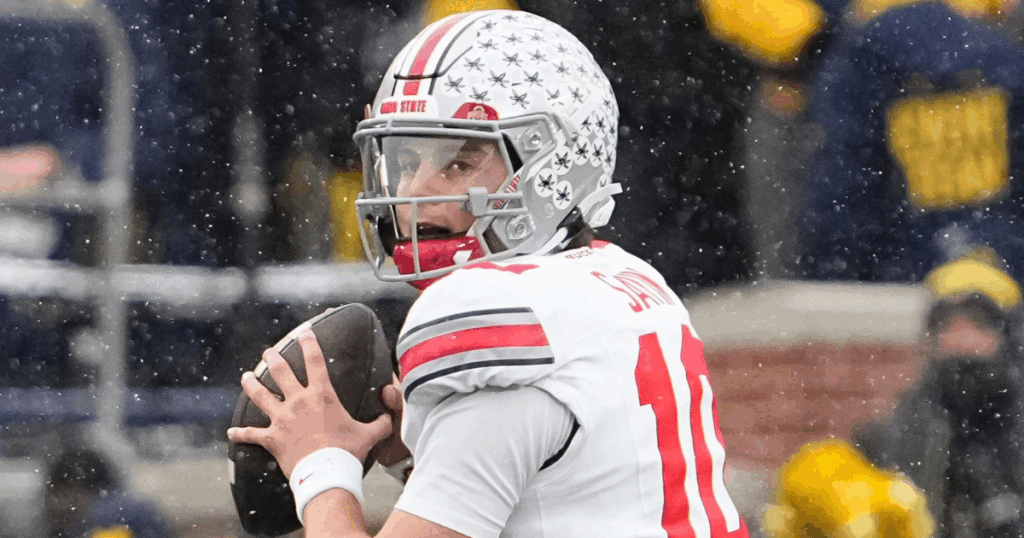
It was a disappointment in New York for Ohio State quarterback Julian Sayin. A Heisman finalist this season, he didn’t end up going home with the hardware. Instead, he’ll have to refocus on the College Football Playoff and winning on the field.
As a redshirt freshman, Sayin was a Heisman finalist. He’ll be back again in 2026 with added experience that is almost impossible to find in college football. So, there’s no reason why he can’t win.
Jeremiah Smith, WR, Ohio State Buckeyes
Coming into the 2025 season, Jeremiah Smith was commonly thought of as the best receiver in all of college football. He wouldn’t end up winning the Biletnikoff Award or being a Heisman finalist, though he was still thought of as the most talented receiver in the country.
Just a sophomore, Smith will be back next season and will, once again, be among the most thrilling players in the game. The only concern is whether or not he and Sayin will steal Heisman votes from one another.
Marcel Reed, QB, Texas A&M Aggies
Marcel Reed has been a revelation at quarterback for Texas A&M. The Aggies’ signal caller led Texas A&M to the College Football Playoff and has made them a legitimate threat to win the national championship. He’d use both his arm and legs to get there too.
As one of the most exciting players in the game who plays on a massive stage in the SEC, Reed is going to have the spotlight on him in 2026. If he plays up to his capability, he’ll be in the Heisman conversation once again. There’s no reason to think he can’t win it too.
Jayden Maiava, QB, USC Trojans
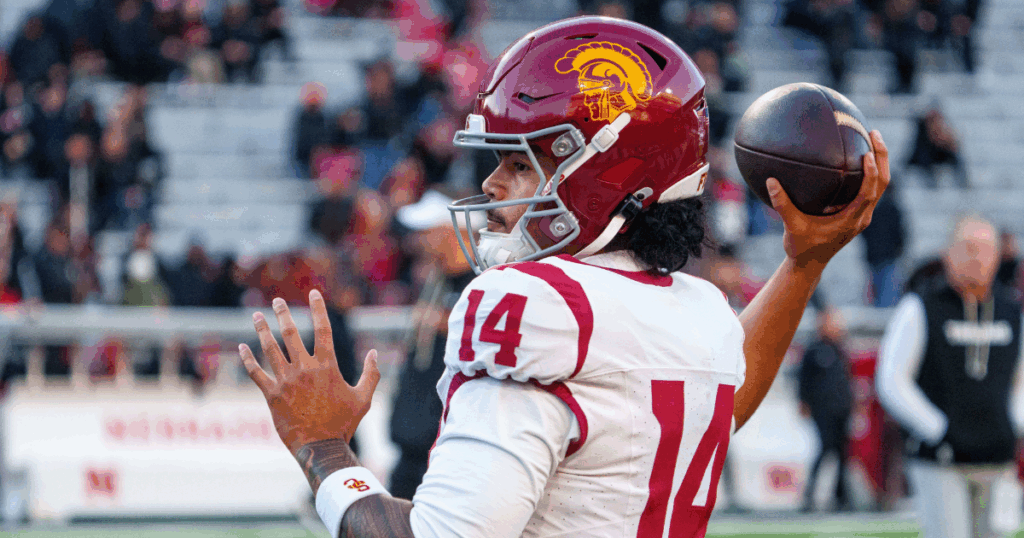
After taking over as the USC starter late in 2024, Jayden Maiava would hit his stride in 2025. Now, he and head coach Lincoln Riley are looking for a way to build on that once again.
If there is one thing that Lincoln Riley has found success doing it’s developing quarterbacks and explosive offenses. That’s led to Heisman Trophy success, including at USC. So, it’s not unfair to have high expectations for next season.
Other names to know
Ty Simpson, QB Alabama Crimson Tide
Alabama quarterback Ty Simpson is eligible to turn his attention to the NFL Draft next season. If he chooses to return to college, though, Simpson is going to be viewed as one of the best quarterbacks in the entire sport. He could very well even be a Heisman contender.
Gunner Stockton, QB, Georgia Bulldogs
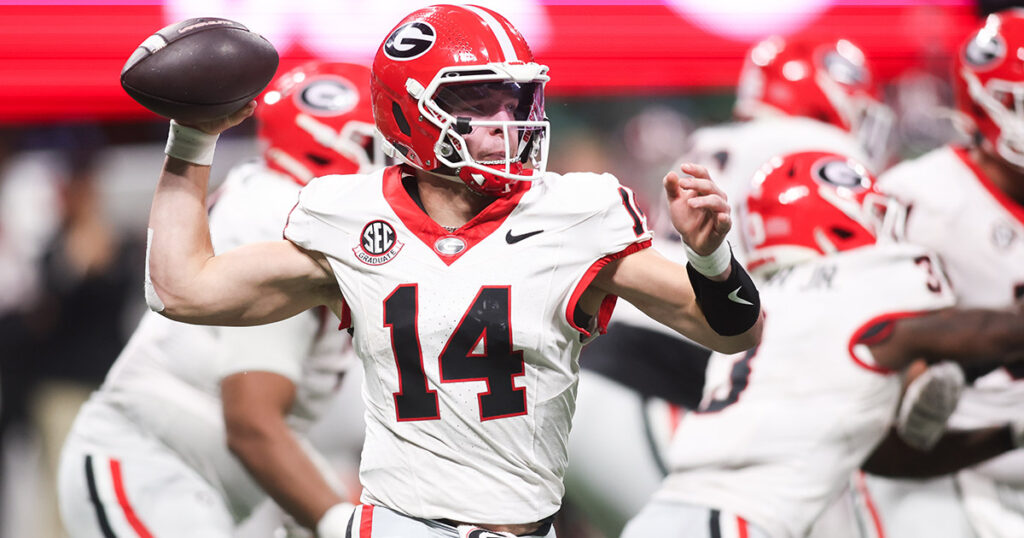
Georgia managed to win the SEC and a first round bye in the first season Gunner Stockton led the Bulldogs as their starting quarterback. He’ll likely be back next season with much higher expectations from the jump. So, he could feasibly end up in the Heisman race more so than he was in 2025.
Drew Mestemaker, QB, North Texas Mean Green
There is a chance that Drew Mestemaker could be a transfer this offseason, as his head coach is on his way to Oklahoma State. That comes after the pair combined for a phenomenal season at the Group of Five level. With more attention on him from the start, regardless of where he’s playing, the Heisman isn’t out of the question.
Sam Leavitt, QB, Arizona State Sun Devils
For the past two seasons, Sam Leavitt has been vital to making Arizona State one of the best teams in the Big 12. Now, there are rumblings that he could transfer. Regardless of where he ends up, Leavitt should be a Heisman contender.
Ahmad Hardy, RB, Missouri Tigers
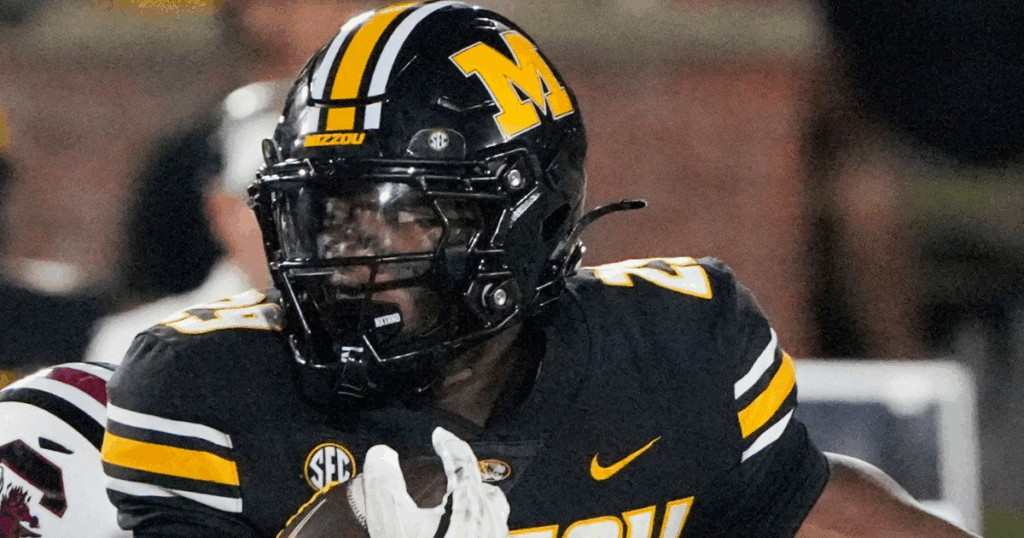
The Missouri Tigers managed to find one of the best running backs in the entire country this season, bringing in Ahmad Hardy. He’d rush for 1,560 yards and 16 touchdowns in 2025. If he can build on that in 2026, the Heisman may not be able to ignore his success.
Kewan Lacy, RB, Ole Miss Rebels
Another running back to keep an eye out on for the Heisman race next season is Kewan Lacy. The Ole Miss running back had 20 rushing touchdowns this year. That’s hard to ignore, but it’s also hard to replicate.
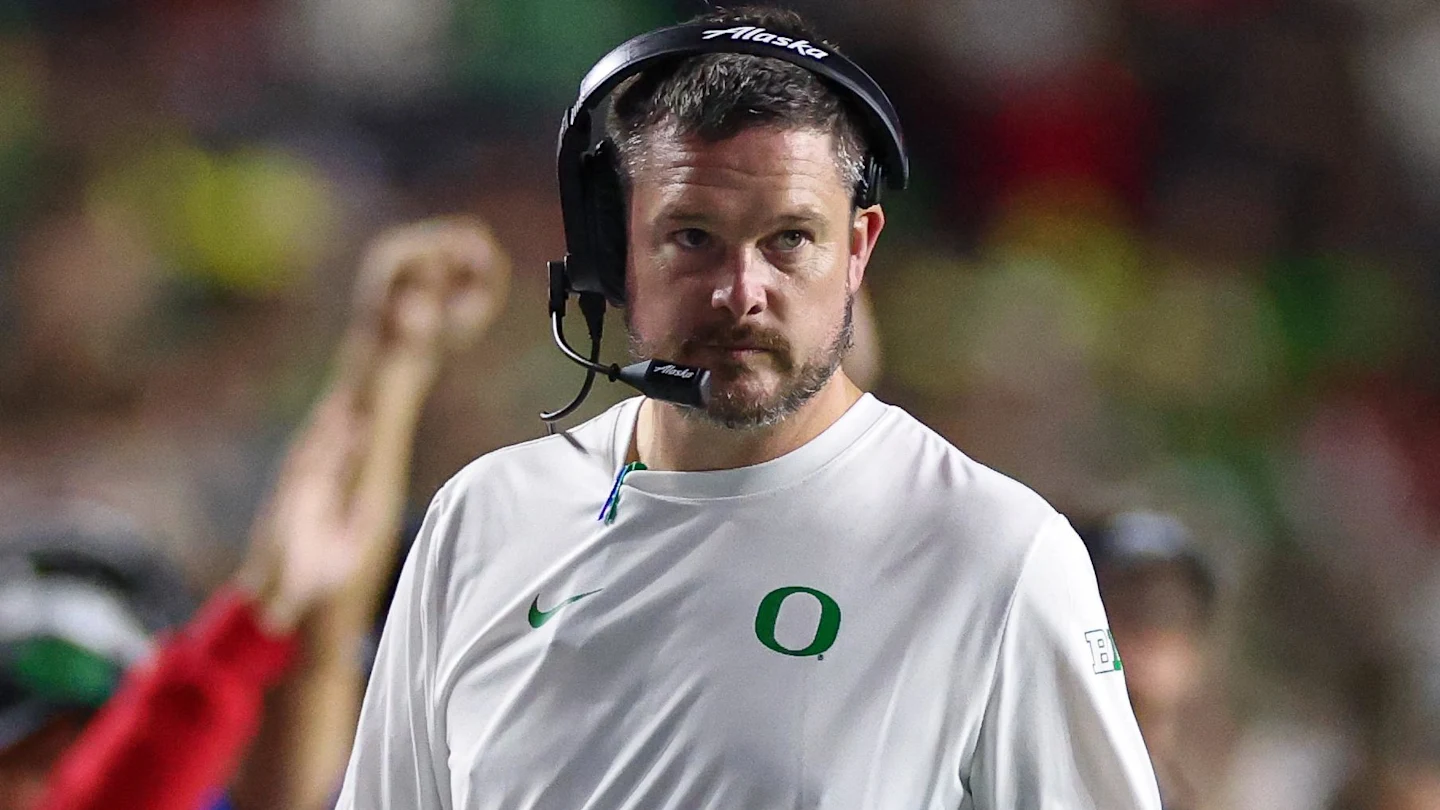
Dan Lanning has been asked many times since 2022 if he’d leave the Oregon Ducks for another head coaching job. While rumors have swirled pertaining to college football openings, a position in the NFL is something that could’ve lured Lanning away from Eugene in the past.
But the Ducks’ coach revealed on The Inner Circle Podcast that his former aspiration of coaching at the professional level is old news.
Dan Lanning Remains Committed to Oregon

Lanning spoke about how he started writing his career goals on his mirror when he was at Arizona State.
“I still put my goals on my mirror,” he said. “No. 1 best father on staff, best husband on staff, man of integrity, Christian, five recruits.”
Lanning, who was a graduate assistant for the Sun Devils, wanted to become a full-time employee. He checked that off the list by getting hired as the on campus recruiting coordinator.

“My next goal on there was head coach, 35. I thought that was really important to me,” Lanning said. “Well, I became the head coach at Oregon at 35. Next goal on there is NFL coach. That ain’t on my goal board no more. It’s off my board. It’ll never be up there again like that.”
Oregon hired Lanning as its football head coach on December 11, 2021, after he won as National Championship as the Georgia Bulldogs defensive coordinator. He’s quickly made a name for himself as one of the top young college football coaches.

Despite Lanning’s name getting thrown around as a candidate for vacancies like Alabama in 2024 or LSU in 2025, he’s remained vocal that Eugene is where he wants to be.
“I truly believe this will be my last job,” Lanning said. “The secret to that is I gotta win. Now do I coach as long as Nick Saban did? I don’t know about that.”
MORE: Weather Concerns Begin For Oregon’s Playoff Game vs. James Madison
MORE: Three Reasons Why Oregon Could Be The Most Dangerous Playoff Team
MORE: Oregon Ducks Projected to Make Program History In 2026 NFL Draft
SIGN UP FOR OUR NEWSLETTER HERE!
Dan Lanning Opens Up About Finishing His Career at Oregon
Staying with the Ducks seems to have additional meaning for Lanning beyond just his loyalty to the program. He said his family plays a major role in why he wouldn’t take an NFL job.
“It used to be a dream, but dreams can change,” Lanning said. “When we took this job, two of my kids had lived in eight states. And you realize, dang, like is that fair to them?”
“So, we took this job, I made a promise to my kids that you’re going to graduate from the same high school. You’re going to graduate from the same middle school,” he continued. “Like, those things are way more important to me than getting the opportunity to coach in the NFL.”

Lanning coached at six different schools from 2011 to 2021 before taking the job at Oregon. He’s coached the Ducks to a second consecutive College Football Playoff this season.
No Oregon head coach has spent more than five full seasons with the program since Mike Bellotti coached from 1995 to 2008. Lanning can change that in 2026.

College Football Is Beyond Cooked With This Latest NIL Trend

Nebraska volleyball’s dream season comes to a whimpering end | Sports

Texas A&M stuns Nebraska, advances to NCAA volleyball Final Four

Texas A&M upsets No. 1 Nebraska, advances to first-ever Final Four

New ownership group takes over Canadian Tire Motorsport Park in Bowmanvile, Ont. – Brandon Sun

Texas A&M women’s volleyball upsets Nebraska to reach final 4

CBS Sports ranks Top-25 transfer players in College Football Playoff

Live updates, how to watch

Nebraska volleyball’s season ends with loss to Texas A&M in regional finals

$87 million college football coach comments on rumor he’s leaving for Big Ten team

Texas A&M defeats Nebraska volleyball in NCAA tournament

Nebraska volleyball loses to Texas A&M in regional final
Wisconsin volleyball vs Texas score today: Live updates, channel

Crookston School Board to meet Monday (12/15) – KROX

Dick Vitale, Charles Barkley call out College Football Playoff committee over Notre Dame snub

First Tee Winter Registration is open

Fargo girl, 13, dies after collapsing during school basketball game – Grand Forks Herald

CPG Brands Like Allegra Are Betting on F1 for the First Time

Volleyball Recaps – November 18

F1 Las Vegas: Verstappen win, Norris and Piastri DQ tighten 2025 title fight

Two Pro Volleyball Leagues Serve Up Plans for Minnesota Teams

Utah State Announces 2025-26 Indoor Track & Field Schedule

Sycamores unveil 2026 track and field schedule

Redemption Means First Pro Stock World Championship for Dallas Glenn

Jo Shimoda Undergoes Back Surgery

Texas volleyball vs Kentucky game score: Live SEC tournament updates

Robert “Bobby” Lewis Hardin, 56

How this startup (and a KC sports icon) turned young players into card-carrying legends overnight

Bowl Projections: ESPN predicts 12-team College Football Playoff bracket, full bowl slate after Week 14

Indiana’s rapid ascent and its impact across college football

 NBA Legend Michael Jordan to Join NBC Sports as Special Contributor
 Why a rising mid-major power with an NCAA Tournament team opted out of revenue-sharing — and advertised it
 Falcons mailbag
 Portal Update – Basketball and Gymnastics Take Hits
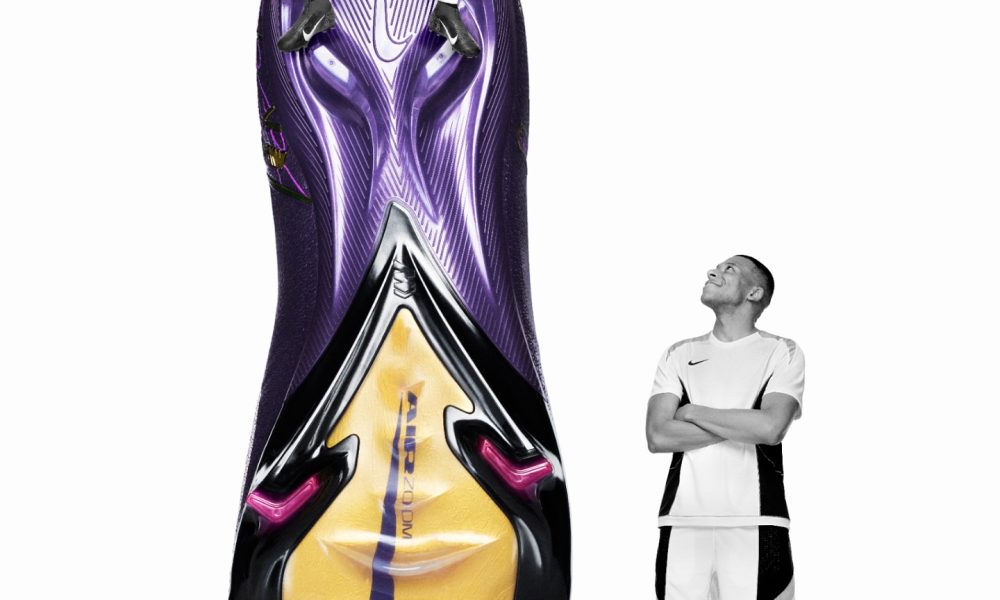 has always dreamed in Mercurial. Now his initials are on the boots.
The new Kyl…
has always dreamed in Mercurial. Now his initials are on the boots.
The new Kyl…
-
 Rec Sports3 weeks ago
Fargo girl, 13, dies after collapsing during school basketball game – Grand Forks Herald
-
 Motorsports3 weeks ago
CPG Brands Like Allegra Are Betting on F1 for the First Time
-
 Sports3 weeks ago
Two Pro Volleyball Leagues Serve Up Plans for Minnesota Teams
-
 Sports3 weeks ago
Utah State Announces 2025-26 Indoor Track & Field Schedule
-
 Sports3 weeks ago
Sycamores unveil 2026 track and field schedule
-
 Motorsports2 weeks ago
Redemption Means First Pro Stock World Championship for Dallas Glenn
-
 Motorsports2 weeks ago
Jo Shimoda Undergoes Back Surgery
-
 Sports3 weeks ago
Texas volleyball vs Kentucky game score: Live SEC tournament updates
-
 Rec Sports2 weeks ago
Robert “Bobby” Lewis Hardin, 56
-
 Rec Sports2 weeks ago
How this startup (and a KC sports icon) turned young players into card-carrying legends overnight