
NIL
The Wild West Of NIL

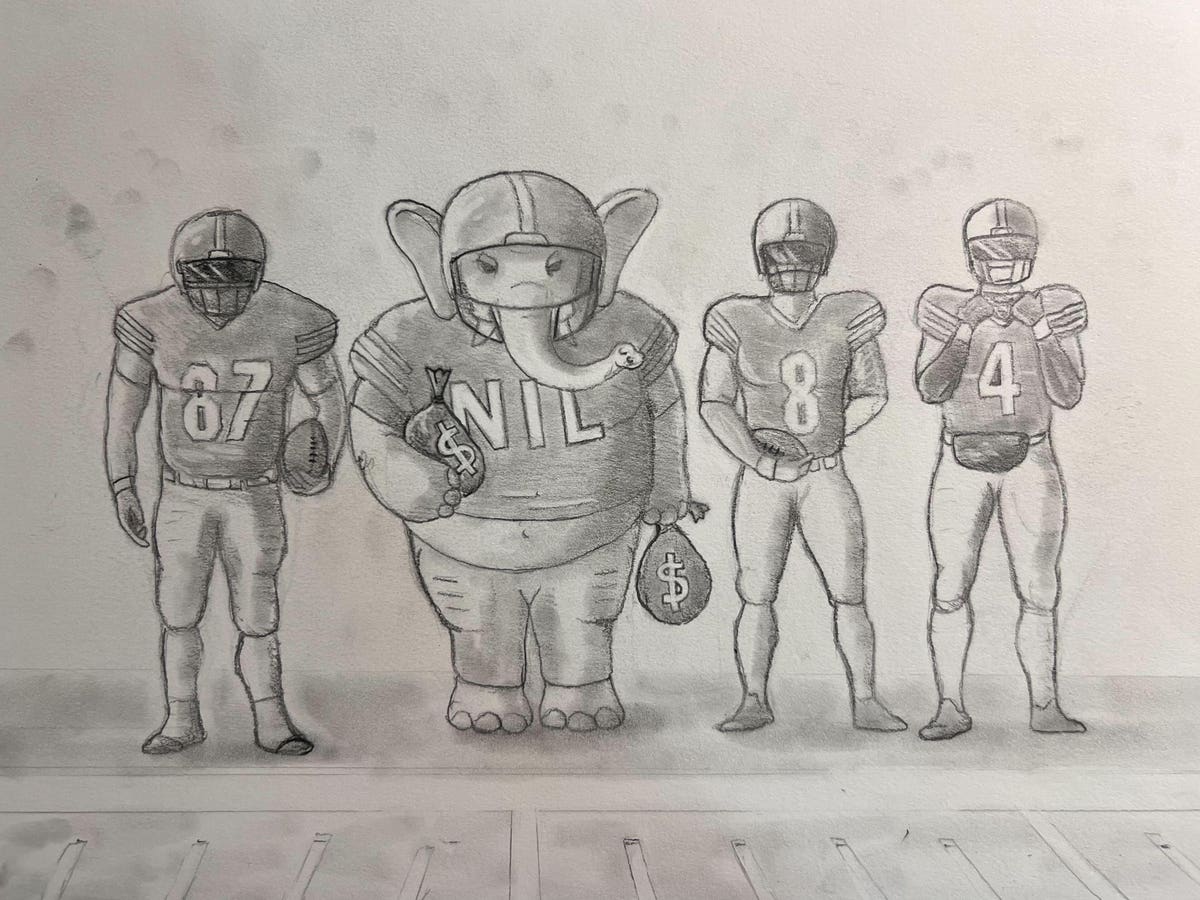
Warren Zevon once famously sang “send Lawyers, Guns, and Money,” a term that came to represent the merging of political, legal, and financial interests that are brought into a situation to exert influence. Paying college athletes for their athletic performance has been a shadowy pillar of University athletics for decades, until now. After years of defending/defining the concept of amateurism, a Supreme Court decision forced the NCAA to revoke its restrictions on athlete compensation. The floodgates opened on July 1, 2021, when athletes were officially allowed the opportunity to monetize their personal brands via their Name, Image, and Likeness (“NIL”). Transactions that once took place “under the table” were now out in the open. Like all new frontiers, the college athletics landscape brings massive opportunity. Still, the lack of precedent and enforcement procedures can make it feel like The Wild West.
Original artwork by Joseph LoMaglio
THE ORIGINAL NIL DEAL
Eric Dickerson was born on September 2, 1960 in Sealy, Texas. Widely regarded as one of the best running backs to ever grace the gridiron, Dickerson was a highly recruited prospect out of his small Southeastern Texas town. He ultimately decided on Southern Methodist University “SMU” to continue his football career. After an extensive investigation into SMU regarding improper benefits being offered to prospective recruits, the NCAA handed down one of the harshest penalties in the history of collegiate athletics: forfeiture of their remaining season, reduced scholarships and a probationary period banning them from any televised games and future bowl appearances. Affectionately referred to as “THE DEATH PENALTY,” this decision altered the future of SMU football for decades.
It does make one think, if SMU was offering cash and other perks, maybe there were other universities offering cash, or even farmland and heads of cattle, as a compensation package.
“Everyone was doing it,” including the likes of Reggie Bush Chris Webber Rick Pitino, but SMU was caught first and paid a dear price. Jay Bilas has been one of the most public figures in support of the NIL frontier, advocating for the athletes.
LAWYERS
The seismic changes in college sports were not voluntary NCAA implementations. Paying players publicly and not requiring them to sit out one year upon transfer, were forced reactions to major losses in the court room.
The most influential NIL-related lawsuits center on antitrust issues. For those that are not licensed to practice law (like me), antitrust violations occur when companies engage in anticompetitive behavior that harms consumers or the market. Two fundamental NCAA rules that were viewed as “anticompetitive,” along with key lawsuits, ultimately led to what we know as NIL today.
1. Old NCAA Rule #1: Limit athlete compensation to scholarships:
One core argument is that the NCAA conspired with its member conferences and universities to engage in “price fixing” by collectively denying athletes compensation beyond education-related benefits like scholarships, room, and board. Imagine if all the major banks on Wall Street agreed to only pay their interns with free training and lunch, despite the fact their production contributes to multimillion dollar deals. Unlike banking interns, college athletes are the primary reason for multimillion dollar deals.
- O’Bannon v. NCAA (2014): Ed O’Bannon was a UCLA standout and NBA draft pick in 1995. While playing the EA College Basketball videogame, he noticed a player that looked and played just like him. Considering NBA and NFL players were paid for their representation in videogames, O’Bannon felt the NCAA’s restriction of compensation was unfair. So, he filed and won a lawsuit in what was the first major win against the NCAA’s limitation on compensation. But rather than allowing EA to pay players for licensing rights, the NCAA stuck to its restrictions that led to the abrupt end of the EA college videogame franchise.
- NCAA v. Alston (2021): Shawne Alston played running back in 37 games for the West Virginia Mountaineers from 2009-2012. He and a group of NCAA Division I athletes found it unfair that athletes were limited to earning only education-related benefits like those detailed above.
By denying athletes the opportunity to monetize their Name, Image, and Likeness, the NCAA was effectively acting with unfair monopoly power.
Athletes were enabled to make money from corporate sponsorships, high net worth “boosters” and everything in between with no oversight. - House v. NCAA (2024): Collegiate swimmer Grant House represented athletes in a lawsuit arguing that athletes who had missed the chance to profit from their NIL in broadcasting, videogames, and third-party NIL revenue were owed money. With the potential to bankrupt the NCAA if taken to trial, the suit was settled with the NCAA agreeing to pay former college athletes a sum of $2.8 billion over the next ten years. To gain more control over the current NIL frenzy, the settlement also permits universities to directly pay their student athletes a share of revenues annually, starting at $20.5 million. Judge Claudia Wilkens granted final approval in July, just in time for the 2025-2026 academic year.
2. Old NCAA Rule #2: Athletes that transfer must sit out 1 year:
Prior to 2021, college athletes who transferred schools would have to sit out one season before being eligible to play. Facing mounting antitrust scrutiny (see: Alston – again), the NCAA decided to get ahead of it and permit athletes one free transfer that allowed them to compete immediately. Even though this limitation is intended to ensure academic stability, it can still be viewed as anti-competitive for athletes seeking better situations.
- State of Ohio et al. v. NCAA (2024): A coalition of states challenged the NCAA’s remaining restrictions on transfers, arguing that the adjusted rule still imposed unreasonable restraint on athletes. Newfound transfer freedom allowed athletes to seek the best fit.
GUNS
If you read my prior article: Athletes, Entertainers, & The Fight For Relevance you will remember that athletes have a short window in life to profit off their talents and every second of on-field production matters. Prior to the Alston 2021 ruling, athletes who were seeking a transfer to another program were required to sit out one year of competition (barring a few exceptions). The real gun fight now takes place in the transfer portal.
As a result of the transfer process changes, the portal has become much more active with a higher level of competition and an increased focus from schools to win now opposed to developing talent over four years. The portal also creates a bottleneck for high school seniors who now must wait their turn to get a shot at playing time and could force them to make a pit stop at a junior college “JUCO”. With this major shift, it is interesting to get the point of view from a player that isn’t in the spotlight but watching the new landscape develop around him.
Outside of diehard Ohio State fans, most college football enthusiasts do not know of NOLAN BAUDO.
Nolan Baudo is a 5’10, 180LB, 2023 preferred walk-on wide receiver at THE Ohio State University hailing from Marist High School on the Southwest Side of Chicago.
Nolan has learned/befriended some of the most elite talent in the country—players like Carnell Tate, Marvin Harrison Jr., Emeka Egbuka, Jaxon Smith-Njigba, and Jeremiah Smith. These aren’t just teammates; they’re friends and current/future NFL stars. Not to mention 47% of the National Championship team answered: “Baudo” when asked who they would most likely hangout with. Baudo has gained insight into a critical shift happening across college football.
In Baudo’s eyes, NIL has created a noticeable divide between average, good, and great players. He sees a pattern: average players are often preoccupied with the paycheck, good players are similarly focused on compensation over performance, but the great players—those destined for the next level—understand that production comes first. For those next level athletes, the money follows the performance, not the other way around. The more they produce in college tends to translate into a higher NFL draft pick which means: more money tomorrow.
Beyond NIL, Baudo emphasizes something even more fundamental: culture and chemistry. With rosters pushing 110 players, he believes alignment is everything. If even a handful of players aren’t fully bought into the program’s vision, the result is friction and instability. “Money will never win a championship,” Baudo often says. “But great culture and unmatched team chemistry can give you a real shot.”
At Ohio State, that culture is built around a single word: fight. It’s a mentality that extends far beyond game day. Whether it’s grinding through winter workouts, battling in the heat of preseason camp, or staring down a fourth-quarter deficit in the playoffs, players are expected to fight—for their team, their goals, and the brotherhood. That mentality isn’t just preached, it’s lived daily.
What stood out to Baudo most during the 2024 season was the team’s chemistry. It wasn’t surface-level camaraderie—it was a deep trust that bound the team together. Players weren’t just teammates, they were family. They hung out together, supported each other, and most importantly, trusted each other implicitly.
But even with NIL, culture, and chemistry in place, Baudo believes the defining factor of a championship team is its players—specifically, its leaders and what he calls “dudes.” In the football world, a “dude” isn’t just a talented player. It’s someone who shows up with purpose, plays with fire, and pushes everyone around him to rise to the same standard. It’s about intentional effort, day in and day out. Not everyone has that in them—and as strength coach Mick Marotti often says, “You either are, or you ain’t.”
Leadership, Baudo explains, is another critical component. At Ohio State, it’s not given—it’s earned. Through grueling workouts, accountability, and mutual respect, leaders emerge. Coach Marotti plays a huge role in that development. His approach forces players out of their comfort zones, constantly stretching their limits. To Baudo, growth only happens when you’re uncomfortable, and real leadership is forged in those moments.
That leadership was never more important than after Ohio State’s loss to Michigan on 11/30/2024 – a moment that could’ve unraveled their season. Instead, the response was defiant. The players held a closed-door meeting, led entirely by the team’s veterans. They hashed everything out, spoke honestly, and ended it arm-in-arm in prayer. From that moment on, it was Ohio State versus the world.
And the result? A national championship.
“That,” Baudo says, “is Ohio State. That is culture. That is chemistry. That is how you win.”
MONEY
Make no mistake about it – college athletics is a big business with billions of dollars at stake, and money is the gasoline that makes the engine go. With the recent House settlement, arranging direct player payment, this engine is as close as it has ever been to professional grade.
When looking to understand how exactly Northwestern can afford to build an $850 million stadium or how the state of Georgia can justify paying a coach $130 million or how a freshman can earn millions before setting foot on campus, you need to start from a 10,000 foot view far above any individual university athletic department.
Let’s start by looking at the crown jewel of college sports: March Madness. In the 2023-2024 fiscal year, the NCAA pulled in over $1.3 billion in revenue, around 90% of which is derived from this iconic tournament. This includes postseason ticket sales and, far more importantly, the sale of media rights. CBS and Turner Sports are set to cough up $1.02 billion for exclusive control over eyeballs in March. And why not? People love watching their brackets break, and advertisers love things that people watch, which makes March Madness media rights as defensible and attractive as any other investment in sports. Which brings us to what hosted the most-watched non-NFL sporting event of 2024-2025: the College Football Playoff (“CFP”).
Due to what has arguably become its consistent lack of foresight, the NCAA lost control of college football in the 1980s, ultimately leading to the independent operation of the CFP. This entity, which now oversees a 12-team playoff, rakes in an estimated $1.3 billion from its media contract every year—significantly more than its basketball counterpart (ouch!). If the NCAA is not getting this football money, who is? That would be the conferences and their university constituents, with the “Power 4” (SEC, Big 10, Big 12, and ACC) dictating the terms of the college football industry.
If you were to view a conference as a person who earns a regular salary, you can view the money received from March Madness and CFP payouts as a sort of performance-based side hustle. The real money (their “salary”, per se) comes from independently negotiated media rights deals with distributors who broadcast regular season conference games and conference championships. The SEC, for example, brings in over $500 million per year from its own deal tied to TV and radio rights. Its exceptional performance in the 2025 NCAA Tournament earned it roughly $70 million in performance-based payouts from the NCAA. Its CFP presence earned another $25 million in payouts, which does not even include its undisclosed base payments.
These numbers illustrate the sheer magnitude of money in the college sports ecosystem. Bear with me here as we tie it all together.
Universities receive payouts from all these sources: the NCAA pays out most of its revenue to its members with conferences doing the same. On top of this, universities can profit from the sale of their other multimedia rights, including things like sponsorships, merchandise, advertising and more. Wealthy alumni also provide a healthy revenue stream for athletic departments through donations. Schools use this money to fund stadium renovations, pay coaches, and subsidize money-losing sports.
Prior to 2021, the money beyond scholarships, room and board ended there (in the pockets of the Universities). None of that money mentioned was flowing “legally” to the athletes that put in the work to sell tickets and TV viewership.
Well, at least not at the surface. As alluded to previously, many athletes accepted under-the-table payments from schools (and their partners) who knew their contributions have a meaningful impact on their (and their partners’) bottom line. Even after the courts acknowledged that these athletes were owed their fair share, the NCAA compliant schools had no way to pay it. So, collectives filled that role.
These collectives are essentially school-associated fundraising units that redirected the flow of donor money from the institutions to the athletes.
And while they also served as a middleman in legitimate NIL deals between companies and athletes, they were mainly a front for boosters to throw cash at football and basketball rosters. Schools will directly pay their players millions of dollars.
The money is real. And now, for the first time in the history of college sports, it is in the open for all to see.
While that sounds like a semi-satisfying resolution, the conversation around athlete compensation is not even close to over. The concepts sound clean, but the legal, financial, and logistical mess of education-oriented institutions having to function like professional for-profit sports franchises is just now beginning to reveal itself.
Very few university athletic departments are profitable, with football and men’s basketball as the primary revenue generators that outnumber their cost to the University.
Questions about the sustainability of the business model start to arise.
Where will they get the money to pay students? Will the well run dry of wealthy donors who have plowed millions of dollars into the post-Alston college athletics landscape? How inventive will universities and conferences have to be in generating new revenues? On-field sponsorships? Jersey patches? Private equity?
At least one thing is certain: Money TALKS and the NCAA was forced to LISTEN.
Nicholas C. LoMaglio is a registered representative with UBS Financial Services, since 2008, and authors thought leadership articles for Forbes on the business of athletics.

Continue Reading
NIL
Germie Bernard responds to Alabama being cheered against in College Football Playoff: ‘Nobody wants to see Bama win’
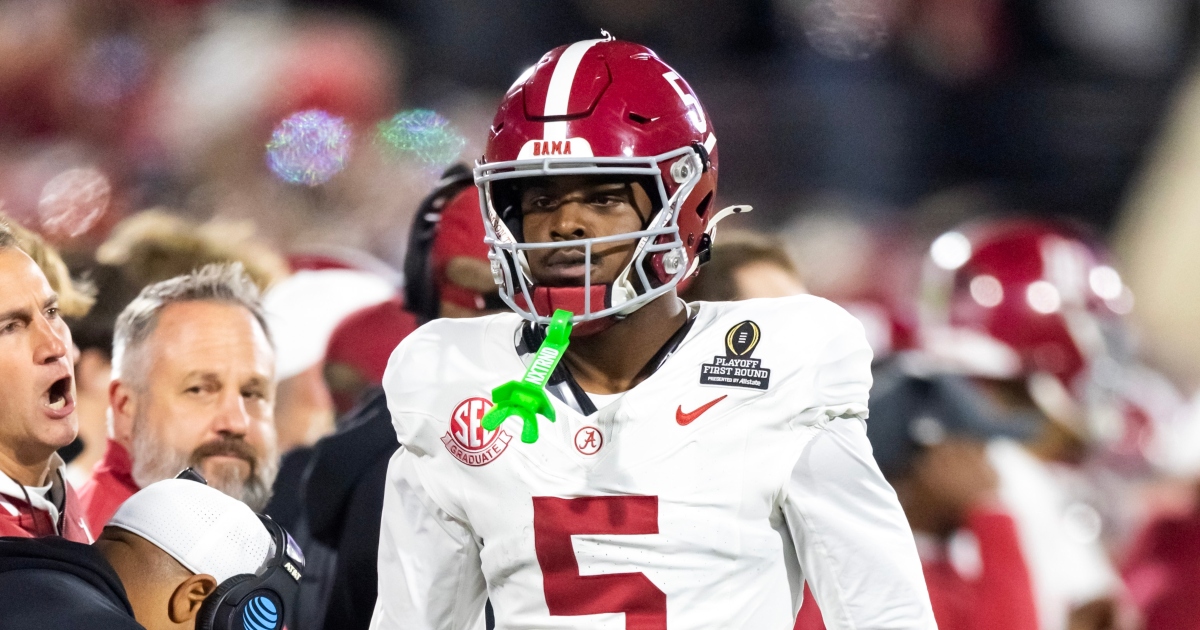
The Rose Bowl will feature the top-seeded Indiana Hoosiers taking on the Alabama Crimson Tide. Still, the consensus seems to be that Indiana is the darling of many fans going into the game, with underdog Alabama still seen as the traditional power.
It goes beyond that, however, for many within the Alabama program. After all, there was some debate nationally on whether this team even belonged in the College Football Playoff field. For Alabama wide receiver Germie Bernard, that doubt may not be the focus, but it does motivate the Crimson Tide.
“Not necessarily,” Germie Bernard said. “We’re always just focused on us and playing our best game, but obviously, it adds an extra fuel to our fire knowing that everybody is doubting us. Nobody wants to see Bama win. We put that on our shoulder, and we just work harder.”
The narrative surrounding Alabama had been that they finished the season struggling, with a notable loss in the SEC Championship Game. The Crimson Tide even found itself in a debate with Notre Dame and Miami for the last two at-large bids. In the end, Alabama made the field but there were still questions and doubts following the team.
A win over Oklahoma in the opening round of the CFP silenced some doubt about Alabama. In particular, the way Alabama won, coming back from down 17-0. With rumors swirling around head coach Kalen DeBoer at the time, there was a growing narrative surrounding the Crimson Tide that something was wrong. So, finding a way to come from behind and win, which included a Bernard catch for the ages, helped solidify that the Crimson Tide belonged there.
Kalen DeBoer knows he now needs to get the best he possibly can out of his team. So, in a recent appearance on The Triple Option, he broke down how to get the best out of his team in the College Football Playoff.
“Well, yeah, and, again, we started out slow, but I thought, really, the last two and a half to three quarters, we really played well, we really played team football. And that’s where it starts. I think that’s one thing we have, is we have a real team. And, you know, again, the SEC Championship was something that, you know, really was frustrating for our guys. (We) know we didn’t play our best, but, you keep working back, there’s just been these moments where the team just always rises to the top and guys are playing for each other. And, I think our guys truly believe that, you know, when you play great competition, there are going to be plays, there are going to be times and moments where it doesn’t go perfect,” DeBoer said.
“But, the other side of the ball, the other phase of the game is going to figure it out. They’re going to make an adjustment. They’re going to get back on a roll. Once we really settled in, I thought both coordinators made some good adjustments. I thought our coordinators, and our players, did as good of a job in this game as we have all season long of just staying the course but also adjusting to the moment.”
Alabama will meet Indiana in the Rose Bowl on New Year’s Day. Kickoff is scheduled for 4:00 p.m. EST.
NIL
Wink Martindale discusses Michigan vs Texas, state of college football in Citrus Bowl press conference
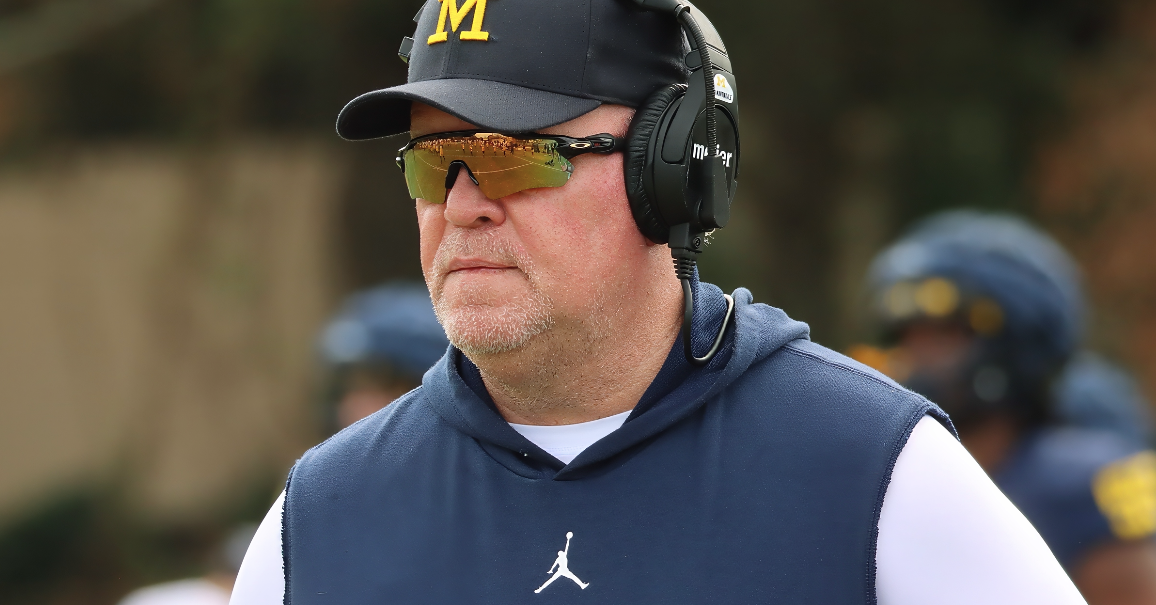
ORLANDO, Fla. — Sunday morning, three days ahead of the Michigan football team’s Citrus Bowl matchup against Texas and hours before Kyle Whittingham was introduced as the Wolverines’ head coach of the future, defensive coordinator Wink Martindale met with reporters in Orlando. He discussed Michigan’s defense, the challenges Texas presents, Michigan’s upcoming coaching changes, the sustainability of college football and more.
Opening statement
How is everybody doing? Hope you had good holidays and continue to have them. Happy New Year. We have been preparing for this for a while now and it is all coming together. We are excited about playing this game.
Q. What’s one thing you want fans to know about this team?
I can’t speak for the team but — I guess I can. (Laughter). Defensively, we take great pride in how hard we play, and to show the joy of the game. I think that that is why this game will be entertaining to watch. You have some really good players on the field, both sides.
Our guys love to compete, and they have been doing it all during Bowl prep. It is nothing new to us. We don’t have to ramp up because it is a game, and that is just how we are and how we do it.
Q. I don’t believe any of your defensive captains from the beginning of the season are active in this game. Who stepped up? Jimmy is one. Can you speak to the leadership you’ve seen from different players stepping up?
I think a bunch of different guys, Ray, Benny, Jimmy, which I knew that. I called that shot two years ago. Just each position group has somebody stepping up. I mean, Dom Nichols, young guy that is really prepared and has gotten better the last two weeks, even. Excited to see him play. The secondary, Shug, Jyaire Hill, he is a natural leader. TJ Metcalf.
Q. What have you seen from the Texas offense? What stands out?
You want me to go first? I mean, obviously, you look at the quarterback. I mean, he is a very talented young man. Respect to that entire family for — with his two uncles and his dad, which they said Coop was the better athlete out of all three of them.
Their offense is explosive. It is one of those things, though. It is like — remember — well, maybe — well, yeah, there’s some people my age (Laughter) — when you had that box of cereal and you didn’t know what the surprise was? It is the same thing going against that offense. You are not sure who is going to be there, but they are going to be very talented.
It is going to be a great challenge for us. Jim put it the best way you could. There is talent in each position group. There are playmakers. Respect to the quarterback and what they have, because they are a great team. We respect them. That is pretty much it.
Q. Coach … you’ve seen a lot of NFL talent. How does Jimmy (Rolder) stack up?
He is going to be a draft choice, a high draft choice. He is an excellent football player.
Q. How many starters will you be missing because of NFL opt-outs? And does that show how Michigan feels about any football game, whether it’s a playoff or not?
Well, I mean, that is a good analogy to it, about how the kids love playing football. That is a great analogy to it.
But every year is different. I think we are going to be missing three guys off the defense, and other guys have stepped right up. Guys that everybody has seen, the Michigan people here that have seen us play all year. That is one thing is that we have played a lot of different individuals.
It’s going to be fun to watch.
Q. Players describe you as someone who does tell it like it is often. How have you handled the last three weeks in terms of becoming a leader on a team without a head coach?
Well, I don’t know if you handle it is the right word. It is a tough situation. It is a tough situation. First of all, I know what we signed up for, in coaching, in the profession itself.
Moving — my wife has moved enough. It is hard because of not only the relationships we have. We have become family, because we spend more time — the coaches themselves, the assistants — together than we do with our families. I am to the point where I want to look out for them. I want to get them a job. However, whatever else comes from it — but they are professionals. They prepared the same way for this game as they have every other game.
But it is, like I was talking to Jimmy about it, with Twitter and everything else, it is entertainment for people to see all this. I am getting emotional talking about it. It is real life. There are little ones that have to be uprooted from school and things like that. So, it sucks.
But you can see how I handled it (Laughter).
Q. If you’d elaborate on that, just how you see college football now, where it is, is it sustainable?
I have no idea if it’s sustainable or not. You look at it as a fan and you say, Oh, there really was money there, you know what I mean? It has become so transactional now. The transactional part, everybody understands — when I say everybody, the parents and the kids, they understand it.
But they still have their — I don’t want to say high school mentality but younger mentality – now, there are kids getting NIL deals in high school, too. It’s crazy.
It is going to be a challenge, it really is. It is going to be a challenge. I think it is good for the game. I do think it is good for the game.
I think one of the challenges are that the kids that sign these NIL deals, they are going to be treated like pros. I mean, before long, you will see their NIL deals in the paper. You will see all the details — just like the NFL.
I think they have to have a salary cap at some time, at one point, they have to do it. They have to cap it, I would think. We will have to see, to follow it.
I know it is a great game, the game of football, and I reflect back now instead of looking forward. I love this game, and I hope that it keeps trending in the right direction. You are worried about the money part of it.
Q. I know we’ve seen Cam Brandt and Dom Nichols all season but can you speak to the edge position? You’ll be missing a couple starters.
You have TJ. Lu (Edokpayi) has come on, don’t you think? There are other young guys that we are going to get to see live in action, and I am looking forward to it. But the edge, they are going to be — we missed J-Stew last year, but it is a fun group to watch.


During his time as offensive coordinator at Arkansas, Bobby Petrino fought tooth and nail for his side.
So much so, in fact, that he reportedly got in a scuffle with his counterpart on the other side of the ball this past summer. He and Travis Williams never truly made up, as the latter and a raft of his assistants were the first to go when Petrino took over as interim head coach in late September.
Through it all, Petrino fought for his guys, especially the dual-threat quarterback upon whose shoulders so much rode. In the end, though, Taylen Green just couldn’t make enough of the right plays at the right times.
At critical juncture after critical juncture, the ball slipped from the fingertips of Green or a teammate. Not surprisingly, the Razorbacks also lost their grip on chances for win after win. When the dust cleared on the 2025 season, Petrino had an offense that finished among the nation’s best but only two wins to show for it.
Now, the 64-year-old has another fight in front of him.
Petrino May Want to Look Into Taxidermy after This
Two years after getting charged with the task of saving the hide of Sam Pittman, the Montana native is tasked with the same for Bill Belichick at North Carolina.
Poll
Want to Get Paid for Following Arkansas Sports?
The 73-year-old Belichick’s first season in Chapel Hill was about as painful of a learning experience for the winningest NFL head coach of all time that you could imagine. Looking at the Tarheels’ 4-8 record only scratches the surface of just how bad things got.
While Arkansas had its own predictable level of in-fighting for a 10-loss team, including some locker room division during the Notre Dame catastrophe and an assistant coach play-acting as Mike Tyson on some poor player, North Carolina lapped Arkansas a time or two in the dysfunction department.
“It’s an unstructured mess,” a source with direct knowledge of North Carolina football told WRAL News five games into the 2025 season when the offense ranked 128 out of 136 Division I teams in points per game. “There’s no culture, no organization. It’s a complete disaster.”
“It’s all starting at the top, and the boys are being affected,” a parent of a 2025 UNC player told WRAL. “I don’t fault the players; I fault the leadership that created this toxic environment. There’s an individualistic mindset.”
Christopher McLaughlin, a UNC professor of law and government, penned an official letter asking university brass to “please end this circus.”
“When you agreed to pay a king’s ransom to hire Bill Belichick, did you also know that you were hiring Jordon Hudson to serve as the primary face of UNC athletics?” McLaughlin wrote.
Belichick firing two coordinators at season’s end should help reboot the North Carolina locker room culture some. So will leaning less on transfers and bringing in a whopping 39 high school signees starting in January.
Given Petrino’s success with offense at all levels of college football, few doubt he will help send a jolt to UNC’s side of scoreboard. Some insiders, however, think he’ll be hamstrung from the start as the team evaluates the prospects it wants to bring in when the transfer portal opens on January 2, 2026.
That’s because Belichick, just as Petrino did with Taylen Green, is showing fierce loyalty to his chief talent evaluator despite a body of evidence that may ultimately cost him.
As part of Belichick touting UNC as the NFL’s ‘33rd’ team, he’s gravitated toward stocking his staff with veterans heavy on NFL experience. Chief among them is his general manager Michael Lombardi, who spent decades in the NFL around penning a column or two for The Athletic criticizing Jerry Jones. He spent three seasons under Belichick as a New England assistant.
In convincing the 66-year-old to follow him to Chapel Hill, Bill Belichick made Lombardi the nation’s highest paid GM to the tune of $1.5 million dollars a year.
The return on investment hasn’t been too impressive.
Related Articles
Insiders told The Athletic that Lombardi, who hadn’t worked in college football since the mid 1980s, got off to a disorganized start alongside Belichick last winter when both tried to learn the college game on the fly.
The Athletic’s Bruce Feldman, Brendon Marks and Stewart Mandel reported that most of the six NIL agents with whom they spoke described Lombardi as “either abrasive or dismissive toward them during their negotiations.”
For instance, one agent recounted Lombardi coming out the gates with a strong initial offer for his client, but then proceeded to lower it considerably over a series of subsequent calls. That ultimately cost UNC the player. Playing hardball with a brusque manner is one thing when you’re winning (just ask Arkansas football fans recalling the glory days of Petrino as full-time head coach). It’s an entirely different matter when you lose, however.
A university source said that Lombardi’s bungled roster management (UNC had brought 70 new players into the 2025 season) by too often overspending on one position while hunting for bargains at others.
“Initially, they thought people would flock to play for (Belichick) and take less money, but they realized fast that that wasn’t the case,” the source told The Athletic.
As The Athletic’s Mandel and Feldman see it, Lombardi hurts Petrino’s chances of doing what he so badly wanted to do at Arkansas – help lead his team to the College Football Playoffs.
“He’s totally at the mercy of Belichick and Lombardi and their Super Bowl evaluation skills to actually bring in some players and a quarterback that’s not Gio Lopez,” Mandel said on The Audible podcast.
Poor guy

That’s a big problem, considering “Michael Lombardi really didn’t know what he was doing on the college side,” which resulted in a “bad roster,” according to Mandel and Feldman’s co-host, Ralph Russo.
Arkansas, North Carolina Paying for Past Payroll Sins
Like North Carolina, Arkansas also had its own roster issues over the last couple years. Consider, for instance, the mismanagement around the defensive line heading into this year’s spring transfer portal.
What most shackled Petrino, Pittman and the overall Arkansas football program, however, was simply not being able to hang with the likes of UNC or most of the SEC in terms of staff and player payroll.
That part was no secret.
Arkansas Hunter Yurachek, though, made matters worse by openly admitting that Arkansas wasn’t equipped financially to win a national championship.
He gave other programs’ GMs and coaches negative recruiting manna and pretty much turned what was already a steep uphill climb in the player acquisition department for his coaches into an escarpment.
While Arkansas now has a new staff and significantly increased financial backing in place, the reputation it developed over the last couple years for shallow pockets will take time to reverse.
Similarly, Lombardi is already saying a lot of the right things about learning from his first year on the job. For instance, in early December, he now knows that college recruiting is all-year round (as opposed to NFL draft preparation) and that he’s come to understand the “acquisition cost” that UNC must pay when negotiating for transfers and recruits.
For Petrino at Arkansas, the lessons his higher-ups learned came too little, too late.
For North Carolina to be any different, a few old dogs must learn new tricks.

***
More on Petrino, Arkansas and UNC starting at 24:40 here:


***
More coverage of Arkansas football and Bill Belichick from BoAS:

Related
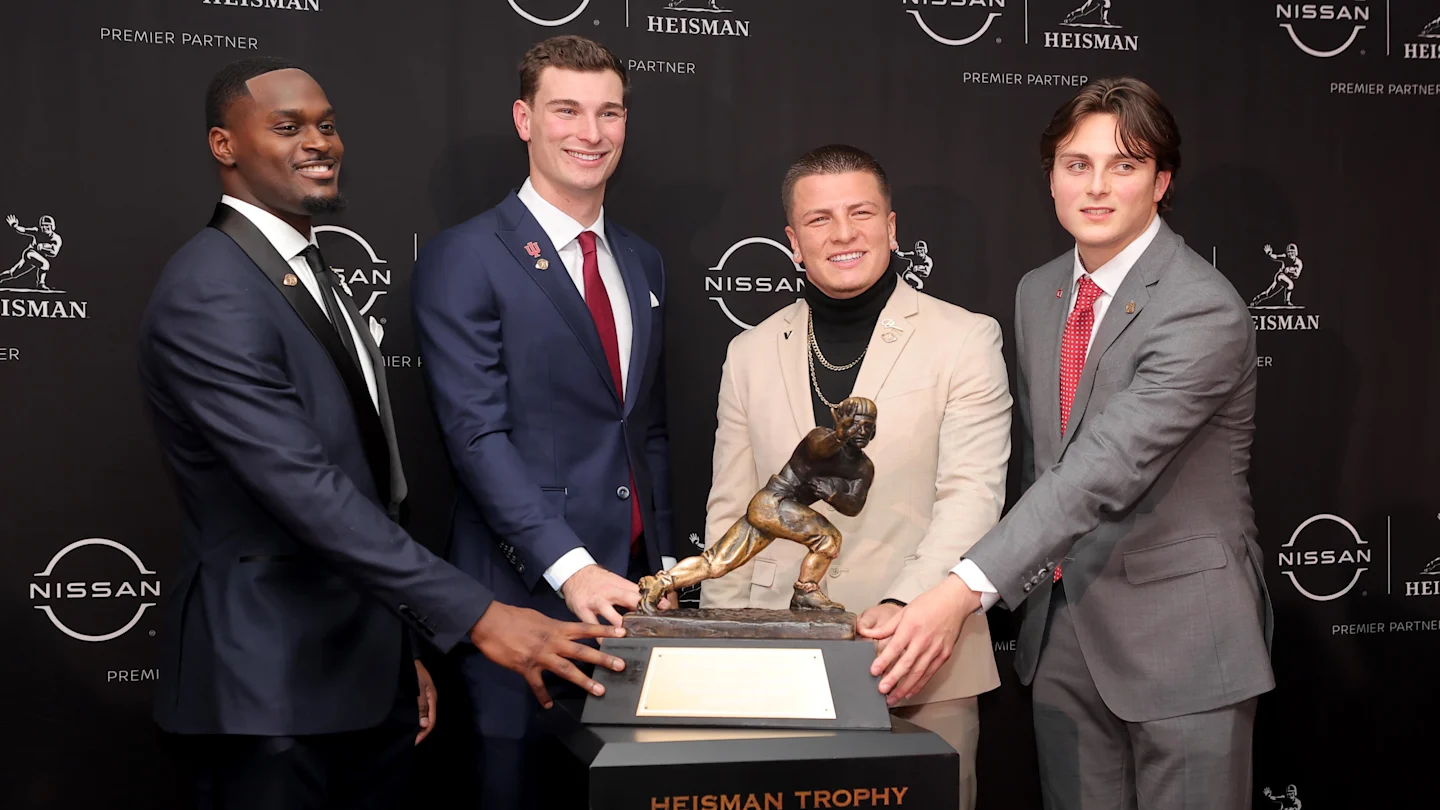
Indiana capped a perfect 13–0 regular season by winning the Big Ten title, snapping a long skid against Ohio State and securing the No. 1 seed in the expanded College Football Playoff.
Under second-year head coach Curt Cignetti (24–2 at Indiana), the Hoosiers authored a program-defining season that thrust the program firmly into the national spotlight.
In his first year at Indiana after transferring from Cal, quarterback Fernando Mendoza completed 226-of-316 passes (71.5%) for 2,980 yards, 33 passing touchdowns and six interceptions, while adding 240 rushing yards and six rushing scores.
He posted the second-highest passer rating among starting quarterbacks (181.4) and ranked fifth nationally in completion rate, sweeping major awards including the Heisman Trophy, Maxwell Award, Davey O’Brien Award, AP Player of the Year, and Big Ten Offensive and Quarterback of the Year honors.
Following his historic season, On3’s Pete Nakos ranked Mendoza as the top transfer addition of the 2025 season, pointing to his immediate, program-altering impact in Indiana’s breakout campaign.

A Christopher Columbus High School (Miami, FL) product, Mendoza entered the Power Five ranks as a three-star recruit and the No. 140 quarterback in the 2022 class according to 247Sports.
He steadily developed in California, highlighted by a career-best 3,004 passing yards, 16 touchdowns and six interceptions in 2024, before transferring to Indiana in December 2024.
That foundation set the stage for a 2025 breakout that elevated him into arguably the sport’s top quarterback and one of college football’s most valuable NIL assets, with an estimated valuation of $2.6 million.
Several national outlets and mock-draft models also project Mendoza as a potential top-10 pick in the 2026 NFL Draft.
As the No. 1 seed in the College Football Playoff, Indiana is scheduled to face No. 9 Alabama in the Rose Bowl quarterfinal on January 1.
A win would send the Hoosiers to the CFP semifinals (Jan. 8–9) and potentially the national championship game on Jan. 19, a run that would further solidify Mendoza’s rapid rise.
Read More at College Football HQ
- 25-touchdown RB shares farewell note after entering college football transfer portal
- College Football Playoff team loses All-Conference player to transfer portal
- College football team loses three All-Americans to transfer portal
- $2.4 million QB connected to major college football program in transfer portal
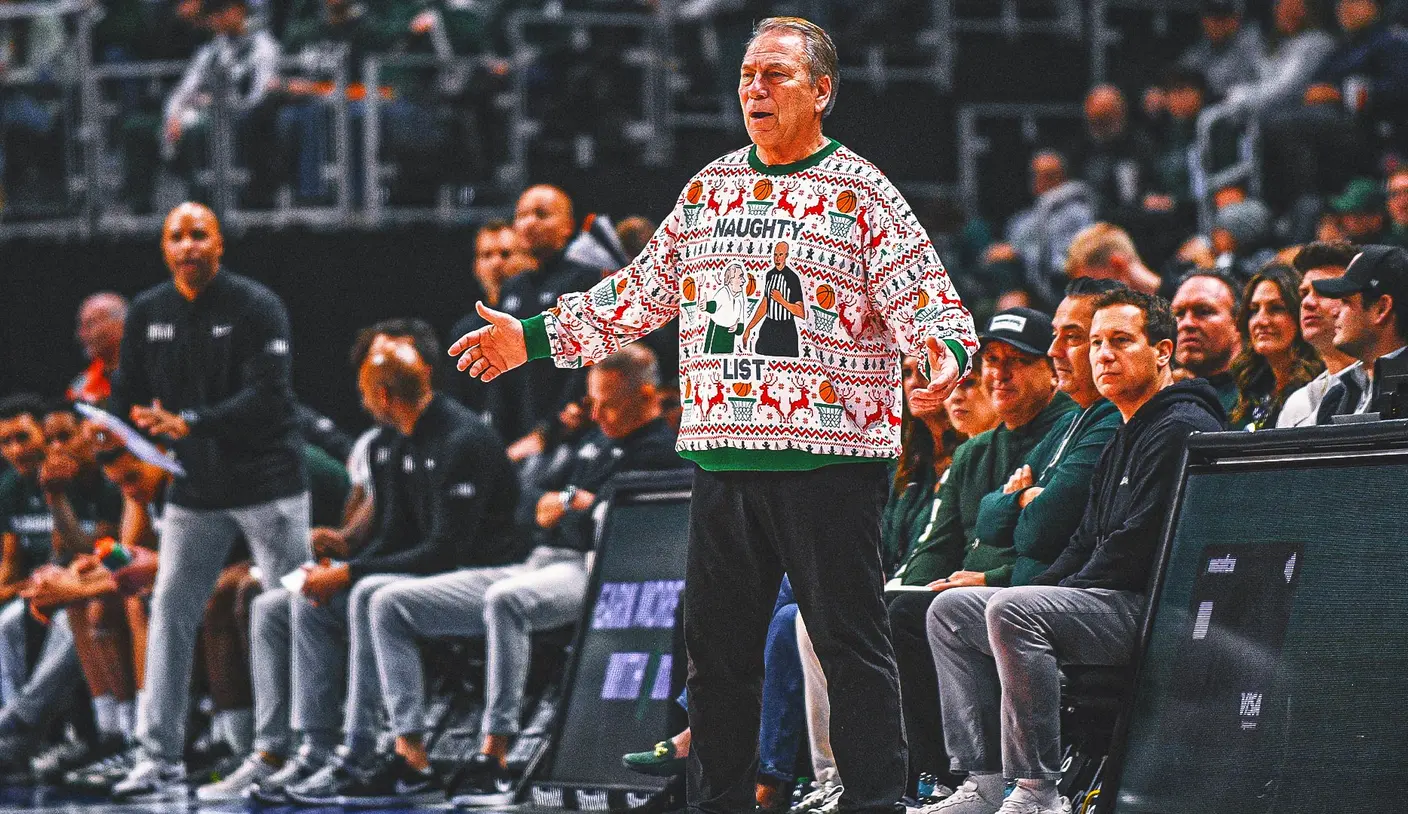
Longtime Michigan State coach Tom Izzo isn’t mincing words when it comes to the recent surge of former NBA G League players and international pros getting the green light to play college basketball around the country.
On Christmas Eve, Baylor received a commitment from James Nnaji, the 31st overall pick in the 2023 NBA Draft. The 21-year-old Nnaji, a 7-foot center from Nigeria, was granted immediate eligibility as a midseason addition and will have four years of eligibility remaining, according to USA Today.
“I thought I’d seen the worst — then Christmas came,” Izzo said, per USA Today. “What happened just topped it. … Now we’re taking guys that were drafted in the NBA and everything? … If that’s what we’re going to, shame on the NCAA. Shame on the coaches, too, but shame on the NCAA because coaches are gonna do what they gotta do, I guess, but the NCAA is the one.
“Those people on those committees that are making those decisions to allow something so ridiculous. … I just don’t agree with it.”
Nnaji never actually played in the NBA or the G League, but he did appear in five NBA Summer League Games for the New York Knicks in July and played professionally overseas last season in Spain and Türkiye.
This isn’t the first time a situation like Nnaji’s has presented itself. In October, the NCAA ruled to allow guard London Johnson, 21, to join Louisville next year with two seasons of eligibility despite him having played three years in the G League.
Izzo revealed that he received a text from “a very famous, great coach” that criticized these fluid eligibility rules. “What we’ve done in the NCAA has been an absolute travesty to me,” the message read, according to USA Today.
Izzo went on to predict that, if polled, “maybe 5-10%” of D-I coaches would agree with these changes.
“If that’s the way it is, and if I have to make those adjustments, then let’s make them,” he added. “Let’s go pro if that’s the way it is, but let’s not be half you-know-what.
“Because there’s no such thing as being half that.”
Want great stories delivered right to your inbox? Create or log in to your FOX Sports account, and follow leagues, teams and players to receive a personalized newsletter daily!
FOLLOW Follow your favorites to personalize your FOX Sports experience
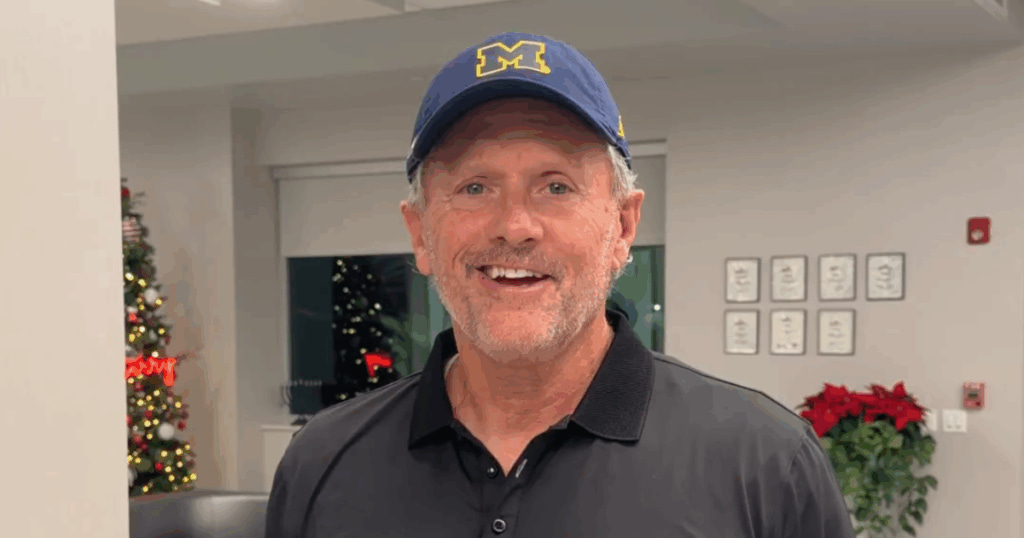
The coaching search is over, but the work is just beginning. Michigan Wolverines football has a new leader in Kyle Whittingham, the 22nd head coach in program history, and he’s already hard at work in Orlando as the Maize and Blue prepare for the Dec. 31 Citrus Bowl against Texas.
Michigan’s official NIL collective, Champions Circle, has launched its ‘Membership 2.0,’ an opportunity for fans to receive “new benefits, new opportunities to engage with players and coaches and new ways to support those who wear the Maize and Blue.”
Advertisement
“As Coach Whittingham takes the helm to lead the next chapter in Michigan football history, one thing is clear: success in today’s college football landscape requires support from each and every fan,” the collective shared in a press release.
By becoming a Champions Circle member, Michigan fans are “directly supporting NIL opportunities that help:
• Empower our new coach to establish the next great era of Michigan Football
• Build championship-level depth at every position
• Prevent rivals from poaching our top talent
The First 100 New Yearly Victors & Valiant Members will receive a football signed by Whittingham and freshman quarterback Bryce Underwood AND an invitation to a first-of-its-kind “Meet Coach Whittingham” webinar in 2026.
Advertisement
Here are details on membership tiers for Champions Circle:

The 66-year-old Whittingham is already in Orlando connecting with Michigan staff, players and their families. The Wolverines have one game remaining but are also focused on next season.
Whittingham was introduced to Michigan fans on social media Saturday evening and will hold his introductory press conference Sunday morning at 11 o’clock from the team hotel.

NIL2 minutes ago
Germie Bernard responds to Alabama being cheered against in College Football Playoff: ‘Nobody wants to see Bama win’

NIL55 minutes ago
Wink Martindale discusses Michigan vs Texas, state of college football in Citrus Bowl press conference

NIL2 hours ago
NIL Agents Laid Out In No Uncertain Terms The Handcuffs Shackling Petrino from UA to UNC

Rec Sports2 hours ago
Texarkana’s Wacha family builds something bigger than a camp

Rec Sports2 hours ago
Petaluma Police Arrest Suspect For Hate Crime Targeting Former Globetrotter and Youth Coach

Rec Sports2 hours ago
Eckols Funeral Home » Jewel Annette Devall RodgersEckols Funeral Home

Rec Sports3 hours ago
Parks and Rec to offer youth swim lessons at Bemidji State

Rec Sports3 hours ago
Inconsistency costs Tesoro in loss to St. Anthony at Ringo Bossenmeyer Holiday Classic –

NIL3 hours ago
$2.6 million QB ranked as No. 1 transfer in college football

Rec Sports3 hours ago
Bill introduced to protect youth sports participants in Washington state | News

Sports3 hours ago
Cougars come back to win Pop-Tarts Bowl 25-21 over Georgia Tech – BYU Athletics – Official Athletics Website

Sports3 hours ago
Kats take care of Biblical Studies 117-57

Motorsports3 hours ago
Brad Keselowski’s first racing job involved ‘mowing grass’ – Motorsport – Sports

NIL4 hours ago
Tom Izzo on Pro Players Getting College Eligibility: ‘Shame’ on NCAA, Coaches

NIL4 hours ago
Michigan NIL collective Champions Circle hits ground running after Kyle Whittingham hire

Motorsports3 weeks ago
SoundGear Named Entitlement Sponsor of Spears CARS Tour Southwest Opener

Motorsports3 weeks ago
Donny Schatz finds new home for 2026, inks full-time deal with CJB Motorsports – InForum

Rec Sports3 weeks ago
Black Bear Revises Recording Policies After Rulebook Language Surfaces via Lever

Motorsports4 weeks ago
Jo Shimoda Undergoes Back Surgery

NIL4 weeks ago
Bowl Projections: ESPN predicts 12-team College Football Playoff bracket, full bowl slate after Week 14

Rec Sports4 weeks ago
Robert “Bobby” Lewis Hardin, 56

Sports4 weeks ago
Men’s and Women’s Track and Field Release 2026 Indoor Schedule with Opener Slated for December 6 at Home

Rec Sports4 weeks ago
How this startup (and a KC sports icon) turned young players into card-carrying legends overnight

Rec Sports3 weeks ago
How Donald Trump became FIFA’s ‘soccer president’ long before World Cup draw

Rec Sports3 weeks ago
David Blitzer, Harris Blitzer Sports & Entertainment
Sports4 weeks ago
Wisconsin volleyball sweeps Minnesota with ease in ranked rivalry win

Motorsports4 weeks ago
Michael Jordan’s fight against NASCAR heads to court, could shake up motorsports

Motorsports3 weeks ago
JR Motorsports Confirms Death Of NASCAR Veteran Michael Annett At Age 39

Motorsports3 weeks ago
Rick Ware Racing switching to Chevrolet for 2026

Motorsports4 weeks ago
Increased Purses, 19 Different Tracks Highlight 2026 Great Lakes Super Sprints Schedule – Speedway Digest





-
 Motorsports3 weeks ago
SoundGear Named Entitlement Sponsor of Spears CARS Tour Southwest Opener
-

 NIL3 weeks ago
DeSantis Talks College Football, Calls for Reforms to NIL and Transfer Portal · The Floridian
-
 Sports2 weeks ago
#11 Volleyball Practices, Then Meets Media Prior to #2 Kentucky Match
-
 Motorsports2 weeks ago
Sunoco to sponsor No. 8 Ganassi Honda IndyCar in multi-year deal
-
 Motorsports3 weeks ago
NASCAR owes $364.7M to teams in antitrust case
-
 Motorsports2 weeks ago
Nascar legal saga ends as 23XI, Front Row secure settlement
-
 Motorsports3 weeks ago
North Florida Motorsports Park led by Indy 500 Champion and motorsports legend Bobby Rahal Nassau County, FL
-
 Rec Sports2 weeks ago
WNBA’s Caitlin Clark, Angel Reese and Paige Bueckers in NC, making debut for national team at USA camp at Duke
-

 Motorsports3 weeks ago
Accelerating Inclusion: Breaking Barriers in Motorsport
-
 Sports2 weeks ago
Maine wraps up Fall Semester with a win in Black Bear Invitational