
NIL
Virat Kohli ends Rs 110 cr Puma deal, set to join former Puma MD's Agilitas as investor


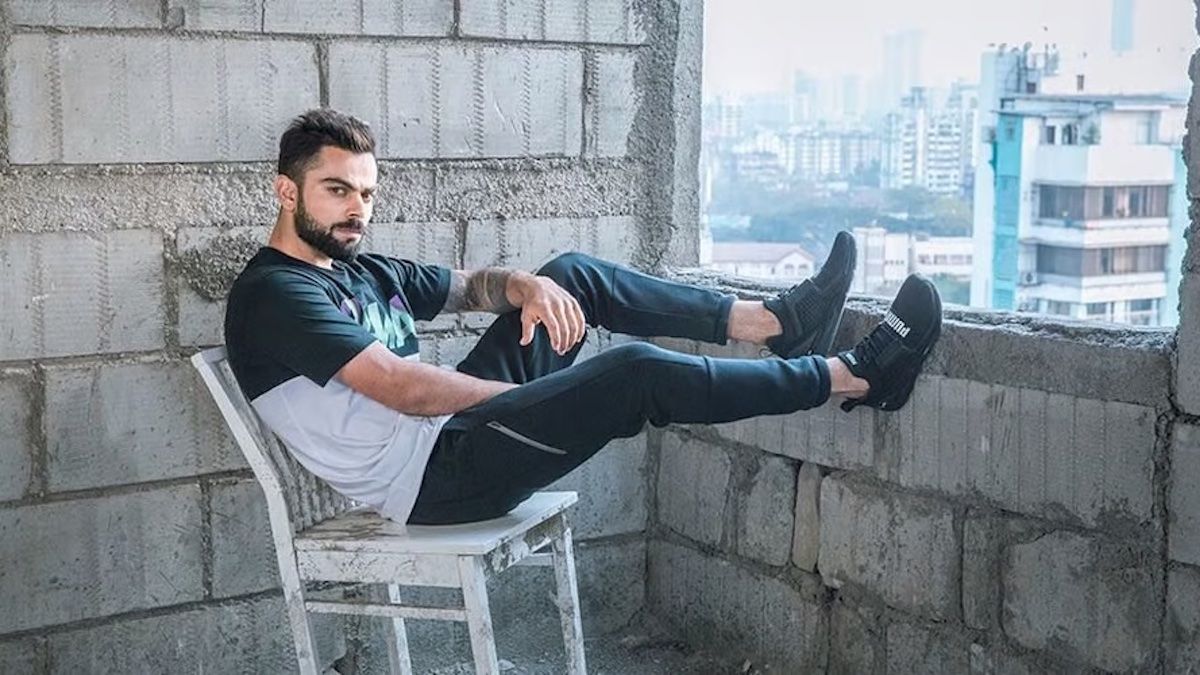
New Delhi: Indian cricket icon Virat Kohli has made headlines off the field, parting ways with German sportswear giant Puma after an eight-year, Rs 110 crore endorsement deal to join homegrown athleisure brand Agilitas as an investor and brand ambassador.
The news reports signal Kohli’s ambition to transform his lifestyle brand, One8, into a global sportswear powerhouse, with an official announcement expected during the ongoing Indian Premier League (IPL) 2025 season.
Kohli’s partnership with Puma, which began in 2017, was a landmark in Indian sports endorsements, making him the first Indian athlete to secure a deal exceeding Rs 100 crore. The collaboration produced iconic campaigns and exclusive One8 product lines, cementing Puma’s dominance in India’s sportswear market.
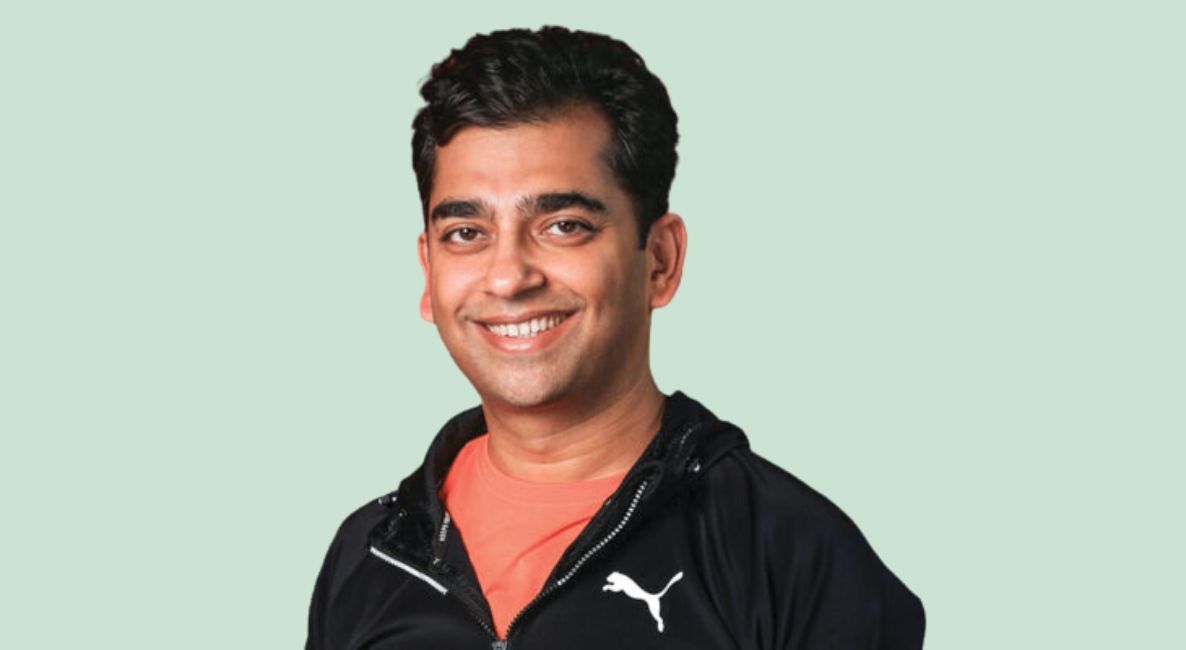
News reports state that Kohli declined a Rs 300 crore offer to extend the partnership, opting instead to invest in Agilitas, a startup founded in 2023 by Abhishek Ganguly, former Managing Director of Puma India and Southeast Asia.
Agilitas, which raised Rs 100 crore from Nexus Venture Partners in December 2023 and acquired licensing rights for Italian brand Lotto in India, Australia, and South Africa, is positioning itself as India’s answer to global sportswear giants.
Kohli is expected to acquire a significant equity stake in the company and play a pivotal role in scaling One8, which he launched in 2017 as a premium athleisure brand. Plans include a brand relaunch with a new logo, expanded footwear and apparel collections, and exclusive stores in major cities like London, Dubai, and New York.
In a statement, Puma wrote, “We wish Virat the best for his future endeavours. It was a wonderful association spanning years of outstanding campaigns and path-breaking collaborations. Puma will continue to invest in the next generation of athletes and India’s sporting ecosystem.”
Recently, Kohli cleared promotional posts from his Instagram grid.










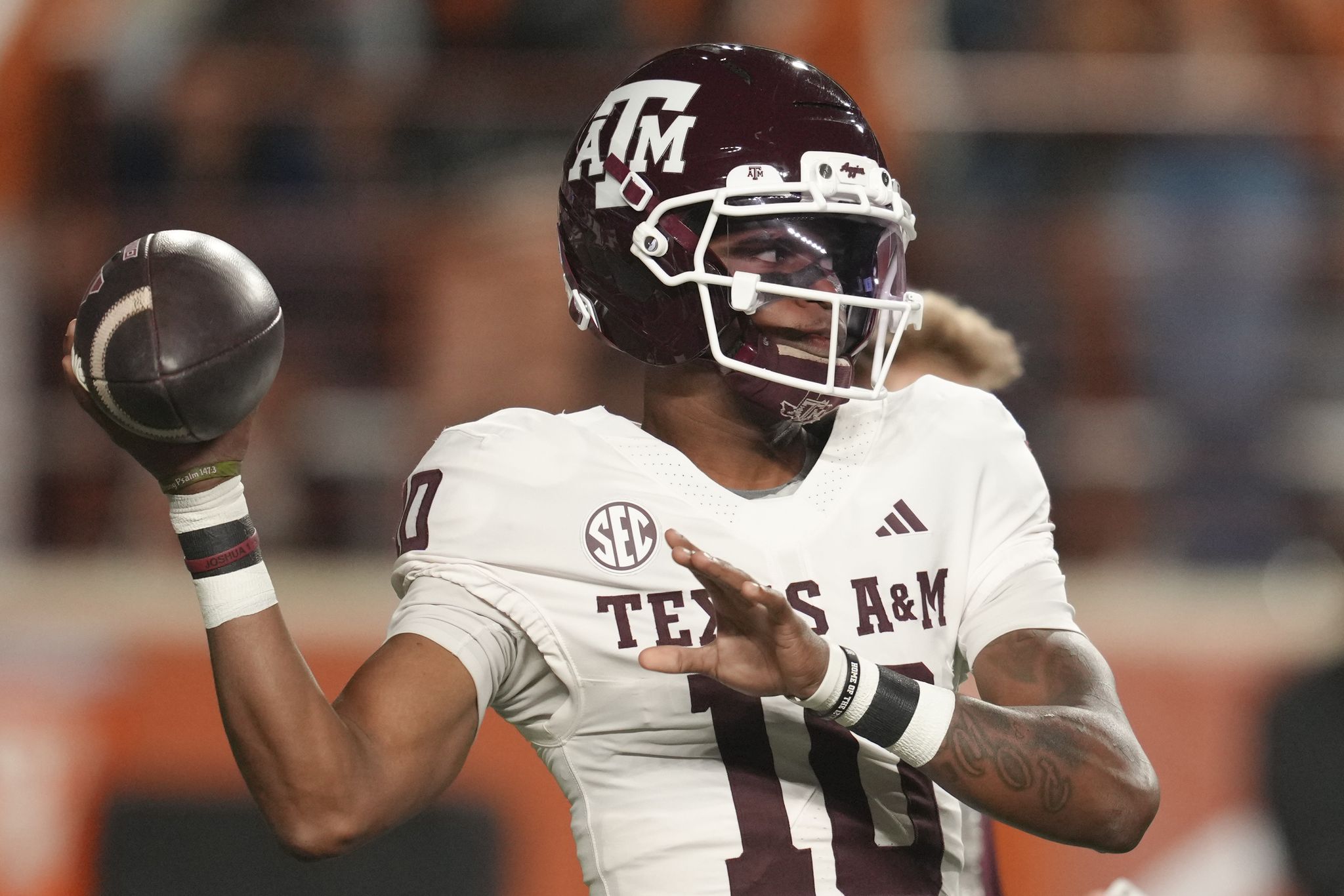
There never seemed to be much of a question about where Marcel Reed would play football next year, but in this era of multi-million dollar NIL deals, you never can be too sure, so the Texas A&M quarterback put to rest any possible anxiety from Aggies fans.
Griffin’s wife Grete, who co-hosts the podcast with her husband, got directly to the point, asking, “If Miami came today and offered you $4 million, what do you say?”
“I have to talk to my parents,” said Reed, before clearing up that he thinks Texas A&M is the best place for him to be.
Reed said he was offered deals from other schools after his freshman year with the Aggies. On the podcast, which is unclear if it was recorded before Texas A&M offensive coordinator Collin Klein got the head coaching job at Kansas State, Reed said he didn’t consider those offers then and wouldn’t consider them now.
“I don’t think there’s any reason I need to leave Texas A&M,” Reed said. “I have the job and it’s mine to lose, and I don’t think I will. There’s no reason for me to leave. I think I have a great OC. I have a great coach, I have great players around me. We have the best stadium in college football. The best college town in college football … There’s no need for me to leave and go anywhere else.”
Reed didn’t say how much he makes in NIL currently, but did tell the Griffins, “I don’t live in the dorm, I’ll tell you that,” before revealing he lives in a four-bedroom house with 3 ½ baths.
“It’s pretty nice,” he said.
Reed also cleared up one rumor that has stuck throughout the football season. No, he is not dating Olympic gymnast Suni Lee.
Dec. 8, 2025, 3:34 p.m. MT
Arizona State football coach Kenny Dillingham spoke with the media in a Zoom session on Dec. 8. The subject was supposed to be his team’s participation in the Sun Bowl on Dec. 31 opposite ACC champion Duke (8-5). While that was addressed, there was no getting around the elephant in the room — the status of his sophomore quarterback, Sam Leavitt, who helped the team to a Big 12 championship a year ago, but whose status is in limbo.
Leavitt did not show up to the team’s annual year-end banquet 24 hours earlier, and reports have surfaced that the quarterback is indeed headed to the transfer portal. Dillingham wishes Leavitt the best and is confident in the team ASU will be fielding moving forward.
“I’m going to leave that to Sam’s team, out of respect for him,” Dillingham said. “I love Sam. Sam grew so much here. He really did. I grew so much learning from Sam, and whatever his future holds, I wish him nothing but the best. Absolutely want to see him succeed. I can sleep really well at night knowing that we helped him progress along his journey.
“That is now the craziness of college football. With that, I’m very, very confident that we’re going to have a really good quarterback at Arizona State.”

Dillingham said he supports his players making the decision that is best for them. When asked about Leavitt’s no-show at the team function, Dillingham didn’t want to address the discussion he had with the player.
“Sam and I have a really good relationship. That’s never going to change,” Dillingham said. “When I sign players, when I recruit players, and I coach players, my goal is to help them be successful individually, and hopefully my helping them be successful individually helps them be successful as a team. Sam is, and will always be, my guy. I love that kid. I saw him grow from a dude who wasn’t playing at a prior school to a guy who got to hold a championship up and then be hyped for the Heisman, a guy who was hyped as a first-round pick. I got to be a part of that growth process, and I’m just blessed that I got to be a part of that process. I’m always going to stay in contact. We’re going to have a lifelong relationship.”
Dillingham said he is still gauging the level of participation as to what players may not take the field again. Tight end Chamon Metayer and defensive end Justin Wodtly have both declared for the NFL draft, which often means opting out of bowl games.
Dillingham said he is balancing getting younger players some action and trying to win the game. Jeff Sims, who took the ball when Leavitt went down with a season-ending foot injury that required surgery, will start the game, although there may be some packages for true freshman Cam Dyer.
“We’re going to try and win the game,” Dillingham said. “There may be some younger guys playing, but they’re playing to win the game. We’re going to do everything we can to try and win the game, and if that means those guys getting game-day experiences, awesome. I don’t want you to try and get experience and lose; I’d rather you have the experience, and we’re winning. That’s the goal.”
As far as athletes who may not play, Dillingham will let those players decide for themselves.
“This is a new era of college football,” he said. “I’m going to support whatever our players do, whatever they deem is best. I’m going to support that and get behind it, and we have a lot of seniors, a lot of guys that have been playing. These guys that need to get rest or need minor surgery postseason in order to get ready for the NFL draft and progress, I’m telling those guys you need to do what you need to do to get your body right for your prep and your future.”
Several of Dillingham’s comments leaned into the current dynamic of college football. The transfer portal makes it easy for players to come and go. The NIL component now makes college football a sort of free agency. Look no further than Texas Tech, the team that succeeded ASU as Big 12 champion after spending a reported $27 million on its roster since last season.

ASU did not lose any key players to the portal after the 2024 run, a credit to what Dillingham has created in Tempe in a short time. He knows that won’t always be the case.
“In the end of the day, is everybody going to stay together? No. We’ve created a mercenary world in college football,” he said. “You can’t be mad at people making individual decisions. You got to support that and if you really care about somebody, you support the decisions they feel are best for them but what this team did was lean into one another and when times got tough, injuries happened, when program leaders went down across offense and defense, they leaned in on each other and that’s what got us to this point, the brotherhood and how close the kids are.”
Dillingham clapped back at any criticism thrown at Leavitt — or any other player who chooses to leave a school. He said the criticism should instead be directed at the adults who have made the decisions that have facilitated where the college game has gone in recent years.
“At the end of the day, I want people who believe Arizona State is the best place for them and their growth, and I want to help everybody achieve what they want to achieve,” he said. “If that’s at Arizona State, great. If it’s not at Arizona State. Great. The adults are the people that started this mess and now people try and blame the kids. This isn’t a kids’ problem.
“Every kid that transfers, every kid that leaves, this isn’t a kid problem. There’s not even a problem at all if you don’t care that people leave. This is an adult’s mess, not a kid’s mess, and people try and throw these kids through it, and I get it, they make a lot of money now.”
Dillingham was asked about the College Football Playoff picture, particularly since his team was part of the equation a year ago, even getting a first-round bye, which led to a change in the format this season. Notre Dame’s snub this season has been the big debate in the last 24 hours.
Duke coach Manny Diaz, whose team ASU plays next, lobbied for his team’s inclusion despite five losses. Dillingham had plenty to say on the topic of the CFP as well.
“There is no right answer. I could give you an answer, and it’s gonna be a wrong answer still,” he said. “We’ve created a mess, point blank. The whole industry is a mess. The only thing that’s not a mess is the dollar signs. Those are still pointing up. Everything else is a mess, the dollar side, the business of it, that’s skyrocketing. Everything else is a mess. That’s being transparent and honest. Other than the ratings, the dollars, the money involved, it’s a mess. This is just another piece of the mess.”
With most of the country’s focus on who was snubbed by the College Football Playoff Selection Committee, college athletics reached another inflection point on Monday with the release of Athletes.org’s first-ever draft Collective Bargaining Agreement (CBA) framework. This document is designed to replace the current NIL-driven compensation model with a standardized, enforceable structure modeled on professional sports CBAs. While far from a final agreement, it’s the most detailed blueprint yet for what some players want a collectively bargained future to look like across NCAA Division I athletics. What do colleges and universities need to know about this step?
Where Things Stand: Labor Organizing and Legal Pressure Are Reshaping College Athletics
Over the last four years, momentum toward formal labor and employment rights for college athletes has accelerated dramatically.
NLRB Developments
For the moment, the National Labor Relations Board is the least likely source of any concerns for college athletics. Not only does it presently lack a quorum to legally act, the Presidential administration is decidedly opposed to granting student athletes “employee” status. Indeed, the 2021 NLRB General Counsel memo declaring student athletes to be employees was rescinded in February, and efforts pre-dating the Trump administration to unionize Dartmouth basketball players and claiming athletes at the University of Southern California were employees were both voluntarily dismissed by player-advocates even before the new administration started.
The Johnson Litigation
In July 2024, the 3rd Circuit Court of Appeals ruled in Johnson v. NCAA that Division I student-athletes are not categorically barred from bringing claims under the Fair Labor Standards Act (FLSA). Instead, the court held that athletes “may be employees” when they perform services for their school (or the NCAA) primarily for the institution’s benefit, under the school’s control (or right of control), and in return for compensation or other benefits. This decision rejected the long-standing defense that the traditional concept of “amateurism” automatically excludes student-athletes from employee status. Johnson is now on remand in the District Court which is considering another round of motions to dismiss. It remains one of the most significant employment-law threats to the traditional collegiate model.
The House Settlement
The House settlement, while monumental in providing a revenue-sharing mechanism to student athletes, does not resolve long-term legal exposure. Judge Wilken expressly acknowledged that the agreement does not carry the protections of the non-statutory labor exemption because it is not collectively bargained. Athletes.org echoed this point in its own amicus briefing, emphasizing that without a CBA, universities remain vulnerable to antitrust claims, compensation-related challenges, and future litigation over inconsistent athlete treatment.
Inside the CBA Proposal: Key Components of the Athletes.org Framework
Athletes.org is a newly formed players association seeking to organize college athletes and position itself as the negotiating representative in any future restructuring of college sports. While still early in its development and lacking formal recognition, it claims to represent more than 5,000 student athletes and is actively pushing for a collective bargaining model that would shift many operational and financial decisions away from institutions.
For campus leaders, the framework serves as an early signal of the issues that could arise if collective bargaining becomes part of the collegiate athletics landscape. The 38-page draft CBA framework is ambitious and built consciously on the architecture of professional sports CBAs. Its stated goal is to provide “a sustainable, enforceable structure for college athletics” that consolidates athlete compensation, standardizes contractual terms, and reduces litigation risk.
Five components stand out:
1. A Standardized Athlete Services Contract
The proposal centers on replacing the current NIL-service hybrid model with a single, mutually negotiated athlete services agreement. This would:
- Consolidate revenue-share payments into a single income stream tied to athletic services.
- Establish national minimum terms across compensation, benefits, grievance procedures, and health/safety protections.
- Reduce the current patchwork of school-specific contracts and conflicting state laws.
2. Revenue Share Caps and Spending Floors
Mirroring professional sports, the CBA introduces conference-specific revenue percentages and mandatory spending floors. Elements include:
- A revenue-share cap and minimum per-sport spending requirements tied to pro rata conference revenue.
- An obligation that institutions spend at least 89% of their annual athlete compensation budget across a rolling four-year period, with penalties for noncompliance.
- Transparency requirements and annual financial reporting.
3. Health, Wellness, and Safety Standards
The draft includes provisions far more expansive than current NCAA rules:
- Required post-eligibility medical coverage for at least five years.
- Independent second medical opinions at no cost to athletes.
- A formal Injured Reserve designation preserving compensation and pausing eligibility clocks.
- Uniform practice-time, travel, concussion, and training standards, all subject to negotiation.
4. Free Agency, Transfer Portal Rules, and Retention Incentives
The proposal explicitly frames the transfer portal as a form of “free agency” and calls for:
- Negotiated portal windows, tampering rules, and enforcement mechanisms.
- A “Veterans Performance Incentive Pool” providing bonuses for athletes who remain at their institution for more than two years to promote roster stability.
5. Licensing, NIL, and Agent Regulation
Athletes.org proposes a structure modeled on pro players’ associations:
- Athletes.org would control group licensing rights and negotiate royalty rates
- Agents would need certification, similar to NFLPA/NBPA systems.
- NIL deals would remain uncapped but subject to anti-circumvention protections.
What’s Next?
Despite the level of detail in the Athletes.org proposal, the path from conceptual framework to an operational CBA in college athletics is highly uncertain. Major legal, structural, and political hurdles remain unresolved, including whether student athletes will ever be deemed “employees,” what entity (if any) could lawfully bargain on behalf of public universities, and how a multi-state system with conflicting labor laws could function.
In several of the largest college-athletics states, public-sector collective bargaining by student-athletes is either not addressed or unlawful, raising immediate questions about who could participate and whether a national agreement is even possible without Congressional intervention. At the same time, no entity currently exists that could represent all universities in negotiations, and institutions face antitrust constraints that limit their ability to collaborate on compensation rules absent a true labor exemption. Even if those barriers were addressed, the political climate provides little indication that consensus legislation is on the horizon.
For now, the CBA framework should be viewed not as an imminent model but as a marker of the kinds of pressures and expectations that may shape future debates. Institutions should continue monitoring litigation, regulatory activity, and conference-level developments to understand how quickly the landscape may shift.
Conclusion
Make sure you are subscribed to Fisher Phillips’ Insight System to get the most up-to-date information direct to your inbox. Should you have any questions on the implications of these developments and how they may impact your operations, please do not hesitate to contact your Fisher Phillips attorney, the author of this Insight, or any member of our Sports Industry Group or Higher Education Team for additional guidance.
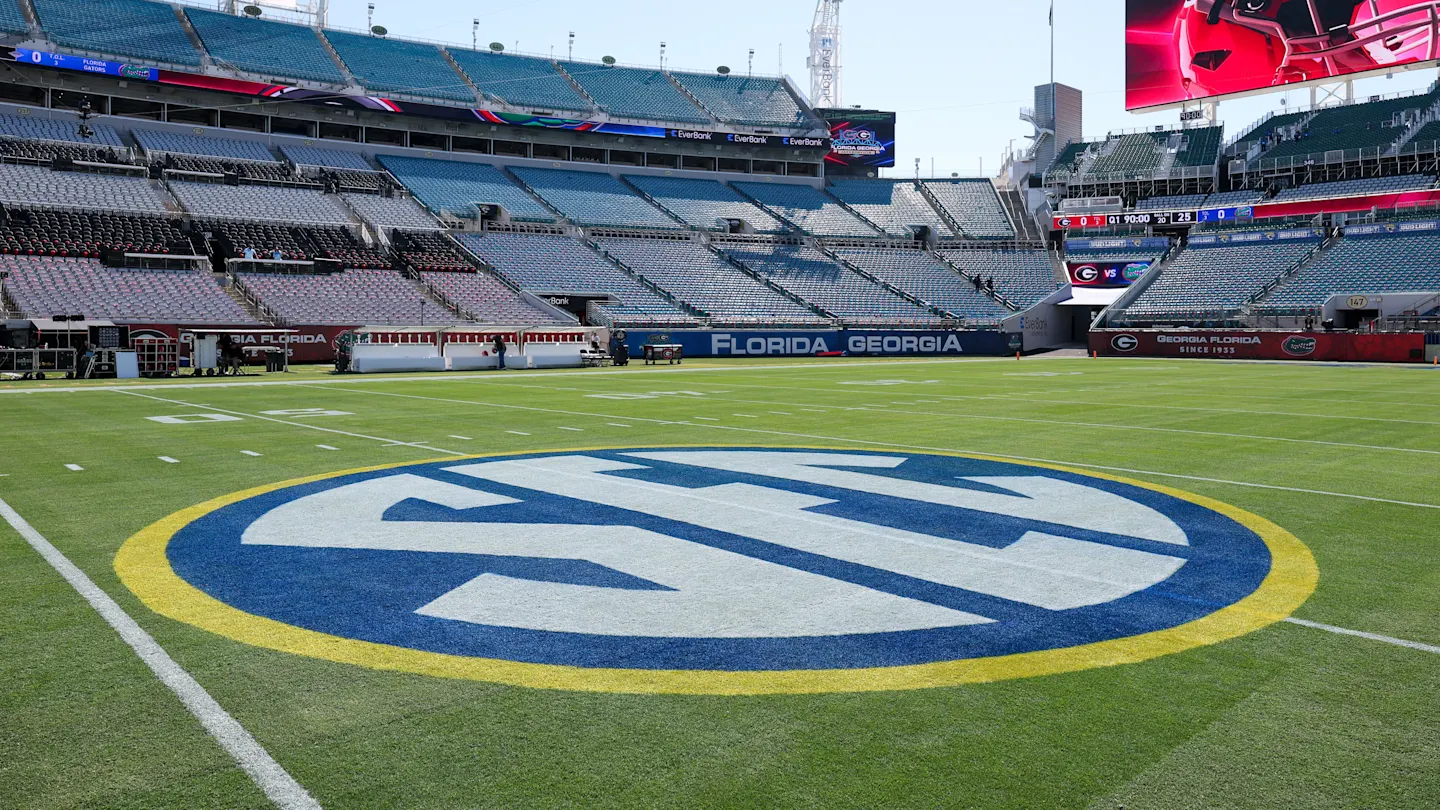
While the SEC has long claimed that the league “just means more”, the 2025 season brought a demonstrable fact: there’s more people watching. Eight of the ten most watched college football programs from the 2025 college football season are from the SEC. And it’s not just about winning– two of those SEC schools fired their coaches after a lackluster 2025 season.
Outside of the SEC, it’s a pair of Big Ten behemoths that hold up the rest of the largest viewing audiences. Notre Dame isn’t just missing from the College Football Playoff, they didn’t have a spot in the top ten most-watched teams. Here’s the rundown on the ten teams to watch, with an average number of weekly viewers per Nielsen data and On3.
10. Texas A&M (4.99 million)
The Aggies had a brilliant 11-1 season, earned a spot in the CFP, and drew plenty of viewing eyes.
9. Michigan (5.08 million)
Boosted by the regular-season finale against Ohio State, Michigan made it to ninth in a 9-3 season that will see a bowl showdown with Texas– another top ten most-watched team that also missed the CFP.
8. Auburn (5.25 million)
That’s a little more than a million viewers per win for the 5-7 Tigers. In Auburn’s defense, it endured a miserable season of luck and poor officiating.
7. Tennessee (6.21 million)
It’s a big jump between Auburn and Tennessee, with the Vols closer to 4th place than 8th. Tennessee was 8-4, with one-score losses to Georgia and Oklahoma probably keeping the Vols out of the CFP.
6. LSU (6.42 million)
A 7-5 record didn’t get it done for Brian Kelly and the Tigers, but their struggling season was fairly fascinating. LSU played six games that ended in one-score margins– unusual for a team with such high pre-season expectations.
5. Oklahoma (6.47 million)
A 10-2 season for the Sooners made them one of the feel-good stories of 2025. OU has leaped into the CFP and nearly reached fourth on the most-watched team list.
4. Ohio State (6.57 million)
The Buckeyes were No. 1 virtually all season, but hung a bit back from that level in viewership ratings. Ohio might have been boosted if they had regular-season matchups with Indiana or Oregon, but they’re sitll one of the nation’s best and most popular teams to watch.
3. Georgia (7.48 million)
The Bulldogs ran very close to the second-ranked team, but the 12-1 Bulldogs will have to content themselves with a CFP spot (unlike that No. 2 most-watched team).
2. Texas (7.55 million)
Texas, likely on the basis of a regular-season classic with Texas A&M, managed to outlast Georgia for the second spot. But a 9-3 season will leave the Horns playing Michigan in a bowl game instead of a CFP appearance.
1. Alabama (8.49 million)
A slightly controversial CFP entrant, the 10-3 Tide are the lone CFP team with three losses. They’re also the most-watched team in the nation. With five one-score games and a tough schedule, Alabama bested second-place Texas by almost a million viewers per week.
In college football, one rule seems to always hold: When a player leverages his power, it’s a scandal. When a coach does the same thing, it’s just business as usual.
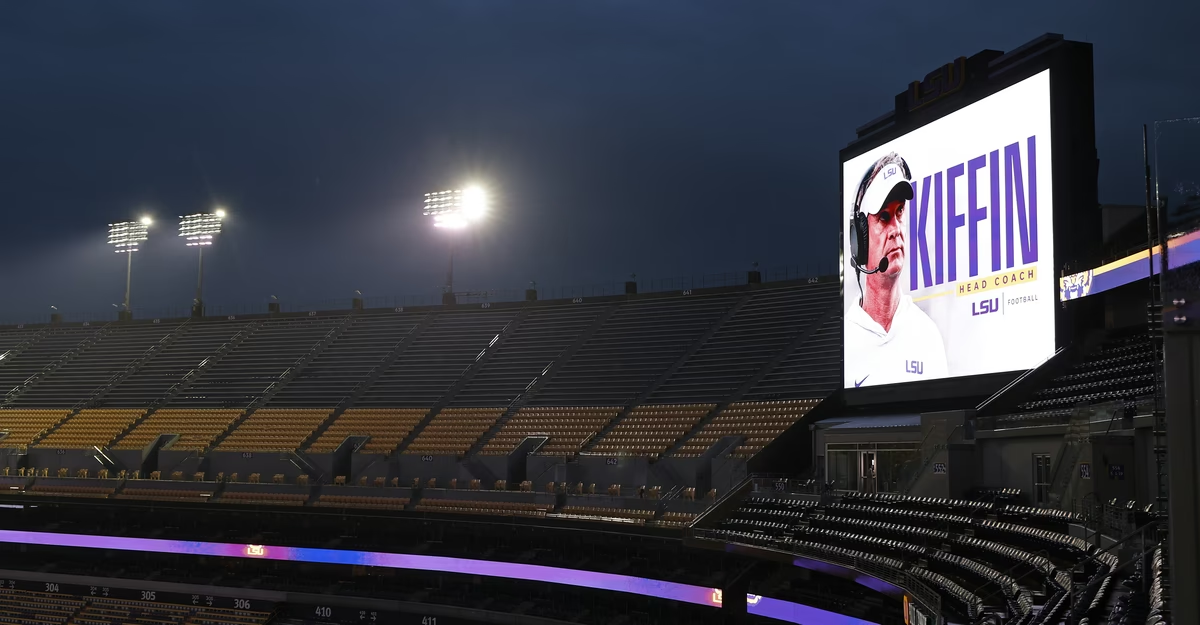
That dynamic is now playing out in the response to the decision of the longtime University of Mississippi coach Lane Kiffin to leave the team to become the new head coach at Louisiana State University. Kiffin led Ole Miss to a historic regular-season record of 11 wins and one loss, and the university is now poised to make its first-ever College Football Playoff appearance. The Rebels have a real chance of winning a national championship. LSU’s seven-year, $91 million offer was apparently enough to put all of that in jeopardy.
Imagine, for a moment, if a player had done any of the things Kiffin did as he secured his golden ticket to LSU. Imagine if a player had been playing footsie with two conference schools, as Kiffin did with LSU and the University of Florida after both programs fired their coaches in late October. Imagine if a player’s family had boarded a private jet and been given a personal tour of the city that’s home to the school courting his services—something Kiffin’s family reportedly did in Baton Rouge, Louisiana.
Actually, we don’t have to guess, because similar scenarios have played out. When the former University of Tennessee quarterback Nico Iamaleava transferred to UCLA this past spring after reportedly holding out from practice because he wanted more name, image, and likeness (NIL) compensation from Tennessee, his circumstance was used as an example of how player greed is ruining college football.
“If they wanna play holdout, they might as well play get-out,” Mario Cristobal, the University of Miami head coach, said at the time.
By contrast, while appearing on ESPN’s morning show Get Up last week, the former New York Jets coach Rex Ryan said: “I don’t blame Lane Kiffin for going after it. Look at the landscape of college football, which I think is absolutely abysmal—not just the calendar, but the fact you let kids bail all the time. You know what? I’m going to make more money if I go to this place. What is the difference?”
The difference is that during this season alone, fired college coaches have cost schools nearly $200 million in buyout money, yet nobody is suggesting any rules or protections that limit the amount of guaranteed money a coach can be paid, nor is anybody creating any rules that might curtail coaches from job-hopping mid-season. The narrative that college players seeking a system that recognizes their fair market value is ruining the sport is etched in stone, but it’s the coaches who wrote the playbook on how to leverage and exploit.
In 2019, college football was flipped on its axis by new mandates that allow players to make money off their NIL. After a slew of favorable court decisions, athletes can now be paid directly by schools, transfer universities as many times as they wish, and still be immediately eligible to play. Multimillion-dollar coaches and National Collegiate Athletic Association (NCAA) leaders have argued that the pay-for-play system is creating chaos, uncertainty, and a structure in which donors and boosters are becoming more important than the coaches themselves and players have become hired guns with no real loyalty. Ironically, it was Kiffin who unleashed a blistering critique of players while appearing on the comedian Theo Von’s podcast in August. Kiffin complained that the NIL era has made players more entitled, less motivated, and selfish.
“People get too much too early,” Kiffin told Von. “They had this drive to get to the NFL because they want to play in the NFL. They want the money. Well, I’m getting the money already. So now I’ve lost some drive.”
When asked to elaborate on the challenges players are facing, Kiffin said, “They just get in their own ways. It’s that one word, ego.” This isn’t even the first time that Kiffin has left a team in the lurch, pursuing his own interests over that of the students he leads. In 2016, while Kiffin was the University of Alabama’s offense coordinator, he accepted a job at Florida Atlantic University. His hiring proved to be a distraction, and Kiffin was fired by Nick Saban, then Alabama’s head coach, ahead of the team’s national-championship game against Clemson University.
Given that history, one might assume that Saban would have stern words for Kiffin now. Instead, on ESPN’s College GameDay last month, Saban campaigned for Kiffin to be allowed to coach Ole Miss in the College Football Playoff. (Ole Miss has since announced that Pete Golding, the team’s defensive coordinator, will lead the team in the playoffs.)
Meanwhile, Saban is working closely with the Trump administration to rein in NIL; at one point, it was reported that he might be assigned to co-lead a college-sports commission that Donald Trump wanted to create. In July, the president signed an executive order that characterized the recent player-friendly changes to college sports as an “unprecedented threat.” Currently, the NCAA is urging Congress to pass the Student Compensation and Opportunity Through Rights and Endorsements (SCORE) Act because it would grant the NCAA and its schools an antitrust exemption, thus allowing them to block players from being considered employees and prevent schools from facing further litigation. Saban has said that he is in favor of players being compensated, but earlier this year, he also called the current NIL climate “unsustainable.”
“All I’m saying: The people out there need to know this model is unsustainable. It’s not good for players,” he said on a podcast. If only he would act as though that were his true concern.

This was not a good season for the Minnesota Gophers. P.J. Fleck was starting a redshirt freshman quarterback, but there was legitimate hope this team could win nine or ten games.
Not only did they win just seven, but Fleck got embarrassed by Iowa in his ninth season on the job, and he couldn’t coach against Northwestern either. Minnesota is headed to the Rate Bowl against New Mexico in Phoenix, but the page needs to be flipped to 2026.
Advertisement
If the Gophers are going to be better next year, it will be because Drake Lindsey, Koi Perich, and Darius Taylor contribute. They aren’t going to be cheap to keep around either.
Related Headlines
MN Gophers spending big on key roster talent
The college sports landscape has changed amidst the introduction of NIL spending. Roster creating, especially in revenue generating sports, is not simply a byproduct of recruiting anymore. Dollars are attached to expectations, and Charley Walters reveals the substantial amount Minnesota will need to pay their stars.
It is expected to cost the Gophers at least $1 million to retain redshirt QB Drake Lindsey for his sophomore season next year. That would make him and 2016 junior defensive back Koi Perich at least a $2 million duo. Add Darius Taylor and the cost could exceed $3 million for trio.
Charley Walters – Pioneer Press
Drake Lindsey hardly set the world on fire this season. He completed 63.2% of his passed with 16 touchdowns and 6 interceptions. At times he looked every bit of a redshirt freshman. However, the arm talent also showed special, and it’s clear there’s a player to developer.
Advertisement
Needing to pay Lindsey seven figures to retain his services is indicative of what college football has become. Minnesota will likely pony up for the Arkansas native that always wanted to play in his backyard. It’s also probably helpful that his mentor Max Brosmer is still in town.
Perich earned a hefty jump in NIL funds after leading the Big Ten in interceptions as a true freshman. The Minnesota native was nowhere near as good this year, but he did record his first pick six. It seems logical he’ll be back, but the number will only increase.
Of the trio, Darius Taylor would seem to be the most expendable. A talented running back, he rarely can be counted upon to remain on the field. Taylor played in just nine games for the Gophers while nursing a hamstring injury, and someone paying for him to be injured on their sideline wouldn’t be the worst outcome.
Attendance still an issue for Minnesota Gophers
P.J. Fleck just landed the best recruiting class in history for the Minnesota Gophers. He held onto that talent despite the 7-5 record, and he’ll need to do much better in order to generate additional interest in the program.
Meanwhile, Gophers football attendance has decreased for a second straight season, averaging 46,519 for its seven games this year in 50,085-capacity Huntington Bank Stadium. The Gophers’ highest attendance average in history was 62,954 in 1957 at Memorial Stadium. The Metrodome years topped out at 60,985 in 1985; and the Huntington Bank Stadium high is 52,355 in 2015. During Fleck’s nine seasons at Minnesota, home attendance — excluding the abbreviated COVID 2020 season — has averaged 45,257.
Pioneer Press
When things are good at Huntington Bank Stadium, they can be really good. The problem is that Fleck has largely failed to build consistency. It might have seemed odd to storm the field after beating Nebraska, but it could have held more weight if the season trended in that direction.
Advertisement
At some point Fleck needs to reach a new level. He is 6-0 in bowl games at Minnesota, but has won less than nine games each of the past three seasons. An outlier 11-2 season with Tanner Morgan in 2019 is the high-water mark, and he’s shown zero semblance of returning to those heights since.
Related Headlines

Anyia, McLellan Named Alvernia Athletes of the Week

Three From Volleyball Earn AVCA All-Region Honors

Turner finalizes 2026 IMSA roster

Seven Sun Belt Volleyball Players Recognized with 2025 AVCA All-Region Honors

Kevin Contardo Named ABM Director of Business OpsPerformance Racing Industry

#SnowStories: Raised in the desert, defined by the mountains – Alex Astridge puts UAE on the Alpine map

Unrivaled Sports Announces Long-Term Investment in Twin Creeks Sports Complex

Kansas Volleyball Places Three on AVCA All-Region Teams for 2025 Season

Marko to leave Red Bull at end of year

On Colorado Gives Day, YMCA of Metro Denver among thousands getting boost: “We love it here”

Texas A&M Aggies’ Marcel Reed staying in school for another year

Panther volleyball honored with AVCA All-Region awards for 2025 season

Front Row Motorsports ‘likely’ shutting down if NASCAR wins lawsuit

Three Volleyball Players Receive Academic All-District® Honors

Michael Jordan’s legal team races against time in antitrust trial against NASCAR

First Tee Winter Registration is open

Fargo girl, 13, dies after collapsing during school basketball game – Grand Forks Herald

CPG Brands Like Allegra Are Betting on F1 for the First Time

Volleyball Recaps – November 18

F1 Las Vegas: Verstappen win, Norris and Piastri DQ tighten 2025 title fight

Two Pro Volleyball Leagues Serve Up Plans for Minnesota Teams

Utah State Announces 2025-26 Indoor Track & Field Schedule

Sycamores unveil 2026 track and field schedule

Redemption Means First Pro Stock World Championship for Dallas Glenn

Bowl Projections: ESPN predicts 12-team College Football Playoff bracket, full bowl slate after Week 14

Texas volleyball vs Kentucky game score: Live SEC tournament updates

Jo Shimoda Undergoes Back Surgery

Indiana’s rapid ascent and its impact across college football

How this startup (and a KC sports icon) turned young players into card-carrying legends overnight

Pohlman admits ‘there might be some spats’ as he pushes to get Kyle Busch winning again

 Why a rising mid-major power with an NCAA Tournament team opted out of revenue-sharing — and advertised it
 NBA Legend Michael Jordan to Join NBC Sports as Special Contributor
 Falcons mailbag
 Portal Update – Basketball and Gymnastics Take Hits
 has always dreamed in Mercurial. Now his initials are on the boots.
The new Kyl…
has always dreamed in Mercurial. Now his initials are on the boots.
The new Kyl…
-
 Rec Sports2 weeks ago
First Tee Winter Registration is open
-
 Rec Sports2 weeks ago
Fargo girl, 13, dies after collapsing during school basketball game – Grand Forks Herald
-
 Motorsports2 weeks ago
CPG Brands Like Allegra Are Betting on F1 for the First Time
-
 Motorsports2 weeks ago
F1 Las Vegas: Verstappen win, Norris and Piastri DQ tighten 2025 title fight
-
 Sports2 weeks ago
Two Pro Volleyball Leagues Serve Up Plans for Minnesota Teams
-
 Sports2 weeks ago
Utah State Announces 2025-26 Indoor Track & Field Schedule
-
 Sports2 weeks ago
Sycamores unveil 2026 track and field schedule
-
 Motorsports2 weeks ago
Redemption Means First Pro Stock World Championship for Dallas Glenn
-
 NIL1 week ago
Bowl Projections: ESPN predicts 12-team College Football Playoff bracket, full bowl slate after Week 14
-
 Sports2 weeks ago
Texas volleyball vs Kentucky game score: Live SEC tournament updates