
Sports
“We stayed in touch with the FISU leadership” — RealnoeVremya.com

President of the Gymnastics Federation of Tatarstan and former Minister of Sports of Tatarstan on the 2025 and 2013 Universiades and the performance of our athletes

The Summer Universiade in Germany has come to an end, where Russian athletes competed under a neutral status. One of those who helped return our athletes to the international stage is Marat Bariev, deputy of the State Council of Tatarstan and president of the Gymnastics Federation of Tatarstan. In an exclusive interview with Realnoe Vremya, the former republic’s sports minister talked in detail about the competition and where the Russians stood out.
“Apparently, the Germans overestimated their capabilities”
— Marat Mansurovich, how did you manage to break through the “iron curtain” and bring our athletes back to international competitions?
— Having known the FISU leadership since the time of preparations for the Kazan Universiade, including President Leonz Eder and his close team, we continued to stay in touch. In January, after the Winter Universiade in Italy concluded, there was a change in the leadership of the Russian Student Sports Union, now headed by Sergey Vladimirovich Kryukov. He visited Kazan, where we discussed prospects for returning Russian athletes to student competitions. After returning to Moscow, he spoke with the Russian Minister of Sports Mikhail Degtyarev. Mikhail Vladimirovich confirmed the leadership’s intention to resume international contacts.
Following this, on Degtyarev’s instructions, in April, Kryukov and I visited the FISU headquarters, and at the meeting with Eder, we heard they had no objections. The opposing side was Germany, the Universiade host. Nevertheless, we were allotted a quota for the number of participants, and the work began to form the team and agree on candidates for the quota — originally set at 260 people. But it turned out that the Germans somehow overestimated their capabilities and were ready to accept only 9,000 people instead of the announced 12,000. Then began a cutback, which primarily affected our delegation. In the end, only 48 athletes from Russia were admitted out of the 260.
To specify, ultimately there were no delegation members from Russia, including RCCC President Kryukov, and the minimal number of coaches who had to combine coaching duties with representation. Considering that the Universiade in Germany was not a local event like it was in Kazan or Belgrade but took place in five cities in the region, you can imagine the difficulties the Russians faced.
In total, our athletes won six gold and six silver medals, plus four bronze. Regarding Tatarstan, we should mention the gold medal in tennis won by Ilya Simakin in a duo with Yegor Agafonov from Tula. Both are students at the Volga Region University of Physical Culture. Also participating were Maria Taylakova, the winner in table tennis at the Kazan national championship this year, and judoka Khanmagomed Ramazanov, who was chosen as the flag bearer at the opening ceremony. The hero of the sports part of the Universiade was swimmer Alexander Stepanov, also from the Volga Region University of Physical Culture. He won two individual golds and a silver in the 4×200 meters freestyle relay.
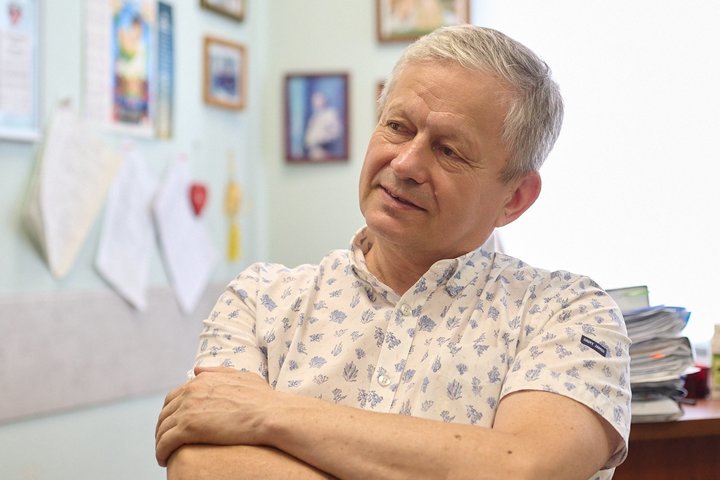
“Kamil Shamilovich, how long will we have to travel to Chelny to watch football?”
— Recently Rubin announced that one of the Kazan metro stations will be called “Rubin Aviastroitel’naya” for the whole season. What was the level of involvement of the Tatarstan Ministry of Sports, focused on preparing Olympic athletes including Universiade participants, in professional teams during your time in charge?
— In 2001, when the Ministry of Sports of Tatarstan was formed and I was appointed its head, Kurban Berdyev started coaching Rubin. At that time, the ministry co-financed professional sports teams, but this funding decreased every year, and by the 1000th anniversary of Kazan, which is turning 20 years old this year, our financial support ceased. By then, the republic’s leadership had found reliable sponsors for all our sports giants. Regarding Rubin — that was the city administration led by Kamil Shamilovich Iskhakov. As for me, the greatest cooperation was with the hockey club Ak Bars.
By the way, I was a witness to when Kamil Shamilovich paid attention to Rubin. This event also marks an anniversary — 30 years. In 1995, a football tournament called the “President’s Cup” was held in Chelny, featuring the local Kamaz, Dinamo Minsk, Bulgarian Lokomotiv, and the Jordanian national team. All the republic’s and Kazan’s leadership were there. During one of the matches, President of Tatarstan Mintimer Sharipovich Shaimiev asked Iskhakov: “Kamil Shamilovich, how long will we keep traveling to Chelny to watch football?” Iskhakov, a man of old party convictions, understood the hint immediately.
— Since we are talking about anniversaries, let’s recall the 1000th anniversary of Kazan. Initially, there were about 60 planned events, but only three were sports-related: World Championships in bandy, Korash wrestling, and the Ministry of Internal Affairs fire-applied sports championship. Gradually, the celebration added more sports events — like the Znamensky brothers’ athletic memorial, which, I suspect, was moved to Kazan on your initiative.
— At that time, I was part of the leadership of the Russian Athletics Federation, whose president Valentin Balakhnichev was among the honored guests of the first summer student Spartakiad held in Kazan in 2003. A year later, I learned that Moscow faced big difficulties organizing the Znamensky Memorial, and in Russia, only three stadiums were certified by the IAAF as it was called then: Tula, Cheboksary, and Kazan. We made a proposal ahead of everyone to hold the Memorial in Kazan, which became a big event for the city and a sporting contribution to the 1000th anniversary celebration, as a whole group of the world’s top athletics stars came here.
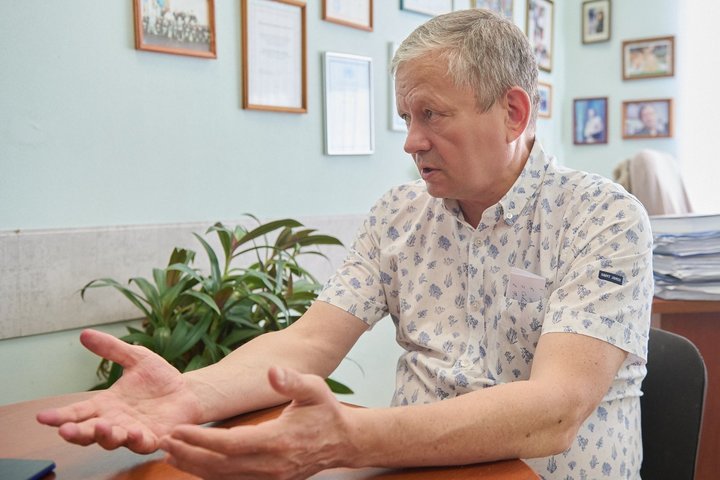
“National championships felt like the baton was being passed between Viner and Usmanov”
— At that time, the republic’s head coach Denis Kapustin recalled that the superstar of high jump Javier Sotomayor from Cuba, when asked about Kazan, replied “so-so,” which can be interpreted as “not so great.”
— Unfortunately, I must say that recently the first coach of Kapustin, Gumer Abdrakhmanovich Mukhamedov, passed away. Regarding Sotomayor’s words, I suspect he was still mild in his evaluation, since Kazan in the early 2000s could hardly impress such a sophisticated guest. The other thing is that we were still developing, and already three years later, after the 1000th anniversary, we held the Russian Athletics Championship of 2008, which gained great significance as a qualifier for the Beijing Summer Olympics.
By the way, since we mentioned national championships, in 2005 we consecutively held two championships in “Basket Hall”: rhythmic gymnastics and fencing. It was initially agreed to hold the fencing championship as this sport has long traditions in the republic from Soviet times. As for rhythmic gymnastics, we reached an agreement with the president of the federation, Irina Viner. Irina Alexandrovna visited Kazan after Aline Kabayeva’s Olympic victory in Athens. We proposed hosting the national championship, and she supported the idea. Interestingly, shortly after, there was a leadership change in the fencing federation, headed by Alisher Usmanov. So in 2005, our national championships seemed like the spouses Irina Alexandrovna and Alisher Burkhanovich were passing the relay to each other.
— I remember it was planned that the absolute winner of the national championship Olga Kapranova would join the Tatarstan team.
— Aim higher, we had agreements for Alina Kabayeva to represent Tatarstan. She missed the championship in Kazan, seriously preparing for her third Olympics but got injured in spring 2008 and had to retire. However, we had our own athlete at the Olympics — Darya Shkurikhina, who won gold.
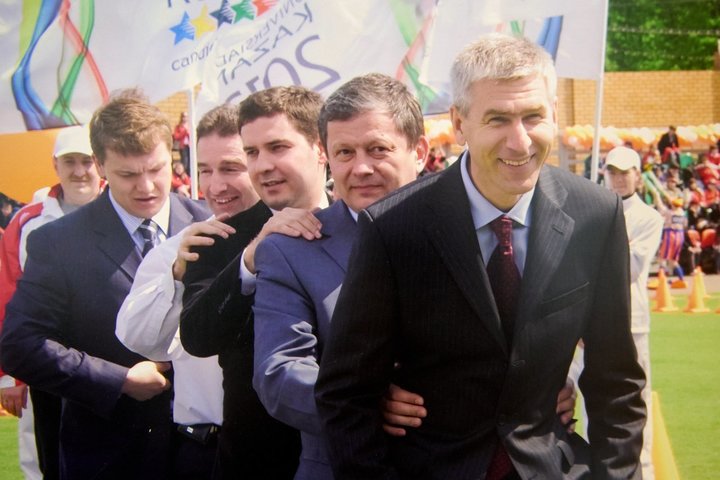
“In Kazan, Pavel Kolobkov and Alexander Pozdnyakov won their last gold medals”
— Alongside Nizhny Novgorod.
— That was the reality because Nizhny Novgorod was one of the strongest regions in group exercises, and the national team was formed based there. Consequently, Shkurikhina moved to Nizhny Novgorod to prepare for Beijing.
As for the Russian fencing championship, I have an interesting story. It was in Kazan where Pavel Kolobkov and Alexander Pozdnyakov won their last gold medals as athletes — future Minister of Sports and head of the Russian Olympic Committee respectively. Overall, these championships were a huge gift to the Tatarstan sports community, as earlier there had been a gap after the last USSR boxing championship held in winter 1991 at UNICS, where our Ayrat Khamatov was among the winners.
— I’ll add that in 1995 the Russian team chess championship was held in Kazan, where our men’s team took second place. This was thanks to chess enthusiast Nail Ibrahimov and the sponsors of the chess federation. Unfortunately, nowadays our men’s team did not even start at the national championship in the top league, but two leading grandmasters, Vladislav Artemiev and Artem Timofeev, became Russian champions as part of the CPRF team.
— I also recall the legendary tournament between the Teams of Tatarstan and Europe in 2001, again at the time I became Minister of Sports. I want to sincerely thank many sports enthusiasts of those years who stirred up sports officials and sponsors to engage them in organizing sporting events. Just think about those international professional boxing matches broadcast live on Channel One, the first of which took place in Kazan. This was thanks to another sports enthusiast Renat Yusupov and his team.
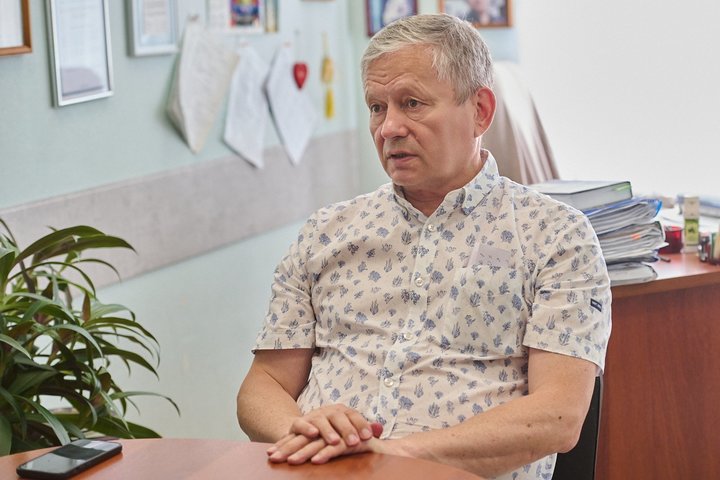
“The idea was born to hold a match meeting with the Hungarian team”
However, I myself was such a sports enthusiast vested with power. Now, finishing with the topic of anniversaries, the ongoing World Aquatics Championships in Singapore was supposed to mark the 10th anniversary of Kazan’s Aquatics and take place in Kazan. I came up with an idea, supported by the President of Tatarstan Rustam Minnikhanov and Minister of Sports Mikhail Degtyarev, to hold a kind of match meeting with the Hungarian team in all aquatic disciplines. Moreover, it would be at the status of not the main but student national teams.
Since you mentioned the chess CPRF team, note that in Soviet sports history, match competitions played a significant role in boxing and athletics between USSR and USA teams, and in diving with Americans and East German divers. In sports gymnastics, where I head the republican federation (which is a separate topic), we held a junior level match with Chinese athletes.
— Recently in freestyle wrestling, there was a showdown on the mat between Russian and US athletes.
— Exactly. Therefore, the idea of organizing a similar meeting with the Hungarians is under consideration. Hungary is a mighty force in aquatic sports. In swimming, we are on par, as in women’s water polo. In men’s water polo, Hungarians are stronger, and matches with them would greatly help our water polo players, as teams in team sports continue to be sidelined in international competitions. There are no political disagreements, as shown by last year’s short course swimming world championships, where Russians performed excellently — the first such event for years despite the international sports blockade.
Interview by Djaudat Abdullin

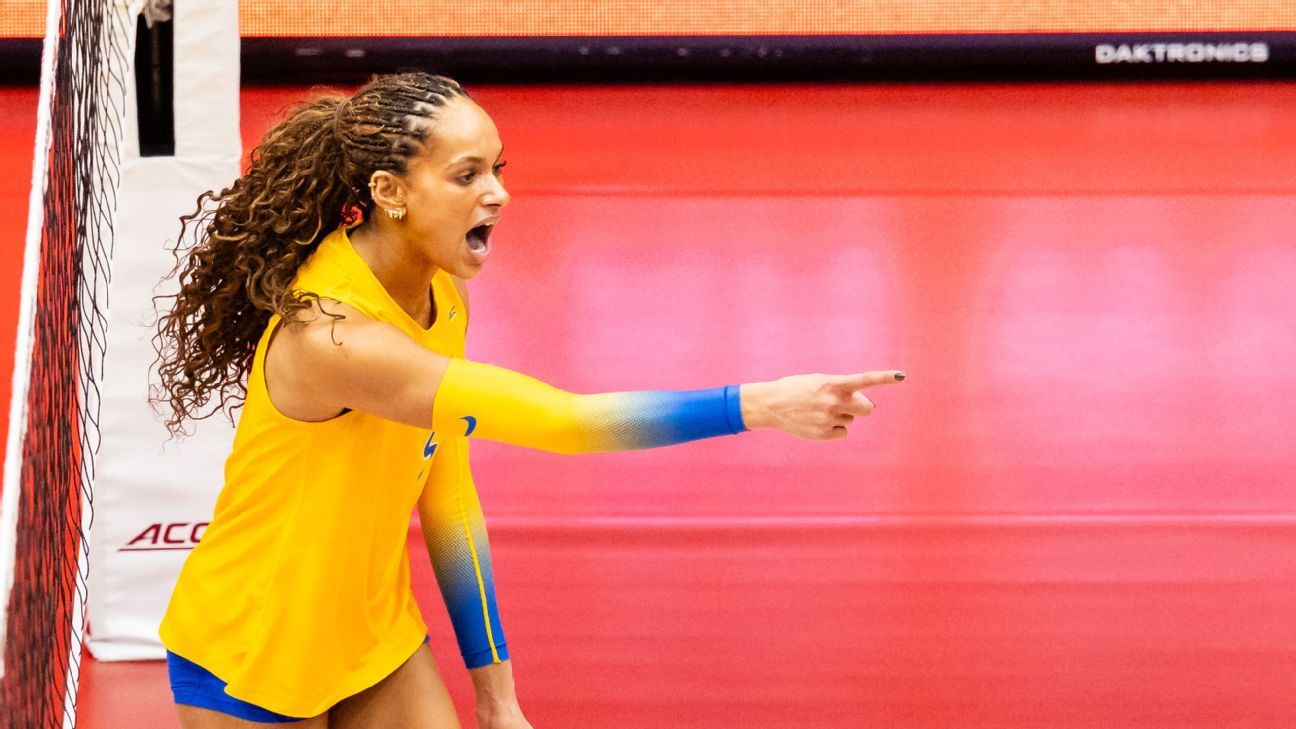
The 2025 NCAA volleyball tournament is down to its final 16 teams. But countless pressing questions remain as the tournament makes its way to the final four in Kansas City. Can Nebraska, the No. 1 overall seed, finish undefeated and claim the program’s sixth national title? Can Pitt advance to its fifth straight final four appearance? Will SEC champion Kentucky return to the final four for the first time since winning its first national championship in 2020? Is a young Texas team ready to cash in ahead of schedule?
Here are the 10 (OK, 11) players who will have a major say in answering those questions and more.
Olivia Babcock, Pitt: If the volleyball gods could issue a warning for the NCAA tournament’s stretch run, it would read something like this: “Do not take your eyes off Olivia Babcock, or else…” Arguably the most dynamic player in the college game, the 6-foot-4 Babcock averages 5.9 points per set and 5.1 kills per set for a team that is looking to return to the final four for the fifth straight time. The ACC Player of the Year had more than 40 kills in two matches this season from her opposite hitter position. With springy legs and a powerful arm from the front row, back row and behind the service line, Babcock, the 2024 AVCA Player of the Year, is magic in motion. Look away at your own risk.
Ella Swindle, Texas: Surrounded by strangers at the start of the season, the Longhorns’ junior setter holds the key to the powerful Texas attack. The 6-foot-3 Swindle led Texas to the national title in 2023 but then played a backup role a year ago when Texas fell to Creighton in the regional semifinals. This year, she has 898 assists — mostly to hitters she had never played with before the season. Texas’ top three hitters are Pitt transfer Torrey Stafford (488 kills) and freshmen Cari Spears (338 kills) and Abby Vander Wal (268 kills), and Swindle has the offense hitting at a .316 clip, tied for third-best in the nation.
Rebekah Allick, Nebraska: The top-seeded Cornhuskers take the court with a pick-your-poison approach. Every attacker around Big Ten Player and Setter of the Year Bergen Reilly can terminate (see: Andi Jackson, Taylor Landfair, Harper Murray). Every defender on the court can dig (see: Laney Choboy, Olivia Mauch, Teraya Sigler). On volleyball’s balanced behemoth, Allick stands out for her passion. Make no mistake: Allick, a 6-foot-4 senior middle blocker, is having the best statistical season of her career, hitting .437 (eighth-best in the country but seven slots below fellow middle blocker Jackson) with 235 kills. But nothing fires up the No. 1 overall seed more than an Allick roar after a stuffed block or a kill on an opponent’s overpass. The Huskers will be tested. And when they are, they’ll turn to Allick for inspiration.
Brookeva DeHudson, Kentucky: Don’t google her. It’s impossible to pick one Kentucky superstar outside hitter over the other. Brooklyn DeLeye and Eva Hudson are both that good, so we merged them into one spot. DeLeye was the SEC Player of the Year in 2024. Hudson, in her first year with the Wildcats after transferring from Purdue, is the SEC Player of the Year in 2025. The 6-foot-2 DeLeye has 495 kills on the season and averages 4.7 per set. The 6-foot-1 Hudson has 482 kills and averages 4.6 per set. Slow down one? Maybe. Stop both? Nearly impossible. Together they are the most lethal pair of pin hitters in the tournament and the engine driving Kentucky toward a shot at a second national title.
Chloe Chicoine, Louisville: Now we come upon the rarest of all sightings in the latter half of the NCAA tournament: a 5-foot-10 outside hitter. Chicoine, a transfer-portal addition to the reigning national runners-up, brings her impressive vertical leap and feisty play from Purdue to Louisville. She comes into the regional semifinals with her arm blazing. Chicoine crushed a season-high 28 kills in a five-set win over Marquette in the second round. She leads the balanced Cardinals with 387 kills and is second in digs with 332.
Mimi Colyer, Wisconsin: Two words: Instant. Offense. The 6-foot-3 senior outside hitter and Oregon transfer was a unanimous all-Big Ten selection in her first season with the Badgers. How could she not be? Colyer averages 5.32 kills per set, tops among players remaining in the tournament, and hits .340. She spent her free time getting 220 digs and 67 blocks. With setter extraordinaire Charlie Fuerbringer healthy and back on the court, the Badgers bring an offense that can pose problems for anyone and everyone.
Averi Carlson, SMU: The 5-foot-11 setter started for two seasons at Baylor, then started at Texas, then led the U.S. U23 national team to gold at the Pan American Cup, and now she orchestrates a high-powered Mustangs attack. The ACC Setter of the Year runs an offense that hits .316, tied for third-best (with Texas) in the country. She has developed a quick and lethal connection with fellow transfer Malaya Jones (503 kills) from Colorado State. She also puts up a strong block, with 85 on the season.
Noemie Glover, Arizona State: Since transferring from Oregon before the season, the Sun Devils’ opposite hitter has had exactly one match in which she didn’t produce double-digit kills — but even in that match she hit .444. The 6-foot-2 Glover has 406 kills, 108 blocks and 80 digs. Fun fact: Her dad, La’Roi Glover, played 13 seasons in the NFL and was a six-time Pro Bowler.
Elia Rubin, Stanford: The senior and four-year Cardinal starter has become synonymous with Stanford volleyball over the past four seasons. She brings a host of awards — AVCA All-America, All-ACC, All-Pac 12 — and 1,607 career kills into the regional semifinals. This season, she leads the second-seeded Cardinal in kills (378) and aces (45) and is second in digs (296). About the only thing Rubin hasn’t done in her Stanford career is play in the final four.
Logan Lednicky, Texas A&M: The 6-foot-3 senior opposite hitter is as steady as they come. She has been killing it for the Aggies for four straight seasons, and she’s poised to go out with a bang in her final NCAA tournament run. Through her first two tournament games, she has 39 kills on a .429 percentage and is averaging 6.21 points per set. The AVCA Player of the Year semifinalist plays some mean defense too — she has 83 blocks and 275 digs this season, both second-most among the Aggies.

Brands have long turned to professional athletes for their star power in big-budget commercials, but recent shifts in name, image, and likeness (NIL) policy have pushed marketers to widen the talent pool.
On July 1, the House v. NCAA settlement took effect, allowing colleges to compensate athletes for their NIL usage. Marketers expect that these athletes, many of whom have built-in communities and an engaged digital fanbase, can help brands stand out in the influencer space.
- Student athletes boast a social media engagement rate 3.7x higher than traditional influencers (5.6% compared to 1.9%), according to a June Opendorse report.
“College athletes bring a new edge by commanding hyper-loyal, local communities,” said Alison Bringé, CMO of Launchmetrics, “shaping culture on campuses and connecting with younger consumers with a level of authenticity traditional influencers can’t reach.”
Why college athletes resonate
NIL compensation has shown that sports influence functions like creator influence, as fans want more from their favorite players than just highlight reels. US sports fans look for personal life updates (31%) almost as much as game highlights (34%), according to an April YouGov survey.
“With jam-packed schedules, they don’t always fit the mold of the ‘always-on’ influencer, which makes the glimpses they share into their daily lives, routines, and preferences even more special and exciting to fans,” said Ajalin Williamson, strategy director at The Goat Agency in an October report.
Inside the sports creator economy
With the NIL settlement giving new opportunities to athletes and marketers, brands are reconsidering who is influential, recognizing that considering the full sports sphere can lead to more memorable work.
Cameo, an app where consumers buy personalized videos from celebrities, is recognizing the value of expanding athlete partnerships through a partnership with the Pro Athlete Community (PAC). The goal is to highlight how “brand deals have historically been limited to only the most prominent names,” according to a press release.
You no longer need to be in the big leagues to be a top sports creator. The Savannah Bananas, an exhibition baseball team that is known for their choreographed dances and social presence, has 11.1 million TikTok followers. The Yankees have 1.8 million, and The Mets only 801.7 thousand.
Dec. 10, 2025, 6:02 a.m. ET
The 2025 NCAA volleyball tournament continues Thursday with the Sweet 16. And when the sport’s biggest event begins, there will be so many players on the court with ties to the NBA and NFL.
There’s an entire pipeline of college volleyball players whose dads played professional sports. For example, NBA Hall of Famer Tim Duncan has a daughter, Sidney, who is a middle blocker for No. 5 ranked and 2 seed Stanford Cardinal. Super Bowl champion and NFL player Joe Jurevicius has two children, Caroline and Ava, who play for the defending champion Penn State Nittany Lions.
In honor of so many dads and daughters with serious athleticism, here are eight NCAA volleyball players who have famous fathers (and some future players to keep an eye on):
1. Sidney Duncan, Stanford, middle blocker
Dad: Tim Duncan, NBA, San Antonio Spurs — Basketball Hall of Famer, picked No. 1 in the 1997 NBA draft out of Wake Forest, five-time NBA champion, three-time NBA Finals MVP, 15-time NBA All-Star
2. Caroline Jurevicius, Penn State, outside hitter
Dad: Joe Jurevicius, NFL, New York Giants, Tampa Bay Buccaneers, Seattle Seahawks, Cleveland Browns — Wide receiver drafted in the first round out of Penn States by the Giants, played 10 seasons in the league, won a Super Bowl with Bucs
3. Ava Jurevicius, Penn State, defensive specialist
Dad: Joe Jurevicius, NFL, New York Giants, Tampa Bay Buccaneers, Seattle Seahawks, Cleveland Browns — Wide receiver drafted in the first round out of Penn States by the Giants, played 10 seasons in the league, won a Super Bowl with Bucs
4. Alexis Ewing, Penn State, outside hitter
Dad: Patrick Ewing, NBA, New York Knicks, Seattle SuperSonics, Orlando Magic — Basketball Hall of Famer, won an NCAA championship at Georgetown, drafted No. 1 overall in the 1985 draft by the New York Knicks, 11-time NBA All-Star
5. Cari Spears, Texas, outside hitter
Dad: Marcus Spears, NFL, Dallas Cowboys, Baltimore Ravens — Won a national championship in 2003 with LSU, drafted in the first round, No. 20 overall, to the Cowboys
6. Jackie Taylor, North Carolina, middle blocker
Dad: the late Sean Taylor, NFL, Washington Commanders — Drafted No. 5 overall out of Miami by the now Washington Commanders in 2004, two-time Pro Bowl selection
7. Rylie McGinest, USC, middle blocker
Dad: Willie McGinest, NFL, New England Patriots, Cleveland Browns — First round pick, No 4 overall out of USC by the New England Patriots in 1994, played 15 seasons, won three Super Bowls, two-time Pro Bowl selection
8. Carter Booth, Wisconsin, middle blocked
Dad: Calvin Booth, NBA, Washington Wizards and seven other teams — Drafted in the second round, No. 35 overall out of Penn State by the Washington Wizards, played 13 seasons
Potential college volleyball players with famous dads
Daughter, Dad, sport
- Zhuri James, LeBron James, NBA
- Riley Curry, Stephen Curry, NBA
- Myah Favre, Brett Favre, NFL
- Kapri Garnett, Kevin Garnett, NBA
- Laycee McGrady, Tracy McGrady, NBA
- Nylah Bibby, Mike Bibby, NBA
- Marlo and Monroe McGwire, Mark McGwire, MLB
- Hanna McGinest, Willie McGinest, NFL
- Sayge Chandler, Tyson Chandler, NBA

Nebraska Athletics is increasing capacity inside the John Cook Arena for the 2026 Husker Volleyball season, but some fans say the reseating is a worrisome change.The arena, inside the Bob Devaney Sports Center, will go from 8,300 to 10,000 seats next year. It’s the first full reseating in the program’s history. Longtime ticket holders like Jim Bunch said their season-ticket spots will no longer be guaranteed under the reseating. “A lot of people in our section, that have now been dispersed, have been together for over well over 30 years,” Bunch said. “It’s really sad.”The Athletic Fund says the reseat will increase revenue for the program. Bunch said he worries that Nebraska Athletics is prioritizing profit over fans.”I understand the landscape of college athletics today, NIL, transfer portal, and now the revenue sharing. But you know, the feeling in Nebraska for me is we’re no longer fans, we’re consumers, and they’re trying to squeeze every nickel out of us that they can,” Bunch said. In a February interview with KETV Sports, UNL Athletic Director Troy Dannen said updates like this one are part of keeping up with the evolution of college athletics.”In this new era of college athletics, for moving into how we generate revenues, stadiums are the primary revenue generators that every institution that plays at this level have,” Dannen said.Bunch said the changes are already beginning, after the University announced the reseating would begin for the NCAA tournament. Bunch said many friends of his no longer could sit in their season-ticket spots.”If you’re a current season ticket holder, you will get a seat somewhere in the building. That has not been true,” Bunch said. The process is outlined on the Nebraska Athletic Fund website, where it lists that season ticket holders will get an assigned appointment time to select their seats, as well as the donation and priority seating costs. The contribution deadline is March 18, 2026, and ticket holders will be notified in April and May of their selection date and time.”We don’t know where we’re going to be for next season, and we’re hopeful that we’re going to be able to stay close to the action,” Bunch said.
Nebraska Athletics is increasing capacity inside the John Cook Arena for the 2026 Husker Volleyball season, but some fans say the reseating is a worrisome change.
The arena, inside the Bob Devaney Sports Center, will go from 8,300 to 10,000 seats next year. It’s the first full reseating in the program’s history. Longtime ticket holders like Jim Bunch said their season-ticket spots will no longer be guaranteed under the reseating.
“A lot of people in our section, that have now been dispersed, have been together for over well over 30 years,” Bunch said. “It’s really sad.”
The Athletic Fund says the reseat will increase revenue for the program. Bunch said he worries that Nebraska Athletics is prioritizing profit over fans.
“I understand the landscape of college athletics today, NIL, transfer portal, and now the revenue sharing. But you know, the feeling in Nebraska for me is we’re no longer fans, we’re consumers, and they’re trying to squeeze every nickel out of us that they can,” Bunch said.
In a February interview with KETV Sports, UNL Athletic Director Troy Dannen said updates like this one are part of keeping up with the evolution of college athletics.
“In this new era of college athletics, for moving into how we generate revenues, stadiums are the primary revenue generators that every institution that plays at this level have,” Dannen said.
Bunch said the changes are already beginning, after the University announced the reseating would begin for the NCAA tournament. Bunch said many friends of his no longer could sit in their season-ticket spots.
“If you’re a current season ticket holder, you will get a seat somewhere in the building. That has not been true,” Bunch said.
The process is outlined on the Nebraska Athletic Fund website, where it lists that season ticket holders will get an assigned appointment time to select their seats, as well as the donation and priority seating costs. The contribution deadline is March 18, 2026, and ticket holders will be notified in April and May of their selection date and time.
“We don’t know where we’re going to be for next season, and we’re hopeful that we’re going to be able to stay close to the action,” Bunch said.
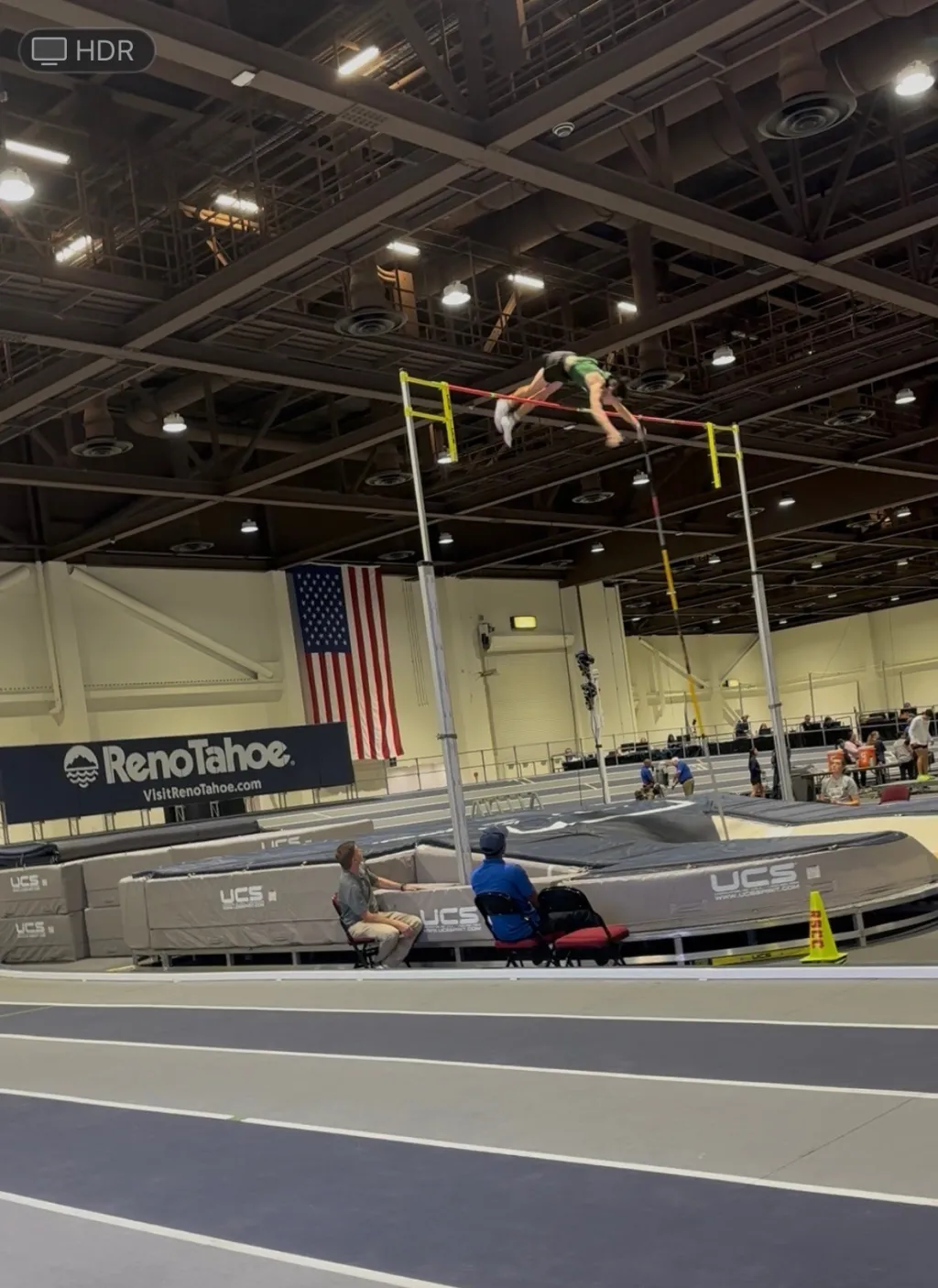
Cal Poly Humboldt women’s and men’s indoor track and field squads opened the 2025 season with a meet at the Silver State Invitational and Multis, hosted by the University of Nevada, Reno, this past weekend. The Jacks saw three NCAA provisional marks set, one by pole vaulter Michael Payan (16-8.75) and two on the women’s side, Cocome McKamey in the pentathlon (8th out of 22) and Isabel Perez-Zoghbi (2:10.70 seconds in the 800 meters). Two of those marks are likely enough to earn an invite to the national championships in March, according to Lumberjacks head coach Sarah Ingram.
The marks are set as an indication that the individual is in range to go to nationals, not a “golden ticket,” Ingram said. When the time comes for the university to declare athletes it wants to enter for the national championship, they are allowed with a provisional mark. However, there will still only be roughly the top 18 that qualify for the national meet out of those declared, which comes down to a ranked order list of each event. Payan’s mark, Ingram is reasonably confident, will be included, and comes after Payan took fifth place last year at nationals as a freshman, setting a new school record as “we’re expecting big things out of him this year,” said Ingram.
On the women’s side, Perez-Zoghbi has gone previously to nationals indoor in the 800m and outdoors twice for the 400m hurdles, the 800 currently being her focus. Ingram said her mark is probably strong enough to get her in, which Ingram said “is pretty exciting, and obviously both of these athletes are going to continue competing; we have a couple more weekends of indoor in February where they’ll be able to try to better those marks and get them as high as possible on that rankings. Our third athlete, Cocome McKamey, is one of our multi-event athletes indoors with the pentathlon. Her mark met the qualifying threshold, but based on previous years, we don’t expect that mark to be good enough to get in, but based on what we saw at her meet, she’ll be able to hit the marks needed at our next multi opportunity up in Spokane, Washington in February.”
Humboldt is going on its third season in indoor track and field, and “building out some depth in our record book,” according to Ingram. Eight new school records were set in Reno across the women’s and men’s events. Of the women, two freshman had an “outstanding” meet, said Ingram, with “really big personal bests in all their events.” Kelsi Lytle set a new school record in the 60m with a 7.85 seconds and also had p.r.’s in the 200m and 400m, while Caitlyn Dougherty established a school-best mark in the 200m and had personal records in the 200m, 400m (winning her heat at 58.32 secs), and 60m hurdles. She was also on the 4×400 team that set a new school record with Brielle Jimerson, McKamey, and Perez-Zoghbi.
“We’re really expecting a strong 4x400m relay in our next meet as well, and hoping we’ll be able to get a provisional qualifying mark in that event as well,” said Ingram.
Of the men, in addition to Payan’s new school mark, Dylan Ochoa also set a new mark in the 400m, running 49.12 seconds. Collin Friedman had a new long jump record and high jump as well to tie Gabe Bondurant and Alex Dillon in the latter at 1.90m. Joseph Gonzalez not only set a new school record in the shot put, he won the meet outright with a 15.89m, and Isaak Kasso won the 60m hurdles with a mark of 8.50 secs.
“We’ve got a big stretch here where we’re taking a break and not allowed to have official practices during winter break,” said Ingram. “We’re trying to make sure everybody passes their classes, does their finals and enjoys the holidays. And then we come back and start practicing again Jan. 12. Our first meet (of the new year) will be February 5th through 7th in Spokane. We’ll be bringing all event groups and that meet will also have a multi offered as well.”
Finally, she continued, “We had lots of really good stuff this weekend, we’re just really excited to be putting up such strong marks this early in the year, it helps the athletes stay motivated going into that long stretch of winter break with their goal-setting, their training, when they’re kind of on their own time. We’re excited for what this will mean not only for the finish of our indoor season come February and March, but springboarding us into that outdoor season for the whole rest of the spring semester.”
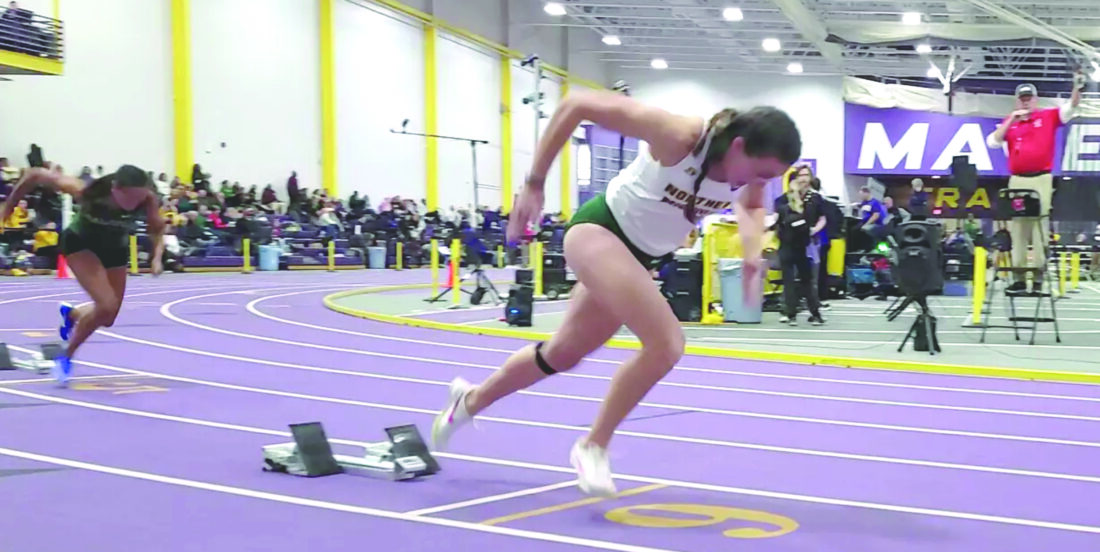
Northern Michigan University’s Baux Truckey, center, gets out of the starting blocks during a track event at a college indoor track and field meet held at Minnesota State-Mankato on Feb. 15. (Photo courtesy of NMU)
OSHKOSH, Wis. — The women’s track and field team at Northern Michigan University opened their season with more than a dozen top-five finishes, including two event victories, at the Early Bird Invitational hosted by Wisconsin-Oshkosh on Friday and Saturday.
With no team scores kept, the Wildcats tasted the most success with Kaitlin Smith winning the pole vault and Teiolla Harvey capturing first place in the weight throw. Teammates also added four runner-up finishes, six in third place, two more in fourth place and another three in fifth.
In the field, Smith cleared 3.36 meters (11 feet, 1/4 inch) to win the pole vault, while teammate Alyssa Tumminaro got over at 3.06 meters (10-feet-1/2) for third.
Harvey’s winning weight throw distance was 15.81 meters (51-10 1/2), which she achieved on her fourth throw. The Wildcats’ Danielle Lund, a Manistique High School graduate, was fourth with 15.18 meters (49-9 5/8).
Harvey was also runner-up in the shot put with a heave of 12.29 meters (40-3 7/8), while teammate Alizabeth Little was third with 12.20 meters (40-feet-3/8) and Lund fifth with 11.56 meters (37-11 1/8).
And Northern’s Crystal Walker was third in the long jump with a leap of 5.31 meters (17-5), while Alayna Vandegriff was third in the triple jump with 11.07 meters (36-3 7/8).
On the track, the Wildcats’ Anya VanSweden was runner-up in the first race on Saturday, the 3,000-meter run, in 10 minutes, 58.38 seconds.
In the 60 hurdles, freshman teammate Lily Phillips was second in 8.95 seconds, while Walker was fourth in 9.19.
Marquette Senior High School product Baux Truckey was third in the 60 dash in 7.87.
In the 4-by-400 relay, Truckey, Lily Phillips, Taylor Rogers and Beverly Harper were runners-up in 4:06.32, while Brooke Lemos, Paige Anderson, Ella DeBruyn and Ishpeming grad Lola Korpi were fifth in 4:31.32.
In the five-event pentathlon, NMU’s Natasha Nowakowski finished third in a field of 11 competitors after compiling 3,076 points. He top finishers were third in both the high jump after clearing 1.54 meters (5-feet-5/8) and shot put with a heave of 9.86 meters (32-4 1/4).
Teammate Eva Zonca was fifth with 2,942 points as she was fourth in the 60 hurdles in 9.51 seconds, while Northern’s Elizabeth Simpson was sixth with 2,875 points. Simpson’s top finish was fourth in the 800 in 2:34.80.
With this warm-up meet finished, the Wildcats won’t be in action again until Jan. 24 when they travel to Whitewater, Wisconsin, for the Karl Schlender Invitational.
They also have one home meet on Saturday, Feb. 7, the WCW Tri-Meet, an annual event that also includes Wayne State and Saginaw Valley State.
Story contents based on Northern Michigan University Sports Information press release reviewing the meet. Journal Sports Editor Steve Brownlee’s email address is sbrownlee@miningjournal.net.

Players to watch at NCAA volleyball tournament’s Sweet 16

NIL’s marketing success proves the value of athletes as creators

Diego Pavia Vows to Give Up His NIL Money if This CFP Scenario Happens
NCAA women’s volleyball players with famous NBA, NFL dads

2026 Nebraska volleyball reseating concerns some longtime fans

Bailey, Rodriguez collect Pony Express Award

Michigan parent files Title IX complaint with allegations over transgender athlete playing in volleyball game

Where to Go in Corktown Detroit: Best Spots Near the Godfrey Hotel & Michigan Central Station

Polls Are Open for the CABQ Runoff

Clean up at Medina park could take months following recent vandalism

Red Raiders lead all Texas schools in DCTF selections

Cal Poly indoor track and field sets school records in Reno – Times-Standard

Ed Orgeron: Paying players via NIL would only require a ‘minor adjustment’

NMU track & field wins pair of events at Early Bird | News, Sports, Jobs

This Week in Dartmouth Sports: 12.9 – 12.15

First Tee Winter Registration is open

Fargo girl, 13, dies after collapsing during school basketball game – Grand Forks Herald

CPG Brands Like Allegra Are Betting on F1 for the First Time

Volleyball Recaps – November 18

F1 Las Vegas: Verstappen win, Norris and Piastri DQ tighten 2025 title fight

Two Pro Volleyball Leagues Serve Up Plans for Minnesota Teams

Sycamores unveil 2026 track and field schedule

Utah State Announces 2025-26 Indoor Track & Field Schedule

Redemption Means First Pro Stock World Championship for Dallas Glenn

Bowl Projections: ESPN predicts 12-team College Football Playoff bracket, full bowl slate after Week 14

Texas volleyball vs Kentucky game score: Live SEC tournament updates

How this startup (and a KC sports icon) turned young players into card-carrying legends overnight

Jo Shimoda Undergoes Back Surgery

Indiana’s rapid ascent and its impact across college football

Pohlman admits ‘there might be some spats’ as he pushes to get Kyle Busch winning again

 Why a rising mid-major power with an NCAA Tournament team opted out of revenue-sharing — and advertised it
 NBA Legend Michael Jordan to Join NBC Sports as Special Contributor
 Falcons mailbag
 Portal Update – Basketball and Gymnastics Take Hits
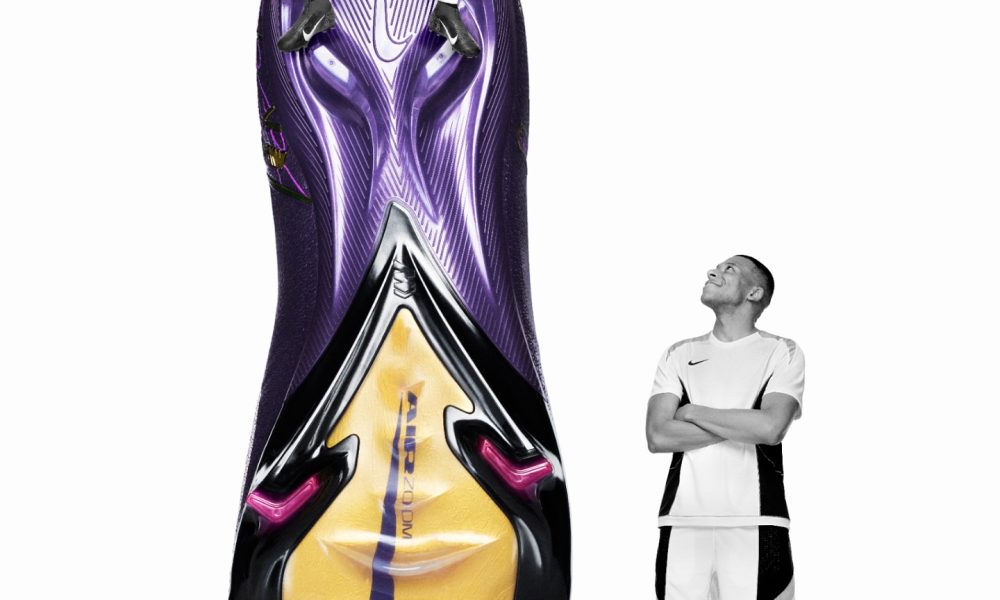 has always dreamed in Mercurial. Now his initials are on the boots.
The new Kyl…
has always dreamed in Mercurial. Now his initials are on the boots.
The new Kyl…
-
 Rec Sports2 weeks ago
First Tee Winter Registration is open
-
 Rec Sports2 weeks ago
Fargo girl, 13, dies after collapsing during school basketball game – Grand Forks Herald
-
 Motorsports2 weeks ago
CPG Brands Like Allegra Are Betting on F1 for the First Time
-
 Motorsports2 weeks ago
F1 Las Vegas: Verstappen win, Norris and Piastri DQ tighten 2025 title fight
-
 Sports2 weeks ago
Two Pro Volleyball Leagues Serve Up Plans for Minnesota Teams
-
 Sports2 weeks ago
Utah State Announces 2025-26 Indoor Track & Field Schedule
-
 Sports2 weeks ago
Sycamores unveil 2026 track and field schedule
-
 Motorsports2 weeks ago
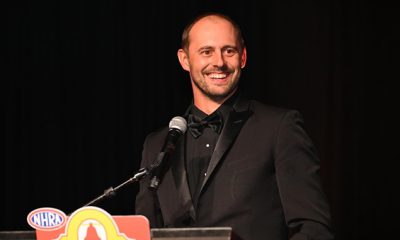
Redemption Means First Pro Stock World Championship for Dallas Glenn
-
 NIL1 week ago
Bowl Projections: ESPN predicts 12-team College Football Playoff bracket, full bowl slate after Week 14
-
 Sports2 weeks ago
Texas volleyball vs Kentucky game score: Live SEC tournament updates