Connect with us
https://yoursportsnation.com/wp-content/uploads/2025/07/call-to-1.png

NIL

What happened to college sports over the summer? | Sports

Published

on


Students may have mentally checked out since classes ended, but college sports don’t take a break.

This summer has been one of the biggest off seasons in the history of collegiate athletics. 

The sentiment isn’t hyperbolic. 

The last three months have led to schools across the country warning of an existential threat to entire sports programs. They have given rise to a College Football Playoff proposal from the Big Ten that the general public has ridiculed. 

Even D.C. is getting involved, finally responding to a years-long cry for help from the NCAA as the Power Four becomes more powerful. And most importantly, student-athletes at Nebraska and beyond are now being paid directly by their schools.

Many have ignored the headlines or struggled to parse through the legal jargon, which has become a large part of the discussion. 

Here’s a guide to all of the major changes in college sports that happened these past few months.

House v. NCAA settlement

The most pivotal moment of the year, the settlement of the House v. NCAA class action lawsuit, was truly five years in the making.

In June of 2020, Grant House and Sedona Prince, student-athletes at Arizona State and Oregon, respectively, filed a lawsuit against the NCAA. The two sought damages related to the use of their name, image, and likeness (NIL) and to lift restrictions that kept conferences from sharing broadcast revenue with their athletes. This was just one of many lawsuits filed at the time over the same restrictions, with many current and former athletes arguing they violated federal law.

In July of 2021, the NCAA dropped NIL restrictions for student-athletes in response to other court decisions and legislative action around the country. This meant that athletes could now make money from sponsorships and endorsements, marking a massive shift in college sports. This change, though, did not resolve the House case since it did not address the concerns raised over revenue-sharing.

By 2024, after years of sitting in court, the NCAA and power conferences were deep into negotiations to settle the lawsuit, fearing that a loss in court could ultimately lead to the national association going bankrupt. On May 23, 2024, the NCAA voted to settle the suit. A year later, after changes were made to address concerns raised by athletes, schools and conferences alike, the settlement was finally approved on June 6, 2025.

Here are just some of the ways the House settlement changes college athletics:

Schools can now pay student-athletes directly

The most widely publicized detail of the House settlement — Division I athletes’ ability to be paid directly by their schools — is arguably the biggest change to college sports since Title IX was passed in 1972.

Since July 1, participating universities can pay up to $20.5 million annually to their student-athletes. That cap is 22% of the average revenue of power conference athletics departments and will increase over the next 10 years as schools’ revenues increase. That $20.5 million figure is less than 10% of Husker Athletics’ $220 million revenue in fiscal year 2024.

The money that athletes earn from their schools is not their only source of income. NIL deals will continue, and dozens of athletes, especially in football and basketball programs, will be netting seven-figure salaries this year. That includes Nebraska quarterback Dylan Raiola, who will be making more than $3 million between revenue-sharing income and NIL deals, according to On3.

Roster limits and scholarship expansion

As part of the House settlement, scholarship limits have been abolished across all DI college sports. Now, every athlete at participating schools has the ability to earn partial or full-ride scholarships — a big change from the scholarship limits that all sports had to adhere to beforehand. But there are two important caveats.

First, every Division I sport now has limits on the number of athletes that can be on its roster. This shift will be gradual — Judge Claudia Wilken believed the sudden change would be unfair to athletes who transferred or were recruited to play at a school but would have to be cut to follow the new roster limits. That is why, despite the limit for football being placed at 105 players, schools like Nebraska can still have 125 players this year. While these roster limits will make it harder to become a DI athlete, the “Olympic sports” could now see huge increases in scholarship opportunities for those who make it.

Second, scholarships will come directly out of the $20.5 million that schools set aside for revenue-sharing. This likely means that private universities and expensive state schools will have less money to spend after scholarships are offered than Nebraska and other universities with cheaper tuition. This could make Lincoln a more attractive option for some athletes, ultimately giving them a leg up in increasingly money-driven competition.

$2.8 billion for former athletes

Current student-athletes are not the only ones benefiting from this settlement. Former athletes, including the original plaintiffs, House and Prince, will be paid a share of nearly $2.8 billion over the next ten years. The amount of individual earnings will be based on an estimated NIL valuation that those athletes could not collect as a result of NCAA rules. 

This means that former football and men’s basketball players would certainly make more than athletes from smaller sports — one estimate places “lost opportunity” payments for former men’s basketball and football players at $17,000 on average, with some making north of $800,000.

To be eligible for this back-pay, athletes must have competed any time from 2016 to the House settlement. Despite nearly all of the $2.8 billion being paid for by the NCAA and Power Five conferences, any former DI athlete can collect back pay.

NIL regulations and payment enforcement

With such a big change coming to college sports, the country clearly needs a way to regulate revenue-sharing before it goes off the rails like the early NIL days. Luckily, two bodies have been created that will keep these coming seasons in check.

The first is the College Sports Commission (CSC), an organization formed by the power conferences and Notre Dame — not the NCAA — to oversee NIL and revenue-sharing compliance. 

The second is NIL Go. This clearinghouse, formed by the CSC, is the organization to which Division I athletes are required to report NIL deals. Any contract or series of contracts valued at over $600 must be reported to NIL Go and be evaluated to ensure the deal is at a fair market price. 

While those brief descriptions make it seem otherwise, the formation of these two bodies is by far the most interesting thing to come out of the House settlement. It’s not because it shows the college sports world is more prepared this time than at the beginning of the NIL era. It’s certainly not because of the countless lawsuits that are destined to crop up over the next few years, such as gender equity in revenue-sharing, student-athletes as legal employees, inevitable rule-breaking, and more. It’s because this summer saw one of the biggest transfers of power from the NCAA to the power conferences ever.

The NCAA still oversees all amateurism rules — except Division I players’ being paid means the rules may only apply to DII and DIII. So, the Power Four oversee the revenue-sharing rules instead. 

The NCAA still distributes cash to conferences for participation and other operating expenses, except that tens of millions of dollars will now have to go to former athletes each year. So, the Power Four may become less dependent on NCAA funding. 

The NCAA already oversees and profits from almost every national championship, besides football. Again, that’s the Power Four.

It is clear that the NCAA is losing its grasp on college sports regulation and has been for years now. So, they went to the only place on earth that could slow the organization’s fall from grace.

Response from Washington

In July, the House Energy and Commerce Committee voted to advance the Student Compensation and Opportunity through Rights and Endorsements (SCORE) Act. The main goals of the SCORE Act are to provide a federal framework for NIL rules, provide legal protections to the NCAA and power conferences and to limit the ability of student-athletes to be considered employees of their universities. 

If passed, the act would be a huge win for the NCAA, especially in regards to antitrust protections, given the large number of lawsuits the organization has lost in the past decade. It also pushes regulatory power back to the NCAA at a time when conferences and universities are playing bigger roles in athletics administration. 

Attorneys general from multiple states have criticized the bill for consolidating “too much power in the hands of the NCAA.”

The SCORE Act is not expected to pass the Senate should it successfully make its way through the House when it reconvenes in September. No members of the Nebraska delegation sit on the House Energy and Commerce Committee.

Also in July, President Trump signed an executive order titled “Saving College Sports.” The Order has multiple pieces aimed at combating the “out-of-control, rudderless system” that is NIL and revenue-sharing.

The most substantive section of President Trump’s order splits athletics departments into three groups based on revenue and demands each group to follow a set of guidelines to protect non-revenue and women’s sports. 

For universities like Nebraska, where annual athletics revenues exceed $125 million, they must provide more scholarship opportunities in “Olympic” sports than in previous years and fill the maximum number of roster spots permitted under the new House rules. 

The order also directs members of the President’s Cabinet to put together guidelines tackling increasingly pertinent issues in collegiate athletics. This includes combating “pay-for-play” NIL schemes, clarifying the employment status of student-athletes, and providing legal protections to iron out inevitable future litigation.

Where do we go from here?

For better or for worse, college athletics has become just as much about money as it is about sports. NCAA President Charlie Baker has estimated that up to $1.5 billion of revenue will be doled out to college athletes each year on top of the billions that already go into scholarships and NIL deals. It is abundantly clear, less than two months into this new era, that collegiate sports are fundamentally different from what they were just a couple of months ago.

The fans will keep watching, athletics departments will keep growing and college sports will look different by the day.

Because no matter how big it gets, the beast may never stop growing.

sports@dailynebraskan.com



Link

Continue Reading
Click to comment

Leave a Reply

Your email address will not be published. Required fields are marked *

NIL

Longhorns Daily News: Texas has highest NIL transfer portal budget, data says

Published

on


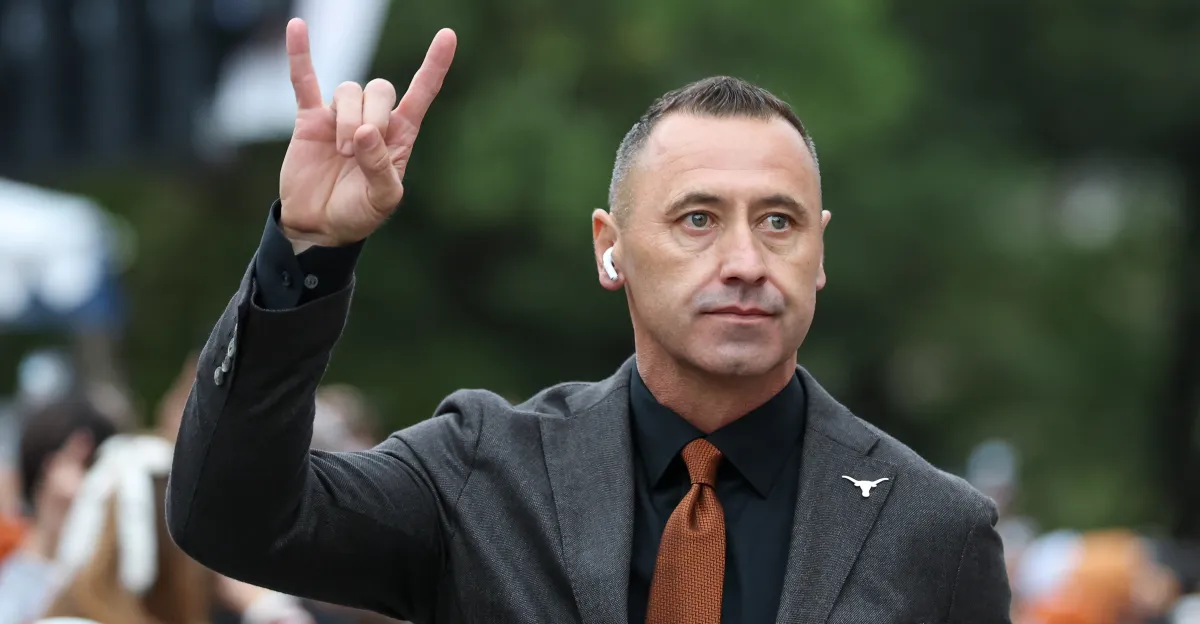
The website Sports Casting recently published data that pointed to Texas as the program with the nation’s biggest purse strings related to name, image, and likeness incentives for this year’s transfer portal, ahead of in-state juggernauts such as Texas A&M, Texas Tech, and others. Texas has $23 million in NIL funding, in fact, according to a graph Sports Casting published earlier today.

WHAT THEY’RE SAYING ABOUT THE LONGHORNS

247Sports: With Michael Masunas’ commitment, veteran Texas tight ends are under the spotlight in a crowded room

Inside Texas: Inside Texas Portal Intel: Cam Coleman, RB dominoes, and OL plans

ICYMI IN BURNT ORANGE NATION

247Sports: Texas Football Transfer Portal Tracker: All the Texas scoop, rumors, comings & goings as Longhorns fill roster

247Sports: Notes and nuggets from check-in day at the Navy All-American Bowl

247Sports: HoopHall West: New Year’s resolutions for every top-50 prospect

247Sports: Transfer Portal Intel: Latest updates on top players, led by team to watch for Sam Leavitt, as dominoes fall

247Sports: Arizona State’s Raleek Brown trending to Texas: How does he compare to outgoing RB Tre Wisner?

247Sports: Elite 2027 CB Duvay Williams’ visits come into focus at 2026 Navy All-American Bowl

Inside Texas: Texas Longhorns Portal Recruiting Intel: Latest from numerous Horns targets, coaches on road

Inside Texas: Texas’ early portal additions are creating a firm foundation

Inside Texas: How did Texas’ 2025 portal class fare this past season?

Inside Texas: Transfer Portal Reality Check: It’s okay to be frustrated, just don’t panic

Rocky Top Talk: LSU offensive tackle Ory Williams commits to Tennessee

A Sea Of Blue: Kentucky flips 4-star recruit Andre Clarke Jr. from Michigan

SB Nation: Baltimore Ravens’ 5 best head coaching options after John Harbaugh firing

SB Nation: The Panthers aren’t NFL’s worst playoff team ever, because this team is

SB Nation: TGL: Atlanta Drive GC stays undefeated in title defense with 7-4 win over The Bay

NEWS ACROSS LONGHORN NATION AND BEYOND


Link

Continue Reading

NIL

No. 1 college football team soars in transfer portal rankings after ‘swinging wildly’

Published

on


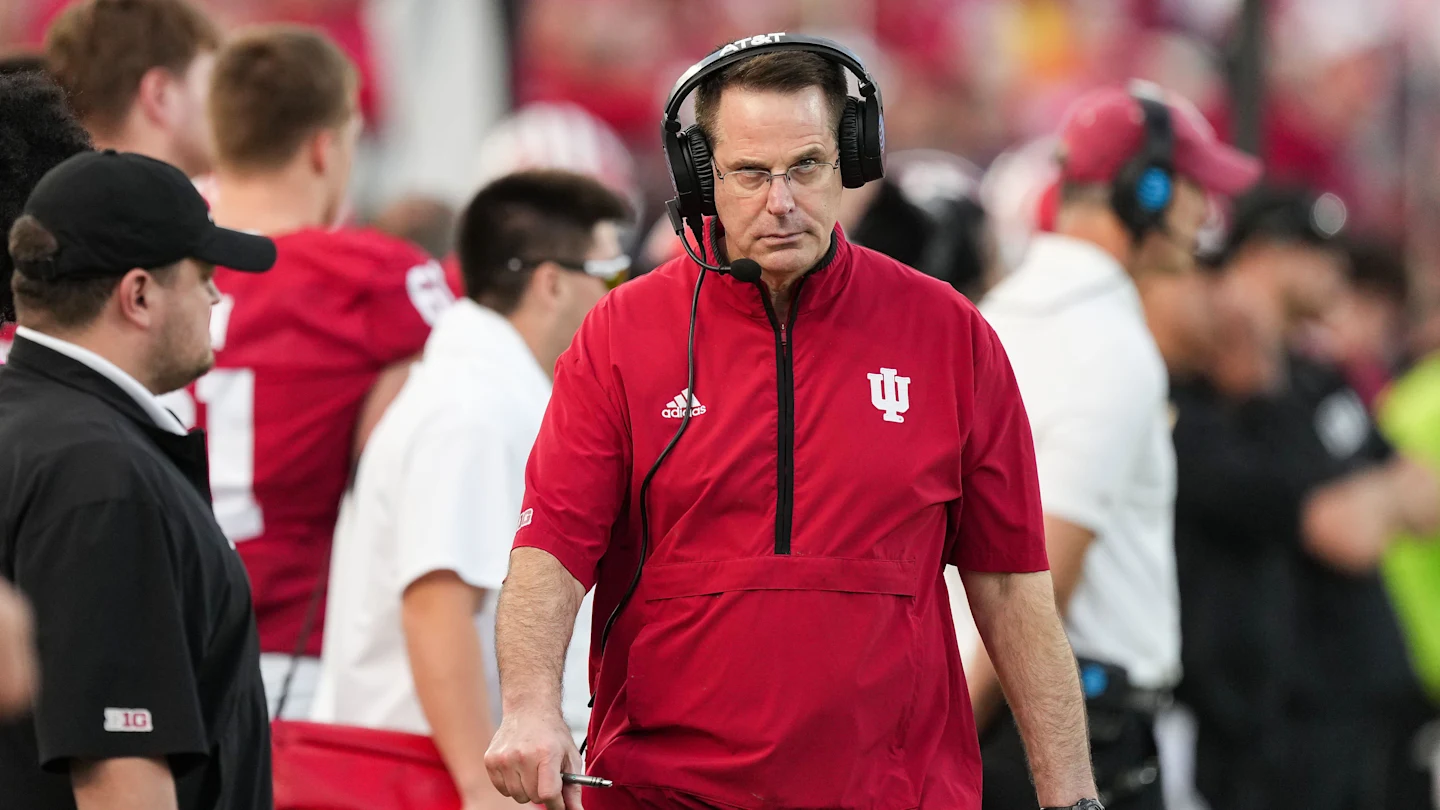
Indiana posted a major day in the early January transfer portal window, adding multiple experienced transfers on Sunday, including TCU quarterback Josh Hoover, Michigan State wide receiver Nick Marsh, and Boston College running back Turbo (Hanovii) Richard.

Hoover is a redshirt junior with a high-volume TCU resume, throwing for 9,629 career yards and 71 touchdowns with a 65.2% completion rate.

He set the Horned Frogs’ single-season passing record in 2024 with 3,949 yards (27 TDs, 11 INTs) and followed it up with another productive campaign in 2025, totaling 3,472 yards with 29 touchdowns and 13 interceptions.

Hoover is expected to enroll in January and is the projected heir apparent if Heisman winner Fernando Mendoza departs for the NFL.

Marsh is a 6-foot-3 receiver who led Michigan State in receptions and receiving yards in consecutive seasons, posting 41 catches for 649 yards and three touchdowns in 2024, followed by 59 receptions for 662 yards and six scores in 2025.

Richard entered the portal after a breakout 2025 season, rushing for 749 yards and nine touchdowns on 145 carries (5.2 yards per carry) across 11 games, while also contributing in the passing game with 30 catches for 213 yards and two receiving touchdowns.

Safeties Preston Zachman (Wisconsin) and Jiquan Sanks (Cincinnati), edge prospects like Tobi Osunsanmi (Kansas State) and Joshua Burnham (Notre Dame), and Chiddi Obiazor (Kansas State) have all reportedly transferred to Indiana as well.

On Sunday, Josh Pate described Indiana’s portal approach as “swinging wildly” and landing most of those swings, a shorthand for the Hoosiers’ aggressive, high-volume pursuit of established starters during the opening days of the transfer window.

“Indiana is swinging wildly, and it will probably shock approximately none of you to learn that they are landing every punch that they swing with,” Pate said.

“Josh Hoover, TCU quarterback, that’s who Curt Cignetti has circled, and so he is next in line to be a future Heisman finalist in Indiana… Nick Marsh, who I was really high on this past year, and then Michigan State was terrible, he’s headed to Indiana too… So Indiana is making some big moves here.”

TCU Horned Frogs quarterback Josh Hoover.

TCU Horned Frogs quarterback Josh Hoover (10) | Jerome Miron-Imagn Images

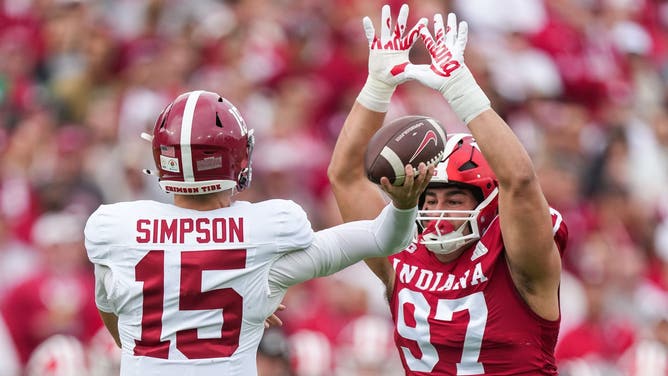
Indiana completed a historic run in 2025, winning the Big Ten and advancing through the College Football Playoff, including a 38–3 win over No. 9 Alabama in the Rose Bowl (CFP quarterfinal) to enter the CFP semifinals as the No. 1 seed (14–0 at that point).

Head coach Curt Cignetti’s roster rebuild has relied heavily on the portal since his arrival, bringing in high-impact portal QBs such as Kurtis Rourke (Ohio) and then Fernando Mendoza (Cal), both of whom started and helped accelerate the program’s turnaround.

By landing established contributors, especially a high-volume quarterback and proven skill-position players, Indiana changes the odds for 2026 by signaling to recruits and opponents that the program is built to last rather than flash.

Read More at College Football HQ

  • No. 1 transfer portal QB earns $5 million NIL deal after interest from major college football programs

  • College football’s leading rusher linked to two college football programs in transfer portal

  • College football programs loses 28 players to transfer portal

  • College Football Playoff team loses 23 players to transfer portal


Link

Continue Reading

NIL

$2 million transfer portal QB strongly linked with two major college football programs

Published

on


The NCAA’s two-week January portal window (Jan. 2–16) opened with heavy quarterback movement, highlighted by North Texas standout Drew Mestemaker committing to Oklahoma State and top portal name Brendan Sorsby landing at Texas Tech.

Meanwhile, Sam Leavitt remains uncommitted while visiting multiple Power-5 programs, and both Byrum Brown and DJ Lagway have entered the portal and are in the process of scheduling visits.

Former Nebraska quarterback Dylan Raiola has also entered the transfer portal and is reportedly a priority target for several Power-5 programs.

On Friday, January 2, CBS Sports analysts Cooper Petagna and Chris Hummer flagged Raiola as a quarterback who becomes materially more effective when surrounded by a strong supporting cast, pointing to two specific college football programs as logical fits.

“If you put him in an environment like Miami or an environment like Oregon where you surround him with the type of playmakers and the type of offensive line and the type of running game that those programs provide, then Dylan Raiola becomes a lot more of a net positive, rather than being the guy,” said Petagna.

Nebraska Cornhuskers quarterback Dylan Raiola.

Nebraska Cornhuskers quarterback Dylan Raiola (15) looks to throw a pass behind offensive lineman Turner Corcoran (69) | Dylan Widger-Imagn Images

Raiola started Nebraska’s first nine games in 2025 before suffering a broken right fibula against USC on November 1, an injury that ended his season.

At the time, he had completed 181 of 250 passes (72.4%) for 2,000 yards, 18 touchdowns and six interceptions, posting a 158.6 passer rating while ranking among the national leaders in completion percentage.

A consensus five-star recruit from Buford, Georgia, Raiola started as a true freshman in 2024, completing 275 of 410 passes (67.1%) for 2,819 yards, 13 touchdowns and 11 interceptions across 13 games.

He is also one of the more marketable athletes in college football, with On3’s public player profile listing an estimated NIL valuation of $2 million, driven by partnerships with adidas, Campus Ink, EA Sports and Panini America.

Each is currently a College Football Playoff (CFP) team with a deep receiving corps, strong offensive lines and reliable running games that would help mask pocket limitations and accelerate his development.

Oregon’s fast-paced, high-efficiency offense and established receiver pipeline would amplify his strengths, while Miami’s pro-style balance, elite NIL market and recent success developing transfer quarterbacks provide immediate resources and exposure.

Together, both programs offer elite coaching, medical and strength staffs, playoff-level competition and consistent NFL scouting attention, a combination that maximizes Raiola’s long-term upside while boosting national title aspirations.

Read More at College Football HQ

  • No. 1 transfer portal QB earns $5 million NIL deal after interest from major college football programs

  • College football’s leading rusher linked to two college football programs in transfer portal

  • College football programs loses 28 players to transfer portal

  • College Football Playoff team loses 23 players to transfer portal


Link

Continue Reading

NIL

How the Biggest NIL Deal in College Football History Went Down

Published

on


Brendan Sorsby landed a record NIL deal with Texas Tech, so Boardroom caught up with his agent to learn about the transfer portal process, why he chose college over the NFL, and more.

Brendan Sorsby has reset the NIL market.

Advertisement

The former University of Cincinnati quarterback and ESPN’s top-ranked player in this year’s college football transfer portal signed an NIL contract with Texas Tech for his final year of eligibility worth close to $6 million, his agent Ron Slavin of Lift Sports Management told Boardroom. It’s believed to be the largest ever NIL deal in college football; here’s how the historic deal went down.

<em>Dylan Buell / Getty Images</em>

Dylan Buell / Getty Images

After Cincinnati finished its regular season after Thanksgiving, Sorsby signaled to his representatives that he wanted a change of scenery, whether that was the transfer portal or the NFL, Slavin said. He then submitted a request to the NFL’s College Advisory Committee, which evaluates and advises underclassmen of their draft prospects and where they realistically might be selected. While Sorsby got a graded projection of anywhere between the first and third rounds of the 2026 draft, that didn’t sway him from wanting to play a final year of college football and submit his name into the NCAA transfer portal.

“He wants to become a better quarterback, and he wants to be the first pick in the ’27 draft,” Slavin told Boardroom. “Brendan wanted to play college football, compete for a national championship, and continue to develop.”

Advertisement

Sorsby looked at inexperienced quarterbacks drafted in the first round and sent out to play by their teams right away, and wanted more reps to reduce the potential of becoming a draft bust because he was thrown in there before he was ready.

“The NFL doesn’t draft quarterbacks in the first round anymore and let him sit for three years like Aaron Rodgers was able to,” Slavin said. “Brendan wants to know that he’s got enough reps and played enough games like the Bo Nixes of the world, who had 60 college games. That’s the model now, not guys who have had one good season of 12 starts. They seem to fail a lot more often.”

Players can announce they’re going into the transfer portal in December, but the official two-week portal doesn’t open until Jan. 2. And while players can’t contact teams until then, agents and representatives can begin identifying schools in need of a player, in this case, an experienced starting QB like Sorsby. LSU, Miami, and Texas Tech emerged as the three top contenders, and Sorsby visited each school over the weekend.

“All had very solid offers, and they were pretty equal across the board,” Slavin said. “I know people like to say ‘oh, Texas Tech outspends,’ but there wasn’t any difference in the money between Miami, LSU, or Texas Tech.”

Advertisement

Sorsby was impressed by Miami head coach Mario Cristobal and the executive director Dennis Smith. As he controversially moved over from Ole Miss to LSU, Slavin said Lane Kiffin was “all in” on bringing Sorsby to Baton Rouge. The LSU coaches did the best job among the three in terms of putting in the time and preparation on trying to bring in what it hoped would be its next starting quarterback. But as a whole, Texas Tech barely edged both of them out.

Texas Tech head coach Joey McGuire was able to sell Sorsby on facilities that Slavin said blew him away, a strong offensive line and skill position players, and the Red Raiders’ ability to develop him as a quarterback. It also helped that the Dallas native could play football one last year in his home state.

“We did pros and cons with all of them, and it was pretty much a coin flip,” Slavin said. “In the end, Brennan just went with his gut. It was a really cool process to go through with all of them because they all do it the right way.”

<em>John E. Moore III / Getty Images</em>

John E. Moore III / Getty Images

Just as important as the destination was the structure of the deal itself. Sorsby’s camp required that all NIL compensation be fully guaranteed and paid by next Jan. 1, a safeguard amid growing concerns about collectives delaying or withholding funds for reasons such as missed bowl appearances. The agreement — alongside a separate NIL deal for quarterback Josh Hoover, who is transferring from TCU to Indiana — represents a significant milestone for Lift Sports Management. After building a strong NBA roster that includes Paolo Banchero, Jabari Smith Jr., and PJ Washington, Lift expanded into football last summer by hiring Slavin and Jared Fox, adding to an NFL client base that already features David Montgomery and Byron Murphy.

Advertisement

“This deal is a huge step for the agency and also for Brendan individually,” Donnie McGrath, Lift’s CEO, told Boardroom. “It helps put Lift Football on the map, and it shows that these guys are going to make an impact on the industry.”

Read More:

Kevin Hart

Kevin Hart

Entertainment January 6, 2026

Kevin Hart Partners With Authentic Brand Group to Scale Brand and Business

Sports January 6, 2026

Tom Brady, Matt Ryan, and the NFL QB Front Office Takeover

Sports January 5, 2026

The Manchester United Job Is Broken, Not the Manager

Entertainment December 31, 2025

10 Predictions That Will Shape Entertainment and Pop Culture in 2026

Entertainment December 30, 2025

Tetris in the Sky: How Red Bull Brought a Timeless Game to Life in Dubai

Sports December 30, 2025

Lockouts, Expansion, and Chaos: 14 Sports Business Predictions for 2026


Link

Continue Reading

NIL

College Football Postseason Shows NIL Has Ended SEC’s Competitive Advantage

Published

on


The 2025-2026 college football postseason has exposed a glaring truth that should lead to major changes throughout the sport: other conferences have caught up with or surpassed the SEC.

For years, the SEC was the dominant force in the sport, thanks mostly to the success of Nick Saban’s Alabama Crimson Tide teams in the 2010’s, and Kirby Smart’s Georgia. But their performance in bowl games and the College Football Playoff the past two seasons has dealt a permanent blow to that reputation. Even if the conference’s fans, media partners, and boosters won’t acknowledge it.

Vanderbilt quarterback Diego Pavia said about staying in the SEC for 2025, “You want to play with the best — you don’t want to play with the Big Ten.” He wasn’t done, adding, “…the SEC, it’s like week after week. You’re going to get beat on. The Big Ten, you’re not gonna get beat on with the Purdue, Nebraskas.”

Then, before the ReliaQuest Bowl, he said it would only take “7 points” to beat the Iowa Hawkeyes. He lost 34-27. Whoops.

Illinois beat the Tennessee Volunteers in the Music City Bowl, marking the second consecutive season the Illini beat an SEC team in a bowl game. Virginia held Missouri to just seven points, winning 13-7. Houston, literally Houston, beat LSU 38-35. “You want to play with the best,” indeed.

Texas A&M, a team that went 7-1 in the SEC and was hailed by Lane Kiffin in November as the No. 1 team in the country because of their conference success, scored just three points at home against Miami. Then, the pièce de resistance: the Rose Bowl. The Indiana Hoosiers humiliated Alabama in a 38-3 defeat, which undersells just how thoroughly they dominated. 

RELATED: Alabama Never Should Have Been In The Playoff; Rose Bowl Loss Hurts ESPN, SEC’s Reputation

Oh, and for good measure, Mississippi State lost to Wake Forest. Nothing like the week in, week out gauntlet of the SEC. All these examples drive home an obvious point: the SEC’s advantage over competitive conferences has evaporated. And a new report may explain how and why. 

Has NIL Changed SEC’s Advantages?

The Athletic’s Bruce Feldman is out this week with a new story, talking to opposing coaches about the SEC’s dismal postseason performance. Right away, one Power 4 offensive coordinator highlighted how the narrative about conference superiority needs to change. And quickly.

“Ultimately,” the coach said, “and this is y’all’s job, not my job, but there needs to be an evaluation of this narrative of the SEC is these big, bad m————, because they’re getting their asses whipped in these games.”

The SEC team in bowl and playoff games is 2-7 against other conferences. One of those wins was Texas over Michigan, a team that saw head coach Sherrone Moore fired in shocking, spectacular fashion just a few weeks ago. The SEC team was the favorite in seven of those nine games. 

That same offensive coordinator he quoted earlier said that the explanation for this dramatic about face is that NIL has leveled the playing field, paving the way for other teams to, shall we say, provide financial incentives for players.

“The reality is this, there were some very famous, very successful coaches that were having a lot of success when the NIL was illegal,” he added. “Well, now NIL is legal. I saw what (former LSU head coach Ed) Orgeron said about how now you can walk through the front door with the money. Well, now the players are going everywhere.”

Another Big Ten assistant coach told Feldman over the weekend, “Hard to ignore the fact that when everyone got to pay players, it leveled the playing field immediately. They can deny all they want, but that’s a fact.”

While some defend the SEC by repeating the same “gauntlet” argument, one Group of 5 head coach agreed that the legality of NIL has shifted the balance of power, saying “There’s some truth to that too, I think that’s accurate.”

And there’s more to it than that.

Quality Depth Has Evaporated Thanks To NIL

It’s clear that many top SEC programs were providing some sort of financial benefits to players before NIL. Though that was almost certainly happening at other top programs in different conferences across the country. But it’s not just that the top players were choosing to go where they could benefit the most, it’s the second and third tier players going elsewhere that’s changed the competitive balance.

Now, instead of say, going to be the second string guy for Nick Saban at Alabama because of the likelihood of winning a championship and reaching the NFL eventually, that same recruit from Florida or Texas might go play at Miami or Texas Tech or Indiana, because they can start, make more money, and still compete for a title and reach the NFL. 

That’s hollowed out the depth of talent at SEC programs, in much the same way that USC’s ridiculous, monstrous penalty from the NCAA in the early 2010’s destroyed their depth. Now, when the inevitable injuries hit, teams like Bama or Georgia aren’t able to replace their starting players with high-level talent. Those players are starting at Oregon instead of sitting in Athens.

It’s obvious, taking more than a handful of seconds to analyze it, that this makes sense. Every top team was paying players before, but the SEC was better at it. Sitting at Alabama may have had more value than starting at Indiana just a few years ago. Now it doesn’t. Having the legacy and big brand name doesn’t matter much anymore, because the transfer portal has allowed any program to get established talent if they have the money. 

What does this all mean? Well, the push to view the SEC differently than other conferences has to stop. Immediately. Allowing Greg Sankey and his ESPN promotional department to repeat the word “gauntlet” because Missouri and Tennessee are ranked despite not winning a single game over a team with a winning record is a farce. Acting as though one conference deserves preferential treatment, like, say, having its championship game be a meaningless exhibition, must end. The relentless demand for more SEC teams in the playoff needs to end. 

And the worst part is, Sankey and the SEC booster club at ESPN are only going to get louder in 2026. Why? Because they’re now going to play nine conference games. While this change is, in a way, beneficial by forcing the SEC to finally have the same number of conference games as the Big Ten, it’s also going to make their demands even louder. Fewer opportunities to compare teams across conference. Marquee matchups across conferences have already been canceled. And the insistence on never punishing losses in the SEC will only grow. “How can we leave out four loss Alabama,” the argument will go, “when they played the SEC gauntlet?!”

Those arguments, those boosters, the ESPN propaganda campaigns, all of it…is based on a past that no longer exists. The future is here, and with it, the end of acting as though one league gets a pass because its teams were good a decade ago.


Link

Continue Reading

NIL

Texas Tech QB Brendan Sorsby Set to Earn More Than Some First-Round NFL Draft Picks

Published

on


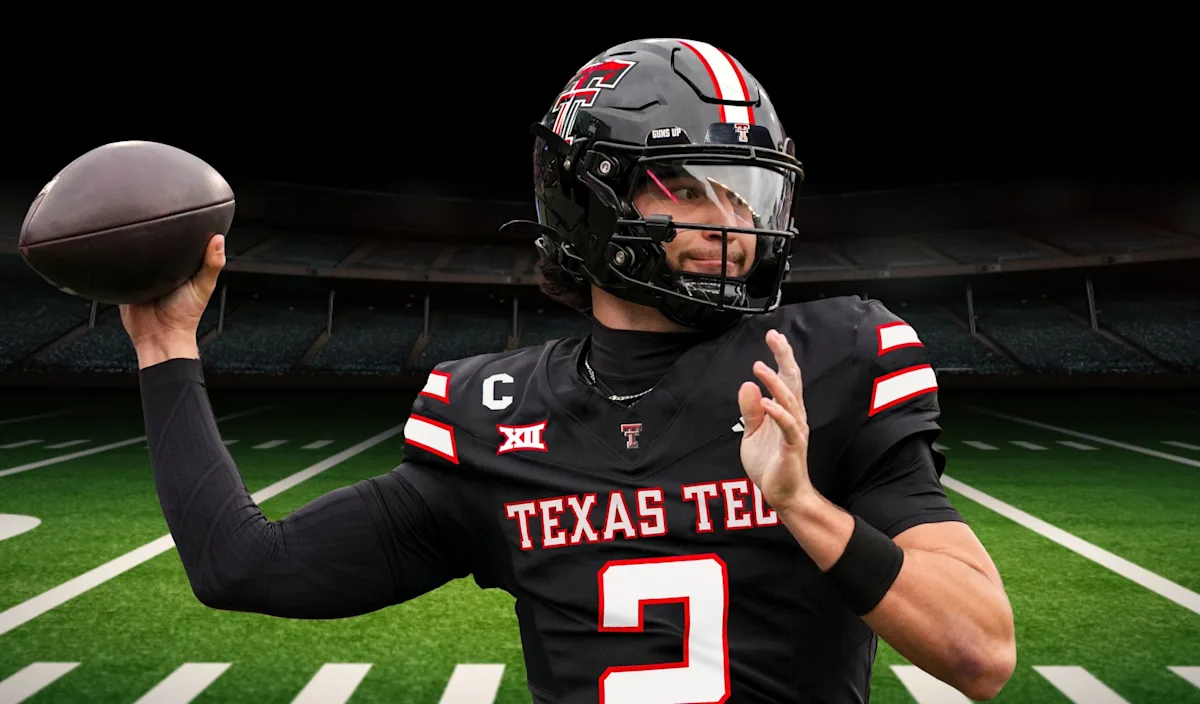
Quarterback Brendan Sorsby, the top player available in college football’s transfer portal, on Sunday committed to Texas Tech, joining a Red Raiders program fresh off of its first-ever College Football Playoff appearance. And Sorsby will reportedly be paid not just like the best player available in the transfer portal, but akin to a first-round NFL draft pick.

Sources told Pete Thamel of ESPN that Sorsby’s NIL deal was expected to be in the range of $5 million, a number that Front Office Sports also reported in conjunction with Sorsby. While it’s entirely possible that Sorsby, who was also courted by the deep-pocketed LSU Tigers, will earn more than $5 million, it’s at least a realistic projection in this case, given that the Red Raiders just last year invested $7 million in its defensive line.

Here’s where Sorsby’s NIL deal would check in at when compared to the rookie contracts of all 32 first-round picks from the 2025 NFL draft. Note: Contract figures listed for 2025 first-round draft picks are the average annual value of their rookie deals.

Pick No.

Name

Contract Value

1

Cam Ward

$12,209,905

2

Travis Hunter

$11,662,282

3

Abdul Carter

$11,313,795

4

Will Campbell

$10,915,526

5

Mason Graham

$10,218,548

6

Ashton Jeanty

$8,973,953

7

Armand Membou

$7,978,296

8

Tet McMillan

$6,982,598

9

Kelvin Banks Jr.

$6,932,812

10

Colston Loveland

$6,659,002

11

Mykel Williams

$6,235,839

12

Tyler Booker

$5,638,430

13

Kenneth Grant

$5,489,078

14

Tyler Warren

$5,240,163

15

Jalon Walker

$5,140,593

16

Walter Nolen

$4,841,888

17

Shemar Stewart

$4,742,319

18

Grey Zabel

$4,617,865

19

Emeka Egbuka

$4,543,183

20

Jahdae Barron

$4,518,294

21

Derrick Harmon

$4,493,401

22

Omarion Hampton

$4,443,616

23

Matthew Golden

$4,393,835

24

Donovan Jackson

$4,294,264

25

Jaxson Dart

$4,244,482

26

James Pearce Jr.

$4,194,696

27

Malaki Starks

$4,144,915

28

Tyliek Williams

$4,120,023

29

Josh Conerly Jr.

$3,920,274

30

Maxwell Hairston

$3,814,496

31

Jihaad Campbell

$3,725,894

32

Josh Simmons

$3,668,839

While these are average annual value figures and Sorsby’s reported $5 million deal is for the 2026 campaign, the table gives an idea of just how much NIL money a top college football player can command in the transfer portal. In 2026, Sorsby is set to earn more money than all but 15 first-rounders are set to earn on average in their respective rookie contracts.

Sorsby was already one of the highest-paid players in college football, as only Texas quarterback Arch Manning and Ohio State wide receiver Jeremiah Smith boasted higher NIL valuations, according to On3 Sports. His monster Texas Tech deal will only add to those riches.

Sorsby joins a fast-rising Texas Tech program that just won its first-ever Big 12 title and earned a first round bye before bowing out in its quarterfinal matchup against Oregon on New Year’s Day.

In 12 games with the Bearcats, Sorsby completed 61.6% of his passes for 2,800 yards, 27 touchdown passes and five interceptions.

More College Football on Sports Illustrated


Link

Continue Reading
Motorsports4 weeks ago

SoundGear Named Entitlement Sponsor of Spears CARS Tour Southwest Opener

Motorsports4 weeks ago

Donny Schatz finds new home for 2026, inks full-time deal with CJB Motorsports – InForum

Rec Sports4 weeks ago

David Blitzer, Harris Blitzer Sports & Entertainment

NIL4 weeks ago

DeSantis Talks College Football, Calls for Reforms to NIL and Transfer Portal · The Floridian

Motorsports4 weeks ago

Rick Ware Racing switching to Chevrolet for 2026

Sports4 weeks ago

#11 Volleyball Practices, Then Meets Media Prior to #2 Kentucky Match

Sports4 weeks ago

Maine wraps up Fall Semester with a win in Black Bear Invitational

Motorsports3 weeks ago

Ross Brawn to receive Autosport Gold Medal Award at 2026 Autosport Awards, Honouring a Lifetime Shaping Modern F1

Motorsports4 weeks ago

Nascar legal saga ends as 23XI, Front Row secure settlement

Rec Sports3 weeks ago

Stempien to seek opening for Branch County Circuit Court Judge | WTVB | 1590 AM · 95.5 FM

Motorsports4 weeks ago

Sunoco to sponsor No. 8 Ganassi Honda IndyCar in multi-year deal

Rec Sports3 weeks ago

Princeton Area Community Foundation awards more than $1.3 million to 40 local nonprofits ⋆ Princeton, NJ local news %

NIL3 weeks ago

Downtown Athletic Club of Hawaiʻi gives $300K to Boost the ’Bows NIL fund

Motorsports4 weeks ago

North Florida Motorsports Park led by Indy 500 Champion and motorsports legend Bobby Rahal Nassau County, FL

Rec Sports4 weeks ago

WNBA’s Caitlin Clark, Angel Reese and Paige Bueckers in NC, making debut for national team at USA camp at Duke

Most Viewed Posts

Trending