

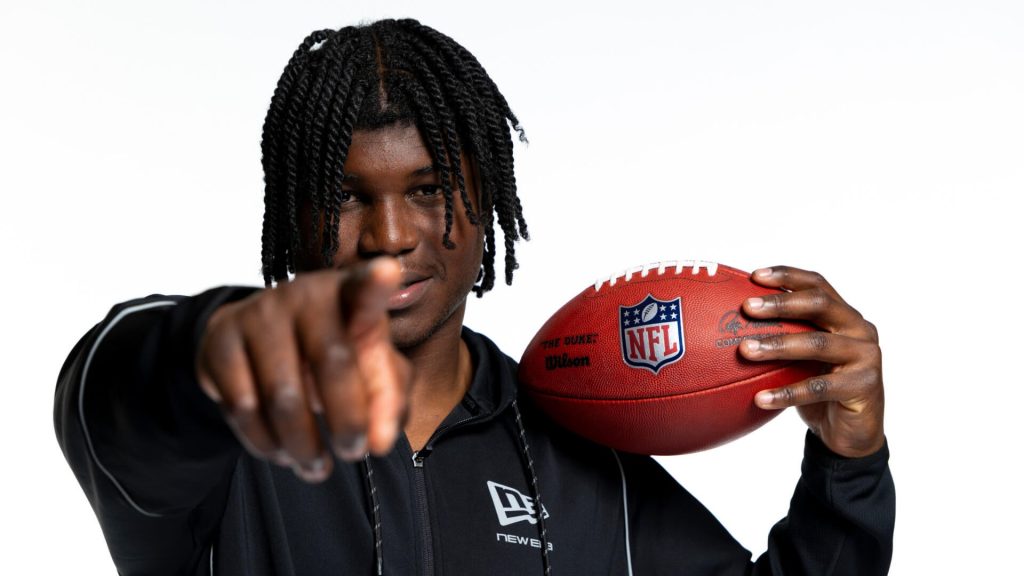
With just seven days remaining until the 2026 NFL Draft kicks off in Las Vegas, the league’s decision-makers are finalizing their plans—and the noise is louder than ever. From the New York Jets’ strategic calculus at No. 2 overall to a potential storm brewing at No. 3, and a wave of risers shaking up the first round, the draft landscape is as unpredictable as ever. Insiders across the league are buzzing with late-breaking intel, trade scenarios, and prospect evaluations that could reshape the future of multiple franchises. As the countdown clock ticks toward April 24, here’s what you need to know to stay ahead of the chaos.
Breaking News: Jets’ Draft Plans at Pick No. 2 and the Rise of a Potential Chaos Candidate
League sources with direct knowledge of the New York Jets’ draft room have confirmed that general manager Joe Douglas and head coach Robert Saleh are leaning toward prioritizing elite offensive tackle talent with their second-overall selection—unless a blockbuster trade opportunity presents itself. While speculation has swirled around quarterbacks, including a potential surprise move for a top-tier prospect, sources indicate the Jets are more likely to bolster their offensive line with a player like Oregon’s Jordan Seaton or Ohio State’s Trey Sanders. The reasoning? Saleh’s offensive system relies heavily on pocket presence and protection, and securing a franchise-caliber left tackle could solidify the unit for years to come. Meanwhile, at No. 3 overall, the Chicago Bears could find themselves at the center of a draft-day storm. Multiple teams are reportedly circling the pick, with the Detroit Lions and Los Angeles Rams both expressing strong interest in trading up. The Bears, who hold the selection, are reportedly open to fielding offers, with a potential package centered around a future first-round pick and a Day 2 selection. The target? A quarterback prospect like Tennessee’s Caleb Williams or a dominant edge rusher such as Mississippi State’s Jeremiah Trotter Jr. The stakes couldn’t be higher, as the Bears’ front office faces immense pressure to either secure a franchise quarterback or maximize trade value.
Draft Context: The State of the NFL and the Prospects Shaking Up the Board
The 2026 NFL Draft class is shaping up to be one of the most unpredictable in recent memory, with a mix of seasoned college stars and unproven but explosive talents. At the top of the board, quarterbacks remain the headline attraction, but the depth of the class—featuring players like LSU’s Jordan Addison, Georgia’s Malaki Starks, and Clemson’s Xavier Legette—has forced teams to reconsider traditional positional priorities. The rise of “tweeners”—players who defy conventional draft positioning—has added another layer of complexity. For instance, Seaton, a 6’7” tackle with elite athleticism, has seen his stock surge after dominating at the NFL Scouting Combine, where he posted a 4.95-second 40-yard dash and bench-pressed 225 pounds 28 times. On the defensive side, Trotter Jr. has emerged as a potential top-5 candidate after recording 11.5 sacks and 15 tackles for loss in 2025, showcasing his ability to disrupt opposing offenses. The rise of these prospects has coincided with a league-wide shift toward prioritizing versatility, with teams increasingly valuing players who can contribute immediately on special teams or in multiple roles. This trend has elevated prospects like Alabama’s Javon Bullard, a safety-turned-linebacker hybrid whose draft stock has climbed significantly in recent weeks. The draft’s unpredictability is further fueled by the growing influence of analytics, which has led some teams to target players with advanced metrics over traditional scouting methods.

Expert Analysis: What the Late-Breaking Intel Means for the Draft and Beyond
The 2026 NFL Draft is poised to be a watershed moment for several franchises, particularly those with high draft capital and quarterback needs. The Jets’ apparent preference for offensive line help at No. 2 reflects a broader league trend: the premium placed on protecting the quarterback. With the salary cap constraints and the increasing importance of the passing game, teams are prioritizing players who can stabilize their offensive lines early. The Bears’ potential willingness to trade the No. 3 pick underscores the volatility of the top of the draft, where a single misstep can derail a franchise’s long-term plans. Meanwhile, the rise of prospects like Seaton and Trotter Jr. highlights the growing emphasis on athleticism and scheme versatility. For teams in the market for a franchise quarterback, the draft offers a rare opportunity to secure a generational talent, but the competition will be fierce. Analysts at Pro Football Focus have projected that the top four quarterbacks in this class could all be selected in the top 10, setting the stage for a high-stakes bidding war. The draft’s late-breaking intel also suggests that trade activity will be exceptionally high, with teams leveraging their picks to move up or consolidate selections. The New England Patriots, for example, are reportedly considering a package of picks to move into the top five, while the Arizona Cardinals are rumored to be fielding offers for their mid-round picks. The ripple effects of these decisions could shape the competitive landscape of the NFL for years to come.
Reactions and Expert Opinions: The Buzz Across the League
The NFL Draft community is abuzz with reactions to the latest intel, with analysts and fans alike dissecting every rumor and report. On social media, draft analysts like Mel Kiper Jr. and Todd McShay have weighed in on the Jets’ potential plans, with Kiper suggesting that Douglas may opt for a “safe” pick to avoid backlash, while McShay argued that the Jets could take a calculated risk with a high-upside prospect. The Bears’ situation has drawn particular scrutiny, with former NFL general managers like Mike Lombardi and Charley Casserly weighing in on the potential fallout of a trade. “The Bears have a rare opportunity to reset their franchise,” Lombardi said. “But if they miss on a quarterback, they could be staring at another decade of mediocrity.” Fan reactions have been equally passionate, with Jets supporters divided over whether to prioritize the offensive line or swing for a quarterback. Meanwhile, Bears fans are bracing for a potential draft-day fireworks show, with some hoping for a leap of faith to secure a franchise quarterback. The draft’s unpredictability has also sparked debates about the efficacy of the NFL’s combine and pro days, with some questioning whether the emphasis on measurables is overshadowing intangibles like leadership and football IQ. The league’s scouting process has come under renewed scrutiny, with critics arguing that the draft has become too reliant on data and not enough on instinct. As the draft approaches, the conversation shows no signs of slowing down, with every rumor and report adding fuel to the fire.

What to Watch Next: Key Dates, Predictions, and Trends
With the 2026 NFL Draft just seven days away, several key dates and events are set to shape the final preparations for teams and prospects alike. The first major event is the NFL Draft Advisory Board’s final evaluations, which are expected to be released in the coming days and could provide the final push for some prospects. The second is the league’s finalized team visit schedules, which will give teams their last chance to get face-to-face with top prospects before the draft. The third is the NFL Draft Media Tour, where top prospects will participate in interviews and press conferences, offering their final pitches to teams. For fans, the most exciting developments will likely come from the late-breaking trade scenarios. The Jets, Bears, and Lions are all expected to be active, with potential packages involving future first-round picks and Day 2 selections. The draft’s unpredictability also means that late-round surprises are always a possibility, with sleeper prospects like North Carolina’s Javon Baker or Purdue’s Aidan O’Connell poised to hear their names called earlier than expected. As for predictions, most analysts agree that the top of the draft will feature a mix of traditional blue-chip prospects and high-upside risers, with the potential for at least one major surprise. The most likely scenario? A quarterback is selected at No. 1, followed by an offensive tackle at No. 2, and a trade shakes up the top five. The draft’s impact will be felt immediately, with rookie minicamps beginning just weeks after the event and training camps not far behind.
Frequently Asked Questions
Which teams are most likely to trade up in the 2026 NFL Draft?
The Chicago Bears (No. 3) are the most likely to trade up, with the Detroit Lions and Los Angeles Rams reportedly expressing strong interest in securing a top-five pick. The New England Patriots are also rumored to be considering a trade to move into the top five, while the Arizona Cardinals could be open to moving down from their mid-round picks to consolidate selections. The key factor will be the demand for quarterbacks, which could drive up trade values for teams with high draft capital.
Who are the biggest risers in the 2026 NFL Draft class?
The biggest risers include Oregon offensive tackle Jordan Seaton, Mississippi State edge rusher Jeremiah Trotter Jr., and LSU wide receiver Jordan Addison. Seaton’s combine performance—including a 4.95-second 40-yard dash—catapulted him into the top tier of offensive tackles, while Trotter Jr.’s dominance in pass-rushing drills has solidified his status as a top-5 candidate. Addison, meanwhile, has seen his stock rise after a dominant season at LSU, where he showcased his route-running and playmaking ability. These prospects have benefited from strong late-season performances and impressive combine showings, which have forced teams to reevaluate their draft boards.
How will the Jets’ draft strategy impact their 2026 season?
The Jets’ draft strategy—prioritizing an offensive tackle with the No. 2 pick—could have a significant impact on their 2026 season. By securing a franchise-caliber left tackle, the Jets would be addressing one of their biggest weaknesses and giving their young quarterback (assuming they retain Aaron Rodgers or draft a replacement) the protection he needs to thrive. The addition of a dominant offensive line could also open up new offensive schemes for head coach Robert Saleh, allowing for more aggressive play-calling and a stronger rushing attack. However, the Jets’ strategy also carries risks, particularly if they pass on a quarterback in favor of an offensive lineman and later regret it. The draft’s unpredictability means that the Jets’ plans could change at the last minute, but their current approach reflects a long-term focus on building a sustainable contender.
Final Thoughts
One week out from the 2026 NFL Draft, the anticipation is palpable, and the stakes have never been higher. The Jets’ draft strategy at No. 2, the potential chaos at No. 3, and the rise of prospects like Seaton and Trotter Jr. have created a draft landscape that is as unpredictable as it is exciting. Whether you’re a fan of the New York Jets, the Chicago Bears, or any other team with draft capital, the next seven days promise to deliver drama, intrigue, and the potential for franchise-altering decisions. As the countdown continues, one thing is certain: the 2026 NFL Draft will be a defining moment for the league, and the ripple effects will be felt for years to come.
📡 Source: Sports RSS | Original Story
Images are sourced from the original RSS news feed or from Unsplash (free-to-use photography), credited as shown beneath each image.
⚠️ DMCA Notice: If you own content on this page used without permission, contact us and we will resolve it within 24 hours.