
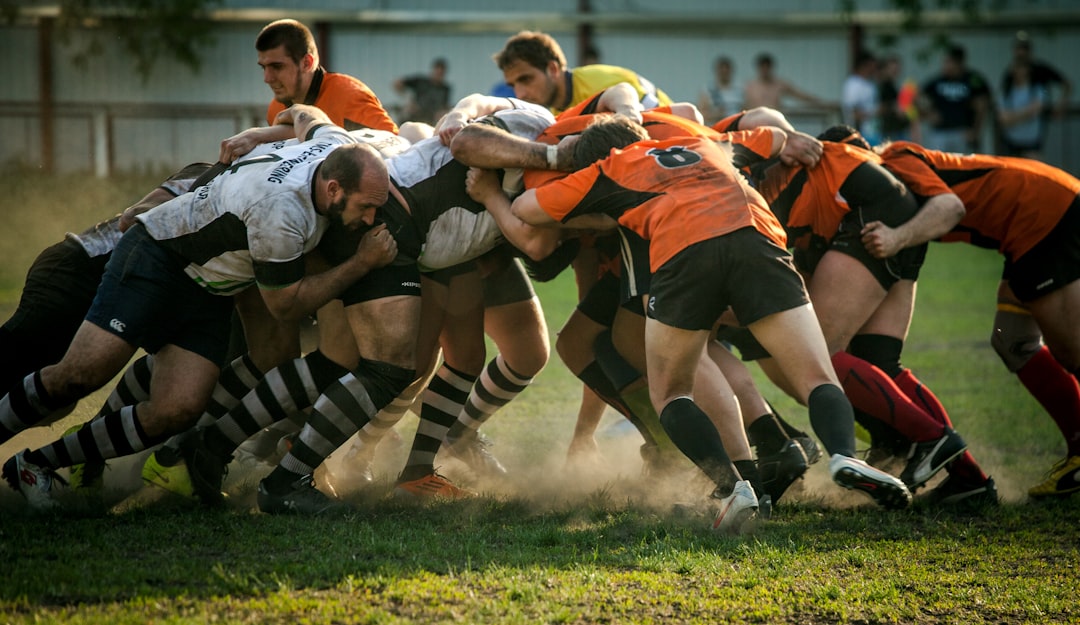
The Rugby World Cup 2023 is shaping up to be one of the most unpredictable editions in history, with traditional powerhouses stumbling while underdogs make bold strides. As the tournament approaches, team form has become a critical barometer for success, with injuries, coaching decisions, and tactical shifts reshaping the landscape. South Africa, the defending champions, face renewed pressure, while England and New Zealand battle to regain their dominance. Meanwhile, Ireland’s relentless rise and France’s home advantage inject fresh uncertainty into the title race.
Breaking News: Title Contenders Struggle, Dark Horses Emerge
The Rugby World Cup 2023 has already witnessed seismic shifts in team form, with several top-ranked nations suffering surprising defeats. South Africa, despite winning the 2019 tournament, endured a dismal Tri-Nations series in 2023, losing to both New Zealand and Australia. The Springboks’ reliance on their star-studded forward pack has been tested, with injuries to key players like Eben Etzebeth and Pieter-Steph du Toit raising concerns. Meanwhile, England’s inconsistent performances, including a shock loss to Argentina in their final warm-up, have left fans questioning Eddie Jones’ tactical approach ahead of the tournament.
On the flip side, France has surged into form with a series of dominant displays, including a thrilling 30-27 victory over New Zealand in July 2023. Les Bleus’ blend of youthful exuberance and tactical maturity under Fabien Galthié has made them early favorites. Ireland, fresh off a Six Nations Grand Slam in 2023, enters the tournament with momentum, while Wales’ resurgence under new coach Warren Gatland—despite a disappointing 2022 season—has caught many off guard. Argentina, too, has quietly strengthened, with their high-tempo style posing a threat to any opponent.
Historical Context: How Team Form Has Evolved in Rugby World Cups
The Rugby World Cup has long been a stage for both dynasty-building and dramatic upsets. Traditionally, the tournament has been dominated by the Tri-Nations trio—New Zealand, Australia, and South Africa—but recent editions have seen the rise of European and South American teams. South Africa’s 2019 victory was built on a foundation of physical dominance and tactical precision, but their 2023 struggles highlight the cyclical nature of rugby success. New Zealand, despite their reputation for consistency, have faced challenges in adapting to modern game demands, particularly in defense and set-piece execution.
England’s rollercoaster form over the past decade reflects the challenges of balancing tradition with innovation. Eddie Jones’ tenure has been marked by highs—such as the 2016 Grand Slam—and lows, including their 2020 Six Nations whitewash. Ireland’s resurgence under Andy Farrell has been a masterclass in squad rotation and tactical flexibility, culminating in their historic Grand Slam in 2023. France’s rise, meanwhile, is a testament to the home advantage, with Galthié’s side benefiting from years of tactical refinement and a deep player pool. The Rugby World Cup has always been a stage for reinvention, and 2023 promises to be no different.
Expert Analysis: Who Has the Edge in the Title Race?
As we dissect the Rugby World Cup 2023 team form, several key factors emerge as differentiators. South Africa’s forwards remain a force, but their backs have lacked the creativity of past editions. The loss of influential playmakers like Cheslin Kolbe and Damian de Allende to injury or retirement has forced the Springboks to rely on younger, less experienced options. New Zealand’s midfield, anchored by Beauden Barrett and Anton Lienert-Brown, remains a strength, but their defensive frailties against Wales in 2023 suggest room for improvement. England’s backline, featuring Marcus Smith and Freddie Steward, has shown flashes of brilliance, but their forward pack’s physicality often falters in high-pressure moments.
Ireland’s backline, led by Johnny Sexton and Hugo Keenan, is arguably the tournament’s most balanced, with their ability to exploit gaps and maintain possession under pressure. France’s back-three, featuring Damian Penaud and Thomas Ramos, has been lethal in attack, while their defense has shown resilience. Argentina’s pack, known for their relentless work rate, has the potential to disrupt even the top teams, particularly if their set-piece accuracy improves. The Rugby World Cup 2023 will likely be decided by which team can adapt fastest to the conditions, injuries, and tactical innovations of their opponents. The dark horses—France, Ireland, and Argentina—could very well lift the Webb Ellis Cup if the favorites falter.
Reactions and Expert Opinions: Fan and Analyst Perspectives
Fan reactions to the shifting team forms have been a mix of frustration and optimism. South African supporters are divided—some believe the Springboks’ 2019 blueprint remains intact, while others argue the team lacks the dynamism of past eras. Social media has buzzed with debates over Eddie Jones’ future, with England fans calling for radical changes after their recent stumbles. Meanwhile, French fans are riding a wave of euphoria, with Galthié’s side drawing comparisons to the 2007 “Golden Generation.” Ireland’s Grand Slam triumph has energized their fanbase, though skeptics question whether their success in the Six Nations translates to the global stage.
Expert opinions vary widely. Former All Blacks captain Richie McCaw believes New Zealand’s defense will be their downfall unless they tighten up, while former England coach Clive Woodward has criticized their lack of a clear game plan. Former Ireland coach Joe Schmidt, now a pundit for ITV, praises Ireland’s adaptability but warns that their injury list could prove costly. French rugby legend Serge Blanco has hailed his national team’s progress, stating that their blend of flair and structure makes them favorites. On the fringes, former Argentina captain Agustín Pichot has tipped his side as potential quarter-finalists, citing their growing confidence against the elite nations.

What to Watch Next: Key Fixtures and Predictions
As the Rugby World Cup 2023 approaches, the final preparations will be critical. South Africa faces a must-win clash against Ireland in their opening pool match, while New Zealand’s clash with Italy could set the tone for their campaign. England’s opener against Argentina will be a litmus test for Jones’ tactical setup, while France’s group-stage fixtures against Namibia and Uruguay offer a chance to fine-tune their systems. The knockout stages promise fireworks, with potential blockbuster quarter-finals featuring Ireland vs. South Africa or New Zealand vs. France.
Based on current form, Francia (France) and Ireland emerge as the early favorites, with their attacking prowess and defensive resilience giving them an edge. New Zealand and South Africa, despite their recent struggles, remain threats due to their pedigree and ability to peak at the right time. Argentina’s upward trajectory suggests they could be the tournament’s surprise package, while England’s inconsistency leaves their path to the latter stages uncertain. The Rugby World Cup 2023 is poised to deliver drama, with every team capable of turning the competition on its head.
Frequently Asked Questions
Which team has the best form heading into the Rugby World Cup 2023?
Based on recent performances, France stands out as the team with the strongest form. Their victories over New Zealand and Ireland in warm-up matches demonstrate their tactical sophistication and attacking flair. Ireland, however, are not far behind, having secured a Grand Slam in the 2023 Six Nations and maintaining a near-flawless record in their warm-up fixtures. South Africa and New Zealand, despite their recent stumbles, remain among the title contenders due to their historical dominance and ability to perform under pressure.
How have injuries impacted team preparations for the Rugby World Cup?
Injuries have played a significant role in shaping team form ahead of the tournament. South Africa’s loss of key forwards like Eben Etzebeth and Pieter-Steph du Toit has forced them to blood younger players, raising concerns about their depth. England’s injury list, particularly in the backline, has forced Eddie Jones to field inexperienced options, contributing to their inconsistent form. Ireland has managed their injury crisis better than most, with Andy Farrell’s squad rotation ensuring fresh legs for critical matches. France, surprisingly, has avoided major injury setbacks, allowing their stars like Damian Penaud and Grégory Alldritt to peak at the right time.
Could a dark horse team win the Rugby World Cup 2023?
Absolutely. Rugby World Cups have a history of producing underdog stories, and 2023 could be no different. Argentina, with their physical forward pack and high-tempo style, has the tools to upset the traditional powerhouses. France, despite their home advantage, could falter under pressure, opening the door for Ireland or even Wales. Italy, often dismissed as minnows, has shown glimpses of brilliance in recent years and could cause an upset in the pool stages. The knockout stages are where reputations are most at risk, making every team vulnerable—even the favorites.
Final Thoughts
The Rugby World Cup 2023 team form analysis reveals a tournament brimming with unpredictability and excitement. Traditional giants like South Africa and New Zealand are facing existential questions, while underdogs like France and Ireland seize the opportunity to stake their claim on rugby’s greatest prize. Injuries, tactical innovations, and sheer willpower will determine who lifts the Webb Ellis Cup in October 2023. As the competition unfolds, one thing is certain: the team that adapts fastest, executes flawlessly, and stays injury-free will emerge victorious. Fans worldwide are in for a treat, with a Rugby World Cup that promises to redefine the sport.
Images are sourced from the original RSS news feed or from Unsplash (free-to-use photography), credited as shown beneath each image.
⚠️ DMCA Notice: If you own content on this page used without permission, contact us and we will resolve it within 24 hours.

Your Sports Nation is a premier sports media collective dedicated to high-quality journalism and deep-dive analysis. Our mission is to empower fans with accurate news, exclusive insights, and a platform where every sports voice is heard