

The NCAA baseball transfer portal opened on June 1, and the numbers tell you everything about where college baseball is headed. Roughly 1,400 players entered within the first 24 hours. Ten days in, that figure has swelled to 2,239 — and with the portal open through June 30 and the College World Series still to finish, it’s only going to climb.
So far, just 149 of those players have committed to new schools, which means the real roster reshuffling is still ahead. But the early movers are already reshaping the 2027 season.
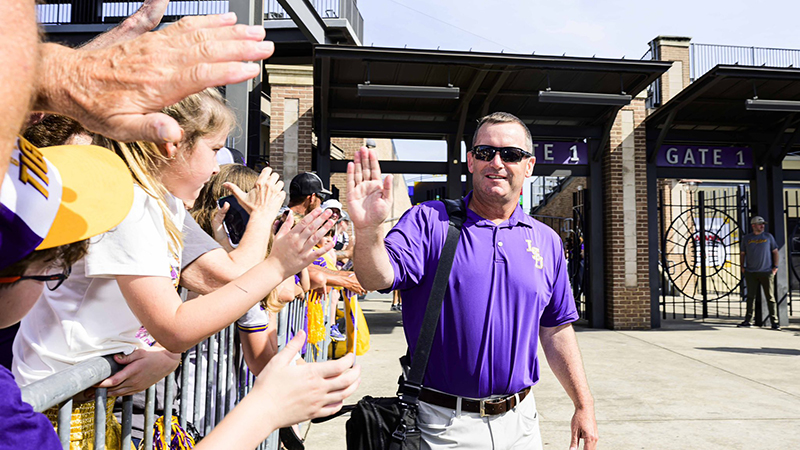
Nobody has attacked the window more aggressively than LSU. Head coach Jay Johnson missed on Northwestern State left-hander Brody Trosclair, widely viewed as the top lefty arm available in the Tigers’ own backyard — then answered by landing Notre Dame outfielder Bino Watters, the consensus No. 1 player in the portal. Watters hit .362 with 10 home runs last season and slots into a returning lineup that already features catcher Cade Arrambide (.317, 18 homers), shortstop Dawson Park (.301, 13 homers), and first baseman Mason Braun. Pair that with a top-rated incoming high school class, and LSU is building its baseball roster the same way its football program has: elite portal additions stacked on strong retention and recruiting.
The other defining storyline of this cycle is coaches taking their teams with them. Kevin Schnall, named South Carolina’s head coach this week after leading Coastal Carolina, has already seen 19 players exit Coastal — six of whom have followed him to Columbia, including infielder Walker Mitchell, the son of a former Gamecocks quarterback. It echoes the football blueprint Curt Cignetti used when he brought 13 James Madison players to Indiana and won a national title two years later.
The SEC, predictably, is both the biggest loser and biggest winner of portal season. The league saw 49 players enter on day one and 107 through ten days, with 15 of its 16 programs losing at least one player. The lone exception: Alabama, with zero entries so far.
For players, the portal-plus-revenue-sharing era means leverage and opportunity that didn’t exist five years ago — but also a brutally compressed market where more than 2,000 athletes are competing for far fewer landing spots. The math is unforgiving: most of the players in the portal will not end up at a bigger program, and some won’t find a Division I home at all. It’s the new reality of college baseball, where roster construction now looks a lot less like development and a lot more like free agency.
Source: Louisiana Sports